

Cart
0
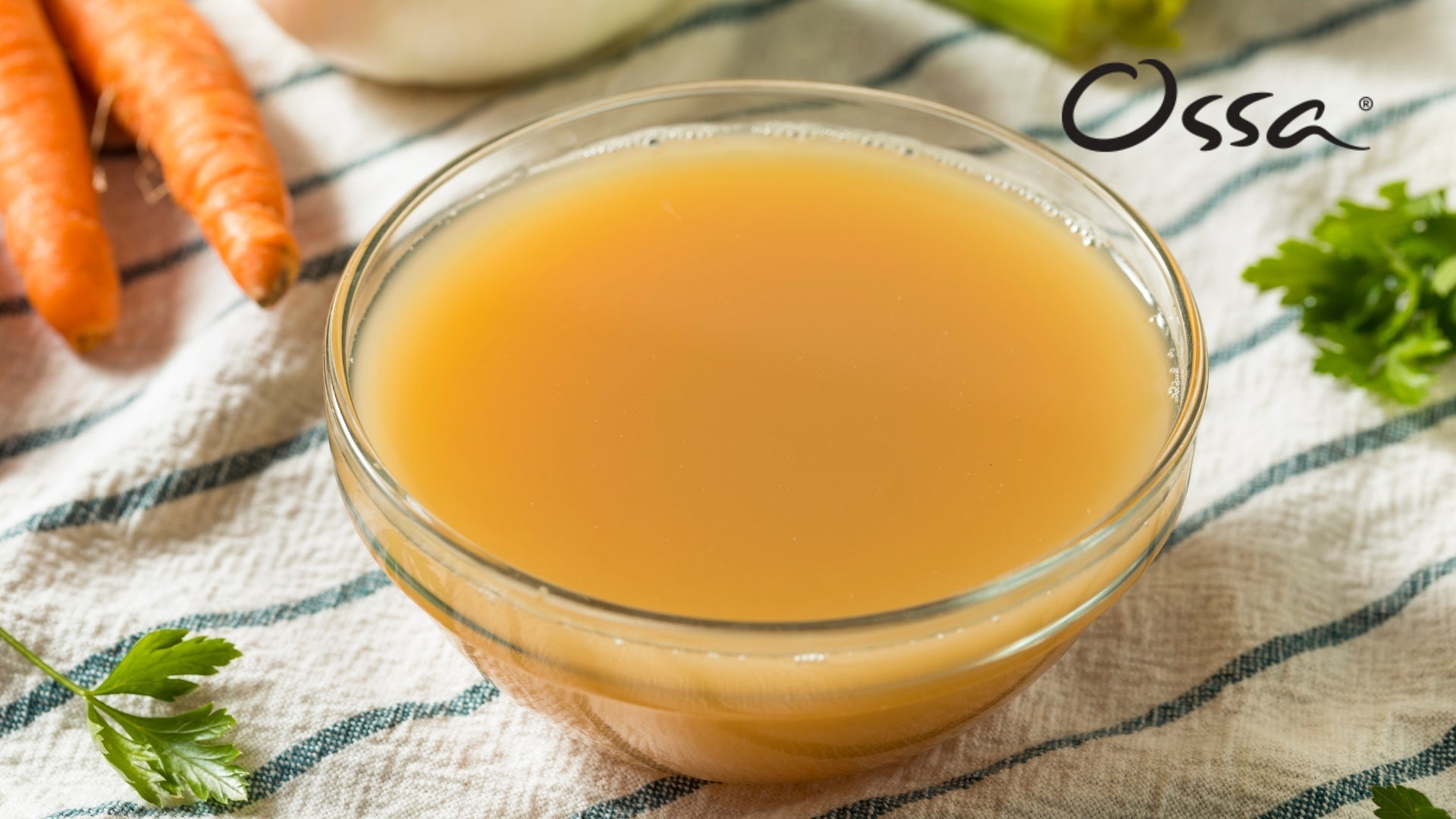
Broth vs Stock vs Bone Broth Differences for Cooking and Health
Many people use these terms interchangeably, but understanding broth vs stock vs bone broth can help you make better choices for both cooking and nutrition. While all three are made by simmering ingredients in water, their preparation, flavour, and health benefits vary significantly.
Knowing the differences allows you to choose the right option depending on whether your goal is taste, nutrition, or both.
What Is Broth?
Broth is made by simmering meat, sometimes with bones, along with vegetables and seasonings. It is typically cooked for a short period, around 1 to 2 hours.
Broth is:
- Light in texture
- Flavourful and seasoned
- Suitable for drinking or cooking
It is commonly used in soups or enjoyed on its own.
What Is Stock?
Stock is made primarily from bones, sometimes with small amounts of meat attached. It is usually unseasoned and cooked for longer than broth, typically 2 to 6 hours.
Stock is:
- Richer than broth
- Used mainly as a cooking base
- Designed to add depth to recipes
It is commonly used in sauces, stews, and soups.
What Is Bone Broth?
Bone broth is simmered for an extended period, usually 12 to 24 hours or more. This long cooking process extracts collagen, gelatine, amino acids, and minerals from the bones.
Bone broth is:
- Thick and nutrient-dense
- Often consumed as a drink
- Valued for its health benefits
Broth vs Stock vs Bone Broth: Key Differences
Cooking Time
- Broth: 1–2 hours
- Stock: 2–6 hours
- Bone broth: 12–24+ hours
Longer cooking allows bone broth to extract more nutrients.
Ingredients
- Broth: Meat, vegetables, seasoning
- Stock: Bones, minimal seasoning
- Bone broth: Bones and connective tissue
Nutritional Value
Bone broth is the most nutrient-rich option, containing collagen and amino acids. Stock has moderate nutrients, while broth is lighter and less concentrated.
Texture and Consistency
Bone broth is thick and may gel when cooled. Stock is slightly richer than broth, while broth remains thin and light.
Usage
- Broth: Drinking and light cooking
- Stock: Cooking base
- Bone broth: Health-focused consumption
Which Is the Healthiest Option?
When comparing broth vs stock vs bone broth, bone broth is generally considered the healthiest due to its higher concentration of collagen and nutrients.
Bone broth may help:
- Support joint health
- Improve digestion
- Promote skin health
Broth and stock still offer benefits but are primarily used for flavour and cooking.
When to Use Each Option
Choosing between the three depends on your needs:
- Use broth for light meals or sipping
- Use stock for enhancing flavour in recipes
- Use bone broth for nutritional support
Each serves a different purpose in the kitchen and diet.
Can You Substitute Them?
Yes, broth, stock, and bone broth can often be substituted in recipes. However, the flavour and nutritional value will vary:
- Bone broth adds richness and nutrients
- Stock adds depth
- Broth provides a lighter taste
Are There Any Downsides?
All three are generally safe, but:
- Bone broth requires long preparation
- Store-bought versions may vary in quality
- Flavour intensity differs between types
Choosing high-quality ingredients is important.
Broth vs Stock vs Bone Broth for Balanced Cooking and Nutrition
Understanding broth vs stock vs bone broth helps you make informed choices based on your goals. While broth and stock are essential for cooking, bone broth stands out for its nutritional benefits.
By incorporating all three into your routine, you can enhance your meals while supporting overall health and wellbeing.
For more information about Our Collections feel free to visit -> Ossa Organic