TL;DR:
- Bone broth for breakfast provides concentrated amino acids, protein, and electrolytes that support gut health and energy. It can be enjoyed as a warm beverage or incorporated into meals like eggs and grains to boost nutrition. Regular consumption over time improves digestion, sleep, and overall well-being.
Bone broth for breakfast is defined as consuming a slow-simmered, collagen-rich stock made from animal bones as part of or alongside your morning meal. The liquid delivers amino acids like glutamine and glycine that support gut lining integrity and digestion from the first meal of the day. A typical cup supplies around 9 grams of protein, roughly 18% of the daily recommended intake on a 2,000-calorie diet. That protein load helps sustain fullness and steady energy without the caffeine crash that follows a second or third coffee. Ossa Organic has built its entire range around this principle: nourishing, real-food ingredients that work with your body from morning onwards.
1. What are the nutritional benefits of bone broth for breakfast?
Bone broth provides a concentrated source of bioavailable nutrients that are particularly useful first thing in the morning. The key compounds are protein, amino acids, electrolytes, and collagen components, each with a distinct physiological role.
-
Protein for satiety. Bone broth provides 8–10 grams of protein per cup, which slows digestion and reduces mid-morning cravings. It is not a complete protein, so pairing it with eggs or whole grains rounds out the amino acid profile.
-
Glycine for gut and calm. Glycine aids digestion and has a mild calming effect by lowering core body temperature. This makes it useful both at breakfast and, interestingly, as bone broth before bed to support sleep quality.
-
Glutamine for gut lining. Collagen, glutamine, and gelatin help protect the stomach lining and reduce inflammation. Consuming them on an empty stomach in the morning means they reach the gut lining before other foods compete for absorption.
-
Electrolytes for hydration. Bone broth contains potassium and sodium that support fluid balance and prevent dehydration-related fatigue. After eight hours without fluids, this mineral top-up is more useful than most people realise.
-
Collagen for joints and skin. The collagen precursors in broth support connective tissue repair. Regular morning consumption builds this benefit cumulatively over weeks rather than days.
Pro Tip: Drink your broth 15–20 minutes before eating solid food. This gives the amino acids direct access to the gut lining before digestive acids are fully activated by a larger meal.
Bone broth is not a meal replacement. It works best as a nutrient-dense addition to a balanced breakfast that includes fat, fibre, and complete protein from other sources.

2. How to drink bone broth as a standalone morning beverage
The simplest approach is to treat bone broth exactly as you would a cup of tea or coffee. Heat a 240ml serving, pour it into a mug, and sip it warm before or alongside breakfast. This method requires no preparation beyond reheating and delivers the full nutritional profile without dilution.
The savoury, umami flavour is the main adjustment for most people. Bone broth’s umami character contrasts sharply with the sweet or acidic flavours typical of morning drinks. Adding a pinch of sea salt, a slice of fresh ginger, or a squeeze of lemon shifts the flavour profile and makes the transition easier. Turmeric and black pepper add anti-inflammatory compounds and warm the taste considerably.
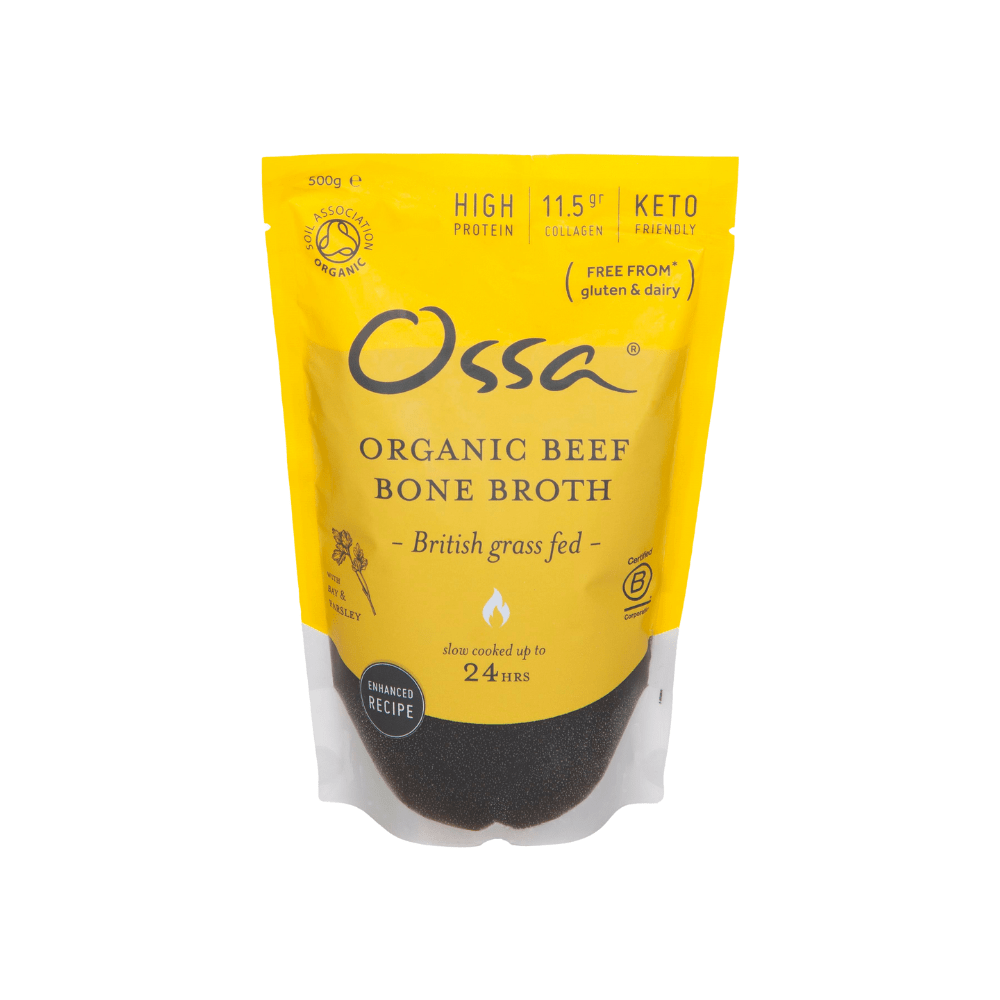
Ossa Organic’s organic beef bone broth in a 240ml ambient pack is designed precisely for this use. It heats in minutes and requires no refrigeration until opened, making it a practical option for busy mornings.
Pro Tip: Keep a 240ml pack on your desk or in your bag. Ambient packaging means you can heat it at work or on the go without needing a fridge.
3. Using bone broth as a cooking base for eggs
Replacing water or oil with bone broth when cooking eggs is one of the most effective ways to add nutrition without changing your routine. Poach eggs directly in simmering broth rather than plain water. The eggs absorb the broth’s flavour and the cooking liquid retains its nutrients, which you can then drink from the pan.
For scrambled eggs, add two tablespoons of broth to the beaten eggs before cooking. The liquid creates a softer texture and adds a savoury depth that butter alone does not provide. Finish with fresh herbs such as chives or flat-leaf parsley. This method adds protein and gut-supporting amino acids to a breakfast that already contains complete protein from the eggs.
A chorizo hash cooked in bone broth rather than oil is another option worth trying. The broth deglazes the pan and keeps the vegetables moist while adding collagen and electrolytes to every bite.
4. Bone broth breakfast bowls with grains and vegetables
A bone broth breakfast bowl uses the liquid as a warm base for grains such as brown rice, quinoa, or oats cooked in savoury style. Cook the grain directly in broth rather than water. The grain absorbs the amino acids and electrolytes as it cooks, distributing the nutritional benefits throughout the bowl rather than concentrating them in the liquid.
Top the cooked grain with a soft-boiled egg, wilted spinach, sliced avocado, and a drizzle of extra virgin olive oil. This combination delivers complete protein, healthy fat, fibre, and the gut-supporting compounds from the broth in a single bowl. The result is a breakfast that sustains energy for three to four hours without a mid-morning slump.
Batch-prepping bone broth and pre-cooking grains at the weekend reduces weekday preparation to five minutes. Store cooked grains in the fridge for up to four days and reheat with a splash of fresh broth.
5. Should you replace or combine bone broth with coffee?
Bone broth and coffee serve different physiological functions. Coffee delivers caffeine for alertness; bone broth delivers protein, electrolytes, and amino acids for satiety and gut support. There is no clinical reason to eliminate coffee if you enjoy it. Bone broth works as a complement rather than a replacement.
The practical approach is to drink bone broth first, then follow with coffee 20–30 minutes later. This sequence means the gut lining receives glutamine and glycine before the acidic compounds in coffee arrive. People who find coffee causes digestive discomfort often report improvement with this timing.
For those reducing caffeine, bone broth provides a satisfying alternative with these properties:
-
Warm, savoury, and sippable from a mug, matching the ritual of a hot morning drink
-
Protein and electrolytes that provide stable energy without the cortisol spike caffeine triggers
-
Glycine’s mild calming effect, which counters the anxiety some people experience with high caffeine intake
-
A flavour profile that can be adjusted with spices to suit personal preference
Ossa Organic’s blog on bone broth versus coffee covers the comparison in detail for readers who want to explore the swap further.
6. What are the best types of bone broth for breakfast?
The choice of broth type affects both flavour and nutrient profile. Beef bone broth has a deeper, richer flavour and higher collagen content due to the density of connective tissue in beef bones. Chicken bone broth is lighter in taste and easier to pair with delicate breakfast flavours such as eggs or mild grains. Lamb bone broth sits between the two in intensity and is less commonly available but well suited to spiced breakfast dishes.
For morning consumption, sodium content is the most important selection criterion. High sodium in store-bought broth can cause bloating and thirst when consumed on an empty stomach. Low-sodium or naturally balanced broths are the better choice for breakfast use.
Pro Tip: Check the sodium per 100ml on the label rather than per serving. Some products list a small serving size to make the sodium figure appear lower than it is.
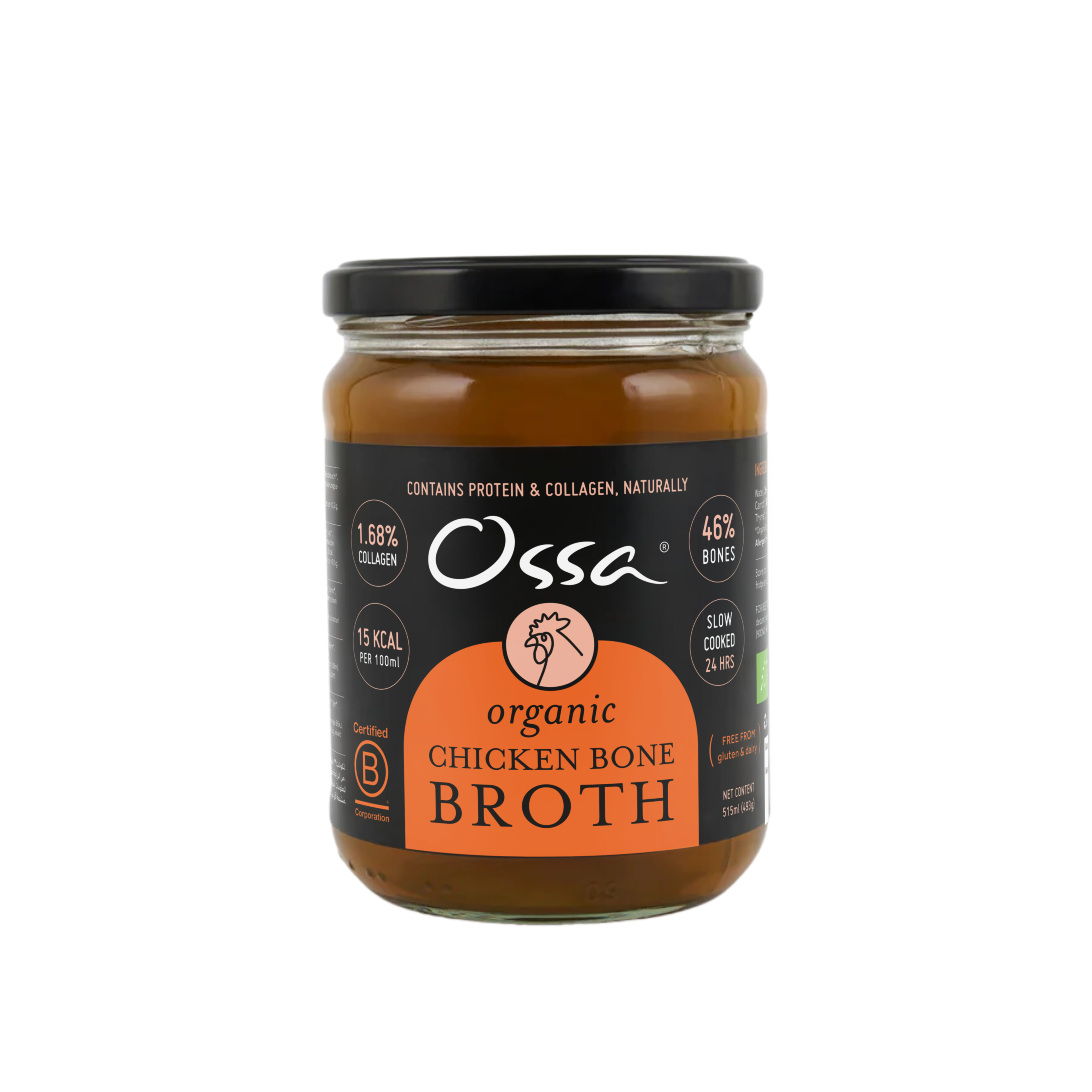
Organic, grass-fed, or slow-simmered broths deliver higher collagen and amino acid concentrations than quickly produced stock. The slow simmering process extracts more gelatin from the bones, which is visible as a jelly-like consistency when the broth is cold. A broth that sets firmly when chilled contains more collagen than one that remains liquid. Ossa Organic’s organic chicken bone broth uses this slow-simmering method and is a lighter option well suited to breakfast use.
Homemade broth gives full control over sodium and ingredient quality but requires several hours of simmering. Premium pre-made broths from organic sources offer a practical middle ground for people who want consistent quality without the time commitment.
7. Easy bone broth breakfast recipes and serving ideas
These recipes require minimal preparation and work within a standard morning routine.
-
Savoury broth mug. Heat 240ml of chicken or beef broth, add a pinch of sea salt, a slice of ginger, and a squeeze of lemon. Drink before breakfast as a gut-priming ritual.
-
Broth-poached eggs on toast. Simmer two eggs directly in bone broth for three minutes. Serve on whole-grain sourdough with sliced avocado and black pepper.
-
Savoury oats. Cook rolled oats in bone broth instead of water or milk. Top with a fried egg, wilted kale, and a drizzle of sesame oil for a protein-rich, fibre-dense bowl.
-
Bone broth scramble. Whisk two eggs with two tablespoons of broth. Cook on low heat with butter. Add cherry tomatoes and fresh herbs.
-
Avocado broth smoothie. Blend half an avocado, one cup of chilled chicken broth, a handful of spinach, a squeeze of lime, and a pinch of cumin. This works as a portable, nutrient-dense option for busy mornings.
-
Broth and vegetable hash. Sauté diced sweet potato, courgette, and red onion in bone broth. Add a cracked egg and cover the pan to steam-cook the egg on top.
Batch-prepping broth and storing it in portioned containers makes all of these recipes faster on weekday mornings. Ossa Organic’s bone broth breakfast recipe guide covers additional pairings and preparation methods.
8. Bone broth and sleep: the morning-to-night connection
The benefits of bone broth extend beyond breakfast. Glycine supports sleep quality by lowering core body temperature, which is one of the physiological signals that initiates sleep. This means the same compound that supports gut health in the morning also contributes to better rest at night.
The gut-sleep axis is a recognised area of nutritional research. Collagen and glycine reduce gut inflammation and support circadian rhythm regulation. Consuming bone broth consistently, whether at breakfast, for lunch, or as bone broth before bed, builds these effects over time. A single cup is useful; a daily habit is more so.
For those interested in healthy eating habits that travel well, ambient-packaged bone broth is one of the few whole-food options that requires no refrigeration and fits easily into a travel bag. The nutritional consistency of a quality broth means the morning routine does not have to break when you are away from home.
9. How to build a consistent bone broth morning routine
Consistency produces the most measurable gut health benefits from bone broth. A single serving is nutritionally useful, but the collagen, glycine, and glutamine compounds work cumulatively on gut lining integrity over days and weeks. The goal is to make the habit frictionless enough to repeat daily.
Start with one method that fits your existing routine. If you already drink a hot beverage in the morning, replace it with broth three days a week before adding more days. If you cook eggs daily, switch to broth-poached or broth-scrambled eggs as the entry point. Changing one variable at a time prevents the routine from feeling like a significant disruption.
Track how you feel after two weeks. Most people notice improved digestion, reduced bloating, and more stable energy before they notice any change in skin or joint comfort. Those benefits take longer because collagen synthesis is a slower process. The reasons to start your day with broth are well documented, and the practical barrier is lower than most people expect.
Key takeaways
Bone broth for breakfast delivers protein, gut-supporting amino acids, and electrolytes that sustain energy and protect gut lining integrity more effectively than most conventional morning drinks.
| Point |
Details |
| Protein per cup |
One cup provides 8–10 grams of protein, supporting satiety and reducing mid-morning cravings. |
| Gut lining support |
Glutamine, glycine, and collagen protect the stomach lining and reduce inflammation when consumed first thing. |
| Sodium awareness |
Choose low-sodium broth for morning use to avoid bloating and excess thirst on an empty stomach. |
| Coffee compatibility |
Bone broth complements rather than replaces coffee; drink broth first, then follow with coffee 20–30 minutes later. |
| Consistency matters |
Daily consumption builds cumulative gut, sleep, and joint benefits that a single serving cannot replicate. |
Bone broth at breakfast: what five years of daily use has taught me
The most common mistake people make when starting with bone broth in the morning is treating it as a supplement rather than a food. They measure it out cautiously, drink it quickly, and wait for a result. That is not how it works. Bone broth is food. It belongs in your pan, your bowl, and your mug, not in a shot glass.
The flavour adjustment takes about a week for most people. The savoury, umami character feels unfamiliar at breakfast because most Western morning foods are sweet or neutral. Persisting through that first week matters. By day ten, the broth tastes normal. By day thirty, the absence of it is what feels wrong.
Sodium management is the one practical issue worth taking seriously. A high-sodium broth on an empty stomach will make you thirsty and bloated before 9 AM. Reading labels and choosing organic, naturally balanced broths removes this problem entirely. Ossa Organic’s broths are formulated with this in mind.
The gut-sleep connection surprised me most. I started drinking broth at breakfast for digestion. The improvement in sleep quality came later and was not something I had anticipated. The gut-sleep axis benefits from glycine are real and measurable. If you are using bone broth before bed as well as at breakfast, you are working both ends of the circadian cycle with the same ingredient.
My honest recommendation: start with a warm mug of chicken broth before your first meal. Do it for two weeks. Then decide whether to expand the habit. The evidence for gut health, energy, and sleep is strong enough to justify the experiment.
— Ossa Organic
Ossa Organic bone broth for your morning routine
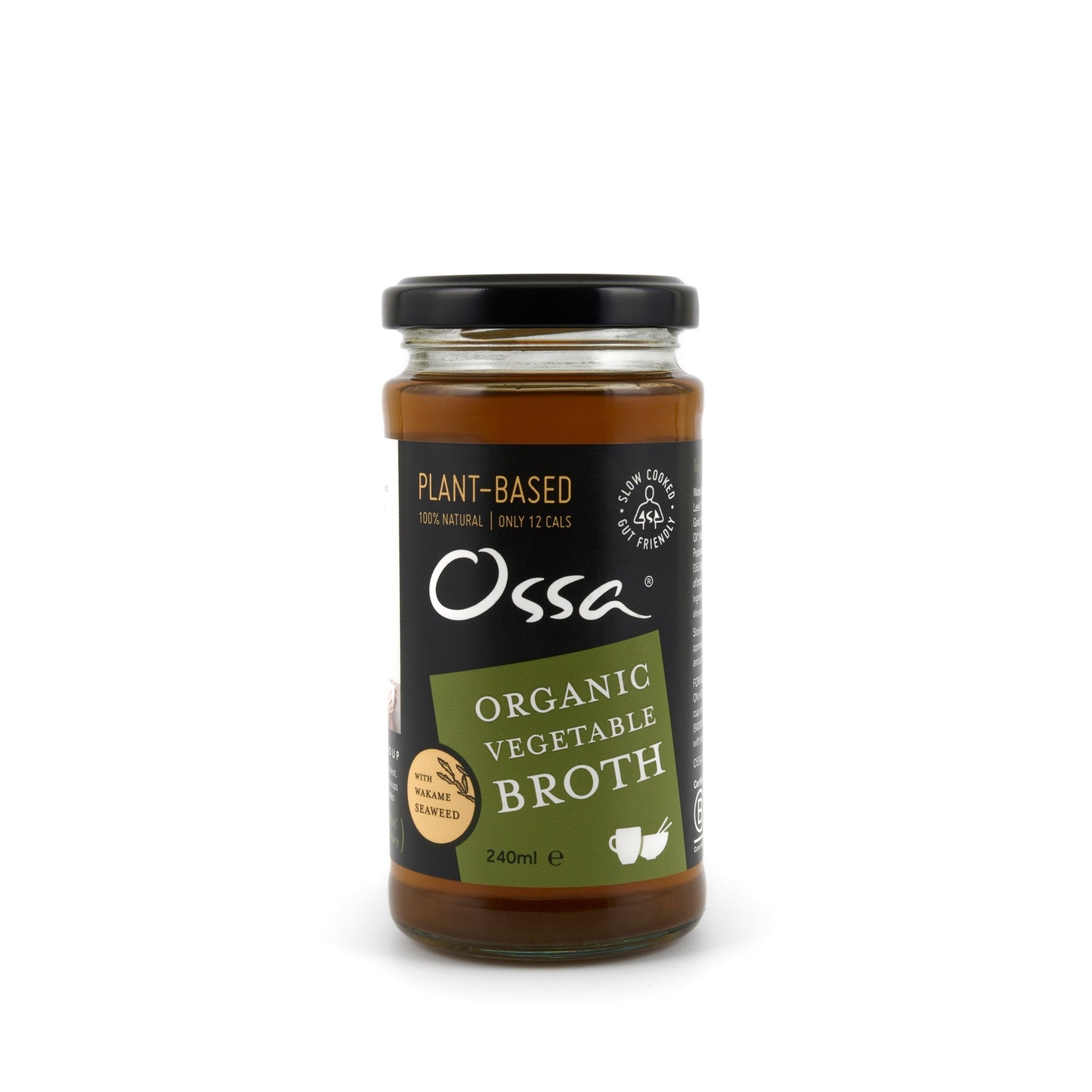
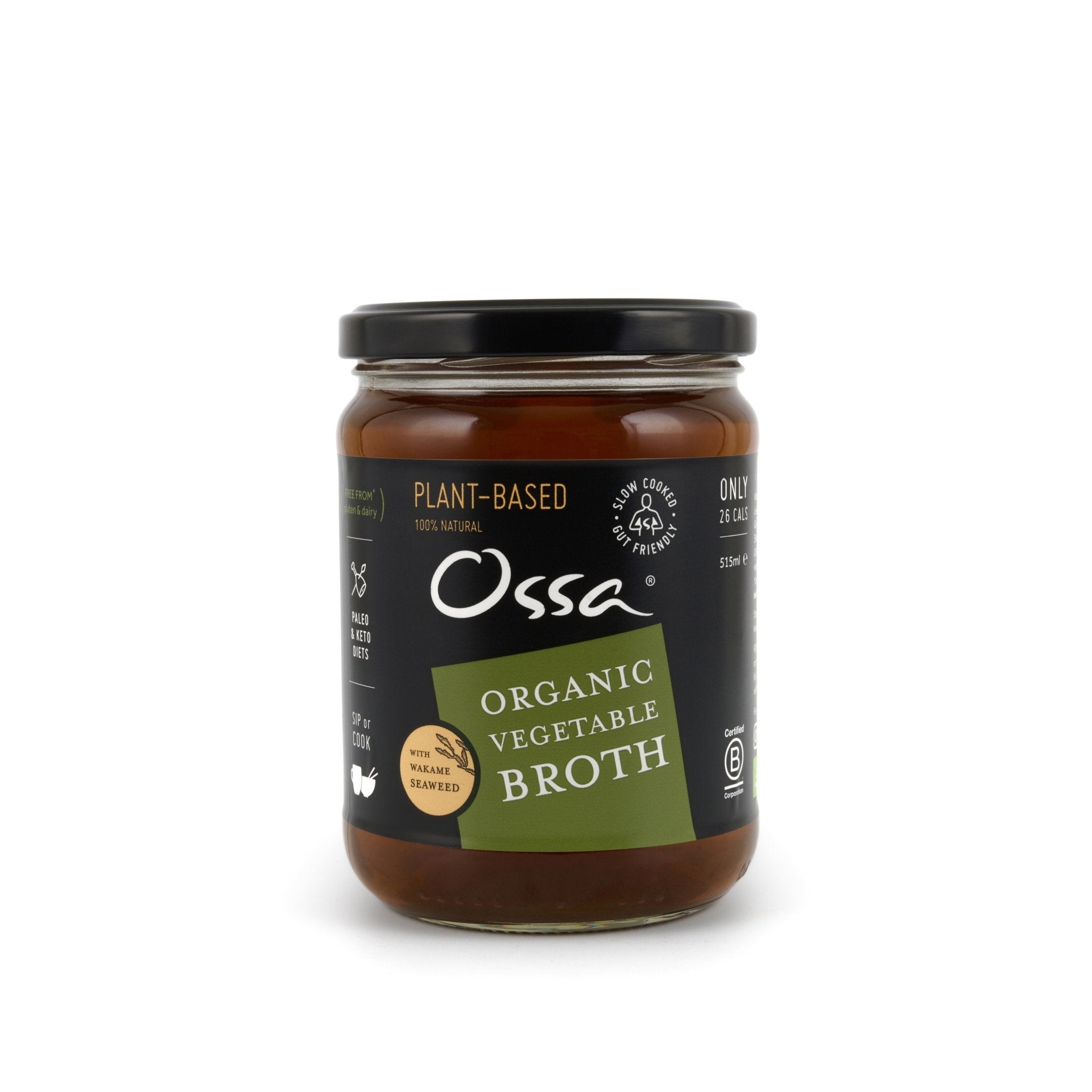
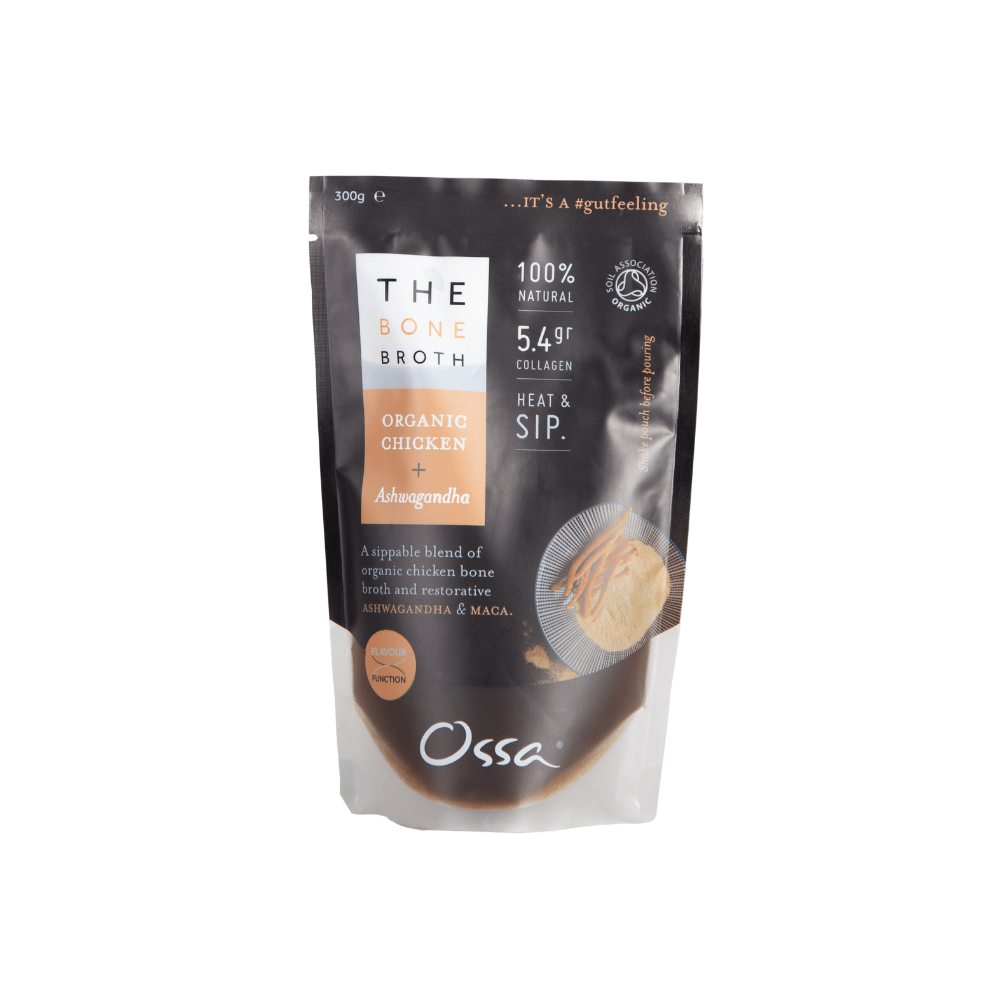
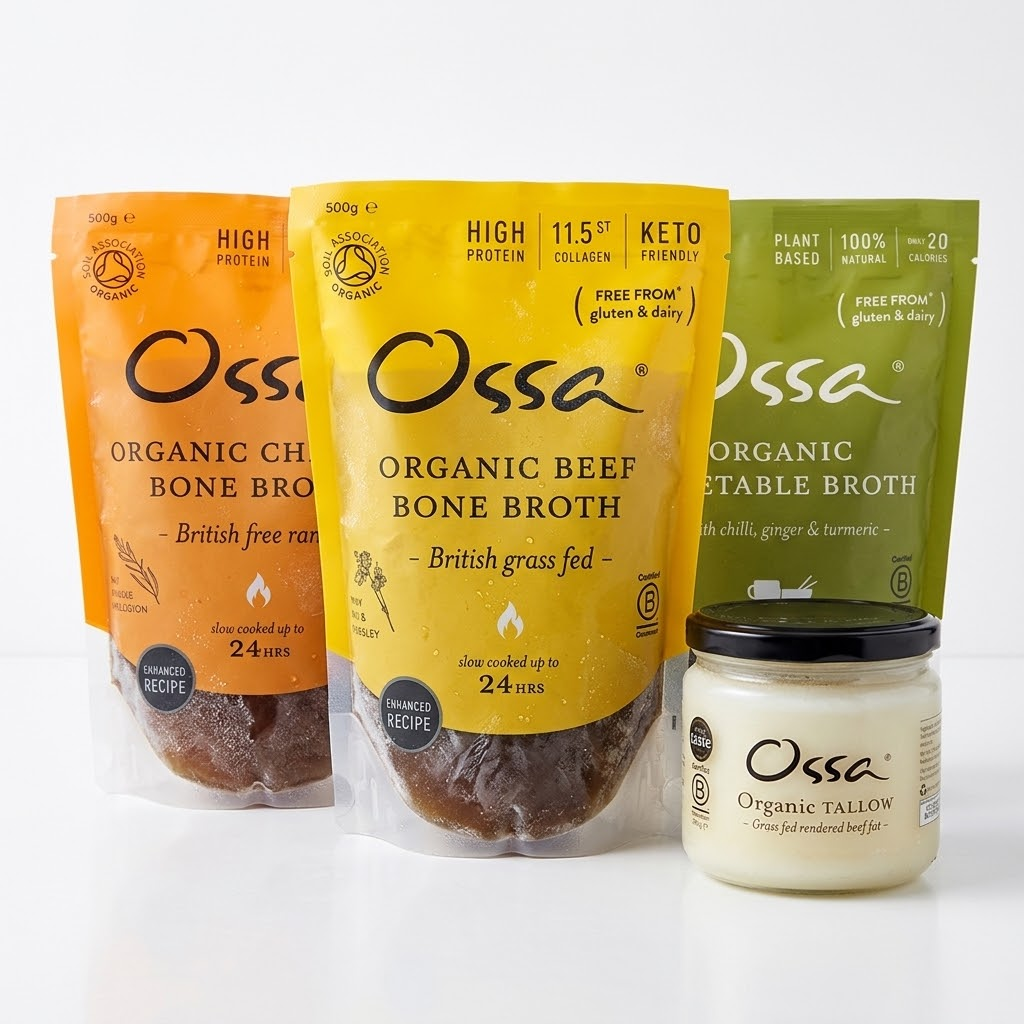
Ossa Organic produces organic, grass-fed bone broth slow-simmered for maximum collagen and amino acid content. The range includes a 240ml beef bone broth for single-serve morning use and a 515ml ambient beef broth for those who cook with broth daily. For a lighter breakfast option, the 240ml chicken bone broth pairs well with eggs, grains, and savoury bowls. All products use ambient packaging, so they store without refrigeration until opened. No preservatives, no artificial ingredients, and no shortcuts in the simmering process.
FAQ
Is bone broth a good breakfast option?
Bone broth is a nutritionally sound breakfast addition. It provides 8–10 grams of protein per cup, gut-supporting amino acids, and electrolytes that sustain energy and hydration through the morning.
Can you drink bone broth instead of coffee in the morning?
Bone broth can replace coffee for those reducing caffeine, as it provides stable energy from protein and electrolytes without a caffeine crash. There is no clinical reason to eliminate coffee if you enjoy it; the two work well together.
What is the best type of bone broth for breakfast?
Chicken bone broth is the lightest option and pairs well with eggs and grains. Beef bone broth has a richer flavour and higher collagen content. Choose a low-sodium variety for morning use to avoid bloating on an empty stomach.
Does bone broth help with sleep as well as breakfast?
Glycine in bone broth lowers core body temperature, which supports sleep onset. Consuming broth consistently, whether at breakfast or as bone broth before bed, builds this benefit through the gut-sleep axis over time.
How do you make bone broth part of a breakfast routine?
Start by replacing your morning hot drink with a warm 240ml mug of broth three days a week. Alternatively, use broth as a cooking liquid for eggs or grains. Ambient-packaged broth requires no preparation beyond reheating and fits easily into any morning schedule.
Recommended