

Cart
0

Bone broth can help ease constipation for some people because it delivers warm fluid, sodium and other electrolytes, and gelatin that together tend to soften stool and support easier bowel movements. It is not a guaranteed laxative, and it works best as a supportive addition rather than a substitute for fibre, water or medical treatment. The sections below cover exactly how it works, how to introduce it safely, and when to be cautious.
TL;DR:
- Bone broth’s benefits for constipation mainly come from its high fluid content, electrolytes, and gelatin, which can soften stool and support gut motility.
- Longer simmering times increase collagen breakdown, resulting in more gelatin and mineral concentration compared to regular stock, enhancing its potential effects.
- Clinical evidence for bone broth’s specific role in relieving constipation is limited, with most benefits attributed to hydration, electrolytes, and gut support from amino acids.
- To use bone broth effectively, start with small daily servings, pair it with fiber and water, and choose low-sodium or homemade options to minimize risks.
- Excess sodium, histamine sensitivity, improper storage, or underlying health issues can make bone broth counterproductive or unsafe for some individuals.
Table of Contents
- How does bone broth help constipation?
- What does the evidence actually say?
- How to use bone broth to relieve constipation
- When could bone broth make constipation worse?
- Ossa Organic’s take on bone broth and gut support
- Try a ready-made option that fits your routine
- Authoritative sources and further reading
- FAQ
How does bone broth help constipation?
Bone broth is made by simmering animal bones, connective tissue and joints for many hours, sometimes over a full day. That long, slow cooking breaks down collagen into gelatin, a protein that dissolves easily in warm liquid and adds a soft, jelly-like consistency to the finished broth once chilled. Gelatin and the amino acids it contains, including glycine and glutamine, are thought to support the gut lining and may aid motility, though direct human evidence for this specific effect on constipation remains thin.
The mineral content matters just as much as the protein. Slow simmering draws small amounts of calcium, magnesium and phosphorus out of the bones and into the liquid, and these electrolytes play a role in the muscle contractions that move waste through the colon. Combined with the fact that broth is, at its core, warm fluid, this is where much of the practical benefit lies.
- Gelatin adds moisture and a softer texture to stool as it moves through the digestive tract.
- Glycine and glutamine support the gut lining, though clinical proof specific to constipation is limited.
- Electrolytes such as magnesium and calcium assist the muscle contractions involved in bowel movements.
- Hydration from warm broth is often the single most reliable factor in easing occasional constipation.
Regular stock, by contrast, is usually simmered for a much shorter time and made mostly with meat and vegetables rather than bones and cartilage. That shorter cooking time means less collagen has the chance to convert to gelatin, so a proper bone broth compared with stock typically contains more protein and a noticeably thicker, more gelatinous texture once cooled. This is one reason bone broth tends to outperform a thin stock or bouillon for this particular purpose.
What does the evidence actually say?
The mechanisms above are genuinely plausible, but the clinical trial evidence backing them is limited. Harvard Health has noted that bone broth may contain more protein and gelatin than regular broth simply due to longer simmering times, while also being clear that many of the health claims attached to it lack rigorous human studies. That is an important distinction: a food can have a sound theoretical basis for helping digestion without having been proven in a controlled trial to relieve constipation specifically.
Peer-reviewed research goes some way to support the individual pieces of the puzzle rather than the whole claim. Studies discussing amino acids and gut integrity suggest glycine and glutamine may support the gut mucosa, and some experimental work points to anti-inflammatory and mucosal-supporting effects from nutrients found in broth. But translating findings from animal or laboratory studies into a confident real-world claim about human constipation is not straightforward, and no major clinical trial has tested bone broth specifically as a treatment for constipation.
- Harvard Health confirms bone broth’s higher protein and gelatin content compared with regular broth, alongside a lack of high-quality trials for many claimed benefits.
- Peer-reviewed work on amino acids and gut integrity shows promise but does not amount to direct clinical proof for constipation relief.
- Cleveland Clinic experts note that most digestive benefits are likely indirect, driven by hydration and the broth’s gentle, low-residue nature rather than a direct laxative mechanism.
There is also a common misunderstanding worth correcting here: eating collagen or gelatin does not mean your body simply reassembles it into new collagen in your gut or joints. Digestion breaks these proteins down into amino acids first, which your body then uses as building blocks for its own purposes, wherever they are needed. The honest summary is that bone broth’s effect on constipation is most likely indirect, working through hydration and mineral balance rather than acting as a direct pharmacological remedy.
How to use bone broth to relieve constipation
Start small and pay attention to how your body responds, rather than assuming more is automatically better.
- Begin with half a cup to one cup daily. Increase gradually over several days if your stool response is positive, watching for any looseness or discomfort.
- Drink it between meals rather than only with food. Sipping broth away from mealtimes can encourage gut motility without diluting digestive enzymes needed for the meal itself.
- Pair it with fibre and water, never instead of them. Bone broth works best alongside vegetables, whole grains, and consistent water intake throughout the day, not as a replacement for either.
- Make a simple low-sodium batch at home. Simmer bones for 12 to 24 hours with a splash of vinegar to help draw out minerals, and season lightly so you control the salt content yourself.
- Check labels carefully if buying shop-bought broth. Look for lower-sodium options and short, recognisable ingredient lists rather than broths padded with flavourings.
If you’re managing IBS or sensitivity to fermentable carbohydrates, a low FODMAP bone broth approach using FODMAP-friendly vegetables and controlled simmering times is worth trying before a standard recipe. For those who enjoy pairing broth with other protein sources through the day, a plant-based protein bowl can be a useful complement on days you want extra fibre alongside your broth.
Pro Tip: If you’re sensitive to histamine, freeze broth in small portions as soon as it cools rather than storing it in the fridge for several days, since histamine levels tend to rise the longer broth sits.
When could bone broth make constipation worse?
Bone broth isn’t risk-free, and a handful of readers will find it unhelpful or even counterproductive.
- Excess sodium can trigger diarrhoea or fluid imbalance. Shop-bought broths are sometimes surprisingly high in sodium, which affects fluid balance and can swing digestion the opposite way from what you intended. Choosing low-sodium commercial broths, or making batches at home where you control the salt, reduces this risk considerably.
- Histamine and glutamate sensitivity. People with histamine intolerance, mast cell issues, or certain IBS presentations may find bone broth aggravates symptoms rather than easing them. Introducing it gradually and using low-histamine preparation methods, such as shorter cooking times and prompt freezing, helps manage this.
- Storage and reheating safety matter. Broth left at room temperature for extended periods or reheated incorrectly can carry food-safety risks, so refrigerate promptly and reheat until piping hot throughout.
- Sourcing concerns around heavy metals. Bones can concentrate trace heavy metals depending on the animal’s environment, so choosing organic, trusted sourcing and using broth in moderation is sensible rather than drinking it as your sole source of hydration.
- Medical red flags need a GP, not a broth recipe. Persistent constipation lasting more than a few weeks, severe abdominal pain, blood in your stool, or constipation that started after a new medication all warrant a conversation with your GP rather than a dietary fix alone.
Ossa Organic’s take on bone broth and gut support
Ossa Organic was founded after discovering the benefits of proper bone broth during pregnancy. The production philosophy emphasizes organic ingredients, traditional slow cooking, and no unnecessary additives. Every batch is simmered slowly, with no shortcuts or artificial fillers.
For daily use, we suggest starting with a small serving between meals and building up gradually, exactly as outlined in the everyday chicken broth guide. Store opened bottles in the fridge and use within a few days, or freeze in portions if you’re making it a regular habit.
— Ossa Organic
Try a ready-made option that fits your routine
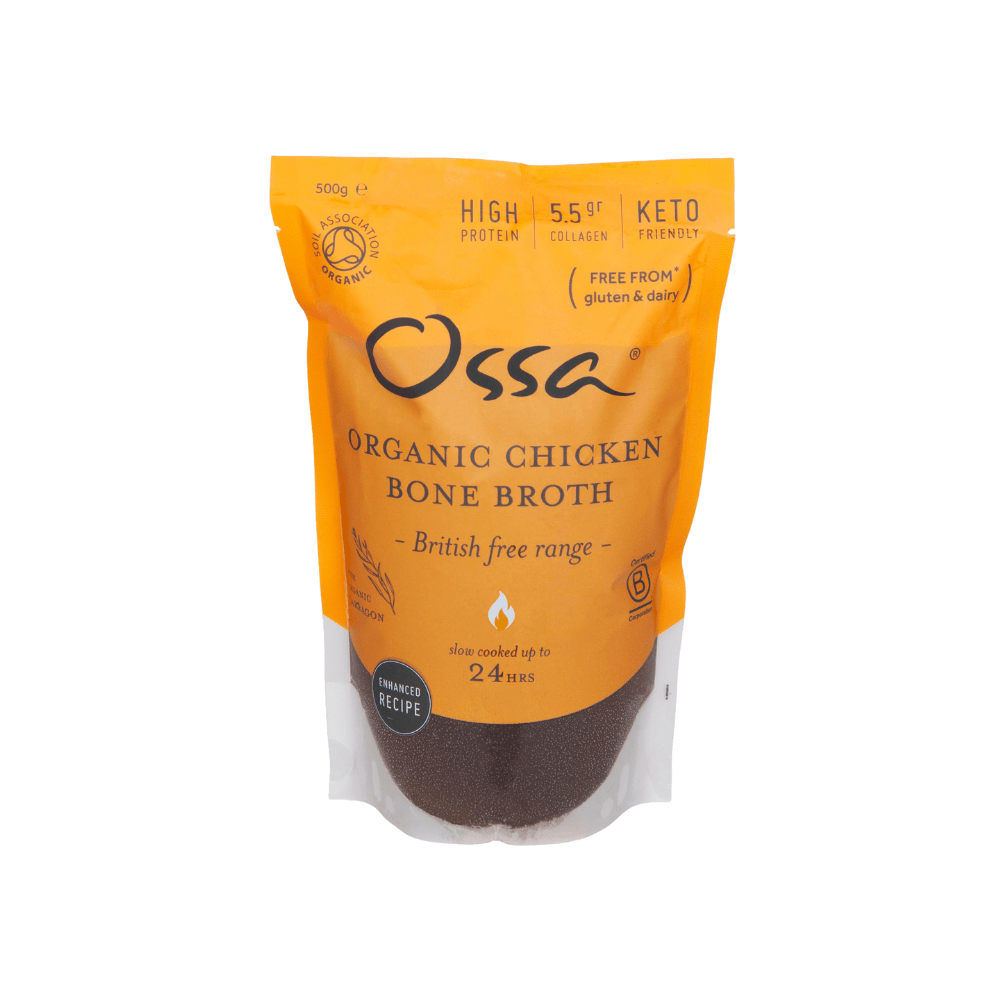
If mixing bones, water and time doesn’t fit your week, ready-made options remove the guesswork while keeping the same slow-cooked approach. The broths are made with organic, ethically sourced ingredients and traditional simmering, without preservatives or artificial additives, providing gelatin and electrolyte content as described earlier. The Organic Chicken Bone Broth is a gentle single-bottle way to try it if you’re new to bone broth or want to start with a smaller amount, as recommended earlier. For a regular addition to your routine, the Organic Free Range Chicken Bone Broth suits daily sipping between meals, while the Organic Grass Fed Beef Bone Broth offers a richer option sold in multi-bottle packs for households drinking it consistently. Whichever you choose, start low and increase gradually, and browse the full range of bone broths and gut health bundles to find what fits your kitchen.
Authoritative sources and further reading
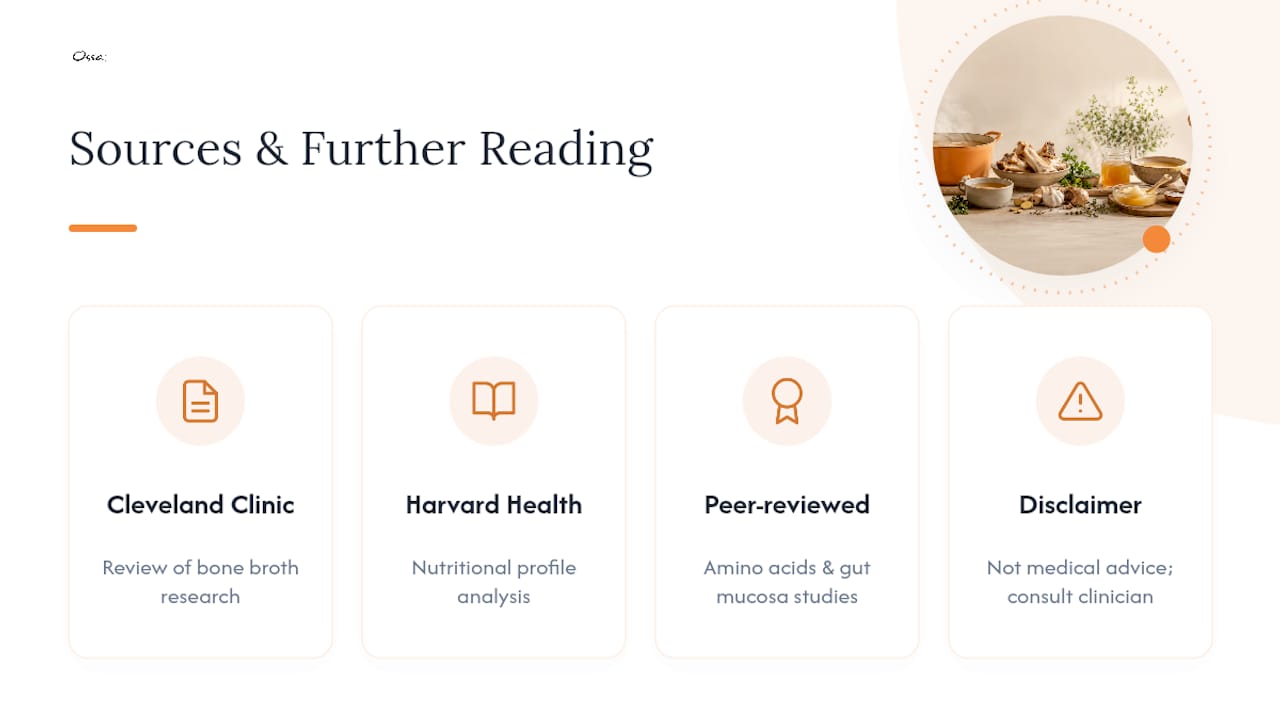
This article draws on Cleveland Clinic’s review of bone broth research, Harvard Health’s analysis of its nutritional profile, and peer-reviewed PMC and PubMed articles on amino acids, gut integrity and mucosal health.
This article is general information, not a substitute for advice from a qualified doctor. Consult a qualified healthcare professional about your own circumstances before acting on anything here.
FAQ
Does bone broth increase bowel movements?
For some people, yes, largely because the fluid, sodium and gelatin content support softer stool and gut motility. It is not a direct laxative for everyone, and effects vary depending on hydration levels and overall diet.
What is the downside to drinking bone broth?
The main downsides are excess sodium in some shop-bought versions, which can disrupt fluid balance, and the risk of histamine or glutamate reactions in sensitive individuals. Food-safety issues can also arise if broth is stored or reheated incorrectly.
How do Japanese people avoid constipation?
Traditional Japanese diets tend to be high in fibre from vegetables, seaweed, and fermented foods like miso, alongside regular fluid intake, all of which support healthy bowel movements. Broths and soups are also a common daily feature, offering similar hydration benefits to the ones discussed throughout this article.
What is the “nurse’s cocktail” for constipation?
This is an informal term sometimes used for a warm drink combining prune juice, bran cereal and apple sauce, intended to support bowel movements through fibre and fluid. It is not a formal clinical treatment, and readers with persistent constipation should speak to a GP rather than relying on home remedies alone.
Can bone broth relieve constipation on its own?
Bone broth works best alongside adequate fibre and water rather than as a standalone fix. Products like Ossa Organic’s bone broths are designed to fit into that broader routine, not replace it.