

Cart
0
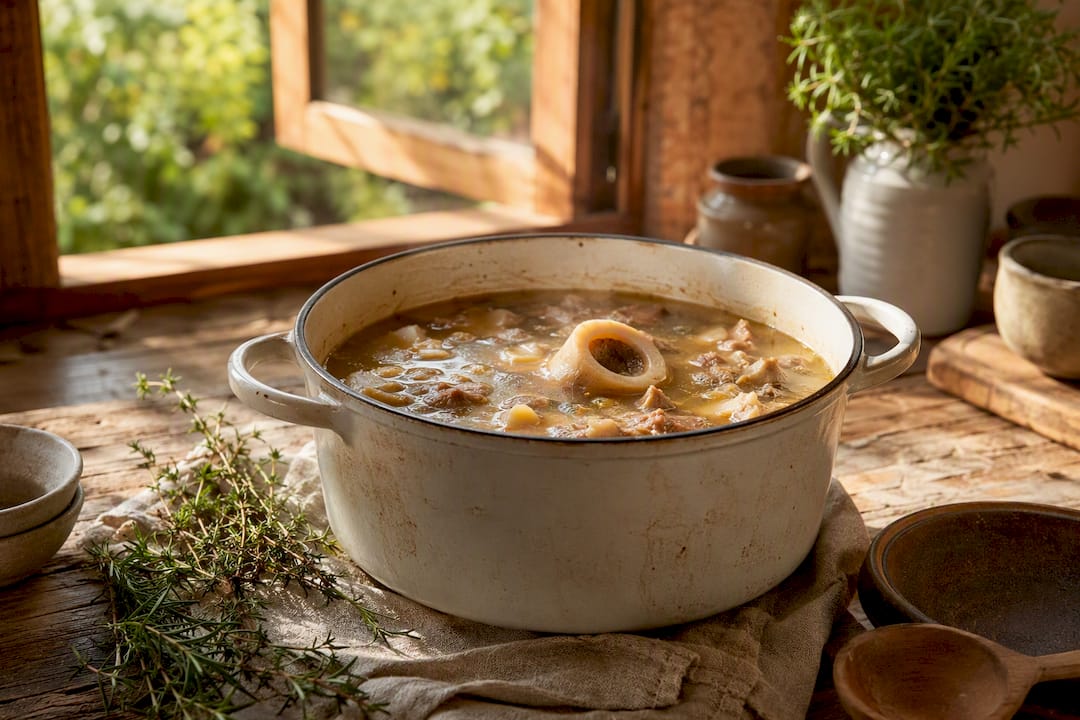
Bone broth can fit into a SIBO diet, but only with rules attached: skip cartilage-heavy bones, keep the simmer short, and steer clear of onion, garlic, and other high-FODMAP flavourings. Standard long-simmer bone stocks release polysaccharides that can feed the very bacteria you’re trying to manage. The safer route is a marrow or meat-based broth. What follows covers recipe details and label checks you need to get it right.
TL;DR:
- Using short-simmer, marrow or meat-based bones and avoiding cartilage-rich cuts reduces fermentable polysaccharides that can feed SIBO bacteria.
- Long cooking of cartilage-heavy bones releases polysaccharides and GAGs, which may worsen symptoms by providing fermentable substrates.
- Check store-bought broth labels for the absence of onion, garlic, cartilage, and added starches or preservatives to ensure compatibility with SIBO diets.
- Moderating daily intake to around one cup and diluting for sodium control helps manage fermentable load and sodium levels in a SIBO-friendly routine.
- Homemade broth with simple, organic ingredients and low-FODMAP flavorings offers better control, but store-bought options from brands like Ossa Organic can meet SIBO criteria easily.
Table of Contents
- How bone broth may support the gut
- Why some bone broths can worsen SIBO symptoms
- How to make a SIBO-friendly bone broth
- Choosing a store-bought broth: what to check on the label
- Serving size, timing, and how to use bone broth day to day
- Why our production choices match SIBO-friendly principles
- Ossa Organic broths built for SIBO-conscious kitchens
- Further reading and primary sources
- FAQ
How bone broth may support the gut
Gelatin and collagen break down into amino acids, chiefly glycine and glutamine, both linked to tissue repair and mucosal maintenance in the gut lining. That’s the biological case for bone broth showing up in so many gut-health conversations, and it’s a reasonable one. Glycine also plays a role in supporting the body’s natural detoxification processes, and glutamine is the preferred fuel source for the cells lining your intestinal wall.
But here’s where the evidence gets thinner than the marketing suggests. Bone broth is often cited for its potential to support the gut lining because it supplies these amino acids, yet clinical research on whether it directly heals conditions like SIBO remains limited and inconclusive. No trial has shown bone broth resolves bacterial overgrowth on its own.
What the nutrition actually offers:
- Protein content that varies significantly depending on the bones and cooking method used
- Glycine and glutamine, both supportive of tissue repair
- Minerals drawn from bone and connective tissue during cooking
- General nutritional support rather than a targeted SIBO treatment
Reality check: Authoritative consumer-health guidance is consistent on this point. Bone broth contains genuinely useful collagen, gelatin, and minerals, but evidence for many of its more ambitious claimed benefits is currently inadequate, and the sensible advice is moderation, typically a moderate daily serving, alongside caution about sodium levels. Treat bone broth as a supportive food, not a cure.
Why some bone broths can worsen SIBO symptoms
The bones and cooking time you choose matter more than most recipes let on. Long simmering of cartilage-rich bones, think knuckles, feet, and joints, releases glycosaminoglycans (GAGs) and other polysaccharides. These act as fermentable substrate, which is precisely what bacteria in an overgrown small intestine are looking for.
The ingredients most likely to trigger a flare:
- Knuckle bones, feet, and cartilage-heavy cuts simmered for many hours
- Onion, garlic, and leeks, standard flavour bases in traditional stock but high in FODMAPs
- Concentrated stock cubes or bases with hidden additives
- Excessive daily volume, which raises sodium and fermentable-carbohydrate intake
Pro Tip: If a recipe or label doesn’t specify the bones used or the simmer time, treat it as a standard stock rather than a SIBO-friendly broth, even if it’s marketed as “bone broth.”
Sodium deserves its own mention. Consumer-safety guidance flags packaged bone broth’s salt content specifically, alongside caution against excessive daily intake given unverified concerns about heavy-metal accumulation in bones used for long cooks. Moderation isn’t a throwaway line here, it’s the whole point.
How to make a SIBO-friendly bone broth
Practitioner-level guidance for SIBO consistently points the same direction: meat-based or marrow-rich broths, shorter simmer times, and low-FODMAP flavourings only. Here’s a workable method.
Ingredients:
- 1.5 to 2kg of meaty bones or marrow bones, avoiding knuckles and feet
- 2 to 3 litres of filtered water
- A small splash of apple cider vinegar (optional, helps mineral extraction)
- Low-FODMAP herbs: thyme, bay leaf, parsley, a few peppercorns
- Green tops of spring onion (not the bulb) if you want mild allium flavour
Method:
- Roast the bones for 30 minutes if using beef, for depth of flavour
- Cover with water, add vinegar, and bring to a gentle simmer
- Simmer chicken bones for 1 to 3 hours, beef marrow bones for up to 4 hours, shorter than a typical 12 to 24 hour stock
- Skim any foam in the first hour, then add herbs
- Strain through a fine sieve, cool quickly, and refrigerate
Once chilled, a layer of fat rises to the top; scrape it off if you want a leaner broth. Store in the fridge for up to four days or freeze in single-portion containers. Making your own gives you full control over ingredients and sodium, which matters more for SIBO than for almost any other dietary approach, because hidden high-FODMAP flavourings are so easy to miss in ready-made stock.
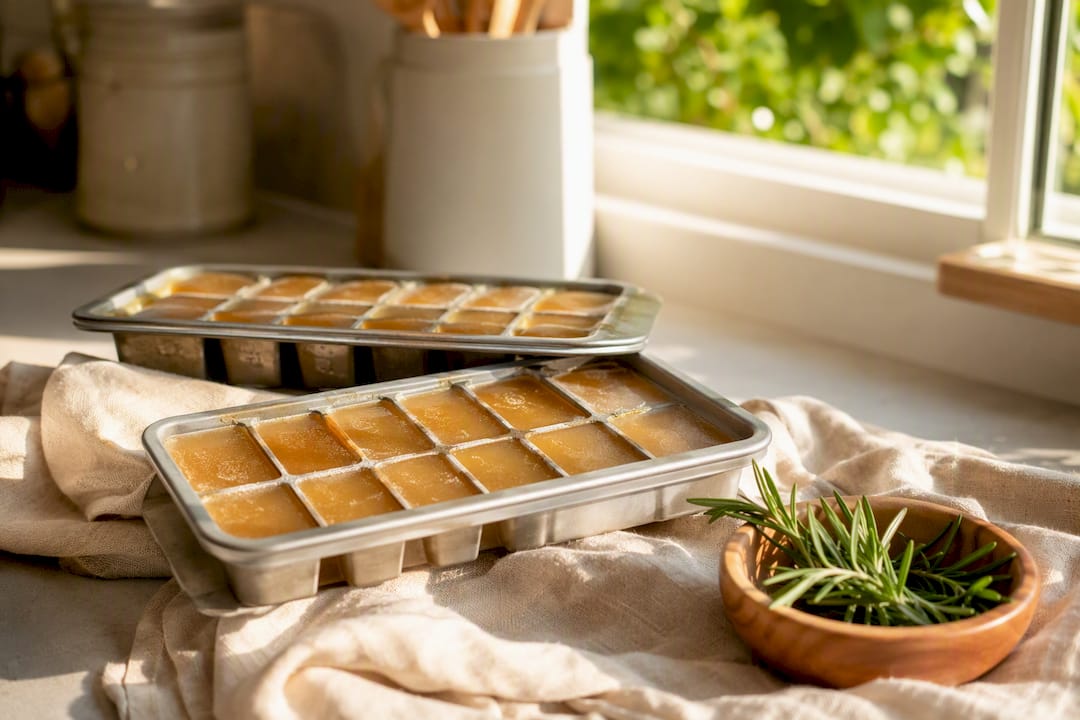
Pro Tip: Freeze broth in ice cube trays for portioned additions to rice or vegetables, so you’re not committed to a full mug every time.
Choosing a store-bought broth: what to check on the label
Reading the ingredient list is the fastest way to sort acceptable options from problematic ones. Look for:
- No onion, garlic, or “natural flavourings” that could hide allium extracts
- No knuckle, feet, or cartilage listed among the bones used
- A short ingredient list, ideally bones, water, a splash of vinegar, and simple herbs
- No concentrated stock base or bouillon added for flavour
- Sodium content you can check relative to daily intake recommendations
- No added starches, sugars, or preservatives
Low-FODMAP labelling or a genuinely simple, organic ingredient list is a good sign the maker has thought about exactly this problem. For a detailed walkthrough of what qualifies, this low FODMAP bone broth guide breaks down label language in more depth. Bottled broth earns its place when time is short, provided the label passes these checks.
Serving size, timing, and how to use bone broth day to day
Consistency in dose matters as much as ingredient quality. Cancer-centre nutrition guidance recommends roughly one cup, around 240ml, per day as a sensible upper limit, both for sodium and for keeping fermentable load manageable.
Practical rules for working it into a SIBO routine:
- Sip a moderate daily serving rather than treating it as a meal replacement
- During SIBO test preparation, a meat-based broth without cartilage is often acceptable, but always confirm against your specific testing protocol
- Use broth instead of water when cooking rice or vegetables, adding protein without extra fermentable carbohydrate
- Dilute bottled broth if the sodium content runs high
If symptoms flare after introducing broth, pause and reassess the source and quantity before troubleshooting anything else in your diet.
Why our production choices match SIBO-friendly principles
Ossa Organic started after our founder discovered bone broth’s benefits during pregnancy, and five years on, the same family-first thinking shapes how every batch is made. We use organic sourcing, minimal ingredient lists, and slow-cook methods chosen for both flavour and digestibility, deliberately avoiding cartilage-heavy cuts that can complicate a SIBO diet. Tradition, not trend, means no shortcuts and nothing hidden on the label.
— Ossa Organic
Ossa Organic broths built for SIBO-conscious kitchens
Reading labels gets tiring, so we’ve done the work of keeping ours short. The Organic Chicken Bone Broth uses simple, traceable ingredients with no cartilage-heavy cuts and no hidden onion or garlic, making it a straightforward choice when you want a ready-made option without label-detective work. The Organic Free Range Chicken Bone Broth follows the same principle with ethically sourced birds, ideal if provenance matters as much as ingredient simplicity to you. For a marrow-rich alternative, the Organic Beef Bone Broth comes in a shelf-stable 515ml format, useful for stocking a SIBO-friendly kitchen without freezer space.
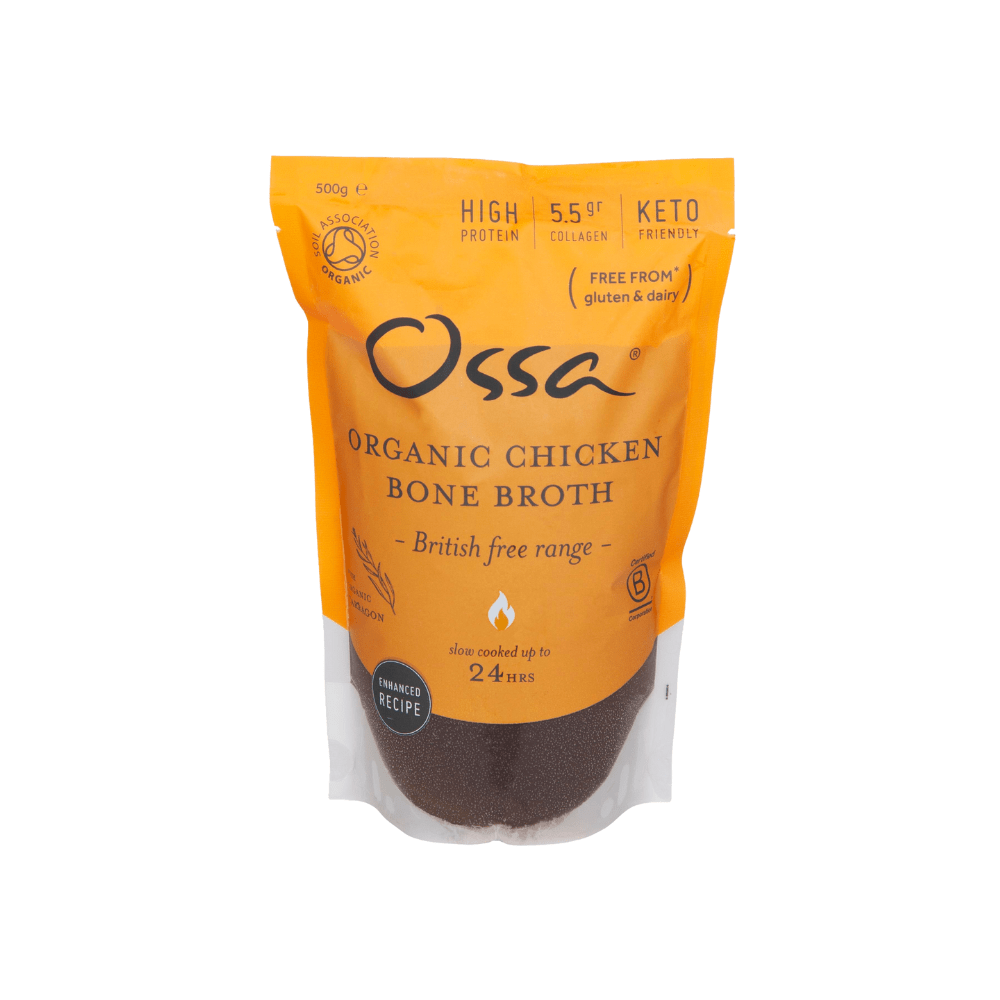
Use any of these at the recommended one-cup serving, diluted if you’re watching sodium closely, or stirred into rice and vegetables in place of cooking water. Homemade broth still wins on total control when you have the time. When you don’t, these three fill the gap without forcing a compromise on ingredients. Browse the full range and place an order directly through Ossa Organic.
Further reading and primary sources
Guidance in this article draws on Harvard Health’s overview of bone broth composition, MD Anderson’s consumer-safety notes on sodium and moderation, and practitioner resources from SIBO Solution on cartilage avoidance. For broader low-FODMAP context, see this practical guide to the low-FODMAP diet.
This article is general information, not a substitute for advice from a qualified doctor. Consult a qualified healthcare professional about your own circumstances before acting on anything here.
FAQ
Can I drink bone broth with SIBO?
Yes, but choose a meat or marrow-based broth rather than one made with cartilage-heavy bones, and avoid onion, garlic, and concentrated stock bases.
Can bone broth heal the gut lining?
Bone broth supplies glycine and glutamine, both supportive of mucosal repair, but clinical evidence for it directly healing gut lining conditions like SIBO is limited and inconclusive.
How do you starve SIBO bacteria?
Reducing fermentable carbohydrates, including polysaccharides released from long-simmered cartilage in bone broth, is one part of most SIBO dietary approaches, alongside any treatment your clinician recommends.
Is bone broth OK for a low-FODMAP diet?
Homemade broth made with meat-based bones, low-FODMAP herbs, and no onion or garlic fits a low-FODMAP diet; always check store-bought labels for hidden allium ingredients or concentrated bases.