Organic ingredients
•
Naturally nourishing
•
Made with care
We've sent you an email with a link to update your password.
Reset your password
We will send you an email to reset your password.
Chicken vs Beef Bone Broth: Which Should You Choose?
Ralph Barrozo
0 comments
Choose chicken bone broth if you want a lighter, gentler flavour that works in almost any dish, or something easy to sip. Choose beef bone broth if you want a deeper, more savoury base for stews, gravies and sauces. Neither is better in every case. The right one depends on how you plan to use it, what you like the taste of and what you are hoping to get from it.
This guide compares the two on the points that matter in a UK kitchen: flavour, texture, what is actually in the pot, how each behaves in cooking, how to store it and how to choose a good one. It also covers what we can and cannot say about health claims.
Ossa Organic
Choose a Broth That Fits Your Kitchen
Ossa Organic makes natural foods with organic ingredients and slow cooking techniques, rooted in tradition rather than trend.
Chicken broth is lighter and milder, and suits sipping, soups, risotto and cooking for children.
Beef broth is richer and more savoury, and suits stews, braises, gravy and French onion soup.
Nutrition varies more with the recipe, the bones and the cooking time than with the animal, so the label and the ingredients list matter more than the headline.
Whichever you pick, look for short ingredient lists, organic or free-range sourcing and no preservatives.
Many households keep both: chicken for everyday use, beef for slow-cooked meals.
Bone broth is made by simmering animal bones in water for a long time, usually with a splash of vinegar, some vegetables and herbs. Meat, skin and connective tissue may go in too. Harvard Health describes it as simmering bones, usually chicken or beef, in water over a long period to draw out nutrients and flavour.
The long, slow simmer is what separates it from a quick stock or a stock cube. Cooking for many hours breaks down cartilage and connective tissue, which releases gelatin. That is why a good bone broth often sets to a wobbly jelly in the fridge. It is a sign of a properly made broth, and it disappears the moment you warm it.
A few terms are worth separating:
Stock is usually made from bones, often roasted, and simmered for a shorter time. It is mostly a cooking ingredient.
Broth is traditionally made with more meat and is meant to be tasty enough to drink.
Bone broth sits between the two and uses a much longer cook, so the result is richer and more gelatinous.
In practice the labels overlap, which is why reading the ingredients matters more than the name on the front.
Flavour and texture
Flavour is the difference most people notice first, and it is the one that should decide your choice if you are buying for the table rather than for a specific goal.
Chicken bone broth
Chicken broth is lighter, cleaner and more subtle. It tastes like the best version of a Sunday roast chicken soup. Because it is mild, it lets other ingredients lead: ginger, garlic, lemon, leeks, noodles, herbs. It is the broth most people are happy to drink from a mug, and the one most children will accept.
Its texture is usually thinner and silkier. When chilled it can set softly if the recipe included cartilage-rich parts such as feet or carcasses with joints.
Beef bone broth
Beef broth is deeper, more savoury and often described as having an umami character. Roasting the bones first adds a darker, almost caramelised note. It has more body on the tongue and stands up to strong flavours such as red wine, mustard, mushrooms, thyme and black pepper.
On its own it can taste heavy to people who are not used to it. A pinch of sea salt and a squeeze of lemon, or a spoonful stirred into a mug of hot water with miso or herbs, makes it easier going.
Quick comparison
Chicken bone broth
Beef bone broth
Flavour
Light, mild, subtle
Deep, savoury, rounded
Colour
Pale gold
Deeper amber to brown
Mouthfeel
Silky
Fuller, more body
Best for sipping
Yes, very easy
Yes, if you like richer flavours
Best for cooking
Soups, rice, pasta, poaching
Stews, braises, gravy, sauces
Works with strong spices
Moderately
Very well
Nutrition: what the evidence supports
Most online comparisons of chicken and beef broth sound more certain than the evidence allows, so it is worth being plain about this.
Bone broth contains water, protein in the form of gelatin and amino acids, and small amounts of minerals. How much of each depends heavily on the bones used, the ratio of bones to water, how long it was cooked and whether meat, skin or vegetables were added. Two chicken broths from two producers can differ more than one chicken broth and one beef broth.
Some general patterns are commonly reported. WebMD notes that chicken bone broth is lower in fat than some other types and has a higher amino acid content than beef bone broth. Beef broth, made from larger bones and sometimes marrow, tends to be richer and can carry more fat. These are tendencies, not guarantees, and they will not apply to every product on the shelf.
What the research does and does not show
Bone broth is popular, but human research on its health effects is limited. Some laboratory and animal studies have looked at bone broth and inflammation or bone health, but results from animal models do not automatically carry over to people. For example, a study in a mouse model of ulcerative colitis examined the anti-inflammatory capacity of bone broth, and research on a chicken and vegetable broth looked at bone loss in an osteoporosis model. These are early findings in animals, not proof of benefit for you.
There is also a fair caution about collagen. An analysis of commonly consumed bone broth preparations concluded that bone broth is unlikely to reliably supply collagen precursors in the concentrations used in collagen supplement research. In other words, a mug of broth is a nourishing food, but it should not be treated as an equivalent to a measured collagen dose.
If you have a medical condition, are pregnant, are managing kidney disease, or are following a restricted diet, speak to your GP or a registered dietitian before making bone broth a daily habit. It is a food, not a treatment.
Practical nutrition points
Protein: both provide modest protein per cup, mainly from gelatin. Neither replaces a protein-rich meal.
Fat: beef broth is more likely to carry visible fat. If you want it lighter, chill it and lift the fat from the surface.
Salt: this varies enormously. Check the label, particularly if you are cooking for children or watching your sodium.
Additives: many cartons and cubes contain yeast extract, flavourings or preservatives. A broth made from bones, water, vegetables and herbs is a different product.
Collagen, gelatin and joints
Collagen is the main structural protein in connective tissue. When it is cooked slowly in water it breaks down into gelatin, which is what gives bone broth its set. People often choose broth hoping for benefits for skin, joints or gut lining. The honest position is that broth is a traditional, nourishing food and a pleasant way to add gelatin-rich protein to your diet, while firm claims about skin or joints are not established by strong human trials.
The animal does make a practical difference here:
Chicken broth made with feet, wings or carcasses with joints tends to be rich in cartilage and gelatin.
Beef broth made with knuckle, joint and marrow bones can also set firmly, and gives a heavier mouthfeel.
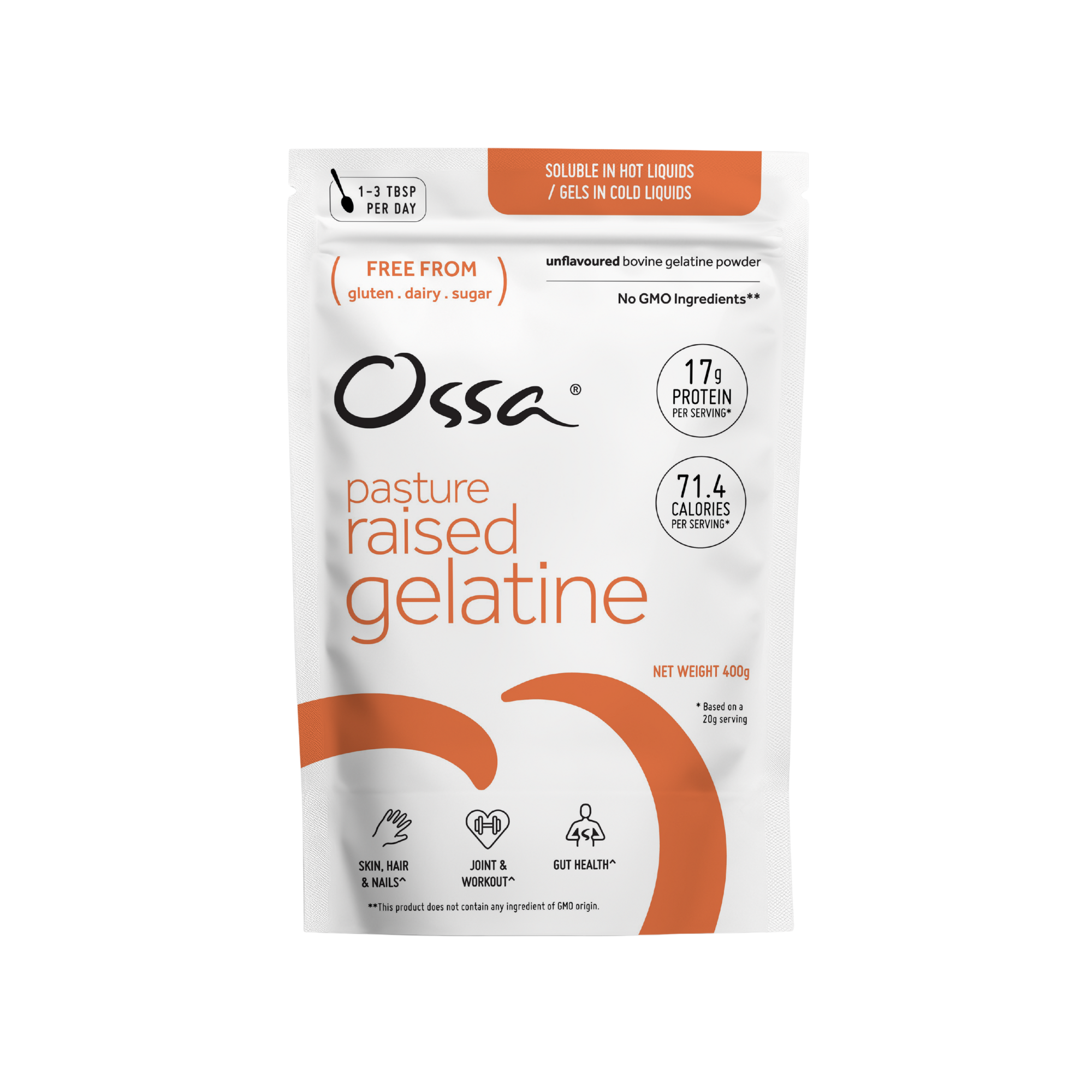
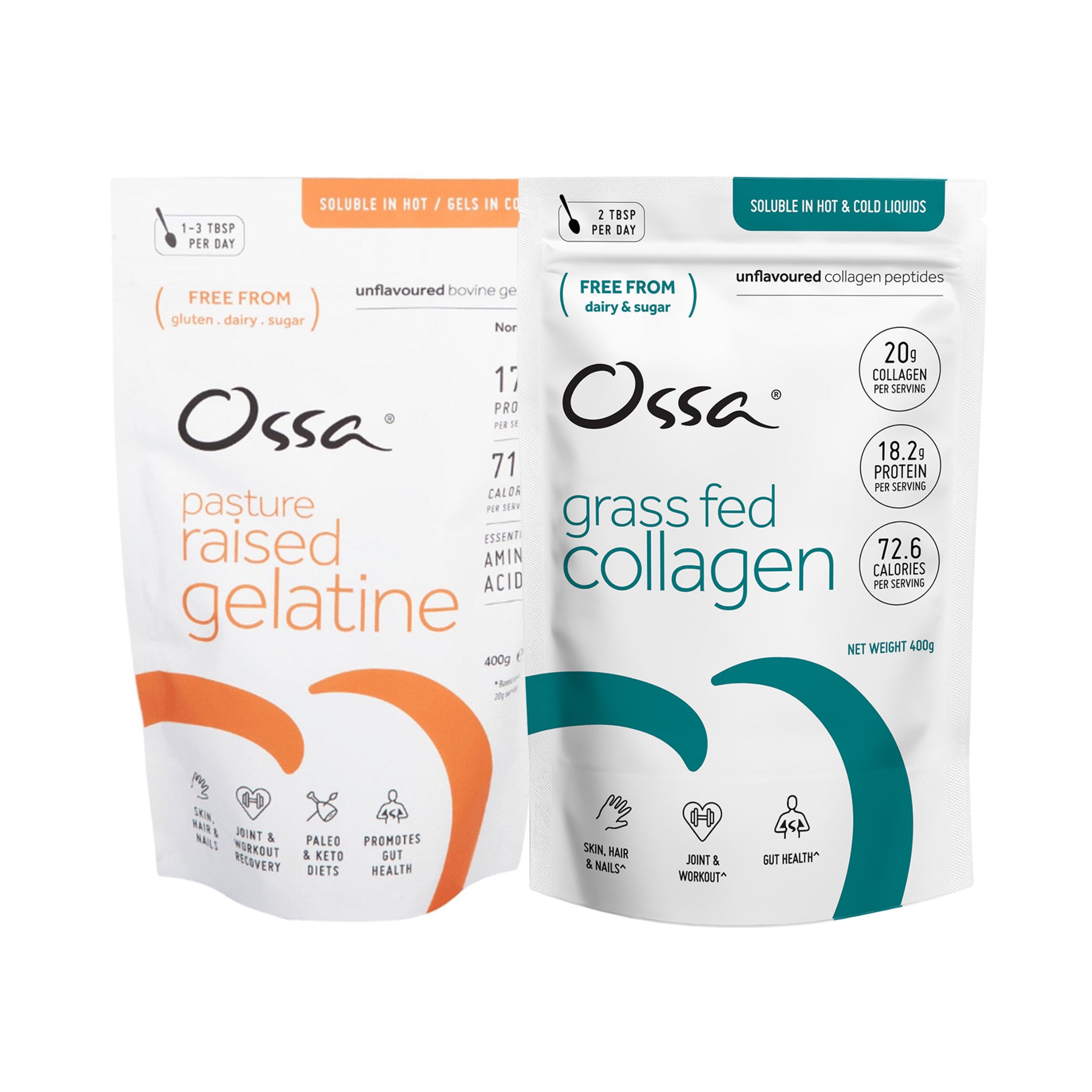
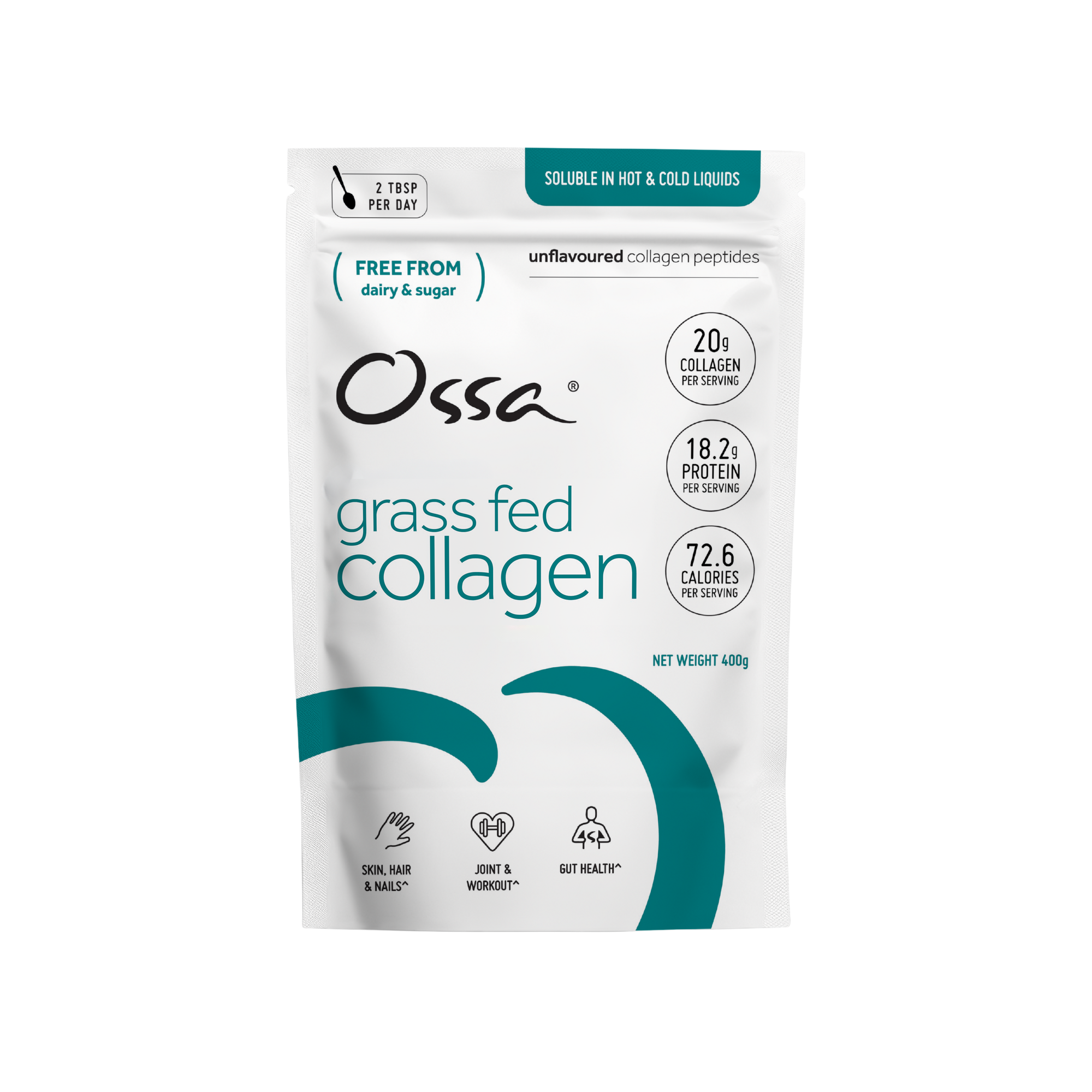
If collagen is your main interest, treat broth as one part of a varied diet, and consider a measured collagen powder if you want a defined amount. Our range includes collagen and gelatin powders for that reason, and they can be stirred into a warm mug of broth.
Which should you choose?
Use your situation rather than a league table.
Choose chicken if
You want something mild to sip daily.
You are introducing broth to children or to someone who dislikes strong flavours.
You cook a lot of soups, risottos, noodle bowls, congee or poached dishes.
You want a lighter, lower-fat feel.
You are recovering from a cold and want something warm and simple.
Choose beef if
You cook stews, casseroles, braised dishes, gravy or onion soup.
You like a robust, savoury drink, especially in colder months.
You follow a paleo-style diet and want a rich base for meat dishes.
You want a broth that holds its flavour when diluted into a large pot.
Choose both if
You cook for a family with different tastes.
You like to use chicken during the week and beef at weekends for slow cooking.
If you are buying one carton for the first time and are unsure, start with chicken. It is the easier everyday option, and you can add beef once you know how you use broth.
Using each in the kitchen
Bone broth works best as a replacement for water or stock cubes in dishes where you want body. Here are some matches that work well.
Chicken broth ideas
Simple sipping mug: warm gently, add sea salt, a little grated ginger and a squeeze of lemon.
Risotto or pilaf: use it as the cooking liquid for a gentle, rounded flavour.
Noodle bowls: add spring onions, greens, a soft egg and a splash of tamari.
Poaching: cook chicken breast or fish gently in it to keep the meat moist.
Cooking grains: replace water for rice, quinoa or millet.
Beef broth ideas
Stews and casseroles: replace part of the liquid for a deeper gravy.
Gravy and sauces: reduce with a little red wine or mustard.
Onion soup: its depth is the main reason it works here.
Slow-cooker roasts: add a cup to the pot for richer cooking juices.
Ramen-style bowls: combine with garlic, ginger and greens.
We started Ossa Organic after discovering bone broth during a first pregnancy, and it has been part of our family’s cooking ever since. We eat mostly paleo and avoid inflammatory foods, so broth sits in our kitchen the way stock cubes sit in many others.
Our view on chicken against beef is simple. Both are traditional foods, and we make both because people use them differently. Chicken is the one we reach for first for everyday drinking and for the children. Beef is the one we reach for when a dish needs depth.
What matters more to us than the animal is how the broth is made. We value organic ingredients, grass-fed and free-range sourcing, and slow cooking. We also believe a broth should not need preservatives or artificial ingredients to taste good or keep well. When you compare products, we would ask you to look at the ingredients list before you look at the front label.
We do not claim broth cures anything. We think of it as nourishing food that belongs in a diet built around real ingredients, and a good place to start if you want to move away from heavily processed products.
— Ossa Organic
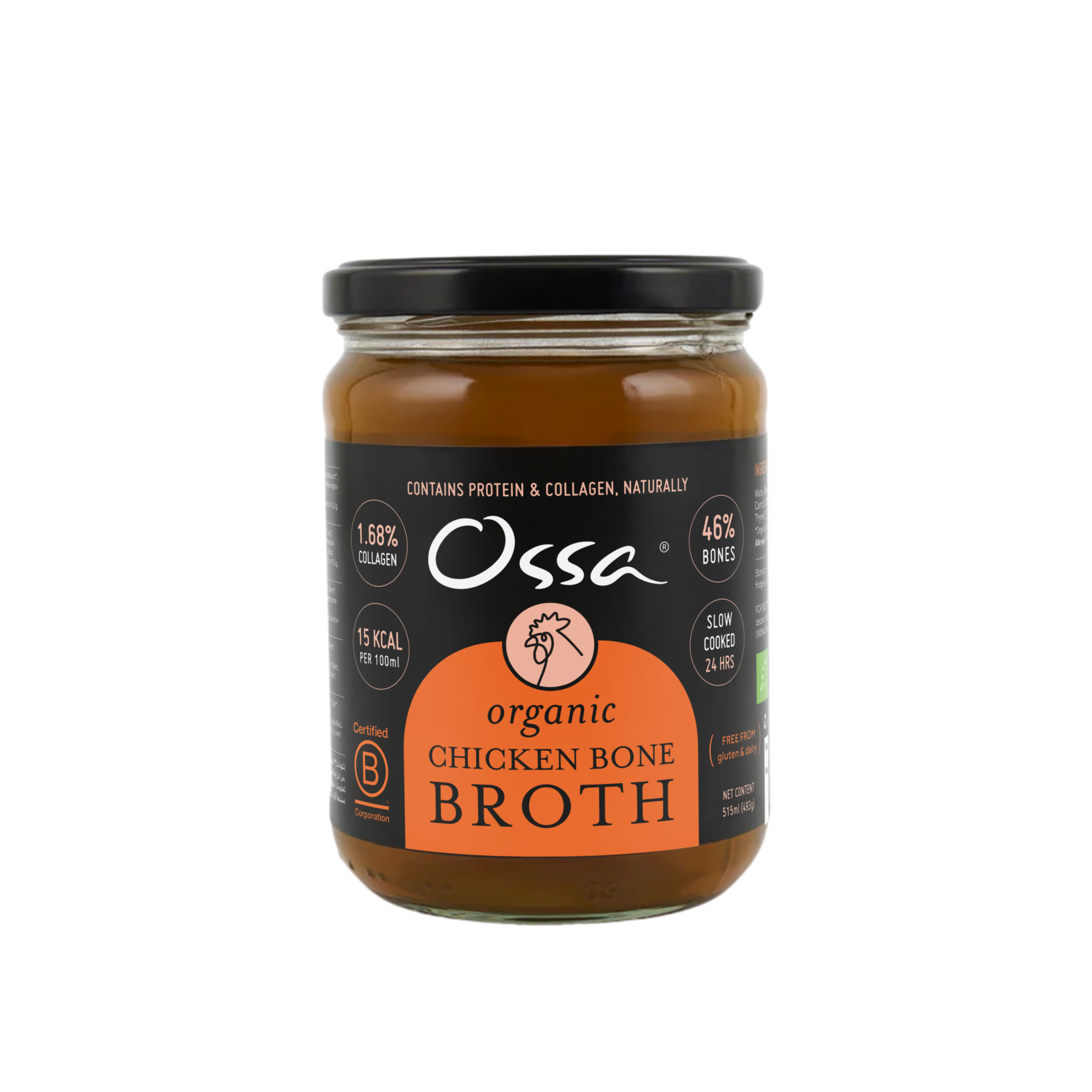
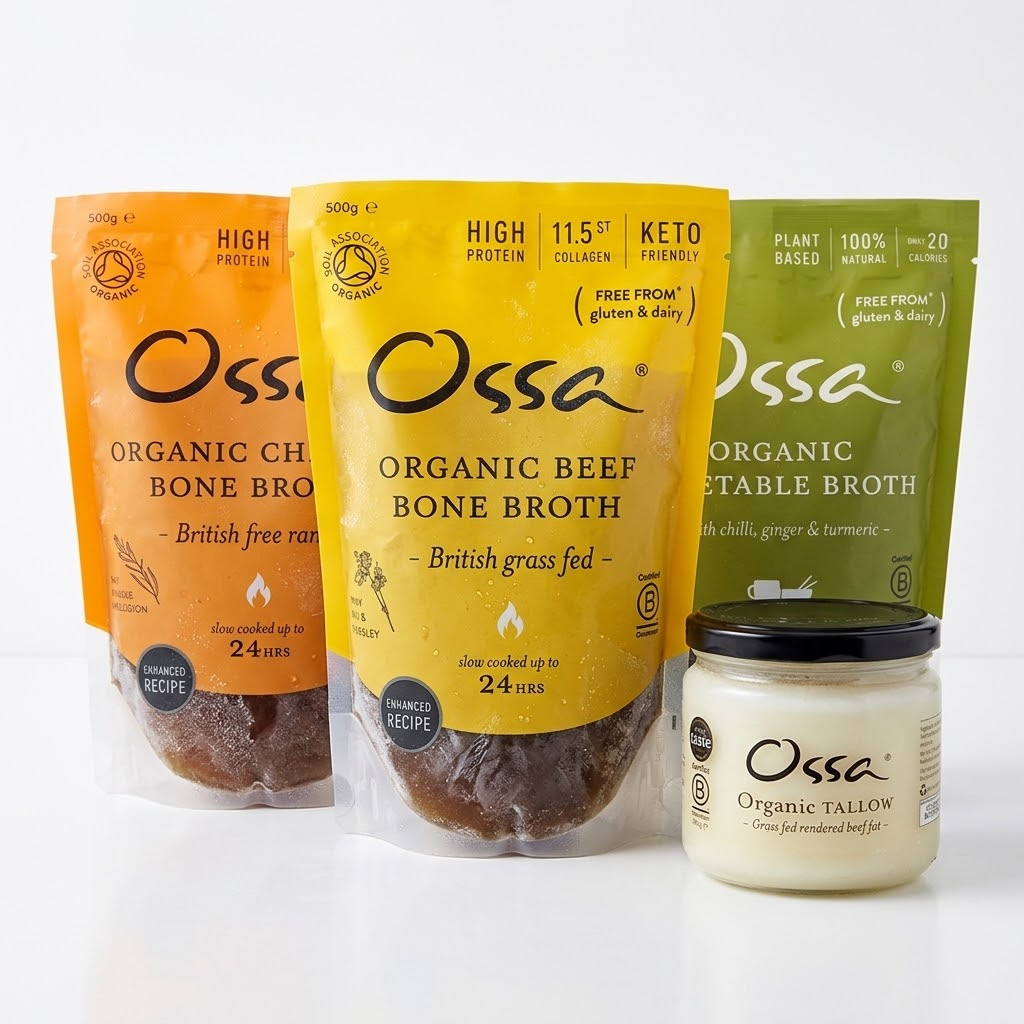
Our chicken and beef broths
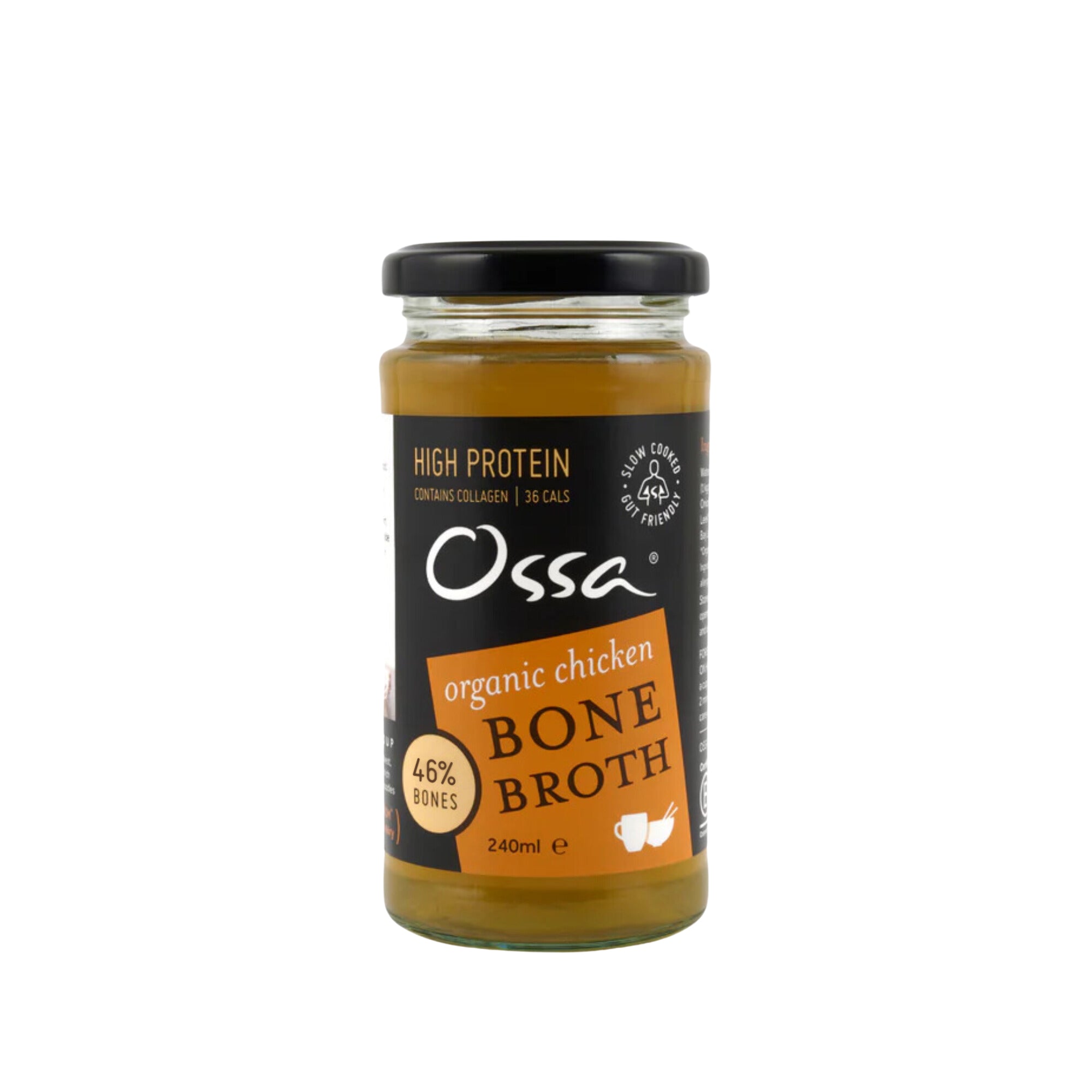
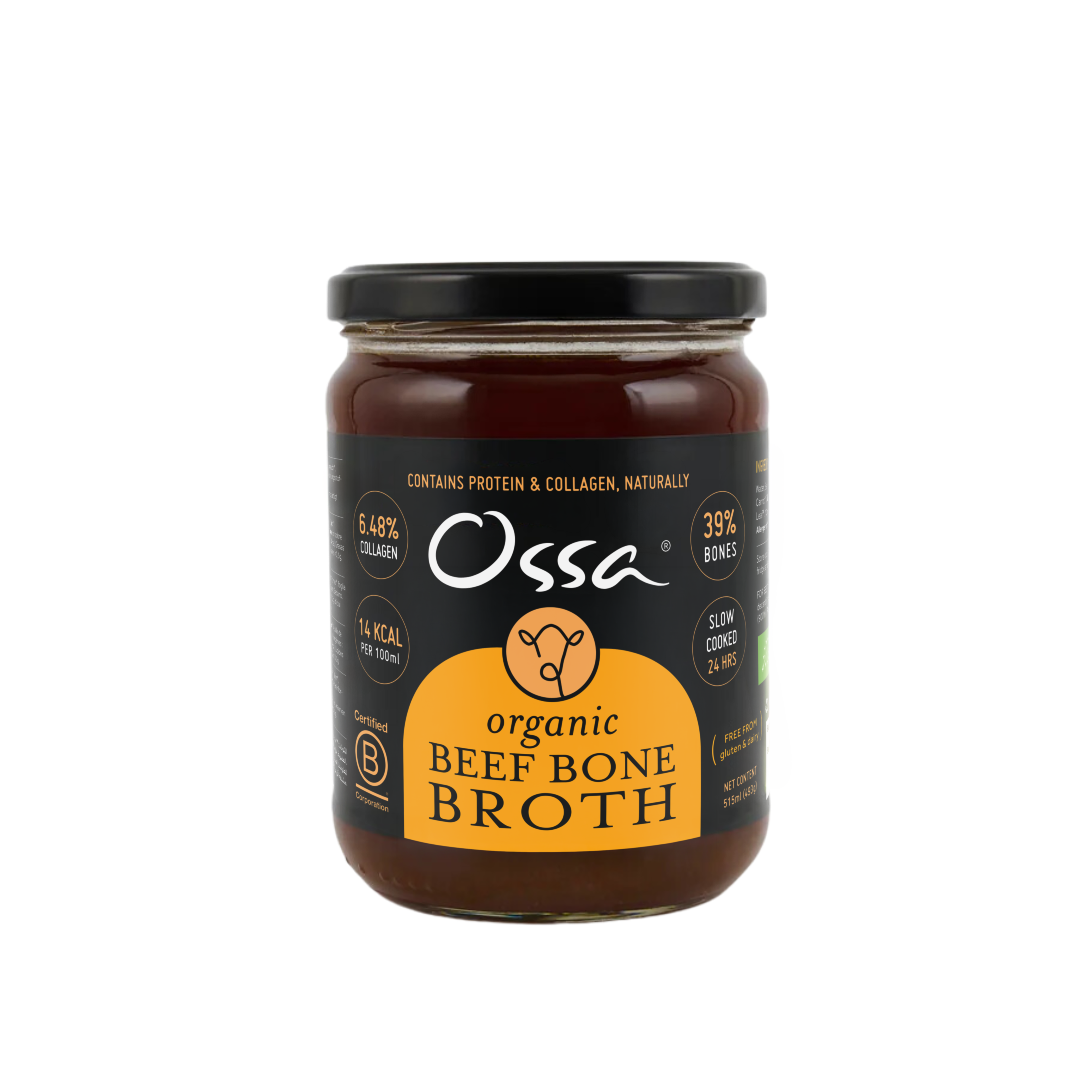
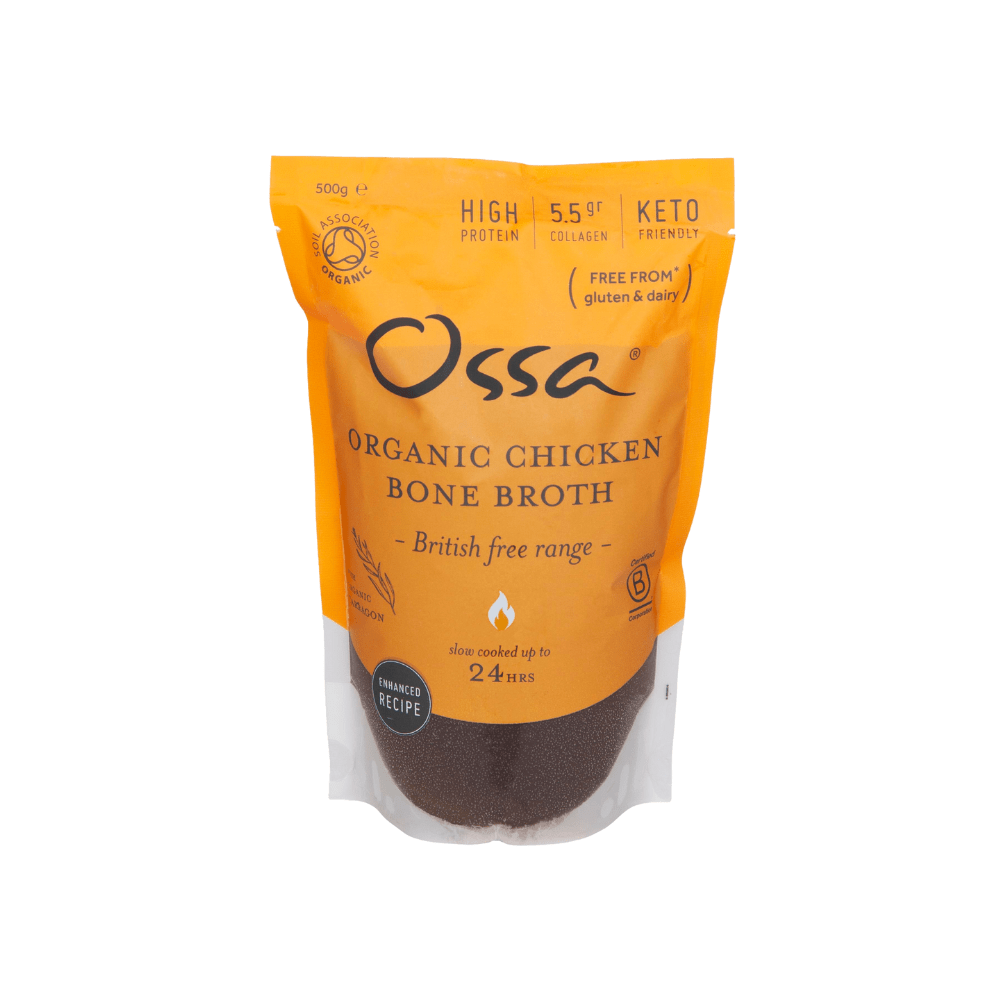
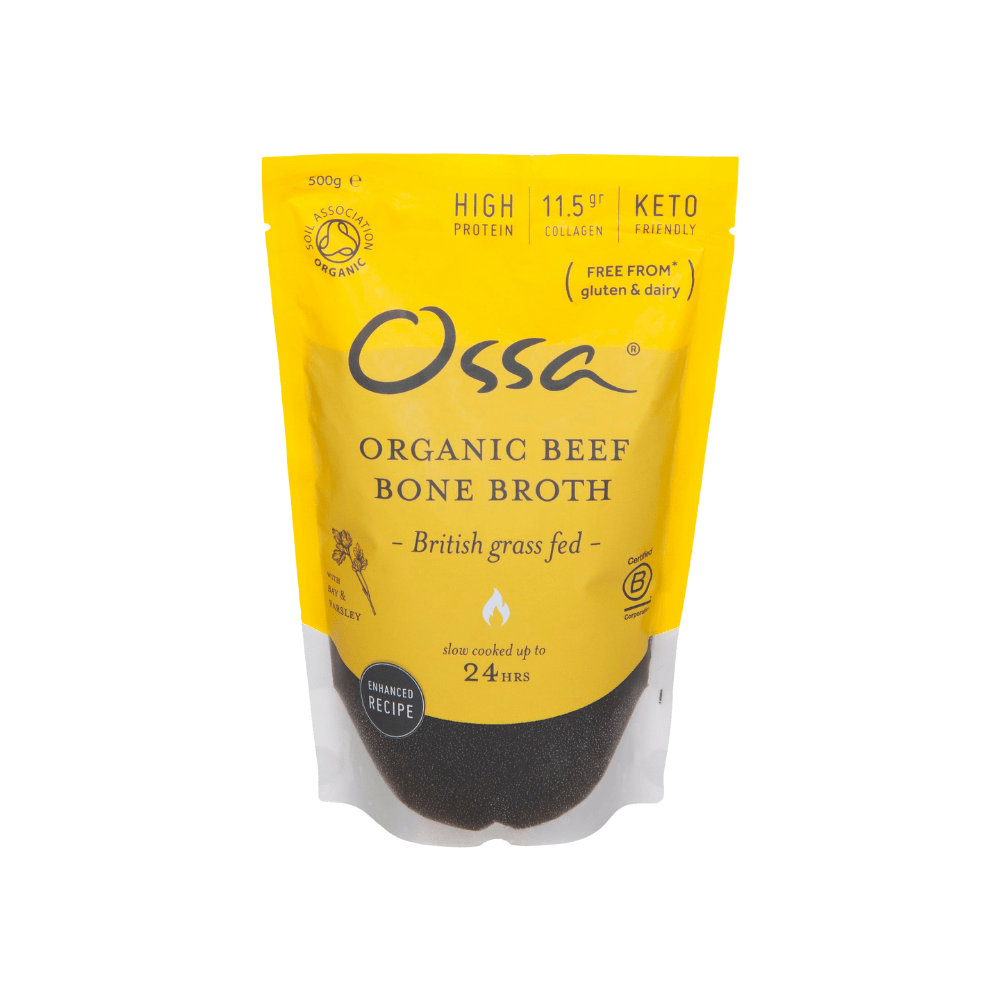
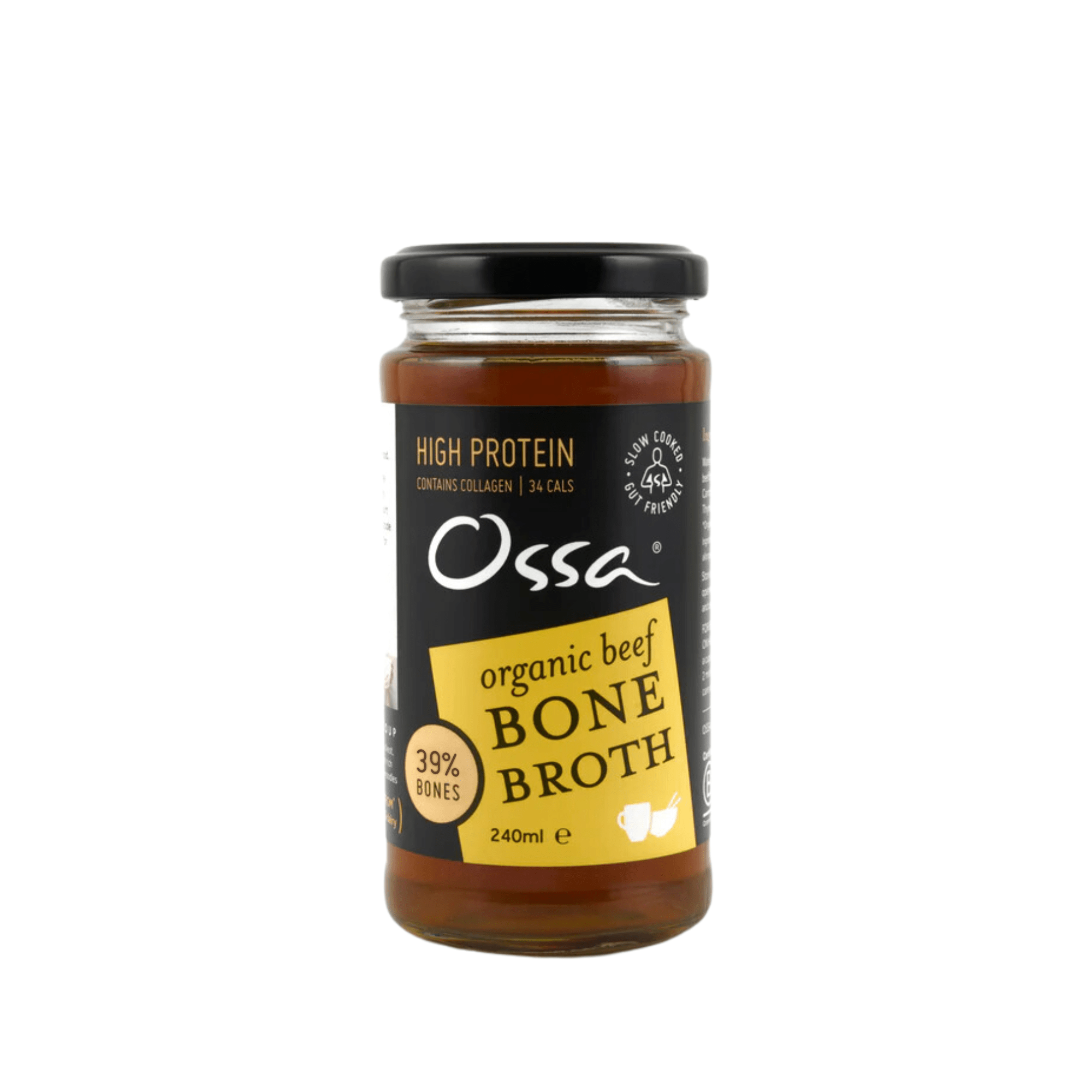
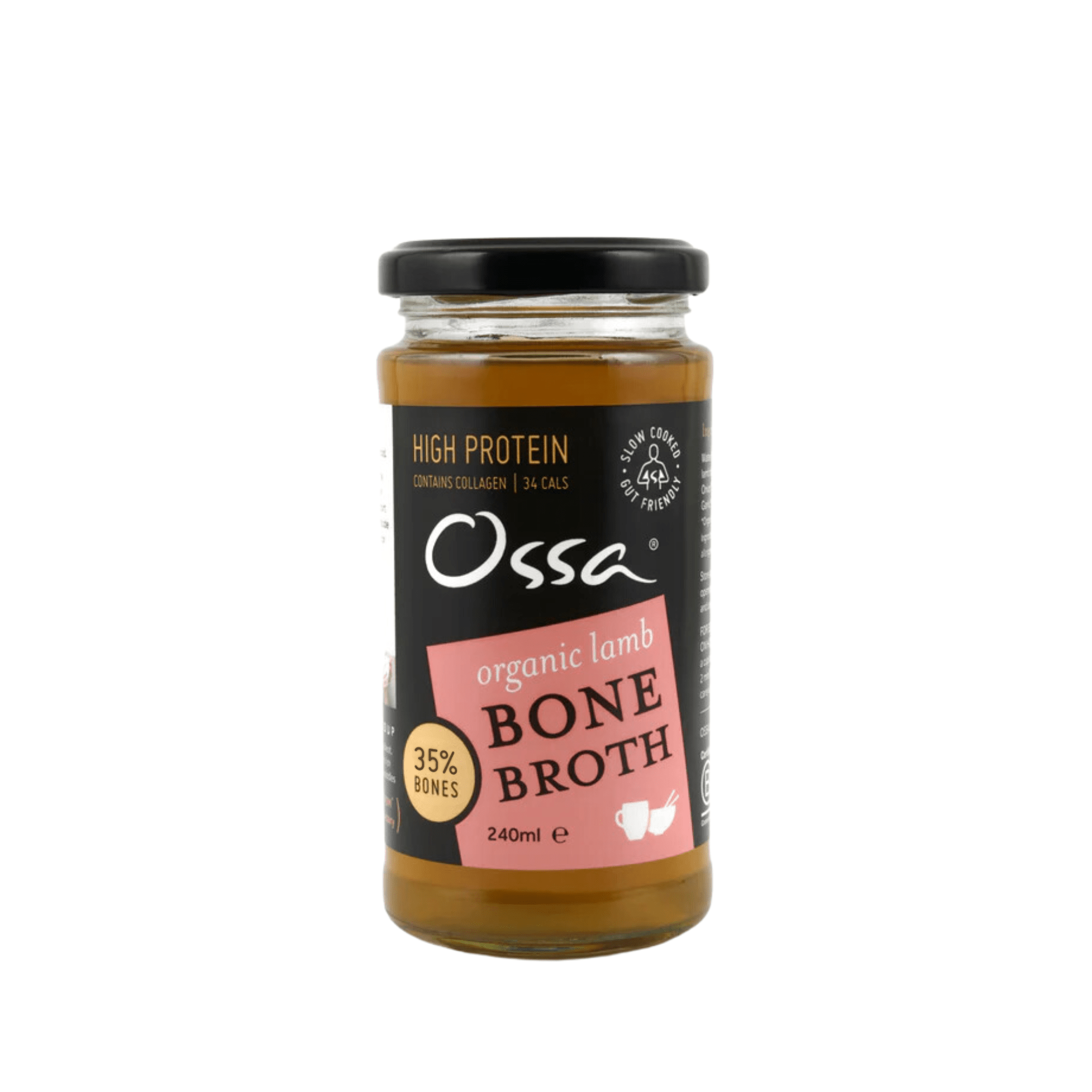
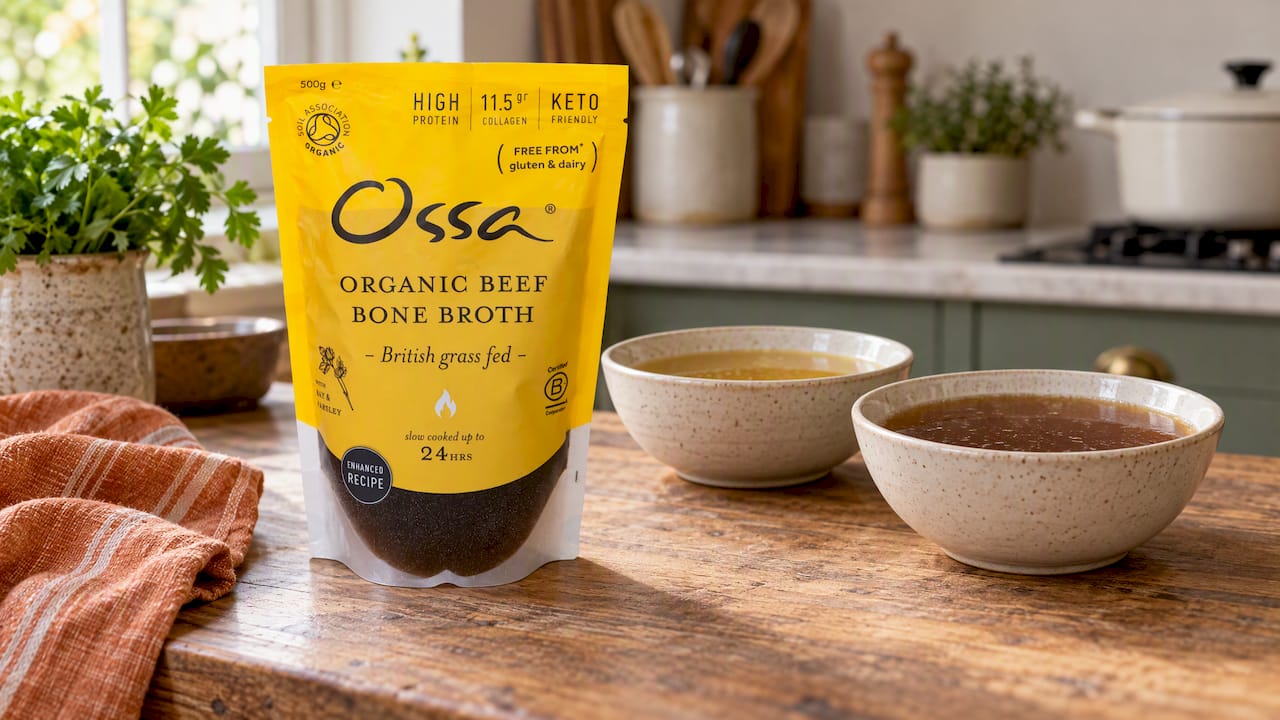
If you want to try both, we make each in a 500ml format:
Bone broth is a protein-rich liquid, so it needs the same care as cooked meat. This applies whether you make it at home or open a fresh product.
The UK government’s guidance on Clostridium perfringens explains that this bacterium can form spores that survive cooking and then grow during slow cooling and unrefrigerated storage. Large pots of broth cooling slowly on the hob are exactly that situation.
Practical habits that follow from this:
Cool quickly. If you make broth at home, divide it into smaller, shallow containers rather than leaving a big pot out to cool.
Refrigerate promptly. The Food Standards Agency advises keeping your fridge between 0 and 5°C.
Reheat thoroughly. Bring leftover broth to a full boil or until it is steaming hot all the way through, not just warm.
Use it within a day or two once opened. Follow the use-by date on shop-bought products and the storage instructions on the pack.
Freeze for longer storage. Portions in jars (leave room for expansion) or ice cube trays are easy to use later.
Shop-bought ambient broth keeps in the cupboard until opened, then follows the same refrigerated rules as fresh broth. Always read the label on the product you have.
How to choose a good bone broth
Because the chicken and beef versions on sale vary so much, use this checklist.
Short ingredients list. Bones, water, vegetables, herbs, maybe vinegar and salt. Be wary of yeast extract, flavourings, thickeners or preservatives.
Sourcing. Organic, free-range chicken and grass-fed beef tell you something about the animals. Look for it stated clearly on the pack.
Slow cooking. Brands that cook bones for a long time usually say so. Vague wording such as “made with bone extract” is worth a second look.
Salt level. Compare the figures per 100ml if you are cooking for children or monitoring sodium.
Set when chilled. A jelly-like texture in the fridge is a typical sign of gelatin content, though it is not a guarantee of quality.
Format. Cartons, jars and ambient packs suit different habits. Decide whether you will sip it daily or cook with it.
Diet fit. If you avoid dairy, gluten or additives, check the pack rather than assuming.
Common mistakes when comparing the two
Assuming the animal decides the nutrition. The recipe usually matters more. A weak, quickly made beef broth can have less going for it than a long-simmered chicken one.
Judging by the headline protein figure alone. Compare serving sizes, since one product may list a figure per 100ml and another per carton.
Treating broth as a collagen supplement. As the research above shows, the amounts vary and are not equivalent to measured collagen products.
Confusing bone broth with stock cubes. A cube is a seasoning. Bone broth is a slow-cooked food.
Skipping the salt check. Some broths are heavily seasoned, which suits cooking but may not suit daily sipping.
Making broth at home or buying it
Home-made broth is cheap per litre and lets you control everything, but it takes a long cook, space in the fridge or freezer and careful cooling. Many people make a big batch occasionally and buy ready-made for convenience on busy weeks.
If you do make your own, roast beef bones first for depth, use chicken carcasses and feet for gelatin, add a little vinegar, and skim the surface early on. Salt at the end, not the beginning, so you can adjust the seasoning once the liquid has reduced.
Buying ready-made suits you if you want consistency, a longer shelf life in an ambient pack, or simply do not have six to twenty-four hours to keep a pot going.
FAQ
Is chicken or beef bone broth healthier?
Neither is clearly healthier. Chicken broth is often lighter and lower in fat, while beef broth tends to be richer, but the recipe, bones and cooking time change the result more than the animal. Choose the one you will enjoy and use regularly, and check the label for salt and additives.
Can I use chicken and beef bone broth interchangeably in recipes?
Usually yes, with a small change in flavour. Chicken is milder and suits light dishes, and beef is stronger and suits red meat, mushrooms and gravy. If a recipe calls for beef and you only have chicken, add a little extra seasoning or a splash of soy or Worcestershire sauce for depth.
Is there a downside to drinking bone broth?
For most healthy people, a mug of broth is a fine food. Salt content can be high in some products, and broth should be cooled, stored and reheated carefully. If you have kidney problems, a medical condition or a restricted diet, ask your GP or a registered dietitian first.
How long does bone broth last?
Unopened ambient broth lasts until the date on the pack. Once opened, or if it is a fresh or home-made broth, keep it in the fridge and use it within a day or two, or freeze it in portions. Reheat it until it is steaming hot throughout.
Is bone broth different from chicken stock?
Yes. Bone broth is cooked for much longer, so it is generally richer and more gelatinous, while a standard stock is simmered for a shorter time and mainly used as a cooking base. Labels overlap, so rely on the ingredients and cooking method described on the pack.