TL;DR:
- Gelatin powder provides health benefits for joint, skin, gut, sleep, and metabolic health through collagen-building amino acids. Clinical studies show it reduces joint pain, improves skin moisture, and supports sleep, mainly due to glycine and proline deficiencies in modern diets. Moderate daily intake below 15 grams is generally safe and effective for most adults.
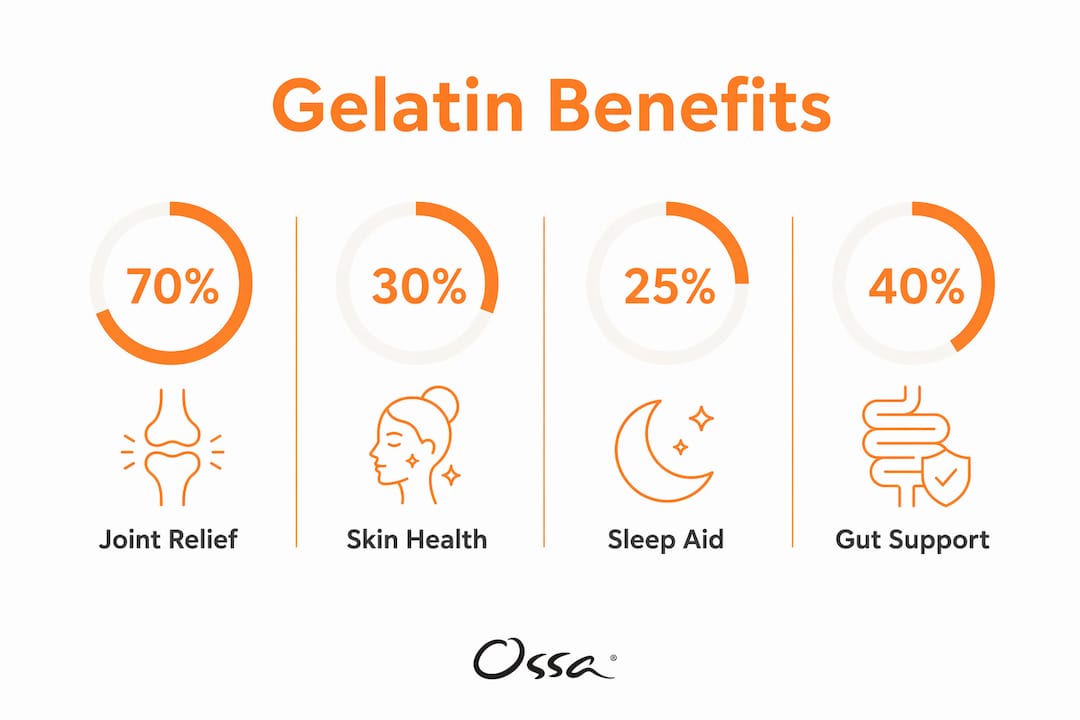
Gelatin powder delivers measurable health advantages across joint function, skin condition, gut integrity, sleep quality, and metabolic health, all through a single concentrated source of collagen-building amino acids. Two clinical studies illustrate the scale of effect: 80 osteoarthritis patients showed significant reductions in pain and stiffness over 70 days of gelatin supplementation, and a separate trial with 97 athletes reported reduced joint pain after 24 weeks. The core mechanism is gelatin’s amino acid profile, particularly glycine and proline, which are consistently deficient in modern Western diets. These are not minor trace nutrients. They are the raw materials your body uses to build and repair connective tissue, regulate blood sugar, and maintain the gut wall.
Key gelatin powder health benefits at a glance:
-
Joint and bone support: reduces pain and stiffness in osteoarthritis and athletic populations
-
Skin and hair: studies show skin moisture increases of 12–28%, hair thickness up by around 11%, and hair mass up by 40%
-
Sleep quality: 3 grams of glycine before bed significantly improved sleep onset and reduced daytime fatigue in two controlled studies
-
Blood sugar regulation: glycine supplementation lowered HbA1c in people with type 2 diabetes; gelatin reduced hunger 44% more than casein in a direct protein comparison
-
Gut health: gelatin peptides reduce gut inflammation and support the integrity of the intestinal wall
-
Cognitive function: glycine supports memory, attention, and may reduce symptoms of conditions including schizophrenia and OCD
-
Weight management: gelatin’s protein content promotes satiety, making it a practical tool for appetite control
Pro Tip: Gelatin powder is not the same as collagen peptides. Both come from collagen, but gelatin gels when cooled and is better suited to cooking, while collagen peptides dissolve cold and are more convenient for drinks. Both supply the same core amino acids.
What is gelatin powder and what does it contain?
Gelatin powder is cooked collagen, extracted from the connective tissues, bones, and skin of animals. The most common sources are bovine (cattle), porcine (pig), and marine (fish). Bovine gelatin is widely regarded as the preferred option for gut and joint applications, partly because of its amino acid concentration and partly because source quality and processing method directly affect therapeutic value.
Nutritionally, gelatin is roughly 98–99% protein by dry weight, though it is an incomplete protein because it lacks tryptophan. What it does contain in abundance is a cluster of amino acids that most people do not get enough of from standard dietary sources:
-
Glycine: the most prevalent amino acid in gelatin, involved in sleep regulation, gut repair, cognitive function, and blood sugar control
-
Proline: critical for collagen synthesis and cartilage maintenance
-
Glutamic acid: converted in the body to glutamine, which feeds and protects the gut lining
-
Hydroxyproline: a modified form of proline unique to collagen-rich foods, used as a direct marker of collagen intake
Gelatin differs from collagen peptides in one practical way: it gels when cooled, making it useful in cooking, broths, and slow-digestion recipes. Collagen peptides are hydrolysed further so they dissolve in cold liquid. Both supply the same underlying amino acids, but gelatin’s longer protein chains mean it behaves differently in the gut and in the kitchen.
Commercial gelatin products with added sugars and artificial additives can undermine the anti-inflammatory properties that make plain gelatin worth taking. Reading the ingredient list matters.
How gelatin supports joint and bone health
Gelatin’s most clinically studied application is joint health. The mechanism is straightforward: glycine and proline are the primary amino acids in cartilage collagen, and supplying them through diet stimulates the body’s own collagen synthesis in joint tissue.

The clinical evidence is specific. In a study of 80 osteoarthritis patients, both pain and stiffness improved significantly over 70 days. A separate trial involving 97 athletes found reduced joint pain after 24 weeks of supplementation. These are not large trials, and researchers consistently note the need for larger studies, but the direction of evidence is consistent across multiple populations.
| Study population |
Duration |
Primary outcome |
| 80 osteoarthritis patients |
70 days |
Significant reduction in pain and stiffness |
| 97 athletes |
24 weeks |
Reduced joint pain during activity |
Bone health is a related but less studied area. Glycine and proline contribute to the collagen matrix that gives bone its flexibility, and some research suggests gelatin supplementation may support bone mineral density, though the evidence here is less definitive than for cartilage and joint pain. What the joint health studies do confirm is that gelatin-derived amino acids reach joint tissue and have a measurable effect at clinically relevant doses.
What gelatin does for skin, hair, and nails
Skin ageing is largely a collagen story. Collagen density in the dermis declines with age, reducing elasticity and moisture retention. Gelatin supplementation addresses this by supplying the amino acids needed to rebuild dermal collagen from within.
Clinical trials on skin and hair outcomes show:
-
Skin moisture increased in supplemented groups
-
Hair thickness increased moderately
-
Hair mass increased substantially
-
Reduced hair loss was reported across multiple trials
Nail health follows a similar pattern. Proline and glycine are structural components of the keratin matrix in nails, and people with brittle or slow-growing nails often show low dietary intake of these amino acids. The evidence for nails is largely observational rather than from controlled trials, but the nutritional rationale is solid.
One distinction worth noting: while collagen peptides have more robust trial data specifically for skin elasticity, gelatin provides the same underlying amino acids and has a longer tradition of use in food-based approaches to skin health. The difference is largely one of convenience and research volume, not of fundamental mechanism.
Cognitive function, sleep, and mental health
Glycine acts as an inhibitory neurotransmitter in the central nervous system, which is why gelatin’s cognitive and sleep effects are more direct than they might initially appear.

Two controlled studies found that 3 grams of glycine taken before sleep significantly improved sleep onset speed, overall sleep quality, and reduced daytime fatigue the following day. The mechanism involves glycine lowering core body temperature, which is one of the physiological signals that initiates sleep. For people who struggle with sleep onset or wake feeling unrefreshed, this is a practical and low-risk intervention.
Beyond sleep, glycine’s role in the brain extends to:
-
Memory and attention: glycine modulates NMDA receptors, which are central to learning and memory consolidation
-
Schizophrenia: clinical trials have used high-dose glycine as an adjunct treatment, with some positive effects on negative symptoms
-
OCD: early research suggests glycine supplementation may reduce compulsive symptoms, though this area needs more investigation
The cognitive benefits of regular gelatin intake are not dramatic in healthy adults, but for people whose diets are low in glycine, the effect on sleep alone can be meaningful.
Gelatin’s role in blood sugar control and weight management
Glycine improves insulin sensitivity, and this effect has been measured in people with type 2 diabetes. Supplementation with glycine lowered HbA1c levels, a key long-term marker of blood sugar control, in clinical trials. This is not a replacement for medical treatment, but it suggests that gelatin’s amino acid profile has genuine metabolic relevance beyond structural tissue repair.
On appetite and weight, the evidence is equally direct:
-
Gelatin reduced hunger 44% more than casein in a direct protein comparison study
-
Gelatin’s protein content promotes satiety hormones, reducing overall calorie intake at subsequent meals
-
As a low-calorie, high-protein food with no fat or carbohydrate, it fits naturally into calorie-conscious eating patterns
The satiety effect is partly mechanical. Gelatin forms a gel in the stomach, slowing gastric emptying and extending the feeling of fullness. This is one reason traditional bone broth and gelatin-rich soups have featured in restorative diets across cultures for centuries.
How gelatin protects and supports gut health
Gelatin’s gut health benefits operate through glutamine, the amino acid that the intestinal lining uses as its primary fuel source. When gelatin is digested, glutamic acid converts to glutamine, which feeds the enterocytes lining the gut wall and helps maintain tight junction integrity. A compromised gut lining, sometimes called increased intestinal permeability, is associated with chronic inflammation and a range of digestive conditions.
In vitro studies show that gelatin peptides reduce gut inflammation and may support a healthier gut microbiome balance. Clinical evidence also points to benefits for people with irritable bowel syndrome, with reduced symptoms reported in supplemented groups. Gelatin tannate, a specific formulation, has been used in paediatric settings to manage acute gastroenteritis, though this is a medical application rather than a general dietary recommendation.
For everyday digestive health, the most practical route is gelatin in food: slow-cooked broths, stews, and recipes that use gelatin as a natural thickener. This delivers the amino acids in a matrix that the gut handles well, without the abrupt dose that can cause discomfort when gelatin is taken as a concentrated supplement on an empty stomach.
Safety, dosage, and what to watch for
Gelatin is well tolerated by most adults when consumed at moderate levels through food. As a concentrated supplement, the picture is slightly different.
Consuming above 15 grams daily as a supplement has been associated with adverse effects including sore throat, swollen gums, and mouth sores. These effects are dose-dependent and typically resolve when intake is reduced. Starting with a smaller amount and building up gradually is the standard practical approach, particularly for people new to gelatin supplementation.
Key safety points:
-
Children: gelatin tannate formulations have a specific paediatric evidence base, but general gelatin supplements should be used cautiously in children and only under appropriate guidance
-
Allergies: people with allergies to specific animal sources (bovine, porcine, or marine) should choose gelatin sourced from a different animal
-
Medications: gelatin can interact with certain medications, particularly those affecting blood clotting; anyone on anticoagulants or with a clotting disorder should consult a GP before supplementing
-
Culinary vs therapeutic grade: standard culinary gelatin and therapeutic-grade gelatin differ in purity and amino acid concentration; for health applications, a food-grade product from a traceable, quality source is preferable to supermarket jelly powder with additives
Pro Tip: Introduce gelatin gradually. High doses taken abruptly can cause bloating and digestive discomfort. Starting with 5–10 grams daily in food or broth, then adjusting based on tolerance, is a practical approach.
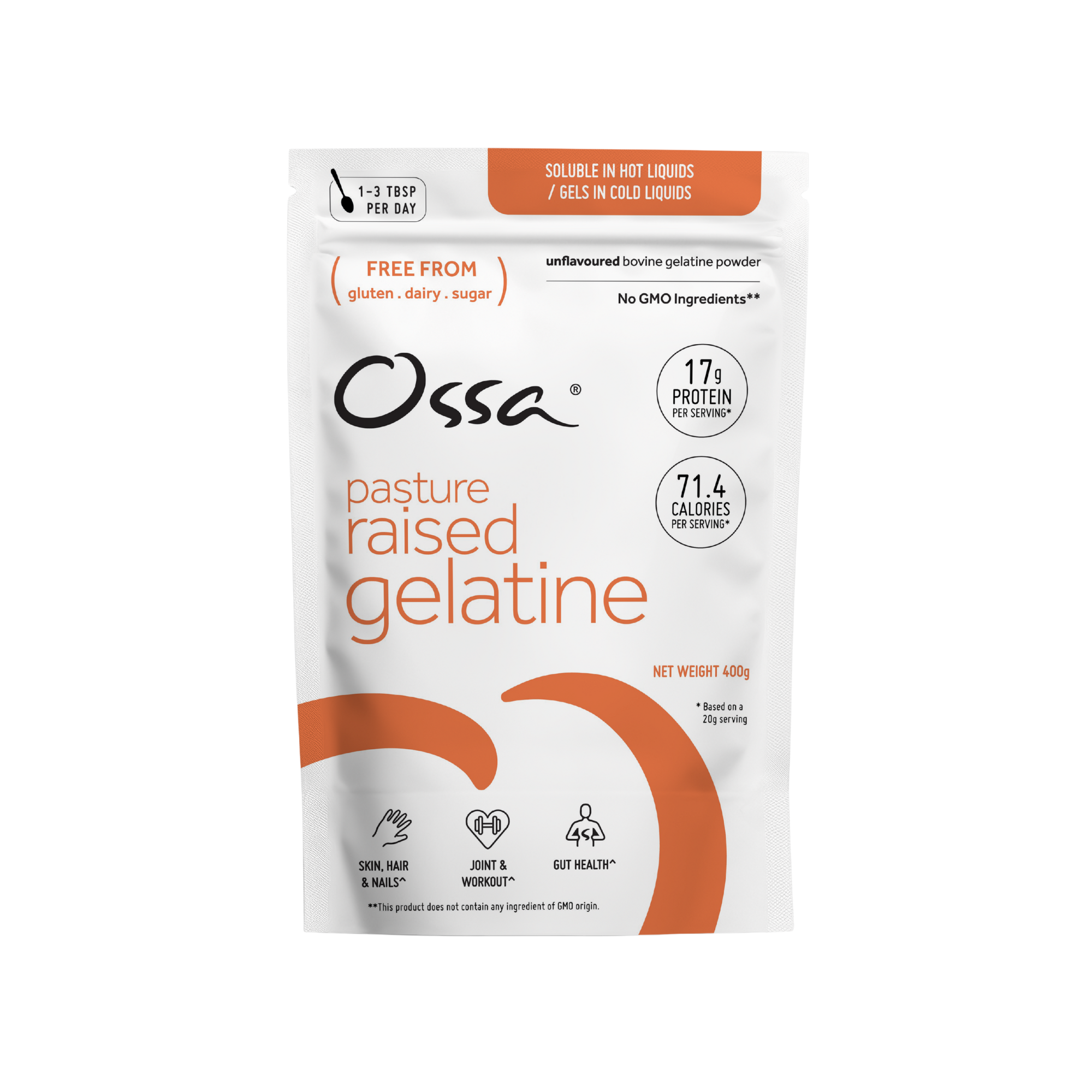
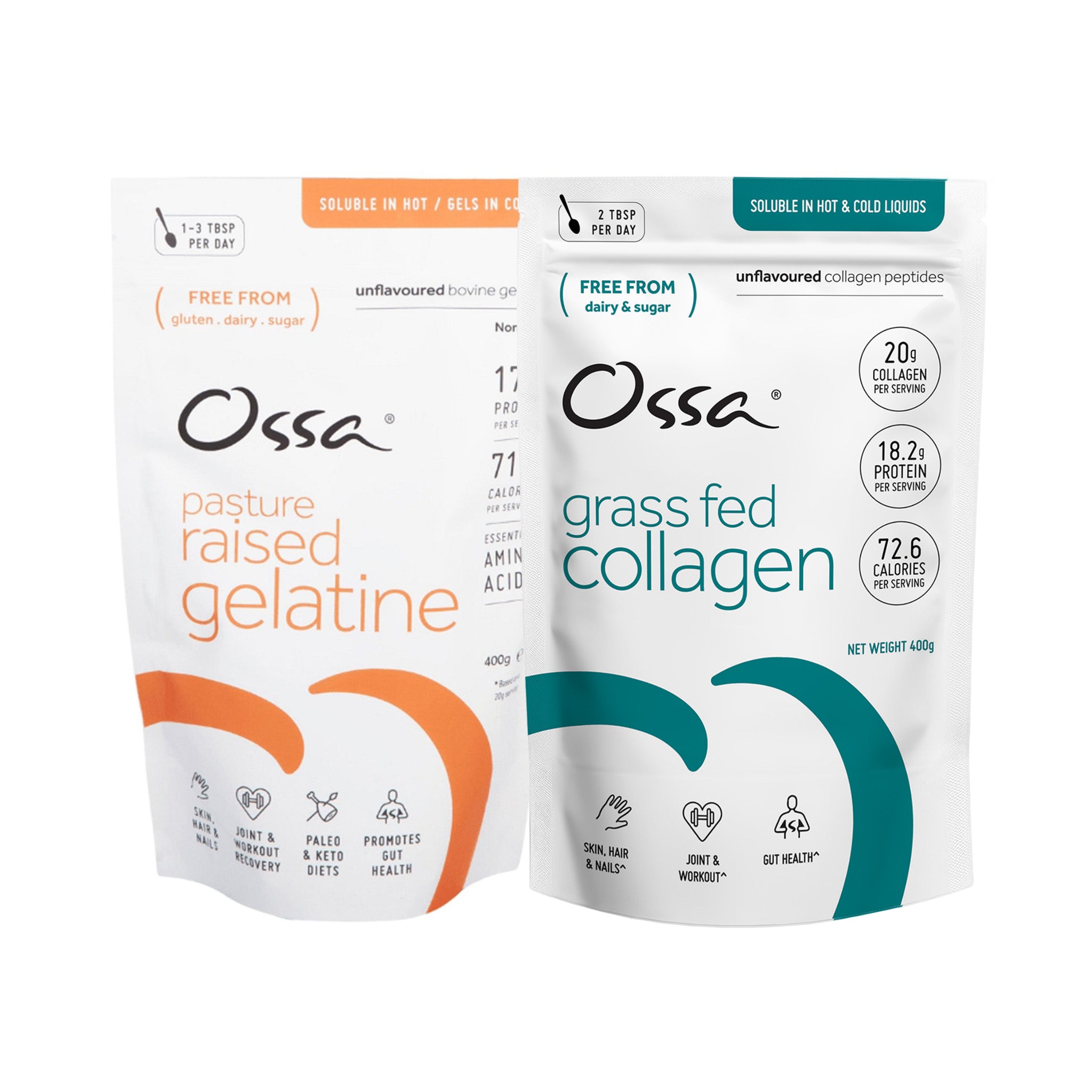
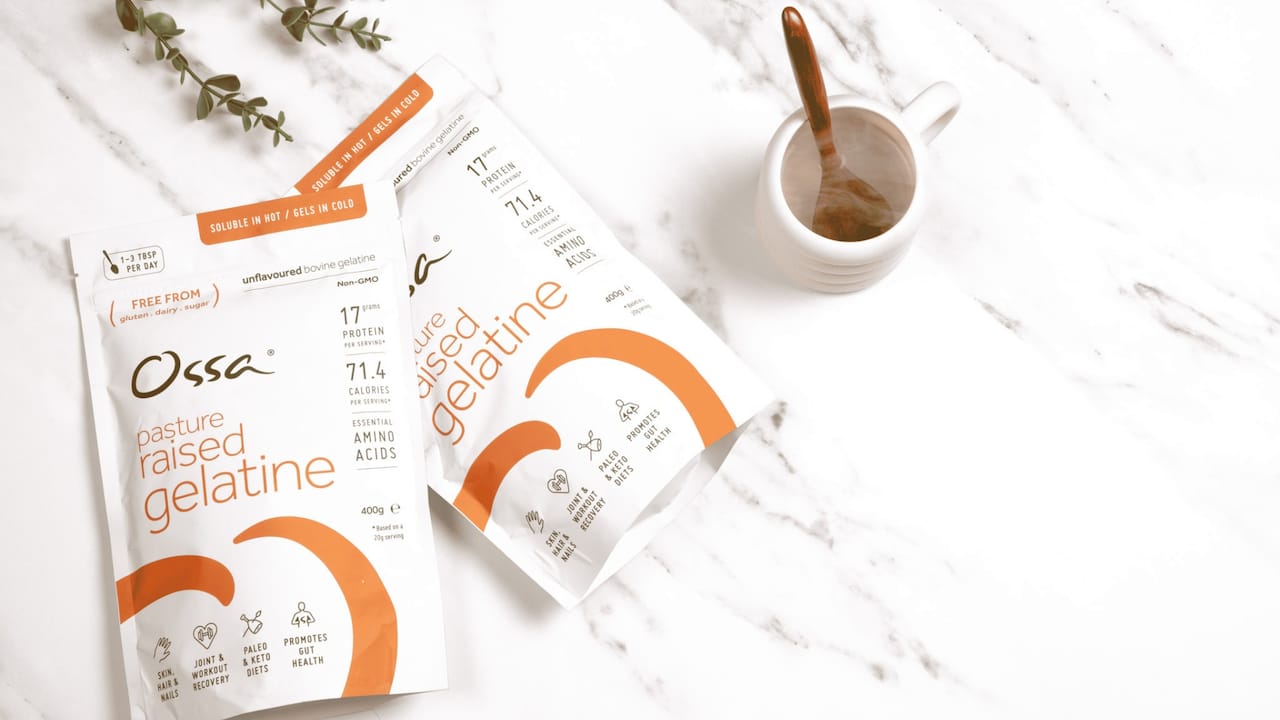
Ossa Organic’s pasture-raised gelatine is sourced from grass-fed cattle with no additives, making it a clean option for people who want the health benefits without the fillers found in many commercial products. For those who want both gelatin and collagen peptides, the combined collagen and gelatine pack covers both formats in one purchase.
Key takeaways
Gelatin powder’s health benefits are grounded in its glycine and proline content, and the evidence is strongest for joint pain reduction, skin moisture, sleep quality, and gut wall integrity.
| Point |
Details |
| Joint pain evidence |
Clinical trials in osteoarthritis patients and athletes show consistent reductions in pain and stiffness. |
| Skin and hair outcomes |
Studies recorded skin moisture increases of 12–28%, hair thickness up by 11%, and hair mass up by 40%. |
| Sleep and cognition |
3 grams of glycine before bed improved sleep onset and reduced daytime fatigue in two controlled studies. |
| Blood sugar and appetite |
Gelatin reduced hunger 44% more than casein; glycine supplementation lowered HbA1c in type 2 diabetes trials. |
| Safe daily dosage |
Staying below 15 grams daily as a supplement reduces the risk of mouth and throat irritation. |
FAQ
How much gelatin powder should I take daily?
Most clinical studies use moderate doses per day. Staying below 15 grams daily as a supplement reduces the risk of side effects such as mouth sores and swollen gums; starting with a lower amount and adjusting based on tolerance is a practical approach.
What are the side effects of gelatin?
At moderate food-based levels, gelatin is well tolerated. Supplemental doses above 15 grams daily can cause sore throat, swollen gums, and mouth sores. Digestive discomfort, including bloating, can occur when high doses are introduced abruptly.
Food-grade gelatin from a traceable, additive-free source, such as pasture-raised or grass-fed bovine gelatin, is preferable for health applications. Commercial products with added sugars and artificial ingredients reduce the anti-inflammatory value of the gelatin itself.
Is it safe to take gelatin every day?
Yes, for most adults, daily gelatin consumption at moderate levels is safe. People on anticoagulant medications or with clotting disorders should consult a GP first, as gelatin may interact with blood-clotting function.
Recommended