

Cart
0
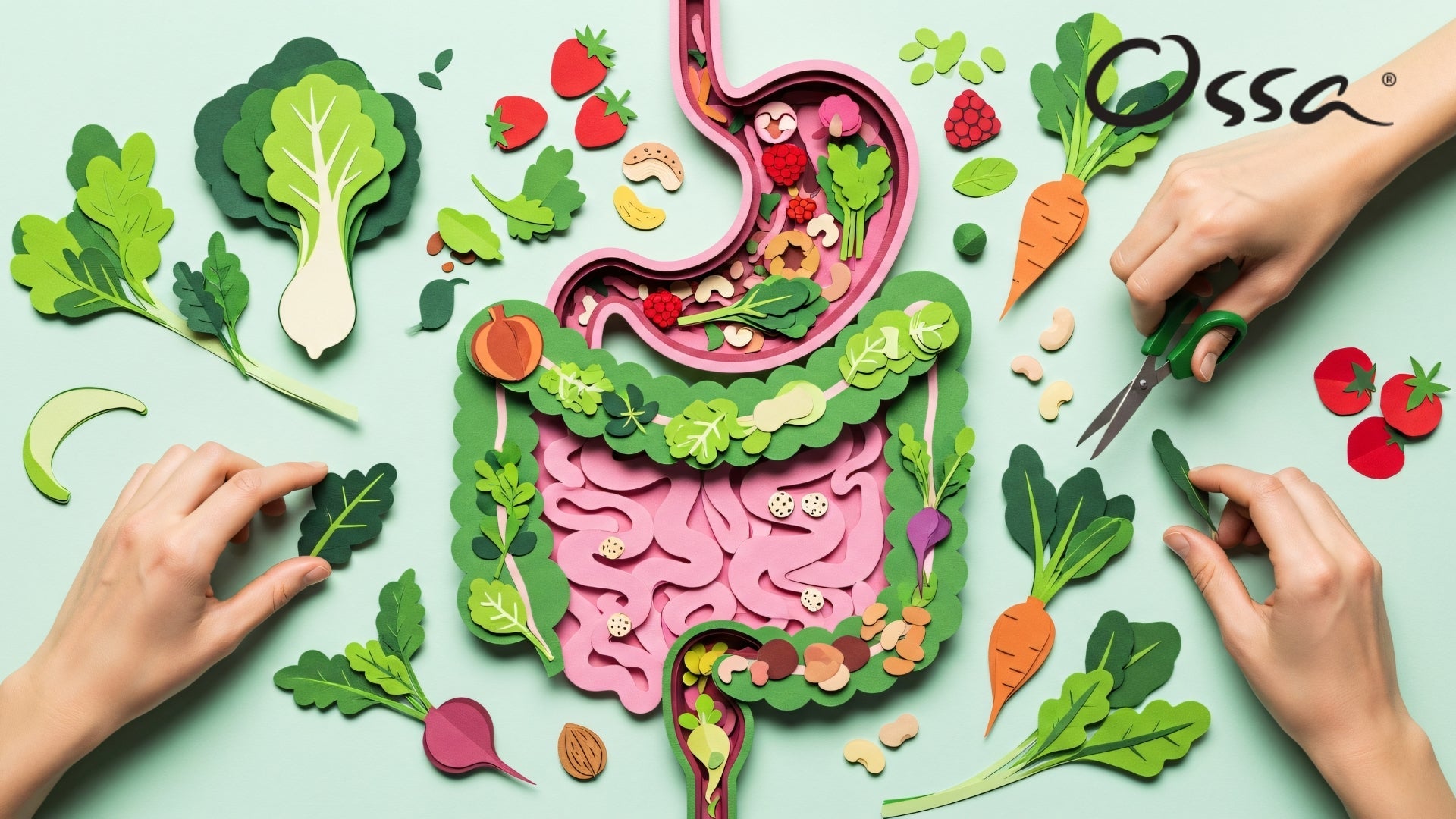
Why a Gut Reset Might Be Exactly What You Need
If you’re feeling bloated, sluggish, foggy, or constantly battling digestive discomfort, your gut could be signalling that it needs a reset. The modern lifestyle—stress, processed food, antibiotics, lack of sleep—can disrupt your microbiome and damage the delicate balance of good and bad bacteria in your gut. The good news? It’s absolutely possible to see a meaningful difference after just one week - and the longer you stick with it, the more you will see the difference.
This guide walks you through exactly how to reset your gut in 7 steps (or even 7 days) using food, movement, and stress relief—not expensive supplements or extreme detoxes.
Step 1: Cut the Gut Disruptors
The first step is eliminating the most common gut offenders:
-
Ultra-processed foods
-
Refined sugar and artificial sweeteners
-
Alcohol and excessive caffeine
-
Gluten and dairy (if you’re sensitive)
-
Seed oils and hydrogenated fats
Focus on eating real, whole foods. If the ingredient list looks like the formula for rocket fuel - skip it for now and opt for what is natural, simple, and actually works.
Step 2: Load Up on Prebiotics and Fibre
Prebiotics are the fuel for your good gut bacteria. Fibre helps sweep your digestive system clean and promotes regularity.
Gut-loving foods to focus on:
-
Leeks, onions, garlic
-
Asparagus, artichokes, and chicory root
-
Apples, bananas (slightly green), and oats
-
Flaxseeds, chia seeds, and legumes (if tolerated)
Eat a variety of plant foods to boost microbial diversity—aim for at least 7 different colours on your plate.
Step 3: Add Fermented Foods Slowly
Introduce probiotic-rich foods to restore balance to your gut flora.
Start small with:
-
Sauerkraut or kimchi (1–2 tbsp)
-
Kefir or live yoghurt (unsweetened)
-
Miso paste stirred into soup (don’t boil it)
-
Kombucha (low-sugar varieties only)
Fermented foods help reintroduce beneficial bacteria—but start slowly to avoid bloating.
Step 4: Stay Hydrated and Support Elimination
Hydration is key to gut health, especially when increasing fibre intake. It helps flush out waste and keeps digestion smooth.
Tips:
-
Drink at least 1.5–2 litres of water per day
-
Add lemon or cucumber slices for extra digestion support
-
Sip herbal teas like peppermint, ginger, or fennel to reduce bloating
-
Avoid drinking large amounts of water during meals to maintain stomach acid
You can also support gentle detox by drinking a daily mug of warm water with apple cider vinegar or a teaspoon of single-source raw honey before meals.
Step 5: Support the Gut-Brain Axis
Your gut and brain talk constantly. Stress directly affects digestion, gut motility, and microbial balance, while being emotionally regulated aids digestion and supports healthy bowel movements. Include calming habits and light exercise to reduce cortisol and promote gut repair.
Options include:
-
10 minutes of deep belly breathing or meditation
-
Gentle yoga or stretching
-
Walking in nature or barefoot grounding
-
Digital detox evenings with zero screen time
-
Journaling, gardening, and baking are other de-stress activities
Stress management is non-negotiable if you want long-term gut health.
Step 6: Improve Sleep Quality
Sleep is when your body resets—and so does your gut. A disrupted sleep cycle leads to inflammation and poor gut function.
Tips for better gut-restorative sleep:
-
Avoid eating 2–3 hours before bedtime
-
Keep screens off 60 minutes before sleep
-
Take magnesium or drink chamomile tea in the evening. Avoid caffeine in the 2nd half of your day if possible!
-
Keep your room calm, quiet, and dark
Getting 7–9 hours of quality sleep supports digestion, detox, and microbiome balance.
Step 7: Move to Improve Gut Motility
Movement helps stimulate peristalsis (the muscle contractions that move food through your gut) and improves blood flow to your digestive organs.
Gentle but effective activities:
-
30-minute walk after meals
-
Yoga twists and forward bends
-
Cycling or swimming
-
Rebounding (mini-trampoline) to stimulate the lymphatic system
Avoid overtraining—it can raise cortisol and undo the progress you’ve made.
What to Expect After a 7-Step Gut Reset
If you follow this plan consistently for one week, you may notice:
-
Reduced bloating and more regular digestion
-
Increased energy and mental clarity
-
Less sugar cravings and improved mood
-
Better skin tone and fewer breakouts
-
Improved sleep and stress response
This is not a crash diet or cleanse—it’s a sustainable shift to nourish and support your gut long-term.
How to Reset Your Gut Beyond 7 Days
Your gut won’t heal overnight, but these seven days give you a powerful foundation. Moving forward:
-
Keep 80% of your meals whole and gut-friendly
-
Rotate your plant foods weekly to increase microbial diversity
-
Limit antibiotics to when you absolutely need them - and use probiotics to support your body
-
Check labels for hidden gut disruptors (sweeteners, gums, additives)
-
Consider functional testing if symptoms persist
Healing your gut is one of the most transformative health steps you can take—and it all starts with small, consistent actions like these.
for more information about us feel free to visit -> Ossa Organic