Why You May Need to Reset Your Gut
If you constantly feel bloated, sluggish, uncomfortable after meals, or low on energy, your gut may be out of balance. Processed foods, stress, antibiotics, lack of sleep, sugar, alcohol, and poor diet choices all disturb the delicate environment inside your digestive system.
Learning how to reset your gut can help reduce discomfort, improve digestion, support immunity, and restore natural energy levels.
Resetting your gut isn’t about harsh detoxes or extreme diets. It’s about giving your digestive system the right conditions to heal and rebalance.
1. Remove Foods That Irritate the Gut
The first step is eliminating foods that inflame or stress the digestive tract.
Try reducing:
-
Processed sugar
-
Fried foods
-
Ultra-processed snacks
-
Artificial sweeteners
-
Alcohol
-
Refined white bread and pastries
Give your gut a chance to calm down before adding anything else.
2. Add Nourishing, Gut-Healing Foods
Once irritants are reduced, focus on real foods that soothe, repair, and support a healthy microbiome.
Best foods for a gut reset:
-
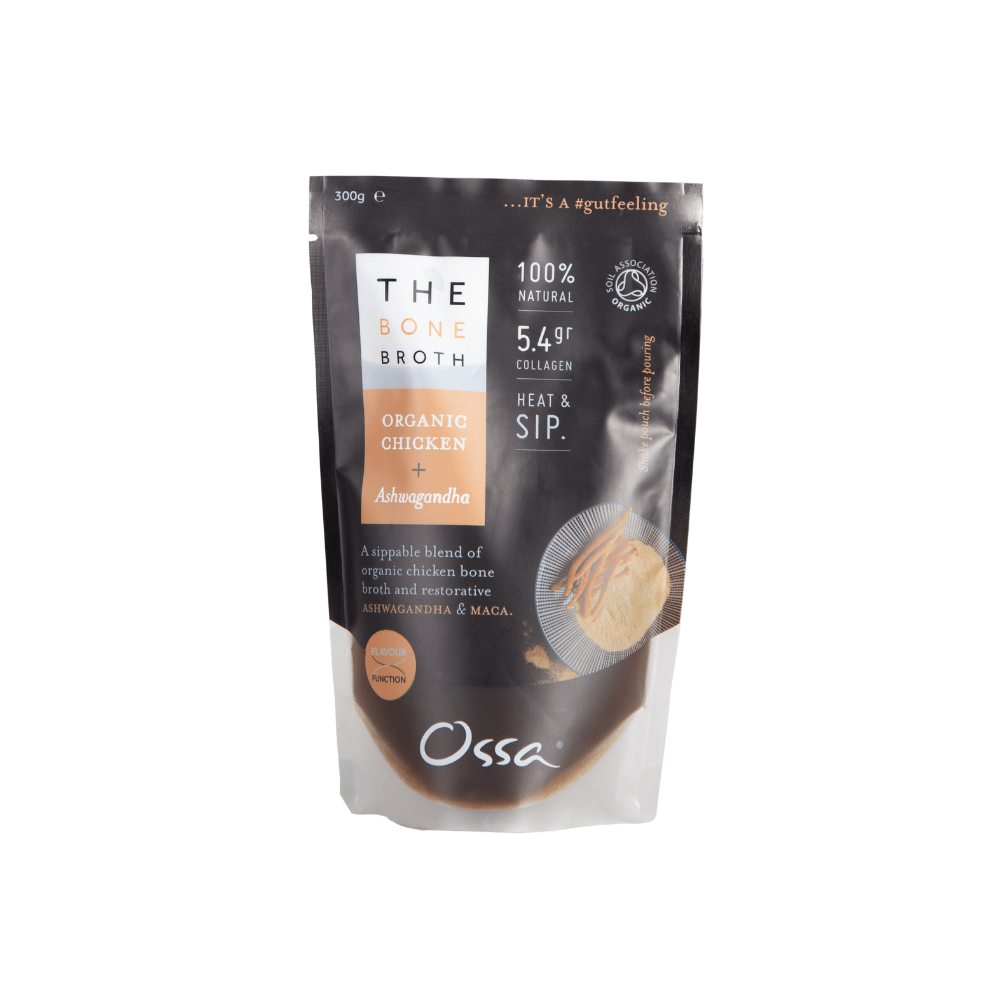
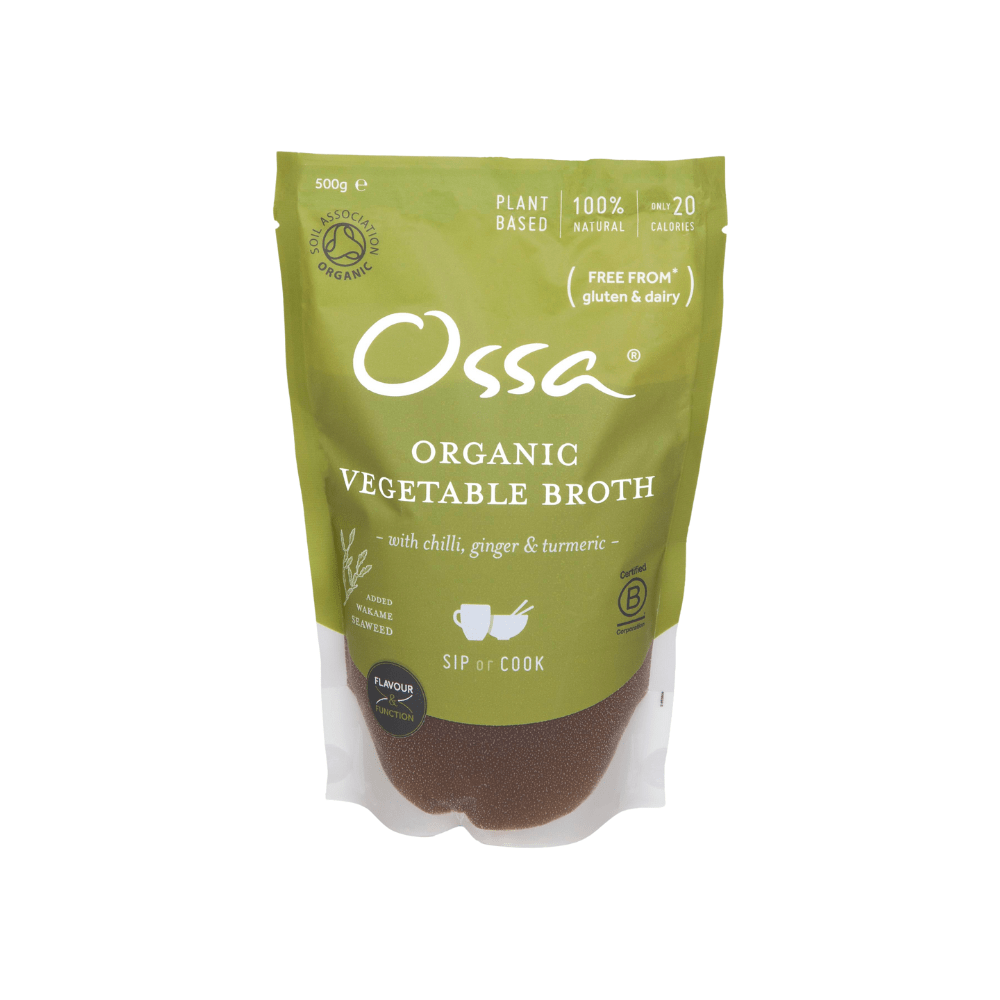
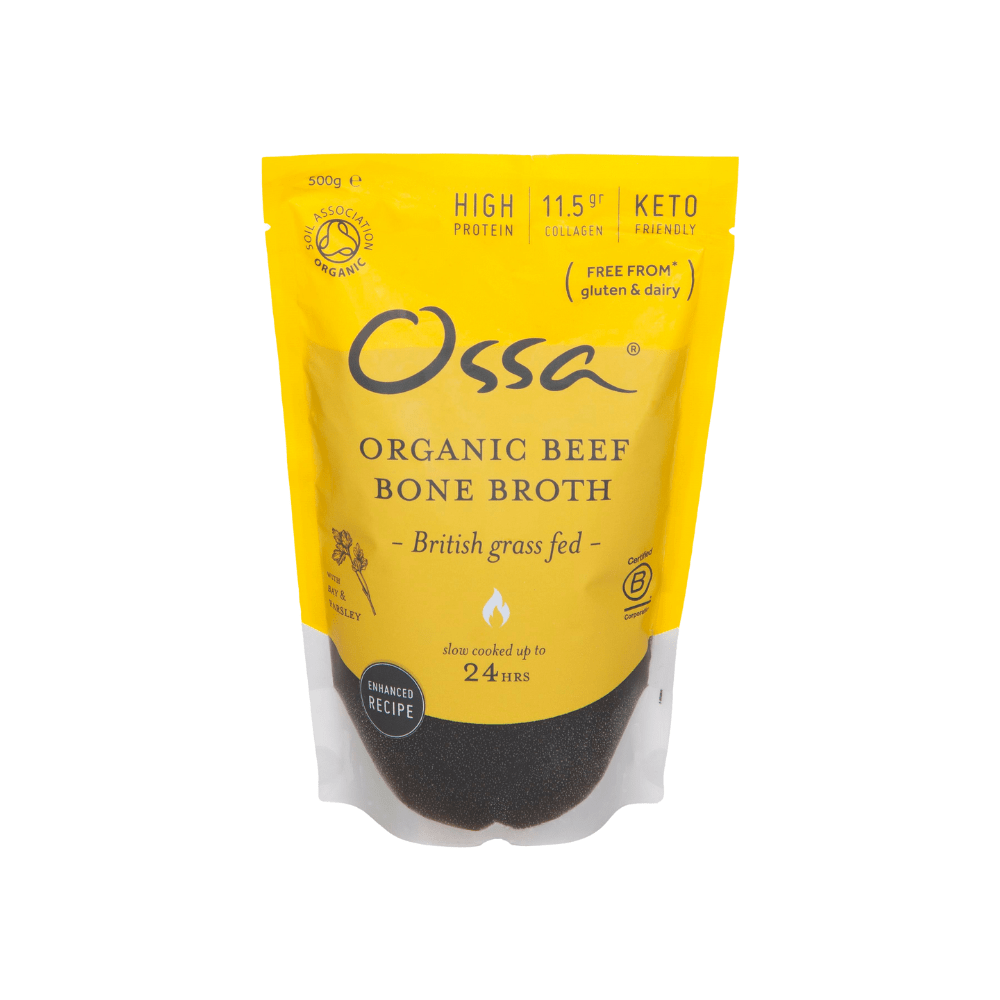
Bone broth
-
Fresh vegetables (steamed or lightly cooked)
-
Fermented foods like yoghurt, kefir, kimchi, sauerkraut
-
Healthy fats such as olive oil, avocado, nuts, and seeds
-
Oily fish like salmon or mackerel
-
Fibre-rich fruits such as apples, berries, and bananas
These foods feed beneficial bacteria and support natural healing.
3. Support Digestion With Routine and Hydration
Your gut thrives on consistency.
Helpful habits:
-
Eat at regular times
-
Avoid overeating late at night
-
Chew food slowly and mindfully
-
Drink plenty of water throughout the day
Good hydration keeps digestion smooth and comfortable.
4. Reduce Stress — Your Gut Feels It Too
Stress can change gut bacteria, trigger inflammation, and slow digestion. Part of resetting your gut means calming your nervous system.
Try:
-
Gentle walks
-
Deep breathing exercises
-
Meditation or prayer
-
Stretching or yoga
-
Spending time outdoors
A calmer mind leads to a calmer gut.
5. Prioritise Sleep and Recovery
Your gut repairs itself while you sleep. Poor sleep can disrupt hormones, appetite, and digestion.
Aim for:
-
7–8 hours of quality sleep
-
A dark, quiet bedroom
-
Reduced screen time before bed
Better sleep equals better gut health.
6. Consider Professional Guidance if Needed
If symptoms persist — severe pain, frequent diarrhoea, persistent constipation, or unexplained weight loss — speak to a healthcare professional. They can run tests and guide you safely.
Final Thoughts on How to Reset Your Gut
Understanding how to reset your gut puts you back in control of your health. By removing irritants, adding nourishing foods, managing stress, and supporting healthy habits, you help your digestive system heal naturally.
Our Products
For more information about us feel free to visit -> Ossa Organic