TL;DR:
- Eating diverse plant foods and fermented products supports gut microbiome diversity and intestinal barrier repair. Lifestyle habits like fasting, exercise, and stress management enhance gut healing, while reducing ultra-processed foods and red meat prevents further damage. Consistent, gradual dietary changes rooted in whole foods are most effective for natural gut recovery.
Natural gut healing foods are those that restore the gut microbiome and intestinal lining by supplying fibre, prebiotics, probiotics, and anti-inflammatory compounds. The gut microbiome contains trillions of bacteria that regulate digestion, immunity, and even mood. When that ecosystem is disrupted, symptoms such as bloating, irregular bowel movements, and fatigue follow. Eating 30 or more plant foods per week is one of the most evidence-backed targets for building a resilient microbiome. The good news is that you do not need a supplement cabinet to get there. Real, whole foods do the work.
1. What are the best natural gut healing foods?
The most effective gut healing foods fall into two categories: fibre-rich plants that feed beneficial bacteria, and fermented foods that reseed the microbiome with live cultures. Both categories work together. Probiotics need consistent prebiotic fibre to survive and multiply in the gut. Without fibre, even the best fermented food delivers limited long-term benefit.
Gut health research also uses the term “intestinal barrier integrity” to describe how well the gut lining prevents harmful particles from entering the bloodstream. Foods that reduce zonulin, a protein biomarker of gut permeability, directly support that barrier. The foods listed throughout this guide address both microbiome diversity and barrier repair.
Understanding why organic ingredients matter for this process is also worth considering. Pesticide residues on conventionally grown produce can disrupt gut bacteria, which is one reason Ossa Organic prioritises organic sourcing across its entire range.
2. Fibre-rich plant foods that feed your gut bacteria
Fibre is the primary fuel for beneficial gut bacteria. Without adequate fibre, those bacteria starve, and microbiome diversity falls. Increasing fibre by just 6g per day measurably improves gut bacteria diversity. That is roughly one bowl of high-fibre cereal or two thick slices of wholemeal bread.
The most effective plant sources for gut repair include:
-
Legumes (lentils, chickpeas, black beans): high in resistant starch and soluble fibre, both of which feed Bifidobacterium and Lactobacillus species
-
Oats: contain beta-glucan, a soluble fibre that reduces inflammation and feeds butyrate-producing bacteria
-
Asparagus and onions: rich in inulin, a prebiotic fibre that selectively feeds beneficial bacteria
-
Garlic: contains fructooligosaccharides (FOS), which act as a direct prebiotic substrate
-
Green bananas: high in resistant starch, which bypasses digestion and feeds bacteria in the colon
-
Berries (blueberries, raspberries, blackberries): packed with polyphenols that selectively promote beneficial bacterial strains
-
Whole grains (brown rice, barley, rye): provide mixed fibre types that support broader microbiome diversity
Polyphenols in plant foods do more than act as antioxidants. They selectively promote beneficial bacterial growth while suppressing harmful strains. Berries, dark chocolate, and red cabbage are particularly rich sources.
| Food |
Key compound |
Gut benefit |
| Oats |
Beta-glucan |
Feeds butyrate-producing bacteria |
| Garlic |
Fructooligosaccharides |
Direct prebiotic substrate |
| Green bananas |
Resistant starch |
Feeds colonic bacteria |
| Blueberries |
Polyphenols |
Promotes beneficial strains |
| Lentils |
Soluble fibre |
Supports Bifidobacterium growth |
Pro Tip: Increase fibre gradually over two to three weeks. A sudden large increase causes bloating and gas because your gut bacteria need time to adapt to the new fuel supply.
3. How fermented foods support gut repair
Fermented foods introduce live bacterial cultures directly into the digestive tract. This process, known as reseeding, helps restore microbial populations that have been depleted by antibiotics, illness, or a poor diet. Daily fermented food intake reduces 19 inflammatory markers associated with gut health. That reduction in inflammation directly supports the gut lining’s ability to repair itself.
The best fermented foods for gut repair include:
-
Kefir: a fermented milk drink containing a broader range of bacterial strains than most yogurts
-
Live yogurt: effective when the label confirms “live active cultures,” not just “made with live cultures”
-
Kimchi: a fermented Korean vegetable dish rich in Lactobacillus bacteria and fibre
-
Sauerkraut: unpasteurised versions only; pasteurisation kills the live cultures
-
Tempeh: a fermented soya product that also provides complete protein and prebiotic fibre
-
Miso: a fermented soya paste that adds live cultures to soups and dressings without cooking
One critical distinction separates genuinely beneficial fermented foods from processed imitations. Many fermented products lose live bacteria when heat-treated or made shelf-stable. Always check for “live active cultures” on the label, and choose refrigerated products over ambient ones where possible.
“Fermented foods with live cultures are among the most direct dietary tools for reducing gut inflammation and supporting intestinal barrier integrity. The evidence for their effect on inflammatory markers is consistent across multiple study designs.”
Pro Tip: Start with one small serving of fermented food per day, such as two tablespoons of sauerkraut or a 100ml glass of kefir. Introducing too much too quickly can cause temporary bloating as your gut flora adjusts.
4. Spices and compounds that repair the gut lining
Certain spices contain compounds that go beyond flavour. They actively reduce gut inflammation and support the tight junctions that hold the intestinal lining together. Curcumin, the active compound in turmeric, is the most studied of these. Consuming turmeric equivalent to 2–3 teaspoons daily for three days reduced gut barrier damage markers in clinical testing. That is a meaningful dose achievable through cooking.
Key anti-inflammatory gut foods in the spice category include:
-
Turmeric: curcumin reduces zonulin levels and protects intestinal tight junctions
-
Garlic: allicin and FOS provide both antimicrobial and prebiotic effects simultaneously
-
Cinnamon: polyphenols reduce gut inflammation and support blood sugar stability, which indirectly benefits the microbiome
-
Oregano: contains carvacrol and thymol, compounds shown to inhibit harmful gut bacteria
-
Broccoli: sulforaphane supports detoxification pathways in gut cells and reduces oxidative stress in the intestinal lining
Polyphenols in herbs and spices act as antioxidants in the gut, selectively promoting beneficial bacterial growth while suppressing harmful strains. This selective action is what makes them more useful than broad-spectrum antimicrobials.
Adding turmeric to soups, stews, or scrambled eggs is a practical way to reach a therapeutic dose without supplementation. Pairing it with black pepper increases curcumin absorption by a significant margin, as piperine in black pepper inhibits the enzyme that breaks curcumin down.
5. Lifestyle habits that complement a gut health diet
Diet is the foundation of gut repair, but several lifestyle factors either accelerate or undermine that work. Limiting red meat is one of the clearest dietary adjustments outside of adding healing foods. Keeping red meat to no more than 3 ounces twice a week protects microbiome diversity. Excess red meat feeds bacteria that produce trimethylamine N-oxide (TMAO), a compound linked to gut inflammation.
Avoiding ultra-processed foods is equally critical. Additives in ultra-processed foods disrupt microbiome diversity directly, often more rapidly than any single healing food can repair. Emulsifiers, artificial sweeteners, and preservatives all alter the gut environment in ways that reduce beneficial bacterial populations.
Beyond food choices, these habits support gut recovery:
-
Observe a 12-hour fasting window. A 12-hour overnight fast between dinner and breakfast gives the gut microbiome time to rest and repair. Finishing dinner by 8pm and eating breakfast after 8am achieves this without any formal fasting protocol.
-
Exercise regularly. Physical activity increases microbiome diversity independently of diet. Even 30 minutes of moderate walking five days a week produces measurable changes in bacterial populations.
-
Prioritise sleep. The gut and brain communicate via the gut-brain axis. Poor sleep raises cortisol, which increases gut permeability. Aiming for 7–9 hours per night supports the gut’s overnight repair cycle.
-
Manage stress actively. Chronic stress reduces the production of secretory IgA, an antibody that protects the gut lining. Practices such as yoga, breathwork, or even a daily walk reduce this effect.
Pro Tip: The 14 Day Gut Reset from Ossa Organic structures these dietary and lifestyle changes into a practical daily plan, removing the guesswork from where to start.
6. What to eat each day for consistent gut repair
Consistency matters more than perfection when healing the gut. Gradual dietary changes that avoid sudden large increases in fibre or probiotics reduce digestive discomfort and allow the gut to adapt properly. A slow, steady approach produces lasting results where rapid overhauls often fail.
A practical daily framework for a gut health diet looks like this:
-
Breakfast: oat porridge with blueberries and a tablespoon of ground flaxseed, plus a small glass of kefir
-
Lunch: a lentil and vegetable soup seasoned with turmeric, garlic, and black pepper
-
Dinner: grilled salmon or tempeh with roasted broccoli, brown rice, and a side of sauerkraut
-
Snacks: an apple with almond butter, or a small handful of walnuts and dark chocolate
This framework delivers fibre from multiple plant sources, live cultures from kefir and sauerkraut, anti-inflammatory compounds from turmeric and garlic, and omega-3 fatty acids from salmon or flaxseed. Dietary diversity across 30 or more plant foods weekly is the single strongest predictor of microbiome health. Rotating vegetables, grains, and legumes throughout the week is the most practical way to reach that target.
Pro Tip: Keep a simple weekly tally of plant foods you eat. Counting distinct plants rather than servings makes it easier to spot gaps and add variety without overhauling your entire diet.
7. Foods and ingredients that slow gut healing
Knowing what to remove is as important as knowing what to add. Ultra-processed foods, refined sugars, and artificial additives actively disrupt the gut microbiome. They feed harmful bacterial strains and reduce the populations of beneficial ones. The net effect is a gut environment that resists healing regardless of how many fermented foods you add.
Alcohol is another significant disruptor. Regular alcohol consumption increases gut permeability and reduces the diversity of beneficial bacteria. Even moderate intake affects the gut lining over time, particularly in people already dealing with digestive symptoms.
Certain prebiotic-rich foods also require care for some people. Those with irritable bowel syndrome (IBS) or FODMAP sensitivities may find that garlic, onions, and legumes worsen symptoms rather than improve them. Not all prebiotic-rich foods suit everyone. Introducing them in small amounts and monitoring your response is the right approach, not avoidance.
For general guidance on improving digestion naturally, a gradual, food-first approach consistently outperforms rapid dietary overhauls. The gut microbiome adapts over weeks, not days.
Key takeaways
The most effective approach to healing the gut naturally is combining diverse fibre-rich plant foods with live-culture fermented foods, supported by consistent lifestyle habits and the gradual removal of ultra-processed foods.
| Point |
Details |
| Fibre is the foundation |
Increasing fibre by just 6g per day measurably improves gut bacteria diversity. |
| Fermented foods reduce inflammation |
Daily fermented food intake reduces 19 inflammatory markers linked to gut health. |
| Spices support the gut lining |
Turmeric at 2–3 teaspoons daily reduces zonulin, a key marker of gut permeability. |
| Lifestyle amplifies diet |
A 12-hour overnight fast and regular exercise both independently improve microbiome health. |
| Gradual change works best |
Slow dietary shifts allow the gut microbiome to adapt without triggering discomfort. |
Ossa Organic’s take on gut healing through food
The most common mistake people make when starting a gut health diet is doing too much at once. They add a large fibre supplement, start drinking kefir daily, and cut out sugar in the same week. The gut does not respond well to that kind of rapid change. Bloating, cramping, and fatigue follow, and most people conclude that “healthy eating doesn’t agree with them.” The problem is the pace, not the foods.
What actually works is picking one change per week. Add a daily serving of sauerkraut in week one. Swap white rice for brown rice in week two. Introduce lentils twice a week in week three. That rhythm gives your gut bacteria time to adapt and gives you time to notice what is working.
The other thing worth saying plainly: whole foods consistently outperform supplements for long-term microbiome health. A probiotic capsule delivers a narrow range of bacterial strains. A varied diet of fermented foods, legumes, vegetables, and whole grains delivers hundreds of compounds that work together in ways no supplement can replicate. Dietary diversity and whole foods provide a broader, more sustainable microbiome benefit than any supplement on the market.
At Ossa Organic, we built our range around this principle. Bone broth is not a trend for us. It is a traditional food that supports the gut lining with collagen and glycine, and it fits naturally into the kind of varied, whole-food diet that research consistently supports. The goal is not a perfect diet. The goal is a consistent one.
— Ossa Organic
Ossa Organic bone broth for gut lining support
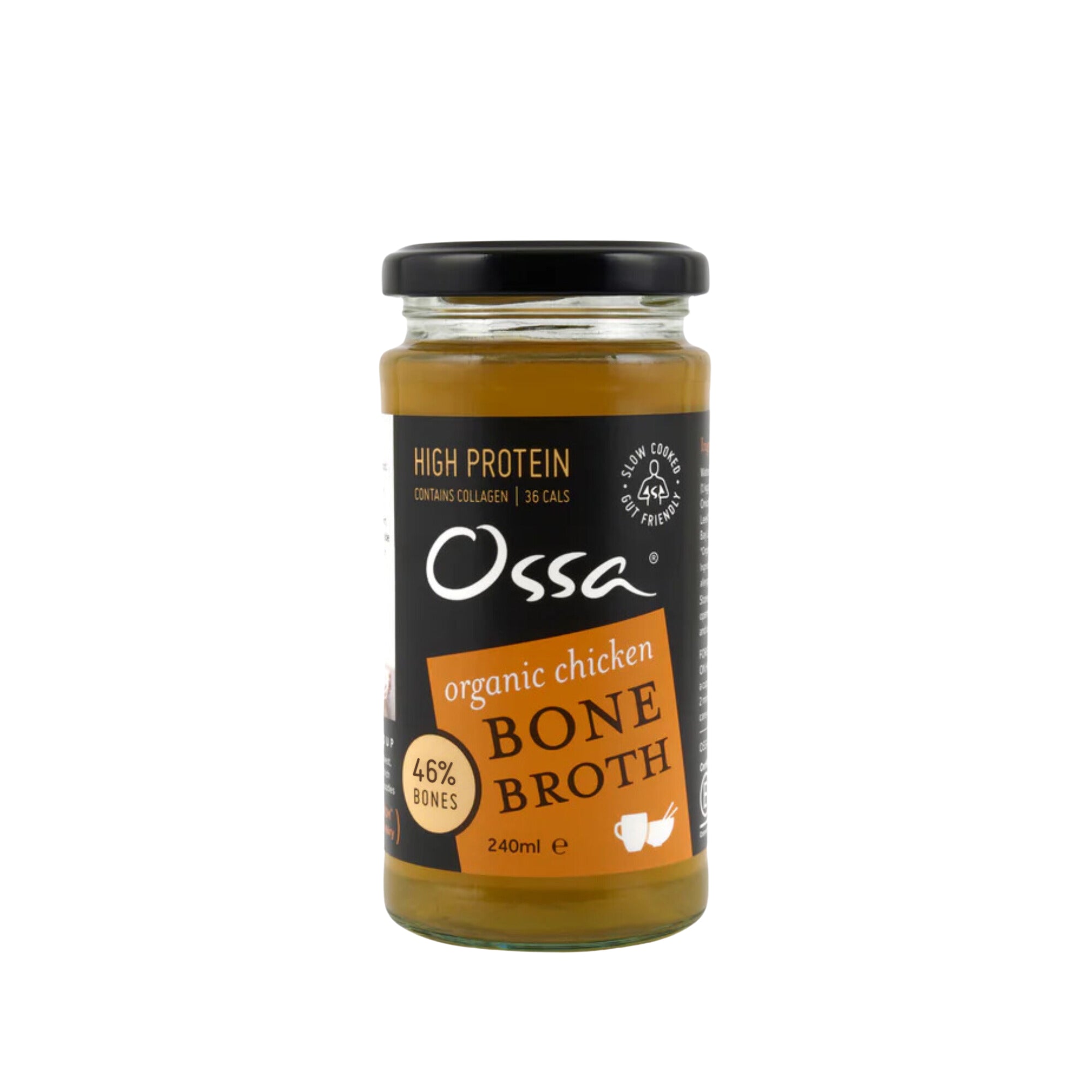
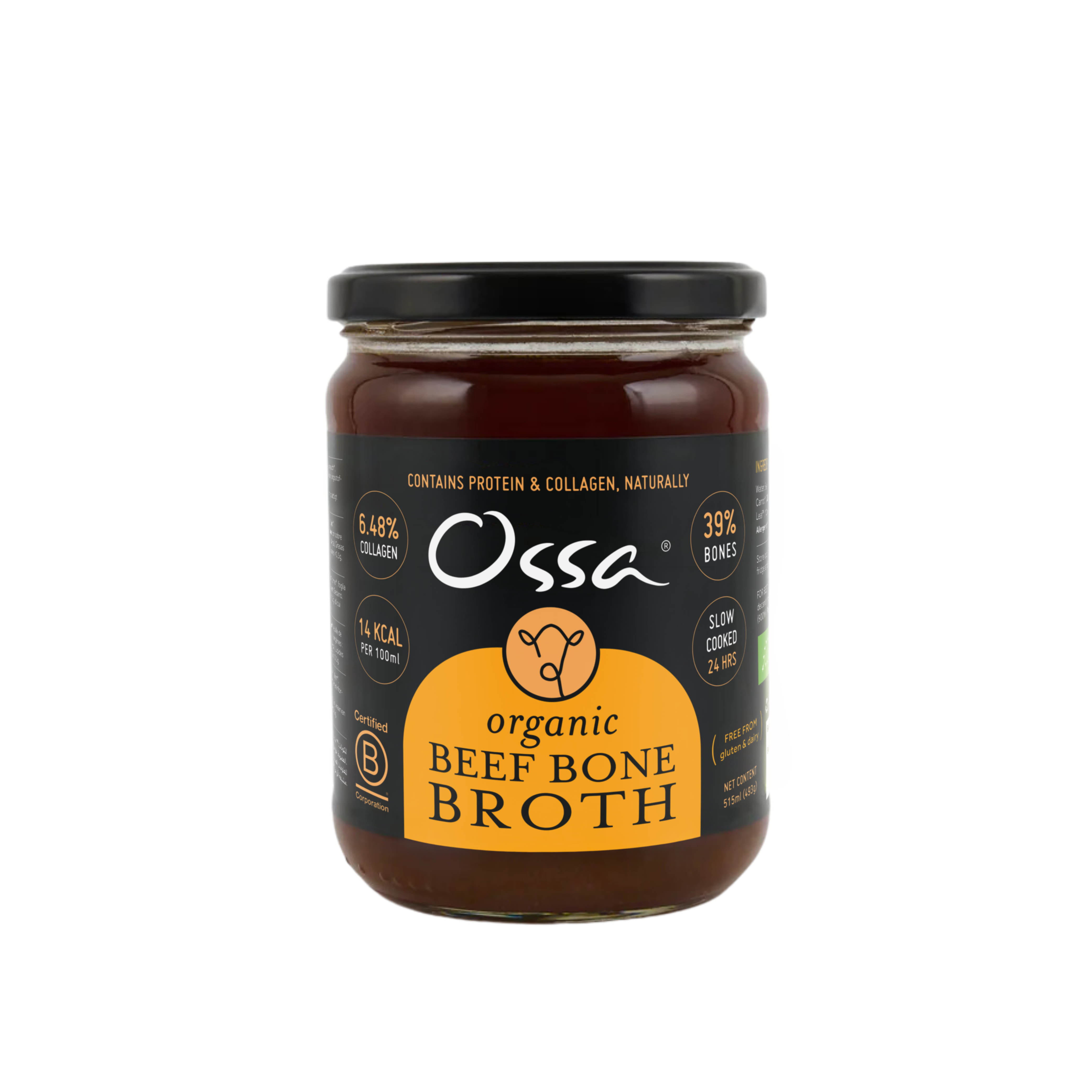
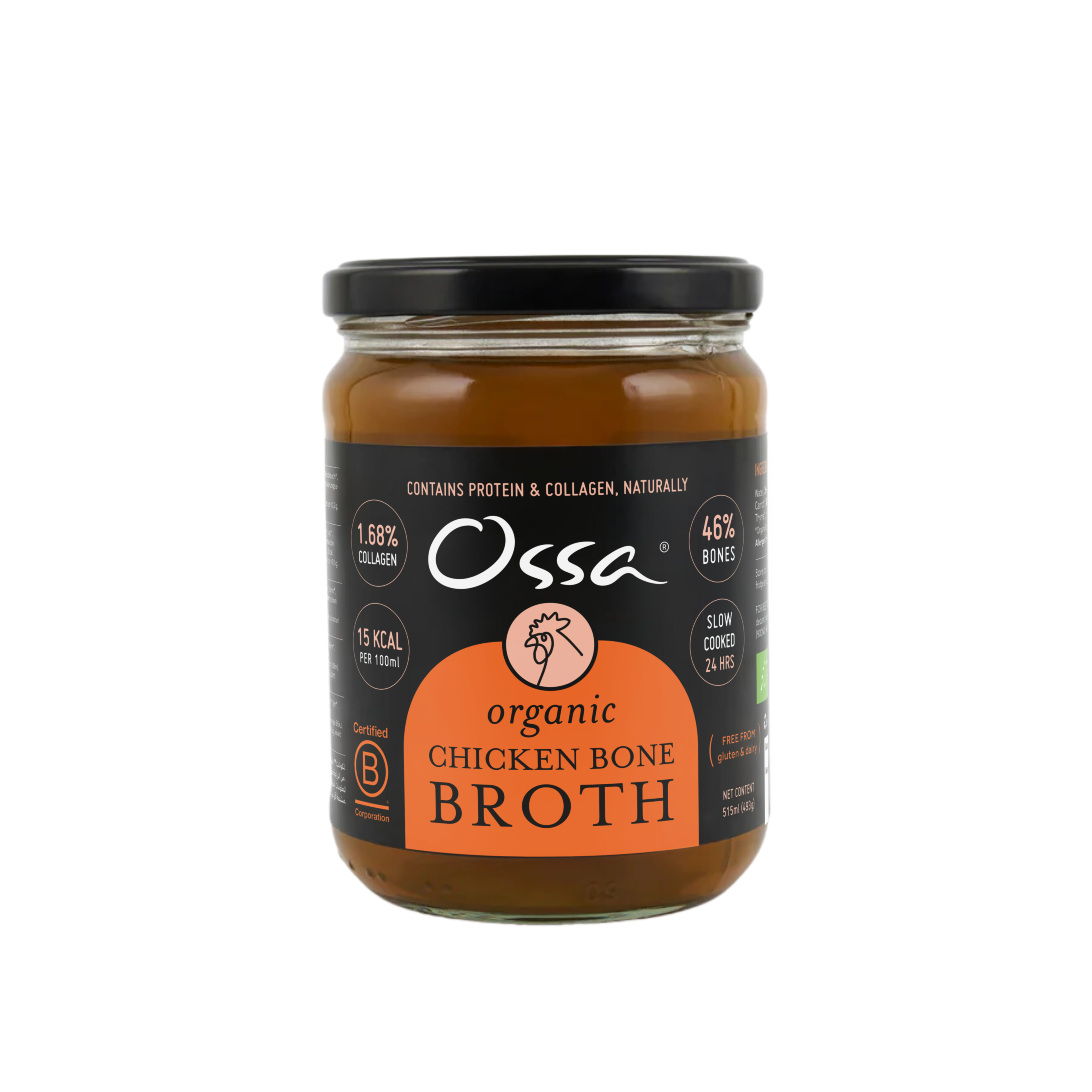
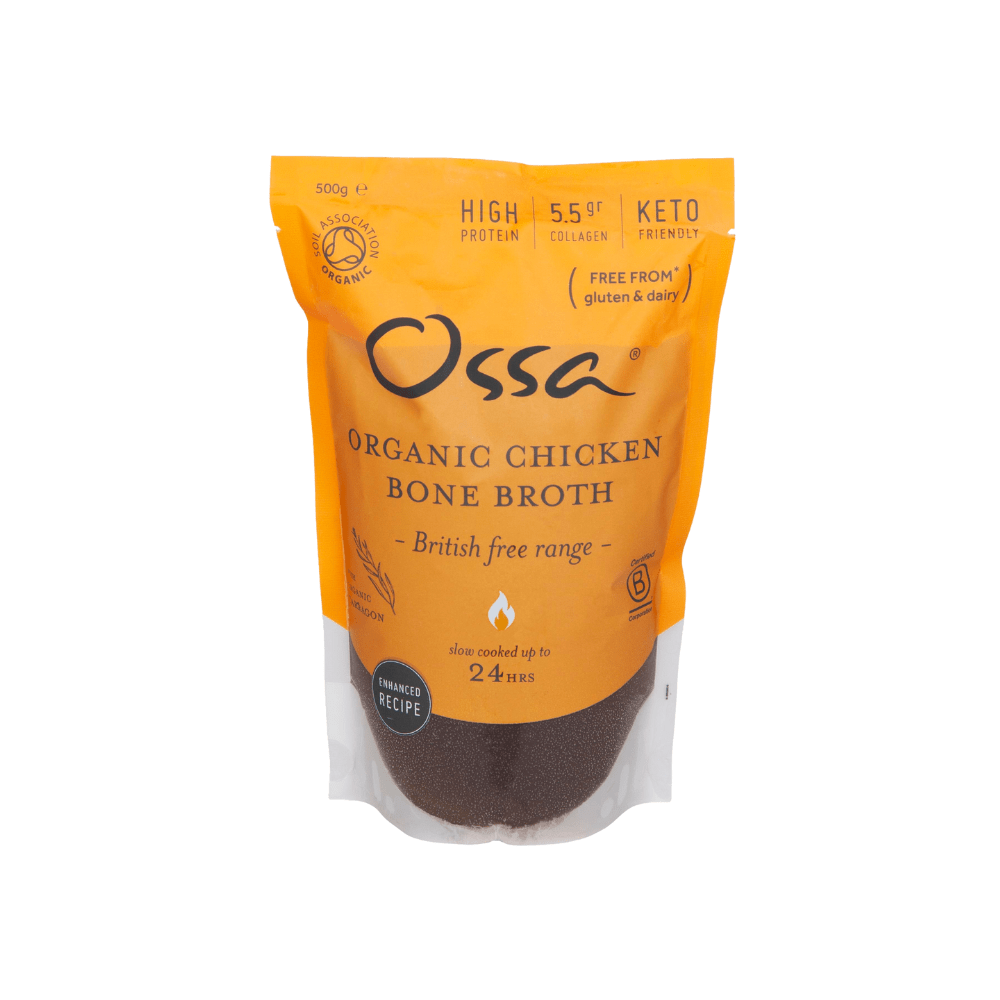
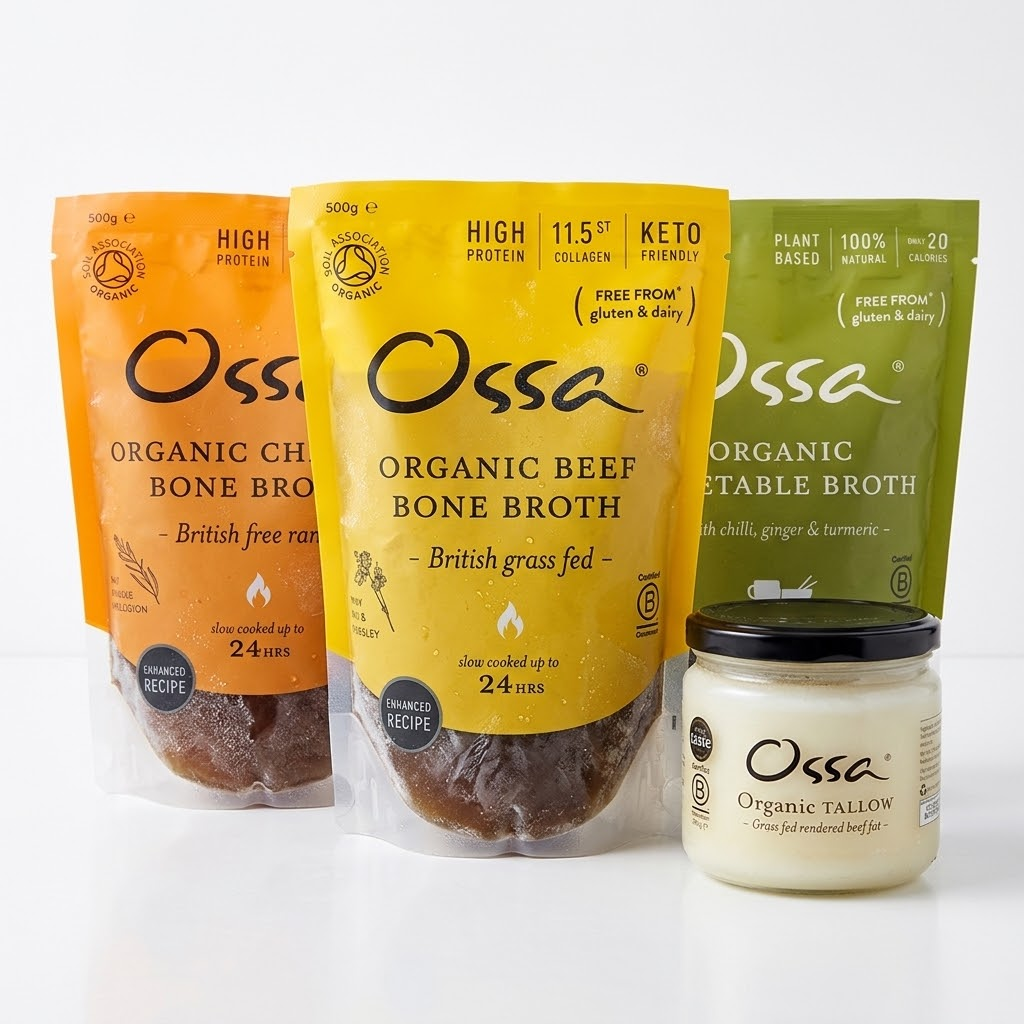
Bone broth provides collagen, glycine, and glutamine, three compounds that directly support the integrity of the gut lining. These nutrients feed the cells of the intestinal wall and support the tight junctions that prevent gut permeability. Ossa Organic’s organic chicken bone broth is slow-cooked from free-range chicken bones and contains no additives or preservatives. It fits naturally into a gut health diet as a daily warm drink, a soup base, or a cooking liquid for grains and legumes. For a structured approach to gut repair, the 14 Day Gut Reset programme from Ossa Organic combines bone broth with dietary guidance to support digestive recovery from day one.
FAQ
What are the most effective natural foods for gut healing?
Fibre-rich plants such as oats, legumes, garlic, and berries feed beneficial gut bacteria, while fermented foods such as kefir, sauerkraut, and live yogurt reseed the microbiome with live cultures. Eating 30 or more plant foods per week is the strongest evidence-backed target for microbiome diversity.
How long does it take to heal the gut through diet?
Gut healing through dietary changes is a gradual process that typically takes several weeks to months. Slow, consistent dietary shifts allow the native microbiota to adapt without triggering symptoms, and most people notice measurable improvements in digestion within four to six weeks of consistent change.
Are probiotic supplements better than fermented foods?
Fermented foods provide a broader range of bacterial strains and compounds than most probiotic supplements. Prebiotics and probiotics work together most effectively when delivered through whole foods rather than isolated capsules.
Can people with IBS eat prebiotic-rich foods?
People with IBS should introduce prebiotic-rich foods such as garlic, onions, and legumes in small amounts and monitor their response carefully. Not all prebiotic foods suit every gut, and those with FODMAP sensitivities may need to start with lower-FODMAP options such as oats and berries before progressing to higher-FODMAP vegetables.
What is zonulin and why does it matter for gut health?
Zonulin is a protein that regulates the permeability of the intestinal lining. Elevated zonulin levels indicate a more permeable gut, often called “leaky gut,” which allows harmful particles to enter the bloodstream. Foods such as turmeric and a high-fibre diet reduce zonulin levels and support gut barrier integrity.
Recommended