TL;DR:
- Organic broth is a nutrient-rich liquid made by simmering organic ingredients without pesticides or synthetic additives. Different types, such as bone and vegetable broths, offer unique nutritional benefits for health and culinary uses. Choosing high-quality, slow-cooked organic broth ensures maximum nutrients and flavor benefits.
Organic broth is defined as a nutrient-dense liquid made by simmering organic ingredients, including bones, vegetables, or herbs, without synthetic additives or pesticide residues. The types of organic broths available today range from collagen-rich bone broths to light vegetable stocks and culturally rooted healing liquids. Each variety delivers a distinct nutritional profile and culinary purpose. Understanding the differences helps you choose the right broth for gut health, joint support, or everyday cooking. Ossa Organic has built its entire range on this principle: slow cooking, organic sourcing, and tradition over convenience.
1. What are the main types of organic bone broths?
Organic bone broth is a slow-cooked liquid made by simmering animal bones and connective tissue for an extended period. This process extracts collagen, essential amino acids, and minerals that lighter broths simply cannot deliver. Bone broth provides 8–10g of protein per cup on average, with homemade versions reaching up to 27g per cup. That protein density makes bone broth one of the most nutritionally concentrated liquids you can add to your diet.
The four primary organic bone broth varieties are:
-
Chicken bone broth. The most widely used variety. Chicken frames and feet release a high concentration of type II collagen and glycine. The flavour is mild, making it suitable for soups, risottos, and sipping directly.
-
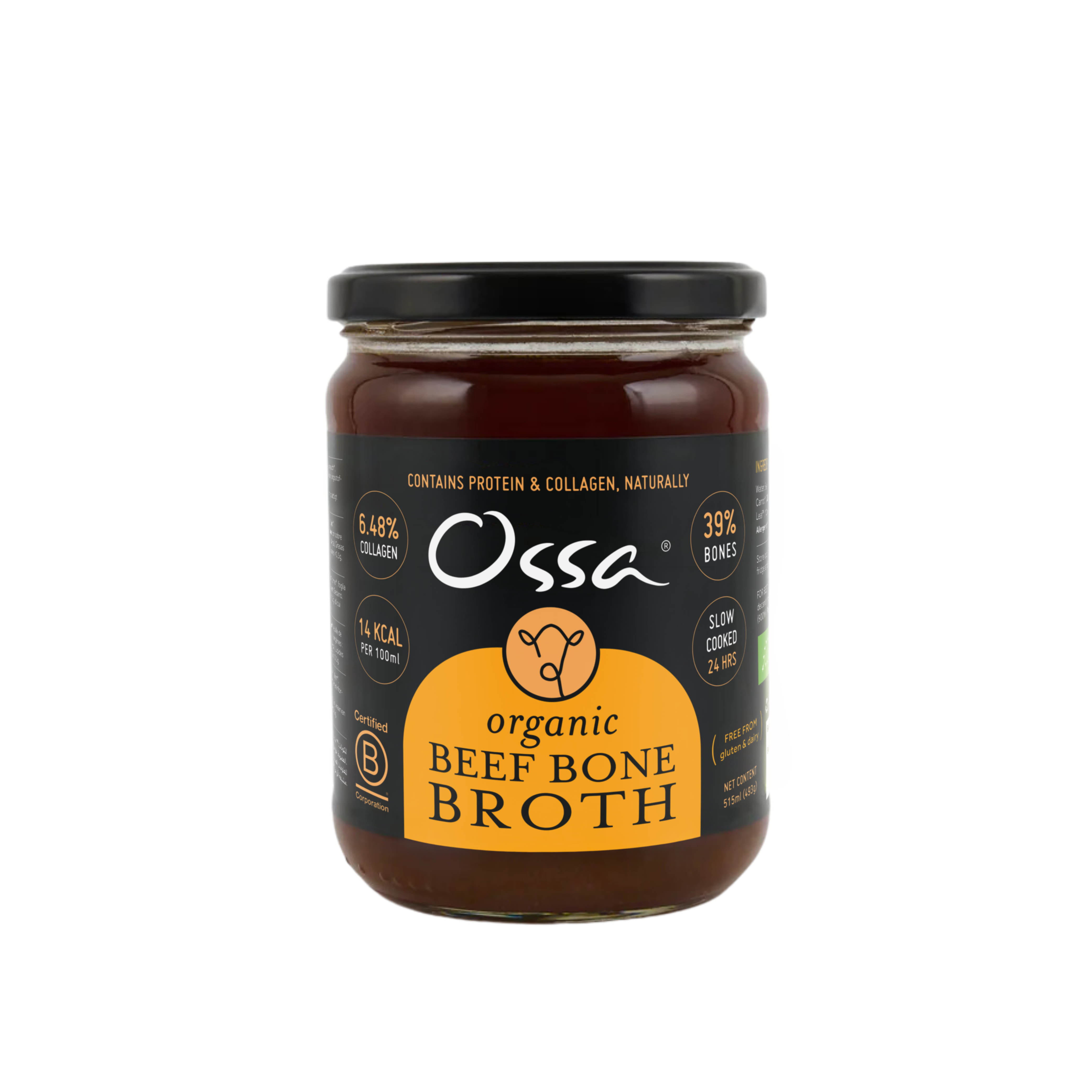
Beef bone broth. Made from marrow bones and knuckles, beef broth delivers a deeper, richer flavour and a higher mineral content. It suits slow-braised dishes and hearty stews.
-
Lamb bone broth. Less common but nutritionally comparable to beef. Lamb bones produce a distinctly savoury broth that pairs well with Mediterranean and Middle Eastern recipes.
-
Fish bone broth. The fastest-cooking bone broth, typically ready in 1–2 hours. Fish frames and heads release iodine, phosphorus, and thyroid-supporting compounds not found in land-animal broths.
The slow simmering technique is what separates genuine bone broth from a quick stock. Cook times range from 18–72 hours depending on the bones used and the richness desired. Red meat bones require the longest time. Adding 1–2 tablespoons of apple cider vinegar at the start of cooking is standard practice. Acid breaks down the bone matrix, releasing minerals and proteins that would otherwise remain locked inside.
Pro Tip: When your finished broth cools in the fridge and sets to a gel, that is confirmation of successful collagen extraction. A gelatinous texture indicates high nutrient density. If your broth stays liquid when cold, simmer it longer or add more connective tissue.
2. How do organic vegetable broths differ nutritionally?
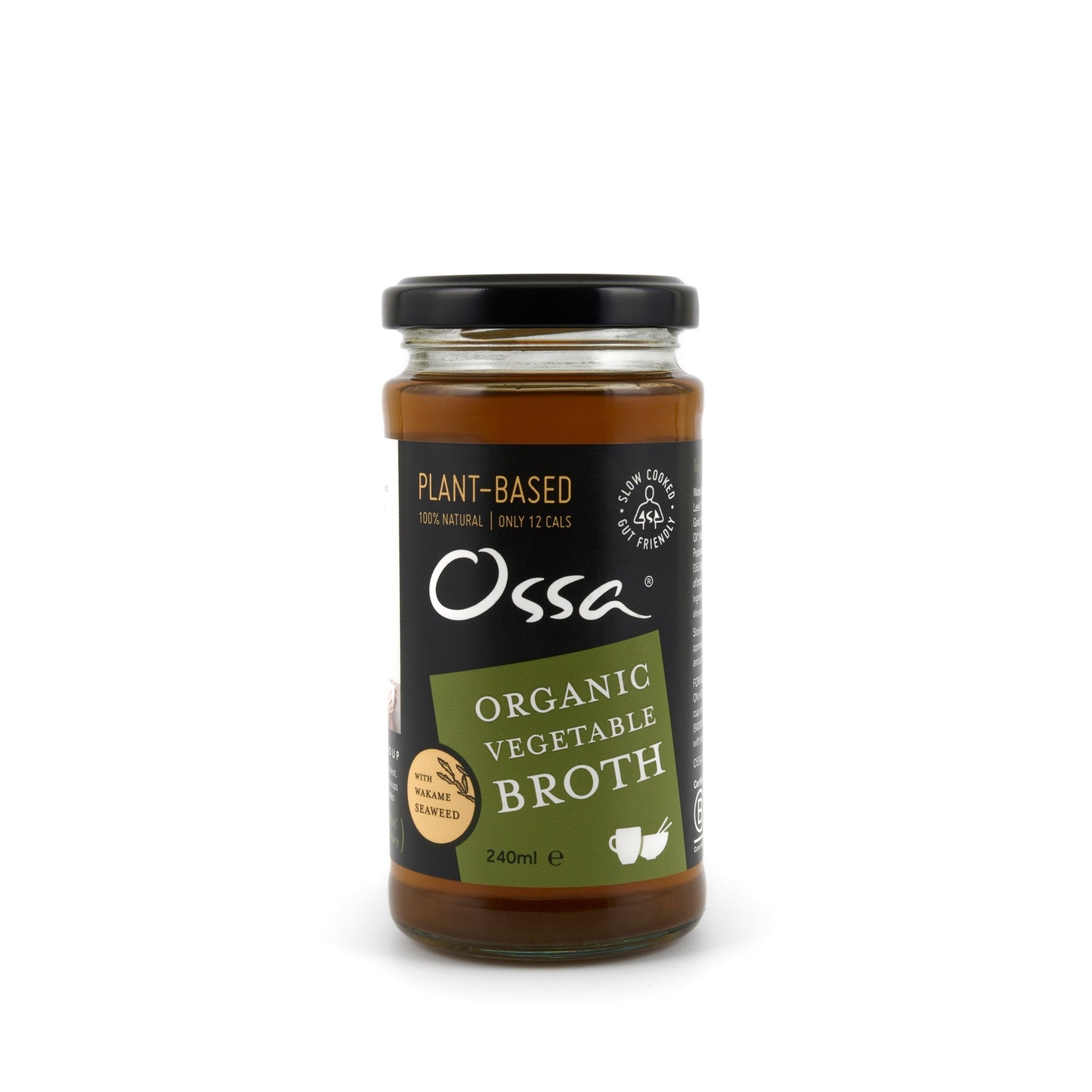
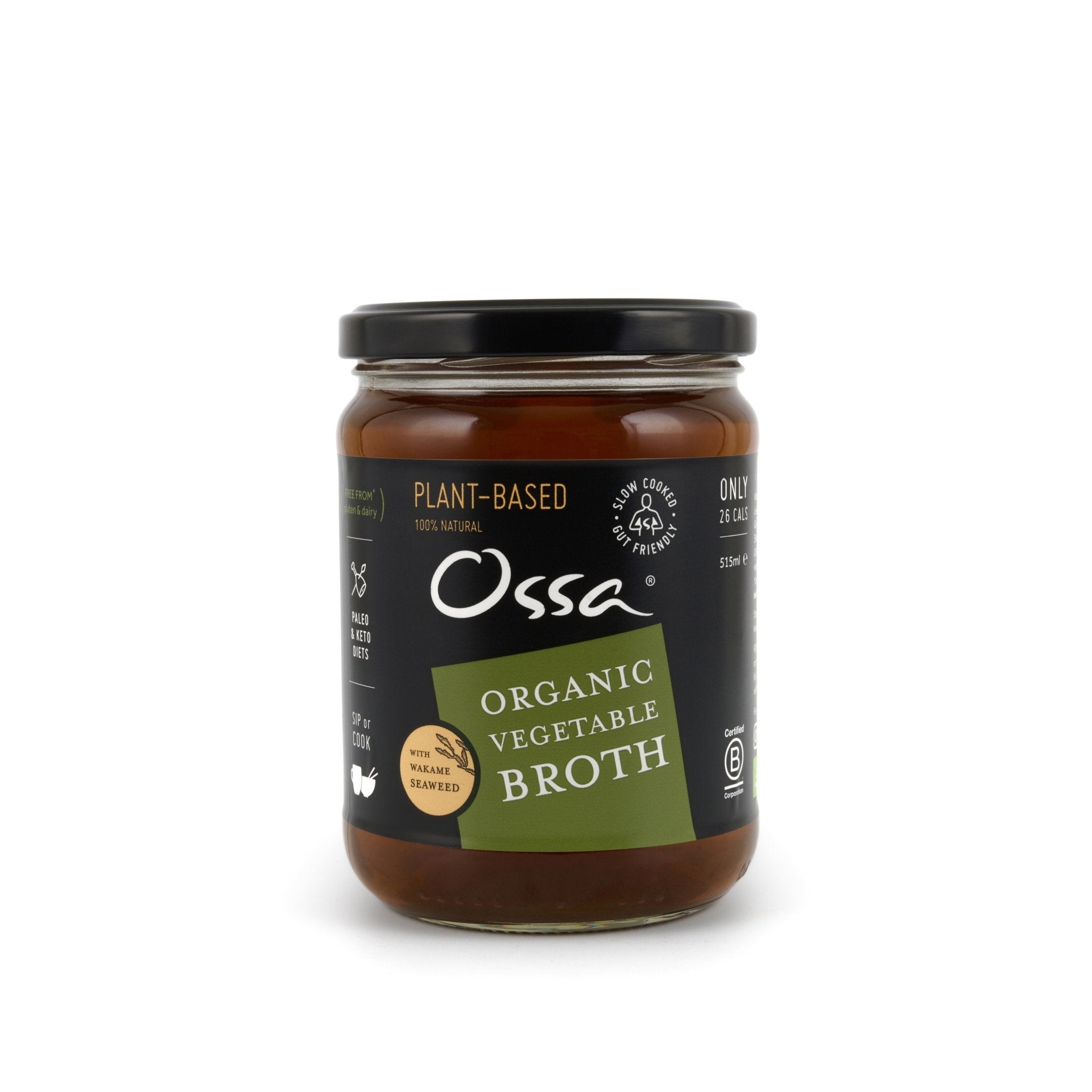
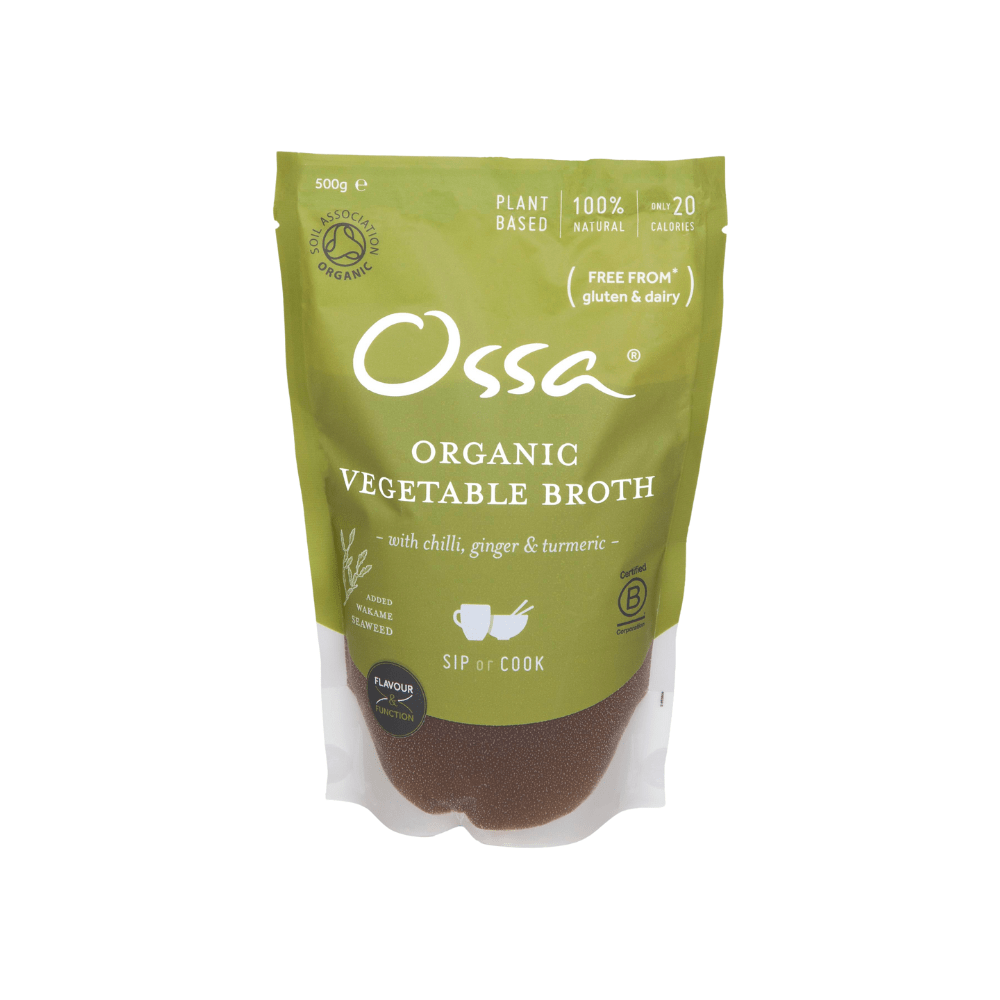
Organic vegetable broth is made entirely from plant ingredients, with no bones or animal products. The nutritional profile differs significantly from bone broth. Vegetable broths contain 20–50 calories per cup and deliver antioxidants, potassium, and dietary fibre compounds rather than collagen or animal protein. That makes them the right choice for plant-based diets, light cooking bases, and anyone reducing animal product consumption.
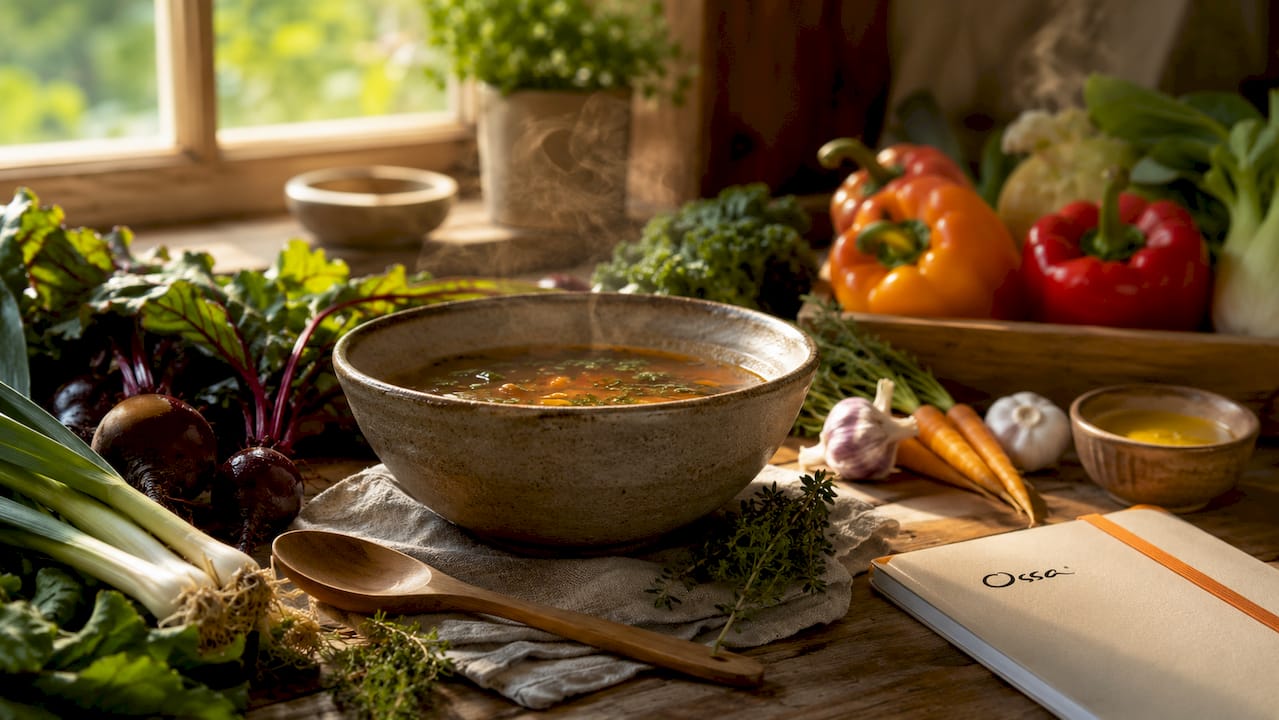
The key distinction in quality lies in sourcing. Organic vegetable broth is defined by vegetables grown to strict organic standards, which significantly reduces synthetic chemical exposure compared to conventionally grown produce. Organic certification also prohibits artificial preservatives and flavour enhancers, so the broth’s flavour comes entirely from the vegetables themselves.
Cook time is another major difference. Vegetable broths typically require around one hour of simmering, compared to the many hours needed for bone-based stocks. That speed makes them practical for weeknight cooking without sacrificing nutritional value.
Ingredient selection determines the final flavour. The most reliable base is a classic mirepoix: onion, carrot, and celery. Avoiding cruciferous vegetables such as broccoli and cabbage is standard practice, as they release bitter, sulphurous compounds during prolonged cooking. Mushrooms add umami depth and are a well-regarded addition for a more complex, savoury result.
Common organic vegetable broth additions include:
-
Leeks and fennel for sweetness
-
Dried mushrooms for umami
-
Bay leaves, thyme, and parsley stems for herbal depth
-
Tomato paste for body and colour
Pro Tip: Roast your vegetables in the oven at 200°C for 20 minutes before adding them to the pot. Caramelisation adds a layer of flavour that raw vegetables cannot produce. For seasonal vegan broth ideas, rotating your vegetable selection by season keeps the flavour profile fresh throughout the year.
3. What are lesser-known nourishing organic broths?
Beyond chicken, beef, and vegetable, a range of specialty broths deliver distinct health benefits rooted in culinary traditions from around the world. Food historians note the universal use of healing broths across cultures as a traditional method for supporting immune and digestive health. These are not modern wellness inventions. They are time-tested preparations that predate modern nutrition science.
Notable examples include:
-
Japanese dashi. Made from kombu seaweed and dried bonito flakes, dashi is one of the lightest yet most flavour-concentrated broths in existence. Kombu delivers iodine and glutamates; bonito adds protein and a clean, smoky depth. It forms the base of miso soup and many Japanese sauces.
-
Indian rasam. A thin, spiced broth built on tamarind, tomato, black pepper, and cumin. Rasam is traditionally consumed when unwell, and its combination of anti-inflammatory spices makes it a genuinely functional food.
-
Herbal-infused broths. Broths simmered with ginger, turmeric, and thyme deliver polyphenol-rich compounds with documented anti-inflammatory and antioxidant effects. These additions enhance both flavour and health value simultaneously.
-
Fermented broth variants. Some traditional preparations incorporate fermented ingredients such as miso or fermented vegetables into a finished broth. These add live cultures and additional digestive support beyond what simmering alone provides.
Incorporating these broths into a modern diet is straightforward. Use dashi as a base for grain bowls or light noodle soups. Add rasam to your weekly rotation as a warming drink during colder months. Stir a spoonful of miso into a finished vegetable broth just before serving to preserve the live cultures. The role of amino acids in gut health applies across many of these broths, particularly those built on animal proteins or fermented bases.
4. How to choose and use organic broths for maximum benefit
Choosing the right organic broth depends on three factors: your health goal, your flavour preference, and how you plan to use it. A broth selected for gut health looks different from one chosen purely as a cooking liquid.
The table below compares the main broth types across the criteria that matter most for health-conscious cooking.
| Broth type |
Protein content |
Cook time |
Flavour intensity |
Best use |
| Chicken bone broth |
High (8–10g per cup) |
18–24 hours |
Mild |
Sipping, soups, risotto |
| Beef bone broth |
High (8–10g per cup) |
24–72 hours |
Rich and deep |
Stews, braises, sipping |
| Fish bone broth |
Moderate |
1–2 hours |
Delicate |
Seafood dishes, light soups |
| Organic vegetable broth |
Low (trace) |
1 hour |
Light to medium |
Cooking base, plant-based dishes |
| Herbal or specialty broth |
Variable |
Variable |
Spiced or umami |
Sipping, therapeutic use |
For gut health and joint support, organic bone broth is the most direct choice. The collagen and amino acids it delivers support the gut lining and connective tissue in ways that vegetable broth cannot replicate. For anti-inflammatory support, adding ginger and turmeric to any base broth during simmering is the most practical approach. Dietitians recommend including anti-inflammatory herbs during simmering to enhance the health value of any broth type.
Storage is straightforward. Homemade broth keeps for up to five days in the fridge and up to six months in the freezer. Freeze in ice cube trays for portion-controlled cooking additions. For slow cooker preparation, the method requires minimal active time. Slow cooker bone broth fits naturally into a meal prep routine, running overnight while you sleep.
Pro Tip: Season your broth only after cooking is complete. Salt added at the start concentrates as liquid evaporates and can make the finished broth too salty to use flexibly. Taste and adjust at the end.
5. What makes organic broth different from conventional broth?
Organic broth is distinguished from conventional broth by the sourcing of its ingredients. Bones and vegetables used in organic broth come from animals raised without routine antibiotics or synthetic hormones, and from crops grown without synthetic pesticides. That distinction matters because fat-soluble compounds from feed and farming practices can transfer into the broth during long simmering.
Bone broth is classified as a slow food with therapeutic, nutrient-dense qualities that result directly from long simmering and collagen extraction. Conventional broth made from non-organic bones may still contain collagen, but the absence of organic certification means the sourcing of those bones is not independently verified. For health-conscious individuals, that verification matters.
The difference also shows up in additives. Conventional commercial broths frequently contain yeast extract, maltodextrin, and flavour enhancers to compensate for short cooking times. Organic broths made to traditional standards rely on time and quality ingredients for their flavour. The collagen and amino acid content of a properly made organic bone broth is a direct result of that process, not of added supplements.
Reading labels is the most reliable way to distinguish genuine organic broth from a product that simply uses the word “organic” as a marketing term. Look for certified organic status, a short ingredient list, and no added flavourings or preservatives.
Key takeaways
The most nutritionally complete organic broth is a slow-simmered bone broth made from certified organic bones, acid, and aromatics, delivering collagen, amino acids, and minerals that no quick-cook broth can match.
| Point |
Details |
| Bone broth leads on protein |
Organic bone broth provides 8–10g of protein per cup, far exceeding vegetable broth. |
| Cook time determines quality |
Bone broths require 18–72 hours of simmering; vegetable broths need around one hour. |
| Acid is non-negotiable |
Adding apple cider vinegar breaks down bones and releases minerals during long cooking. |
| Vegetable broth suits plant-based diets |
Organic vegetable broth delivers antioxidants and potassium without animal products. |
| Cultural broths add functional variety |
Dashi, rasam, and herbal broths provide polyphenols and immune-supporting compounds. |
Why organic broths deserve a permanent place in your kitchen
At Ossa Organic, we came to bone broth not through a trend but through necessity. Our founder discovered its benefits during pregnancy, and that experience shaped everything we have built since. What strikes us most, having worked with organic broths for years, is how consistently people underestimate the difference that sourcing and cook time make.
The most common mistake we see is treating all broths as interchangeable. A carton of conventional stock from a supermarket shelf and a properly made organic bone broth are not the same product. One is a flavouring liquid. The other is a functional food. The gap between them is not marketing. It is chemistry, time, and the quality of what goes into the pot.
We also think the conversation around vegetable broths has been too narrow. A well-made organic vegetable broth, built on a proper mirepoix with mushrooms and fresh herbs, is genuinely nourishing. It is not a compromise for those avoiding meat. It is a different tool with its own strengths, particularly for anti-inflammatory cooking and light digestive support.
The broths from global traditions, dashi, rasam, herbal preparations, deserve far more attention in British kitchens. These are not exotic additions. They are practical, flavourful, and backed by centuries of use. Adding one or two to your weekly rotation costs very little and delivers real variety in both nutrition and taste.
— Ossa Organic
Ossa Organic’s range of slow-simmered organic broths
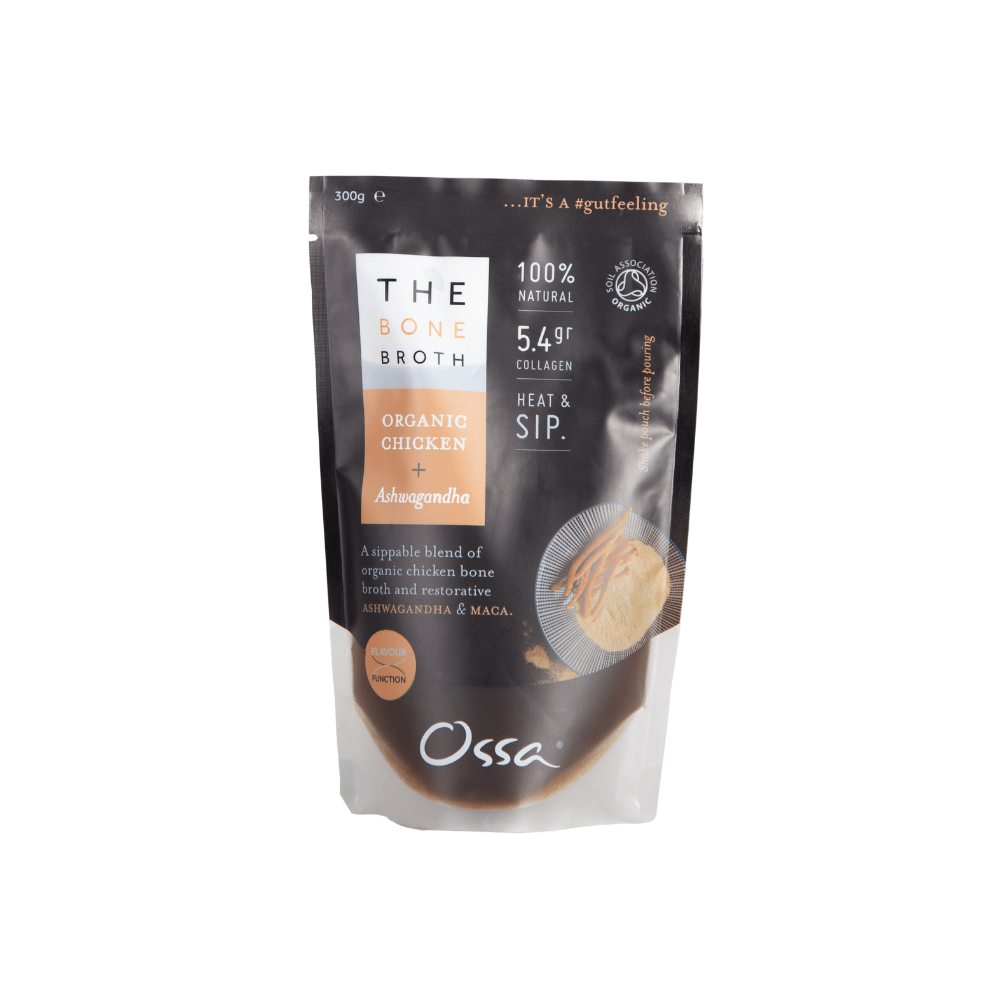
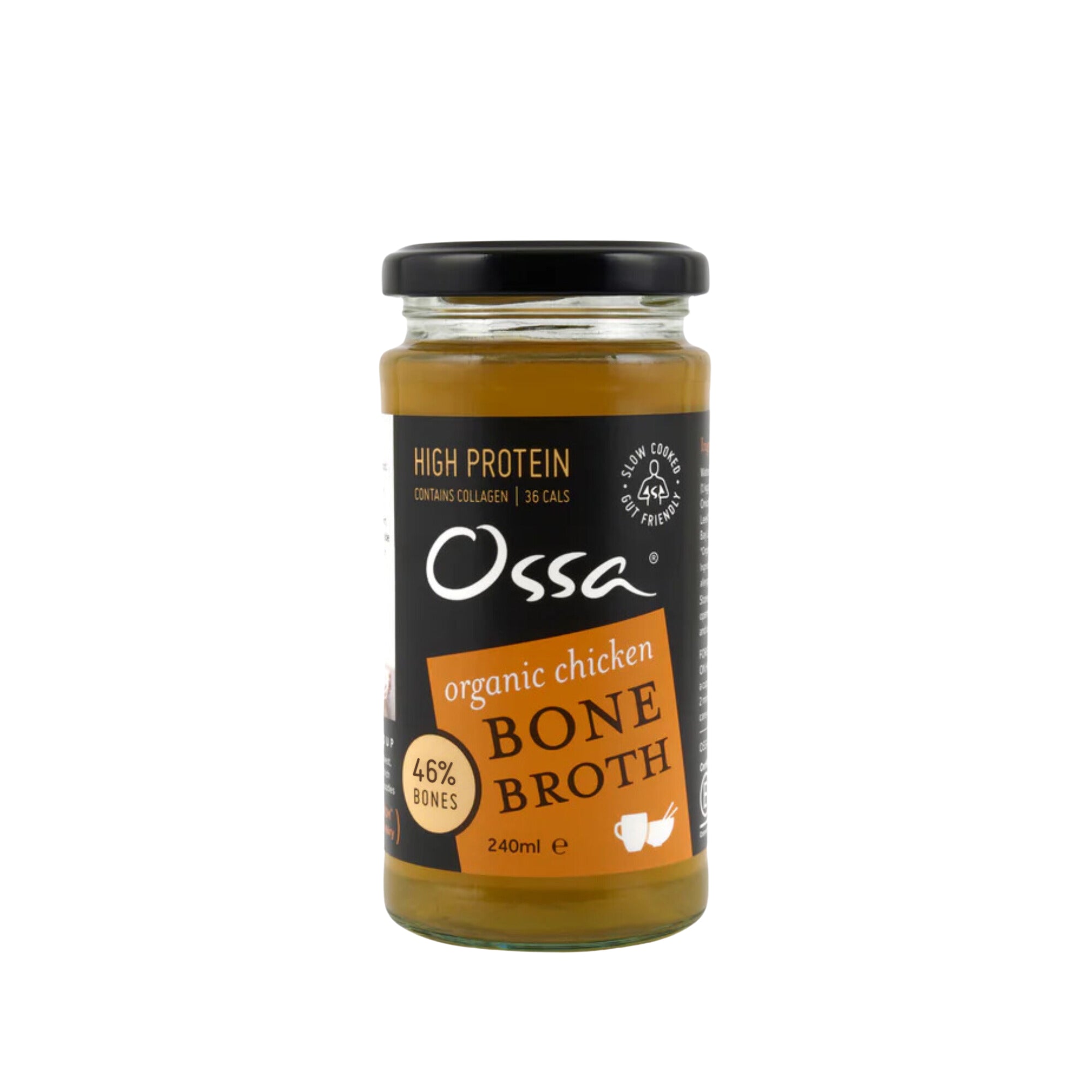
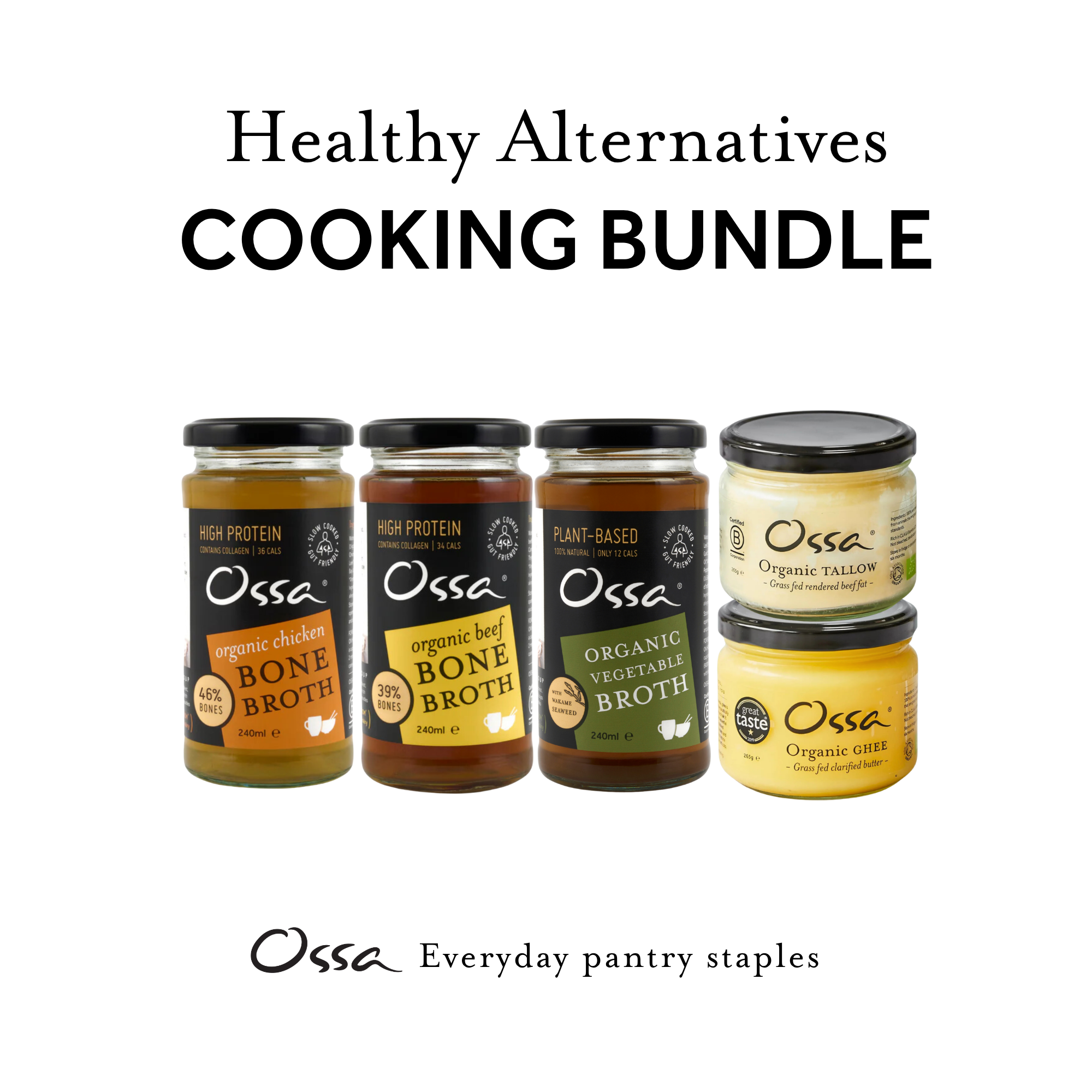
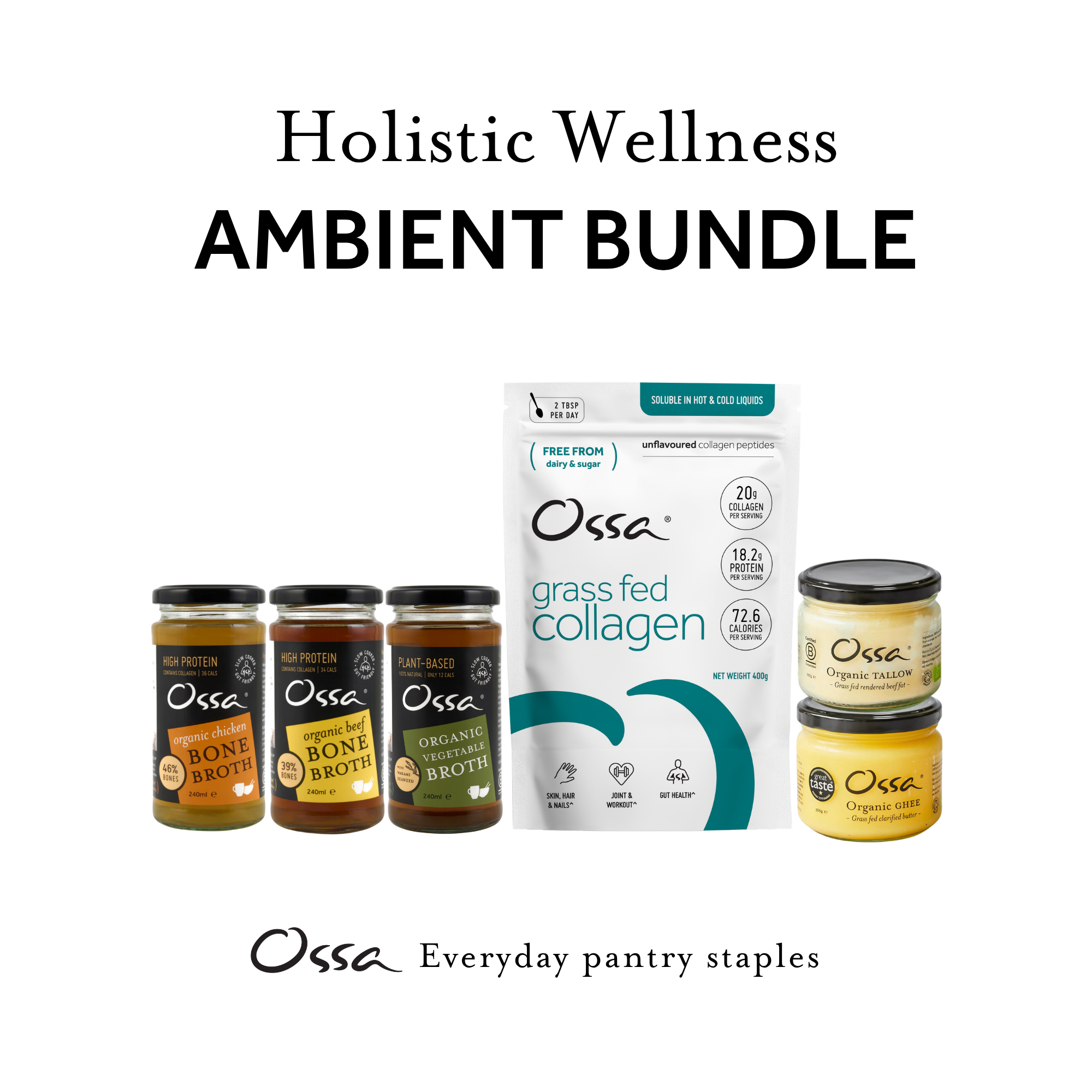
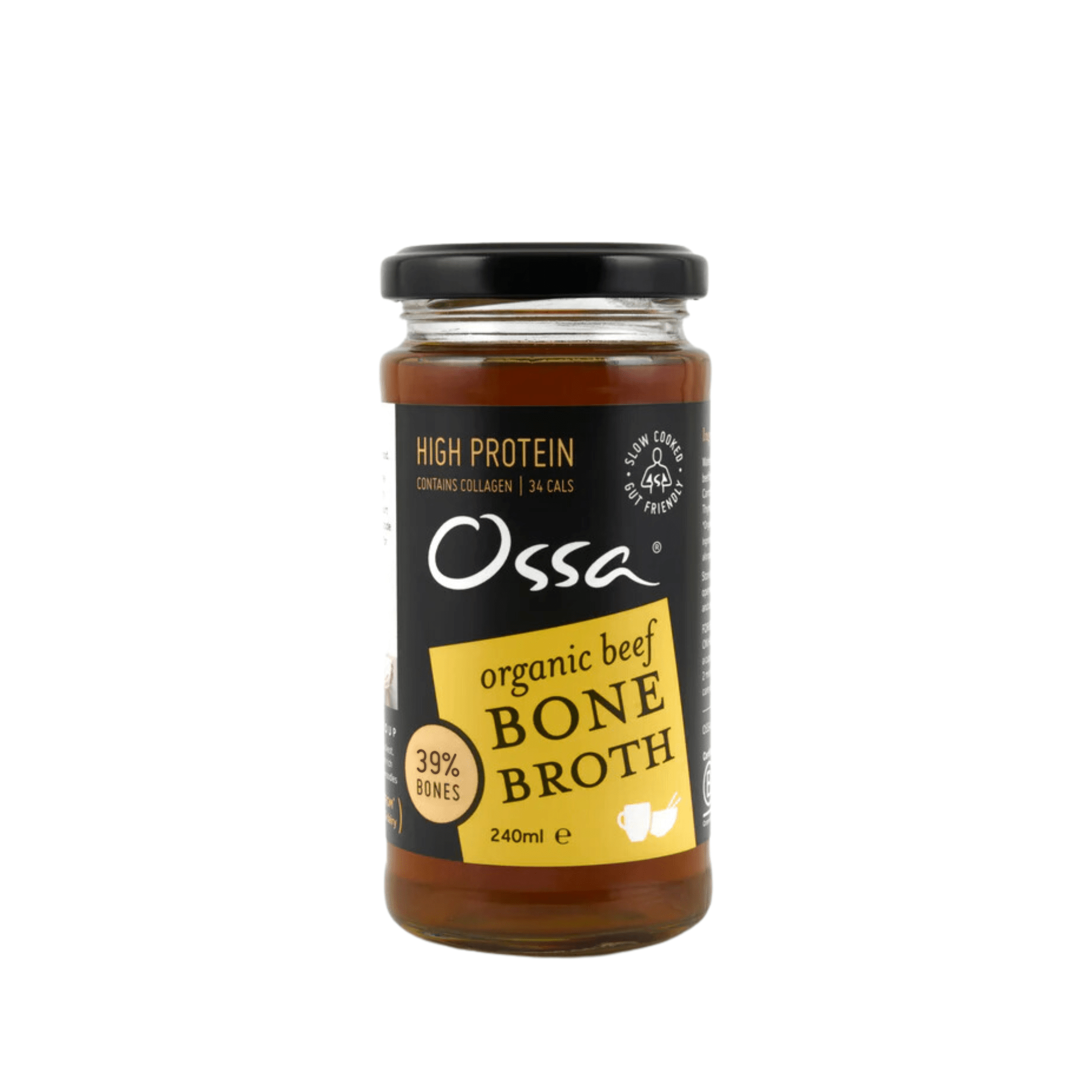
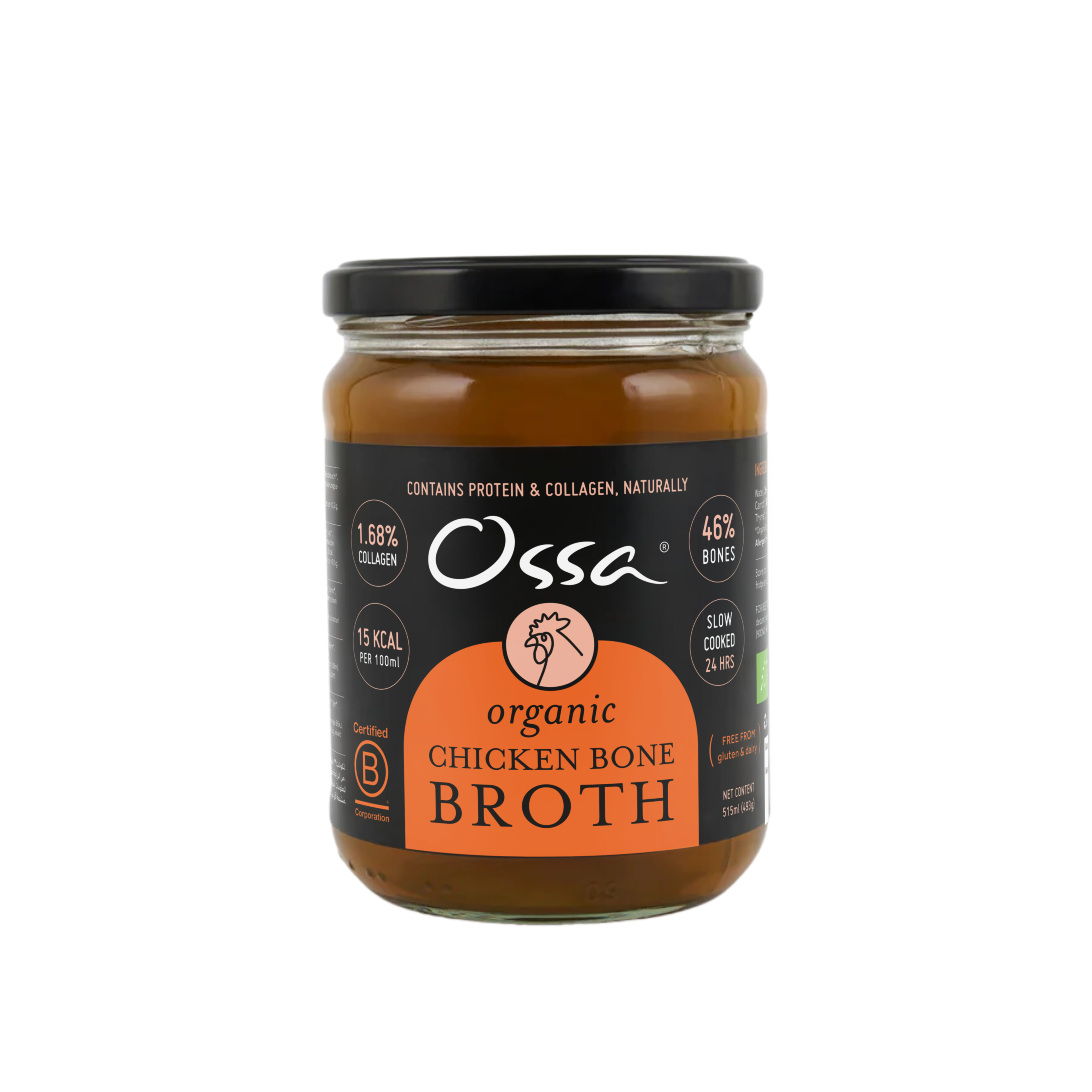
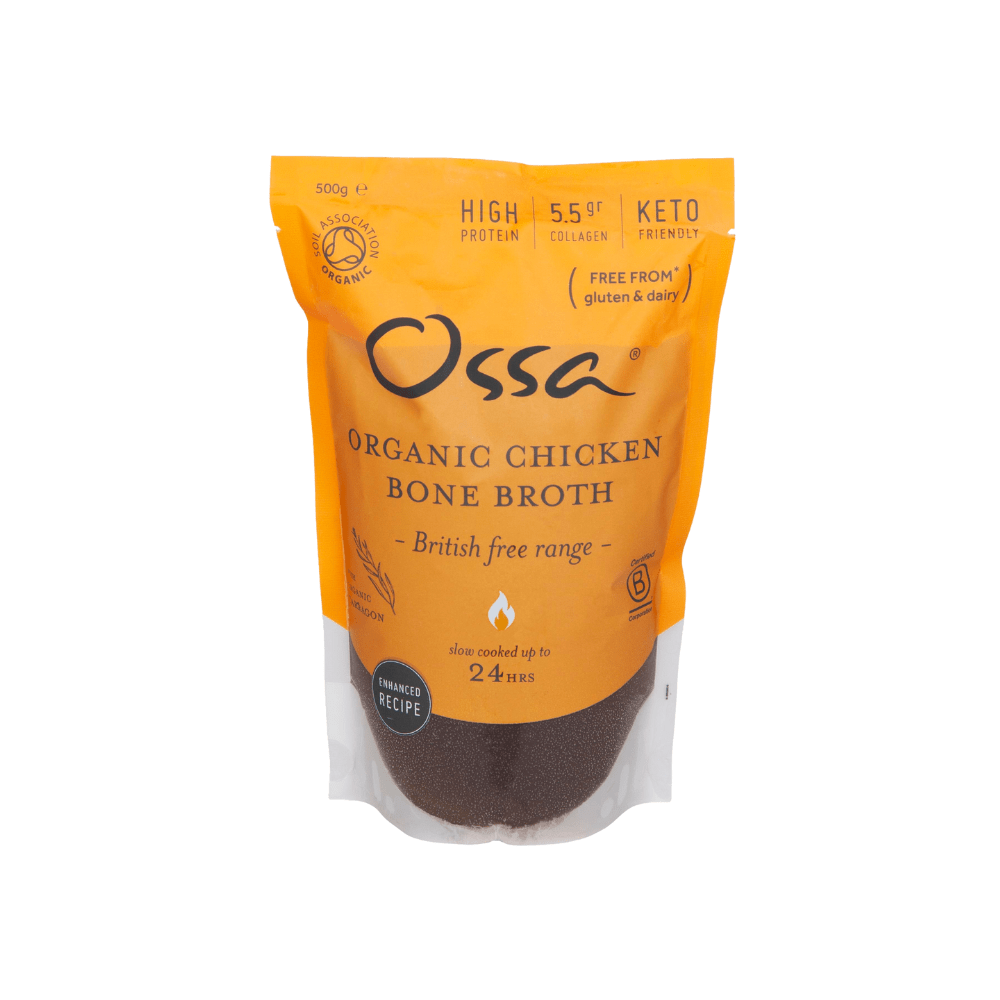
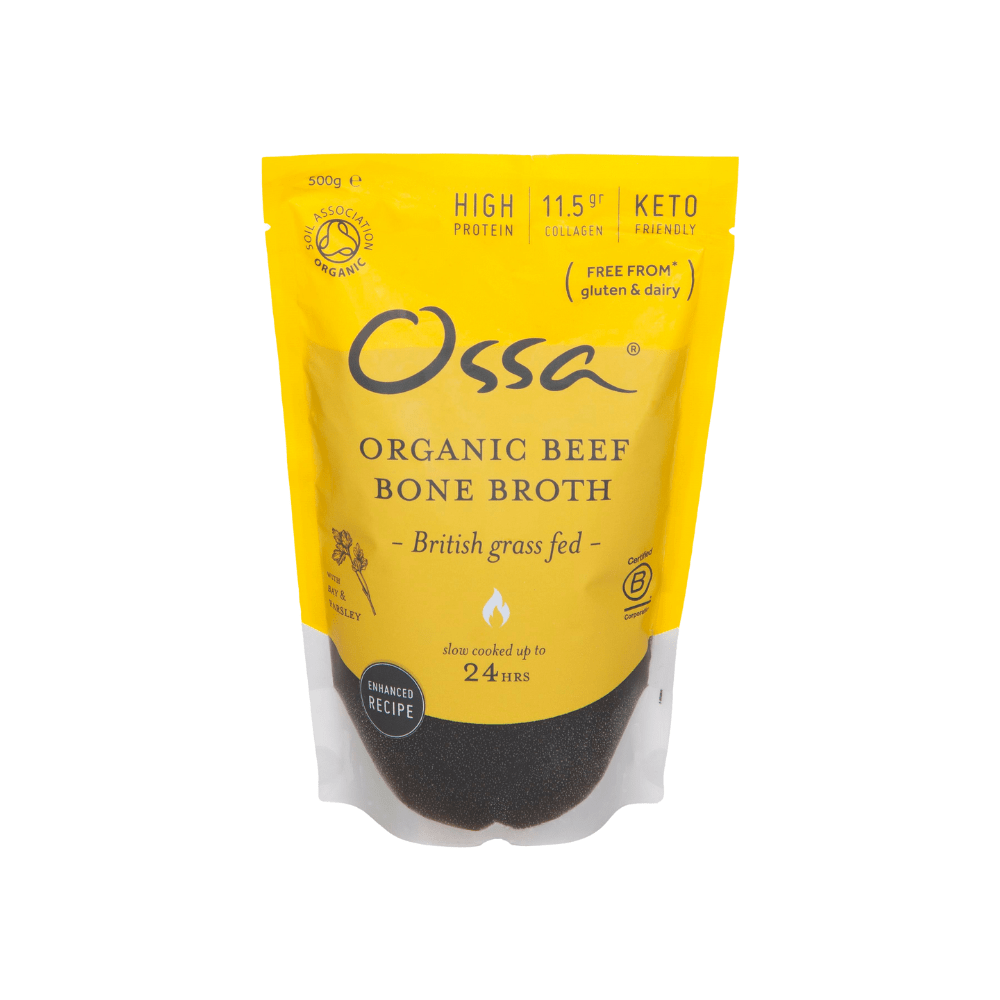
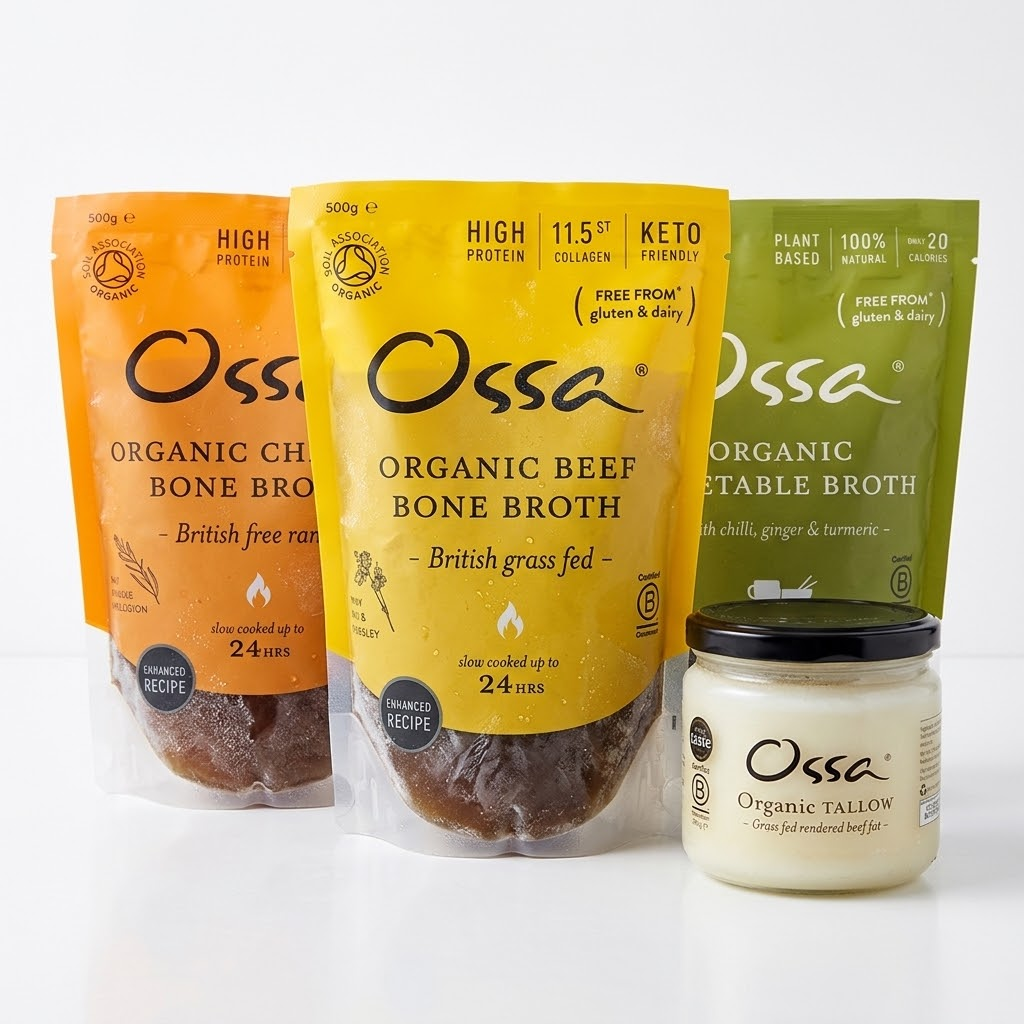
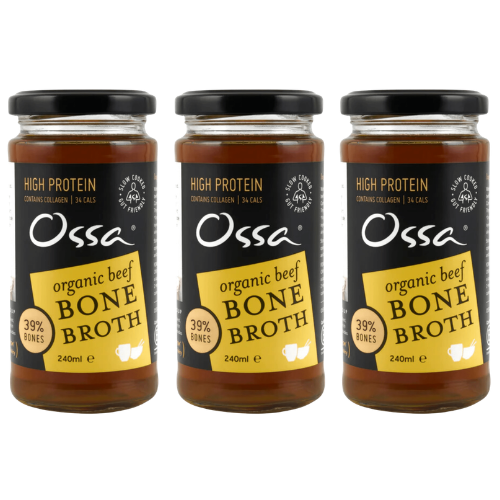
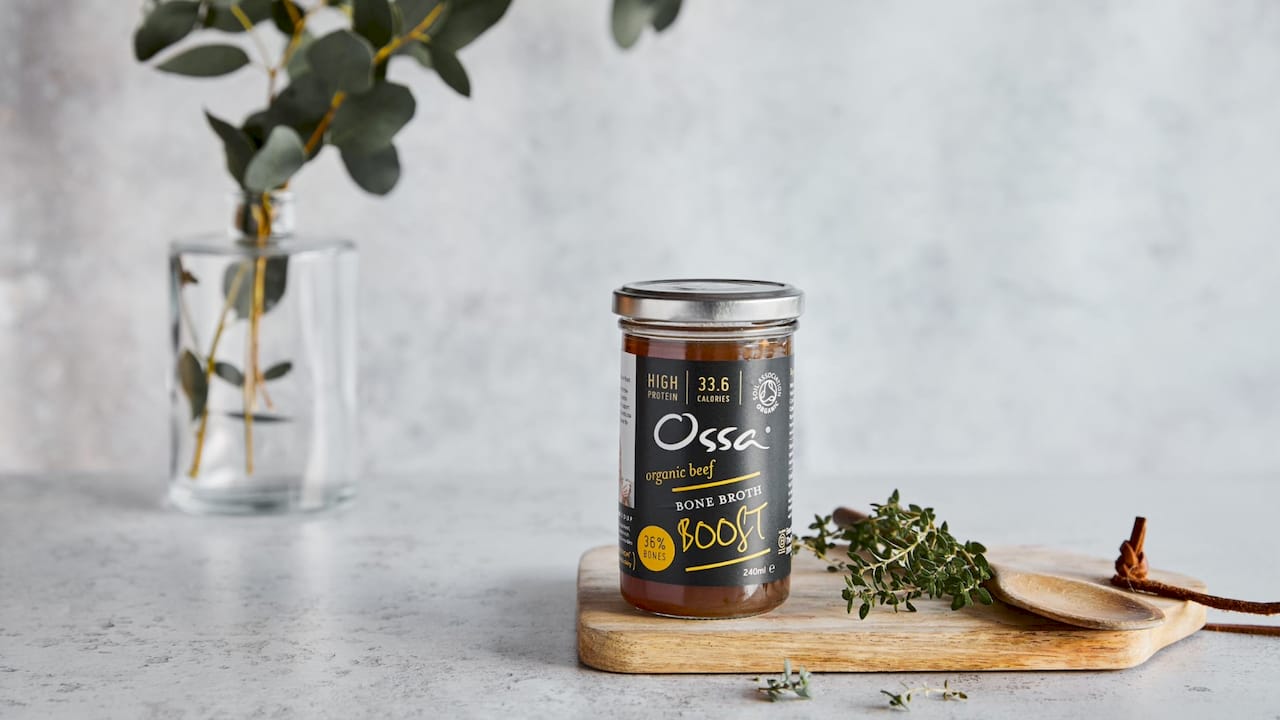
Ossa Organic produces its broths using the same slow simmering and organic sourcing principles described throughout this article. The range includes organic beef bone broth and organic chicken bone broth, both made from certified organic bones and available in ambient formats for convenient use. Every product is free from additives, preservatives, and artificial flavourings. For practical guidance on incorporating these broths into daily cooking, the bone broth recipes and usage guide covers sipping, cooking, and meal prep applications in detail.
FAQ
What is the difference between broth and stock?
Broth is made primarily from meat and aromatics, while stock is made from bones. Bone broth is a long-simmered version of stock that extracts collagen and minerals over 18–72 hours.
Which type of organic broth is best for gut health?
Organic bone broth is the most direct choice for gut health, as its collagen and amino acids support the gut lining and digestive function in ways vegetable broth cannot replicate.
How long does homemade organic bone broth last?
Homemade organic bone broth keeps for up to five days in the refrigerator and up to six months in the freezer when stored in airtight containers.
Can vegetable broth replace bone broth nutritionally?
Vegetable broth does not replicate the protein, collagen, or amino acid content of bone broth. It delivers antioxidants and minerals, making it a complementary option rather than a direct substitute.
What is the easiest way to add organic broth to a daily routine?
Sipping a cup of warm organic bone broth in the morning or using it as a cooking liquid for grains, soups, and sauces are the most practical daily applications.
Recommended