TL;DR:
-
Natural paleo family meals focus on wholesome proteins, vegetables, and healthy fats, avoiding processed ingredients.
-
Batch cooking and a weekly rotation enable families to prepare nutritious meals efficiently and sustainably.
Natural paleo family meals are built on wholesome, unprocessed ingredients centred around quality proteins, non-starchy vegetables, and healthy fats, with grains, dairy, legumes, refined sugars, and processed oils excluded entirely. This way of eating follows the paleo diet framework, which treats real food as the default rather than the exception. Busy families do not need to overhaul their lives overnight. The 80/20 rule, where 80% of meals are clean and whole-food paleo, gives households a workable starting point. Ossa Organic was built on exactly this principle, with its founder feeding her family nourishing, paleo-aligned meals from the very beginning.
What are the essential components of a natural paleo family meal?
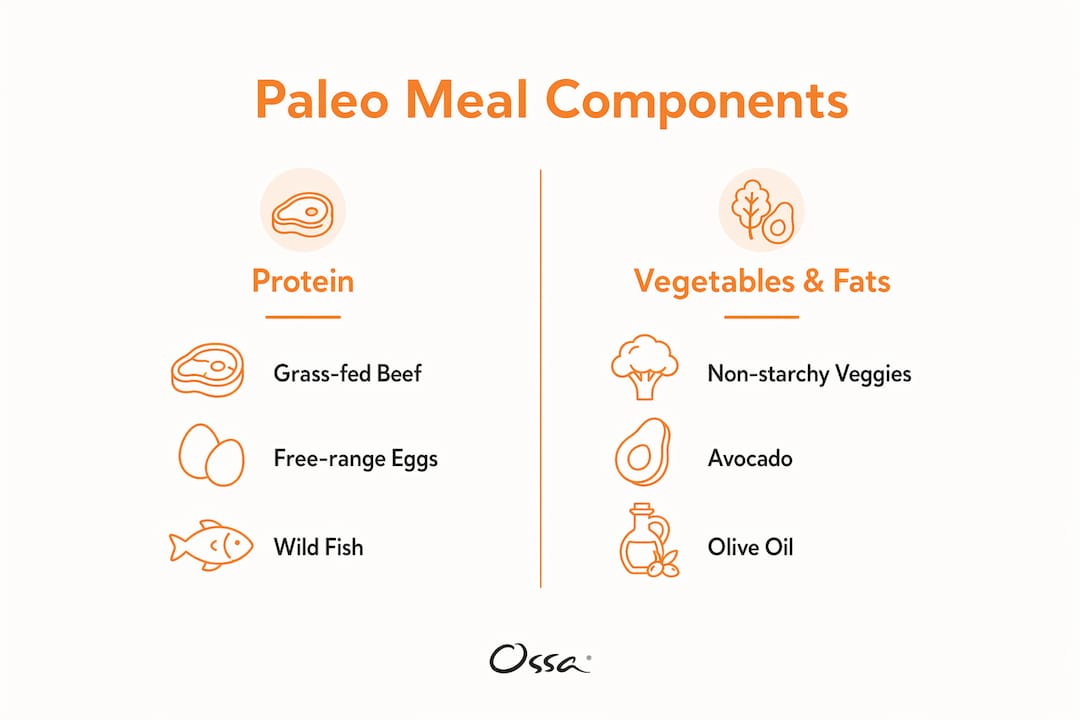
Standard paleo meals focus on three core components: quality protein, non-starchy vegetables, and healthy fats. Each plate should include all three. That structure keeps meals filling, nutritionally balanced, and straightforward to assemble on a weeknight.
Quality protein means grass-fed beef, pasture-raised chicken, wild-caught fish, or free-range eggs. These sources deliver complete amino acid profiles without the additives found in processed meats. For families, a large batch of roasted chicken thighs or a pan of beef mince covers multiple meals across the week.
Non-starchy vegetables form the bulk of the plate by volume. Broccoli, courgette, spinach, kale, cauliflower, and sweet potato all qualify. Seasonal produce is the better choice here, both for flavour and for keeping the shopping bill manageable. Paleo encourages children to develop a broader palate by centring meals on varied vegetables rather than processed fillers.
Healthy fats come from avocado, olive oil, coconut oil, and nuts. These fats support satiety and help the body absorb fat-soluble vitamins from vegetables. A drizzle of extra-virgin olive oil over roasted vegetables or half an avocado alongside grilled salmon adds fat without complication.
The table below shows how a typical paleo family meal plate breaks down across meal types.
| Meal |
Protein |
Vegetables |
Healthy fat |
| Breakfast |
Scrambled eggs (pasture-raised) |
Spinach, cherry tomatoes |
Avocado slices |
| Lunch |
Roast chicken strips |
Mixed salad leaves, cucumber |
Olive oil dressing |
| Dinner |
Grass-fed beef mince |
Broccoli, courgette, sweet potato |
Coconut oil (for cooking) |
| Snack |
Hard-boiled eggs |
Carrot and celery sticks |
Almond butter |
Daily calorie intake on a paleo plan typically ranges 1,800–2,200 calories depending on activity level and individual goals. That range comfortably supports active children and adults without the need for calorie counting, provided meals follow the three-component structure above.
How can busy families efficiently plan and prepare natural paleo meals?
A repeatable 7-day meal rotation reduces food waste and builds muscle memory in the kitchen. Families stop deliberating over what to cook each evening and instead work through a familiar cycle of meals. Varying the herbs, sauces, and vegetable combinations within that rotation prevents the meals from feeling repetitive.
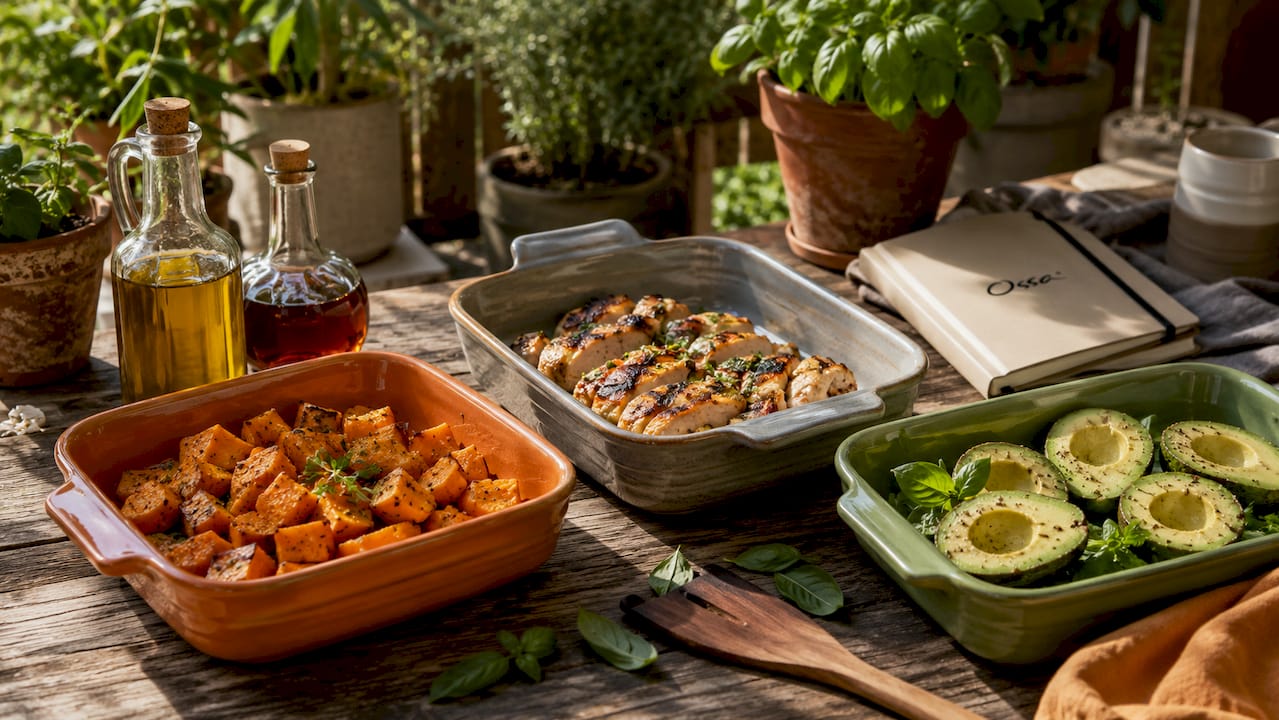
Batch cooking is the single most effective time-saving technique for paleo families. Cooking staples in bulk during the weekend, then freezing portions, means Tuesday’s dinner is already half done. Paleo-friendly muffins, egg-based waffles, and meat sauces all freeze well and reheat quickly.
Getting children involved in meal preparation increases the likelihood they will eat without complaint. Family involvement in prep, such as washing vegetables, tearing salad leaves, or stirring sauces, gives children ownership of the meal. That ownership translates directly into less resistance at the table.
A clear weekly workflow makes the whole process manageable. Follow these steps to set up a reliable paleo prep routine:
-
Plan the week on Friday. Choose five to seven dinners from your rotation. Write a single shopping list covering all ingredients.
-
Shop on Saturday morning. Buy fresh produce, proteins, and any pantry top-ups. Prioritise seasonal vegetables and organic or grass-fed proteins where budget allows.
-
Batch cook on Sunday afternoon. Roast a large tray of vegetables. Brown a batch of beef mince. Bake a dozen paleo muffins or egg cups for weekday breakfasts.
-
Portion and store immediately. Divide cooked food into labelled containers. Refrigerate what you will use within three days. Freeze the rest.
-
Use slow cooker and sheet pan meals mid-week. These methods require minimal active cooking time and produce multiple servings from a single session.
Pro Tip: Set your slow cooker before the school run on Monday morning. A shoulder of lamb or a whole chicken with root vegetables cooks unattended for eight hours and serves the family a complete dinner with no effort on return.
Paleo meal planning also benefits from a well-stocked pantry. Keeping organic paleo pantry staples on hand means you can build a compliant meal from whatever fresh ingredients are available, without a last-minute supermarket trip.
What are quick, family-friendly paleo recipes that support natural eating goals?
Quick paleo dinners rely on simple techniques and a short list of compliant ingredients. Stir-fries and sheet pan meals take 20–30 minutes from start to finish, which fits a busy weeknight without compromise. The key is having the proteins and vegetables prepped in advance.
Coconut aminos is the standard swap for soy sauce in paleo cooking. It delivers a similar savoury depth without the soy or added sugar found in conventional soy sauce. A chicken and broccoli stir-fry with coconut aminos, garlic, and ginger takes under 25 minutes and appeals to children and adults equally.
Skillet meatballs are another reliable option. Roll grass-fed beef mince with garlic, herbs, and an egg to bind, then cook in a cast-iron pan for 15 minutes. Serve with roasted courgette and a simple tomato sauce made from tinned tomatoes, olive oil, and basil. The whole meal is on the table in 30 minutes.
Sheet pan meals are the most hands-off option for healthy paleo dinners. Lay chicken thighs, sweet potato chunks, and broccoli on a single tray, season with olive oil and smoked paprika, and roast at 200°C for 30 minutes. One tray, one wash-up.
Here is a list of weeknight paleo recipes that work well for families:
-
Chicken and broccoli stir-fry with coconut aminos and cauliflower rice
-
Beef skillet meatballs with roasted courgette and tomato sauce
-
Sheet pan salmon with asparagus and sweet potato wedges
-
Lamb mince lettuce wraps with cucumber, mint, and a lemon dressing
-
Slow cooker pulled pork with roasted root vegetables
-
Egg and vegetable frittata using leftover roasted vegetables
-
Turkey and vegetable soup with bone broth as the base
The table below compares these recipes by approximate prep time and suitability for children.
| Recipe |
Prep and cook time |
Child-friendly |
| Chicken stir-fry |
25 minutes |
Yes |
| Beef skillet meatballs |
30 minutes |
Yes |
| Sheet pan salmon |
35 minutes |
Yes |
| Lamb lettuce wraps |
20 minutes |
Moderate |
| Slow cooker pulled pork |
10 minutes active |
Yes |
| Egg and vegetable frittata |
25 minutes |
Yes |
| Turkey and vegetable soup |
30 minutes |
Yes |
For recipe inspiration beyond weeknight staples, the Ossa Organic recipe collection includes paleo-aligned dishes built around whole-food ingredients and bone broth.
How to overcome common challenges when maintaining a natural paleo family lifestyle?
Reading ingredient labels is the most critical skill for paleo families. Many products marketed as paleo contain hidden non-compliant additives, including maltodextrin, canola oil, and added sugars. A product labelled “natural” or “clean” does not automatically meet paleo standards. Check every ingredient, not just the front of the pack.
The 80/20 rule prevents the burnout that comes from rigid all-or-nothing thinking. Maintaining 80% clean, whole-food paleo meals while allowing flexibility for the remaining 20% reduces guilt and keeps the approach sustainable long-term. A birthday cake at a party or a restaurant meal that is not perfectly paleo does not undo weeks of consistent eating.
Social situations and travel present real challenges. The most practical approach is to eat a paleo meal before attending events where compliant food is unlikely. When travelling, packing portable snacks such as nuts, hard-boiled eggs, and fruit removes the need to rely on service station food.
A well-stocked pantry removes the biggest barrier to paleo cooking: not having the right ingredients to hand. These staples cover the majority of paleo recipes:
-
Coconut aminos
-
Extra-virgin olive oil and coconut oil
-
Tinned tomatoes and coconut milk
-
Almond flour and tapioca flour for baking
-
Bone broth (beef and chicken)
-
Dried herbs and spices: cumin, smoked paprika, oregano, turmeric
-
Nuts and seeds: almonds, cashews, pumpkin seeds
Pro Tip: Organise your pantry so paleo staples are at eye level and easy to reach. When compliant ingredients are the first thing you see, they become the default choice rather than the deliberate one.
Sustainable shopping habits also support the lifestyle long-term. Buying seasonal produce, choosing grass-fed and organic proteins where possible, and reducing food waste through batch cooking all align with the values behind Ossa Organic’s B Corp commitment to responsible sourcing and natural living.
Key takeaways
Natural paleo family meals work best when built on a repeatable structure of quality protein, non-starchy vegetables, and healthy fats, supported by batch cooking and the flexibility of the 80/20 rule.
| Point |
Details |
| Three-component plate |
Every meal needs quality protein, non-starchy vegetables, and a healthy fat source. |
| 7-day rotation |
A repeatable weekly plan reduces food waste and removes daily decision fatigue. |
| Batch cook at weekends |
Preparing staples on Sunday cuts active cooking time to under 30 minutes on weeknights. |
| Read every label |
Many packaged foods contain hidden additives that break paleo compliance. |
| Use the 80/20 rule |
Allowing 20% flexibility prevents burnout and keeps the approach sustainable for families. |
What Ossa Organic has learned about feeding a family the paleo way
The most common mistake families make when starting paleo is treating it as a project rather than a default. Projects have start dates, end dates, and a sense of effort. A default is simply what you do. The shift from one to the other takes about three to four weeks of consistent meal rotation, after which the shopping list, the prep routine, and the meals themselves stop feeling deliberate.
Simplicity is more powerful than variety in the early stages. Families who try to cook a different paleo recipe every night burn out within a fortnight. Families who master five reliable dinners and rotate them with minor variations are still eating paleo six months later. The goal is for whole, real food to become the household default, not perfection in every meal.
Children are more adaptable than most parents expect. The paleo framework actively supports children developing a broader palate by centring meals on quality proteins and seasonal vegetables. When children help prepare those meals, even washing vegetables or spooning sauce, their resistance at the table drops considerably. That is not a theory. It is what happens consistently in practice.
Bone broth deserves a specific mention. Adding it to soups, stews, sauces, and even rice alternatives deepens flavour and adds genuine nutritional value without any extra effort. It is one of the most practical tools for building paleo family recipes that children actually want to eat again.
— Ossa Organic
Ossa Organic and natural paleo family cooking
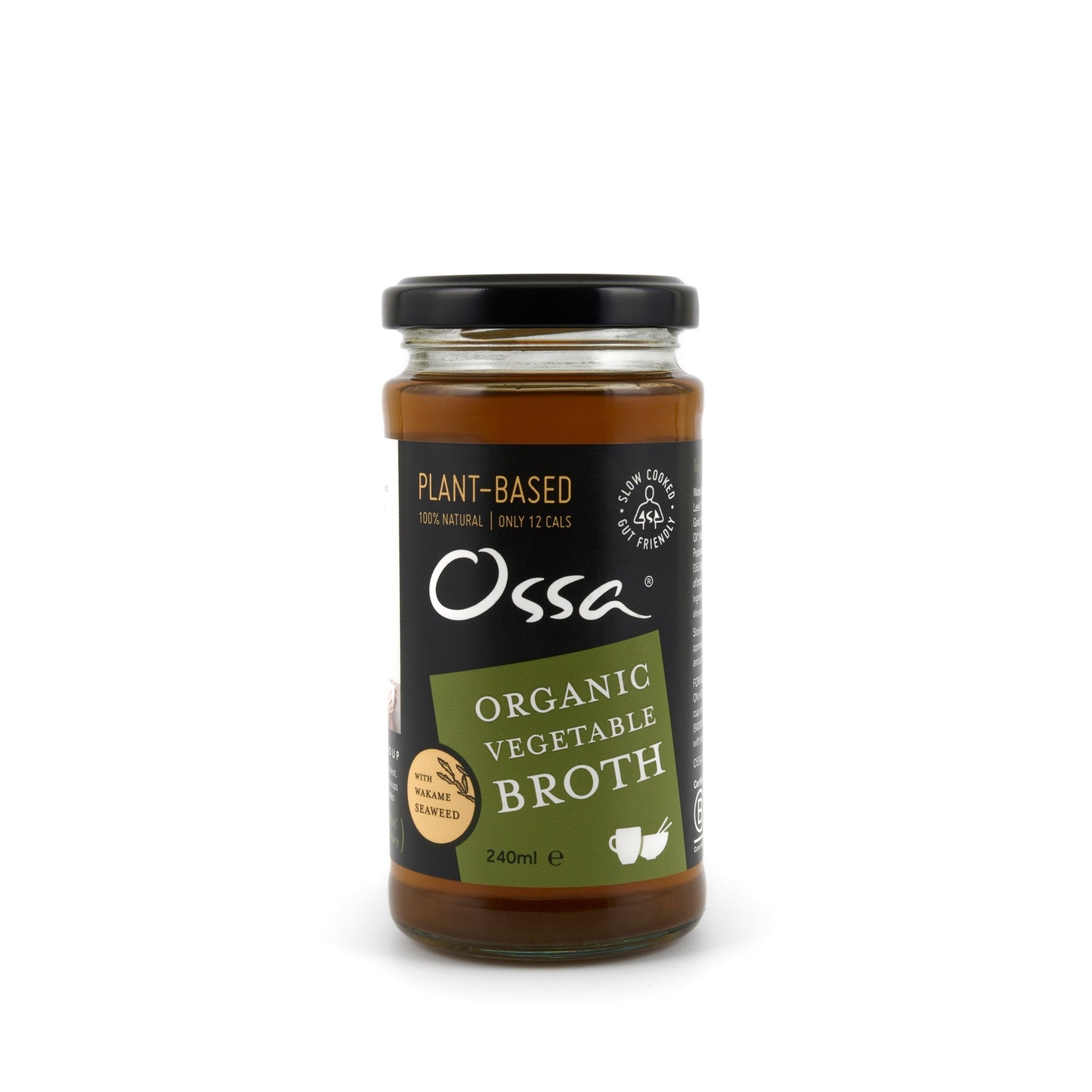
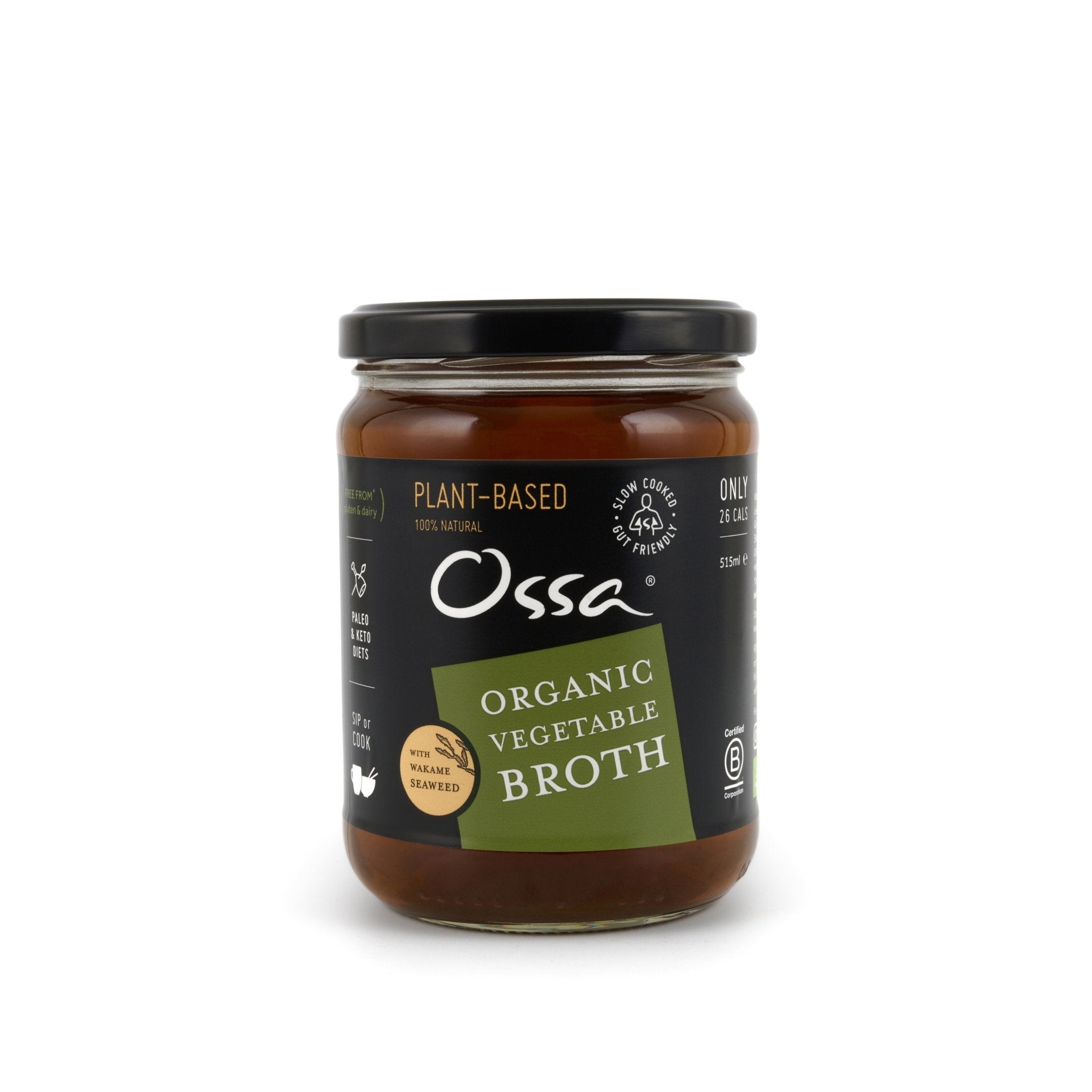
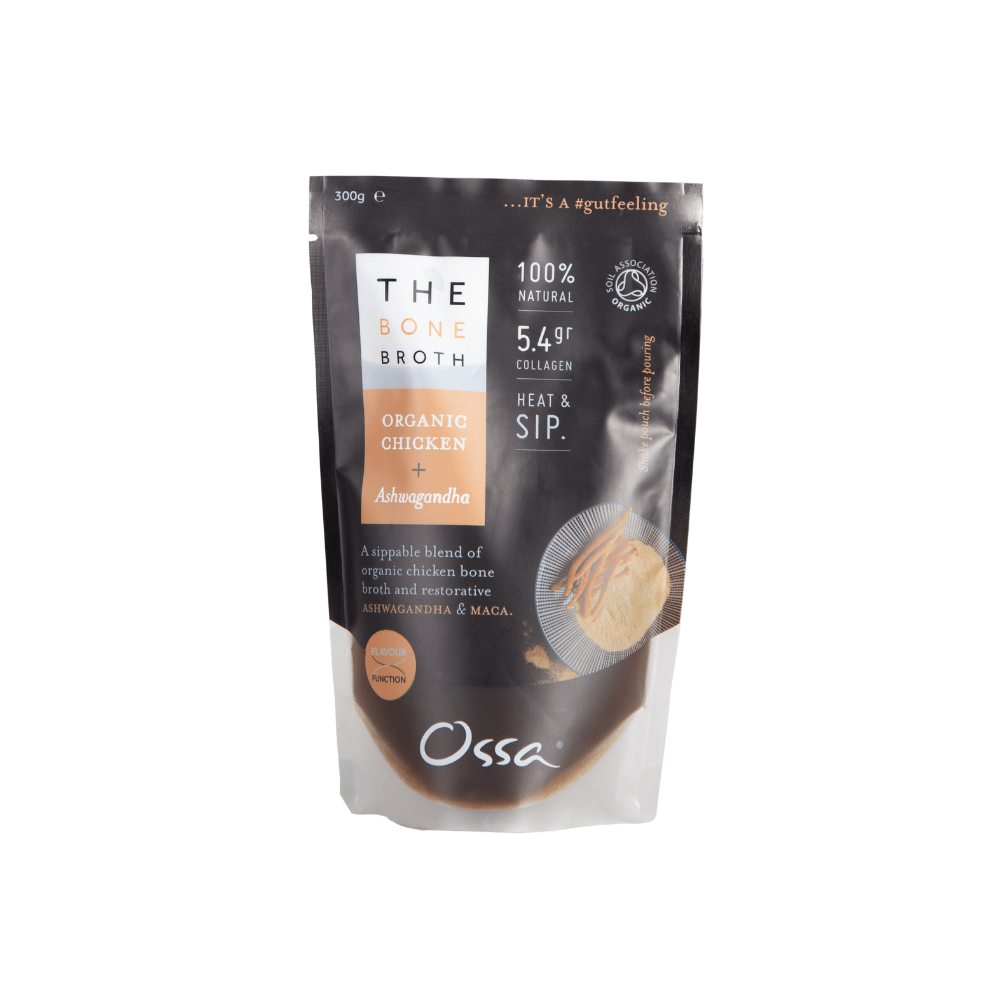
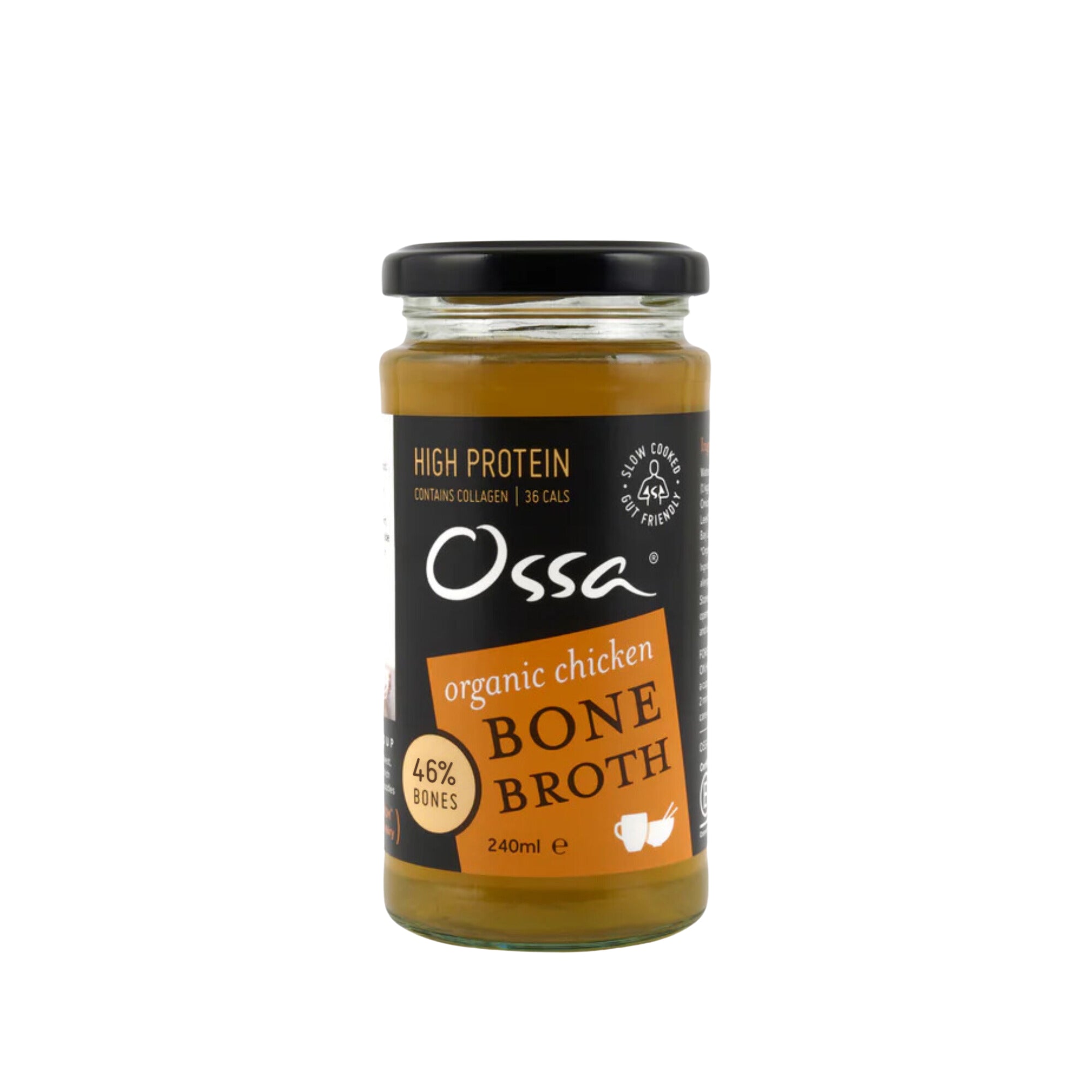
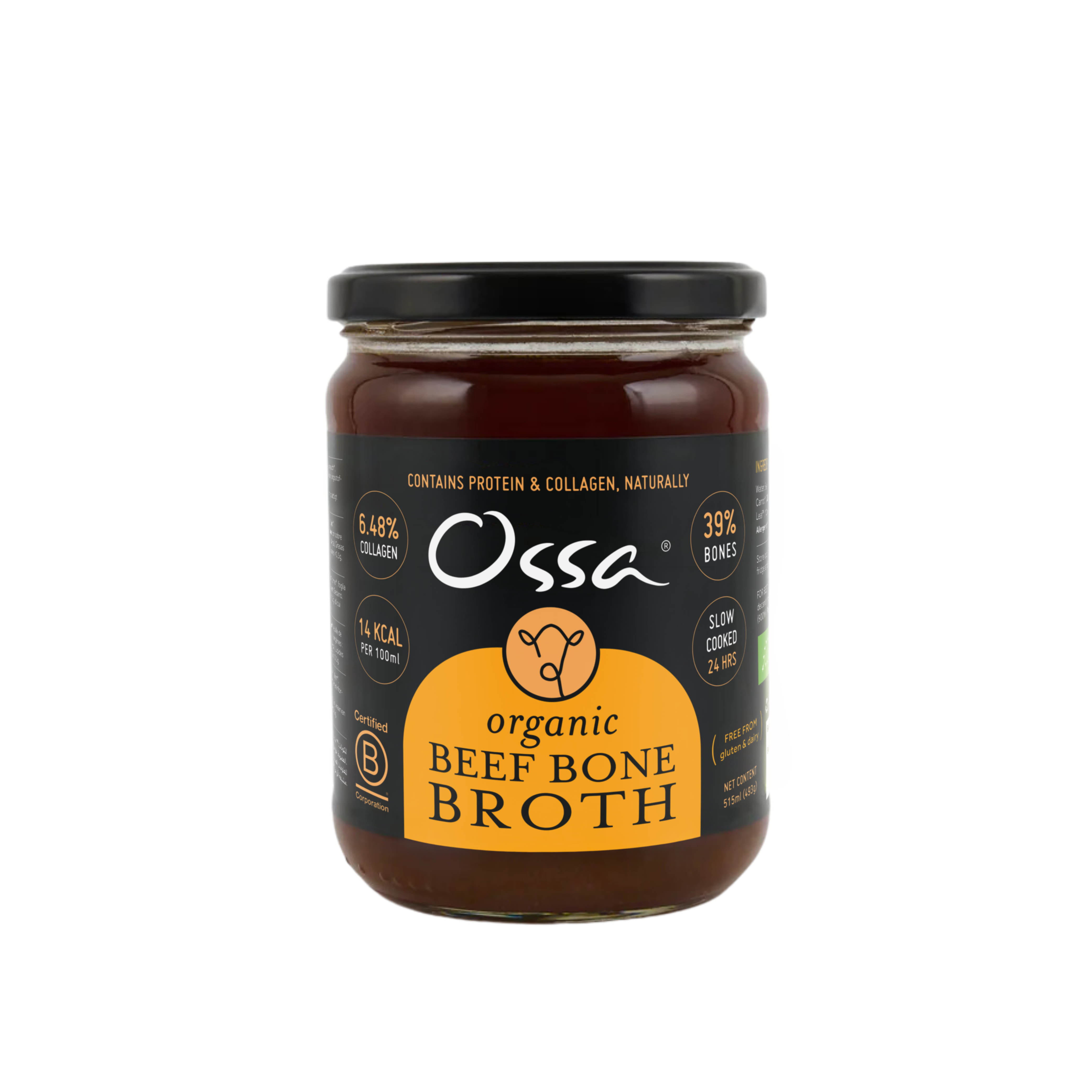
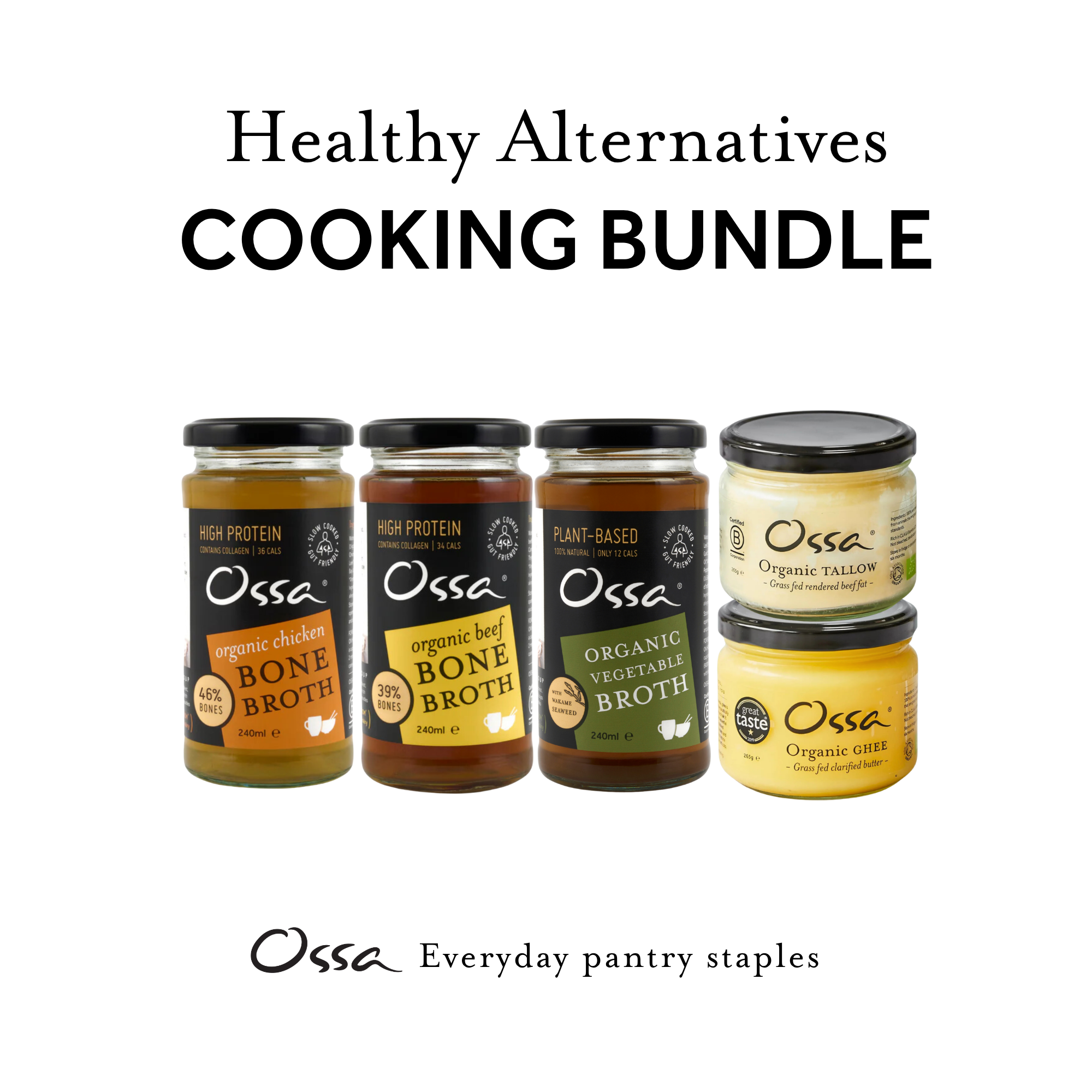
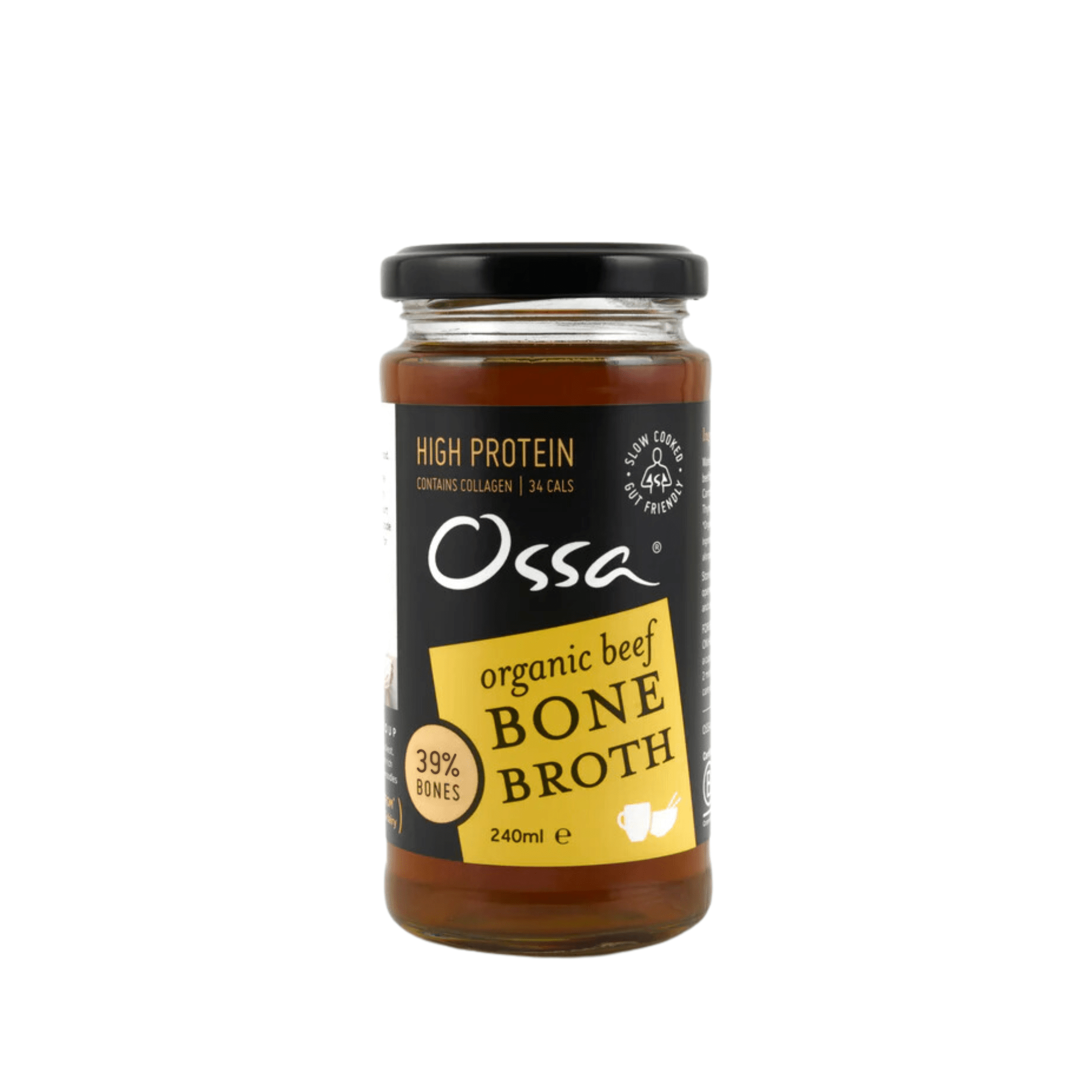
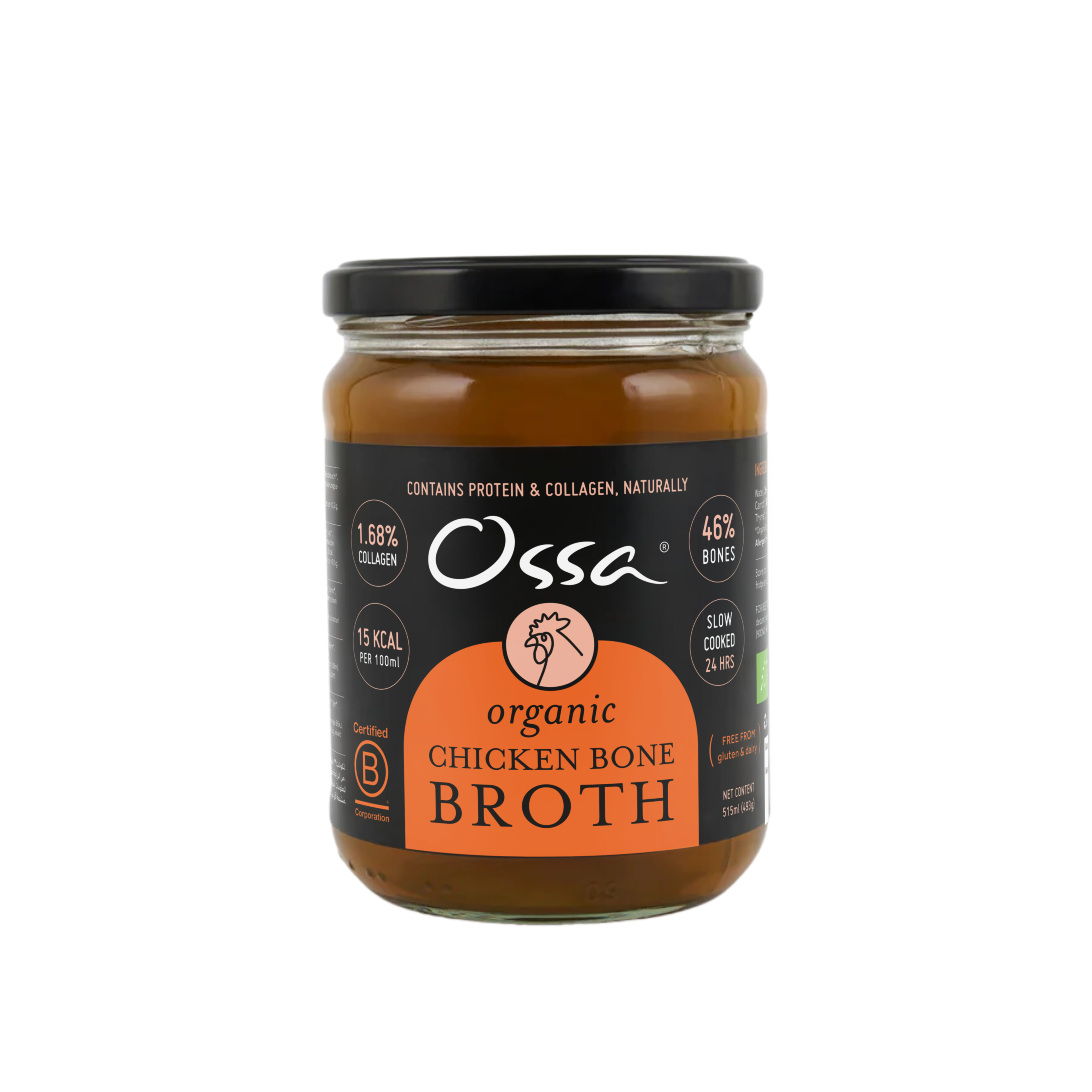
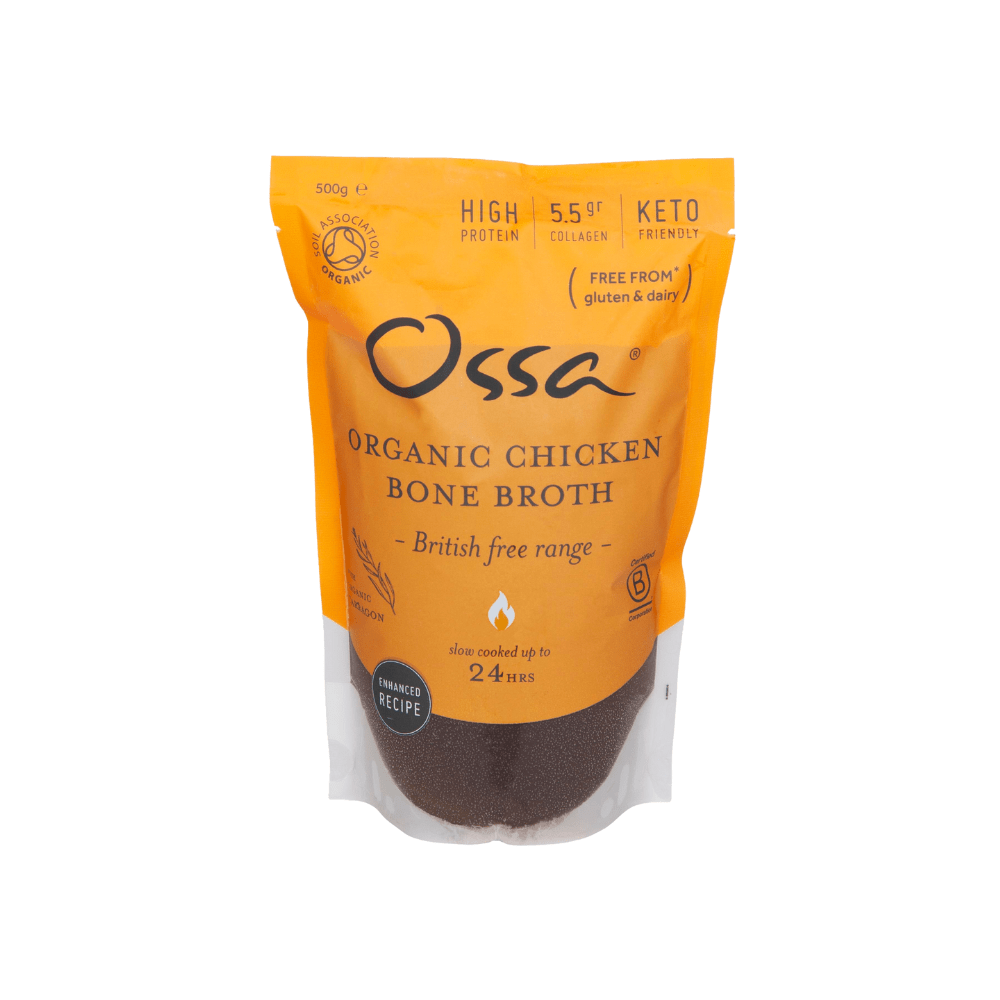
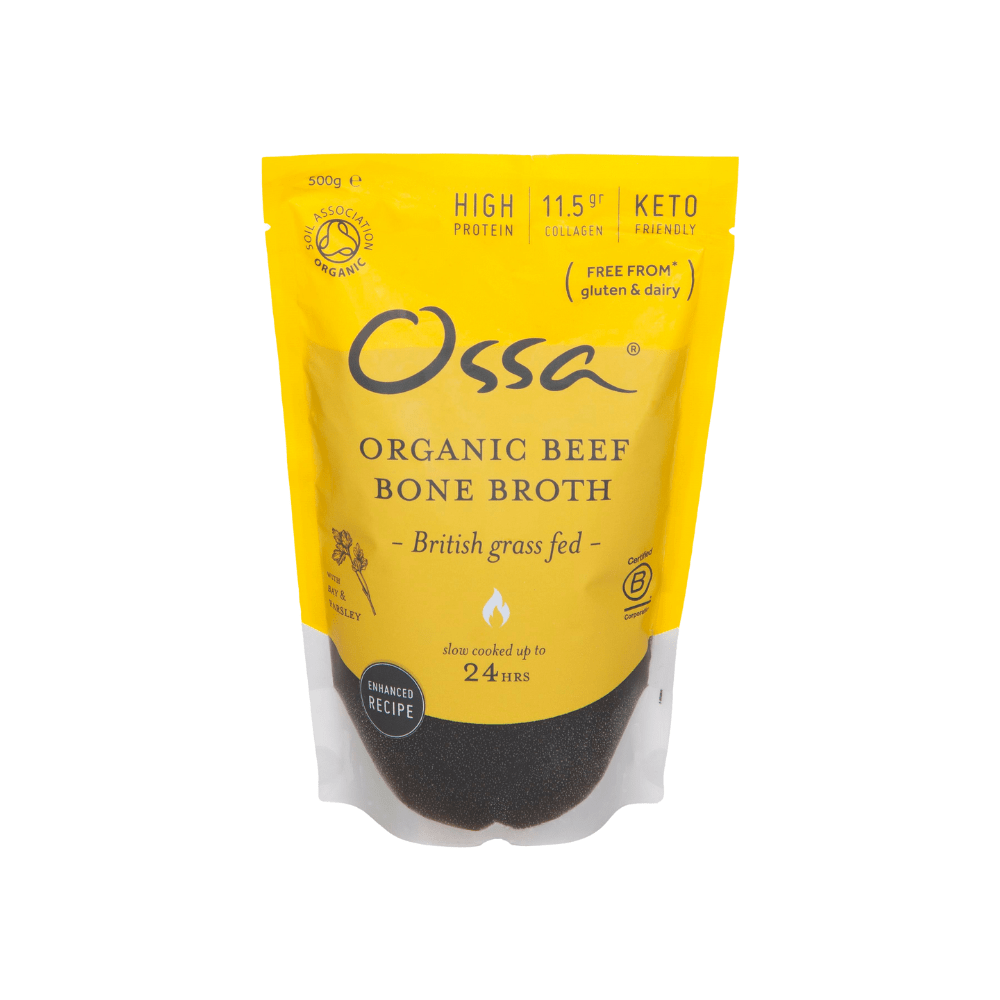
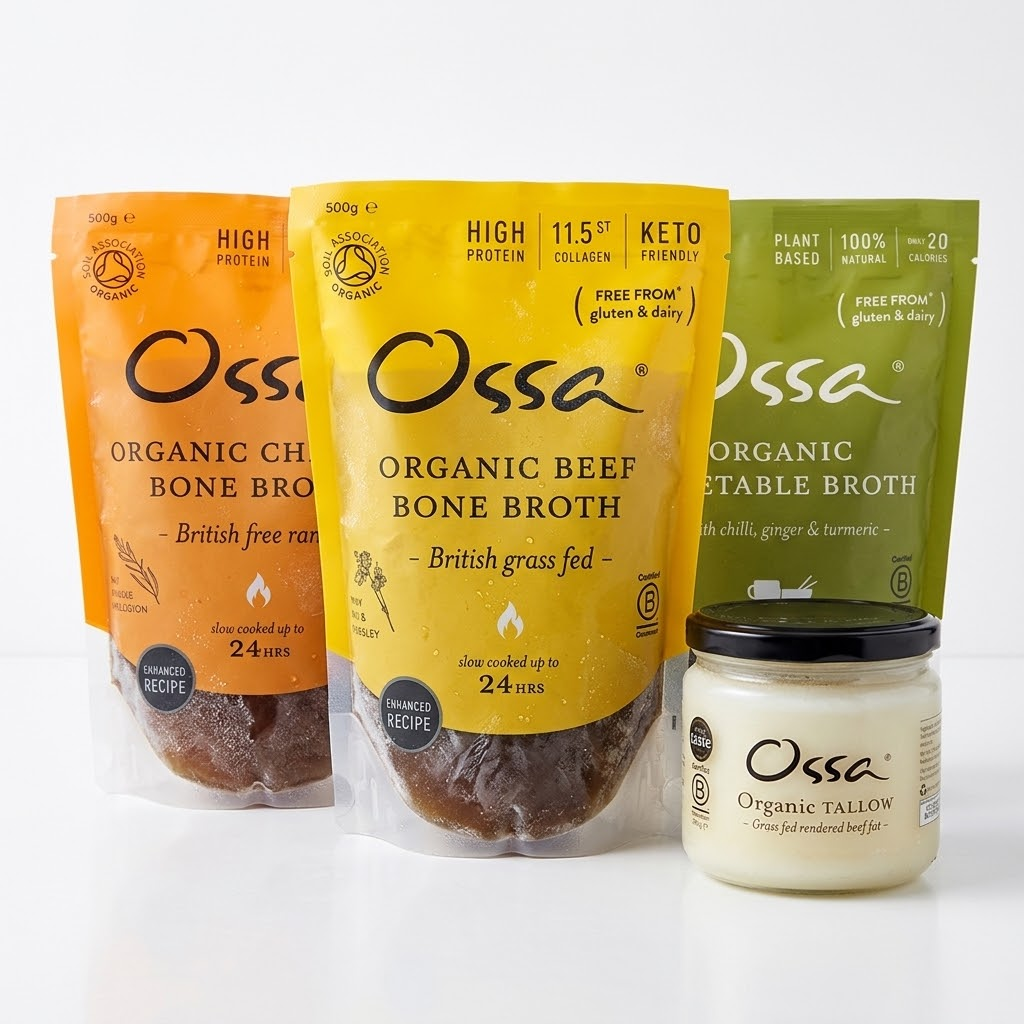
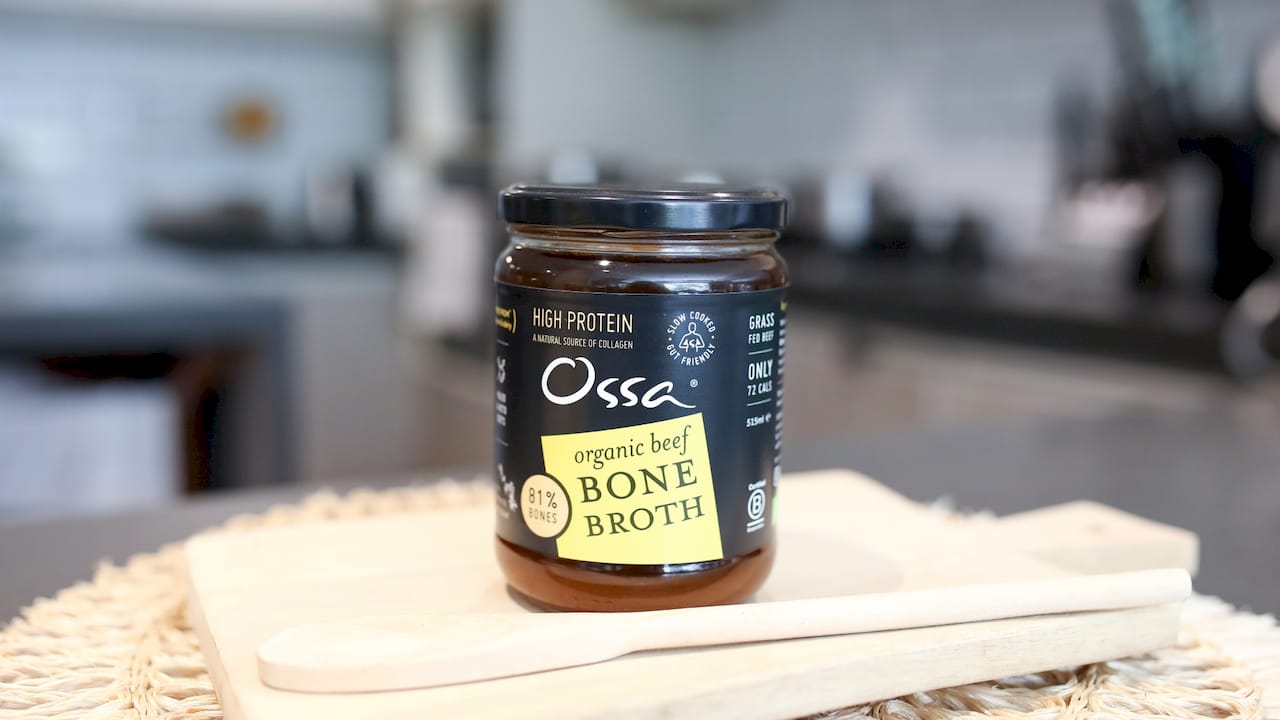
Ossa Organic produces organic bone broths that fit directly into the paleo family kitchen. The organic beef bone broth works as a base for soups, stews, and slow cooker meals, adding depth and nutrition with no preparation required. The organic chicken bone broth suits lighter dishes, from vegetable soups to poaching liquids for chicken breasts. Both are ambient and ready to use straight from the pack, which suits the batch cooking and weeknight cooking approach described throughout this article. For families building a paleo meal routine, the Ossa Organic recipe collection offers practical, whole-food dishes built around these ingredients.
FAQ
What foods are excluded from natural paleo family meals?
Paleo meals exclude grains, legumes, dairy, refined sugars, and processed oils. These are replaced with quality proteins, non-starchy vegetables, and healthy fats such as avocado and olive oil.
How long does it take to prepare a paleo family dinner?
Quick paleo dinners such as stir-fries and sheet pan meals take 20–30 minutes. Batch cooking at weekends reduces active cooking time on weeknights further.
Is the paleo diet suitable for children?
The paleo framework supports children’s health by focusing on quality proteins and varied seasonal vegetables rather than processed foods. Children involved in meal preparation are more likely to eat the meals without complaint.
What is the 80/20 rule in paleo eating?
The 80/20 rule means 80% of meals follow clean, whole-food paleo principles while 20% allows flexibility. This approach reduces guilt and burnout and makes the lifestyle sustainable for busy families.
How does bone broth fit into paleo family meals?
Bone broth is a paleo staple used as a base for soups, stews, and sauces. Ossa Organic’s ambient bone broths are ready to use and require no preparation, making them practical for weeknight cooking.
Recommended