TL;DR:
- Gelatin is a natural protein derived from animal collagen, supporting food structure, gut health, and skin elasticity. It functions as a thermo-reversible gel and stabilizes emulsions, with sources like bovine providing the strongest performance. Incorporating gelatin from slow-cooked bone broth offers widespread nutritional benefits aligned with traditional diets.
Gelatin is defined as a natural protein derived from collagen, extracted from the bones, skin, and connective tissue of animals through slow cooking. Its role in natural foods spans texture, stability, and nutrition, making it one of the most functionally versatile ingredients in both traditional cooking and modern clean-label formulations. With 84–90% protein content and no artificial preservatives, fat, or cholesterol, gelatin fits squarely within whole-food and paleo dietary philosophies. The amino acids glycine and proline, abundant in gelatin, support gut lining integrity, joint health, and skin elasticity. Ossa Organic has built its entire product range around these principles, sourcing gelatin-rich bone broths that reflect the nose-to-tail tradition rather than the supplement aisle.
What is the role of gelatin in natural foods?
Gelatin functions as a structural and nutritional ingredient in natural foods. It is not simply a thickener. It forms gels, stabilises emulsions, binds water, and contributes a distinctive mouthfeel that no synthetic additive fully replicates.
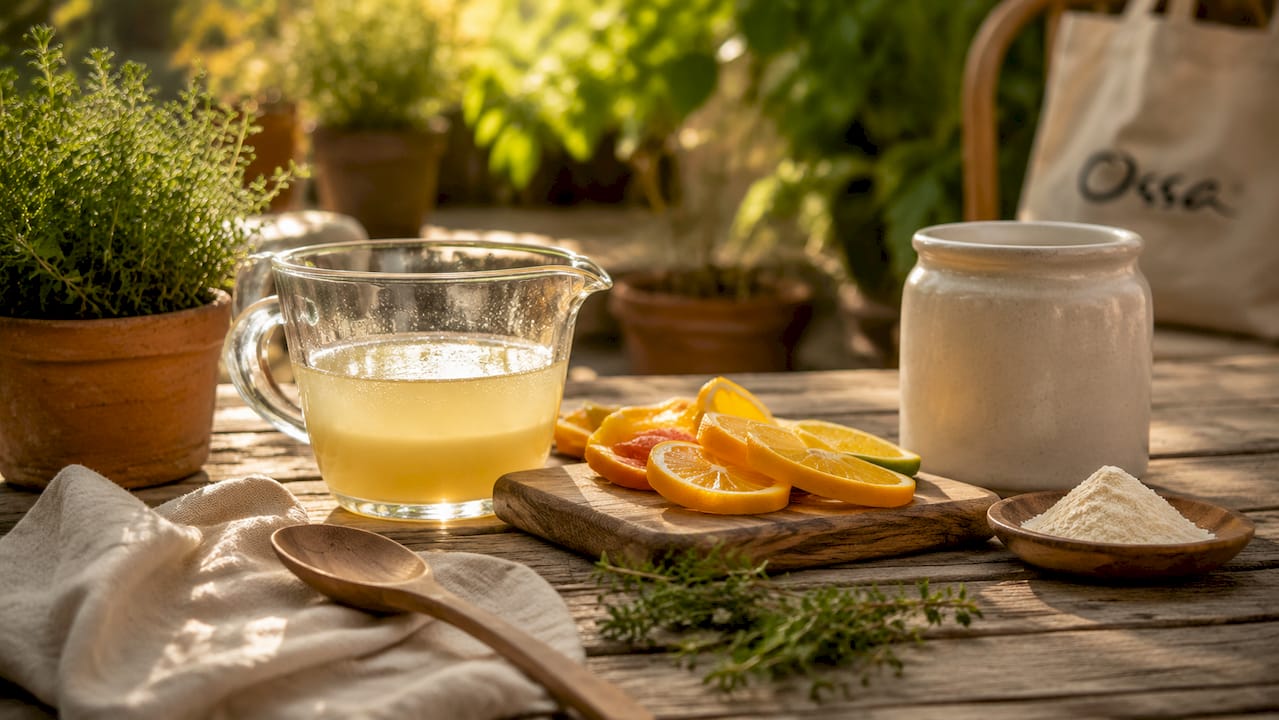
The protein is produced by partially hydrolysing collagen. Heat breaks the collagen’s triple helix structure into individual protein chains. When cooled, those chains reassemble into a three-dimensional network that traps water and creates a firm, sliceable gel. This is the defining property that makes gelatin indispensable in foods from panna cotta to aspic.
Gelatin also carries clean-label credentials that matter to health-conscious consumers. It is recognised as a whole-food byproduct aligned with nose-to-tail philosophies, meaning nothing is wasted from the animal. Regulatory bodies across Europe and the UK classify food-grade gelatin as a natural ingredient, not an additive, which allows it to appear on ingredient labels without the E-number stigma attached to many synthetic stabilisers.
How does gelatin function as a natural ingredient in food texture and stability?
Gelatin’s most important technical property is its thermo-reversible gel formation. The gel melts when heated and sets again upon cooling. This cycle can be repeated without significant loss of function, which is why gelatin works so well in chilled desserts, cold-set terrines, and glazes that need to hold at refrigerator temperature but release cleanly on the palate.
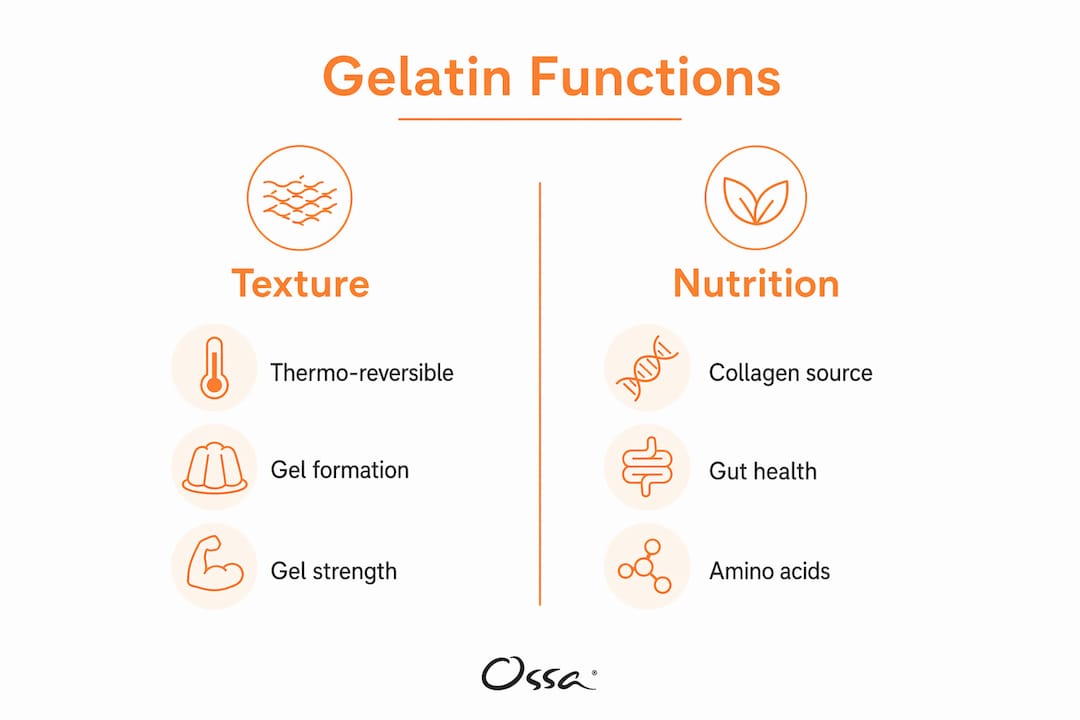
Gel strength and bloom strength
Bloom strength is the standard measure of gelatin quality. It describes the force required to depress a standardised plunger into a set gel. Higher bloom strength produces firmer gels with faster setting times. Lower bloom strength suits softer textures such as marshmallows or light mousses. Matching bloom strength to the desired outcome is the single most consequential decision when using gelatin in cooking.
Acid ingredients interfere with gel formation. Citrus juice, vinegar, and wine all lower pH and can inhibit the protein chains from reassembling correctly. The practical fix is to add acidic components after the gelatin has set, or to increase the gelatin concentration to compensate.
Stabilising emulsions and foams
Gelatin binds water and stabilises foams and emulsions, which improves both shelf life and sensory appeal. In dairy products, it prevents whey separation and contributes a creamy texture. In confectionery, it creates the aerated structure of marshmallows and gummy sweets. In meat processing, it retains moisture during cooking, reducing shrinkage and improving juiciness.
The table below summarises gelatin’s key functional roles across food categories.
| Food category |
Primary function |
Outcome |
| Dairy (yoghurt, cream) |
Water binding, emulsion stabilisation |
Creamy texture, no whey separation |
| Confectionery (gummies, marshmallows) |
Foam stabilisation, gel formation |
Elastic, aerated structure |
| Meat and terrines |
Water retention, gel setting |
Moist texture, clean slicing |
| Sauces and glazes |
Thickening, film formation |
Glossy, cling-on coating |
| Desserts (panna cotta, jellies) |
Thermo-reversible gel |
Smooth set, clean mouthfeel |
Gelatin versus plant-based hydrocolloids
Plant-based alternatives such as agar, pectin, and carrageenan each perform specific functions but none replicate gelatin’s full profile. Agar sets at a higher temperature and produces a brittle, opaque gel. Pectin requires sugar and acid to set. Carrageenan stabilises dairy but does not produce a clean, melt-in-the-mouth sensation. Gelatin’s unique sensory and textural attributes remain unmatched for applications where a smooth, yielding gel is the goal.
Pro Tip: When substituting gelatin with agar in a recipe, use roughly half the quantity by weight. Agar sets firmer and does not melt at body temperature, so the mouthfeel will differ noticeably.
What are the health benefits of gelatin in natural diets?
Gelatin is a concentrated source of collagen peptides and specific amino acids that the body uses for tissue repair and gut function. Glycine and proline are the two most abundant amino acids in gelatin. Both are conditionally essential, meaning the body can produce them but not always in sufficient quantities under stress, illness, or ageing.
Gelatin supports digestion and gut lining integrity through its amino acid profile. Glycine stimulates gastric acid secretion, which improves protein digestion. It also supports the production of glutathione, the body’s primary antioxidant. Proline is a structural component of collagen, which forms the scaffolding of the gut lining itself.
The benefits of gelatin in foods extend beyond digestion.
-
Joint and cartilage support. Gelatin provides amino acids beneficial for cartilage and joint health. Regular consumption from sources such as bone broth has been associated with reduced joint discomfort in active adults.
-
Skin elasticity. Collagen peptides derived from gelatin contribute to dermal structure. Studies on hydrolysed collagen supplementation show improvements in skin hydration and elasticity, particularly in adults over 35.
-
Satiety and appetite regulation. Glycine has a mild inhibitory effect on appetite signalling. Gelatin-rich foods tend to be filling relative to their calorie content, which supports weight management in healthy diets.
-
Bone health. Gelatin provides the protein matrix into which minerals such as calcium and phosphorus are deposited. Without adequate collagen, bone mineral density alone does not guarantee structural strength.
“Gelatin is not a supplement. It is a food. Cultures that consumed whole animals, including bones and connective tissue, obtained gelatin naturally through slow-cooked broths and stews. The modern interest in gut health is, in many ways, a return to that tradition.”
Incorporating gelatin into a 14-day gut reset is one structured way to experience its digestive benefits consistently rather than sporadically.
How is gelatin used in cooking and food preparation?
Gelatin is flavourless and colourless, which makes it one of the most versatile ingredients in both sweet and savoury cooking. It thickens without altering taste or appearance, which is why it appears in everything from clear consommé to fruit jellies.
Blooming and tempering gelatin
Proper technique is the difference between a gel that sets cleanly and one that clumps or fails entirely. The process works as follows.
-
Bloom the gelatin. Sprinkle powdered gelatin or soak leaf gelatin in cold liquid for 5–10 minutes. This hydrates the protein chains and prevents lumps.
-
Heat gently. Warm the bloomed gelatin over low heat or stir it into a warm liquid. Never boil gelatin. Temperatures above 90°C degrade the protein chains and reduce gel strength.
-
Combine with the main mixture. Add the dissolved gelatin to the recipe base while both are warm. Stir thoroughly to distribute evenly.
-
Chill to set. Refrigerate at 4°C or below. Most gelatin gels set within 2–4 hours, though overnight chilling produces the cleanest result.
-
Account for acid. If the recipe contains citrus, wine, or vinegar, add these after the gelatin is dissolved and the mixture has cooled slightly.
Pro Tip: Fresh pineapple, kiwi, papaya, and figs contain proteolytic enzymes that break down gelatin’s protein chains and prevent setting. Always use tinned or cooked versions of these fruits in gelatin-based recipes.
Applications across sweet and savoury dishes
Gelatin’s uses in cooking range from classic desserts to practical kitchen techniques. Panna cotta, bavarian cream, and cold-set cheesecake all rely on gelatin for their structure. In savoury cooking, gelatin enriches stocks and sauces, creates the glossy finish on meat glazes, and sets terrines and head cheese. Bone broth, which is naturally rich in dissolved gelatin, forms the foundation of many traditional cuisines precisely because of the body and richness it adds to dishes.
Matching bloom strength to the recipe matters practically. A light, quivering jelly needs a low bloom gelatin at a low concentration. A firm, sliceable terrine needs a high bloom gelatin at a higher concentration. Misjudging this produces gels that are either too runny to hold shape or so firm they feel rubbery rather than yielding.
What types of gelatin are available and how do sources affect their properties?
The source of gelatin dramatically influences its functional properties, including gel strength, melting point, and flavour neutrality. Three main sources dominate the market: bovine, porcine, and fish.
| Gelatin source |
Gel strength |
Melting point |
Dietary suitability |
| Bovine (cattle) |
High |
~35°C |
Not suitable for vegetarians or those avoiding beef |
| Porcine (pig) |
High |
~35°C |
Not suitable for halal or kosher diets |
| Fish (marine) |
Medium |
~28°C |
Suitable for many religious dietary requirements |
Key considerations by source
-
Bovine gelatin is the most widely used in food manufacturing. It produces strong, stable gels and is the basis for most bone broth products, including those from Ossa Organic. Grass-fed sourcing improves the amino acid profile and aligns with clean-label standards.
-
Porcine gelatin has historically dominated confectionery due to its high bloom strength and neutral flavour. It is excluded from halal and kosher certified products.
-
Fish gelatin is increasingly popular to address cultural and religious dietary restrictions. Its lower melting point means it dissolves more readily at room temperature, which affects texture in warm environments.
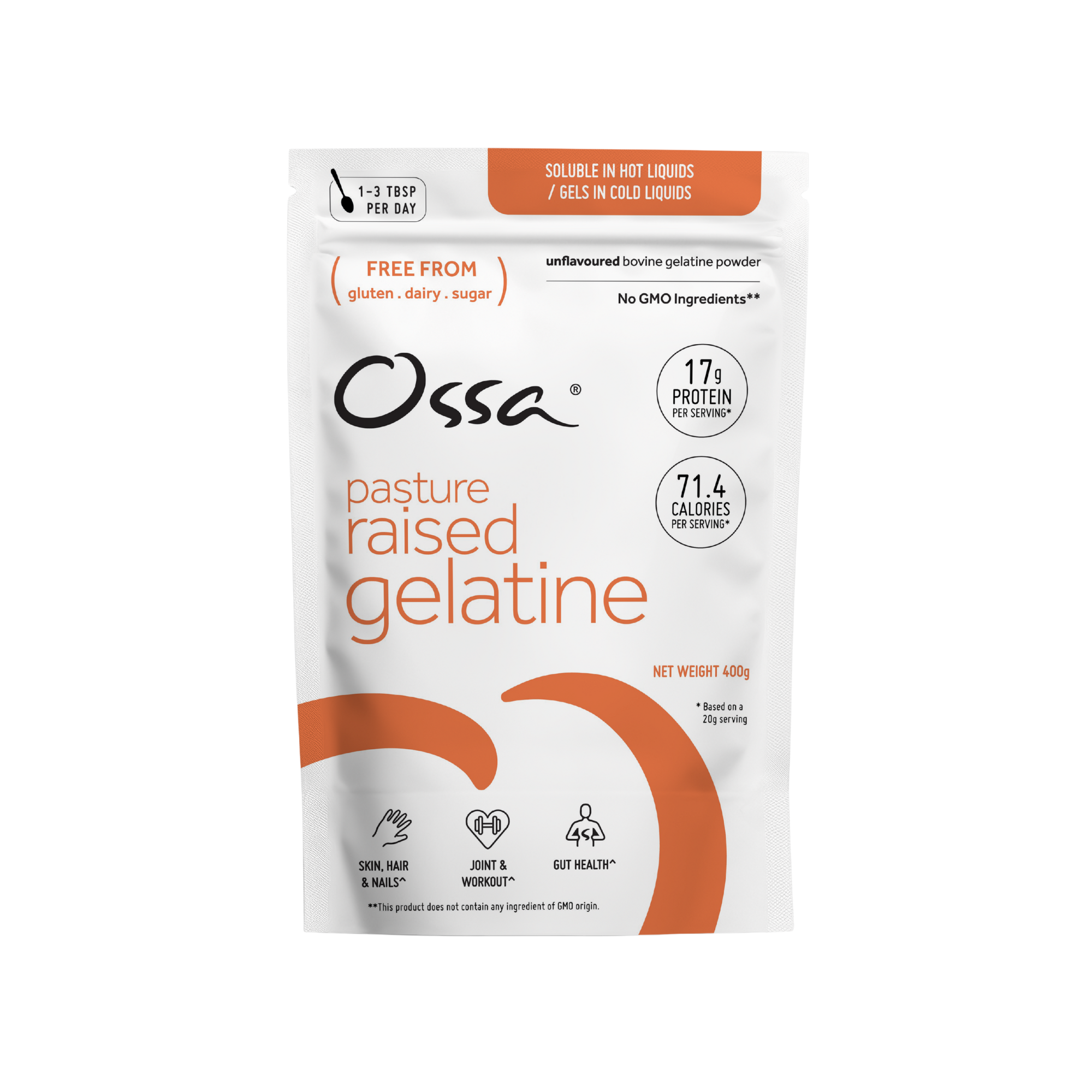
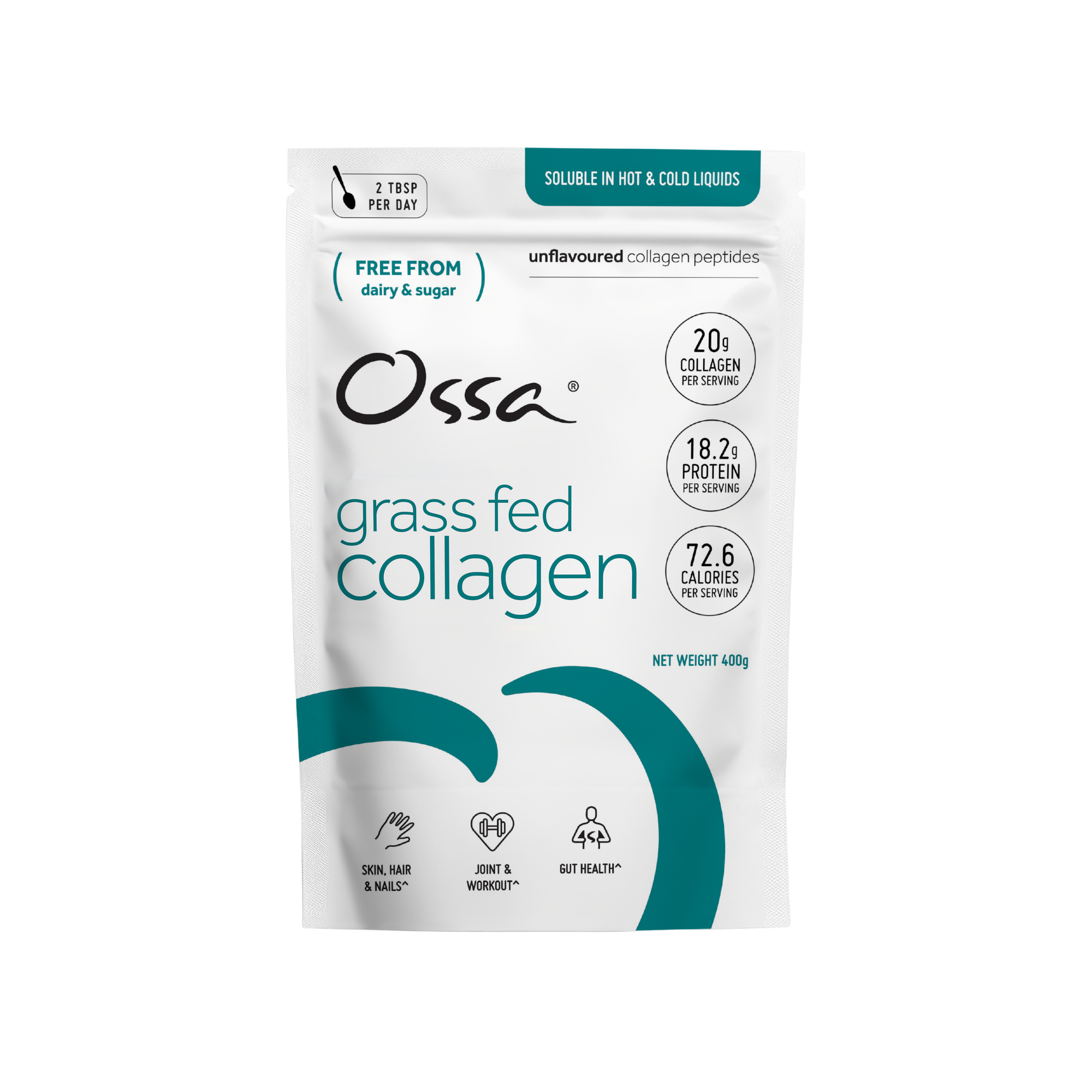
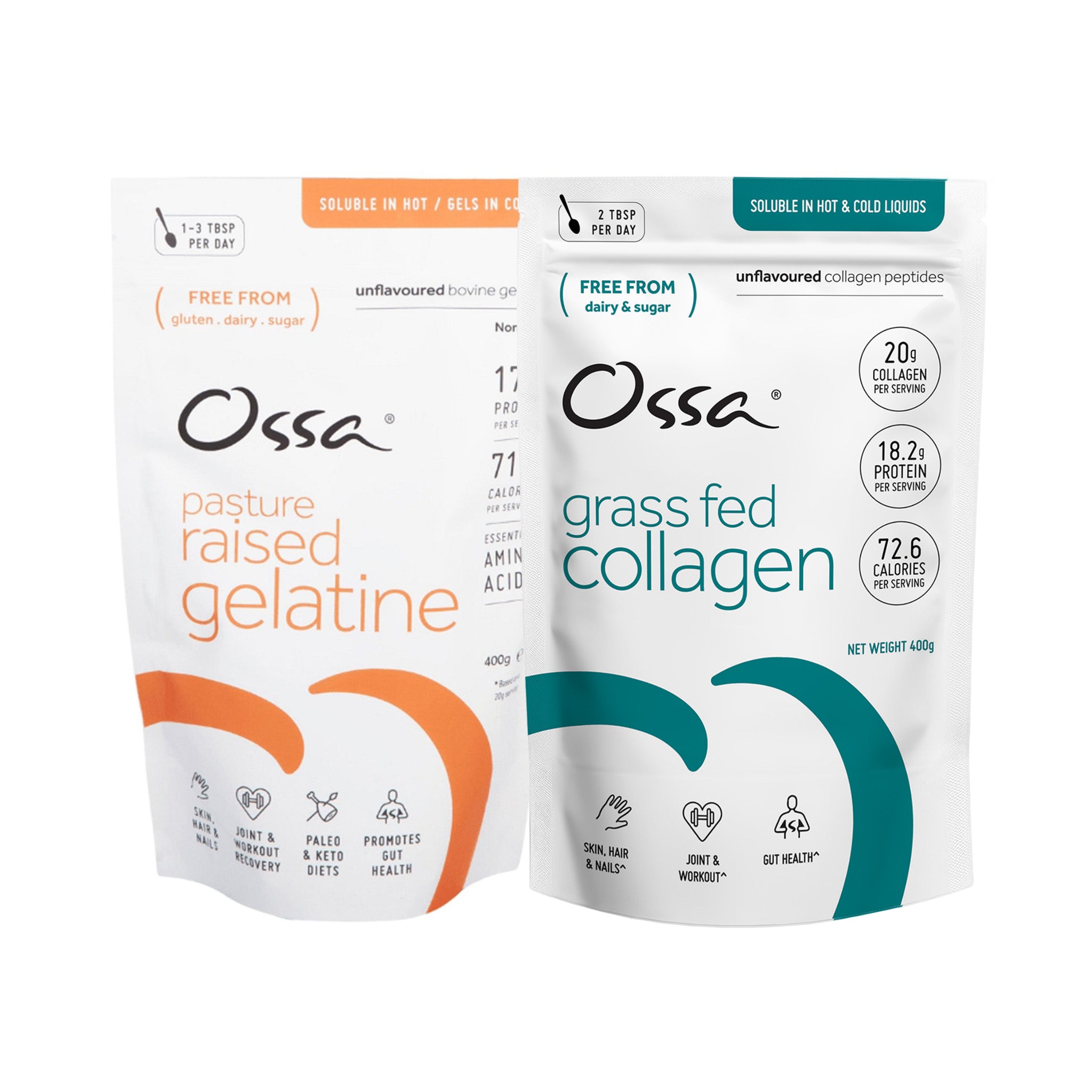
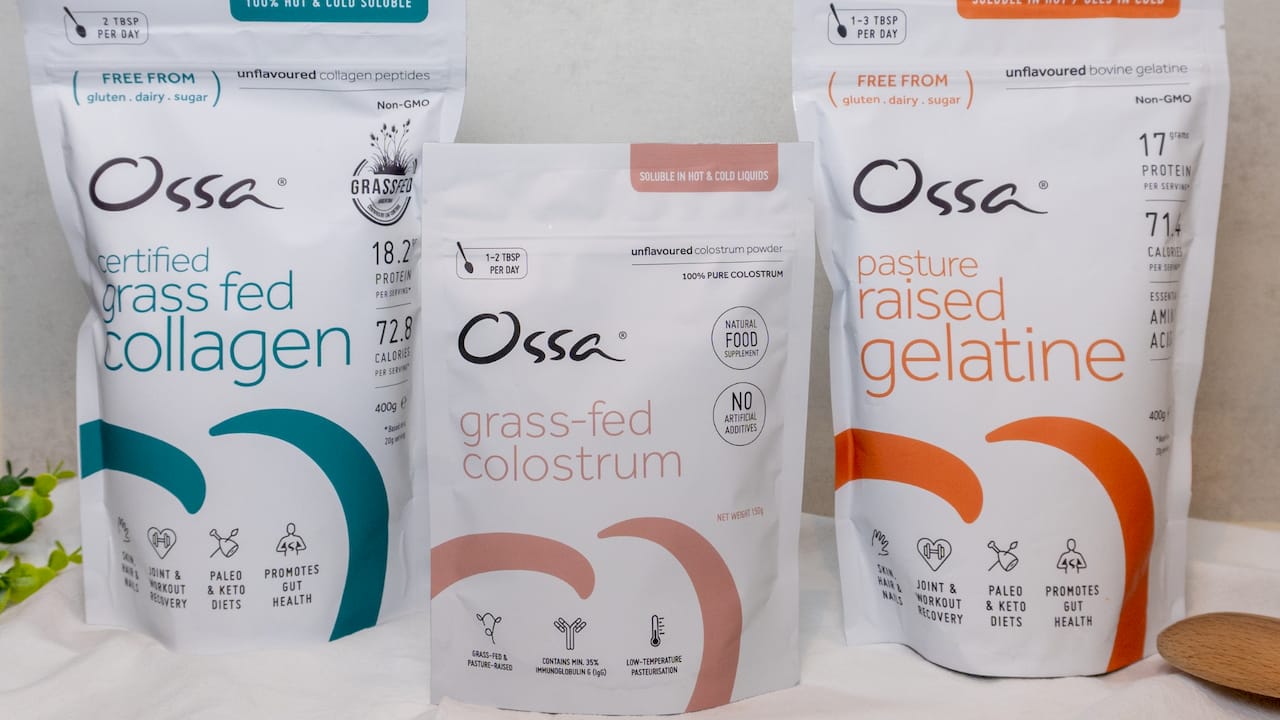
The practical implication is straightforward. If you are sourcing gelatin for gut health and culinary use, bovine gelatin from grass-fed animals delivers the strongest functional performance and the most complete amino acid profile. Ossa Organic’s grass-fed gelatin reflects this standard directly.
Fish gelatin suits those with specific dietary requirements but requires recipe adjustment due to its lower gel strength and melting point. Plant-based alternatives do not contain collagen peptides and therefore do not deliver the same nutritional profile, regardless of their gelling performance.
Key takeaways
Gelatin is the most functionally complete natural protein available for food texture, gut health, and clean-label nutrition, combining structural versatility with a well-documented amino acid profile.
| Point |
Details |
| Gelatin is a natural protein |
Derived from collagen, it contains 84–90% protein with no artificial additives or preservatives. |
| Bloom strength determines texture |
Match bloom strength to your recipe: higher bloom for firm gels, lower bloom for soft, yielding textures. |
| Gut and joint health benefits |
Glycine and proline support gut lining integrity, cartilage repair, and skin elasticity. |
| Source affects function and suitability |
Bovine gelatin offers the strongest gel performance; fish gelatin suits specific dietary requirements. |
| Technique prevents failure |
Bloom in cold liquid, heat gently, and avoid fresh tropical fruits to preserve gelling properties. |
Gelatin in natural food: what years of working with it have taught us
The conversation around gelatin has shifted considerably. A decade ago, it was associated almost exclusively with commercial jellies and processed confectionery. The clean-label movement changed that. Consumers began reading ingredient lists and asking where their food came from. Gelatin, when sourced properly, answered both questions well.
What stands out most is how gelatin connects culinary tradition with nutritional function. Slow-cooked broths have been central to food culture across every continent for centuries. The reason they were valued was not aesthetic. It was practical. Bones and connective tissue yielded a liquid that was filling, restorative, and deeply flavoured. The gelatin dissolved into that liquid was doing exactly what we now describe in nutritional terms: supporting the gut, feeding the joints, and providing amino acids the body uses constantly.
The mistake many people make is treating gelatin as an optional extra rather than a foundational ingredient. When you build a diet around whole, minimally processed foods, gelatin appears naturally through bone broth, slow-cooked meats, and traditional stocks. The body recognises it. Digestion responds to it. The results are not dramatic or immediate, but they are consistent.
At Ossa Organic, we have seen this play out in our own family and in the feedback from people who have incorporated our broths into their daily routines. The collagen-rich recipes we share reflect that experience directly. Gelatin is not a trend. It is a return to how food was always meant to be made.
— Ossa Organic
Ossa Organic: natural gelatin from grass-fed bone broth
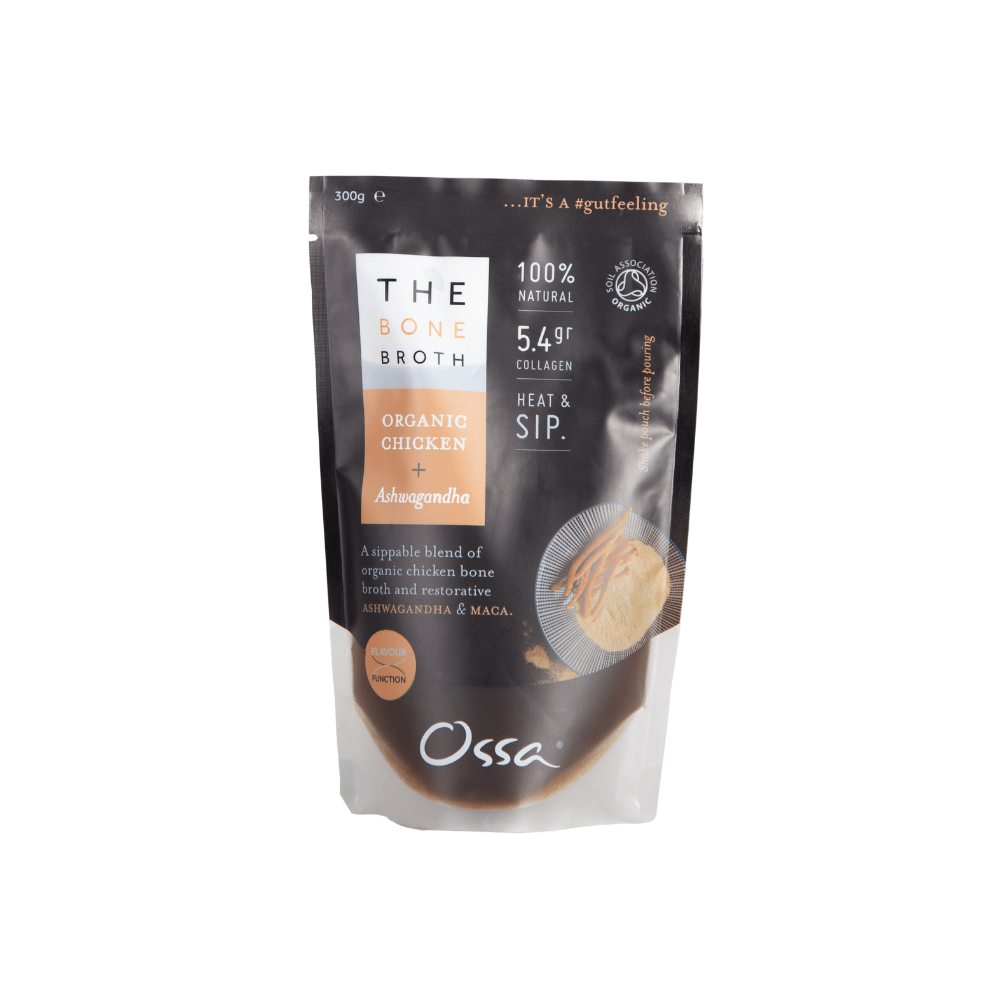
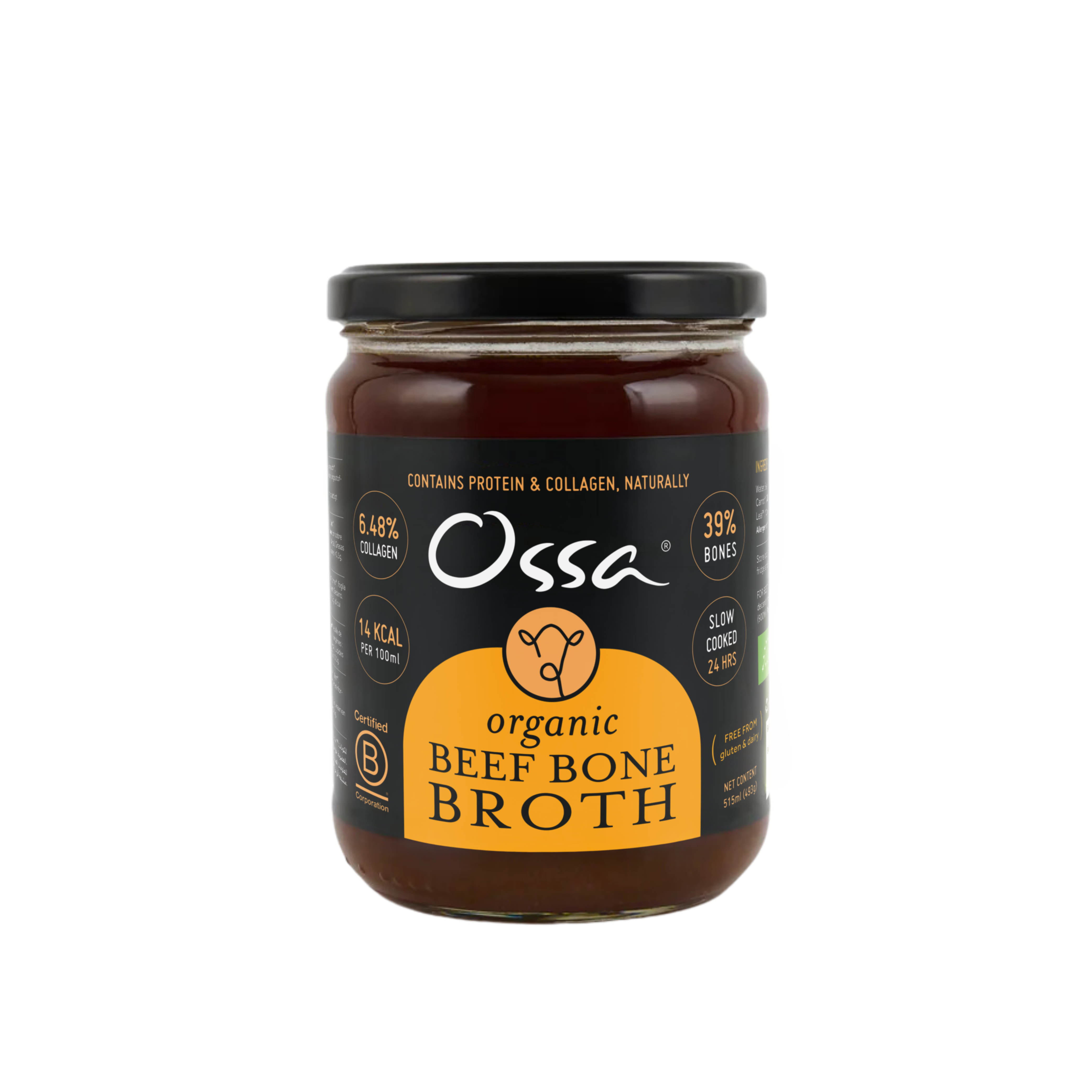
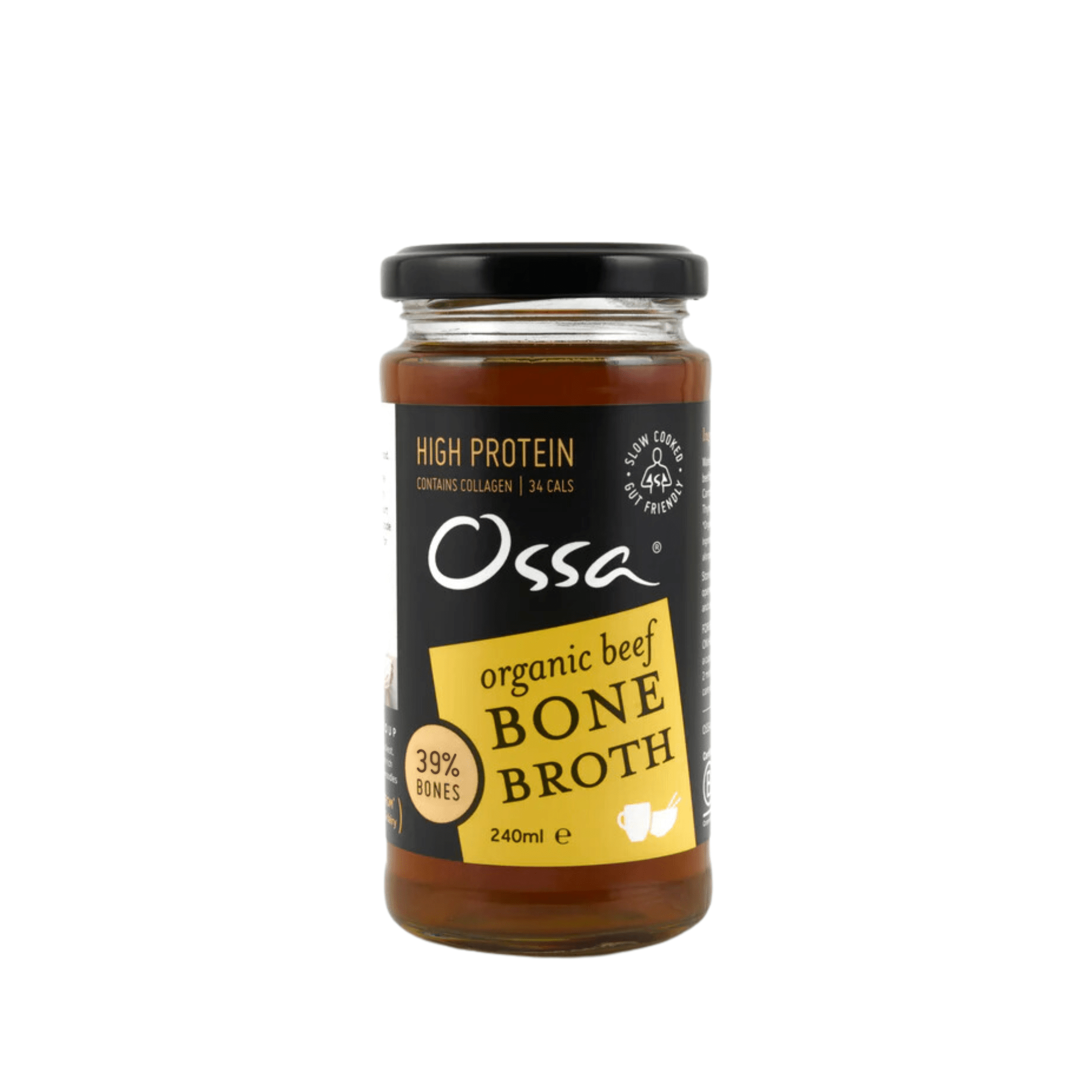
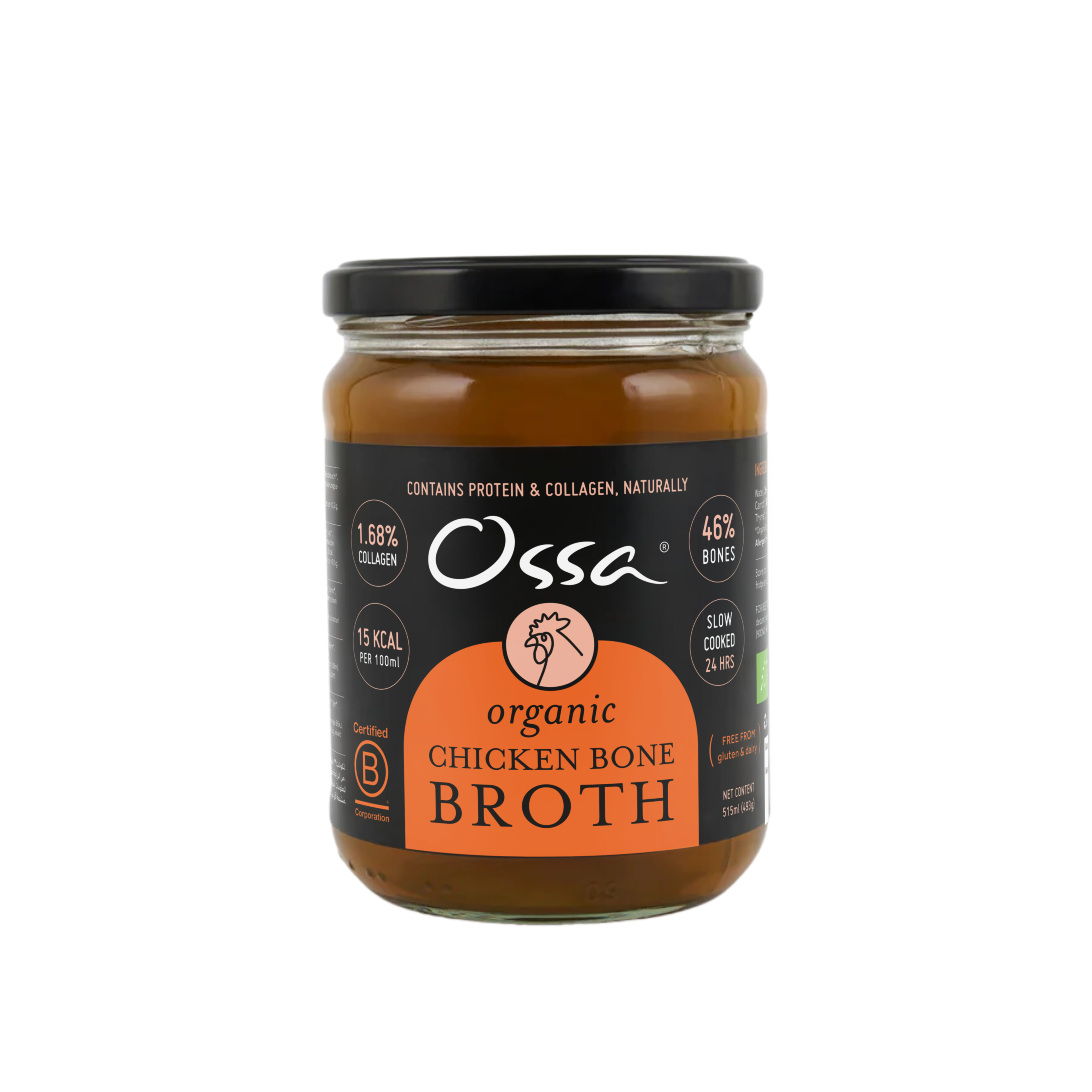
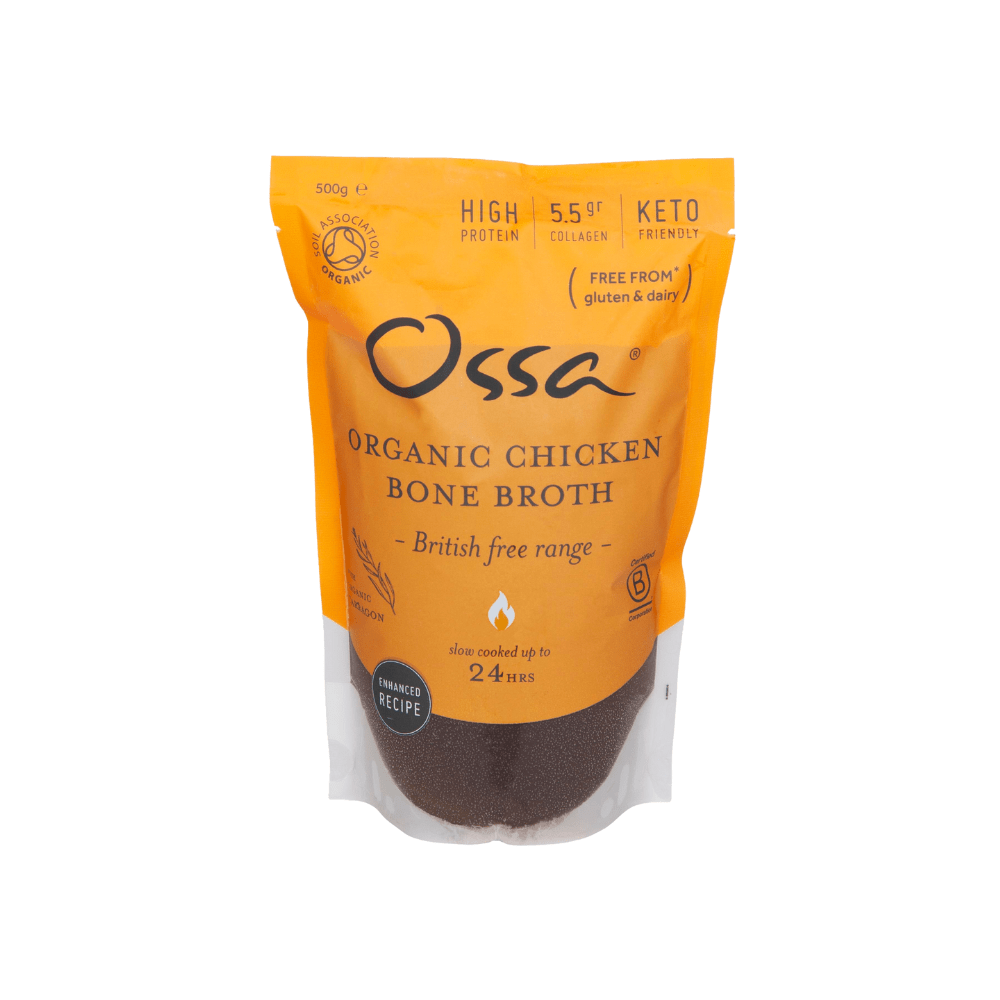
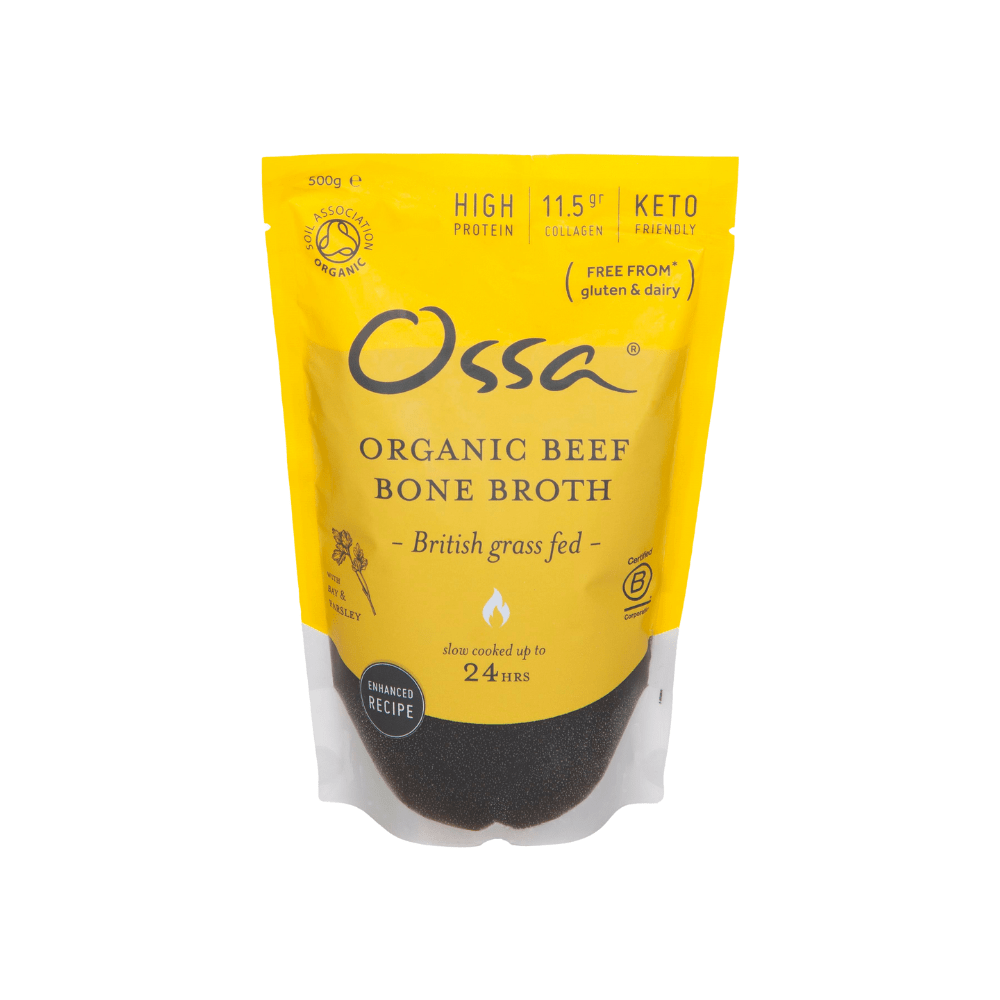
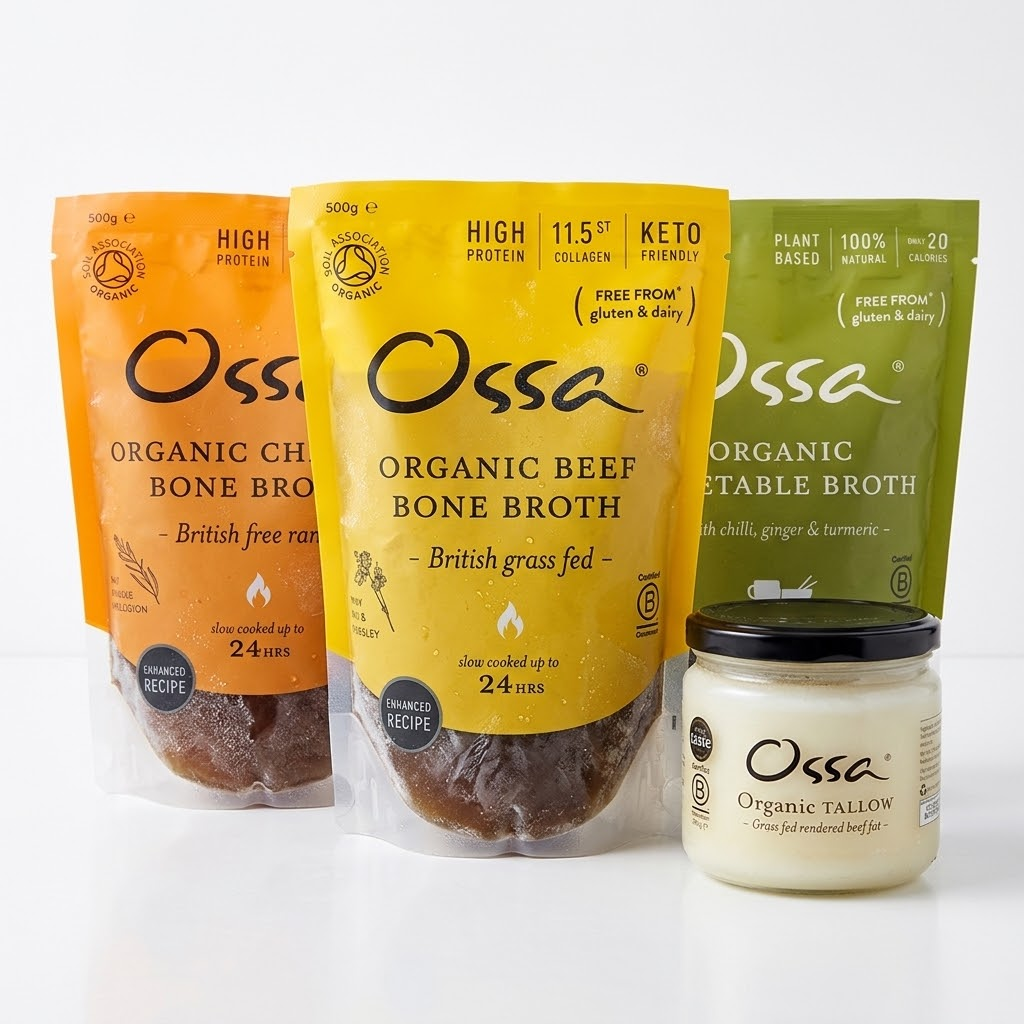
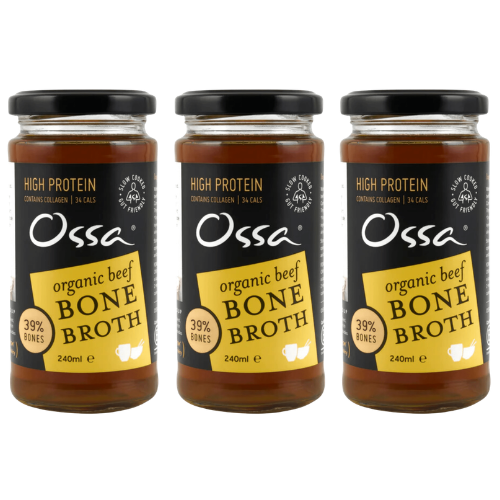
Ossa Organic produces bone broth that is naturally rich in gelatin and collagen, slow-cooked from organic, grass-fed bones without artificial additives or preservatives. Each batch delivers the amino acids glycine and proline in their whole-food form, directly from the source. The organic beef bone broth is ready to drink, use as a cooking base, or add to sauces and stews. For those who prefer poultry, the organic chicken bone broth offers the same clean-label standard with a lighter flavour profile. Both products reflect Ossa Organic’s commitment to tradition, whole-food sourcing, and gut health nutrition.
FAQ
What is gelatin made from?
Gelatin is made by slowly cooking the bones, skin, and connective tissue of animals, most commonly cattle or pigs. The process extracts collagen, which partially hydrolyses into gelatin protein chains.
How does gelatin benefit gut health?
Gelatin provides glycine and proline, amino acids that support gut lining integrity and stimulate gastric acid production. Regular consumption through bone broth or gelatin-rich foods contributes to digestive function over time.
What is bloom strength in gelatin?
Bloom strength measures the firmness of a set gelatin gel. Higher bloom strength produces firmer gels; lower bloom strength suits softer textures such as mousses or light jellies.
Is fish gelatin as effective as bovine gelatin?
Fish gelatin gels effectively but has a lower melting point and slightly lower gel strength than bovine gelatin. It suits those with religious or cultural dietary restrictions but may require recipe adjustment.
Can gelatin be used in savoury cooking?
Gelatin is flavourless and colourless, making it suitable for savoury applications including stocks, sauces, glazes, and terrines without altering the taste or appearance of the dish.
Recommended