TL;DR:
-
Grass-fed products have a higher omega-3 fatty acid content, better fat profiles, and environmental benefits.
-
Their nutritional advantage depends on good land management and farm practices, not just the label.
Grass-fed products are defined as meat and dairy from animals raised primarily on pasture rather than grain-based feed. The benefits of grass fed products are measurable and well-documented: higher omega-3 fatty acids, better fatty acid ratios, more fat-soluble vitamins, and a nutritional profile that conventional grain-fed alternatives cannot match. 100% grass-fed dairy delivers 147% more omega-3 fatty acids than conventional milk. Grass-fed beef contains roughly three times more vitamin E than its grain-fed counterpart. Beyond nutrition, well-managed pasture systems support carbon sequestration and soil biodiversity. These are not minor differences. They are meaningful reasons to rethink what you put in your basket.
1. What are the top nutritional benefits of grass fed beef?
Grass-fed beef is leaner and more nutrient-dense than grain-fed beef. Grass-fed beef contains 2–4 grams of fat per 100 grams, compared to 8–12 grams in grain-fed cuts. That difference matters for anyone managing calorie intake or cardiovascular health.
The fatty acid profile is where grass-fed beef stands apart most clearly. The omega-6 to omega-3 ratio in grass-fed beef sits at approximately 2:1 to 3:1. Grain-fed beef runs at 6:1 to 10:1. A tighter ratio is associated with lower systemic inflammation, though clinical anti-inflammatory effects remain modest and inflammation is influenced by your whole diet, not a single food.
Key nutritional advantages of grass-fed beef include:
-
Higher omega-3 fatty acids: 2 to 5 times more than grain-fed beef, supporting heart and brain health.
-
More conjugated linoleic acid (CLA): Linked to reduced body fat accumulation in research settings.
-
Greater vitamin E (alpha-tocopherol): Roughly three times higher, acting as an antioxidant that protects cell membranes.
-
More beta-carotene: The precursor to vitamin A, giving grass-fed fat its characteristic yellow tint.
-
Leaner profile: Fewer total calories from fat per serving without sacrificing protein content.
-
B vitamins and minerals: Broadly similar between grass-fed and grain-fed, so no meaningful advantage here.
Both grass-fed and grain-fed beef contain saturated fat. The American Heart Association recommends limiting saturated fat regardless of the animal’s diet. Choosing grass-fed improves your fat quality. It does not remove the need for moderation.
Pro Tip: Grass-fed beef is leaner, which means it cooks faster and dries out more easily. Use lower heat, shorter cooking times, and rest the meat before slicing to preserve tenderness and flavour.
2. How does grass-fed dairy improve your nutritional intake?
Grass-fed dairy is arguably the most impactful switch you can make for correcting fatty acid imbalances in your diet. Three daily servings of 100% grass-fed dairy supply up to 58% of your daily omega-3 needs. Most people consume dairy far more frequently than beef, which makes this change more significant in practice.

The omega-6 to omega-3 ratio in 100% grass-fed dairy is 0.95:1. Conventional dairy sits at 5.77:1. That is a dramatic difference in a food most people eat every single day. Common modern diets carry an omega-6 to omega-3 ratio of around 11:1. Switching to grass-fed dairy alone can reduce that ratio to approximately 5.9:1.
| Measure |
100% Grass-fed dairy |
Conventional dairy |
| Omega-6 to omega-3 ratio |
0.95:1 |
5.77:1 |
| Omega-3 content |
147% higher |
Baseline |
| CLA content |
Elevated |
Lower |
| Beta-carotene |
Higher |
Lower |
| Daily omega-3 supply (3 servings) |
Up to 58% of daily needs |
Significantly less |
Grass-fed dairy also contains higher levels of CLA and antioxidant vitamins compared to conventional milk. Pasture biodiversity plays a direct role here. Cows grazing on varied forage produce milk with a richer phytochemical and fatty acid profile than those on monoculture grass.
One labelling distinction matters: “grass-fed” on a dairy label does not always mean 100% grass-fed. “Grassmilk” or “100% grass-fed” certifications confirm the animal received no grain supplementation. Generic grass-fed labels may allow grain feeding during winter months. Read the label carefully before assuming you are getting the full nutritional benefit.
3. Do pasture-raised products contain more phytochemicals?
Pasture-raised products from biodiverse farms deliver a nutritional advantage that goes beyond omega-3s and vitamins. Biodiverse, regeneratively managed pasture-raised beef shows a 4.3-fold higher phytochemical score than standard grass-fed beef, and an 8-fold higher score than grain-fed beef. Phytochemicals are plant compounds that transfer from forage into the animal’s tissues and fat.
This finding reframes the grass-fed vs grain-fed conversation. The quality of the pasture matters as much as the feeding method itself. A cow grazing on a diverse mix of grasses, herbs, and legumes produces beef with a fundamentally different nutritional composition than one grazing on a single-species grass field.
Nutrient content varies greatly with pasture biodiversity and soil health. This is why two products both labelled “grass-fed” can differ significantly in nutritional value. Seeking out farms that practise regenerative agriculture and maintain diverse forage gives you the best chance of accessing the full nutritional benefit of pasture-raised meat.
4. Environmental and sustainability benefits of grass-fed systems
The environmental case for grass-fed products depends heavily on how the land is managed. A grass-fed label alone does not guarantee environmental benefit. The farming practices behind the label are what determine the outcome.
Well-managed regenerative grazing systems offer genuine environmental advantages:
-
Carbon sequestration: Regenerative grazing can sequester approximately 1% of soil organic matter annually, improving carbon sinks in ways that feedlot systems cannot replicate.
-
Soil health: Rotational grazing builds organic matter, improves water retention, and reduces erosion.
-
Biodiversity: Permanent pastures support a wider range of plant and insect species than monoculture cropland used for grain feed.
-
Reduced chemical inputs: Pasture-based systems typically require fewer synthetic fertilisers and pesticides than intensive grain production.
“Environmental impact depends more on pasture management practices than simply the grass-fed label. Regenerative grazing can be a meaningful climate solution, but it is not a silver bullet.”
That caveat is worth holding. Poorly managed grass-fed systems can produce higher methane emissions per kilogram of beef than efficient feedlot operations. The grass-fed label is a starting point, not a guarantee. Certifications linked to regenerative practices, such as those from the Pasture for Life Association in the UK, provide stronger assurance of genuine environmental benefit.
Pro Tip: When buying grass-fed products for environmental reasons, look for farms that specify rotational grazing, soil carbon monitoring, or regenerative certification. The label “grass-fed” alone tells you about diet, not land management.
5. What to look for when buying grass-fed products
Purchasing grass-fed products well requires reading labels critically and knowing which certifications carry real weight. The market contains a spectrum of quality, and not all grass-fed products deliver the same nutritional or environmental value.
Certification and labelling
-
Prioritise 100% grass-fed or grassmilk labels. These confirm no grain supplementation at any point. Standard grass-fed labels permit grain feeding in some periods.
-
Look for regenerative or Pasture for Life certification. These go beyond diet to verify land management practices and animal welfare.
-
Check country of origin. UK and Irish grass-fed beef typically benefits from long grazing seasons. Year-round outdoor grazing is not possible everywhere, which affects nutritional consistency.
-
Avoid vague claims. Terms like “naturally raised” or “pasture-raised” without certification have no standardised legal definition in the UK.
Budget and cut selection
-
Choose grass-fed mince and slow-cook cuts first. These offer the same nutritional benefits as premium steaks at a fraction of the cost. Brisket, shin, and oxtail are excellent choices.
-
Buy in bulk where possible. Many farms and specialist retailers offer box schemes that reduce the per-kilogram cost significantly.
-
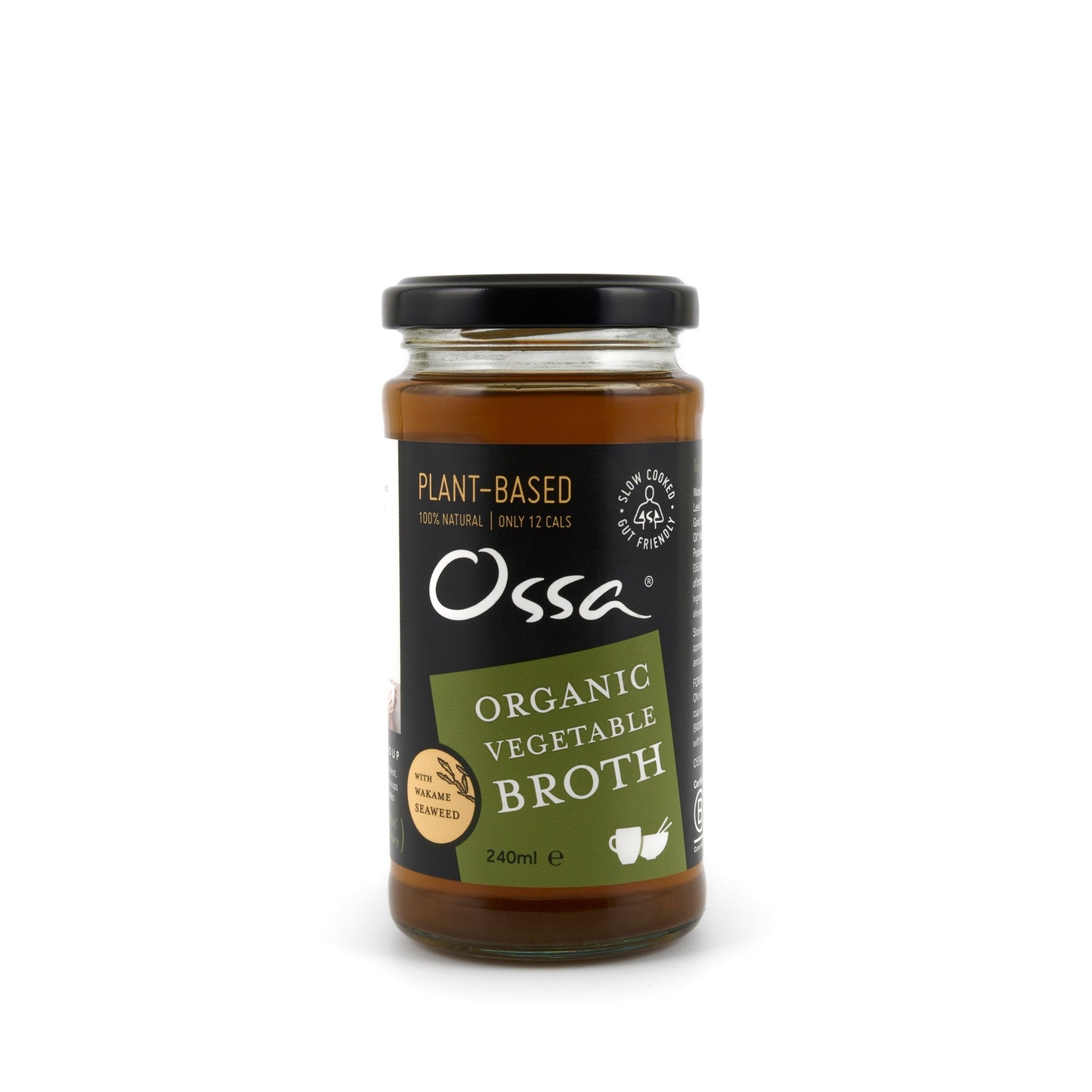
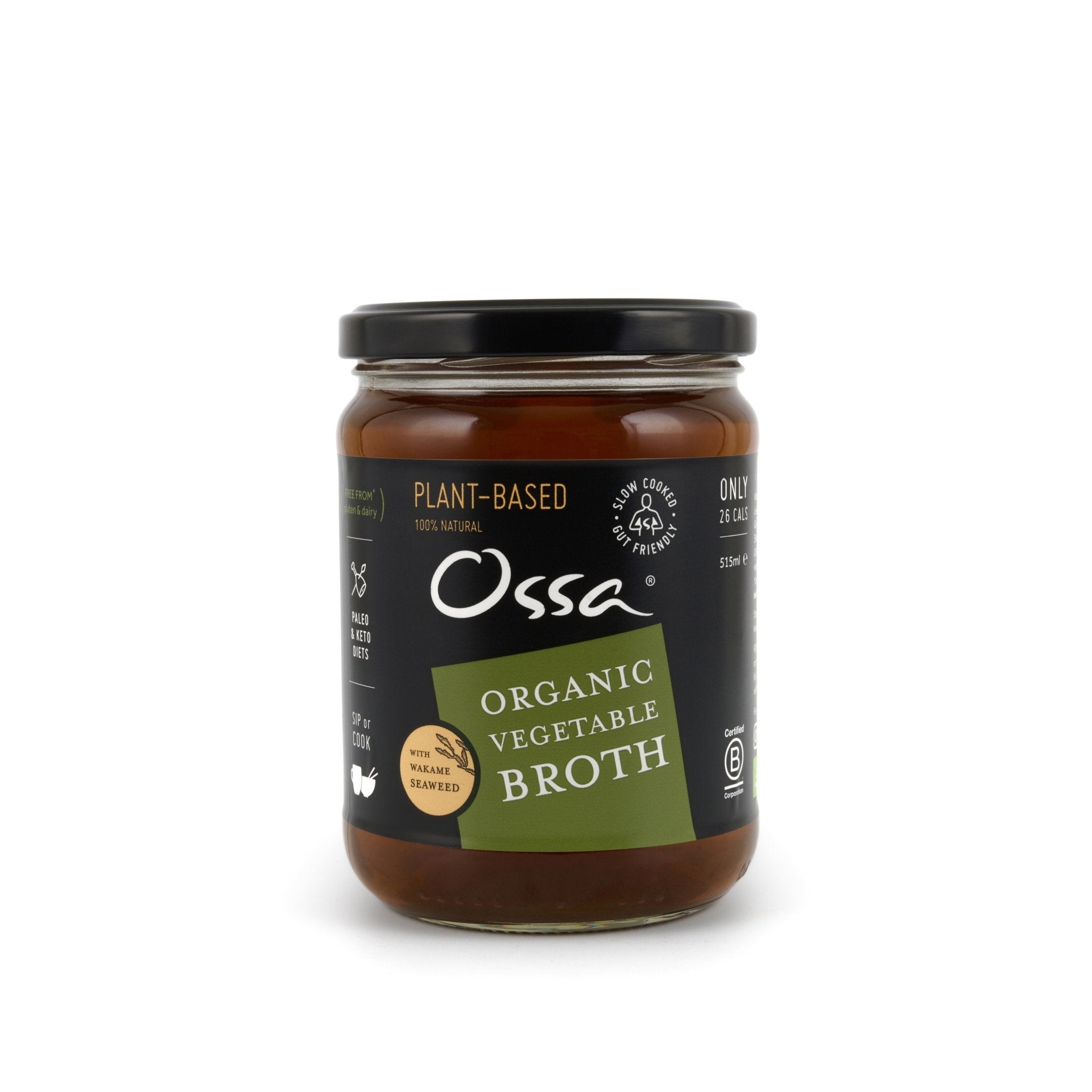
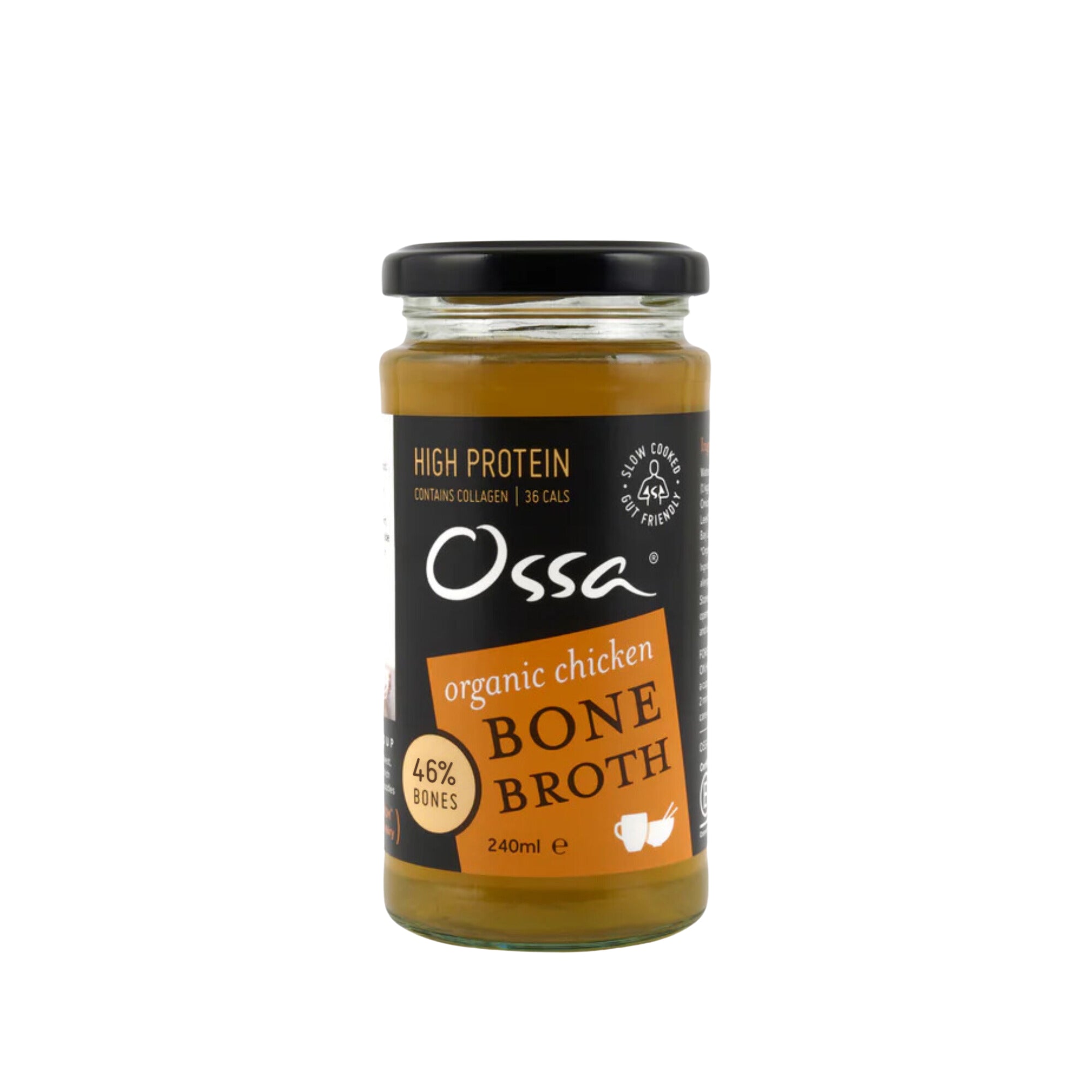
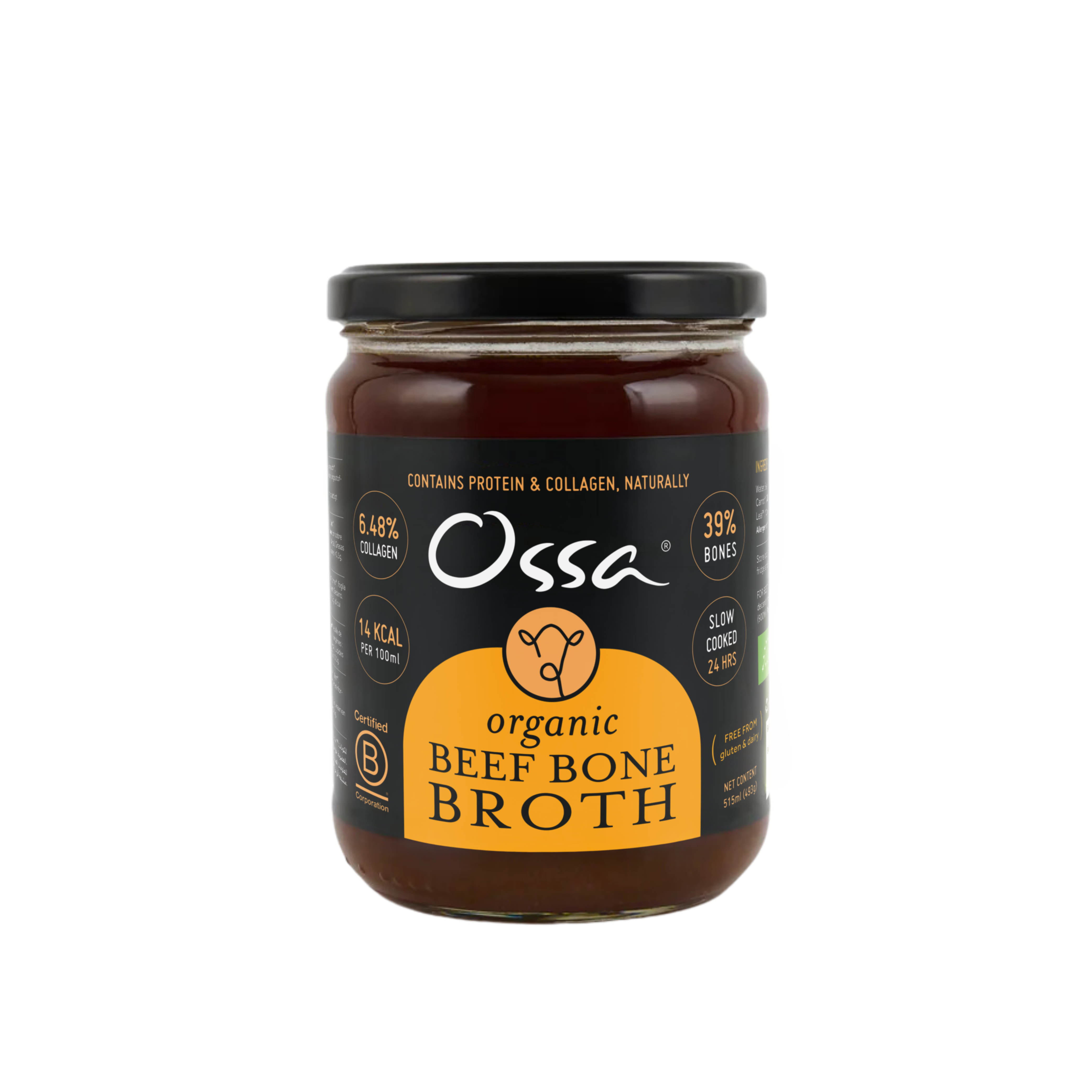
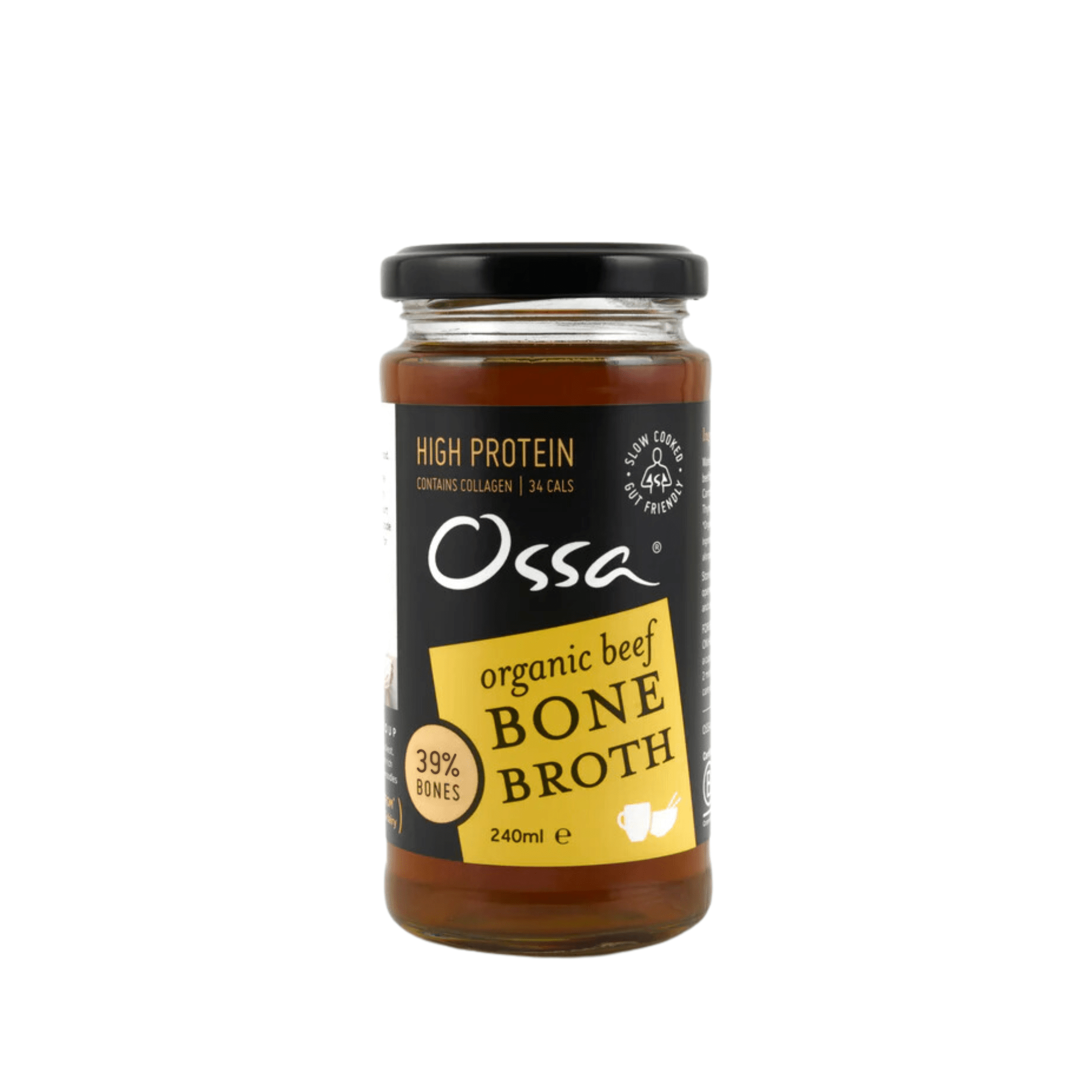
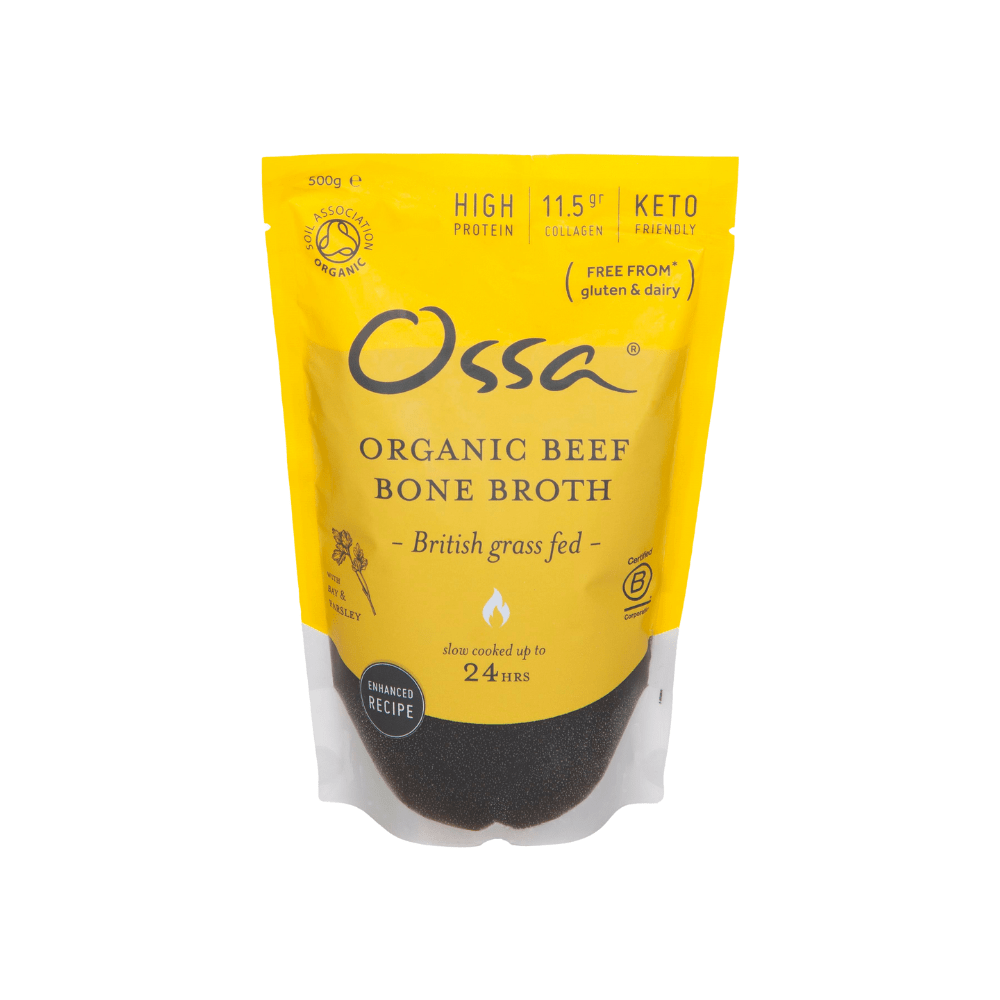
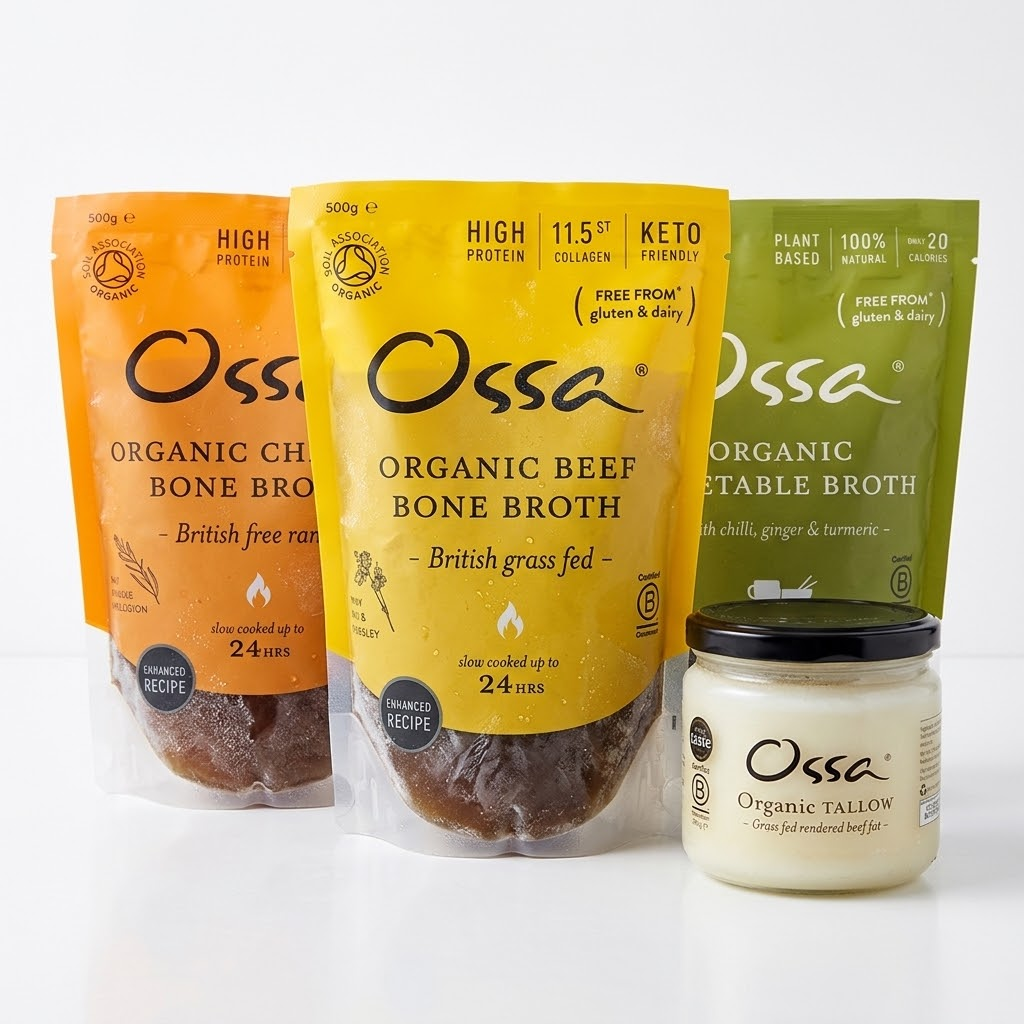
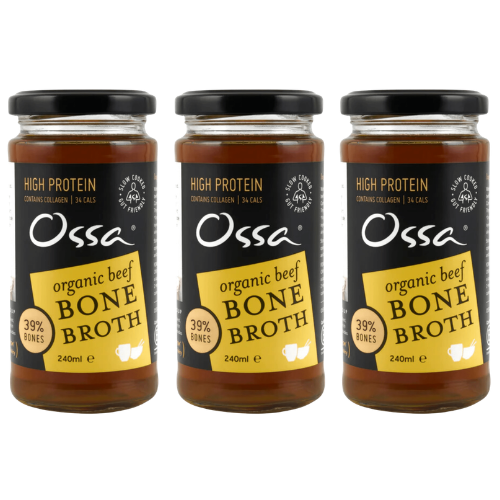
Consider grass-fed bone broth. Bone broth made from grass-fed beef bones delivers collagen, minerals, and the nutritional advantages of pasture-raised animals in a highly bioavailable form. Ossa Organic’s grass-fed beef bone broth is a practical way to access these benefits daily without buying premium cuts every week.
Cooking grass-fed meat correctly
Lower heat and avoiding overcooking are the two rules for grass-fed meat. The leaner fat content means it reaches the same internal temperature faster than grain-fed cuts. Overcooking produces a tough, dry result that puts many people off grass-fed beef permanently. A meat thermometer removes the guesswork.
Pro Tip: For grass-fed mince, cook on a medium heat and add a small amount of grass-fed tallow or butter to the pan. This compensates for the lower fat content and prevents sticking without compromising the nutritional profile.
For a deeper understanding of how grass-fed standards are defined and applied, Ossa Organic’s buyer’s guide to grass-fed organic meat covers the key distinctions clearly.
Key takeaways
Grass-fed products deliver measurably superior fatty acid profiles, higher antioxidant vitamins, and meaningful environmental benefits when sourced from well-managed regenerative farms, but they work best as part of an overall balanced diet rather than as a standalone health solution.
| Point |
Details |
| Omega-3 advantage in dairy |
100% grass-fed dairy has a 0.95:1 omega-6 to omega-3 ratio versus 5.77:1 in conventional milk. |
| Leaner beef profile |
Grass-fed beef contains 2–4g fat per 100g compared to 8–12g in grain-fed cuts. |
| Phytochemical quality varies |
Biodiverse regenerative farms produce beef with up to 4.3 times more phytochemicals than standard grass-fed. |
| Label scrutiny matters |
“100% grass-fed” and “grassmilk” certifications confirm no grain supplementation; generic labels do not. |
| Environmental benefit is conditional |
Regenerative grazing sequesters carbon and builds soil health, but only when land management practices are sound. |
Grass-fed products in practice: an Ossa Organic perspective
The nutritional research on grass-fed products is genuinely compelling. But after years of building Ossa Organic around traditional, natural food, the most important lesson is this: grass-fed is an improvement, not a transformation. It raises the quality of what you eat. It does not fix a poor diet.
The omega-3 and CLA advantages are real. The vitamin E and beta-carotene differences are real. What is also real is that both grass-fed and grain-fed meat contain saturated fat, and overall dietary pattern matters far more than any single food choice. Choosing grass-fed beef while eating ultra-processed food the rest of the time produces very little measurable benefit.
Where grass-fed products have made the most consistent difference in our experience is in dairy. Because most people consume dairy daily, switching to 100% grass-fed milk, butter, and cheese shifts your overall fatty acid ratio in a way that occasional grass-fed steak simply cannot. That is where the practical impact is greatest, and it is often the most cost-effective change to make first.
On the environmental side, the honest position is that the grass-fed label is a starting point. The farms that genuinely improve soil health, sequester carbon, and support biodiversity are doing something that matters. But they are not all the same, and the label alone does not tell you which category a farm falls into. Seek out producers who can explain their land management. Ask about rotational grazing and soil testing. The answers will tell you far more than the label.
Grass-fed products fit naturally into a paleo, whole-food, or gut-health-focused diet. They are part of a broader commitment to eating food that has been produced with care, from animals that lived well. That is the standard Ossa Organic holds itself to, and it is the standard worth seeking out when you shop.
— Ossa Organic
Grass-fed nutrition, made simple with Ossa Organic
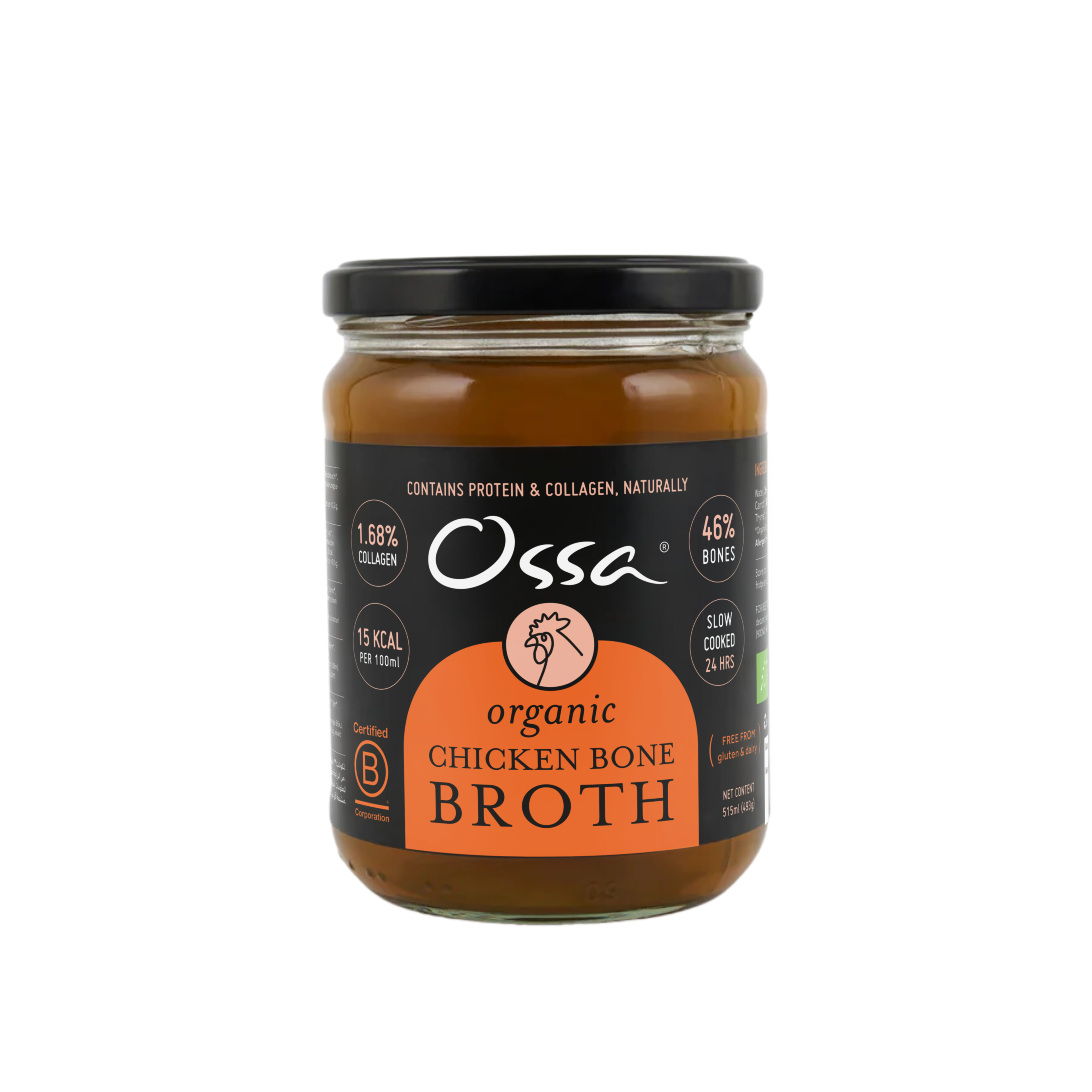
Ossa Organic sources its beef bone broth from British cows raised to grass-fed organic standards. The slow-cooked broth delivers collagen, minerals, and the nutritional advantages of pasture-raised animals in a form your body absorbs readily. It fits into any meal: drunk warm from a mug, added to soups, or used as a cooking base. The Organic Beef Bone Broth Ambient 515ml is the simplest way to bring grass-fed nutrition into your daily routine without planning around premium cuts. For those building a gut-health-focused diet, Ossa Organic’s gut health bundle pairs bone broth with complementary products that support digestion naturally.
FAQ
What makes grass-fed beef nutritionally different from grain-fed?
Grass-fed beef contains 2–4 grams of fat per 100 grams versus 8–12 grams in grain-fed beef, with a better omega-6 to omega-3 ratio of approximately 2:1 to 3:1 and roughly three times more vitamin E. The leaner profile and improved fatty acid composition are the primary nutritional distinctions.
Is grass-fed dairy better than grass-fed beef for omega-3 intake?
Yes. Because most people consume dairy daily, switching to 100% grass-fed dairy has a greater impact on overall omega-3 intake than occasional grass-fed beef. Three daily servings of 100% grass-fed dairy can supply up to 58% of daily omega-3 needs.
Does grass-fed mean the same thing on every product label?
No. “100% grass-fed” and “grassmilk” confirm no grain supplementation at any stage. Generic “grass-fed” labels may permit grain feeding during winter months. Always check for specific certification rather than relying on the label alone.
Are grass-fed products better for the environment?
Well-managed grass-fed systems that use regenerative grazing practices can sequester approximately 1% of soil organic matter annually and support biodiversity. However, the environmental benefit depends on land management quality, not the grass-fed label alone.
Is grass-fed beef worth the higher price?
Grass-fed mince and slow-cook cuts such as brisket and shin offer the same nutritional advantages as premium steaks at significantly lower cost. Prioritising these cuts makes grass-fed nutrition accessible without a large increase in food spending.
Recommended