TL;DR:
- Organic health foods reduce pesticide exposure by prioritizing certified organic produce and animal products. Buying organic for high-residue items like strawberries, spinach, and meats significantly lowers chemical intake and supports better health. Using the Dirty Dozen list helps consumers make informed, budget-friendly organic choices for daily eating.
Organic health foods are foods produced without synthetic pesticides, chemical fertilisers, or genetically modified organisms, and they offer a measurable advantage in reducing chemical exposure while supporting a varied, nutrient-rich diet. The term “certified organic” carries legal weight. It is not a marketing phrase. Detectable pesticide residues appear on approximately 11% of organic foods compared to 46% of conventional foods. That gap matters most for families with young children, whose developing bodies are more sensitive to chemical exposure. Choosing organic is not about perfection. It is about making informed choices that reduce risk and support long-term well-being.
1. What are organic health foods and why do they matter?
Organic health foods are defined by what they exclude. No synthetic pesticides, no chemical fertilisers, no antibiotics, no added hormones, and no genetically modified ingredients. The USDA organic certification requires strict oversight of production methods from soil management through to packaging. That certification is the clearest signal a product meets regulated standards.
The nutritional case for organic is more nuanced. Organic produce may contain slightly higher levels of certain vitamins, minerals, and phytonutrients compared to conventional equivalents. The difference is modest. What matters more is the overall quality and variety of your diet, not whether every item carries an organic label.
The strongest argument for organic eating is reduced chemical exposure. When children switch to organic diets, their urinary pesticide concentrations drop significantly. That evidence is consistent and worth acting on, particularly for households with young children.
2. Top organic foods to prioritise on your grocery list
The most practical approach to organic eating starts with knowing which foods carry the highest pesticide loads when grown conventionally. The Environmental Working Group publishes an annual Dirty Dozen list. Prioritising organic versions of those items delivers the greatest reduction in pesticide exposure per pound spent.
Fruits and vegetables to buy organic:
-
Strawberries, spinach, and kale consistently top the Dirty Dozen list
-
Apples, grapes, and bell peppers carry high residue rates when conventionally grown
-
Blueberries, peaches, and cherries are worth buying organic when budget allows
-
Avocados, sweet corn, and pineapples appear on the Clean 15 and are lower risk when conventional
Whole grains, legumes, and nuts:
-
Organic oats, brown rice, and quinoa provide fibre without pesticide residue concerns
-
Lentils, chickpeas, and black beans are affordable organic staples with strong fibre profiles
-
Almonds, walnuts, and cashews offer unsaturated fats from plant sources that reduce chronic disease risk when they replace saturated fats
Organic animal products:
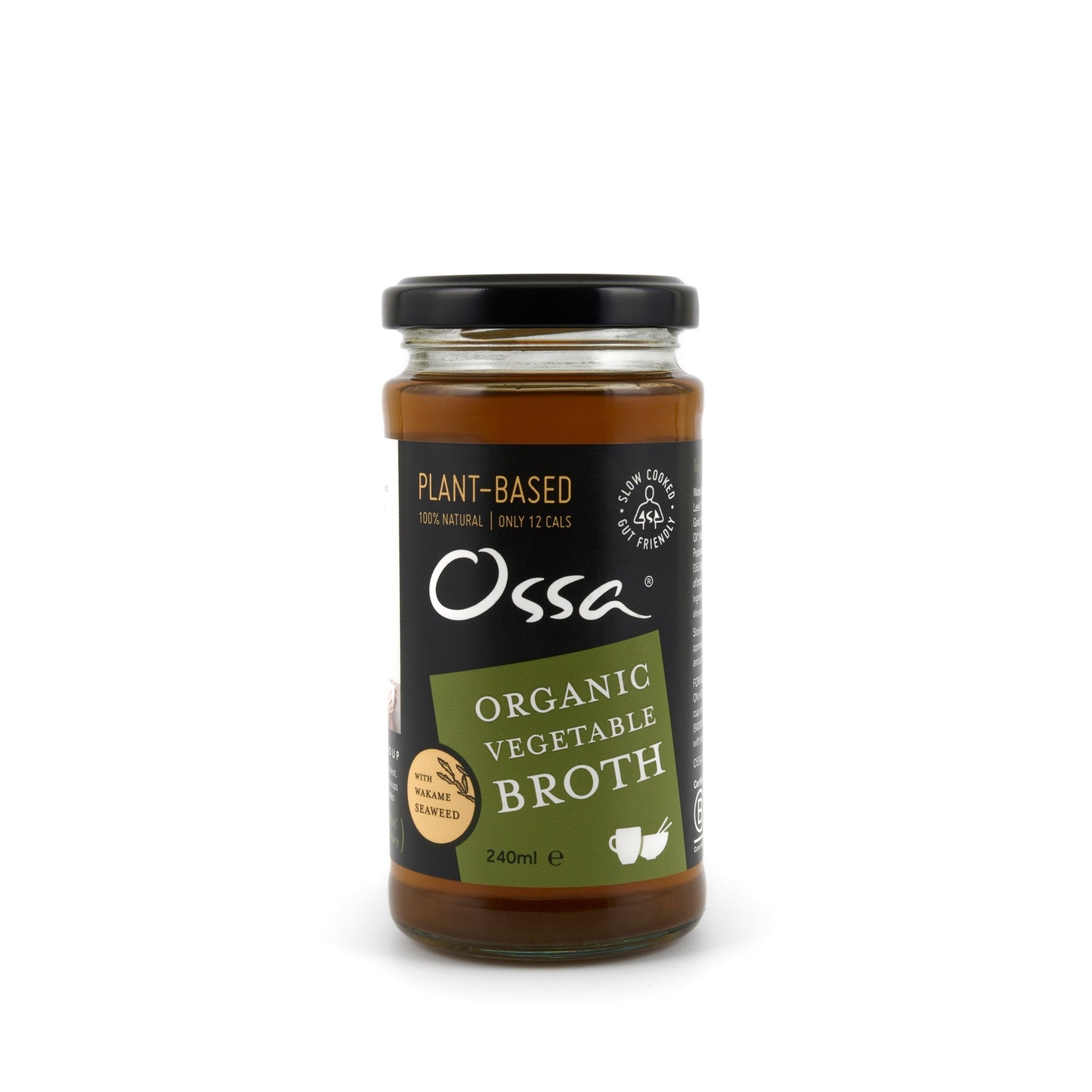
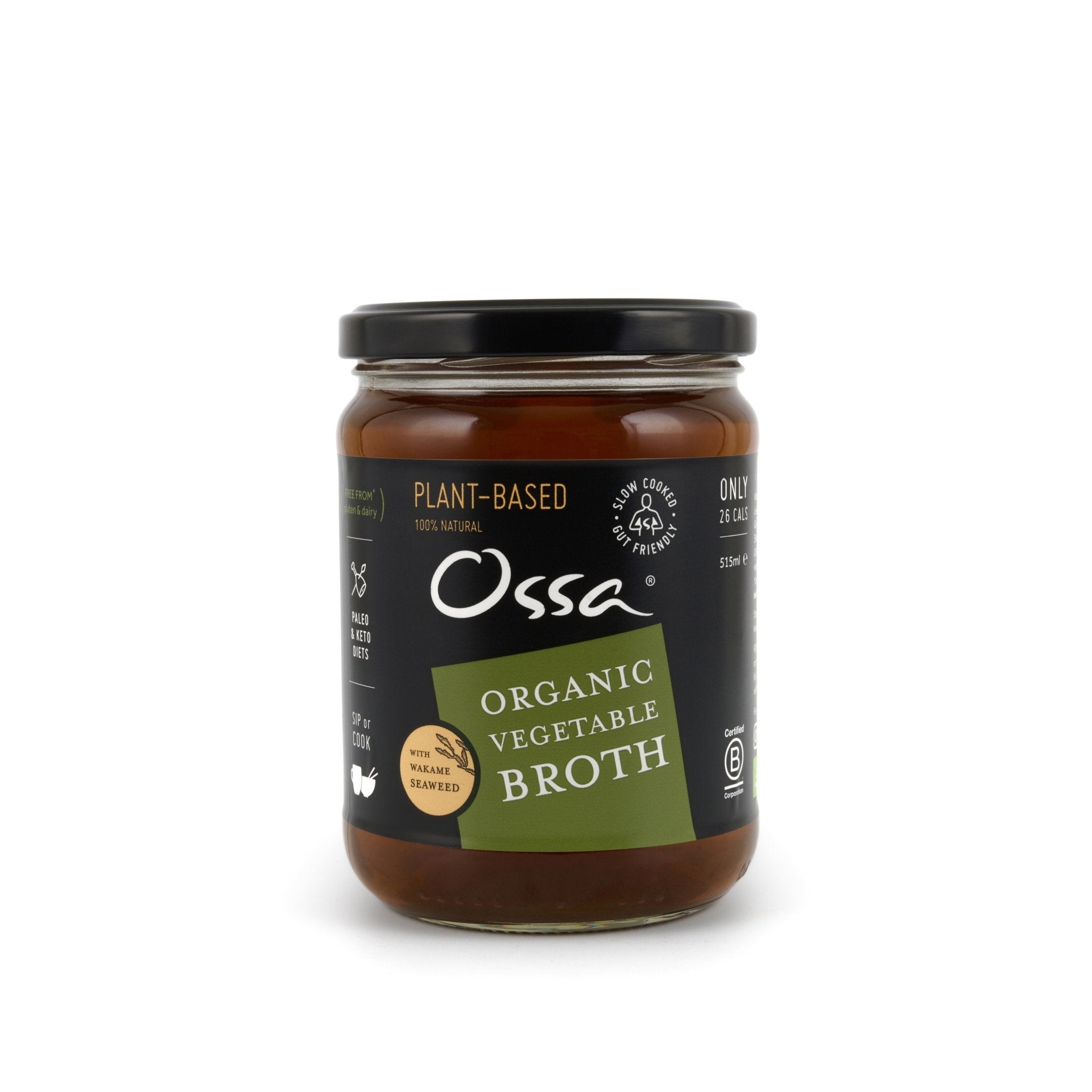
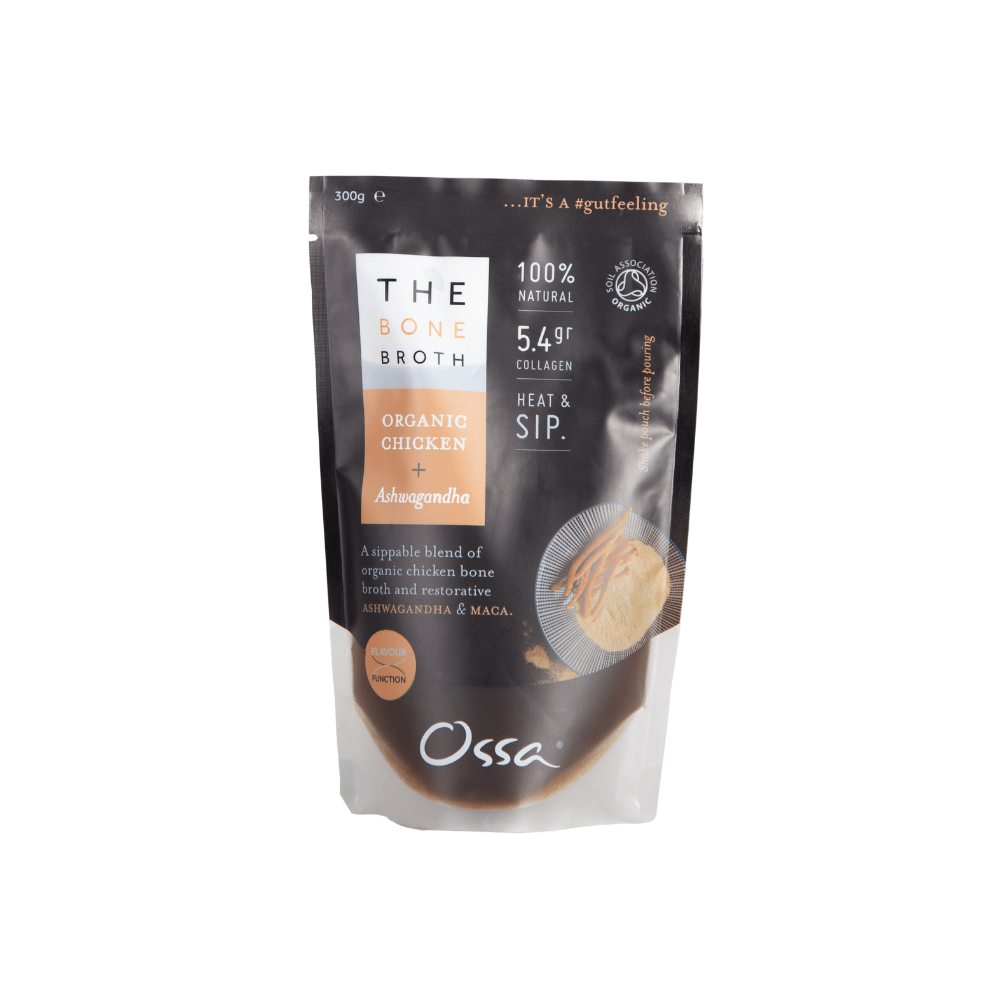
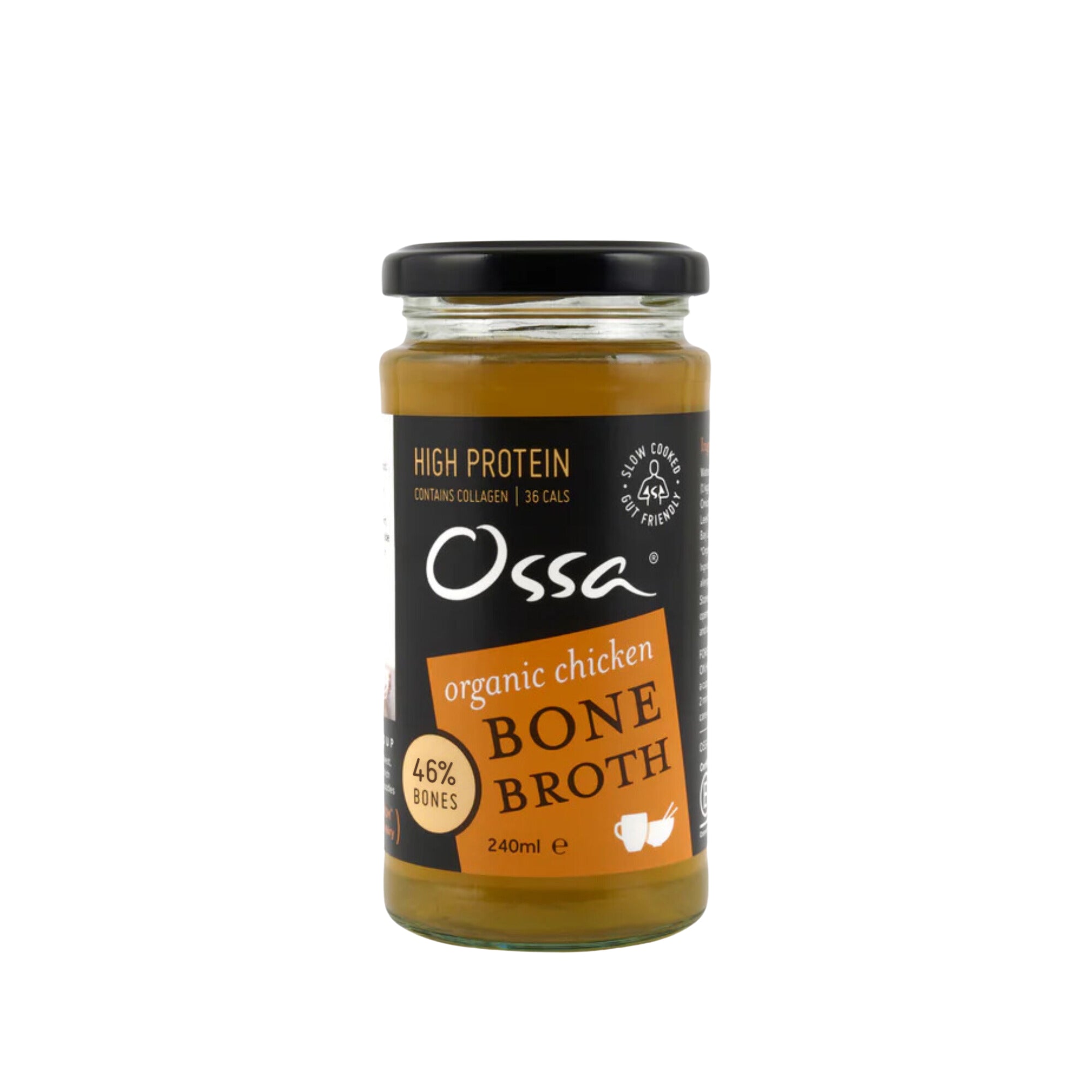
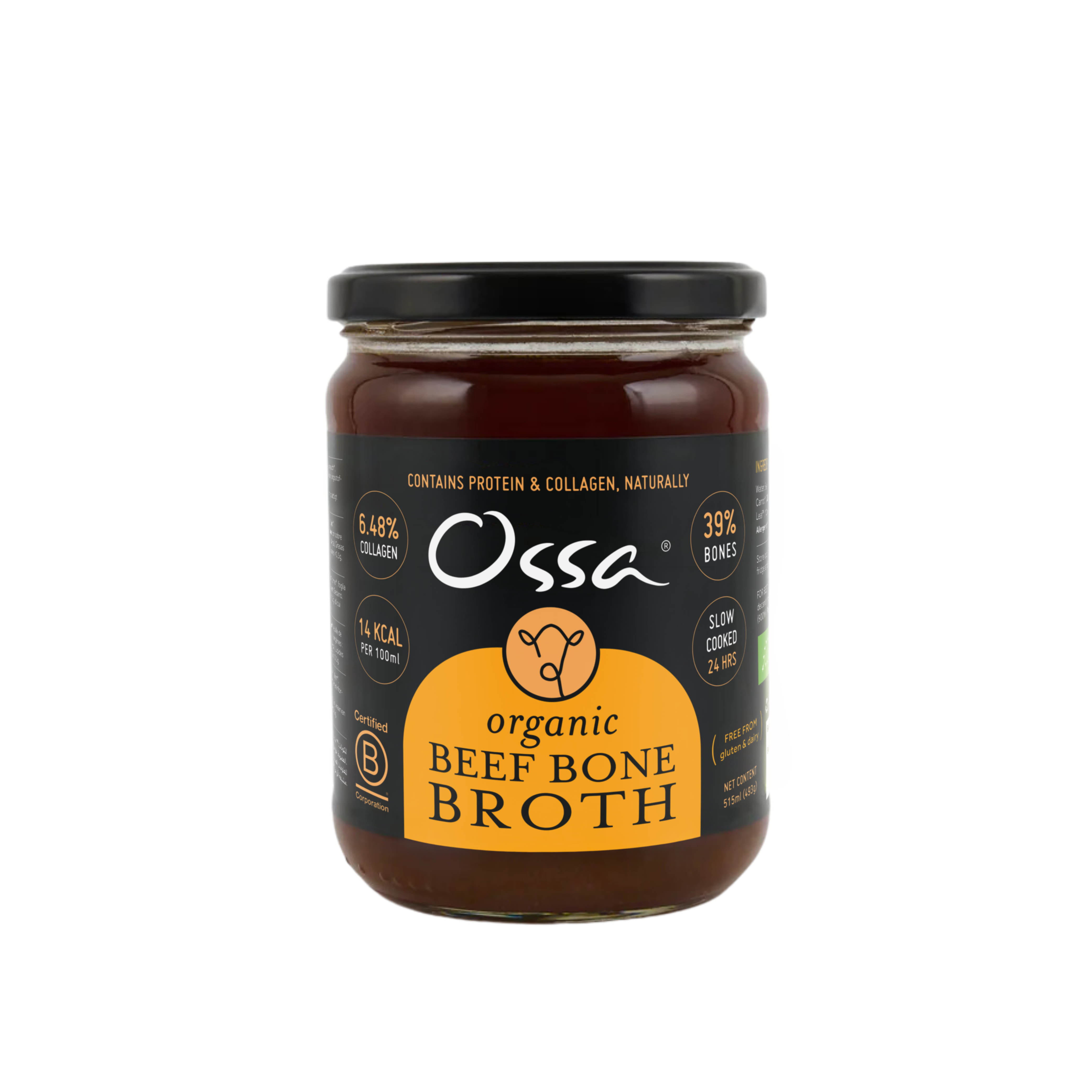
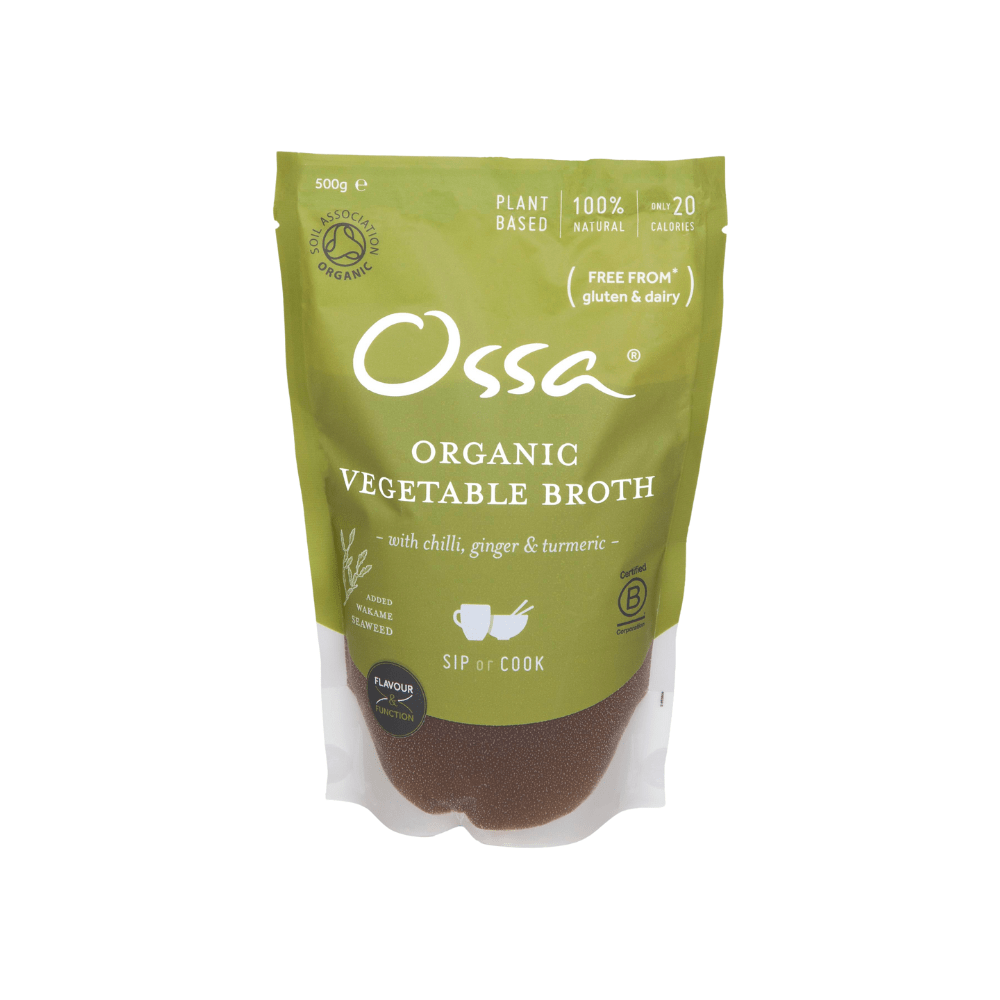
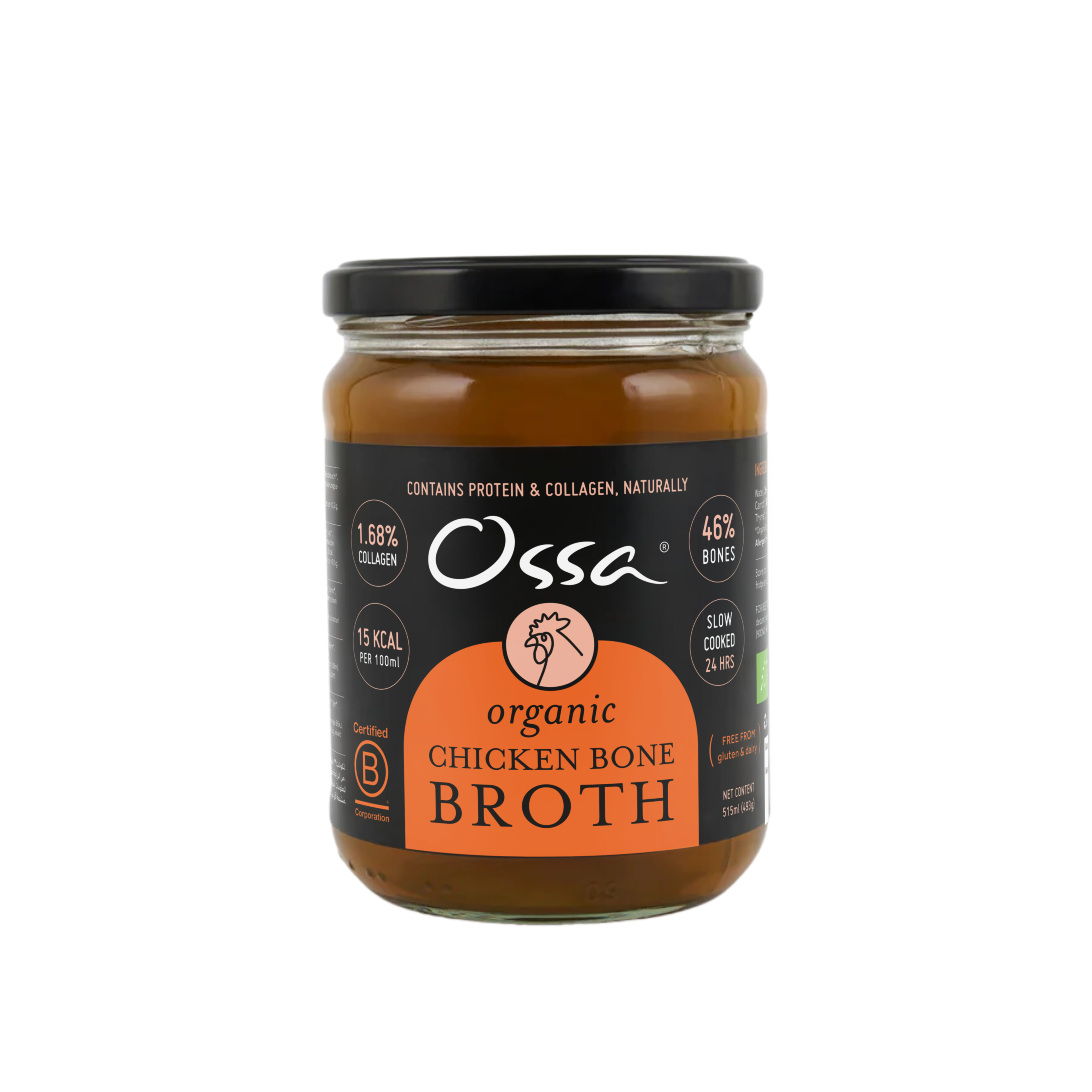
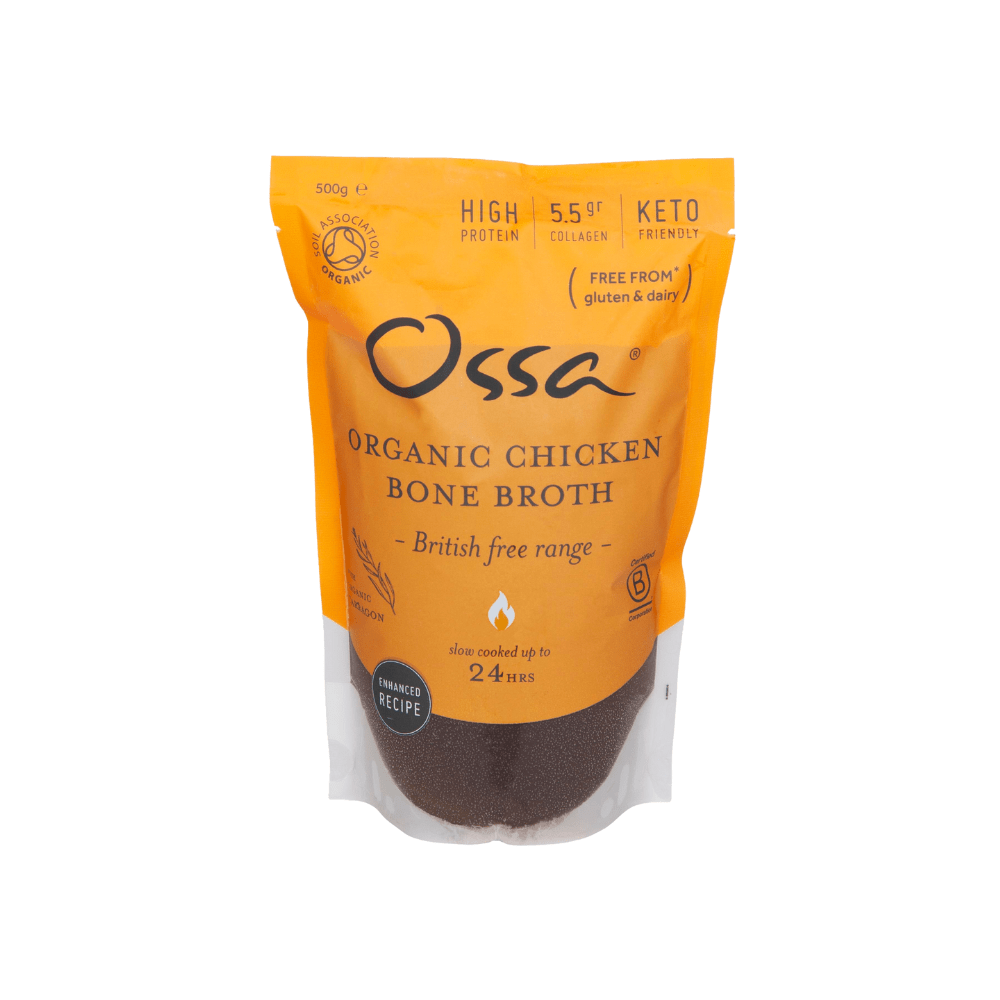
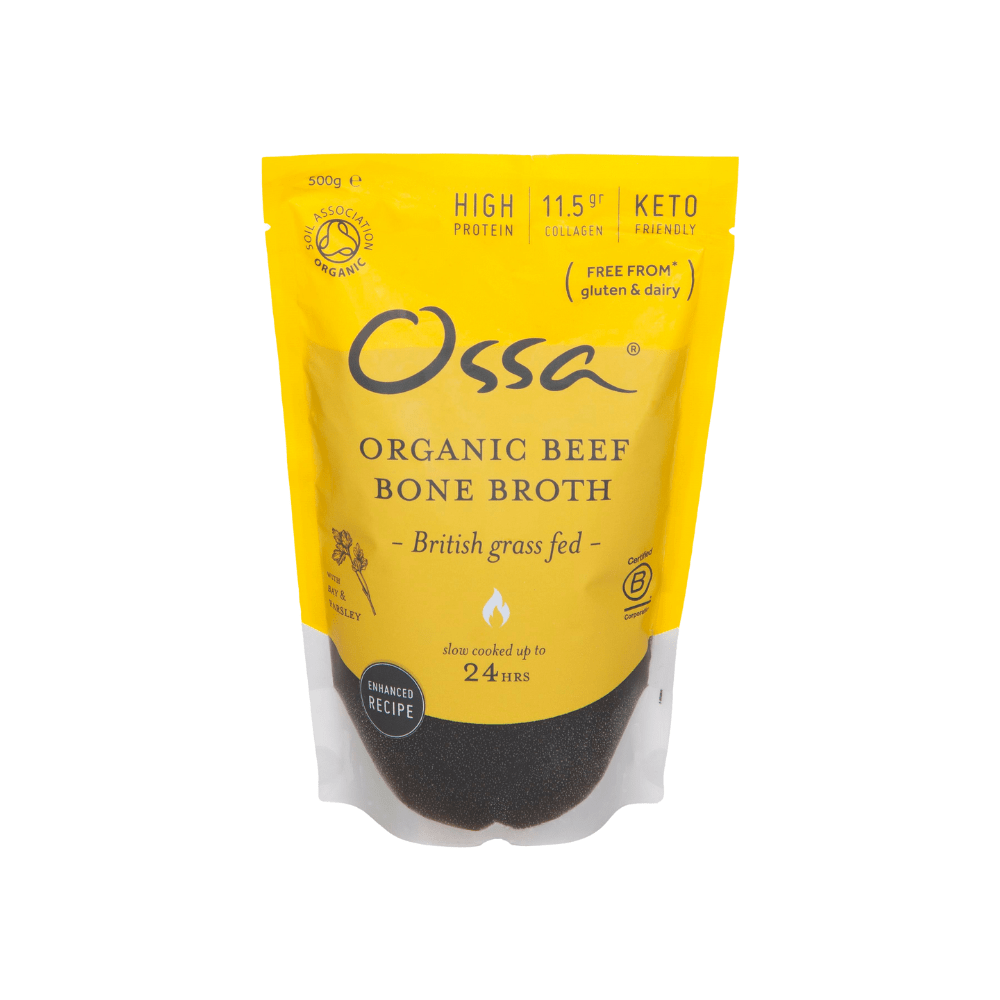
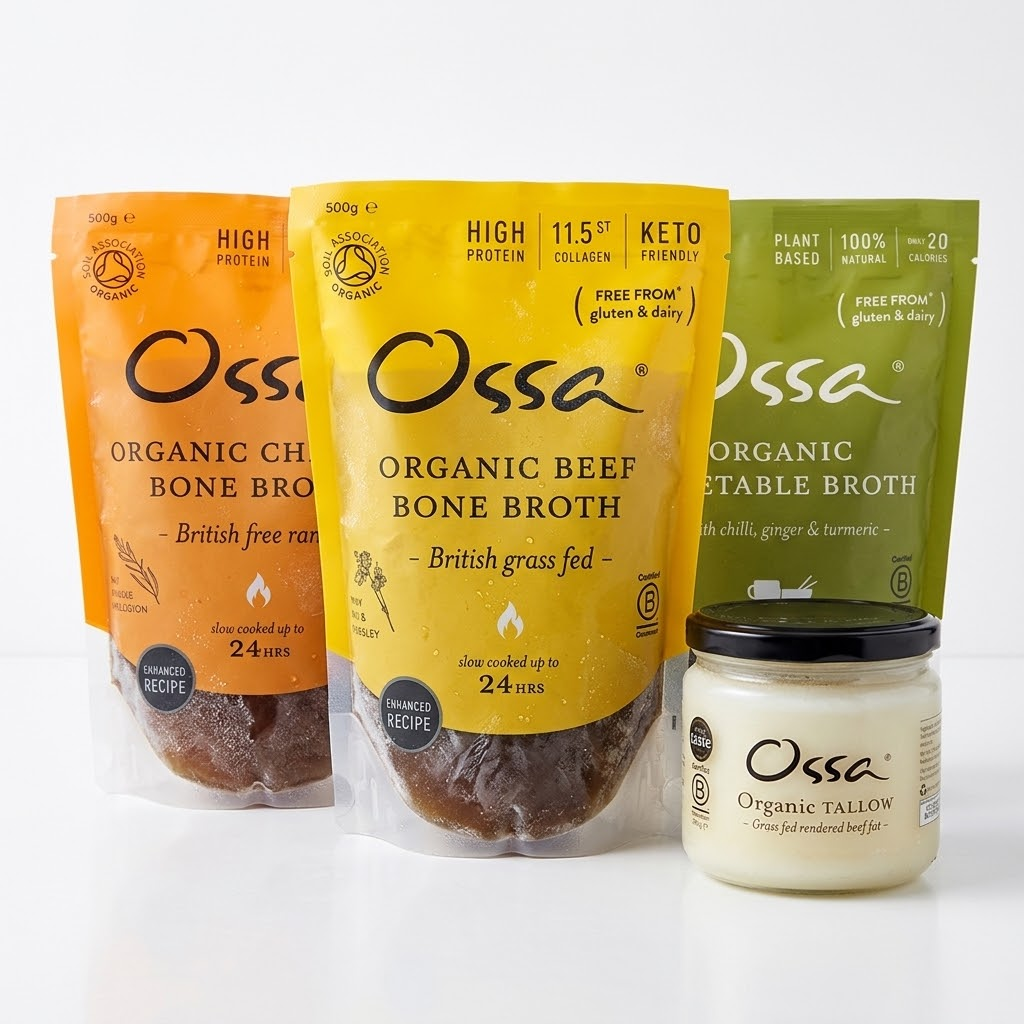
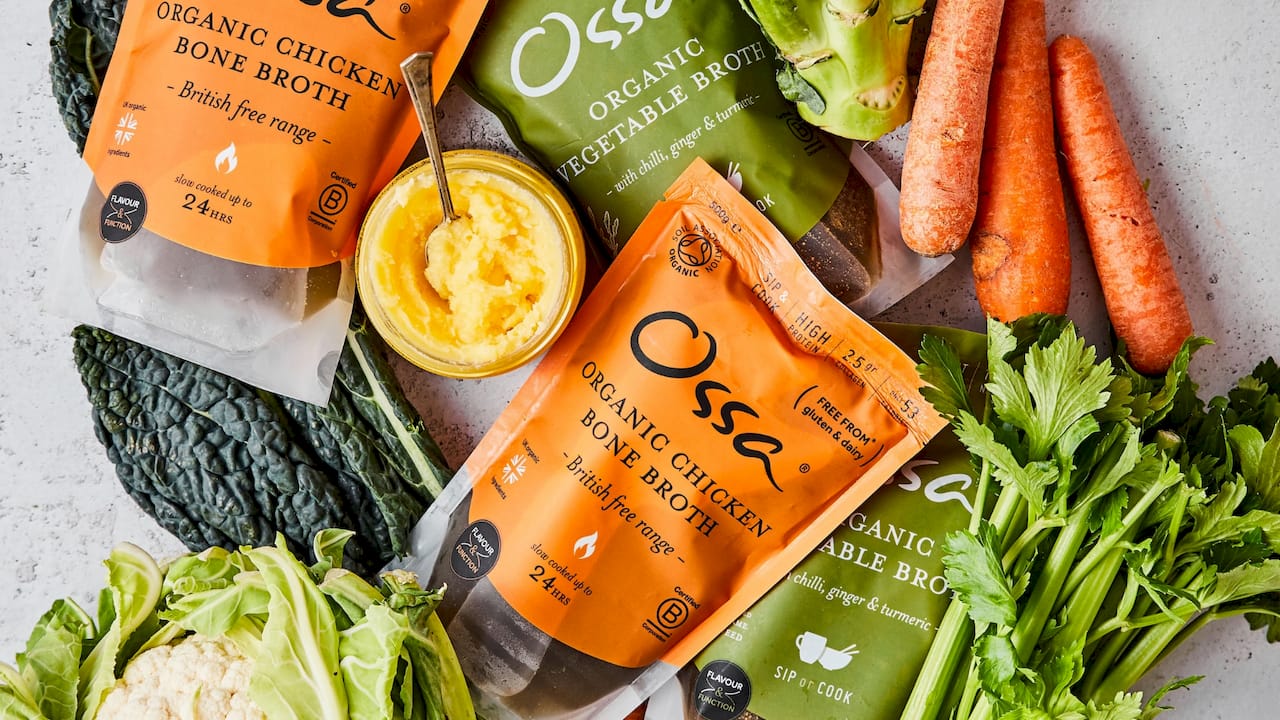
Organic animal products exclude added hormones and antibiotics, which is the primary reason to choose them over conventional equivalents. Organic beef, chicken, eggs, and dairy carry a cleaner production profile. Bone broth made from organic, pasture-raised bones is one of the most nutrient-dense ways to use animal products. Ossa Organic’s approach to slow-cooked broths reflects exactly this principle.
The WHO recommends that adults consume at least 25 grams of dietary fibre daily from whole grains, fruits, vegetables, and pulses. Organic versions of these foods deliver that fibre without the pesticide residue burden of conventional alternatives.
Pro Tip: Build your organic grocery list around the Dirty Dozen first. Buy conventional for Clean 15 items and redirect the savings toward organic meat, dairy, or eggs.
3. What are the healthiest organic snacks and how to choose them?
The healthiest organic snacks share three characteristics: whole-food ingredients, low added sugar, and no synthetic preservatives. Many products labelled “natural” do not meet these criteria. Reading the ingredient list rather than the front-of-pack marketing claim is the only reliable method.
What to look for in an organic snack:
-
Certified organic seal on the packaging, not just “made with organic ingredients”
-
Five or fewer recognisable ingredients as a general indicator of minimal processing
-
No added syrups, artificial sweeteners, or refined grain flours as primary ingredients
-
A protein or fat source to support sustained energy rather than a quick sugar spike
Reliable organic snack categories:
-
Organic granola made with whole rolled oats, raw honey, and seeds
-
Organic nut butter pouches with no added oils or sweeteners
-
Organic soft-baked oat bars using fruit as the primary sweetener
-
Whole-food superfood supplements that concentrate organic fruit and vegetable nutrition in a convenient format
-
Raw organic nuts and seeds as the simplest and most reliable option
The ingredient purity difference between organic and conventional snacks is measurable. Organic children’s snack bars contain up to 65% lower levels of heavy metals than conventional adult bars. That finding reflects the stricter sourcing standards applied to certified organic ingredients.
For families, the snack category is where organic certification delivers the clearest benefit. Children consume snacks frequently, and cumulative exposure to heavy metals and pesticide residues adds up over time. Choosing certified organic snacks for children is one of the highest-return decisions a household can make.
Pro Tip: Ignore the word “natural” on snack packaging entirely. It has no legal definition and no regulatory oversight. Only the certified organic seal carries enforceable standards.
4. How to source certified organic foods with confidence
Sourcing genuine organic products requires understanding what certification actually means. A certified organic label is a legally regulated claim. It means the product has been produced according to defined standards and verified by an accredited certifying body. The label “natural” carries no such requirement.
Understanding organic certification labels
The USDA Organic seal is the most widely recognised standard. Products labelled “100% Organic” contain only organic ingredients. Products labelled “Organic” must contain at least 95% organic ingredients. Products labelled “Made with Organic Ingredients” need only 70% organic content. That distinction matters when you are buying processed foods rather than whole produce.
Certified organic labels provide a regulated signal that helps you avoid synthetic chemicals and genetically modified ingredients. No other label on a food product offers the same level of verified assurance.
Buying organic on a budget
Organic foods cost more due to certification requirements and more labour-intensive farming practices. That cost difference is real, and it shapes how most households approach organic buying. The practical solution is selective purchasing rather than all-or-nothing thinking.
The Dirty Dozen and Clean 15 lists are the most effective budget tools available. Published annually by the Environmental Working Group, they rank produce by pesticide residue levels. Buying organic for Dirty Dozen items and conventional for Clean 15 items reduces pesticide exposure significantly without doubling your food bill.
| Label or term |
What it means |
Regulatory status |
| Certified Organic |
Produced to regulated organic standards, verified by an accredited body |
Legally regulated |
| 100% Organic |
All ingredients are certified organic |
Legally regulated |
| Made with Organic Ingredients |
At least 70% organic content |
Legally regulated, partial |
| Natural |
No defined standard, no verification required |
Not regulated |
| Free Range |
Refers to animal welfare access, not organic production |
Partially regulated |
| Non-GMO |
No genetically modified ingredients, but pesticides may still be used |
Independently verified |
Pro Tip: When buying processed organic products, check the ingredient list for the percentage of organic content. A product with “organic” in the name may contain as little as 70% organic ingredients.
For detailed guidance on reading labels and verifying organic credentials, Ossa Organic’s certified organic produce guide covers the full verification process.
5. Simple ways to add organic foods to everyday meals
Incorporating organic ingredients into daily meals does not require a complete dietary overhaul. Small, consistent substitutions build a genuinely organic diet over time. The most effective approach is to start with the meals you already cook and swap in organic versions of the highest-priority ingredients.
1. Organic breakfasts that take under ten minutes
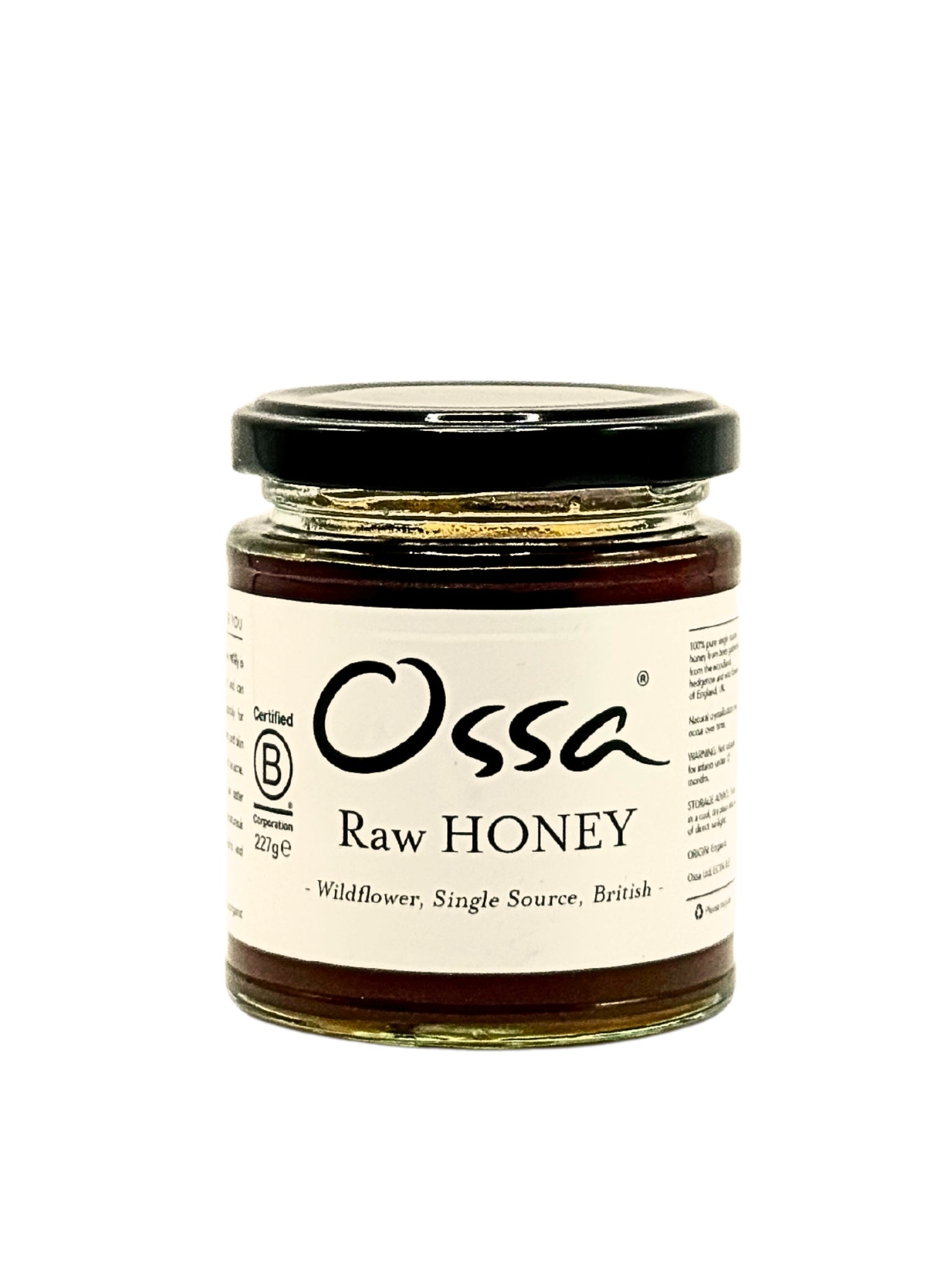
Organic porridge made with whole rolled oats, topped with organic berries and a spoonful of raw honey, delivers fibre, antioxidants, and natural sugars in one bowl. Organic eggs scrambled with spinach and served on whole grain toast cover protein, iron, and B vitamins. Both meals take less than ten minutes and require no specialist ingredients.
2. Organic bone broth as a daily nutrition base
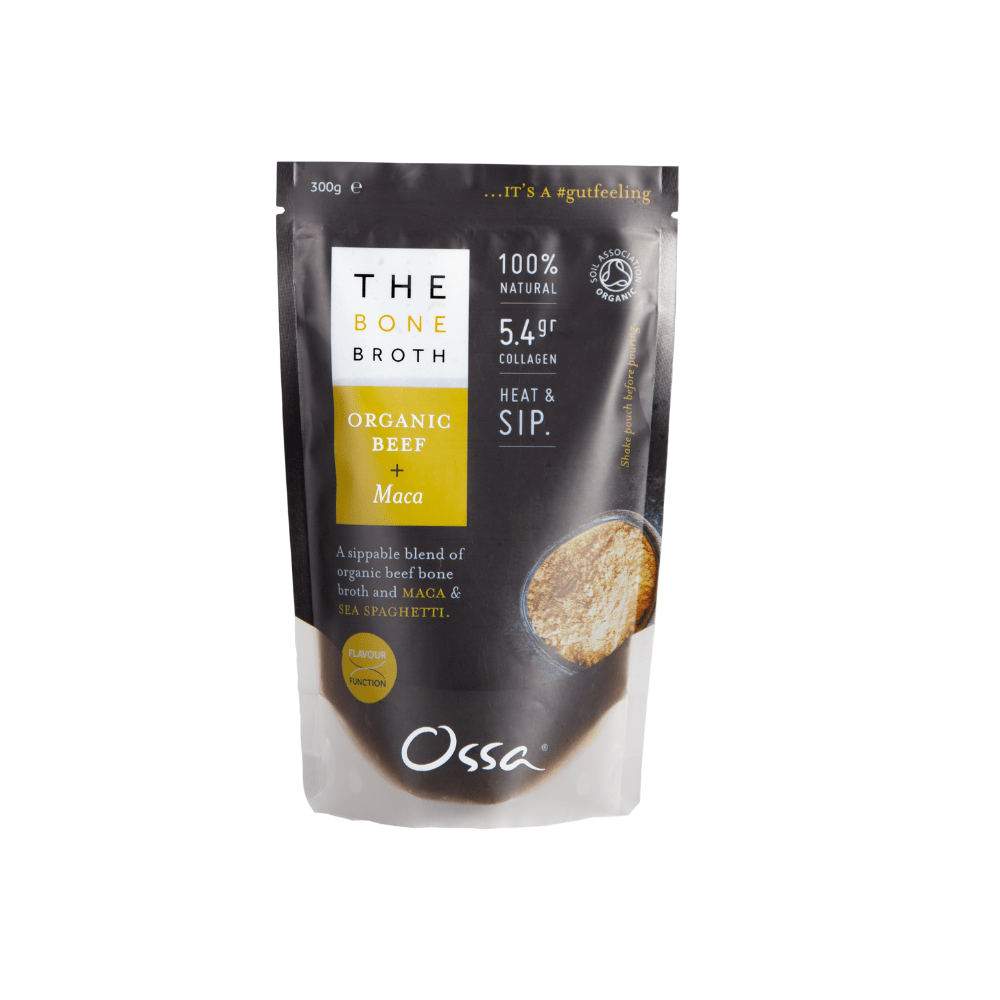
Organic bone broth is one of the most versatile and nutrient-dense ingredients you can keep in your kitchen. Use it as the liquid base for soups, stews, and risottos instead of water or conventional stock. It adds collagen, minerals, and depth of flavour without any synthetic additives. Ossa Organic produces slow-cooked broths from certified organic, pasture-raised bones, and a single 515ml carton of organic beef bone broth is enough to form the base of a family meal.
3. Organic lunch meal prep for the working week
Batch-cooking organic grains and legumes on a Sunday reduces daily preparation time significantly. Cook a large pot of organic brown rice, lentils, or quinoa and portion it into containers. Pair with organic roasted vegetables, a tahini dressing, and organic leafy greens for a complete lunch that keeps for four days in the refrigerator.
4. Organic dinners built around whole ingredients
Organic chicken thighs roasted with organic root vegetables and herbs is a straightforward dinner that requires minimal preparation. Swapping conventional mince for organic grass-fed beef in a bolognese or chilli changes the hormone and antibiotic profile of the meal without changing the cooking method. These are not new recipes. They are familiar meals made with better ingredients.
5. Using organic fats and oils correctly
Replacing saturated fats with unsaturated fats from organic plant-based sources reduces chronic disease risk. Organic extra virgin olive oil, organic avocado oil, and organic nut butters are the most practical sources. Use them in dressings, for light cooking, and as spreads rather than relying on processed alternatives. The role of healthy fats in a balanced organic diet is often underestimated.
6. Organic meal prep principles that actually work
Consistency in organic eating depends on preparation. Keep a standing organic grocery list of staples: oats, eggs, seasonal vegetables, a protein source, and a broth. Rotate the protein and vegetables weekly to maintain variety. Prepare sauces and dressings in advance using organic oils, vinegars, and herbs. The goal is to make the organic choice the easy choice at every meal.
Key takeaways
Organic health foods reduce pesticide exposure most effectively when you prioritise certified organic versions of high-residue produce, choose organic animal products, and read certification labels carefully rather than relying on unregulated marketing terms.
| Point |
Details |
| Pesticide reduction is the clearest benefit |
Organic foods carry an 11% residue rate versus 46% for conventional produce. |
| Certification label matters |
Only “Certified Organic” and “100% Organic” carry full regulatory oversight. |
| Use the Dirty Dozen list |
Prioritise organic for high-residue items to reduce exposure without overspending. |
| Overall diet quality is the priority |
Organic status alone does not determine health outcomes; variety and fibre intake matter more. |
| Organic animal products carry specific advantages |
They exclude added hormones and antibiotics, which conventional equivalents do not. |
Why I think the organic conversation is missing its most important point
The debate about organic food tends to get stuck on whether organic produce is nutritionally superior to conventional. That is the wrong question. The nutritional differences are modest and inconsistent. The real case for organic eating is about what you are not consuming: synthetic pesticides, added hormones, antibiotics, and genetically modified ingredients.
At Ossa Organic, we have lived this way for years. The decision to eat mostly organic was not driven by a belief that organic strawberries contain more vitamin C. It was driven by a straightforward desire to reduce the chemical load on our family’s bodies, particularly for our children. That motivation is practical, not ideological.
The budget concern is real and deserves honest acknowledgement. Not every household can afford to buy everything organic. The Dirty Dozen list exists precisely for this reason. Spend your organic budget where it counts most: strawberries, spinach, apples, and animal products. Buy conventional avocados and sweet corn without guilt.
The other point worth making is that organic eating is not a substitute for a good diet. A diet of organic biscuits and organic crisps is still a poor diet. The organic label improves the safety profile of a food. It does not change whether that food belongs in your daily meals. Whole organic foods, cooked simply and eaten regularly, are what actually move the needle on long-term health.
— Ossa Organic
Ossa Organic’s certified range for everyday organic eating
Ossa Organic produces certified organic bone broths made from pasture-raised animals using traditional slow-cooking methods. The range includes organic chicken bone broth and organic beef bone broth, both ambient and ready to use as a meal base, a warm drink, or a gut-health supplement. Ossa Organic is B Corp certified, reflecting a commitment to production standards that go beyond the organic label. For readers beginning a more structured approach to gut health, the 14-day gut reset programme provides a practical framework using organic whole foods and broth.
FAQ
What makes a food officially “organic”?
A food is officially organic when it has been produced according to certified organic standards and verified by an accredited certifying body. In the UK and US, this means no synthetic pesticides, chemical fertilisers, GMOs, antibiotics, or added hormones.
Organic foods cost more due to certification and farming practices, but the benefit is clearest for high-residue produce and animal products. Using the Dirty Dozen list to guide purchases delivers the greatest pesticide reduction per pound spent.
What is the difference between “organic” and “natural” on a food label?
“Organic” is a legally regulated term requiring certification and verified production standards. “Natural” has no legal definition and no regulatory oversight, meaning any product can use it regardless of how it was produced.
Which organic snacks are best for children?
Certified organic snack bars, whole organic fruit, organic nut butters, and organic oat-based snacks are the strongest choices. Organic children’s snack bars contain up to 65% lower levels of heavy metals than conventional adult bars, making certification particularly valuable in this category.
How do I start building an organic grocery list on a budget?
Start with the Dirty Dozen produce items and organic versions of the animal products you use most frequently. Buy conventional for Clean 15 items. Organic oats, lentils, and eggs are affordable organic staples that cover fibre, protein, and essential nutrients without a significant cost premium.
Recommended