A whole foods diet is built on ingredients that are close to how they came from the farm, field or tree: vegetables, fruit, pulses, nuts, seeds, wholegrains, eggs, and unprocessed meat and fish. You do not need to cut everything else out on day one. The simplest way to begin is to cook more meals from single ingredients, change one habit a week, and raise your fibre slowly. This guide explains what counts, what to buy, how to start over four weeks and what a first week can look like. It is written for people who want organic, natural food on the table at home.
Ossa Organic
Bring Slow-Cooked Broth to Your Kitchen
Ossa Organic makes food with organic ingredients and slow cooking techniques, rooted in tradition for everyday nourishment.
TL;DR
- A whole food is minimally processed and has no added sugar, salt, fat or additives. There is no official list, so use the label as your test: a short ingredient list you recognise.
- Start with swaps, not a clear-out. Change breakfast first, then lunch, then the weekday dinners, then snacks.
- Raise fibre and fluids gradually over several weeks to avoid gas and bloating.
- Aim for at least 5 portions of fruit and vegetables a day, with wholegrain starchy foods making up just over a third of what you eat.
- Batch-cook a base once a week (a pot of broth, a tray of roast vegetables, cooked grains) and assemble meals from it.
Table of Contents
What a whole foods diet actually means
A whole food is food that has been processed as little as possible. An apple, a bag of lentils, a fillet of fish, a bunch of carrots and a block of plain cheese all sit near the whole end of the scale. A ready meal, a flavoured yoghurt, a packet of processed meat and a sugary breakfast cereal sit near the other end.
The British Heart Foundation points out that there is no official definition or list of whole foods. There is, though, general agreement on the main groups: fruit and vegetables, nuts and seeds, beans and lentils, milk, wholegrains, and unprocessed meat and fish. Products with added sugar, salt, fats or additives are generally left out.
That lack of a strict definition is useful for a beginner. It means the diet is a direction rather than a test you can fail. Each swap that moves a meal towards simpler ingredients counts.
A quick test for any product
When you are unsure, turn the pack over.
-
Count the ingredients. One to five items you would recognise from a kitchen is a good sign.
-
Look for added sugar, salt and oils. Plain oats are oats. A flavoured instant porridge pot is oats plus a list.
-
Check for preservatives and artificial ingredients. These are the things a whole foods approach tries to avoid.
-
Ask if you could make it at home. If the list contains items that are not in any home kitchen, it is further from whole food.
Cheese and plain yoghurt are often counted as whole foods because the processing is light. Yoghurts with added sugars or flavourings, and processed cheese with added oils or colourings, are not.
Whole foods, clean eating and plant-based: how they differ
These terms overlap and are often used as if they mean the same thing.
-
Whole foods diet. Emphasises minimally processed food of any kind. Plants form the bulk of the plate, and many people include eggs, fish, meat and dairy.
-
Clean eating. A looser phrase for much the same idea. It has no fixed rules.
-
Whole food, plant-based diet. A stricter version. It is built on vegetables, fruit, wholegrains, beans, nuts and seeds, and leaves out or heavily limits animal products. People following it are usually advised to take a vitamin B12 supplement.
-
Paleo-style eating. Centres on meat, fish, eggs, vegetables, fruit, nuts and seeds, and leaves out grains and most processed foods.
British dietitians also note that plant-based does not have to mean a radical change. Both the Mediterranean diet and the UK’s Eatwell Guide can be called plant-based, even though they include some meat, fish and dairy. Plant-based does not automatically mean whole either: manufactured plant-based snacks can be high in saturated fat, sugar and salt. The label on the front tells you little. The ingredient list tells you more.
For most beginners, the middle path works best: plenty of plants, some good-quality animal foods if you eat them, and fewer packaged products.
What to eat and what to limit
The NHS advice on a balanced diet fits a whole foods approach closely, and it is a good frame for your first weeks.
Foods to build your meals around
-
Vegetables and fruit. The NHS recommends at least 5 portions a day. A portion is 80g of fresh fruit or vegetables, 30g of dried fruit or 150ml of juice, and juice counts once however much you drink. Frozen and tinned (in water, without added sugar or salt) both count.
-
Wholegrain starchy foods. Wholemeal bread, brown rice, wholewheat pasta, oats and potatoes with their skins on. The NHS suggests starchy foods make up just over a third of what you eat, choosing wholegrain where possible.
-
Pulses. Lentils, chickpeas, beans and split peas. Cheap, filling and high in fibre.
-
Nuts and seeds. Unsalted and unflavoured. A small handful is a portion.
-
Protein foods. Eggs, fish, unprocessed meat and, if you eat them, plain dairy products.
-
Cooking fats. Choose fats in small amounts and keep them simple. Our guide to seed oil free cooking covers the options for UK kitchens.
Foods to eat less often
The NHS advises eating foods high in fat, salt and sugar less often and in small amounts. These include cream, chocolate, crisps, biscuits, pastries, ice cream, cakes and puddings. Processed meats and sugary drinks also sit here.
Note the wording: less often, not never. The British Heart Foundation says an exclusively whole foods diet is hard to stick to because it takes more planning and preparation. Its advice is balance: add more whole foods and make healthy swaps, rather than banning everything else. Some nutrients are even easier to absorb from processed forms. Lycopene, for example, is absorbed more easily from tinned tomatoes than from fresh ones. A tin of chopped tomatoes with no additives is a perfectly good whole foods cupboard item.
Do eggs, meat and dairy count?
Yes, in their simple forms. Eggs are a common question. The British Heart Foundation describes eggs as a healthy, affordable source of protein with no recommended daily limit, and says one or two a day is unlikely to be a problem within a balanced diet. A medium egg has around 65 to 70 calories and 6 to 7g of protein.
What you cook them with matters more. Boiled or poached eggs, or eggs cooked in a little vegetable oil, are the simplest choices. Bacon and sausages add saturated fat and salt, which can raise cholesterol. So scrambled eggs are a whole food, and a scramble made with eggs, spinach and a small amount of cooking fat is a good whole foods breakfast.
One point worth knowing: fibre is found only in plant foods. Meat, fish, eggs and dairy contain none. That is why a whole foods plate puts vegetables, pulses, fruit and wholegrains in the centre and treats animal foods as one part of it.
If you have a medical condition, are pregnant, or take medication that interacts with certain foods, speak to your GP or a registered dietitian before making large changes to what you eat.
How to start: a four-week plan for beginners
The most common beginner mistake is changing everything in one weekend. A sudden jump in fibre can cause gas, bloating and changes to bowel habits. The British Dietetic Association advises increasing fruit, vegetables, wholegrains and pulses slowly over several weeks, and drinking at least 8 cups of fluid a day. The plan below follows that approach.
Week 1: breakfast and a baseline
Before you change anything, write down what you eat for three days. You are looking for the packaged items that appear most often. Then change breakfast only.
- Swap sugary cereal for plain porridge oats with fruit and a spoonful of nuts or seeds.
- Or have eggs with grilled tomatoes and wholemeal toast.
- Drink water, or unsweetened tea or coffee, with it.
One change, repeated daily, builds the habit better than ten changes tried once.
Week 2: lunch
Lunch is where convenience food creeps in. Make it from a base you prepared earlier.
- A jar of soup or broth with wholemeal bread and a boiled egg.
- A grain bowl: cooked brown rice, roast vegetables, chickpeas and a dressing of lemon juice and a little oil.
- Leftover dinner in a container, which is the cheapest whole food option there is.
If lunches are packed for school or work, our preservative free lunch ideas give family-friendly combinations.
Week 3: weekday dinners
Choose three dinners a week to cook from scratch with single ingredients. A traybake is the easiest format: chopped vegetables, a protein, a little fat and herbs on one tray. A slow-cooked stew or a pot of lentil curry makes enough for two nights.

Keep a back-up. On the evening you are too tired, a tin of beans on wholemeal toast with a side salad is still a step in the right direction.
Week 4: snacks and drinks
Snacks are the last piece because they are the hardest to plan. Look at what you reach for at 4pm and find a simpler version of it.
- Fruit with a handful of unsalted nuts.
- Raw vegetable sticks with hummus.
- Plain yoghurt with berries.
- A mug of warm broth in place of a biscuit.
For more options, see these paleo snack ideas for home, work and the lunchbox, and the healthy travel snacks list for journeys.
Shop the edges of the supermarket first: fresh produce, then eggs, fish and meat, then the dry goods aisle for pulses, oats and rice. Buy organic where your budget allows, and prioritise the foods you eat most.
| Category |
What to buy |
Why it helps |
| Vegetables |
Onions, carrots, spinach, broccoli, peppers, sweet potatoes, tinned tomatoes |
Easy base for most meals and counts towards 5 a day |
| Fruit |
Apples, bananas, berries (fresh or frozen), oranges |
Ready-to-eat snacks and breakfast toppings |
| Wholegrains |
Rolled oats, brown rice, wholewheat pasta, wholemeal bread |
Fibre and a filling base |
| Pulses |
Lentils, chickpeas, black beans (dried or tinned in water) |
Cheap protein and fibre |
| Protein |
Eggs, fish, unprocessed meat, plain yoghurt |
Simple protein with no added ingredients |
| Nuts and seeds |
Almonds, walnuts, pumpkin and sunflower seeds, unsalted |
Snacks and toppings |
| Pantry |
Herbs, spices, lemons, olive oil, vinegar, good stock or broth |
Flavour without sauces |
A useful rule is to buy ingredients, not products. Flour, not cake mix. A whole chicken, not breaded nuggets. Broth made from bones and vegetables, not a stock cube. Planning the week matters here, and our guide on how to build a weekly organic meal plan walks through the steps.
A simple week of whole foods meals
The British Nutrition Foundation’s planning advice is a handy yardstick: wholegrain and higher-fibre choices at meals and snacks, at least 30g of fibre a day, at least 5 portions of fruit and vegetables, two portions of fish a week (one of them oily), pulses, nuts and seeds, and healthier oils for cooking. The NHS adds that balance should be achieved over a day or a week, not at every meal. You do not have to hit every target daily.
Here is a sample week that follows that shape.
| Day |
Breakfast |
Lunch |
Dinner |
| Monday |
Porridge with berries and seeds |
Lentil and vegetable soup, wholemeal bread |
Roast chicken thighs, sweet potato, greens |
| Tuesday |
Eggs, tomatoes, wholemeal toast |
Leftover chicken in a grain bowl |
Chickpea and spinach curry with brown rice |
| Wednesday |
Plain yoghurt, fruit, nuts |
Bean salad with peppers and herbs |
Baked salmon, potatoes with skins, broccoli |
| Thursday |
Porridge with grated apple |
Bone broth with vegetables and a boiled egg |
Beef and vegetable stew |
| Friday |
Omelette with mushrooms |
Leftover stew with wholemeal bread |
Wholewheat pasta with tomato and lentil sauce |
| Saturday |
Eggs with avocado and rye toast |
Roast vegetable and hummus wraps |
Traybake sausages-free: chicken, carrots, onions, herbs |
| Sunday |
Pancakes made with oats, banana and egg |
Soup from the week’s leftovers |
Slow-roast joint or vegetable bake, batch-cook for Monday |
The pattern matters more than the recipes. There is a protein, a vegetable or two, and a wholegrain or pulse at most meals. For a longer version with prep notes, the sample organic meal plan for the week gives a full seven days.
The component method
Rigid plans break on the first busy evening. Instead of fixed recipes, prepare components on Sunday: a tray of roast vegetables, a pot of grains, a batch of broth, boiled eggs, a jar of dressing. During the week you combine them differently each day. Here is why the component method holds up better than a fixed menu, and how long prepared food keeps safely in the fridge and freezer.
Where Ossa Organic fits into a whole foods kitchen
Some whole foods take time to make at home. Bone broth simmers for many hours. Good cooking fats can be hard to find without additives. This is where we can take some of the work out of your week.
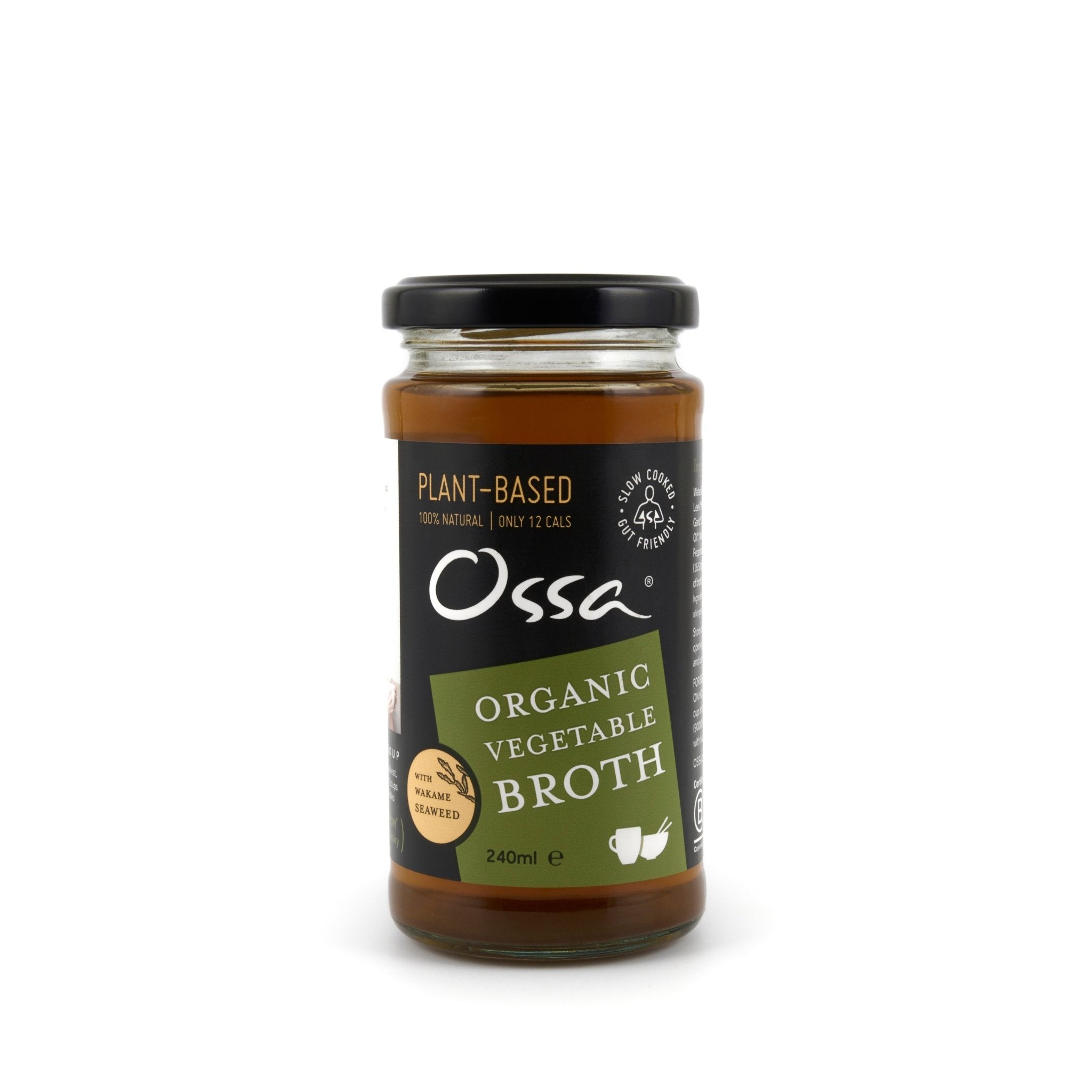
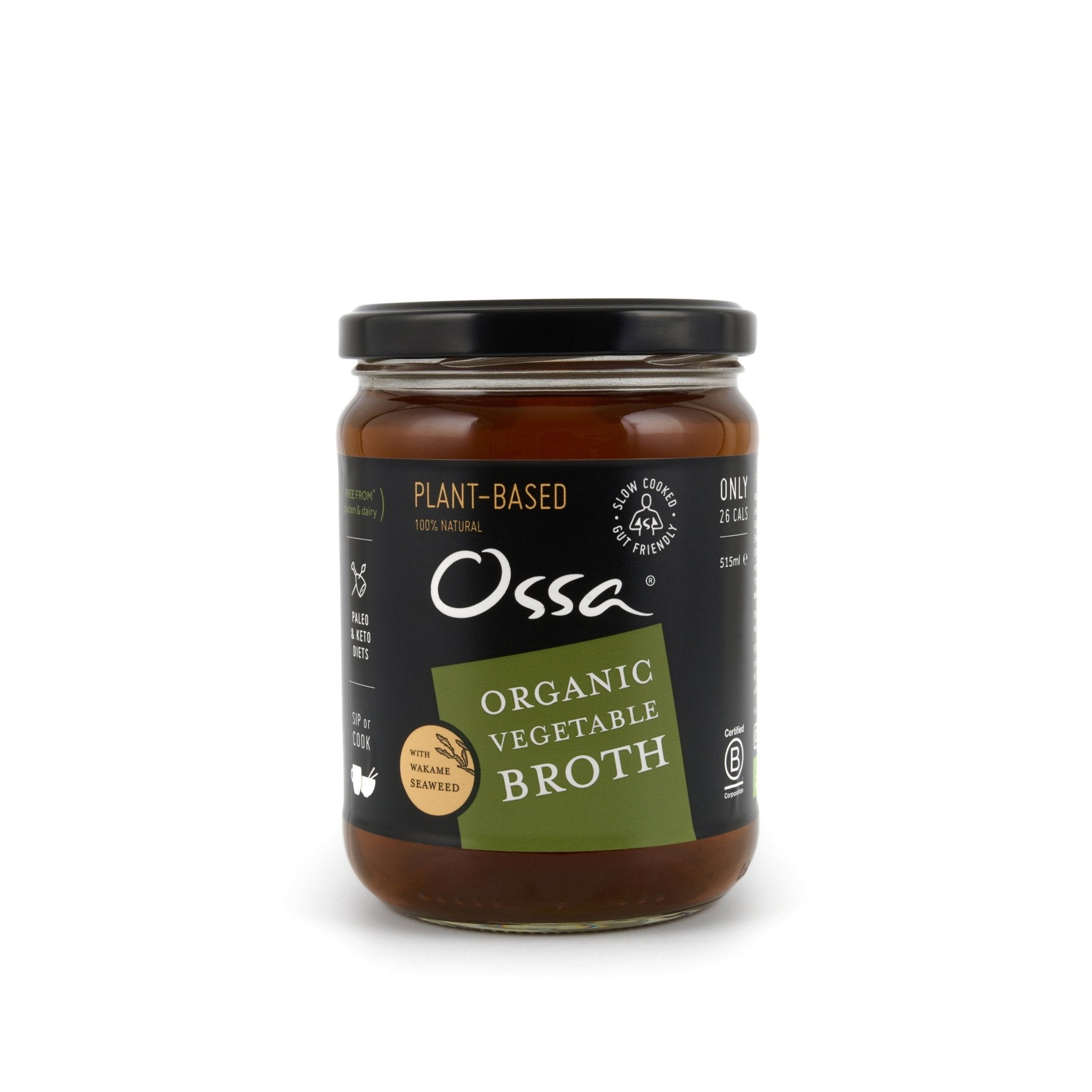
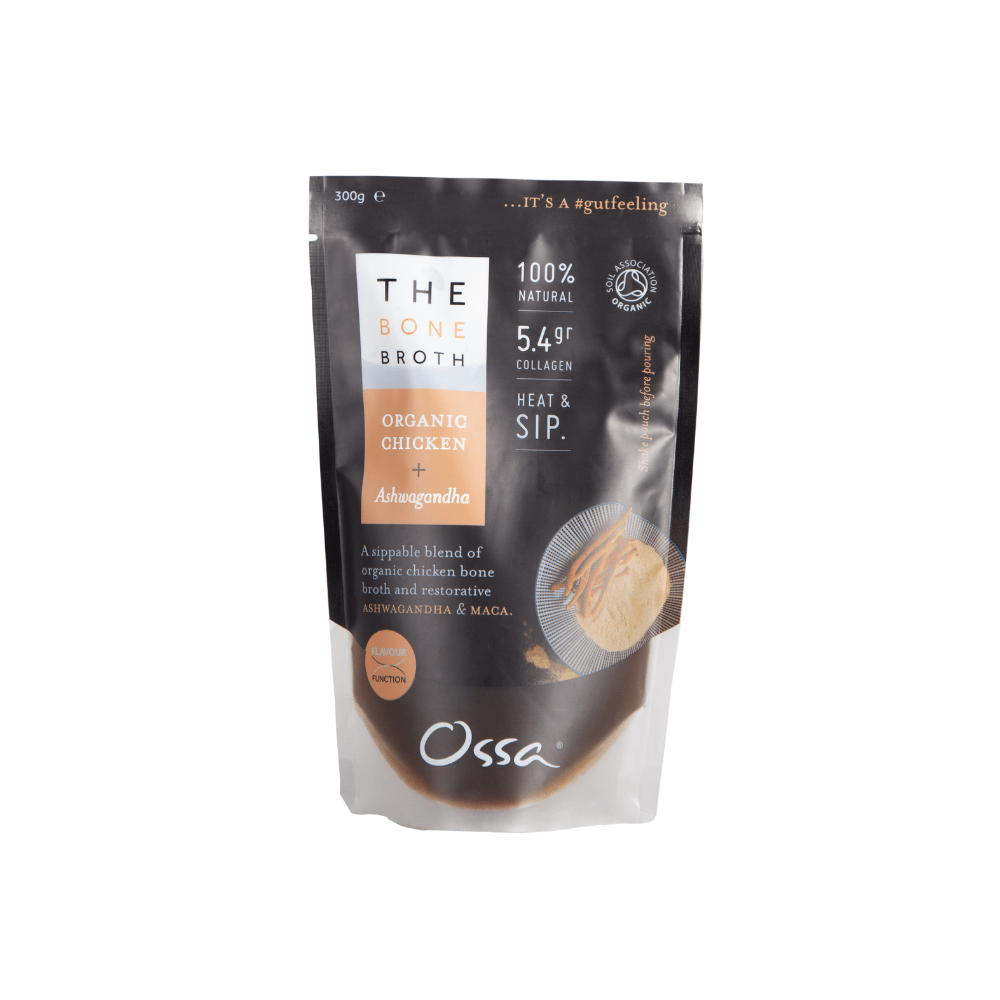
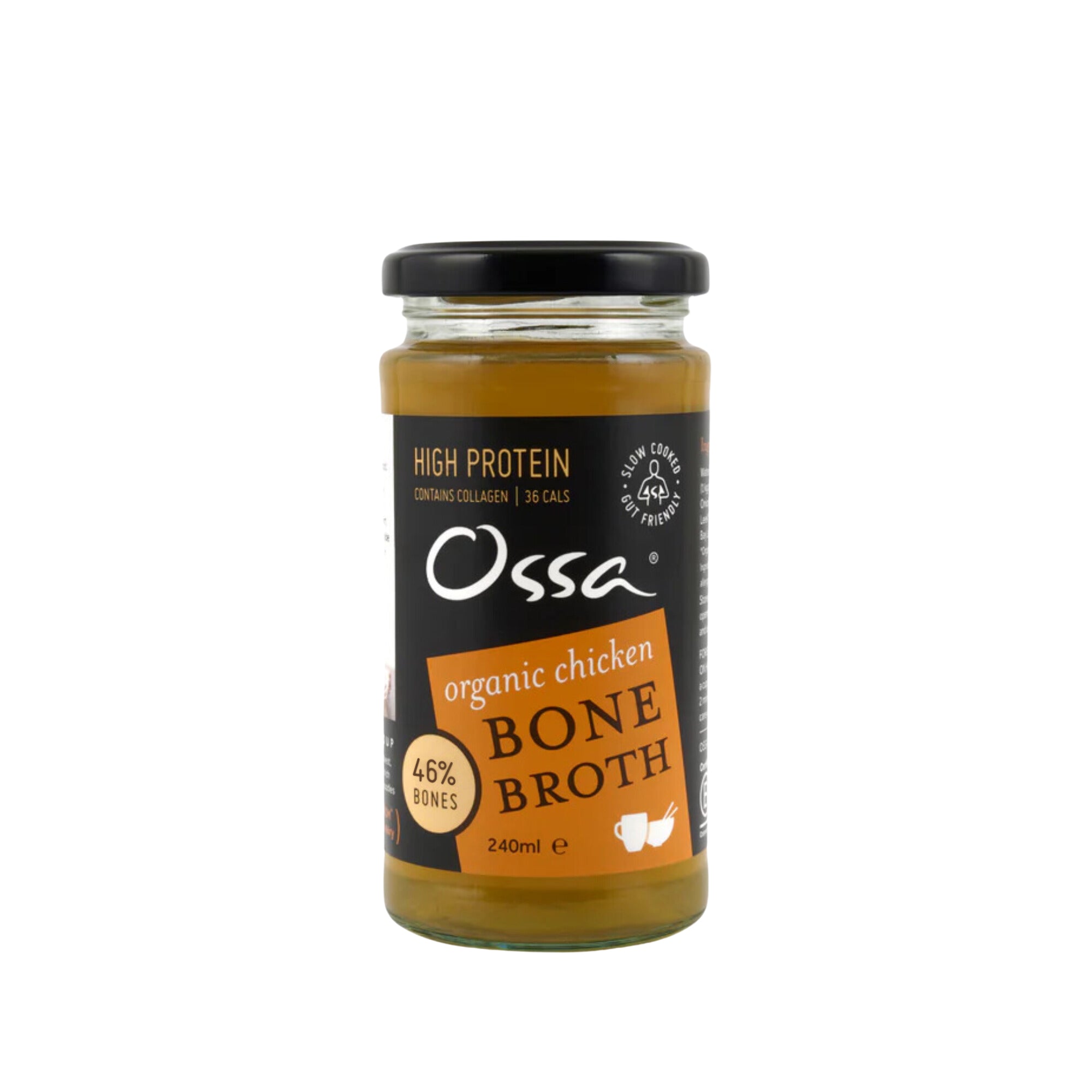
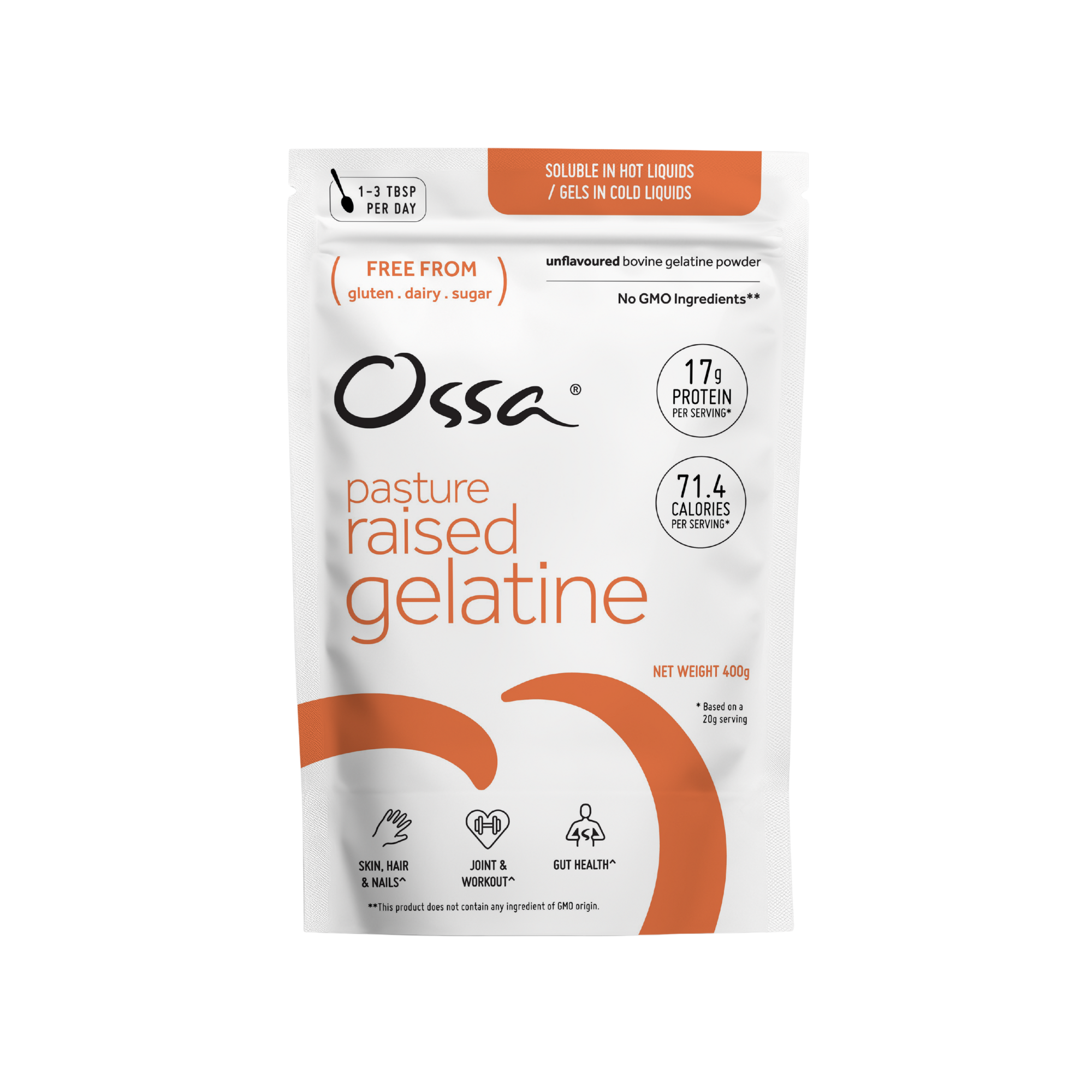
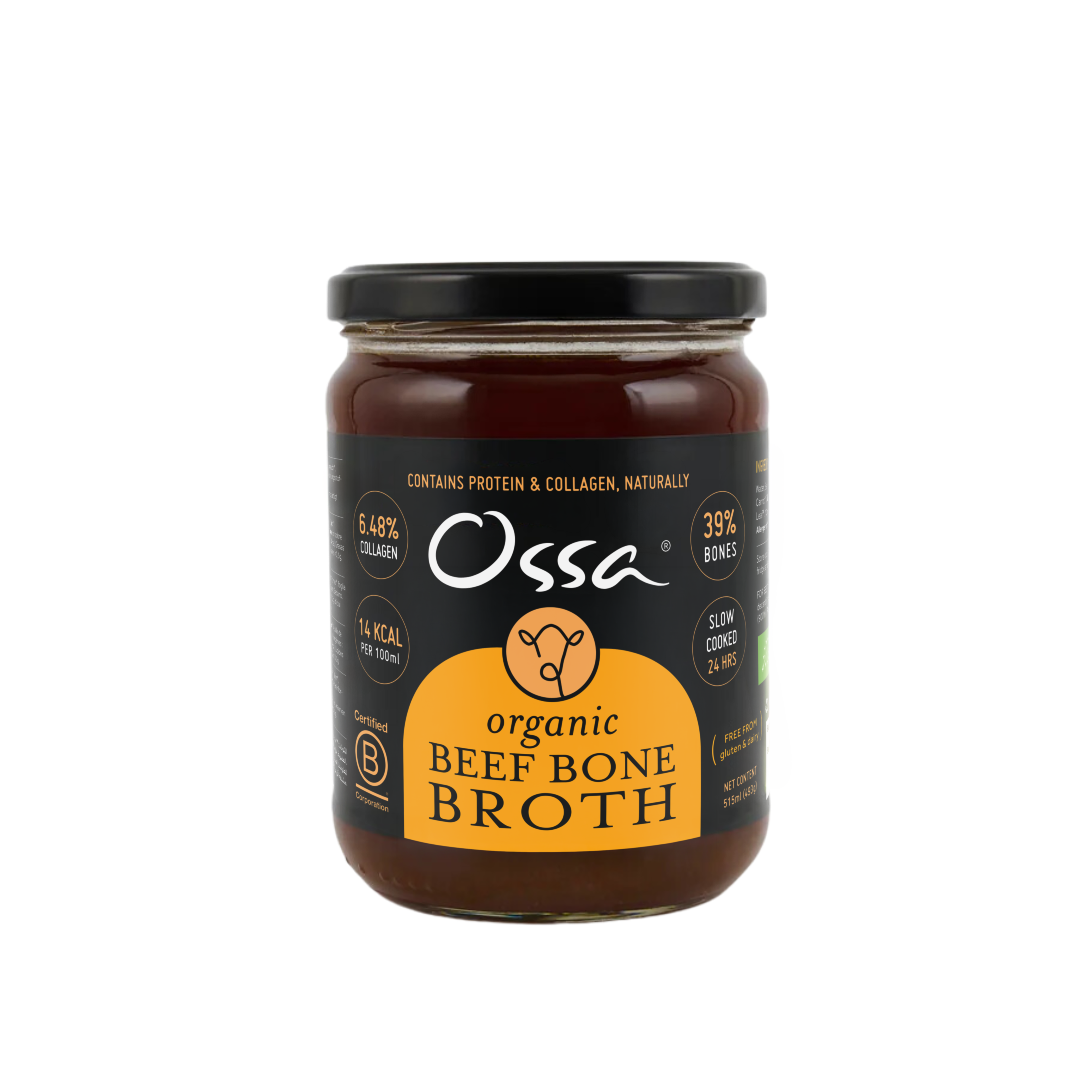
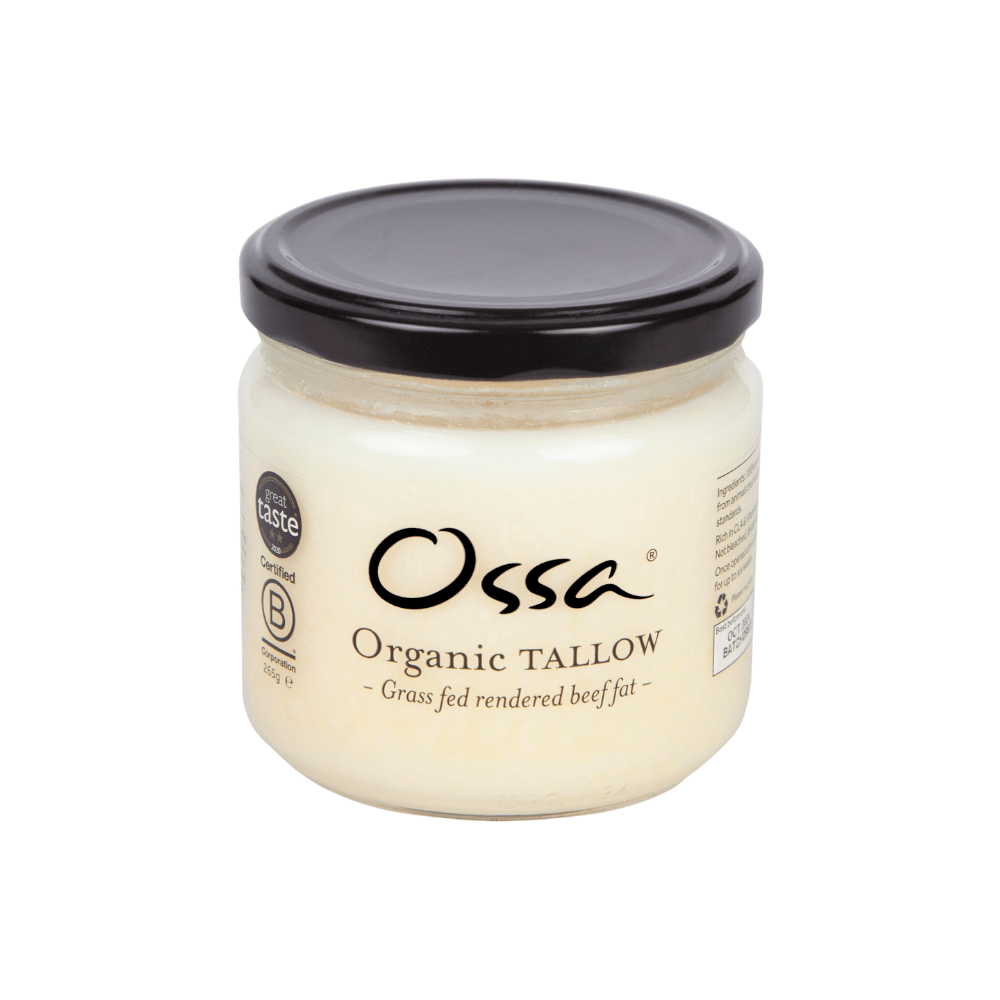
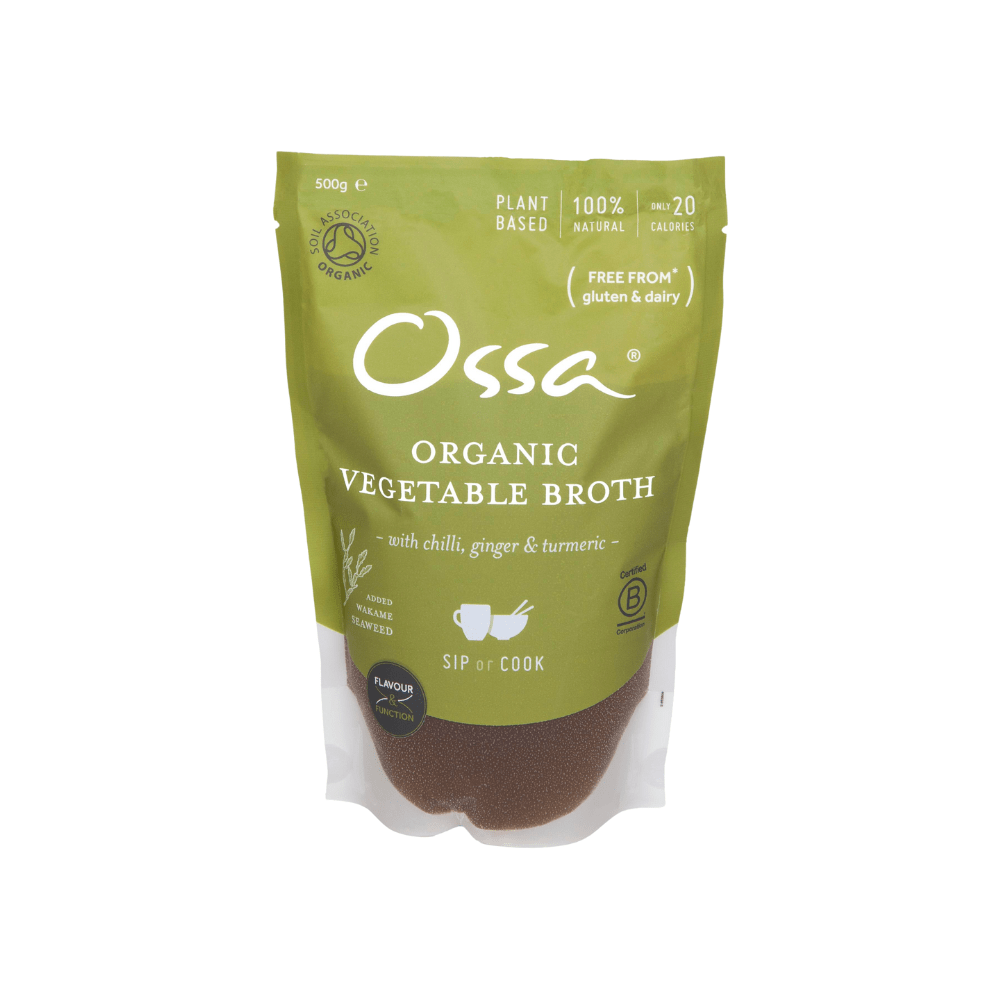
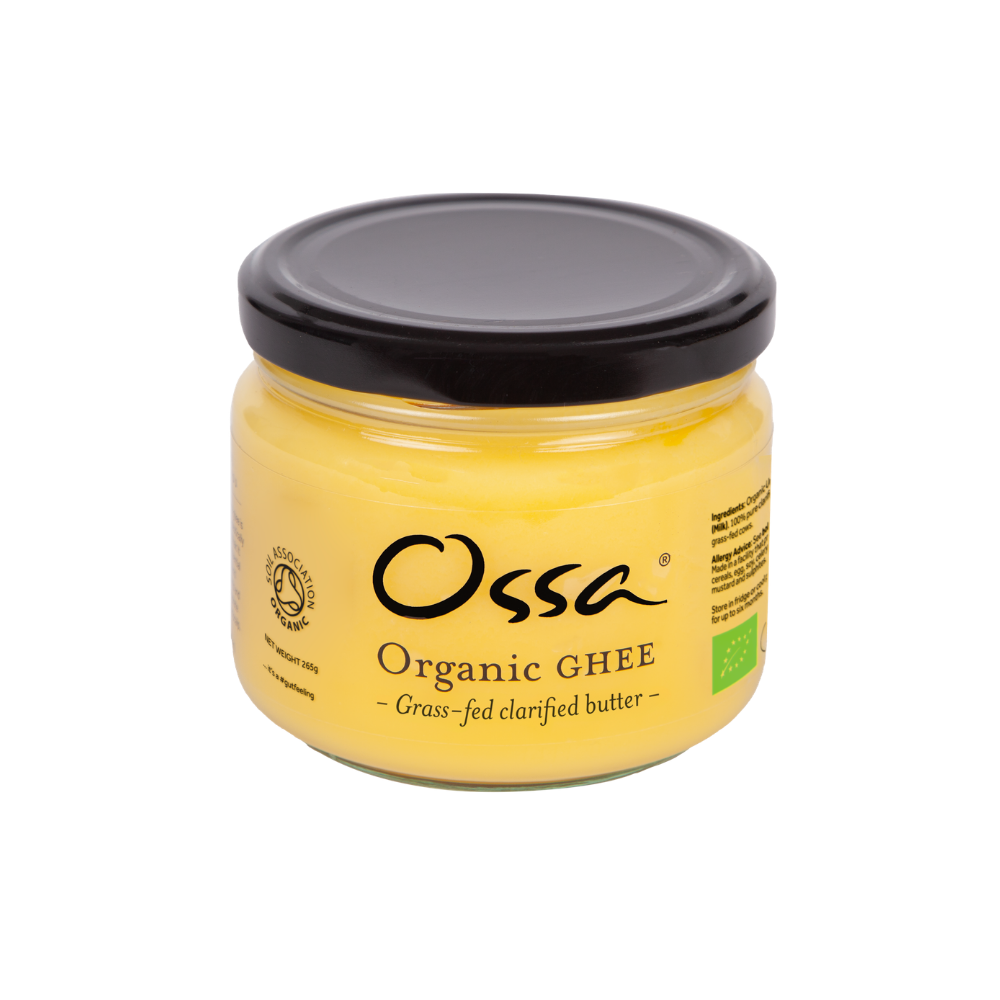
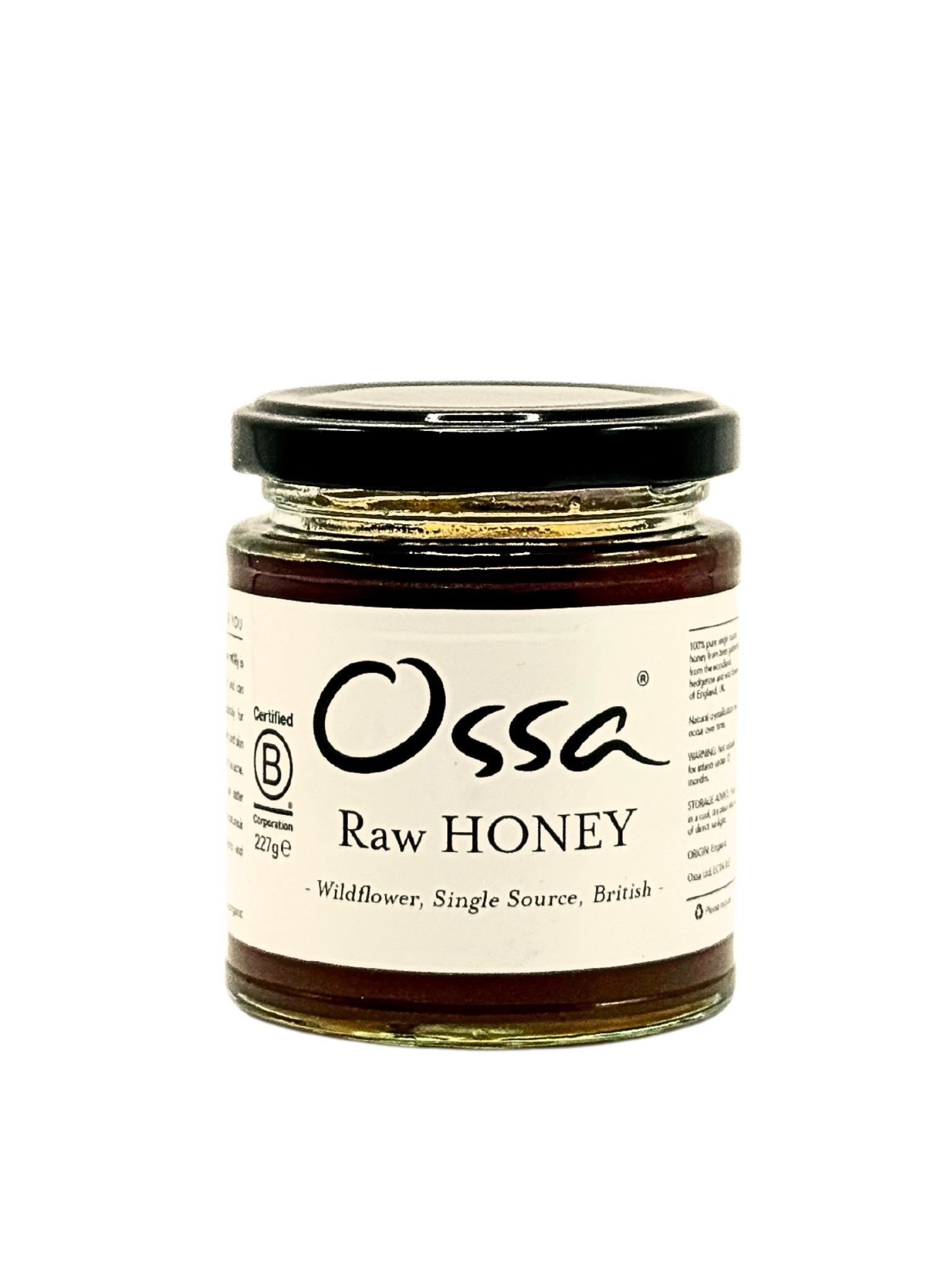
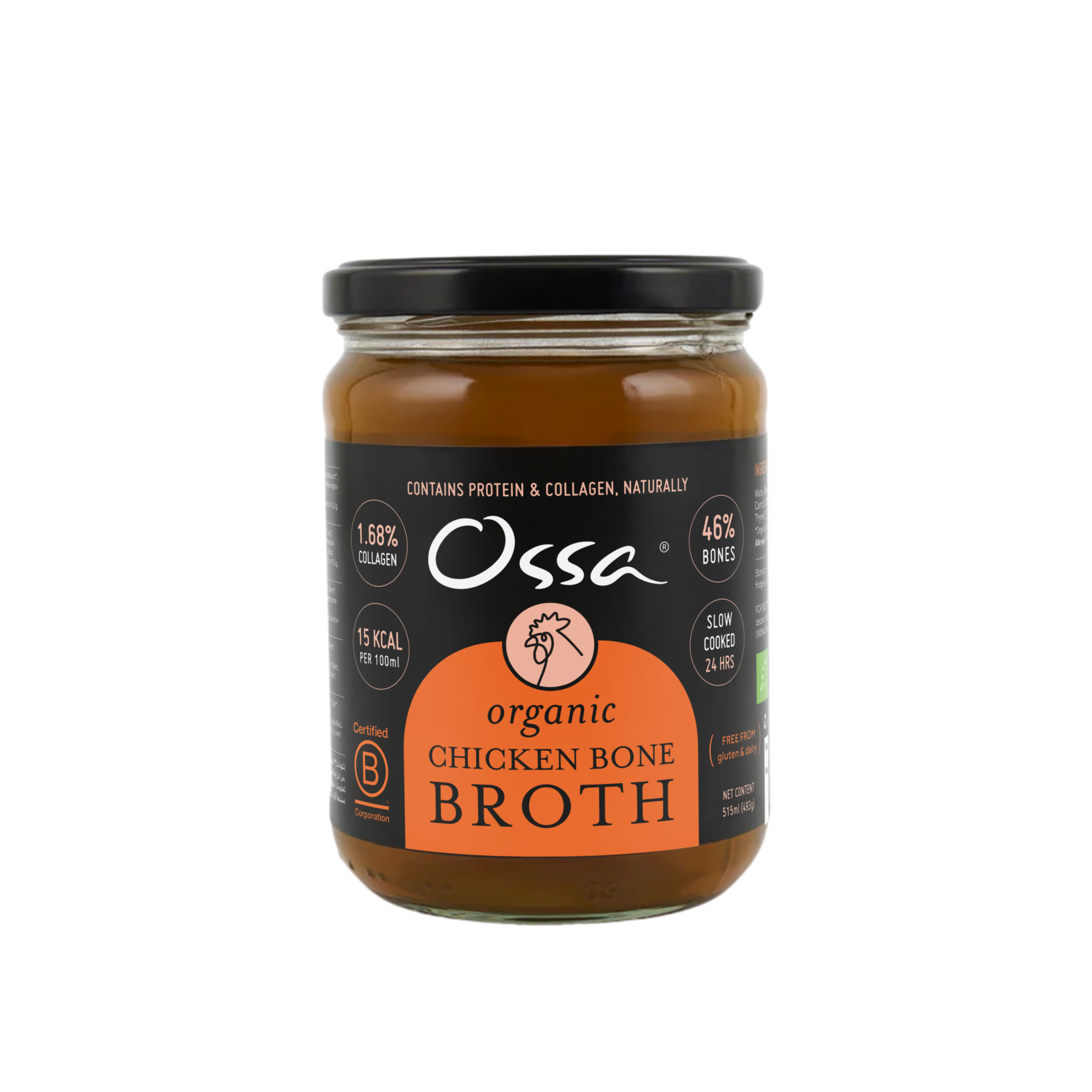
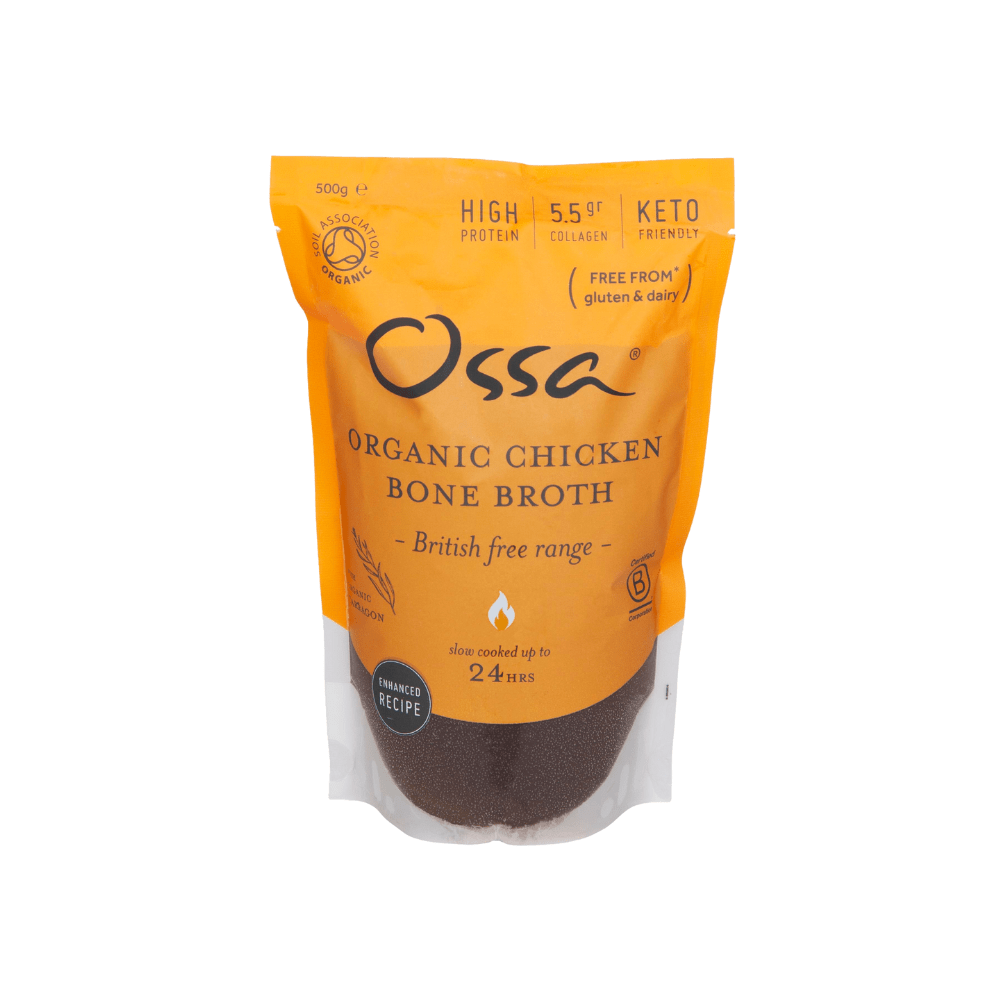
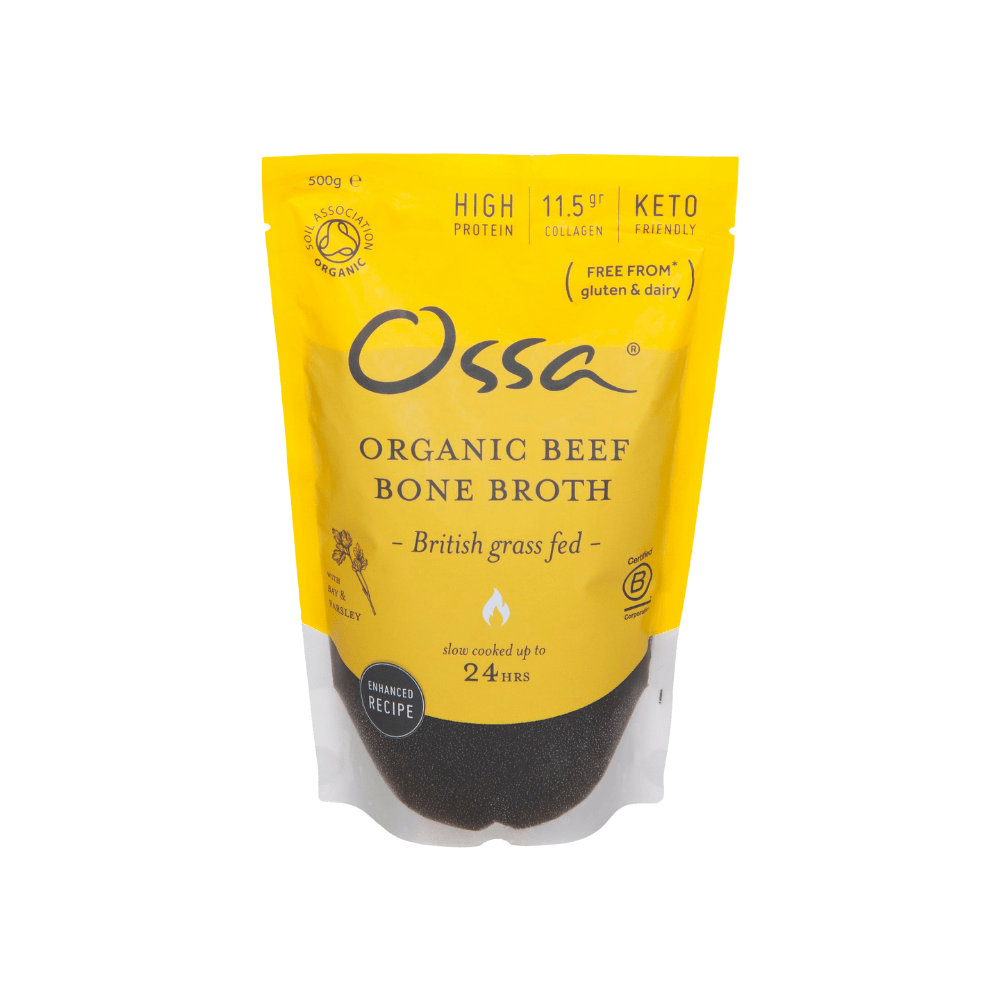
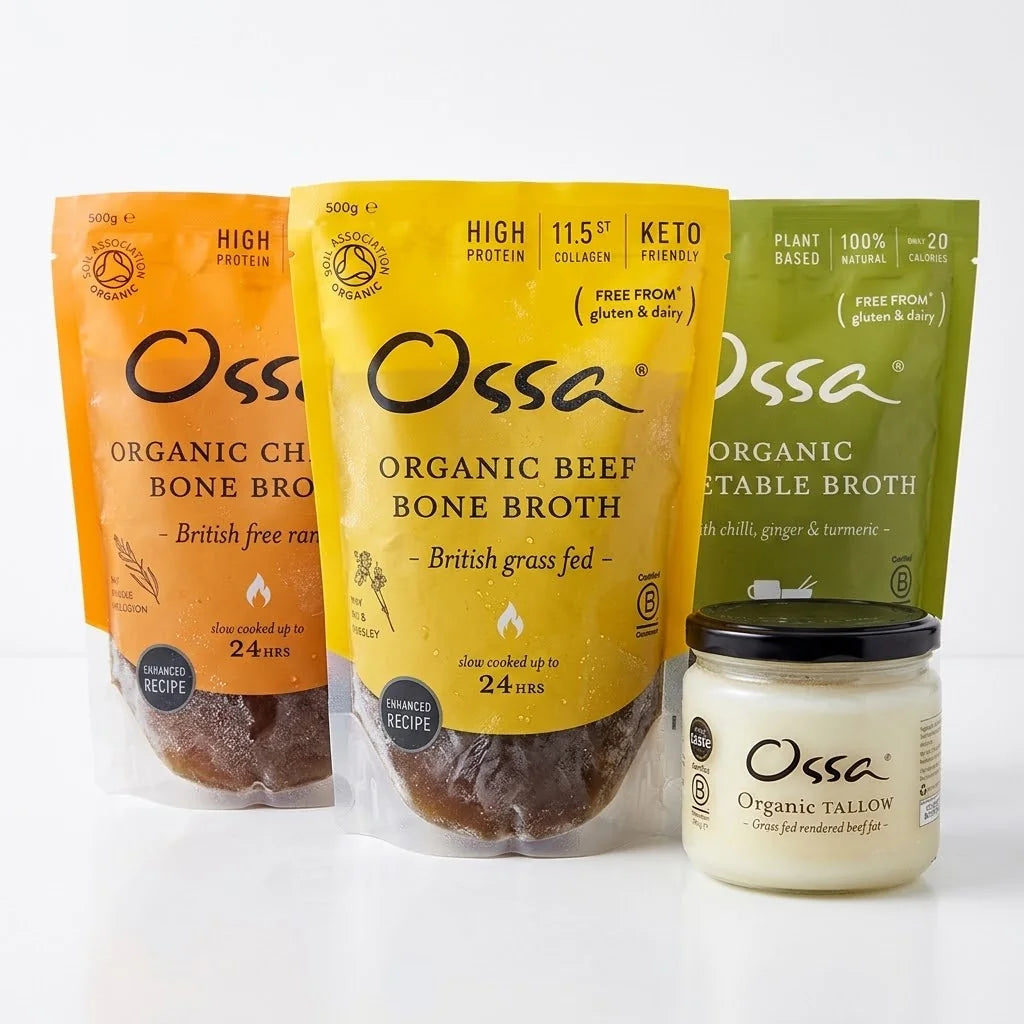
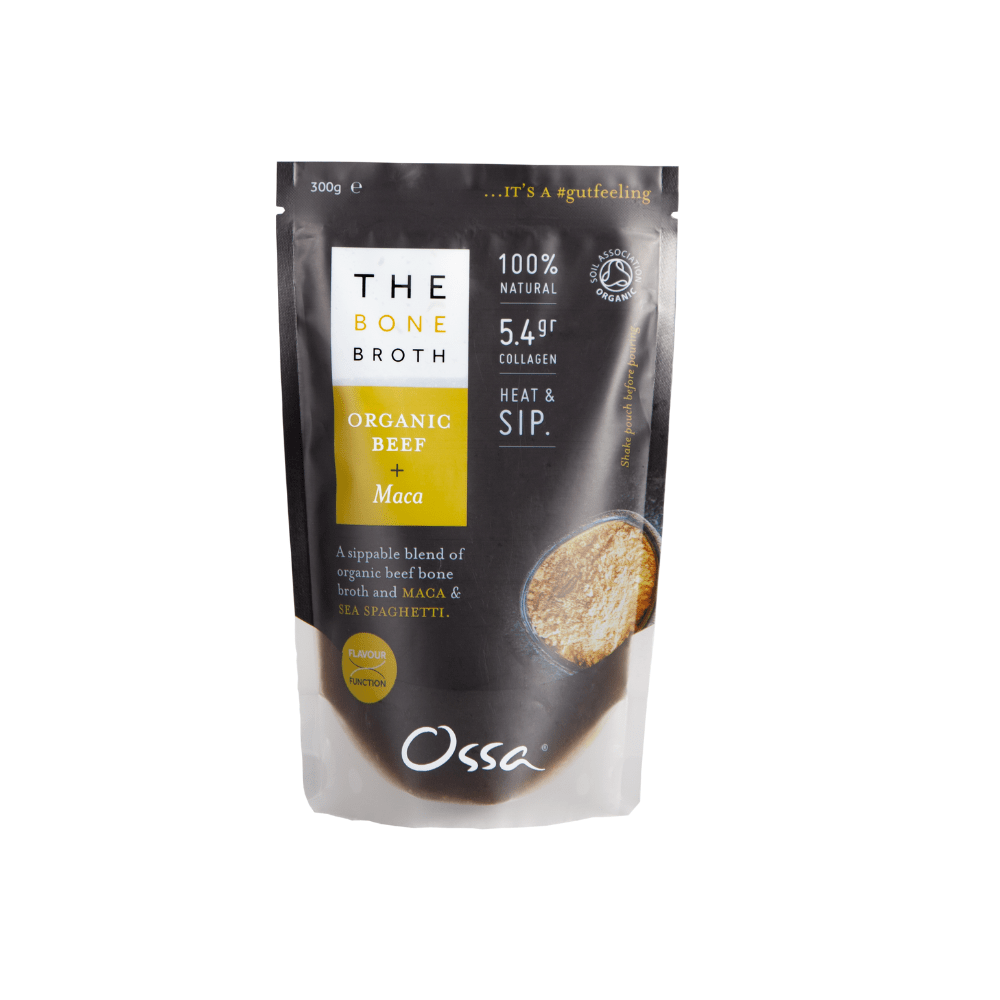
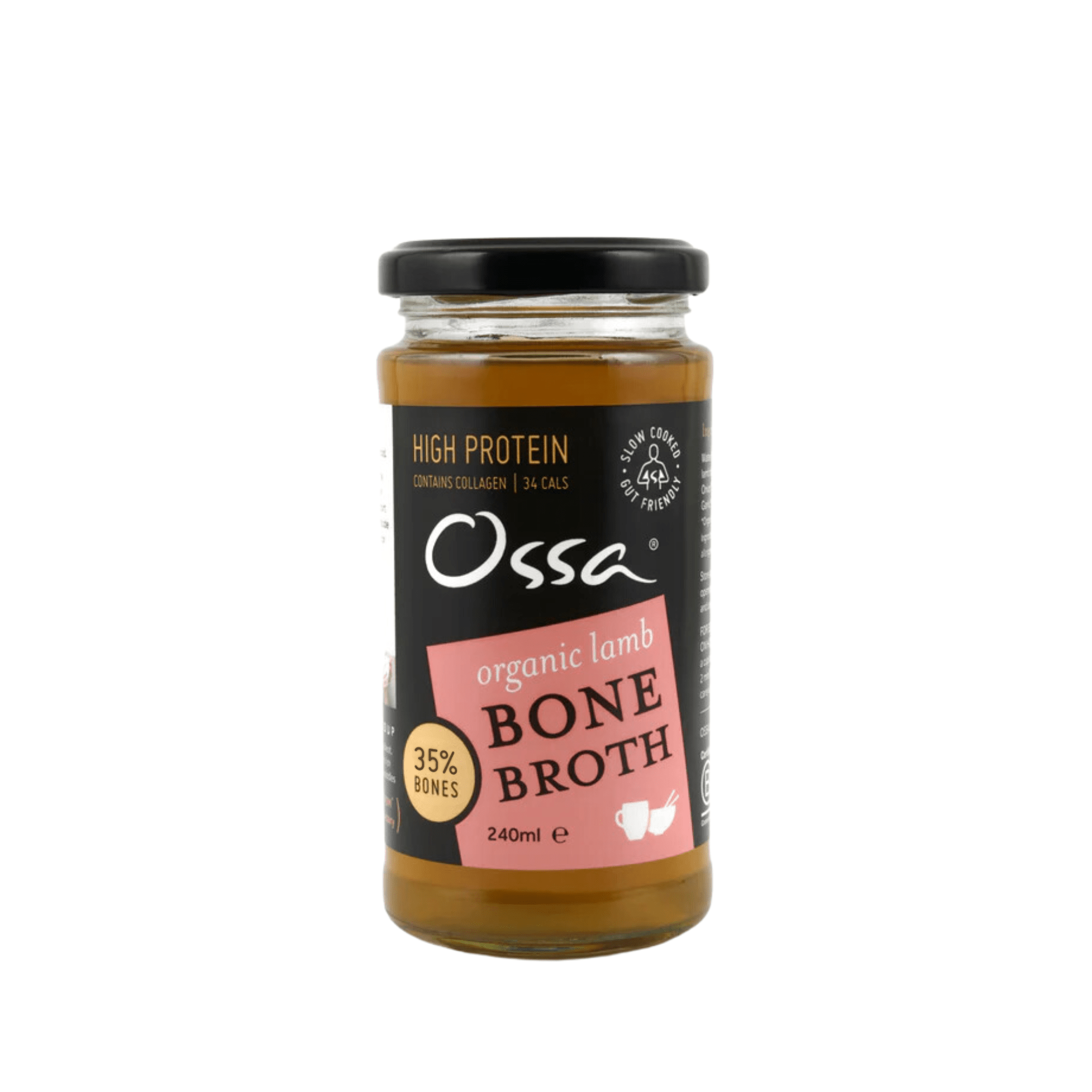
We make organic bone broths in beef, chicken and vegetable versions, plus specialty blends, using traditional slow cooking. Our range also includes organic grass-fed ghee and tallow for cooking, collagen peptides and gelatin powders, honey and healthy snack kits. All of it is free from preservatives and artificial ingredients.
Here is how they slot into the plan above:
-
Breakfast: a mug of warm broth alongside eggs, or collagen stirred into porridge or a hot drink.
-
Lunch: broth as the base of a quick soup with leftover vegetables and pulses.
-
Dinner: ghee or tallow for roasting vegetables and searing meat.
-
Snacks: our healthy snack kits for the bag or the desk.
The Ultimate Starter Kit is a convenient way to try several products together. You can also browse the full range of organic bone broths, collagen and grass-fed fats or the Gut Health Bundles in the shop. For a view on how the products work across a week, see how Ossa products slot into a weekly plan.
What to expect when you start
Most people notice practical changes first. Meals take a little more planning. The weekly shop looks different, with more fresh produce and fewer packets. Fibre intake rises, so your digestion may take a couple of weeks to adjust. That is why the gradual approach and plenty of fluids matter.
Fibre and the evidence behind it
UK adults are advised to aim for 30g of fibre a day, and most people eat less. Heart UK cites meta-analyses of large groups of studies finding that people with the highest fibre intakes had a 15 to 30% lower incidence of cardiovascular death and coronary heart disease than those with the lowest, with the greatest reduction around 25 to 29g a day. Whole foods are the natural way to get there, because fibre comes only from plants.
The British Heart Foundation adds that fibre keeps you fuller, so you may eat less overall, and that higher-fibre diets are better for blood pressure and cholesterol. Whole foods also contain antioxidants and other plant compounds that supplements do not replicate.
Patterns that centre on fruit, vegetables, wholegrains, unsaturated oils, beans, nuts and fish, such as the Mediterranean and DASH diets, are linked to better cholesterol and blood pressure and lower inflammation. Diets high in processed meat, butter, sweets, sugary drinks and refined grains are linked to higher heart disease risk. For more on this theme, our anti-inflammatory diet plan sets out a seven-day UK version.

What not to expect
A whole foods diet is not a rapid fix. Benefits come from habits kept up over months. Treat it as a way of cooking rather than a short challenge.
Common beginner mistakes
-
Changing everything at once. Pick one meal a week. A habit that lasts is worth more than a perfect first fortnight.
-
Raising fibre too fast. Increase slowly, and drink at least 8 cups of fluid a day.
-
Assuming healthy-looking packaging means whole food. Words like natural, wholesome and plant-based are not defined by ingredients. Read the list.
-
Skipping planning. Whole food cooking takes more preparation. Ten minutes on a Sunday saves a takeaway on Wednesday.
-
Cutting out whole food groups. The NHS says fad diets and cutting out whole food groups are not safe or sustainable. Balance is the aim.
-
Throwing food away. Use what you have first and replace it with simpler versions as it runs out.
What about the 3-3-3 rule?
Searchers often ask about a 3-3-3 rule. It has no single agreed definition and is not an NHS or NICE guideline. One common version is three balanced meals a day, three bottles of water by mid-afternoon and three hours of movement a week. Another, popular on social media, is three meals a day, three hours between them and three ingredients per meal: a protein, a vegetable and a fat.
Treat it as a memory aid only. The habits behind it are sound: regular meals, drinking enough and moving regularly. The NHS recommends at least 150 minutes of moderate activity a week. If a rule feels rigid, loosen it. Single-ingredient meals do suit a whole foods approach, but you do not need a formula to cook them.
Perspective: why we believe in food you can recognise
We started Ossa Organic because of bone broth. Our founder discovered its benefits while pregnant with her first child, and it changed how our family eats. Since then we have eaten mostly paleo and avoided inflammatory foods, cooking nourishing meals at home.
Our view of a whole foods diet is simple. Food should be recognisable, made slowly and free from preservatives and unnatural ingredients. That is why our range is based on tradition, not trend: organic ingredients, slow cooking, grass-fed fats and nothing artificial.
For a beginner, the hardest part is usually not knowing what to eat. It is finding the time. A broth that has simmered for hours, a ghee or tallow you can cook with, and a snack kit you can take out of the house all remove a step from your week. They make the whole foods routine easier to repeat, and a routine you repeat is the one that sticks.
We want gut health to be at the front of how people think about food, and we are a family-run business that lives by its own range.
Ossa Organic
FAQ
What is a good starting plan for a beginner on a whole foods diet?
Change one meal a week over four weeks: breakfast first, then lunch, weekday dinners and finally snacks. Increase fruit, vegetables, wholegrains and pulses gradually, and drink plenty of fluids. Cook a few base ingredients once a week so that assembling meals is quick.
What happens when you start eating only whole foods?
You will likely eat more fibre, so some people notice gas or bloating at first. Raising intake slowly over several weeks helps. Cooking from scratch takes more time, so many people also notice the planning. You do not have to eat only whole foods: adding more of them and making simple swaps is a sound approach.
Are scrambled eggs a whole food?
Yes. Eggs are a whole food, and scrambled eggs made with just eggs and a small amount of cooking fat are a simple whole food meal. Boiled or poached eggs add no extra fat. Bacon, sausages and large amounts of butter or cream add saturated fat and salt, so keep those occasional.
Do I have to buy everything organic?
No. A whole foods diet is about how much food has been processed, not about a label. Organic is a choice many people make for the farming standards behind it. If you are building up gradually, start with the foods you eat most often.
Is a whole foods diet the same as a vegan diet?
No. A whole food, plant-based diet leaves out or limits animal products, while a general whole foods diet can include eggs, fish, meat and dairy in their simple forms. Choose the version that suits your health, your beliefs and your household, and speak to a GP or dietitian if you plan to cut out whole food groups.
Recommended