In the UK, “beef crisps” almost always means potato or corn-based snacks with a beef flavour. They are not slices of beef. A few products do use real cooked beef in the seasoning, and a separate group of snacks, such as jerky and biltong, is made from the meat itself. This guide explains the difference, shows you what to look for on the packet, and covers what “organic” can and cannot mean on a bag of crisps.
Ossa Organic
Explore Naturally Nourishing Food
Ossa Organic makes foods rooted in organic ingredients and slow cooking, for those looking beyond processed snacks.
TL;DR
- Most beef crisps are potato, corn or wheat snacks with beef flavouring. Some use real beef in the seasoning, and the ingredients list tells you which.
- Check the ingredients list, the allergen emphasis, the net quantity, the best-before date and the business name and address on every packet.
- “Organic” is a regulated term. A product needs to meet the organic standards before it can use the word on its label.
- Jerky and biltong are dried meat, so they are a different product from beef crisps, with a different texture and a much higher protein content.
- If you want savoury beef taste from whole ingredients, slow-cooked beef bone broth and meat-based snacks are worth a look.
Table of Contents
What are beef crisps?
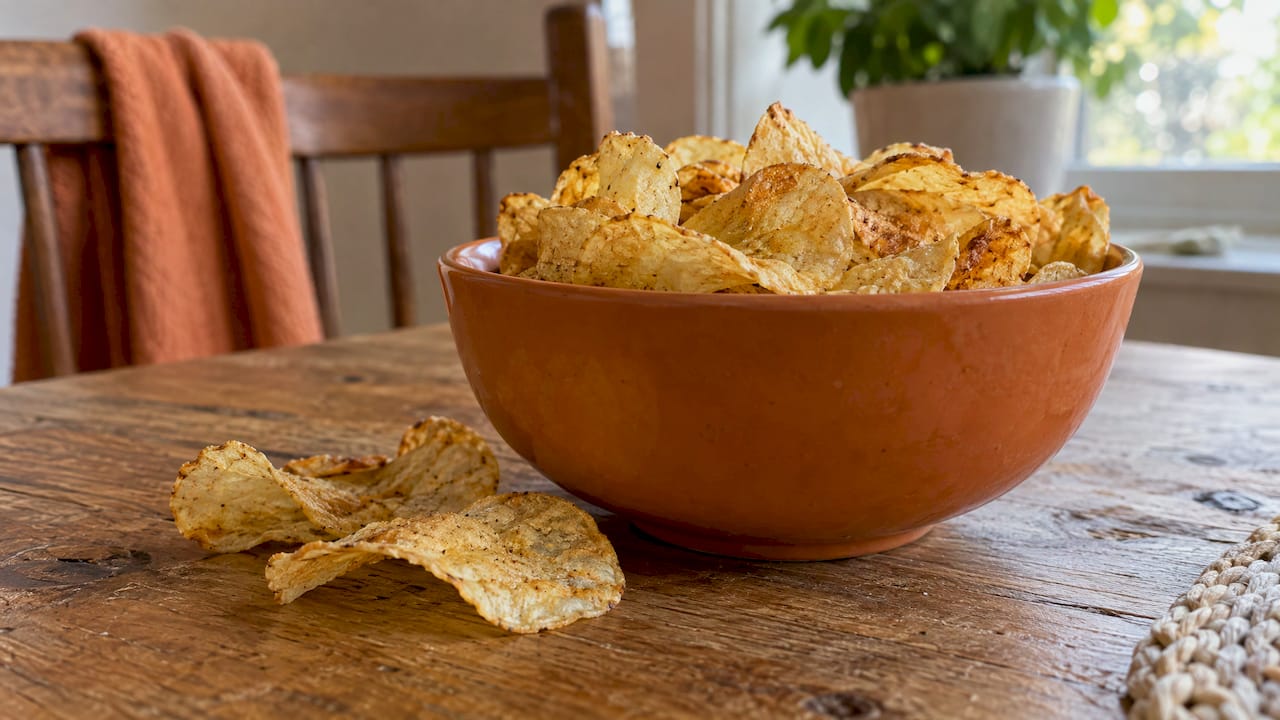
A crisp, in British usage, is a thin, fried or baked slice of potato, or a shaped snack made from potato, corn or wheat. “Beef crisps” is the name shoppers use for the beef-flavoured versions. Roast beef, beef and onion, steak, smoky brisket, rib of beef and similar names all sit under the same heading.
The category has a long history in British snacking. Roast beef and beef and onion have been standard flavours for decades, alongside ready salted, cheese and onion, and salt and vinegar. Newer lines tend to borrow the language of butchery and the pub menu: dry aged, slow roasted, charred, longhorn, rib of beef.
The formats you will meet in a shop or online are:
-
Thin-cut potato crisps. Sliced potatoes, cooked in oil and seasoned. The classic bag.
-
Kettle-cooked or hand-cooked crisps. Thicker, harder crunch, usually sold as a premium option.
-
Baked crisps. Cooked in an oven rather than fried, often with a lower fat content on the label.
-
Shaped or extruded snacks. Rings, sticks and puffs made from a dough of potato, corn or wheat. These are common in the multipack aisle.
-
Meat-free versions. Some beef-style crisps are made to be vegan, with a seasoning that imitates the taste of roast beef using plant-based ingredients.
That last point matters. A beef flavour on a bag does not guarantee any beef inside, and it does not even guarantee that the product suits someone who eats meat only by choice or someone who avoids it. The label is the only reliable guide.
Do beef crisps contain beef?
Usually not in any meaningful amount. In most bags, the beef taste comes from a seasoning blend: salt, yeast extract, flavourings, sugars, spices, onion or garlic powder, and sometimes a small amount of meat-derived ingredient. Some makers use real cooked beef or beef extract in the seasoning and say so on the pack. Others use a flavouring built to imitate beef without any animal ingredient at all, which is why some “beef” crisps are suitable for vegetarians and vegans.
Three things to look at on the packet:
-
The ingredients list. Look for words such as “beef”, “beef extract” or “cooked beef”. If none appear and the list only says “flavouring” or “natural flavouring”, the seasoning may not contain beef.
-
The dietary markings. A vegetarian or vegan mark on the front or back suggests the beef flavour is plant-based.
-
The allergen emphasis. In the UK, allergens must be emphasised in the ingredients list, for example in bold. Milk, wheat, celery, soya and mustard are common in savoury seasonings. Beef itself is not one of the major listed allergens, so it will not be highlighted that way.
Why the wording on the front can mislead
A name such as “Roast Beef” describes a taste. It does not promise a percentage of meat. The UK rules on quantitative ingredient declarations (QUID) say an ingredient’s percentage must be shown when it appears in the name of the food, is usually associated with that name by the consumer, is emphasised on the label, or characterises the food. There is an exception where an ingredient is used in small quantities purely as a flavouring. That is why many beef-flavoured crisps show no beef percentage: the beef is a flavour, not a main ingredient. The official GOV.UK guidance on food labelling sets this out.
If you want to know how much real meat is in a snack, look for products where the meat is the main ingredient and the percentage is printed. Those are typically dried meat snacks rather than crisps.
What happened to beef crisps?
Shoppers searching this phrase are usually asking one of two things: why has a favourite flavour vanished from the shelf, and why does the beef flavour taste different from how they remember it?
Discontinued flavours
Beef and onion was one of the best-known flavours in British snacking, and it has been withdrawn by more than one large maker and supermarket. The company behind one of the country’s biggest crisp brands confirmed in late 2023 that its beef and onion flavour had been discontinued the year before, in 2022, and a major discount supermarket also dropped its own version that year. Reasons for withdrawals like this usually come down to sales performance, range simplification and the cost of ingredients.
Recipe and ingredient changes
In 2024, a discount supermarket changed the contents of a “meaty” multipack after a smoke flavouring used in one of its flavours was removed from the permitted list in the EU. The change annoyed some customers. The episode shows how a single flavouring can shape a whole range, and why you may notice a flavour tasting different after a reformulation.
New launches
Beef is still being launched in new forms. In 2026, a leading crisp brand added a slow roasted beef flavour to its oven baked range, sold in larger sharing bags. Baked formats and lower-fat positioning are a clear trend, and so are premium lines that talk about dry-aged beef and regional breeds.
If your favourite has gone, the practical answer is to compare ingredients lists. A flavour that tasted of roast beef to you will often come from similar building blocks in another brand: yeast extract, onion, sugar, salt, spice and a beef or beef-style flavouring.
How to read a packet of beef crisps
UK food labelling is covered by official guidance, and the same few checks work for any packet. GOV.UK lists what must be shown: the name of the food, the ingredients list including allergens, the net quantity, a best-before or use-by date, and the name and address of the food business operator. Ingredients are listed by weight, from most to least.
Here is a practical way to use that.
| What to check |
Why it matters |
What to look for |
| Ingredients order |
Ingredients are listed by weight, so the first few make up most of the product |
Potatoes, oil and salt near the top is typical for a crisp |
| Type of oil |
Affects taste, and some people prefer particular oils |
Sunflower, rapeseed or palm oil are named on the list |
| Beef content |
Tells you whether the taste is real meat or flavouring |
The words “beef” or “beef extract”, or a percentage |
| Allergens |
Emphasised in the ingredients list |
Milk, wheat, celery, soya, mustard and others |
| Additives and flavour enhancers |
Useful if you avoid artificial ingredients |
Flavour enhancers, colours and “flavourings” |
| Net quantity |
Lets you compare value across pack sizes |
Grams on the pack, and per 100g on the nutrition panel |
| Best-before date |
Crisps stay crunchy only while sealed and fresh |
Date on the pack, and storage advice |
| Business name and address |
Where to send questions or complaints |
A UK or relevant address on the back |
Country of origin
For some foods, the country or place of origin must be shown. GOV.UK states that this applies to beef, veal, lamb, mutton, pork, goat and poultry, as well as fish and shellfish, honey, olive oil, wine, and fruit and vegetables, as set out in its guide to what labels must show. If a snack is mostly beef, expect origin information. If beef is only a flavouring in a crisp, the origin of the potatoes or the beef may or may not be stated, and brands that care about provenance usually say so on the front of the pack, for example by naming British or Welsh potatoes or the ageing time of the beef.
Nutrition panel basics
The nutrition table gives values per 100g and often per serving. Compare per 100g between products, because bag sizes vary widely, from small 25g packs to 150g sharing bags. Look at energy, fat, saturated fat, sugars and salt. Beef-flavoured seasoning often carries a fair amount of salt, so the salt figure is a useful number to compare across brands.
Organic crisps: what the label can and cannot say
People who search for beef crisps also search for organic crisps, so it helps to know what organic means on a UK label.
The Soil Association’s Organic Standards for Great Britain state that a food product can be labelled as organic when 95% to 100% of its agricultural ingredients are organic and it meets the composition requirements. The labelling must also show which ingredients in the list are organic, use the organic logo on pre-packaged food, and declare where the ingredients were farmed or grown, for example “UK Agriculture” or “EU Agriculture”.
The same standards say the word “organic” can only describe products that meet the requirements. A brand cannot use terms, including terms inside trademarks, labels or advertising, that could lead shoppers to think a product is organic when it is not. Any claim on a label has to be something the business can substantiate.
How to recognise a certified organic packet
- The word “organic” appears with the organic logo on the pack.
- The ingredients list marks the organic ingredients, often with an asterisk or the word itself.
- There is an origin declaration such as “UK Agriculture”.
- A certifier’s name or code appears on the packaging.
Can beef-flavoured crisps be organic?
The standards do not name beef-flavoured crisps or exclude meat-derived flavourings. What they do require is that any product using the word organic meets the full composition and labelling rules, including the 95% to 100% organic agricultural ingredient threshold. In practice, a beef-flavoured snack carrying the organic label would need an organic potato, organic oil and organic seasoning ingredients, and the packet would show it. If a crisp bag says “natural” or “farm style” but has no organic logo, it is not making an organic claim, and that wording alone tells you nothing about how the ingredients were farmed.
When the packet does not carry the organic mark, use the ingredients list as your guide to how simple the recipe is.
Beef crisps, jerky and biltong: how they differ
Beef crisps, beef jerky and biltong are often shelved near each other and get confused. They are different products.
|
Beef-flavoured crisps |
Beef jerky |
Biltong |
| Main ingredient |
Potato, corn or wheat |
Sliced or strip beef |
Cuts of beef, usually thicker strips |
| Where the beef taste comes from |
Seasoning |
The meat itself |
The meat itself |
| Texture |
Light and crunchy |
Chewy and dense |
Firm, can be cut thin or left thick |
| How it is prepared |
Fried or baked, then seasoned |
Marinated and dried, often with heat |
Cured with vinegar and spices, then air dried |
| Typical use |
Everyday snack |
Travel, hiking, high-protein snack |
Same, with a South African tradition |
The practical difference is what you are eating. Crisps are mainly a carbohydrate-and-fat snack with a meaty seasoning. Jerky and biltong are dried meat, and the label will normally state how many grams of beef went into each 100g of product. If you want real beef rather than beef taste, that is the category to look at.
Be aware that jerky and biltong can be salty and are sometimes sweetened or flavoured with sugar or soy. Read the ingredients the same way you would for crisps: a short list of recognisable items is easier to judge than a long one.
Meat chips and homemade versions
Some readers look for what are sometimes called meat chips: thin slices of beef or chicken cooked until crisp. These are a popular home recipe among people who eat low-carbohydrate or carnivore-style diets. Commercial snacks of this type exist too, and the same label rules apply: look at the meat percentage, the salt and any added sugars.
Choosing a snack with real beef flavour
Here is a simple decision path, depending on what you want.
You want the classic crisp experience. Pick a thin-cut or kettle crisp, check whether the seasoning contains beef or is plant-based, and compare salt per 100g. If you want less fat, baked formats are widely available.
You avoid meat. Look for the vegetarian or vegan mark. Several beef-style crisps are made without meat, and the ingredients list will confirm it.
You are avoiding certain allergens. Read the emphasised allergens in the ingredients list on every purchase. Recipes change, and the same flavour from the same brand can differ between production runs or after reformulation.
You want a simple, short ingredients list. Look for products where the first ingredients are recognisable foods: potatoes, oil, salt, beef and spices. Shorter lists with fewer additives are easier to understand at a glance.
You want real beef and protein. Choose a dried meat snack, or build a snack plate at home with cooked beef slices, cheese, vegetables and fruit.

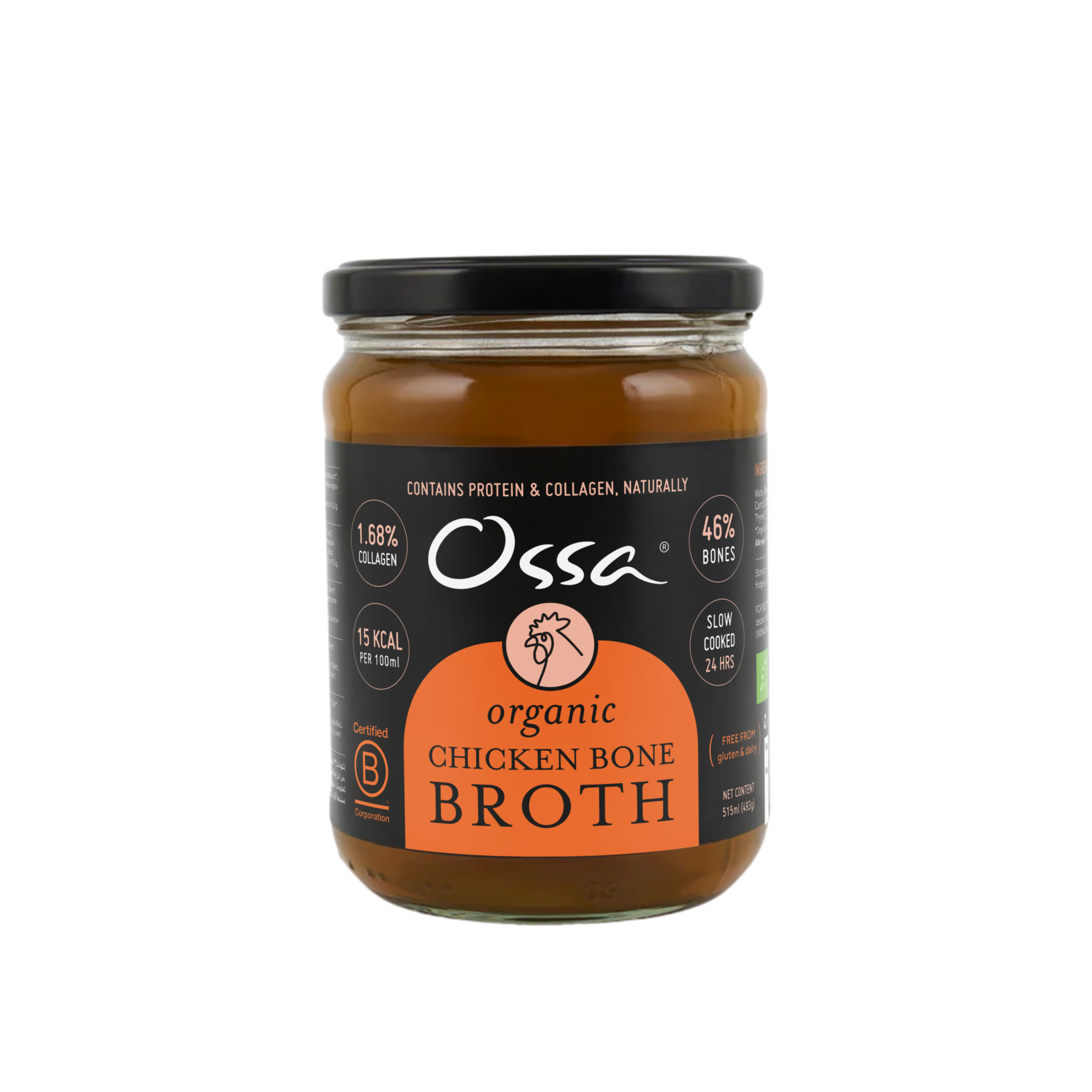
You want a savoury, beefy drink or cooking base. Slow-cooked bone broth gives a rich beef taste from beef bones, which is a different route to the same craving. Our guide to beef bone broth nutrition, calories, protein and macros explains what a cup contains.
Our perspective
We set up Ossa Organic around a simple idea: food should come from ingredients you recognise, cooked in ways that have been used for generations. The founder discovered bone broth while pregnant with her first child, and our family has eaten mostly paleo and avoided inflammatory foods since.
From that point of view, the interest in beef crisps makes sense. People want the savoury, meaty taste they grew up with. The question we would ask of any snack is the one on the label: what is actually in it? A short list of real ingredients, with the origin and the preparation method clear, is easier to trust than a long list of flavourings.
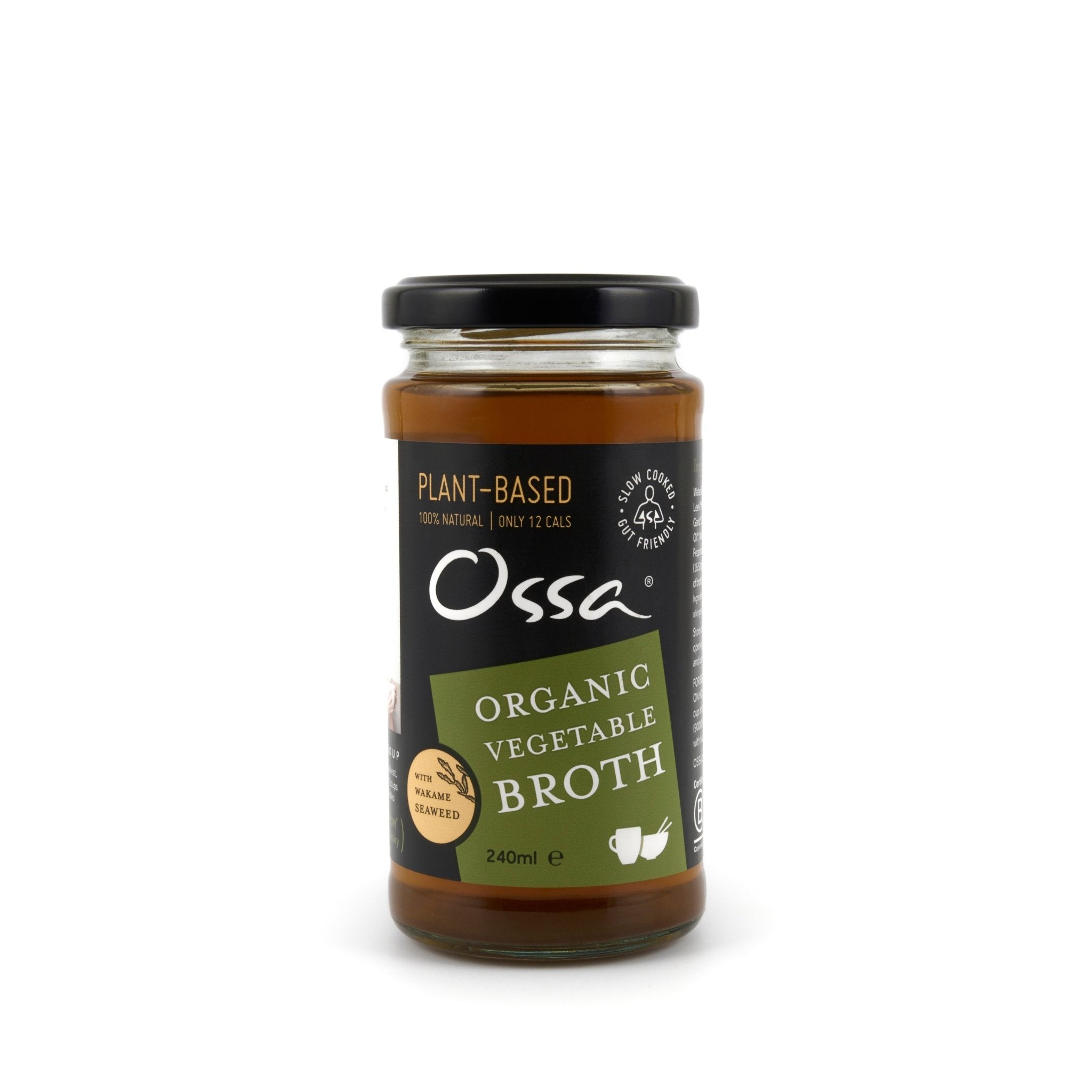
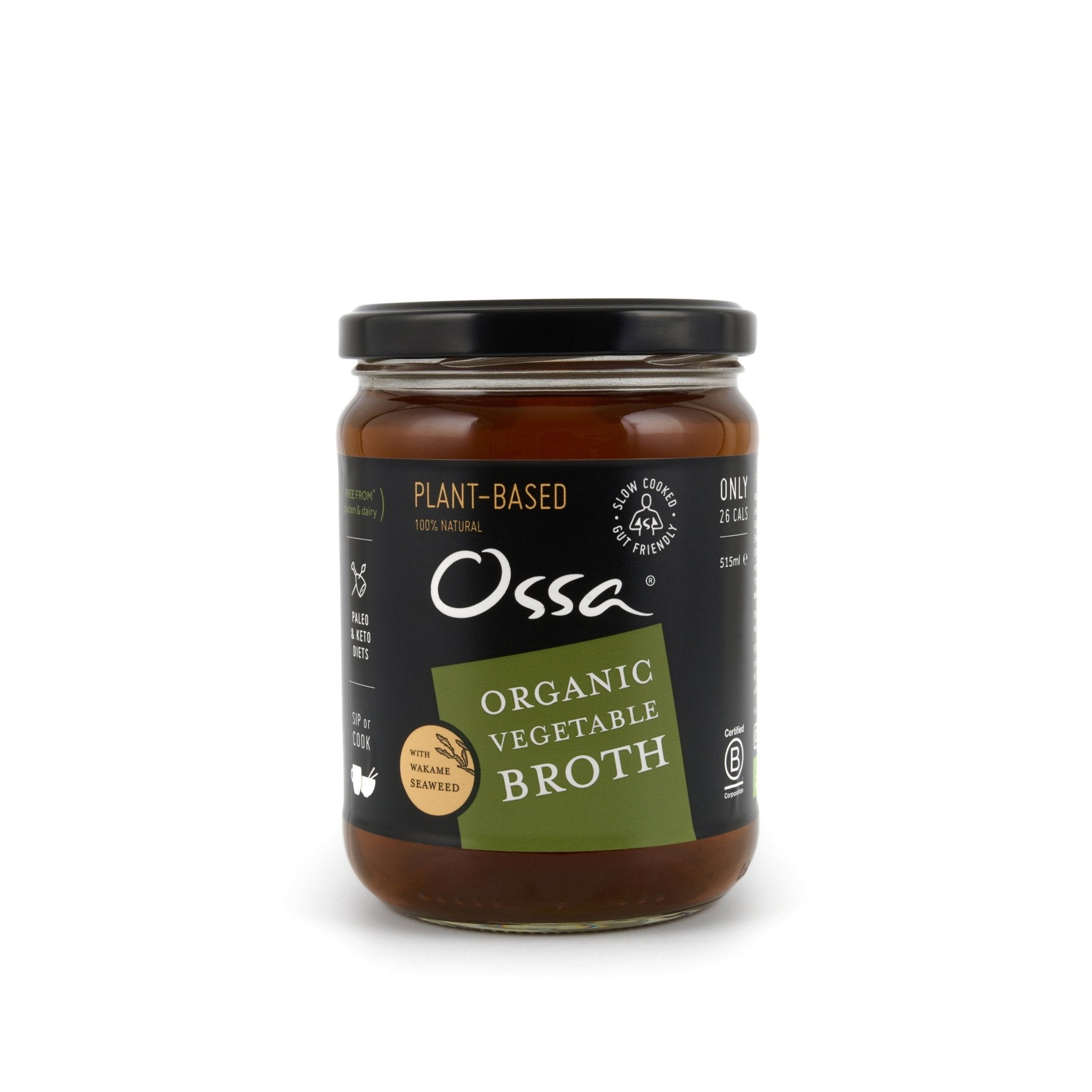
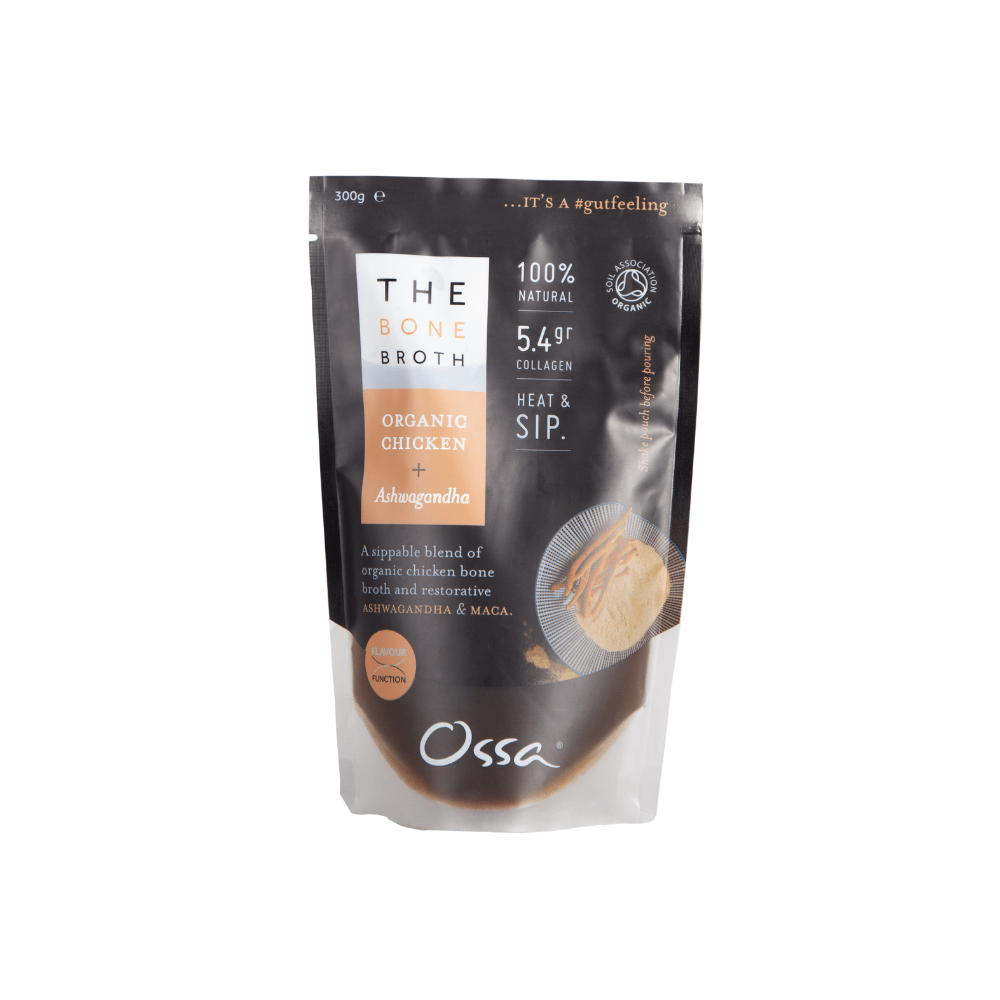
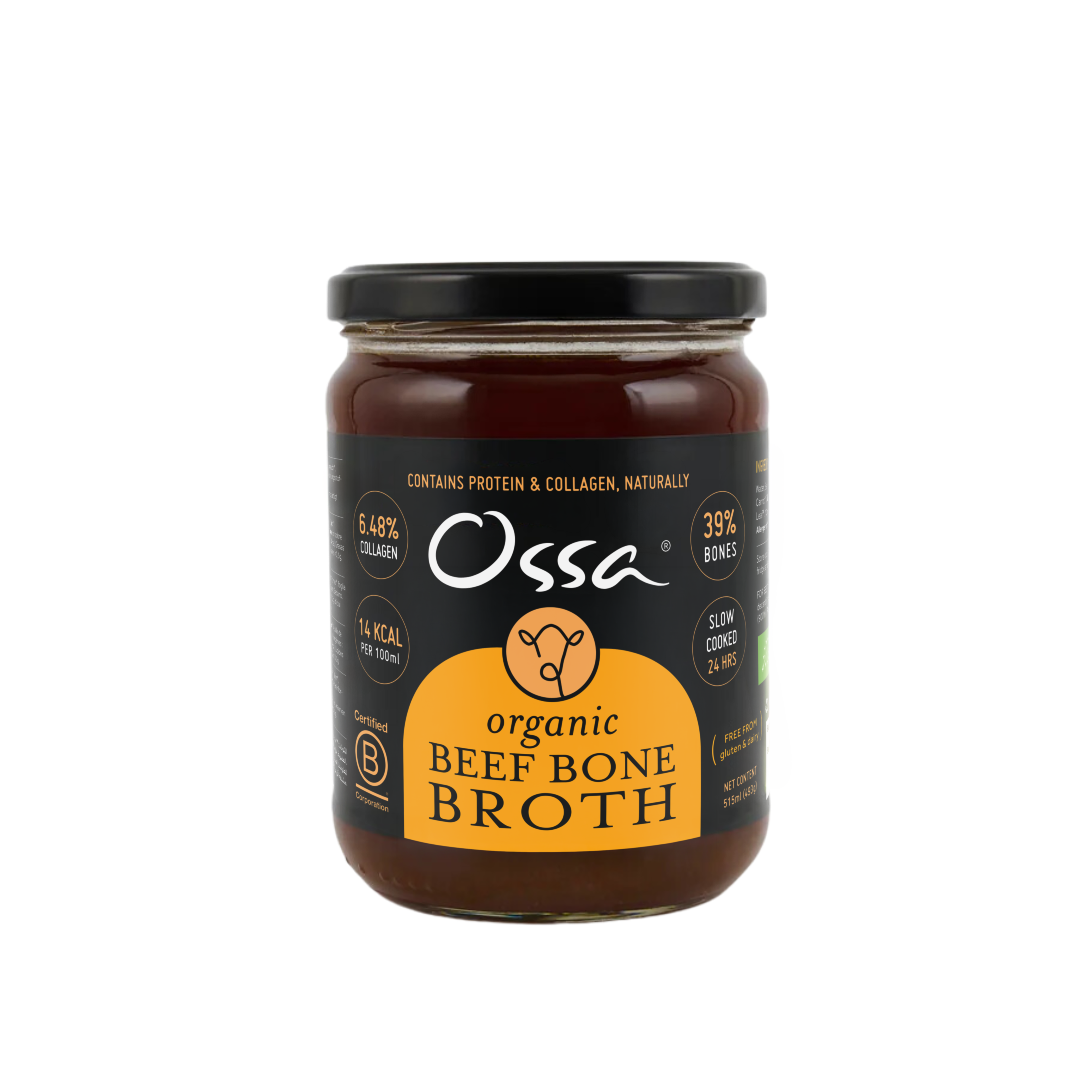
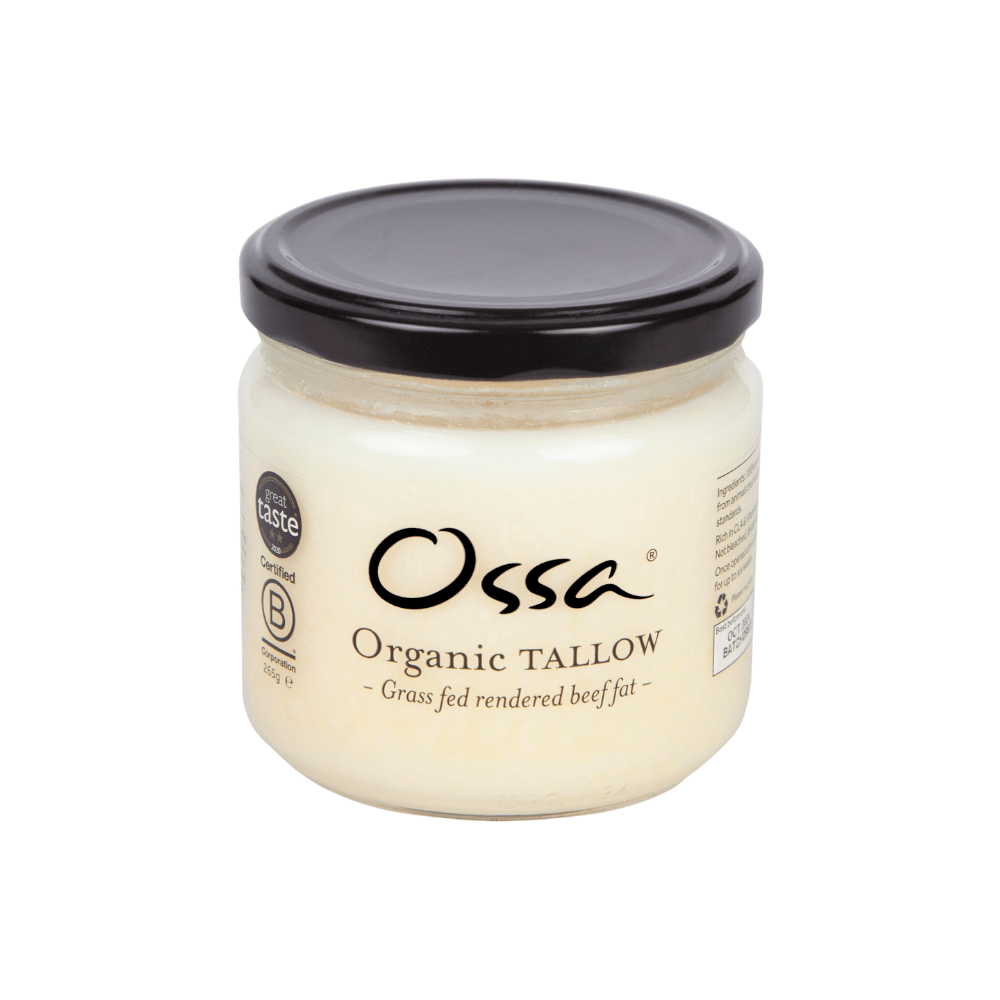
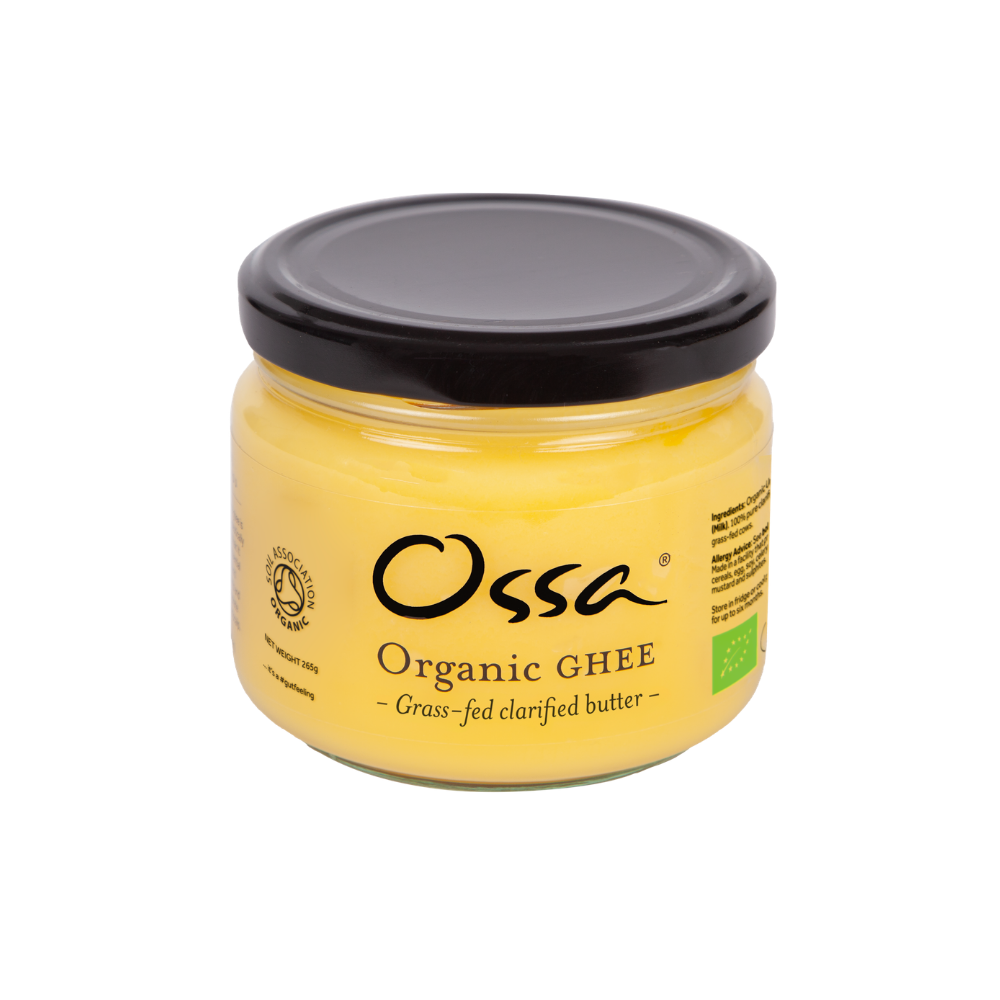
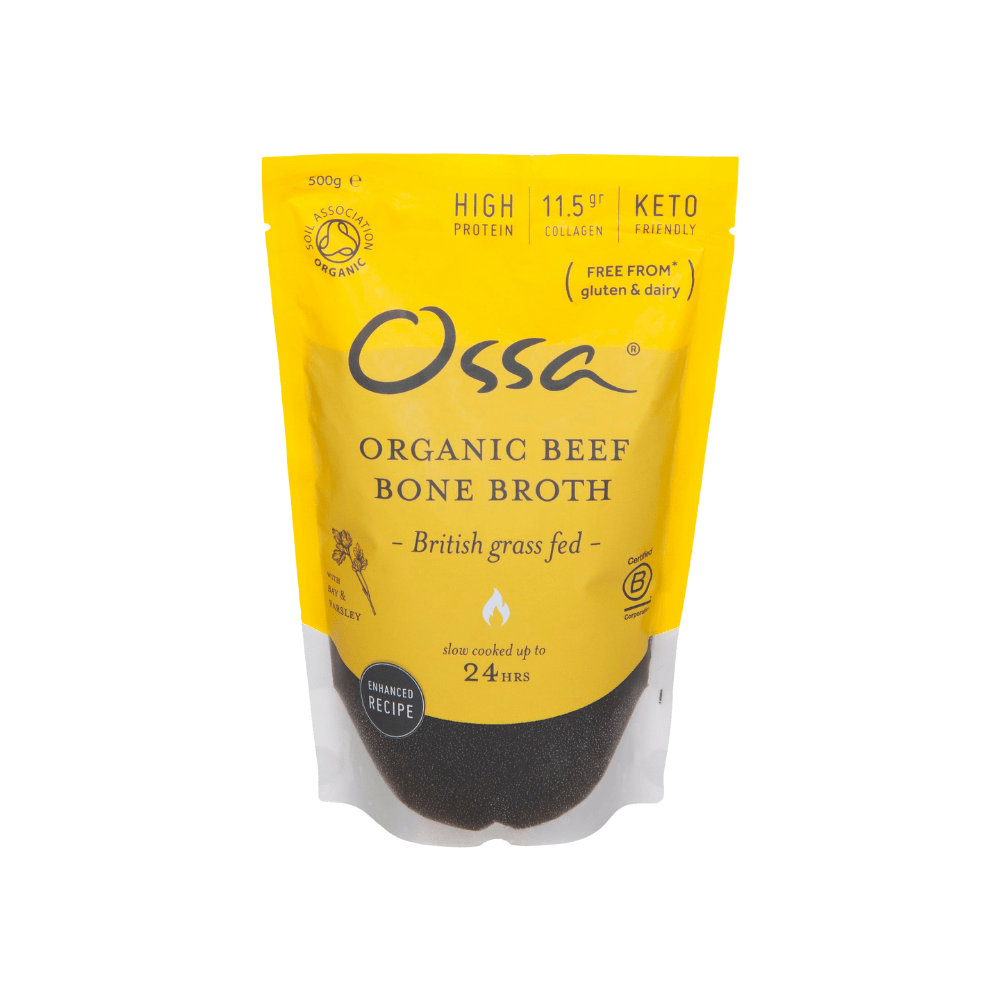
That is why our range is built on organic ingredients, grass-fed fats and slow cooking, and why our products are free from preservatives and artificial ingredients. Our organic beef bone broth gets its depth of flavour from beef bones simmered slowly. Our grass-fed ghee and tallow are traditional cooking fats, suited to roasting root vegetables or pan-cooking beef at home until crisp and golden. Our collagen peptides stir into hot drinks and soups, and our healthy snack kits are designed for days when you want something quick that still comes from natural ingredients.
We believe in tradition, not trend. If your craving is for savoury beef, we would encourage you to look at the whole food behind the flavour, and to build your daily routine around nourishing, minimally processed ingredients.
Ossa Organic
Making a beefy snack at home
If you like the idea of beef taste with whole ingredients, a few kitchen approaches get you close to a crisp without a packet.
Roasted root vegetable crisps
Slice potatoes, parsnips or beetroot very thinly. Toss in a little melted fat, spread in a single layer on a lined tray and bake at a moderate heat until the edges curl and the slices are dry. Season with salt, onion powder, garlic powder and smoked paprika. For a deeper savoury note, brush the slices with a small amount of reduced beef bone broth before baking. Reducing the broth concentrates the flavour, and a light coating is enough.
Traditional cooking fats such as ghee or tallow suit this kind of roasting because they handle oven heat well. Use a small amount and keep the slices thin and in a single layer so they dry rather than steam.
Thin-sliced beef snacks
Thin slices of cooked beef can be dried in a low oven until firm. Season them with salt and spices, let them cool completely and store them in an airtight container. Because these are meat, treat them like any cooked meat product: cool them quickly, keep them in the fridge, and eat them within a short time. Food Standards Agency guidance on storing and handling cooked meat is the right place to check current advice if you plan to keep them for more than a day.

Savoury dips and sides
Pair plain or lightly salted crisps and vegetable chips with a warm cup of beef broth for a snack with a clear beef flavour and some protein. Broth is a common way to add a savoury, meaty element to a meal without using processed seasoning.
Beef crisps for lunchboxes and journeys
Crisps are one of the most common travel and lunchbox snacks in the UK. They are light, they do not need a fridge, and children like them. If you are packing for a car, train or plane journey, think about what balances them: something with protein, something fresh and something filling. We cover this in our guide to healthy travel snacks for car, train and plane.
Some practical points for packing beef crisps or similar snacks:
- Crisps are fragile, so a small rigid tub protects them better than the bag.
- Check school or workplace rules on allergens before packing seasoned snacks. Many seasonings contain milk, wheat or celery.
- Pair a salty snack with water, fruit or vegetables rather than another salty item.
- Keep portion sizes visible. A small bag is easier to measure than a sharing bag.
- For flights, dry snacks are usually fine to carry, but liquids such as soups and broths follow the airline and airport security limits, so check them before you travel.
Where our range fits
Beef crisps are a flavour in a packet, and we do not sell them. What we do offer is a range of organic, preservative-free foods for people who want real beef taste from whole ingredients and a daily routine built around gut health and natural living.
-
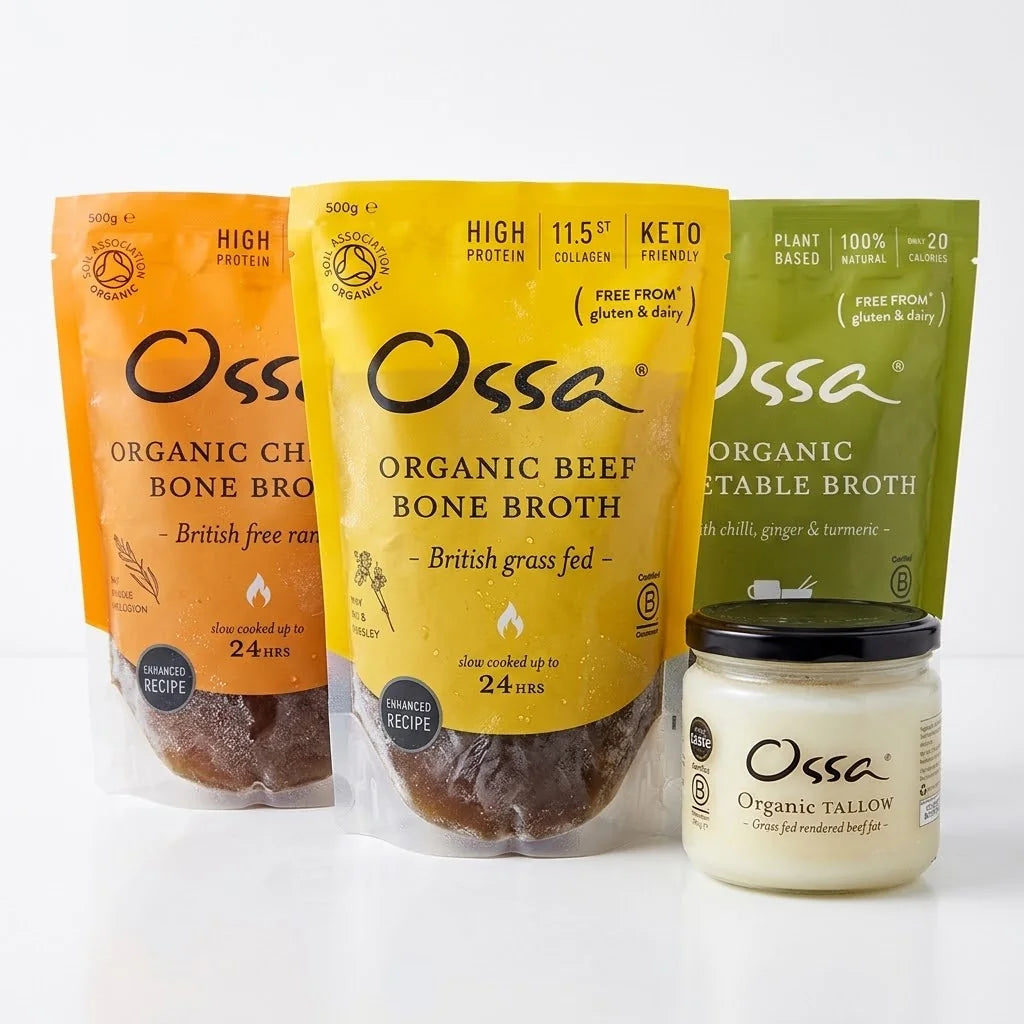
Organic bone broths: beef, chicken, vegetable and specialty blends, slow cooked. Beef broth is the closest match for a craving for savoury beef.
-
Grass fed fats: organic ghee and tallow for roasting, frying and baking at home.
-
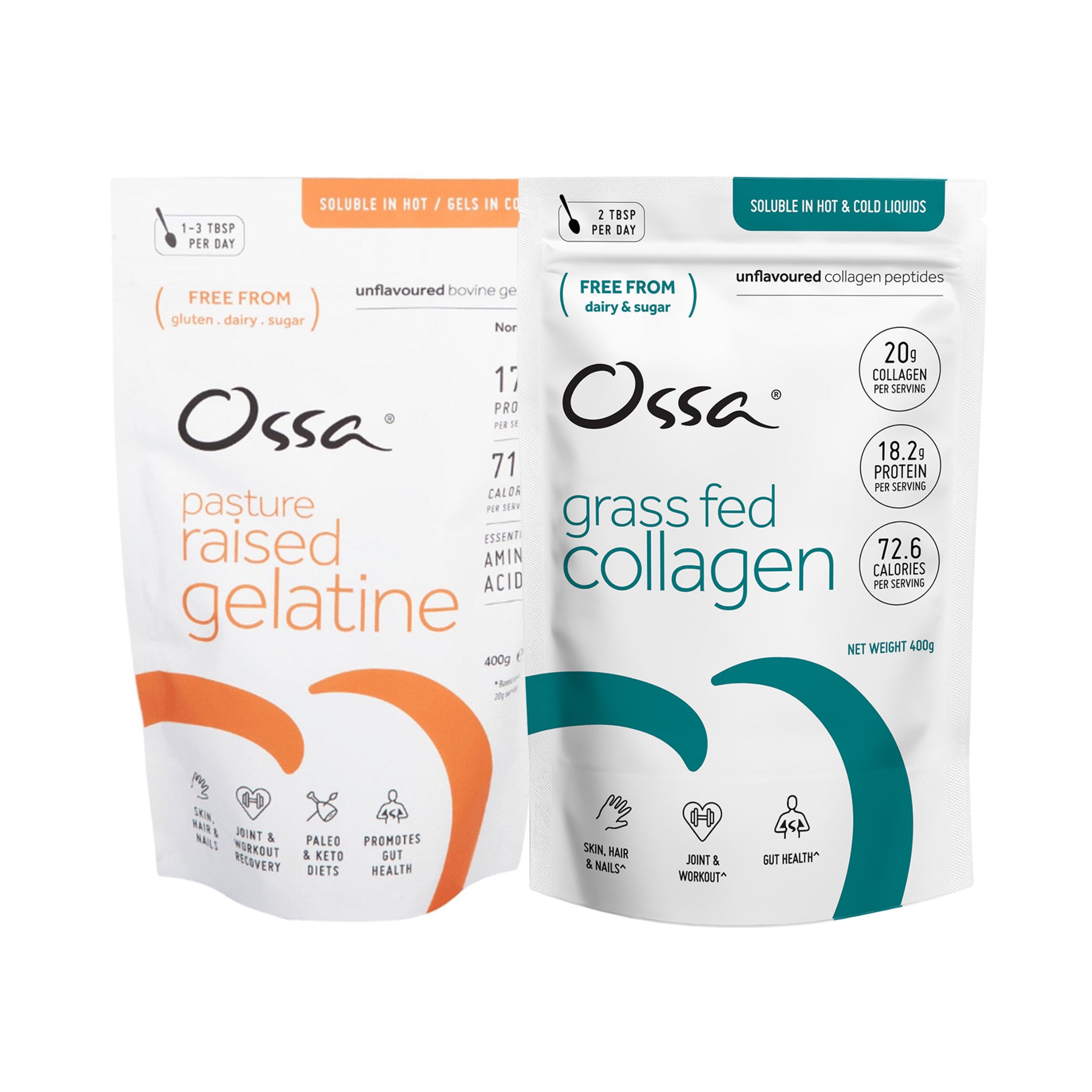
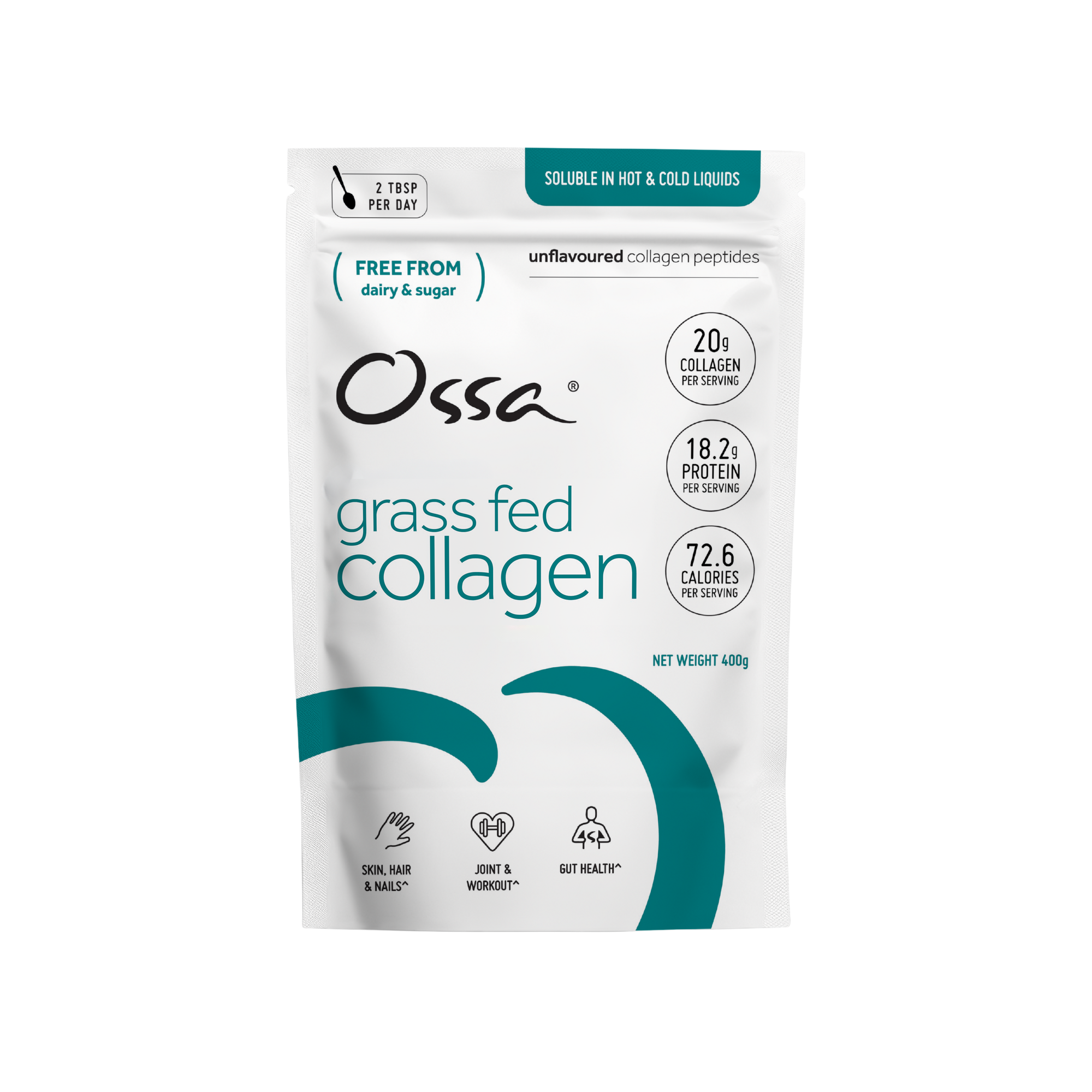
Collagen and gelatin powders: easy to add to hot drinks, soups and smoothies.
-
Healthy snacks: snack kits for lunchboxes, work desks and travel.
-
Gut health bundles: curated sets for anyone starting out with broth, fats and collagen together.
You can browse the whole range on the Ossa Organic shop, including organic bone broths, collagen powders and grass fed fats, and the gut health bundles and healthy snacks in the full product collection. Prices are shown on each product page.
FAQ
Do beef crisps contain beef?
Usually they contain beef flavouring rather than a meaningful amount of beef. Some brands add real cooked beef or beef extract to the seasoning, and others use plant-based flavourings and mark the pack as suitable for vegans. The ingredients list shows which type you have.
What are the best beef crisps?
It depends on what you value. For the crispiest texture, look at kettle-cooked crisps. For lower fat, look at baked formats. For real meat in the seasoning, read the ingredients for the word beef. Compare salt and fat per 100g across brands rather than relying on the name on the front.
What happened to beef crisps?
Some well-known beef and onion flavours have been discontinued by large makers and supermarkets in recent years, and some recipes were reformulated when a flavouring was removed from the permitted list. At the same time, new beef flavours keep being launched, including baked versions and premium dry-aged lines.
Can beef crisps be organic?
In principle, any food can use the word organic if it meets the organic standards, including the 95% to 100% organic agricultural ingredient threshold and the labelling rules. Look for the organic logo, an organic ingredient marking and an origin declaration on the pack. A word such as natural does not mean organic.
How are beef crisps different from beef jerky?
Beef crisps are potato, corn or wheat snacks with a beef flavour. Jerky is dried beef, so its taste and nutrition come from the meat itself. It is chewier, denser and has far more protein per 100g than a crisp.
Recommended