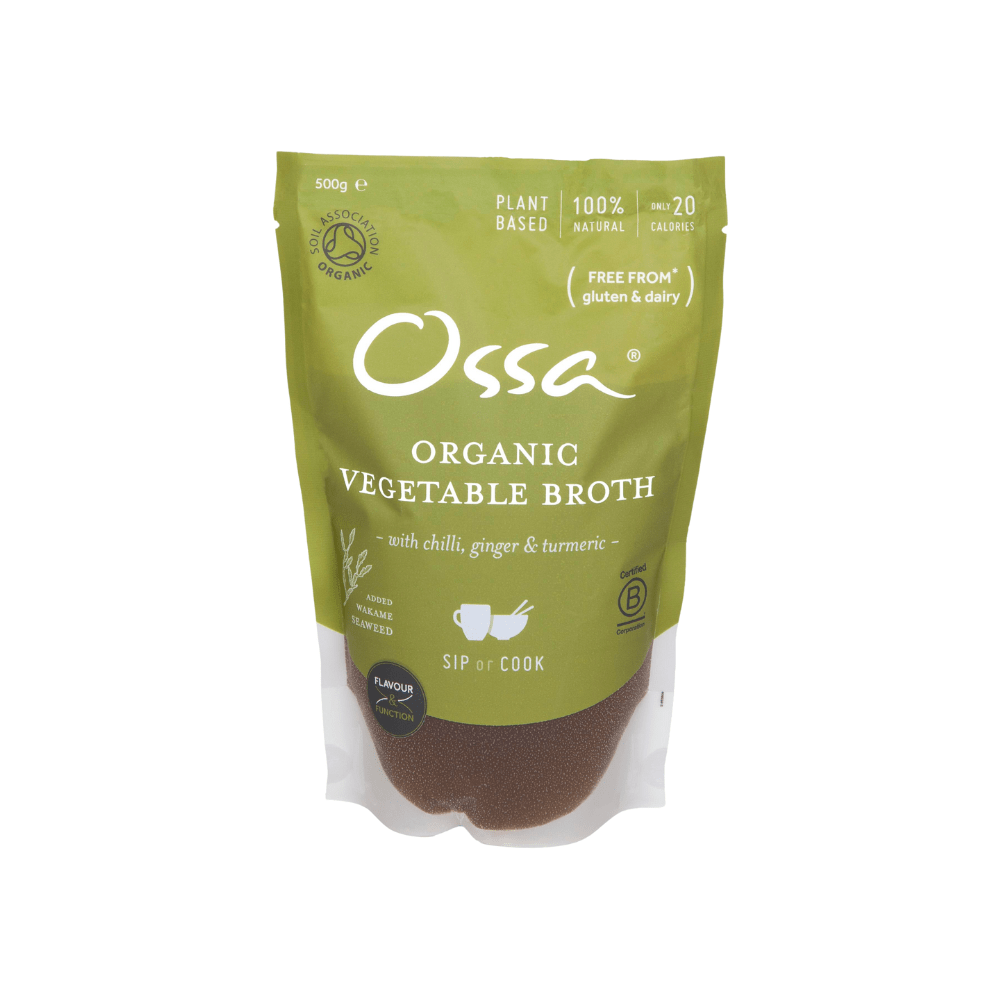
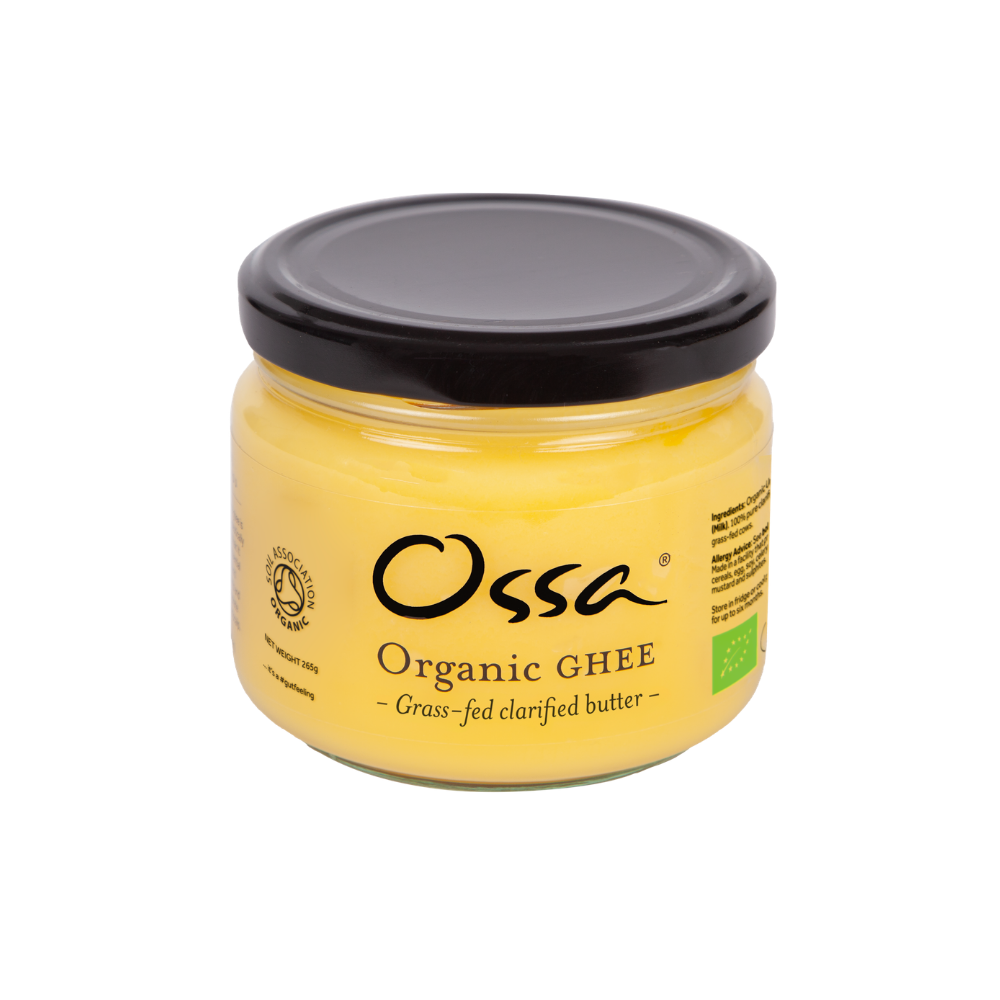
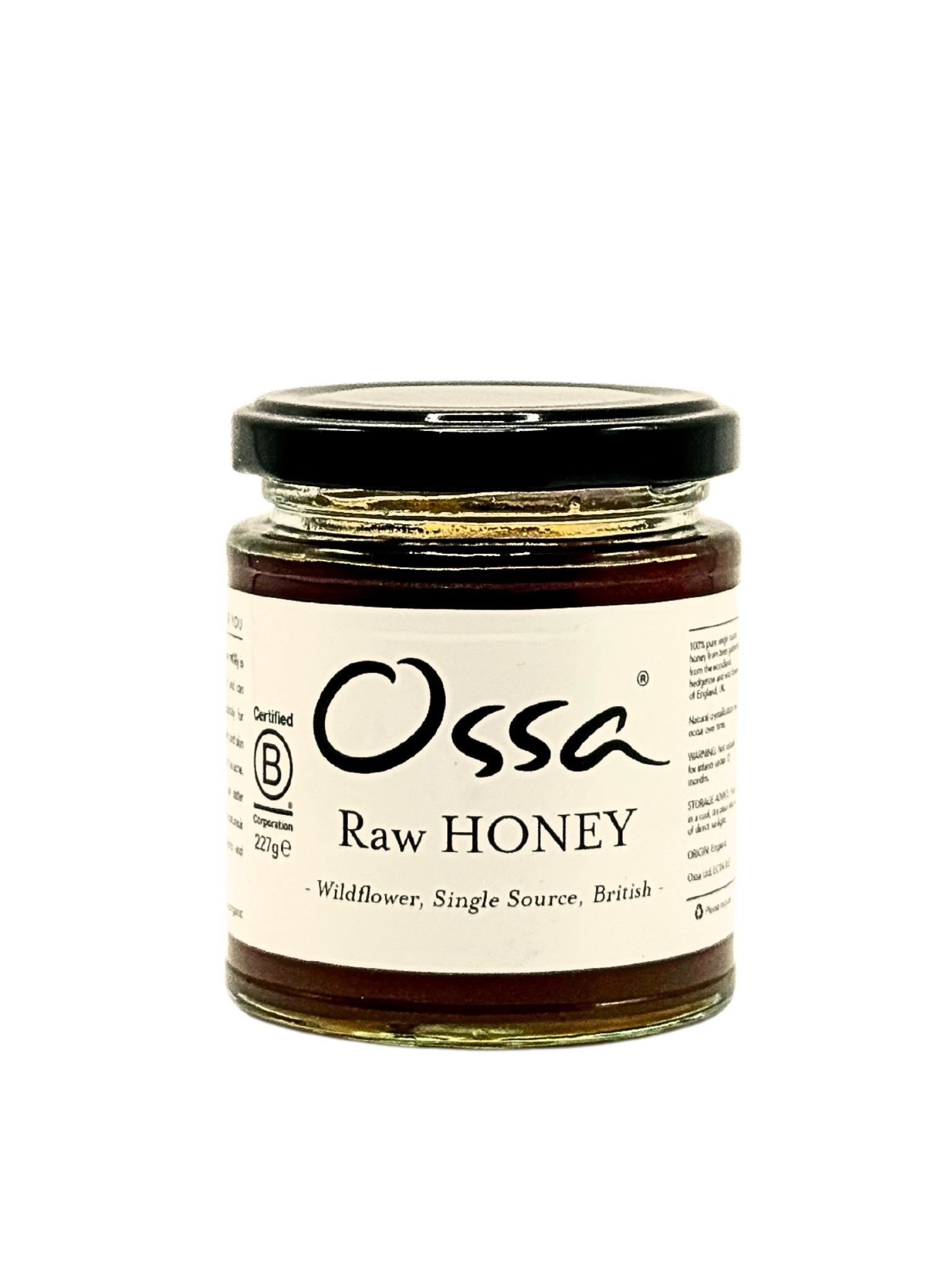
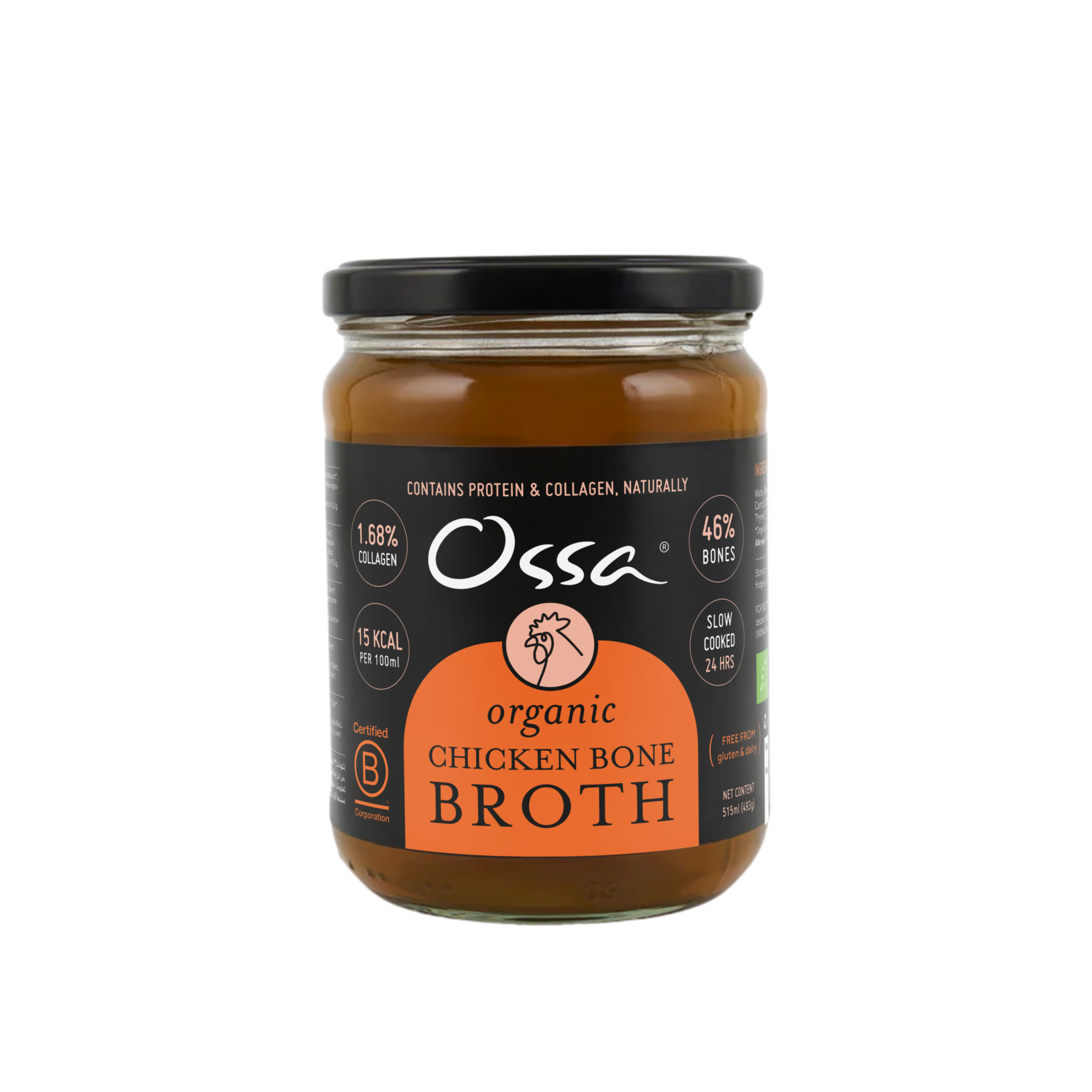
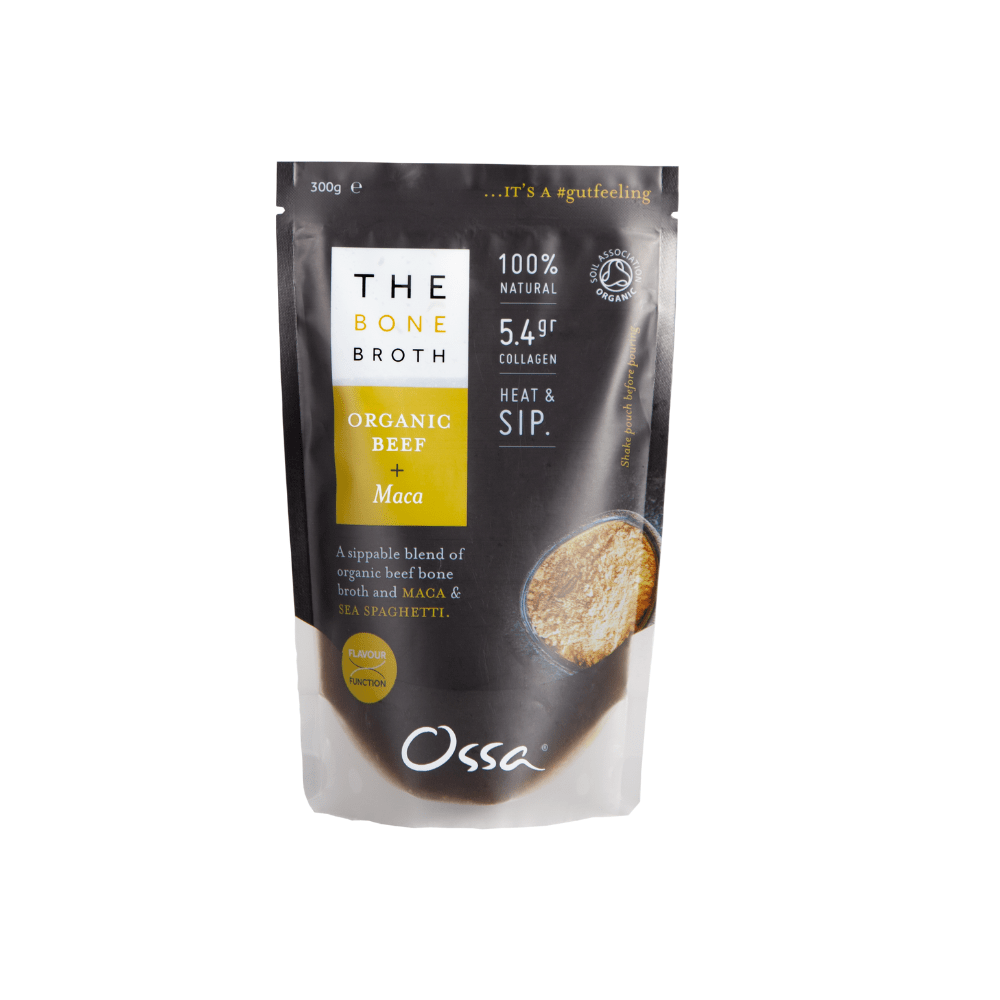
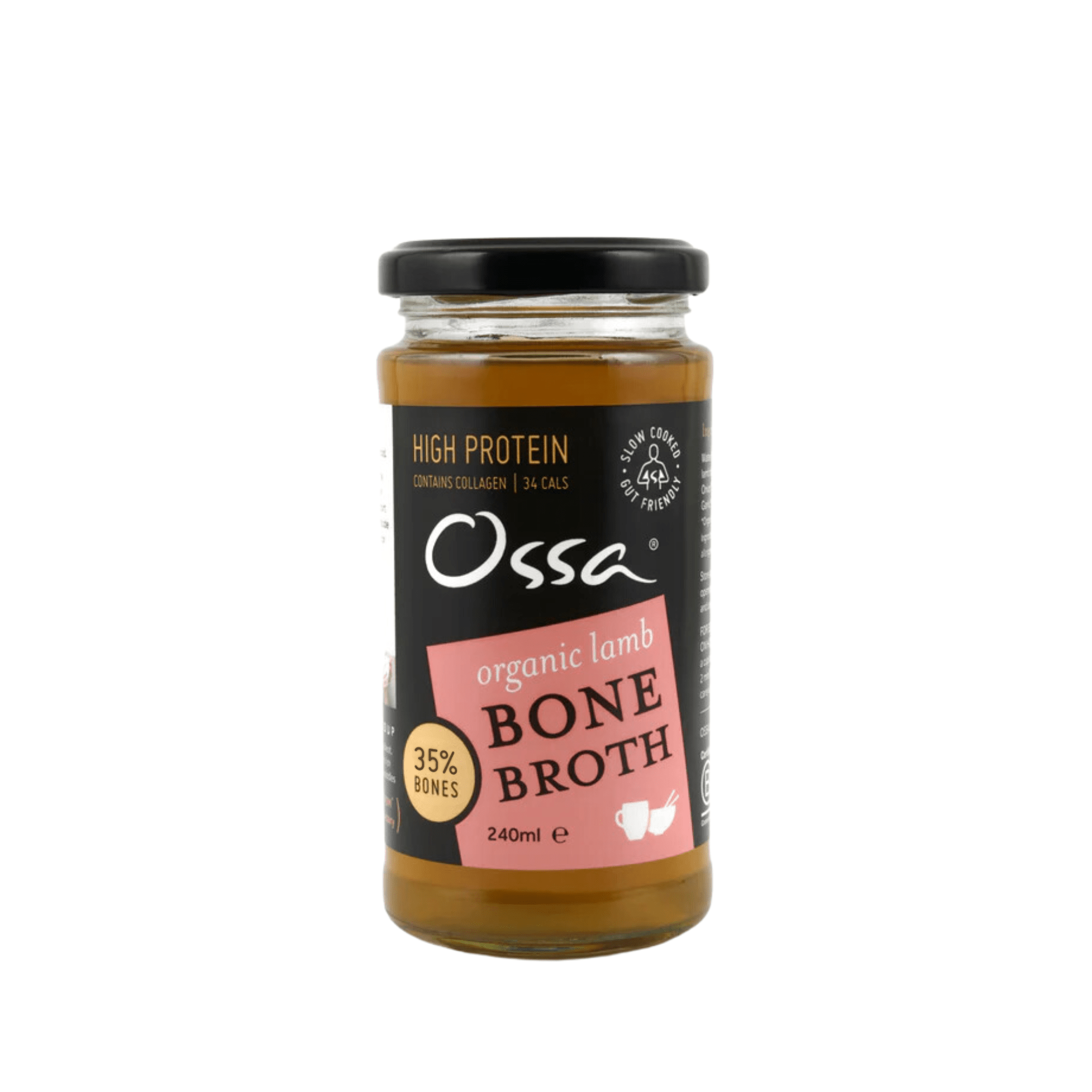
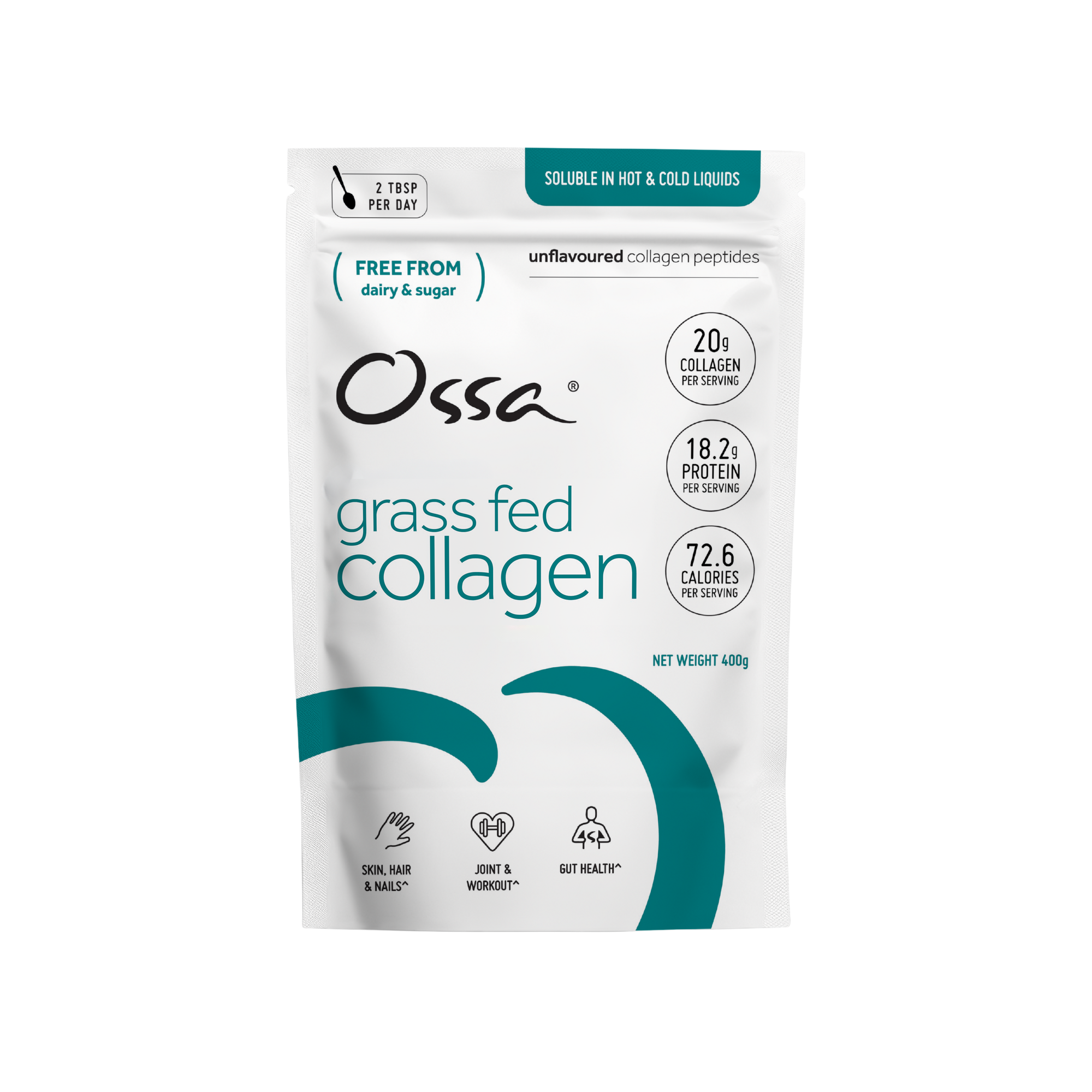
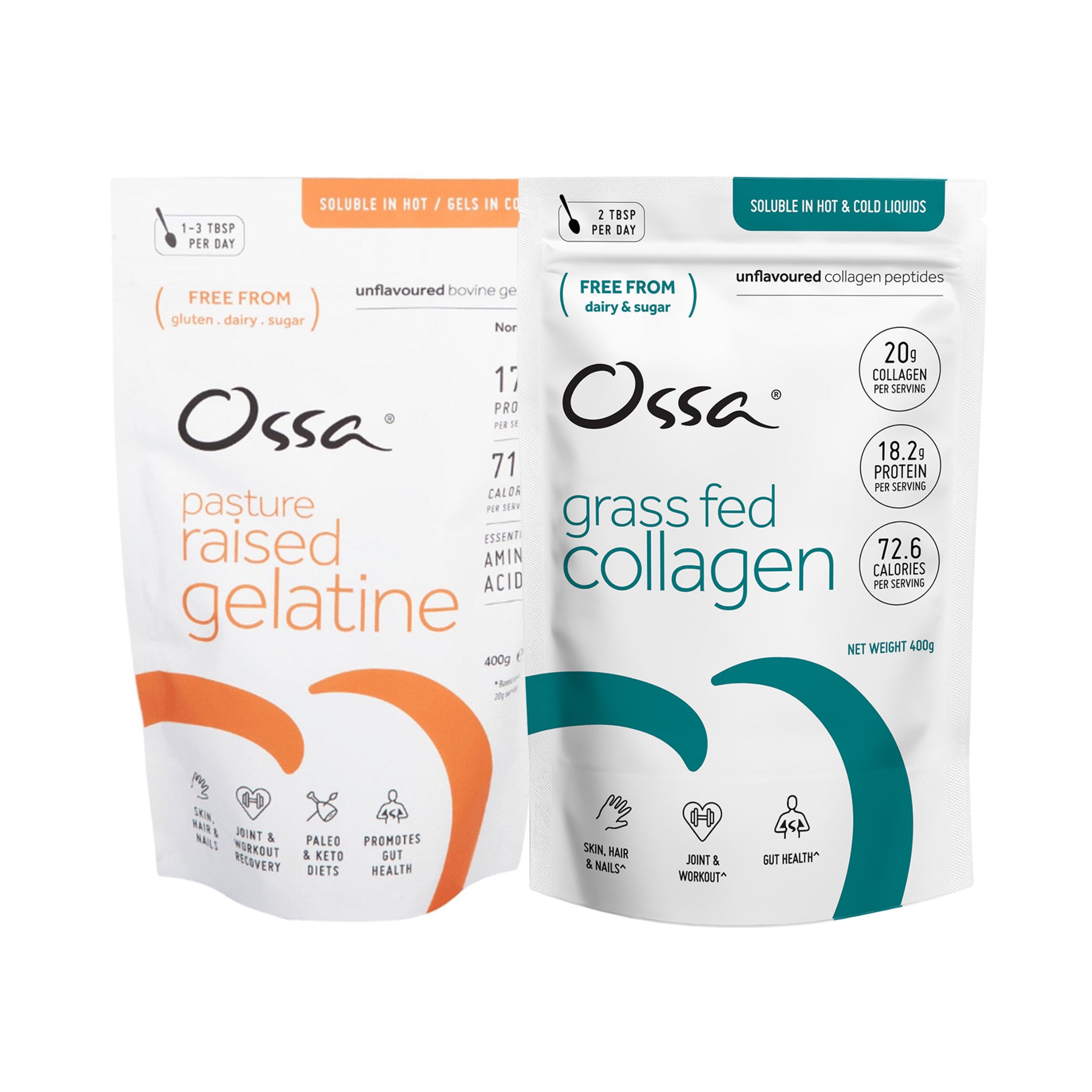
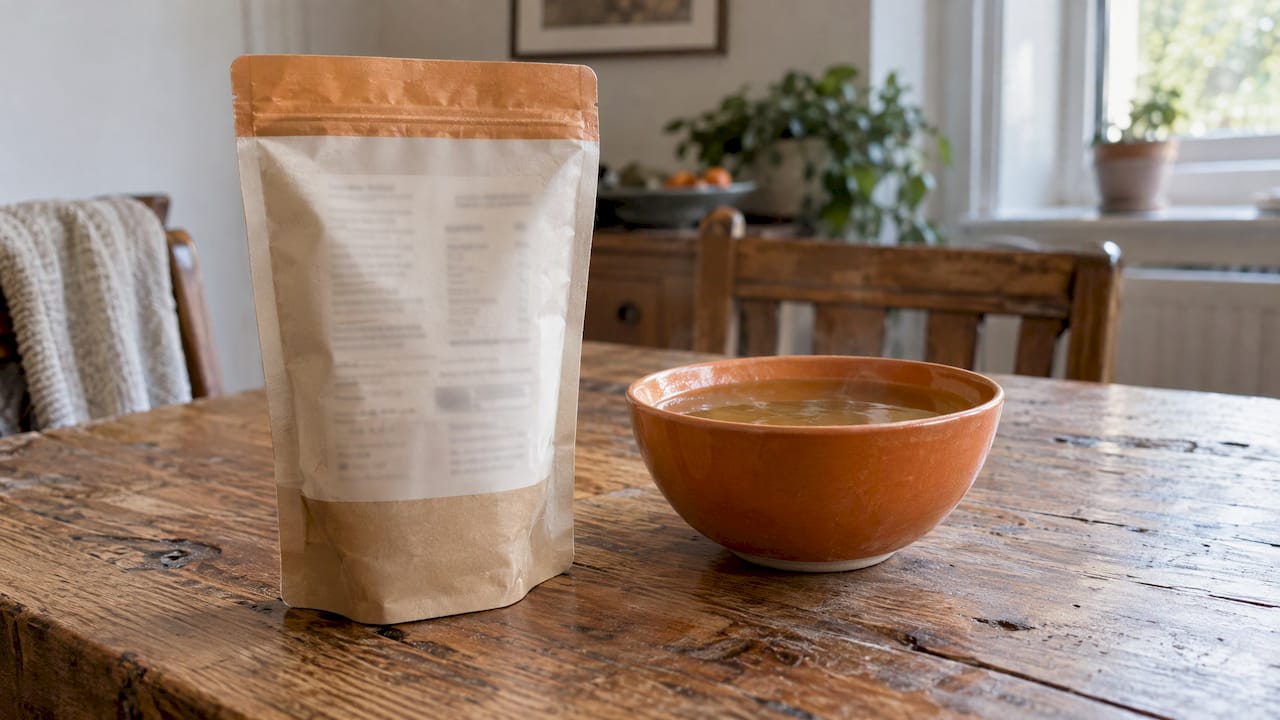
Organic ingredients
•
Naturally nourishing
•
Made with care
We've sent you an email with a link to update your password.
Reset your password
We will send you an email to reset your password.
Bone Broth Label Claims in the UK: What You Can Read Into Them
Ralph Barrozo
0 comments
On a UK bone broth label, any wording about nutrition, health, “organic” or “natural” is regulated. Nutrition and health claims must come from an official list, “organic” needs certification, and nothing may suggest the food treats or cures a disease. The practical rule for you as a shopper: trust the ingredient list, the nutrition table and the organic certification code first, and treat everything else on the front of the pack as marketing that must still be truthful.
This guide explains the categories of claim, where the legal lines sit, and a simple routine for reading a bone broth label in a shop or online.
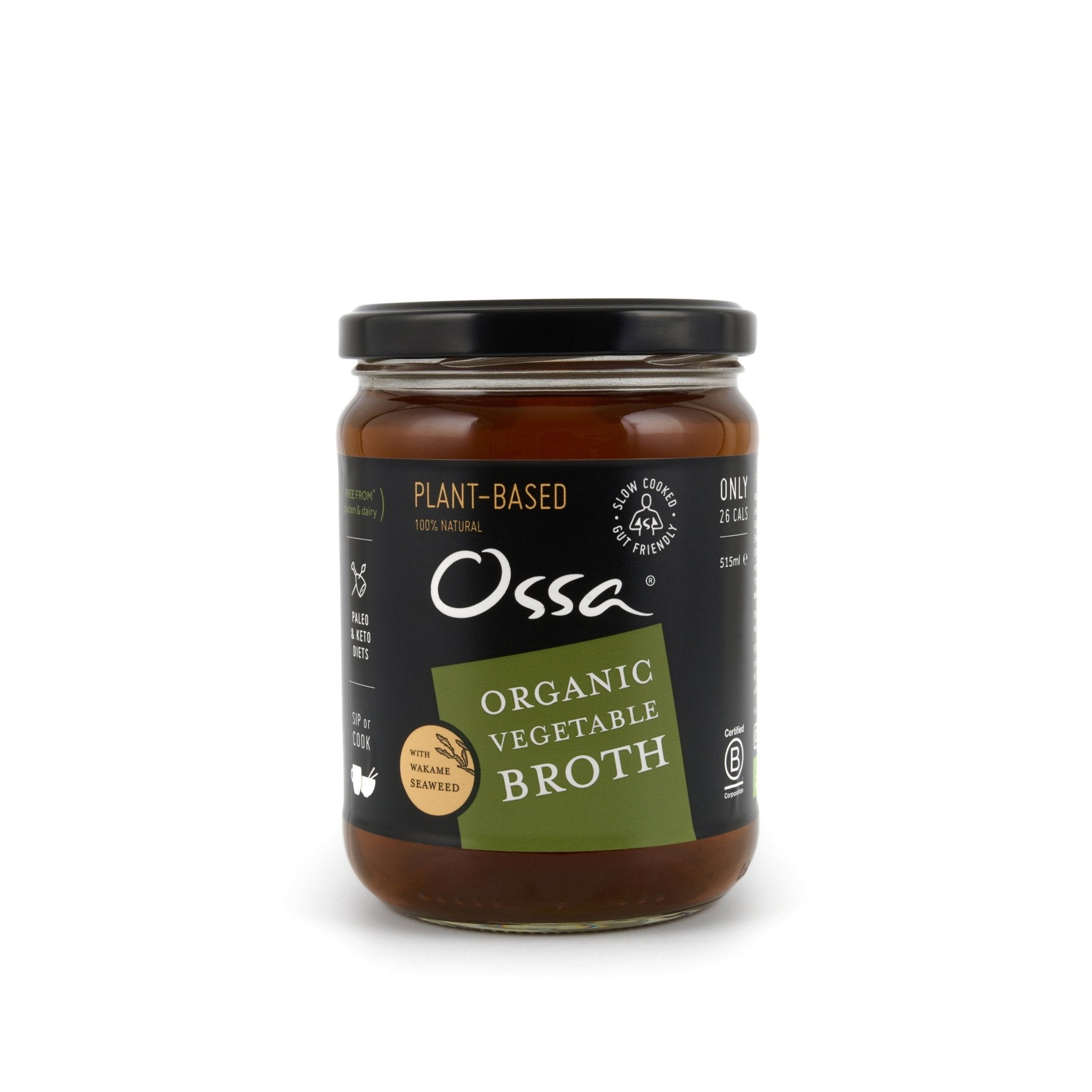
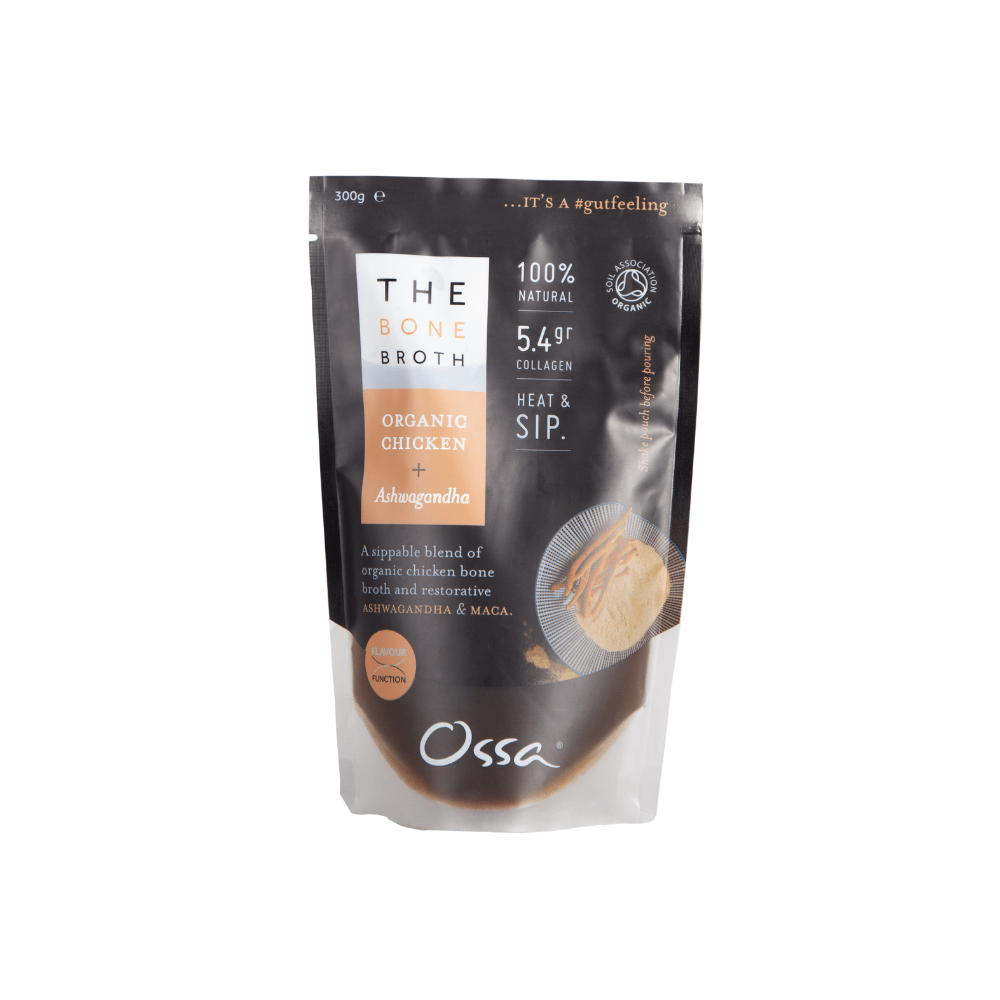
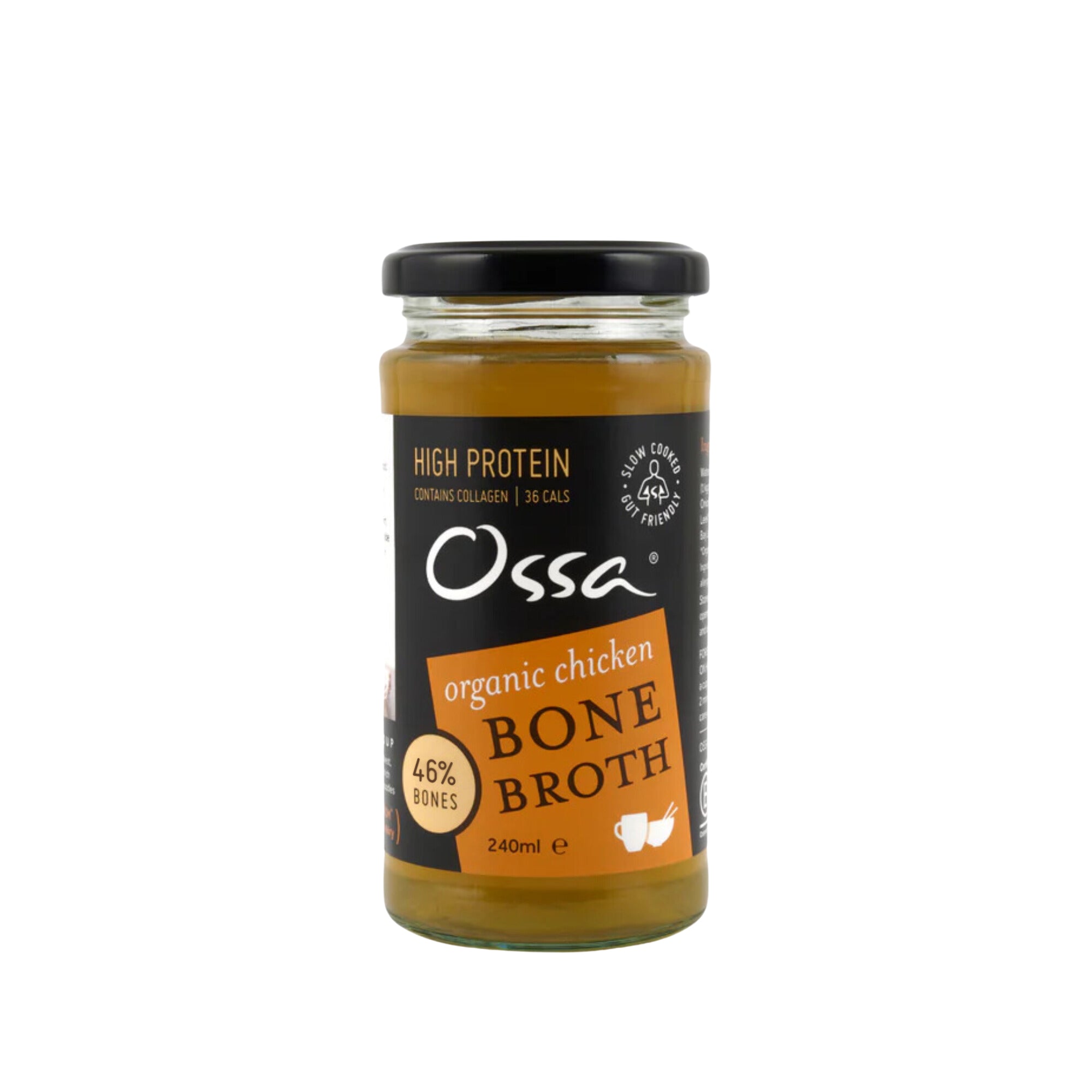
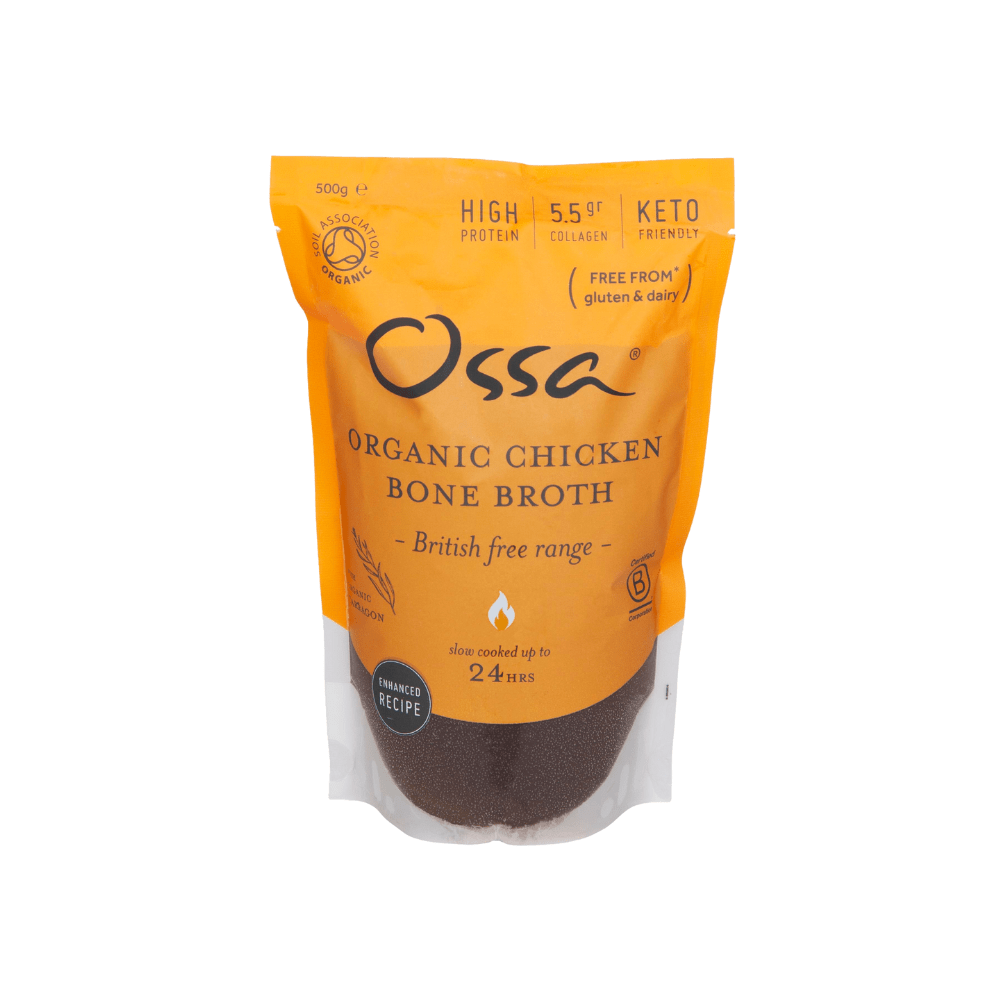
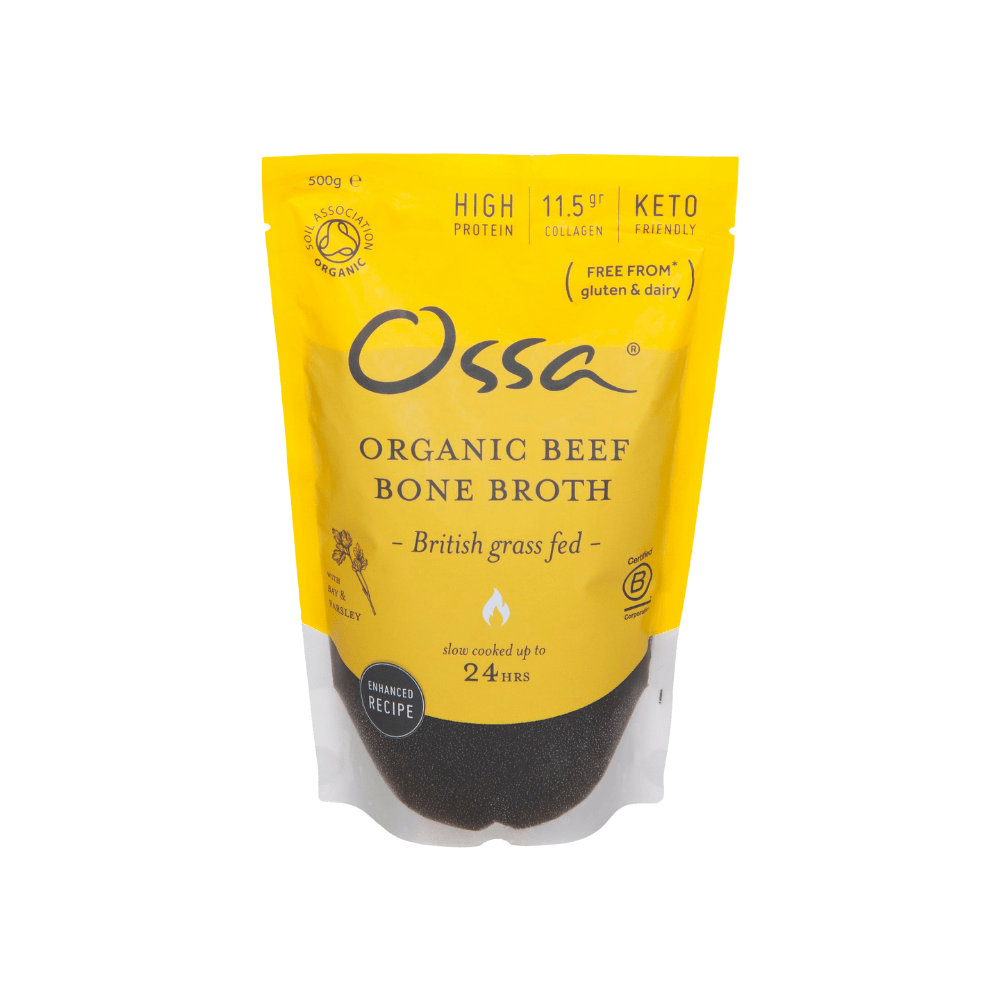
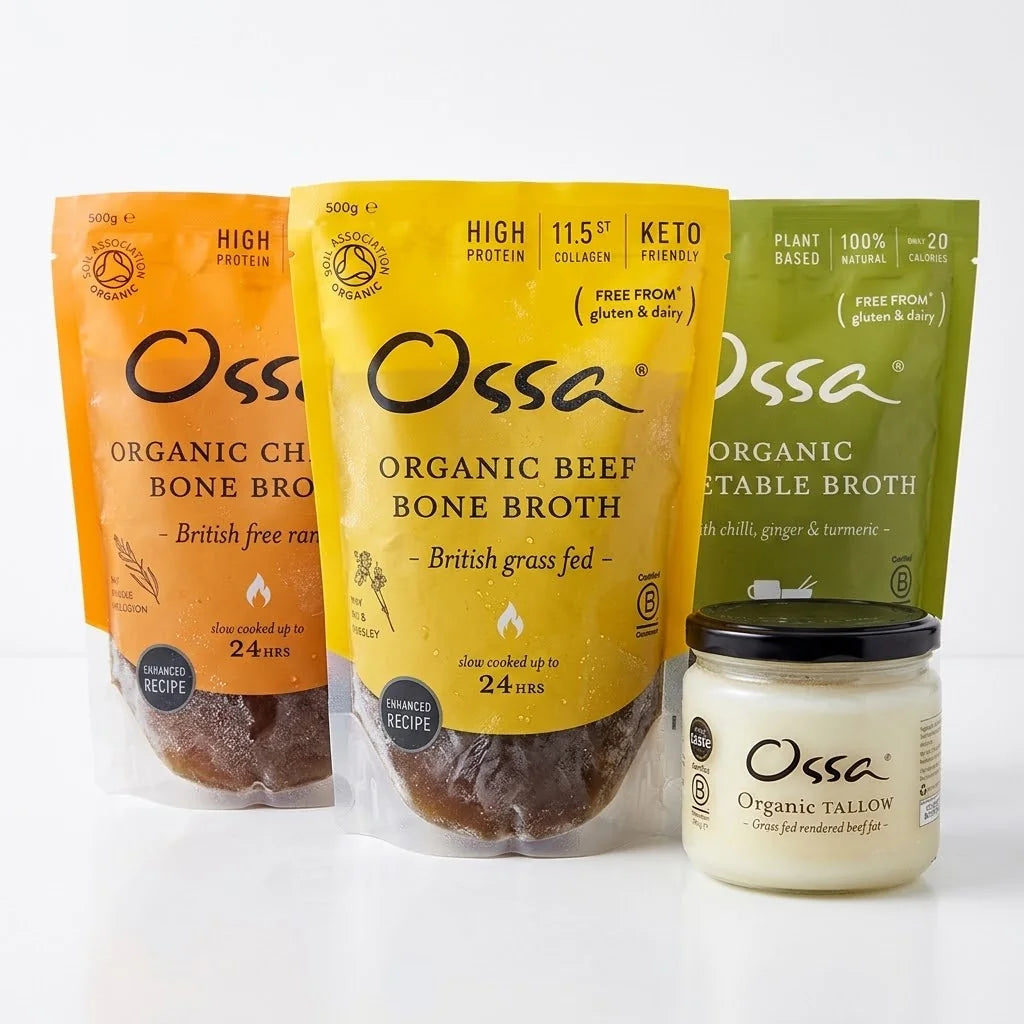
Ossa Organic
Choose Broth Made With Care
Explore Ossa Organic’s range, rooted in organic ingredients, slow cooking techniques and a tradition of nourishing food.
In Great Britain, nutrition claims (such as “high in protein”) and health claims must match wording on the official GB nutrition and health claims register, and the food must meet the conditions attached.
No food label may state or imply that the food prevents, treats or cures a disease or medical condition.
“Organic” is a protected word: the product needs certification, at least 95% organic agricultural ingredients, and a control body code on the pack.
“Natural”, “traditional” and similar words have no specific rules but must be true and not misleading.
Read the ingredients, the nutrition table, the allergen emphasis and the organic code before the front-of-pack slogans.
Most of what is printed on a pack falls into one of three groups. Knowing which group a phrase belongs to tells you how much weight to give it.
Mandatory information. The ingredient list, allergens, net quantity, storage instructions, the business name and address. This is required by law, so it is the most reliable part of the pack. A nutrition declaration that states, for example, the amount of protein per 100ml is not a claim, because the law requires it.
Voluntary claims. Anything the producer chooses to add that states, suggests or implies the food has particular characteristics. “High in protein”, “low in sugars”, “contains vitamin C” and “contributes to normal bones” are all in this group. The legal definition of a claim is wide: it covers text, pictures, graphics and symbols, so an icon of a joint or a gut on the front of a pack can itself be a claim.
General descriptions. Words such as “slow cooked”, “traditional”, “natural”, “grass-fed” or “made in small batches”. These are not nutrition or health claims in themselves, and they have no dedicated rules, but they must be accurate. Under UK food law, a false or misleading statement on a product is an offence.
Nutrition claims: what “high in protein” actually requires
A nutrition claim is any claim that a food has beneficial nutritional properties. Since 31 December 2020, Great Britain has applied its own version of the retained Regulation (EC) No 1924/2006, and only claims listed in the GB nutrition and health claims register (the “NHC register”) may be used.
The important point is that each claim comes with a condition. For protein, the tests are based on the share of the food’s energy that comes from protein, not on grams:
Claim
Condition
Source of protein
At least 12% of the energy value comes from protein
High in protein
At least 20% of the energy value comes from protein
That means a broth with a respectable protein figure per cup may still not qualify if the rest of its energy comes from fat. Other claims have their own thresholds, and for liquids some are set per 100ml: for example “low fat” needs no more than 1.5g of fat per 100ml, “low sugars” no more than 2.5g per 100ml, and “source of fibre” at least 1.5g per 100ml.
A worked example
Imagine a broth with 40 kcal per 100ml, of which 8 kcal comes from protein. Protein supplies 20% of the energy, so “high in protein” would be allowed on that basis. If the same broth had 40 kcal but only 4 kcal from protein, that is 10%, and neither protein claim could be used. When you see a protein claim, you can check it yourself: multiply the grams of protein by 4 kcal, then divide by the total kcal per 100ml.
The nutrition declaration rule
Making any nutrition or health claim on a prepacked product triggers the requirement to give a full nutrition declaration, even for a producer who would otherwise be exempt. Small producers can be exempt from nutrition labelling if they have fewer than 10 employees, a turnover under £1.4 million and sell directly to consumers or to local retailers within a limited distance. So a missing nutrition table on a small producer’s broth is not automatically a red flag, but a claim without a table is a reason to look closer.
Health claims: why wording matters so much
A health claim is any claim that states, suggests or implies a relationship between a food, or one of its constituents, and health. The official guidance gives a clear contrast: “contains calcium” is a nutrition claim, while “calcium is needed for the maintenance of normal bones” is a health claim.
In Great Britain, a health claim can only be used if it is on the register and the food meets the conditions. Authorised wording must be materially the same as the register entry, and the business must hold evidence that the threshold is met. Two exceptions matter for bone broth shoppers:
General, non-specific claims such as “good for you”, “nutritious” or “superfood”. These are allowed only when accompanied by a specific authorised health claim relating to something actually present in the product in sufficient quantity.
Brand and trademark names that imply a benefit. Since 19 January 2022 the old transition period has ended, so a brand or fancy name that implies a nutrition or health claim must be accompanied by a related authorised claim.
What this means for collagen, gut and joint wording
Bone broth is widely associated with gut health, joints, skin and immunity. The label rules draw a firm line between that association in everyday conversation and what a pack may say.
The authorised list for vitamins and minerals includes wording such as vitamin C contributing to normal collagen formation for the normal function of bones, cartilage, gums, skin or teeth. That wording can only be used on a food that is at least a source of vitamin C, and it concerns the vitamin, not collagen as an ingredient. For immune function, any claim must name the specific aspect of immune function involved and rest on an authorised entry. Broad phrases such as “supports immunity” or “heals the gut” are not the kind of wording the register allows.
So when you read a pack, you will see one of two honest approaches:
Plain description. The label says what is in the product and how it is made: “slow-cooked beef bones, organic vegetables, apple cider vinegar, sea salt”. The reader draws their own conclusions.
Authorised wording. The label uses a register claim, attached to a nutrient actually present at the right level.
Be wary of packs that use gut, joint or immune language in a way that sounds like a promise. The wording on the front of the pack is the producer’s responsibility, and the register is the benchmark.
Claims that are prohibited outright
Some kinds of wording are not allowed on food at all:
Stating or implying that a food can treat, prevent or cure a disease or medical condition. A label cannot say a broth “heals leaky gut” or “treats arthritis”.
Suggesting that health could suffer if you do not consume the food.
Referring to the rate or amount of weight loss, such as “lose two stone in two weeks”.
Before-and-after pictures, and testimonials used in commercial communications.
Referring to recommendations from individual doctors or health professionals.
These rules cover advertising and social media posts as well as the pack. A product page, an Instagram caption and the pouch itself are all held to the same standard.
If you have a diagnosed digestive condition, or you take medicines, talk to your GP or a registered dietitian before changing your diet. A food label is not a substitute for that advice. For label-reading tips aimed at a specific gut condition, our guide to choosing a store-bought broth for SIBO shows what to check on the ingredient list.
Reading marketing around collagen
Collagen is the word most often used on bone broth packaging, and it is easy to see why: it is the protein found in the bones and connective tissue the broth is made from. A useful way to read any collagen-related line is to ask what the pack is actually describing: an ingredient, a nutrient value, or a benefit. Ingredient and nutrient statements are factual. Benefit statements need register wording. If you want to see how common bone and collagen marketing lines are assessed for what they imply, this overview of collagen and bone health is a helpful companion read. For a comparison of the two product types, see our page on collagen versus bone broth.
“Organic” on a bone broth label
Of all the words on a pack, “organic” is the one with the most robust legal backing, and it is the easiest to verify.
Under the UK organic labelling rules, a food can only be described as organic if:
at least 95% of its agricultural ingredients are organic;
all other ingredients and processing aids are permitted under the organic regulations; and
the product and its suppliers are certified by an approved UK organic control body.
The label must show the control body’s code number. In Great Britain this takes the form GB-ORG-XX, and in Northern Ireland XI-ORG-XX, together with a statement of where the agricultural ingredients came from. It is against the law to use “organic” in labelling, advertising, ingredient lists or commercial documents for food that has not been inspected and certified. The rule extends to company and brand names, so a non-organic business could not trade as, say, “Smith’s Organic”.
How to check it in ten seconds
Look for the control body code on the pack (GB-ORG followed by two digits in Great Britain).
Check the origin statement, for example “UK agriculture” or “non-UK agriculture”.
Look at the ingredient list: organic ingredients are typically marked, and the 95% rule means a small share can be non-organic.
When you read “organic bone broth”, you are really reading two separate things: the certified status of the ingredients, and the broth recipe. The organic mark tells you about farming and processing standards. It does not by itself say anything about how long the broth was cooked or how much protein it holds. Our guide to organic beef stock walks through how to choose one.
“Natural”, “traditional” and “grass-fed”
There is no legal definition of “natural” for a bone broth that gives it a protected meaning. The word must simply be true and not mislead. What helps is to compare the word with the ingredient list. A broth described as natural should read like food: bones, water, vegetables, herbs, vinegar, salt. If the list includes flavour enhancers, thickeners, preservatives or additives with E numbers, the front of the pack and the back are telling different stories.
“Traditional” and “slow cooked” are general claims about method. They have no rules of their own, so look for something concrete such as a cooking time stated on the pack or the producer’s website. “Grass-fed” is similarly a descriptive claim about the animals; for a product like ghee or tallow, it is normally backed by supplier information that the business should be able to explain.
The test is consistency. A phrase that is specific, checkable and matches the ingredient list is far more reliable than a phrase that sounds good but cannot be tied to anything on the back.
The rest of the label: what to check on every pack
The back of the pack contains the information that is legally required and therefore the most useful. Work through it in this order.
Ingredients
Ingredients are listed in descending order by weight. Bones or the named meat or vegetables should come first, followed by water or the broth base depending on how the recipe is described. Short lists are easier to judge. Look out for yeast extract, flavourings, sugars and thickeners if you are choosing broth for a natural or paleo-style diet.
Allergens
There are 14 regulated allergens that must be emphasised in the ingredient list on a UK pack: cereals containing gluten, peanuts, tree nuts, fish, crustaceans, molluscs, sesame, eggs, milk, soybeans, celery, lupin, mustard and sulphur dioxide or sulphites. Celery and mustard are common in broths and stocks, so check for them even in vegetable and chicken varieties. Since October 2021, food prepacked for direct sale also needs a full ingredient list with allergens emphasised.
Nutrition table
Look at values per 100ml and per serving. Salt is the figure that varies most between broths. Protein per serving is useful for comparing products, but remember it is only a “high in protein” claim if protein supplies at least 20% of the energy.
Storage and shelf life
The label should give storage instructions before and after opening and a date mark. This is part of the mandatory information and is a sign of a producer taking the basics seriously.
Producer details
A UK business name and address must appear. If you are buying online, the same details should be easy to find on the website.
Use this routine in the shop or on a product page:
Read the ingredient list first. Does it match the story on the front?
Find the organic code if the word “organic” appears.
Spot any claim, then ask whether it is a nutrition claim (a nutrient and a level) or a health claim (a link to the body).
Check the numbers behind nutrition claims using the nutrition table.
Watch for disease language. Any wording about treating, curing or preventing a condition should not be there.
Scan the allergens, including celery and mustard.
Look at the producer’s details and whether they are easy to find.
Great Britain and Northern Ireland
The nutrition and health claims rules differ slightly by territory. In Great Britain, claims are governed by the retained version of Regulation (EC) No 1924/2006 and the GB register. Northern Ireland continues to follow EU rules for food under the Windsor Framework arrangements, which is why organic codes there take the XI-ORG-XX form. If you sell or buy across the Irish Sea, check the guidance for the territory where the food is placed on the market. Rules and registers are updated from time to time, so the government’s food labelling pages are the place to confirm the current position.
Our view on bone broth labels
We started Ossa Organic because bone broth made a difference to our own family, and we have eaten mostly paleo and avoided processed ingredients ever since. That is why we think labels should be short and readable: real ingredients, slow cooking, and nothing added that you would not find in your own kitchen.
For us, the most honest thing a pack can do is let you check it. Our range is built on organic ingredients, grass-fed sourcing, traditional slow cooking and no preservatives, hormones or artificial additives. We would rather you judge a broth by its ingredient list than by a slogan.
Our approach is tradition, not trend. We want gut health to be at the front of people’s thinking, and we want it discussed in language that is accurate, which is how we try to write about our broths, collagen, ghee and tallow.
Can a bone broth label say it is good for gut health?
Only in the ways the rules allow. Health claims must use wording from the GB register and be tied to a nutrient present at the right level, and no label may say or imply that a food treats or cures a condition. Phrases such as “good for you” are allowed only alongside a specific authorised claim.
Does “high in protein” on a broth mean a lot of protein?
It means protein supplies at least 20% of the broth’s energy. “Source of protein” means at least 12%. These are energy-share tests, so you can check them yourself from the nutrition table by multiplying protein grams by 4 and dividing by the kcal per 100ml.
How do I know a broth is really organic?
Look for the certification body’s code on the pack, which starts GB-ORG in Great Britain, and for an agricultural origin statement. A product can only use the word if it is certified and at least 95% of its agricultural ingredients are organic. The same rule applies to brand names.
Is “natural” a regulated term on food labels?
Not with a specific definition, but it must be true and not misleading. Compare the word with the ingredient list: a natural broth should list recognisable foods and avoid artificial additives and preservatives.
Do small producers have to show a nutrition table?
Some do not. Businesses with fewer than 10 employees and a turnover under £1.4 million that sell directly to consumers or to nearby local retailers can be exempt. Once a nutrition or health claim is made, however, a full nutrition declaration is required.