Organic ingredients
•
Naturally nourishing
•
Made with care
We've sent you an email with a link to update your password.
Reset your password
We will send you an email to reset your password.
Seed Oils on Labels: How to Spot Them on UK Food Packs
Ralph Barrozo
0 comments
Seed oils appear on a UK label under their own name (sunflower oil, rapeseed oil, soya oil) or under a general term such as “vegetable oil”. To find them, read the full ingredients list, not the front of the pack, and look for every oil named. UK law requires the oil to be stated on pre-packaged food, and the ingredients are listed by weight, so the position of an oil tells you how much of it the product contains.
This guide is for shoppers who prefer natural, minimally processed food and want to check packs quickly. It covers the names to look for, what “vegetable oil” means, the front-of-pack wording that misleads, and what words such as “cold pressed” and “hydrogenated” tell you.
Ossa Organic
ossaorganic.com
Choose traditional pantry staples
Ossa Organic makes natural foods using organic ingredients and slow cooking techniques, for shoppers seeking alternatives to processed foods.
Seed oils are oils pressed or extracted from seeds: rapeseed, sunflower, soya, corn, grapeseed, rice bran, sesame and safflower are the ones most used in the UK.
“Vegetable oil” is a general label. A refined blend must list its sources, for example “vegetable oils (sunflower, rapeseed)”, and in UK shops a single “vegetable oil” is often rapeseed.
Ignore the front of the pack. “Made with olive oil” does not mean olive oil is the only oil, so read the whole ingredients list.
Ingredients are listed in weight order, so an oil near the start is a main ingredient and one near the end is a small part.
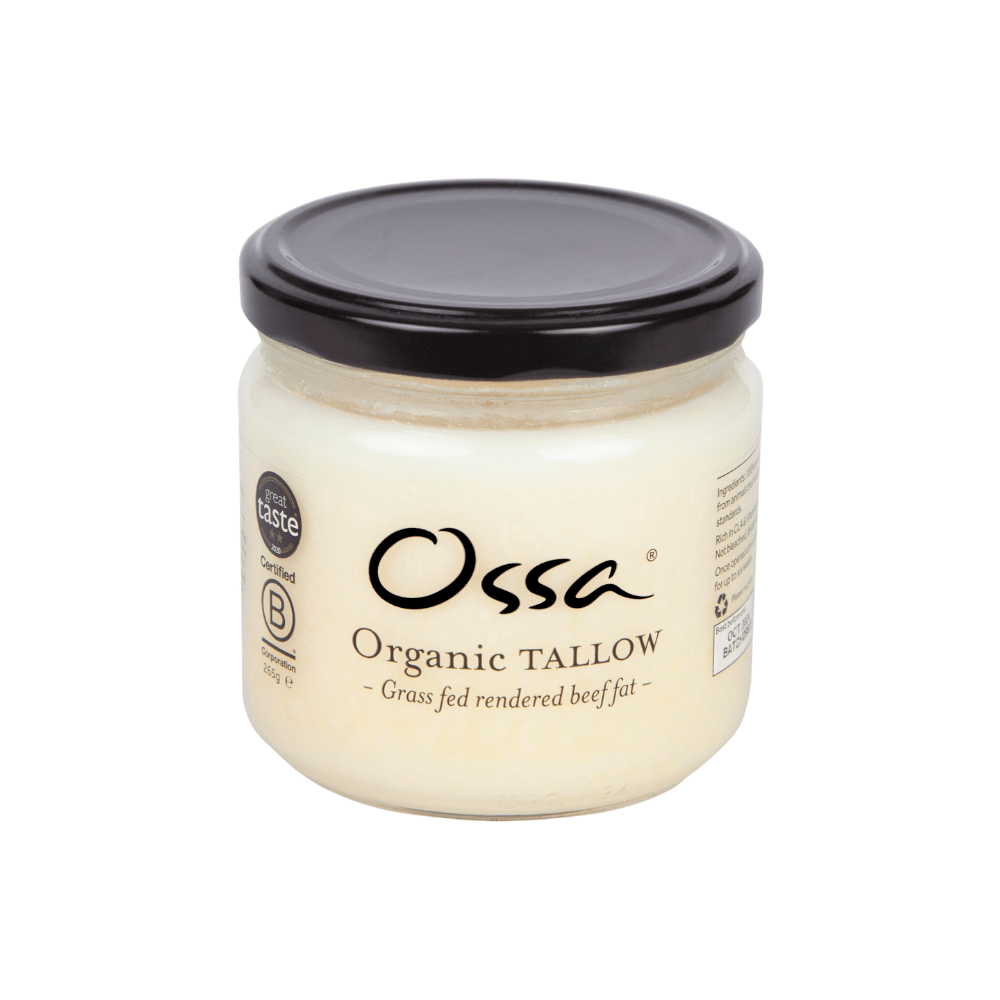
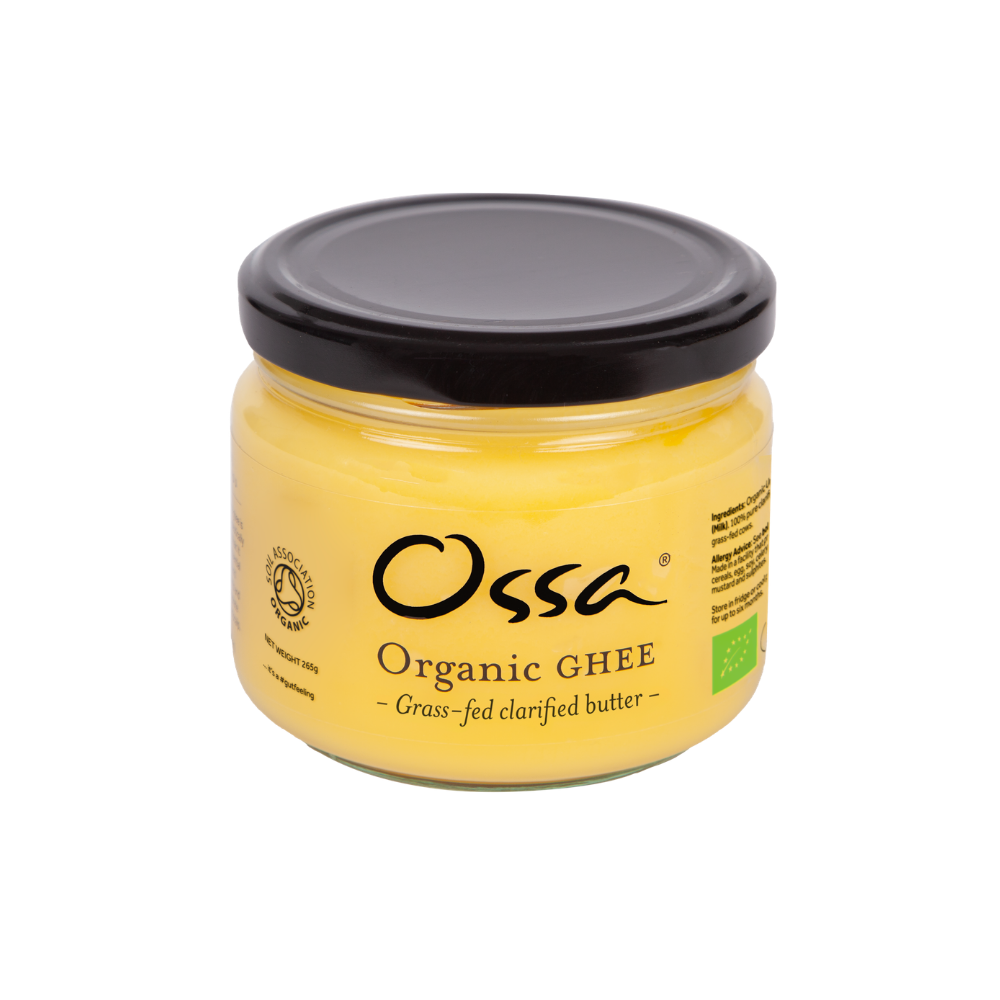
For cooking at home, traditional fats such as grass-fed ghee and tallow remove the guesswork, because the label has one ingredient.
A seed oil is an edible oil made from the seeds of a plant. The British Heart Foundation (BHF) gives rapeseed, sunflower, soya beans and corn as examples. Seed oils are a type of vegetable oil, but not every vegetable oil is a seed oil. Olive oil and avocado oil come from the flesh of the fruit, not from a seed, so they sit outside the group.
In the UK the two you will meet most are rapeseed and sunflower. Rapeseed is the same plant known as canola in North America. It is the oil most often found in bottles simply sold as vegetable oil. Sunflower oil is higher in omega-6 fats, while rapeseed is more balanced between omega-6 and omega-3. Other seed oils that turn up in British food include soya bean, corn, grapeseed, rice bran, sesame and safflower. They have been in widespread use since around the 1950s, both in home cooking and in many ultra-processed foods, according to the Guardian.
The term is a food-trade and wellness label, not a legal category. No UK law requires a pack to say “contains seed oils”. That is why you have to learn the individual names.
Names that mean seed oil on an ingredients list
The table groups the wording you will actually see. Use it as a quick reference when you read a pack.
What the label says
Is it a seed oil?
Notes
Rapeseed oil, canola oil
Yes
Canola is the North American name for rapeseed.
Sunflower oil, high-oleic sunflower oil
Yes
High-oleic is a variety bred for a different fat profile, still from seeds.
Soya oil, soybean oil
Yes
Refined soya oil is listed but need not be emphasised for allergens.
Less common on UK shelves but used in snacks and dressings.
Sesame oil, flaxseed oil, hemp, pumpkin or poppy seed oil
Yes
Often used for flavour in smaller amounts.
Peanut (groundnut) oil
Comes from a legume seed
Always emphasised on UK labels as an allergen.
Vegetable oil, vegetable oils (…)
Usually
Check which oils follow in brackets.
Shortening, hydrogenated oil, interesterified fat
Often
The source oil should be named. Hydrogenated oils must say “fully” or “partly”.
Olive oil, avocado oil, coconut oil, palm oil
No
These come from fruit or flesh, not from seeds.
Butter, ghee, tallow, lard
No
Animal fats.
Broader wording that can point to seed oils includes “oil blend”, “vegetable fat” and “shortening”. If the pack uses one of those terms, look for the specific oils named after it.
What “vegetable oil” tells you, and what it does not
This is the label that causes most confusion. UK food law allows refined vegetable oils of different origins to be grouped under the name “vegetable oils”, but the list of specific plants must follow. A compliant pack reads something like “vegetable oils (sunflower, rapeseed)”. Producers may add “in varying proportions” when the mix changes from batch to batch. Where the oils are interchangeable and each makes up a small share, “and/or” wording is accepted, as long as at least one of them is in the product.
A single bottle sold as “vegetable oil” on a British supermarket shelf is usually refined rapeseed oil, because rapeseed is widely grown in the UK. Consumer advice from Which? is to check the label anyway, since a bottle may hold another plant oil or a blend.
Two practical rules follow:
If the label says only “vegetable oil” with no plants named, treat it as undetermined and look for the full wording elsewhere on the pack.
If the brackets name rapeseed, sunflower or soya, you have found seed oils.
Hydrogenation has its own rule. Any hydrogenated oil must carry the words “fully hydrogenated” or “partly hydrogenated” next to its name. Partly hydrogenated fats are the form associated with trans fats, so the extra wording is useful when you scan a biscuit or pastry pack.
The front of the pack is not the ingredients list
Front labels are marketing. They highlight one appealing ingredient and say nothing about the rest. A salad dressing can say “made with olive oil” on the front and still contain soya or rapeseed oil further down the ingredients. The same applies to “made with avocado oil” on crisps and “with butter” on pastry.
The habit that fixes this is simple: turn the pack over and read every oil in the list, not only the one named on the front.
Foods where seed oils are common
BBC Good Food lists the main places they appear:
Bottled cooking oils and spreads, including margarine.
Crisps, crackers, biscuits, bread and frozen meals.
Salad dressings and mayonnaise.
Plant-based and vegan products.
Snacks such as popcorn and granola bars.
Fast-food deep frying.
That range means you will find them in a lot of shop-bought food, and in many cases a short ingredients list is the clearest sign a product is free of them. Our guide to seed oil free crisps shows how this plays out in one aisle.
How to read a label in under a minute
Use the same order every time and you will not need to think about it.
Step 1: Go straight to the ingredients
Find the box headed “Ingredients”. According to GOV.UK, when a product has two or more ingredients they must all be listed under that heading in order of weight, with the main ingredient first. Ignore the front, the nutrition panel and the marketing claims for now.
Step 2: Scan for oil and fat words
Run your eye through the whole list for “oil”, “fat”, “shortening” and “margarine”. Check compound ingredients too: a sauce, a chocolate coating or a filling can contain its own oil, shown in brackets inside the main list.
Step 3: Note the position
Because the list runs by weight, an oil in first, second or third place is a main part of the recipe. An oil that appears last is a small share. This is the quickest way to judge how much of a product is made up of it.
Step 4: Read the brackets
If you find “vegetable oils”, read the bracket that names the plants. If there is no bracket, look for allergen or origin information elsewhere on the pack.
Step 5: Check the processing words
Words such as “cold pressed”, “expeller pressed”, “refined” and “hydrogenated” describe how an oil was made. The next section explains what they mean.
Step 6: Repeat for your regular items
Do this once for the ten or fifteen products you buy every week. After that you only need to check new items or products whose recipe has changed.
What the processing words mean
Most seed oil is made by extracting it from the seed with a solvent, normally hexane, then refining. According to the Guardian, hexane is almost entirely removed during refining, and the EU maximum residual limit is 1mg per kilo. Refining includes degumming, neutralising, washing, bleaching, dewaxing and deodorising. It gives a neutral flavour and a longer shelf life.
The wording on the bottle tells you which route an oil took:
Cold pressed or expeller pressed: the seeds were crushed and pressed mechanically, then filtered, without solvents. Newcastle University’s Dr Paul Bilsborrow, quoted by BBC Food, notes that cold-pressed rapeseed oil costs more than chemically extracted rapeseed.
Refined: the oil went through the steps above. Most generic vegetable oil falls here.
Unrefined or virgin: the oil was not put through the full refining sequence, which usually means more flavour and colour. For soya oil, UK allergen rules treat unrefined and refined versions differently (see below).
Fully or partly hydrogenated: hydrogen was added to change the texture of the fat. The label must say which.
Processing is a matter of preference as much as nutrition. Prof Parveen Yaqoob of the University of Reading told BBC Food that she does not necessarily think the extraction process makes seed oils bad. If you prefer foods made with traditional methods, the processing words help you choose, and the shortest route is a fat with one named ingredient.
Allergen rules and what they show you
UK allergen rules help in one narrow way. Peanut (groundnut) oil must always be emphasised in the ingredients list, for example in bold, whether it is refined or unrefined. Sesame, soya and nut oils are also named. The Anaphylaxis Campaign’s factsheet explains that unrefined soya oil must be emphasised, while fully refined soya oil does not need emphasis but must still be listed.
That matters for two reasons. First, bold type is not a complete map of seed oils, because rapeseed, sunflower and corn oils are not among the emphasised allergens. Second, if you or a family member has an allergy, the emphasised wording is there for safety. People with a diagnosed peanut, sesame or soya allergy should follow the advice of their GP or allergy specialist and read the label every time, because recipes change.
Why shoppers look for them, and where the evidence stands
Some shoppers avoid seed oils because they want food made from fewer industrial steps, or because they are cutting back on ultra-processed products where those oils are often found. That is a reasonable way to choose, and a label reading habit supports it.
It helps to know what the mainstream UK guidance says, so your choices rest on facts. The BHF notes that the Eatwell Guide recommends vegetable and seed oils because they contain mostly unsaturated fats, and that current evidence does not show seed oils cause long-term inflammation. The BHF dietitian Tracy Parker explains that omega-6 fats can be converted in the body into compounds involved in inflammation, but there is no strong or consistent proof that eating them directly causes inflammation in humans. BDA spokesperson Nichola Ludlam-Raine, quoted by BBC Food, says a variety of fats is best, including olive oil, nuts, seeds and oily fish.
The practical conclusion is about the foods that carry the oil. Dr Bilsborrow advises avoiding vegetable oil as a component of heavily processed foods. Reading labels gets you to the same place: fewer packaged products with long ingredients lists, more food you cook from whole ingredients.
Our view: a short ingredients list is the simplest label
We started Ossa Organic from a simple habit: read the ingredients, and choose food that looks like food. The easiest packs to read are the ones with very few lines on them.
That is how we think about fats. Our grass-fed ghee and tallow are traditional cooking fats, made in the way people cooked long before refined bottled oils. We value organic ingredients and slow cooking, and our range is free from preservatives and artificial ingredients.
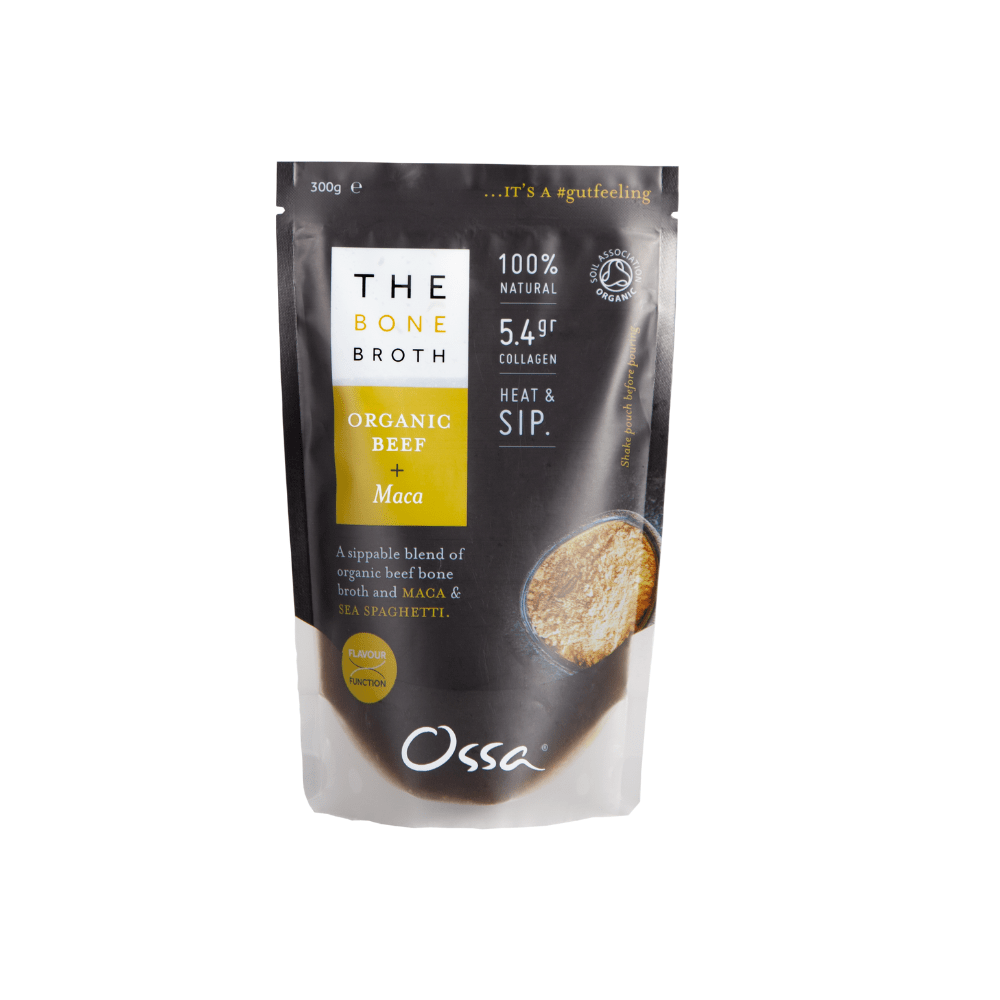
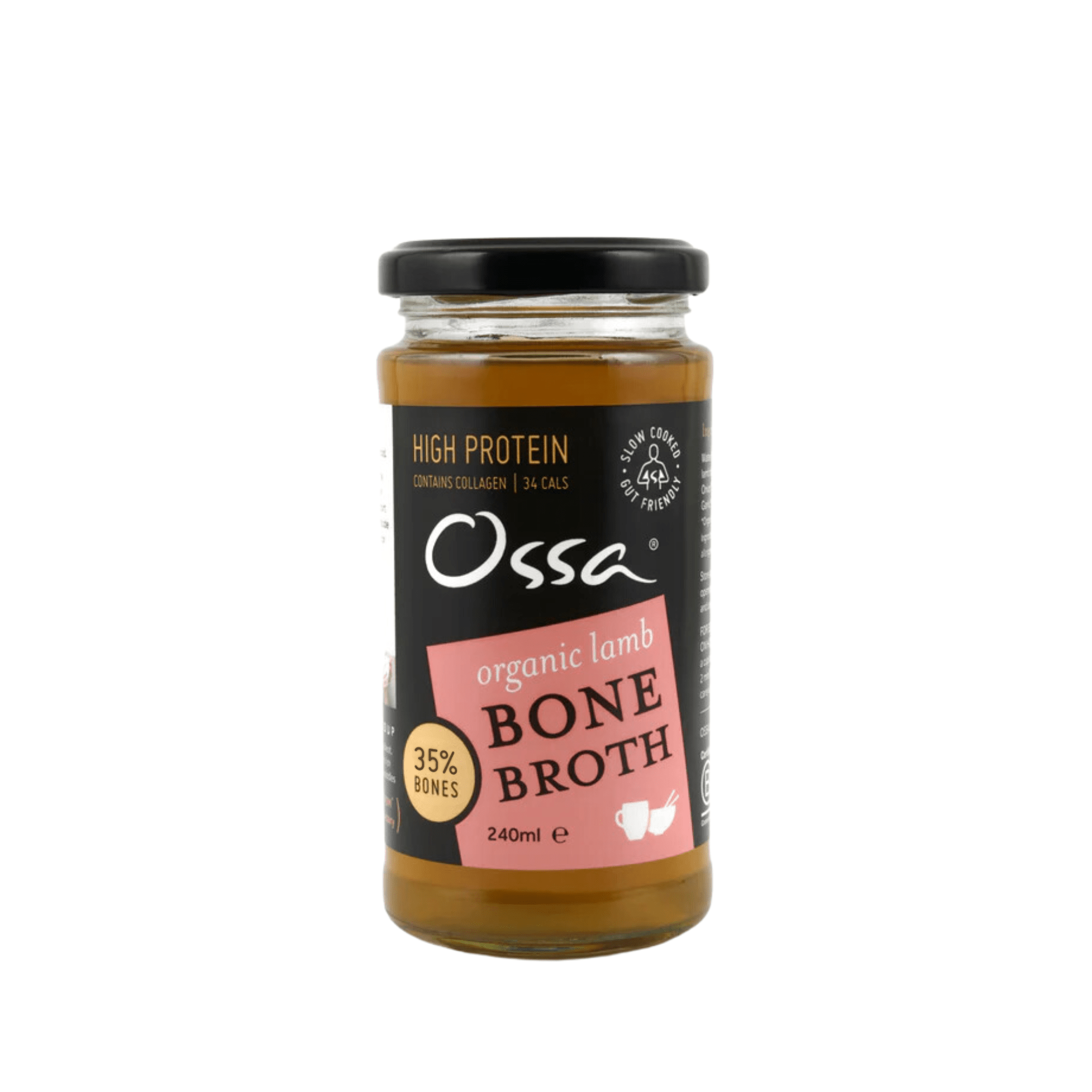
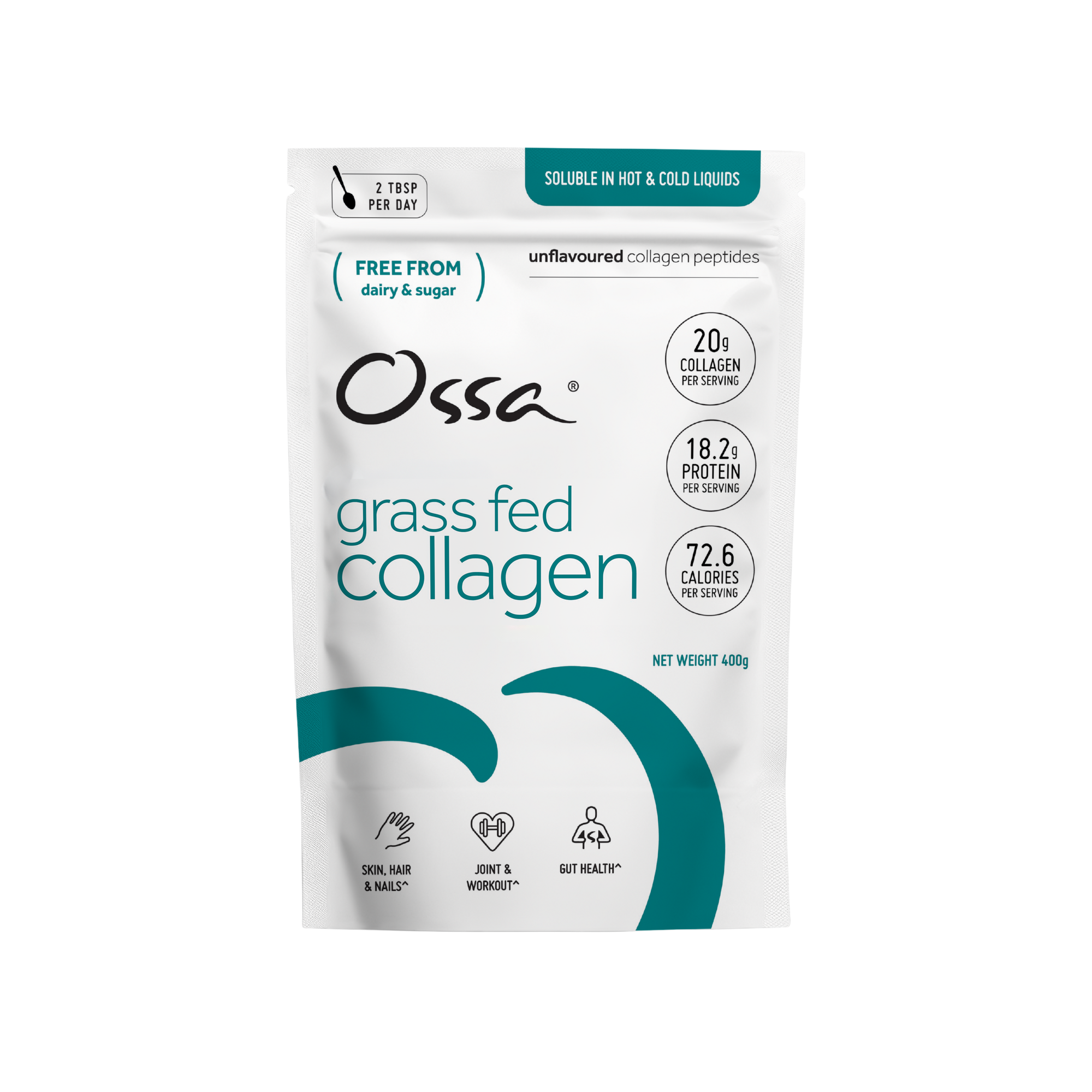
When you cook with a single-ingredient fat, there is nothing to decode. You do not need to check whether “vegetable oil” means rapeseed, sunflower or a blend, and you do not need to read brackets. The same thinking runs through our bone broths, collagen powders and snack kits: we want you to feel confident about what is in your food and to move away from processed products with unnatural ingredients.
Our family eats mostly paleo and avoids inflammatory foods, so these are the products we put on our own table.
Ossa Organic
Cooking at home without the label puzzle
Buying a fat for the kitchen is the easiest place to apply what you have learned. A bottle whose label names a single source is simple. A tub of spread or a bottle of “vegetable oil” needs the checks above.
If you want to cook with traditional fats, our seed oil free cooking guide walks through the options for UK kitchens. For high-temperature cooking, such as roasting and frying, the guide to heat stable fats for high heat cooking shows which temperatures suit each method. If you are choosing between two popular options, the comparison of ghee and avocado oil sets out how they differ in the pan.
Some habits make the shopping easier:
Keep a short list of products you have already checked, and re-read the label only when the pack design or recipe changes.
Check sauces, dressings and marinades, which often hide the oil you were trying to avoid.
Look at the “may contain” and allergen lines for sesame, soya and nuts if anyone in the household has an allergy.
When eating out, remember that restaurant and takeaway food has no ingredients list in front of you. Cooking at home is where label reading pays off most.
Ossa Organic fats and pantry staples
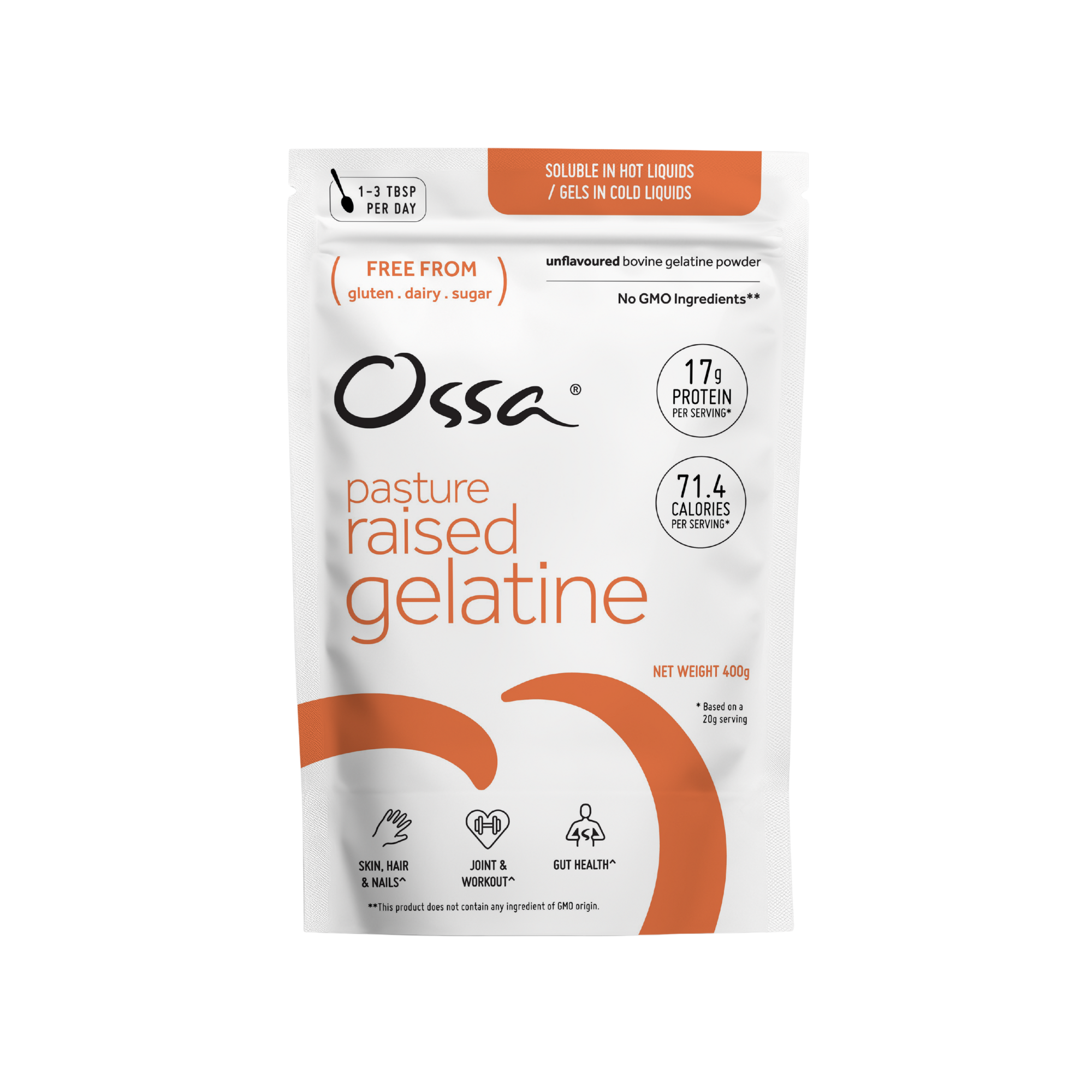
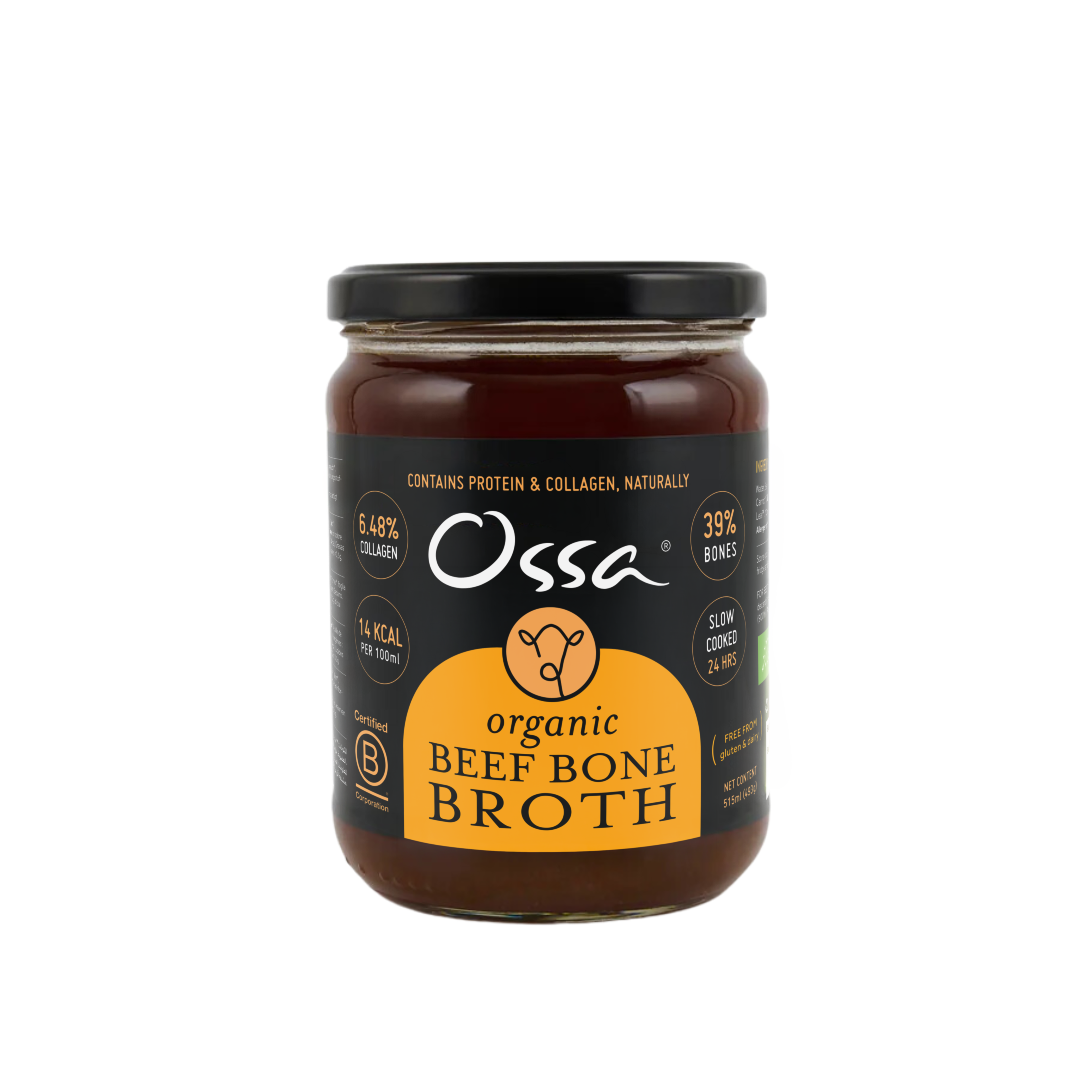
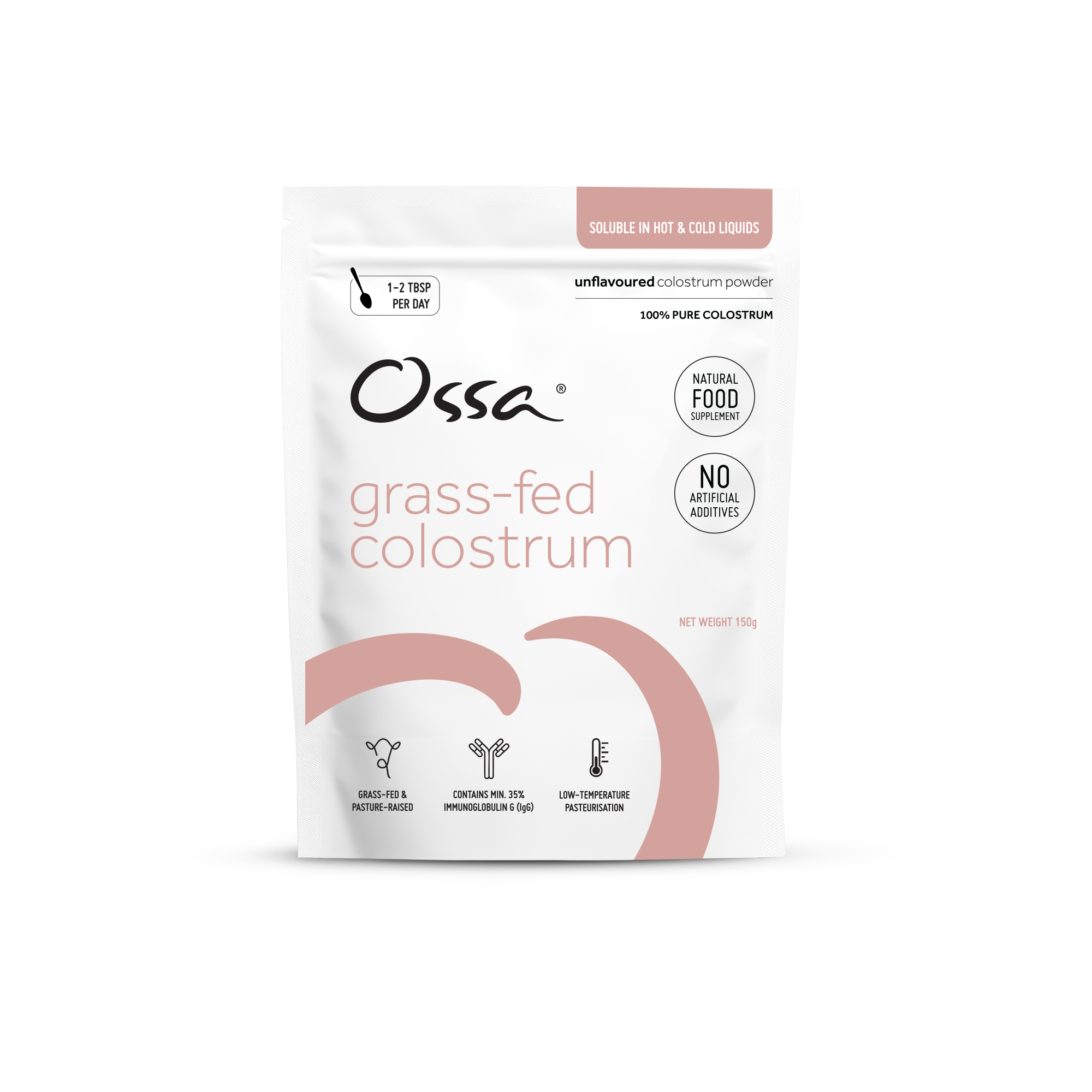
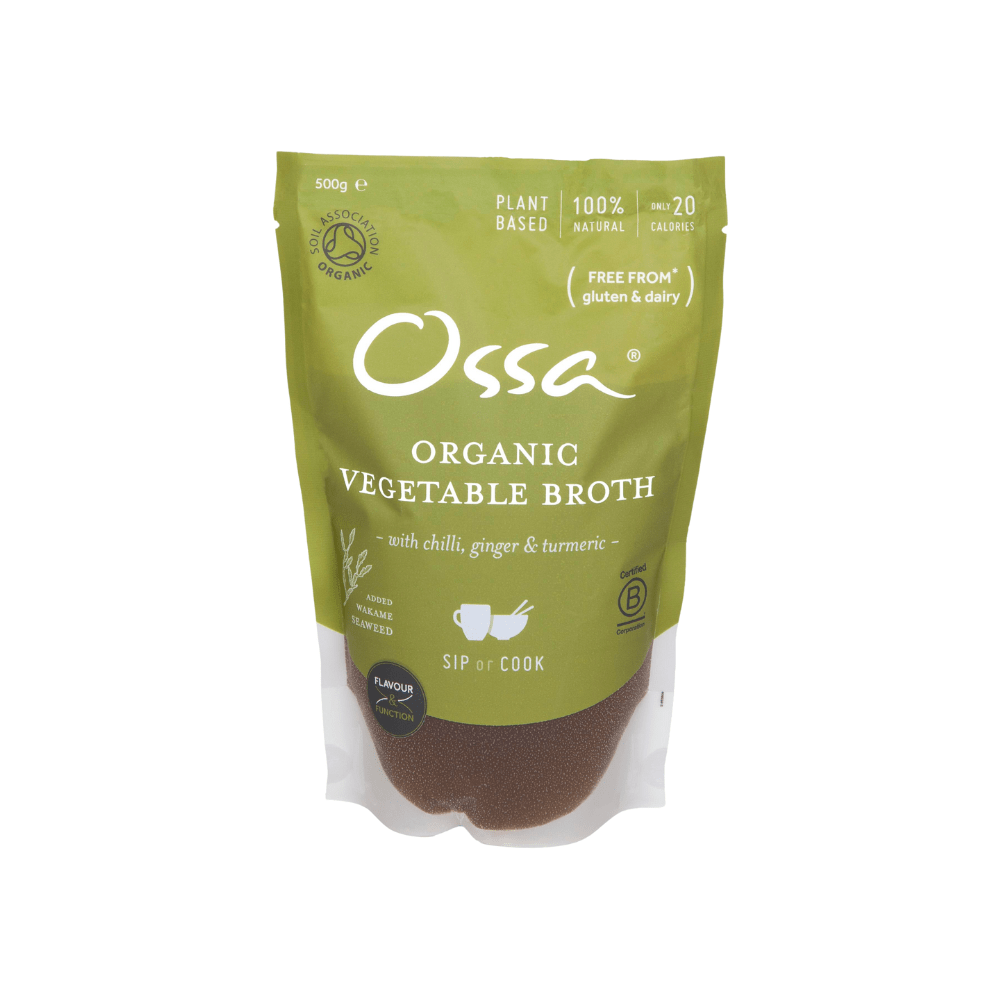
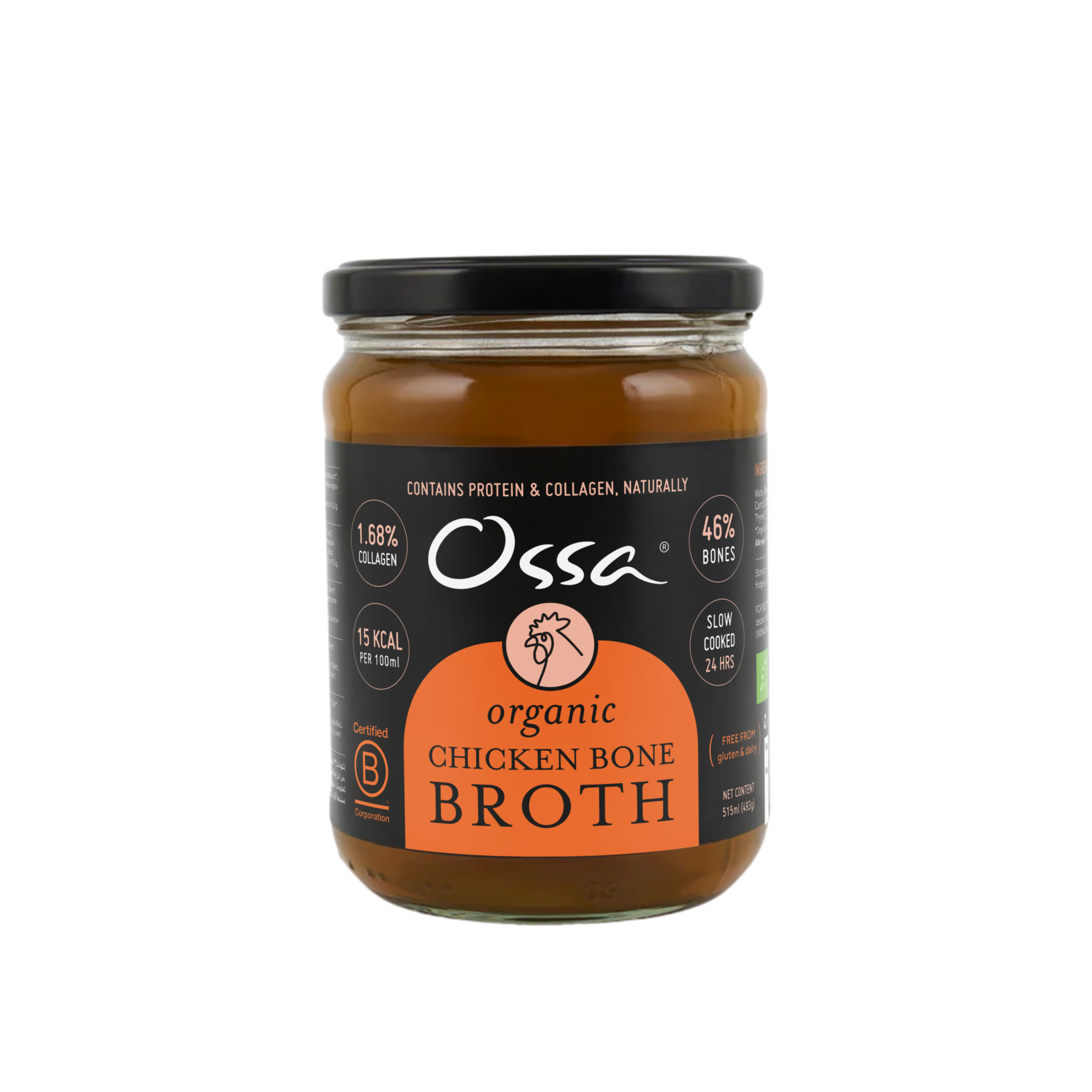
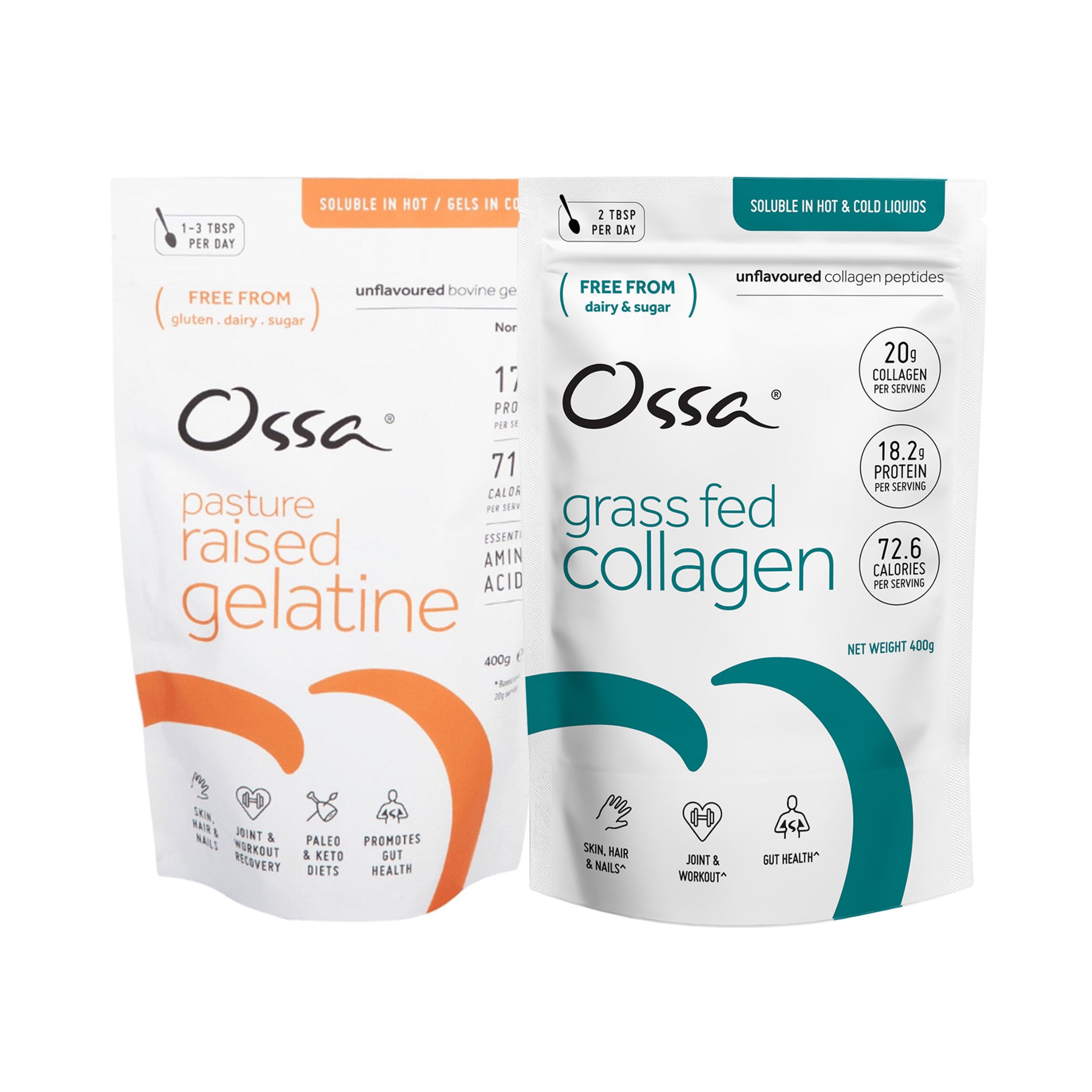
If you want the cooking fats and pantry items covered in this guide in one place, our range includes organic, grass-fed ghee and tallow, organic bone broths, collagen and gelatin powders, gut health bundles and healthy snack kits, all free from preservatives and artificial ingredients. You can see the range on the Ossa Organic shop, and the bundles and snacks are in the full collection.
FAQ
Which oils are not seed oils?
Olive oil and avocado oil are made from the flesh of the fruit, so they are not seed oils. Coconut oil and palm oil also come from the fruit or kernel of a tree, not from a seed crop. Animal fats such as butter, ghee, tallow and lard are not plant oils at all.
Is “vegetable oil” the same as seed oil?
Not exactly, but they overlap. Seed oils are a type of vegetable oil. A bottle of generic vegetable oil in a UK shop is often refined rapeseed oil, which is a seed oil. Because a blend can include other plant oils, read the label to see which plants are named.
How can I tell if a packaged food contains seed oils?
Read the ingredients list and look for names such as rapeseed, sunflower, soya, corn, grapeseed, rice bran, safflower and sesame oil. Also look for “vegetable oil”, “shortening” and “hydrogenated” wording, and check the brackets that follow. Do not rely on the front of the pack, which may name only one appealing oil.
Do ingredients lists show how much oil is in the product?
Not as a percentage in most cases, but they show order. GOV.UK guidance says ingredients are listed by weight with the main ingredient first. An oil near the top is a major part of the product, and one near the bottom is a small part.
Does “cold pressed” mean a seed oil is not a seed oil?
No. Cold pressed describes how the oil was extracted, by pressing and filtering without solvents. A cold-pressed rapeseed oil is still a seed oil. The wording helps you choose a less processed version if that is your preference.