Fermented foods and broth are not rivals. Fermented foods such as sauerkraut, kefir and kimchi are made by microbes and carry live cultures. Bone broth is made by slow cooking bones and gives you a warm, protein-rich liquid you can drink or cook with every day. If you want a simple, steady habit for natural, minimally processed nourishment, broth is the easier one to build into a daily routine, and it works alongside fermented foods rather than instead of them.
Ossa Organic
Make Bone Broth Part of Your Routine
Explore Ossa Organic, a family-run range shaped by organic ingredients, slow cooking and a tradition of nourishing natural food.
TL;DR
- Fermented foods are made by microbes (bacteria or yeasts) changing the food. Bone broth is made by simmering bones slowly in water, with no fermentation involved.
- Fermented foods may contain live microbes. Bone broth contains none, but it is a source of protein and collagen-derived amino acids.
- Broth is easy to use daily: sip it, cook grains in it, or use it as a soup or stew base.
- Most people do best with both: a spoonful of something fermented, and a cup of broth.
- Choose broth made from organic, grass-fed ingredients with no preservatives or additives.
Table of Contents
What fermented foods are
Fermentation is a process in which bacteria or yeasts feed on the sugars and starches in a food and change it. In sauerkraut and kimchi, the cabbage is salted and left, which lets lactic acid bacteria multiply. In kefir and yoghurt, bacteria and sometimes yeasts work on milk. In sourdough, a wild culture raises the dough. Kombucha, miso, tempeh and pickles made in brine all follow the same broad idea: microbes do part of the work, and the food changes in taste, texture and keeping quality.
Two points often confuse shoppers:
-
Fermented does not always mean probiotic. Some fermented foods are heated, filtered or pasteurised after fermenting, which removes live microbes. Sourdough bread is baked, and most shop-bought vinegar-pickled products are not fermented at all.
-
Live cultures vary. A raw, unpasteurised sauerkraut from the chilled aisle is a different product from a jar on a shelf that has been heat treated.
If you want the live-culture benefit, look for words such as “raw”, “unpasteurised” or “live” on the label, and check whether the product is kept chilled.
What broth is
Bone broth is made by simmering bones, often with a little vinegar or vegetables, for many hours. Slow cooking draws gelatin, minerals and amino acids out of the bones and connective tissue into the liquid. Nothing is fermented. The result is a savoury liquid that sets to a jelly when it is cold if it is rich in gelatin.
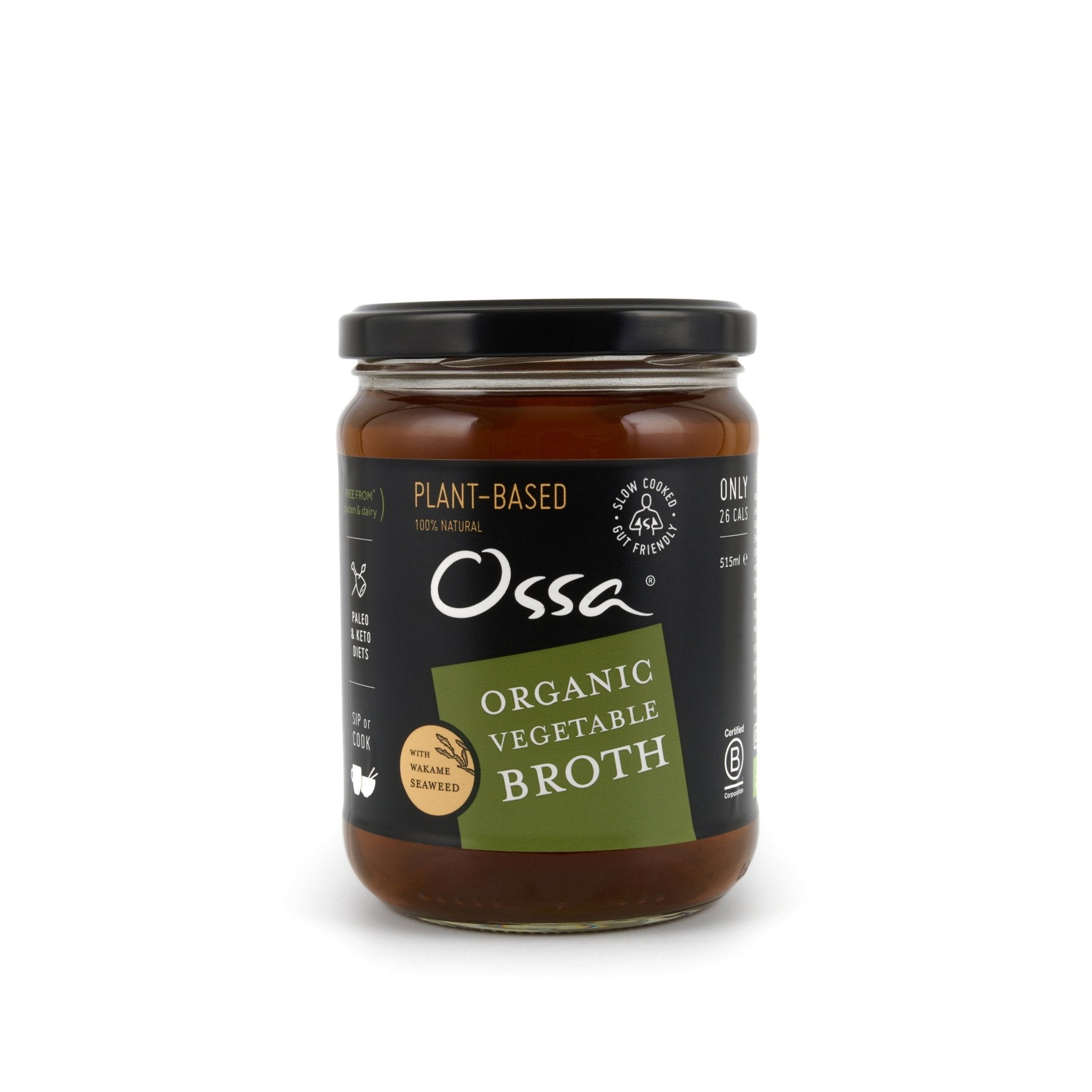
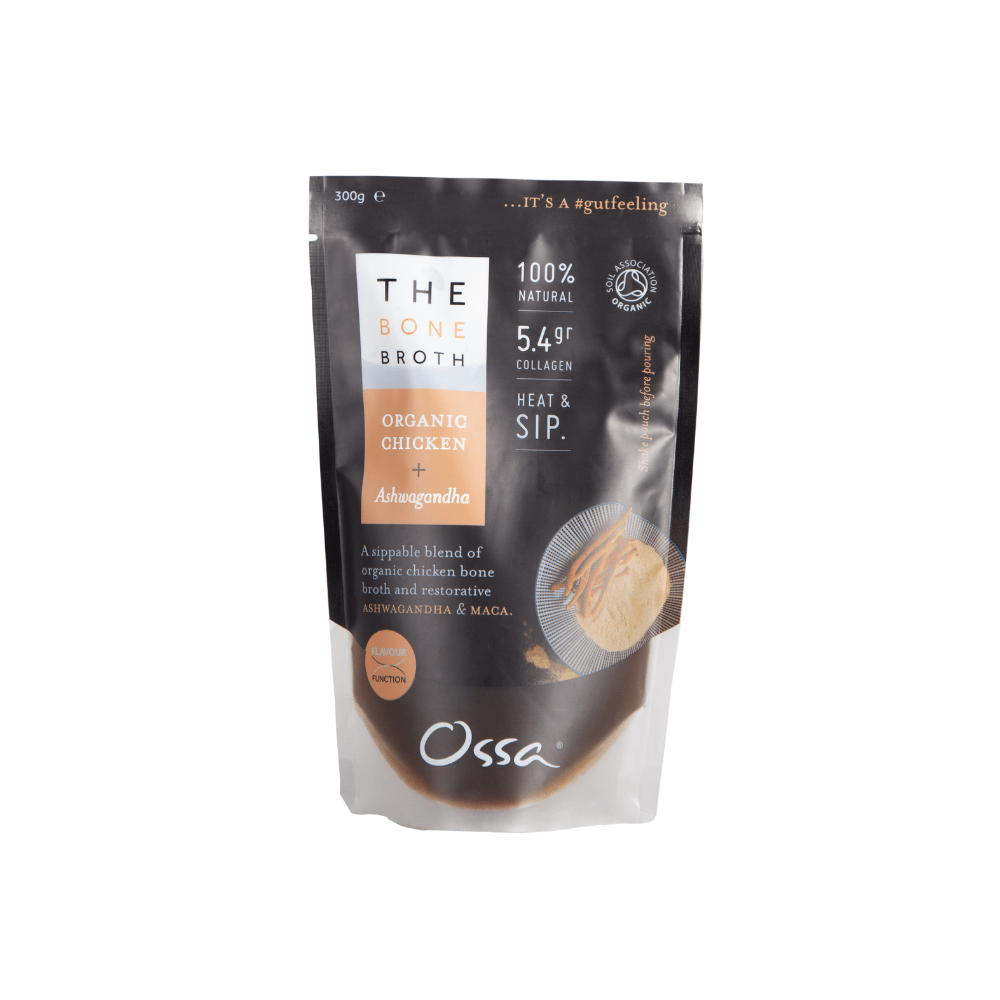
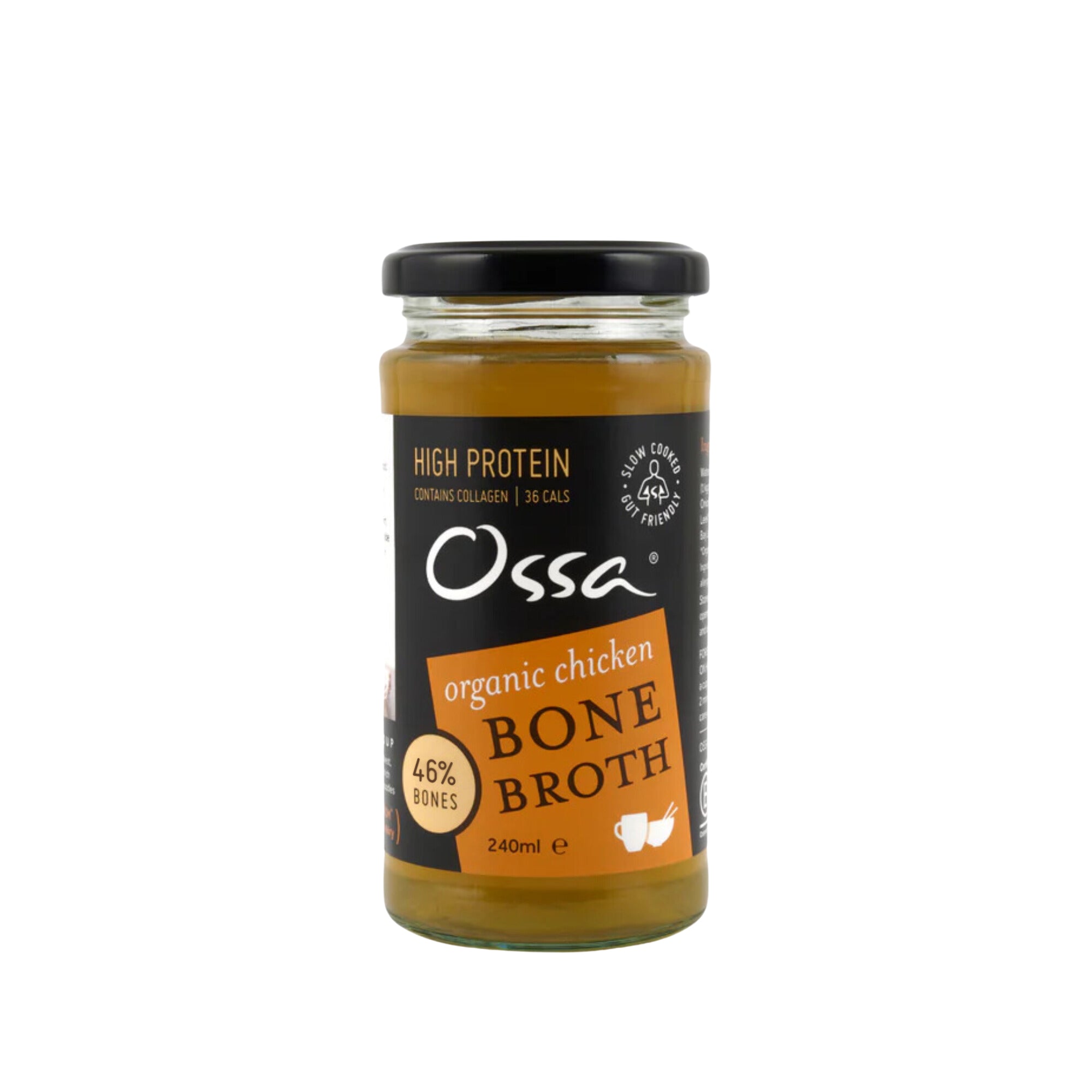
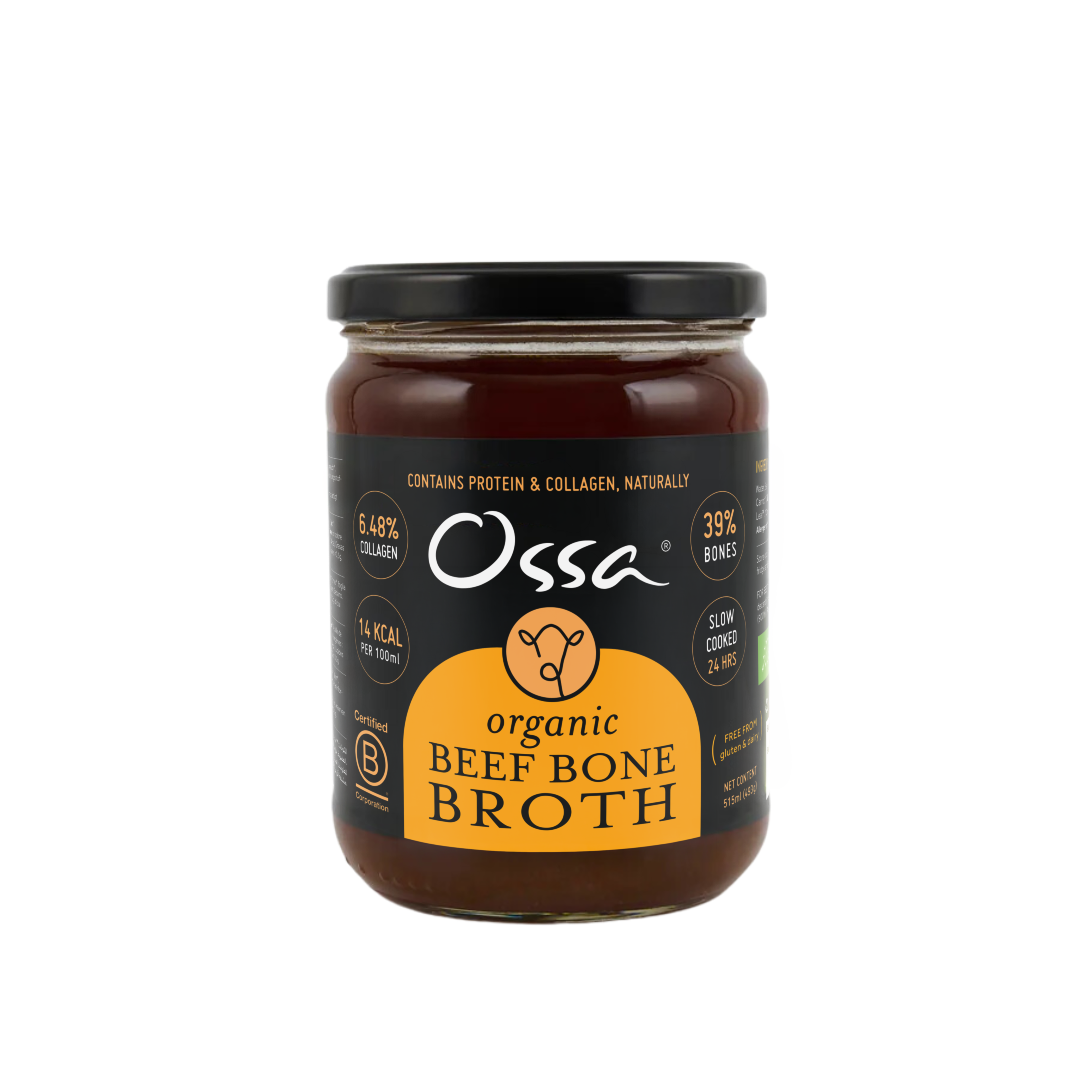
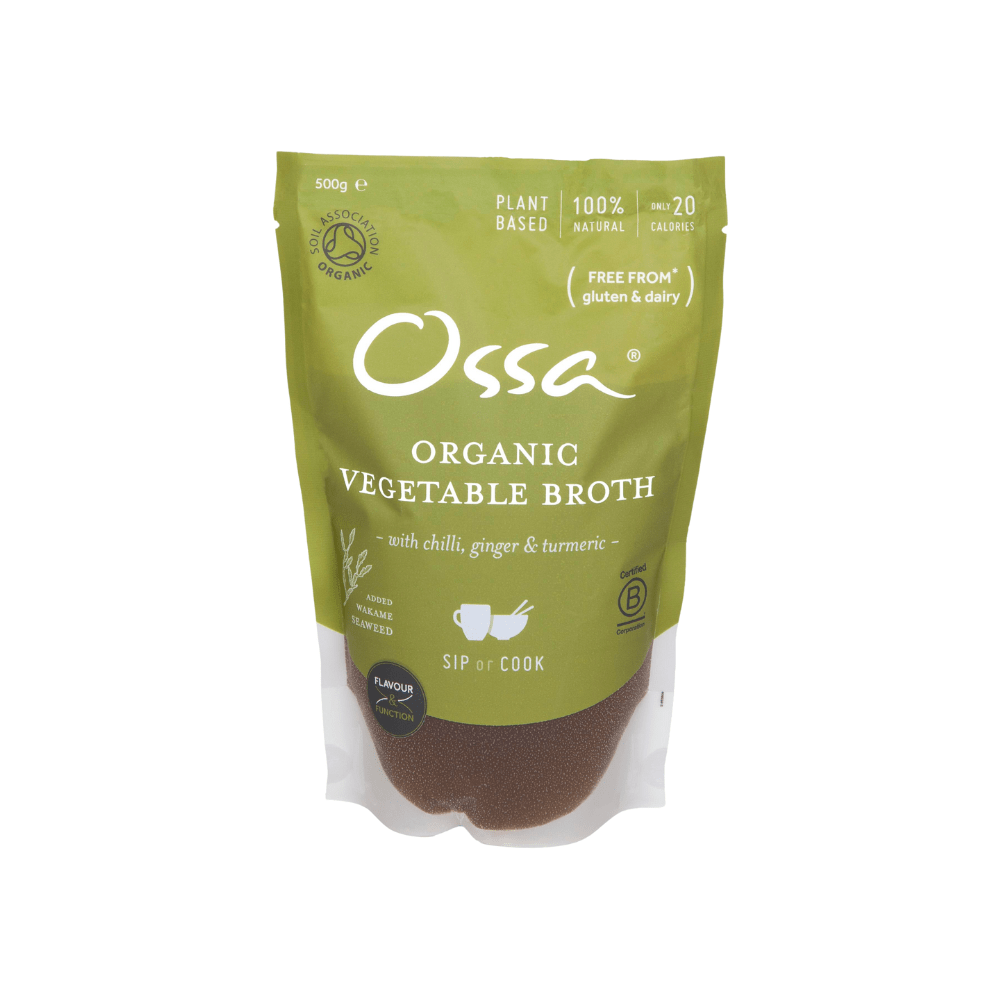
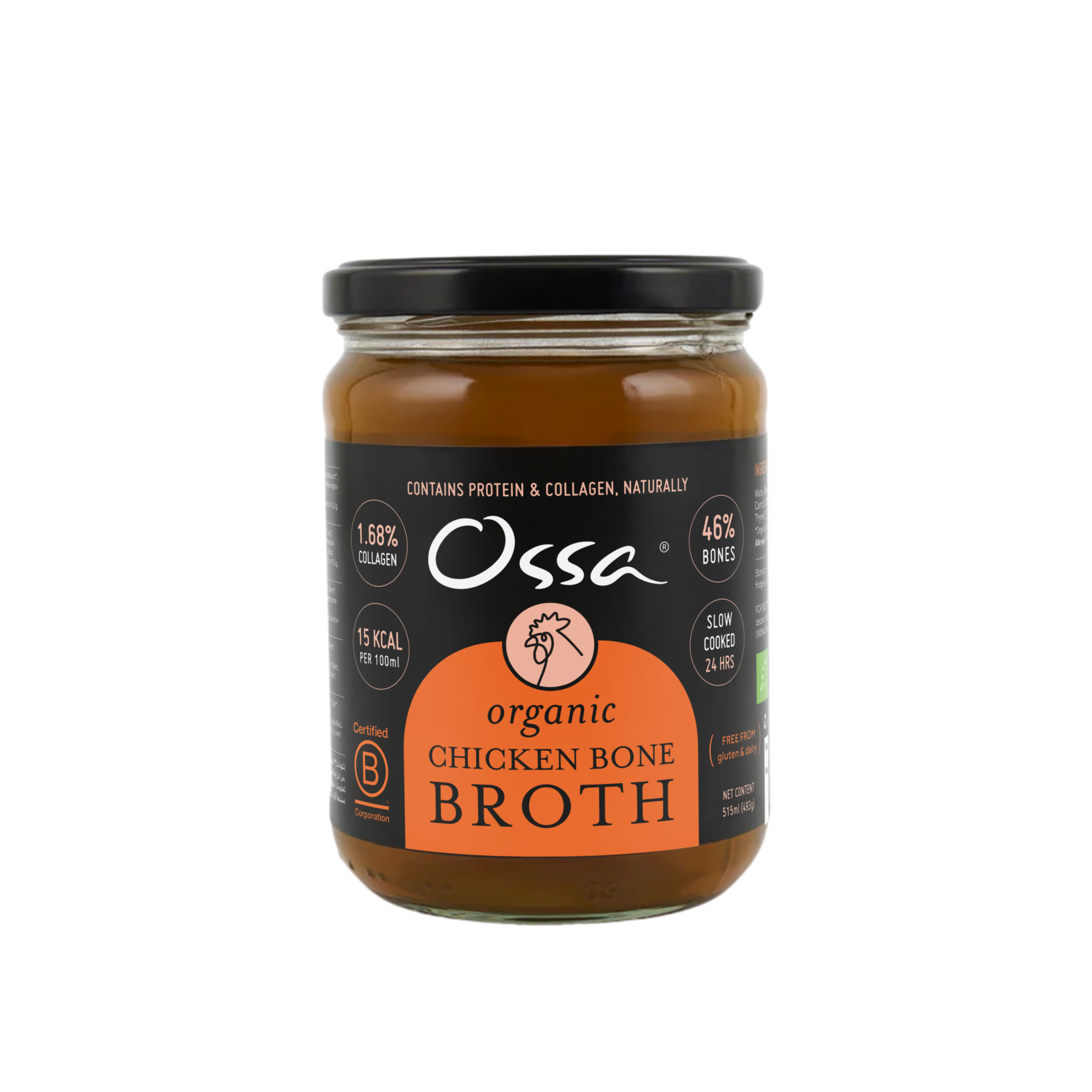
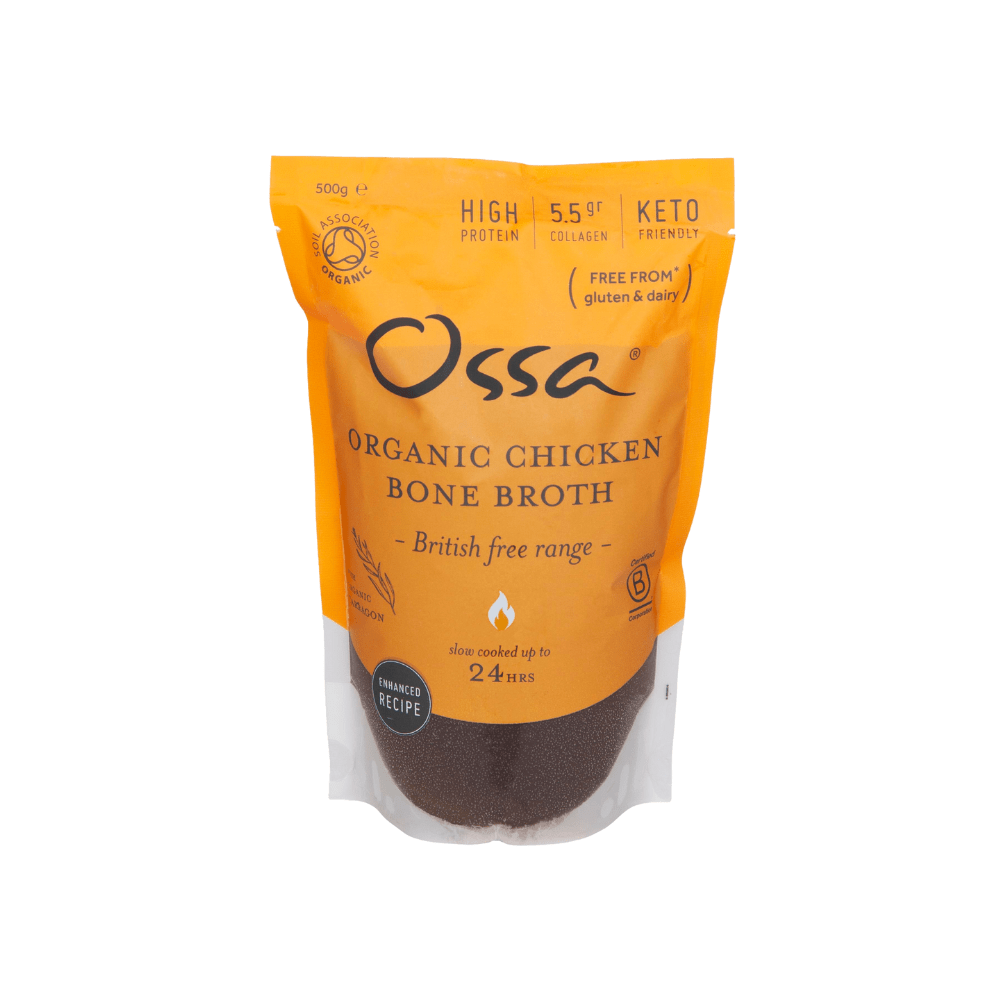
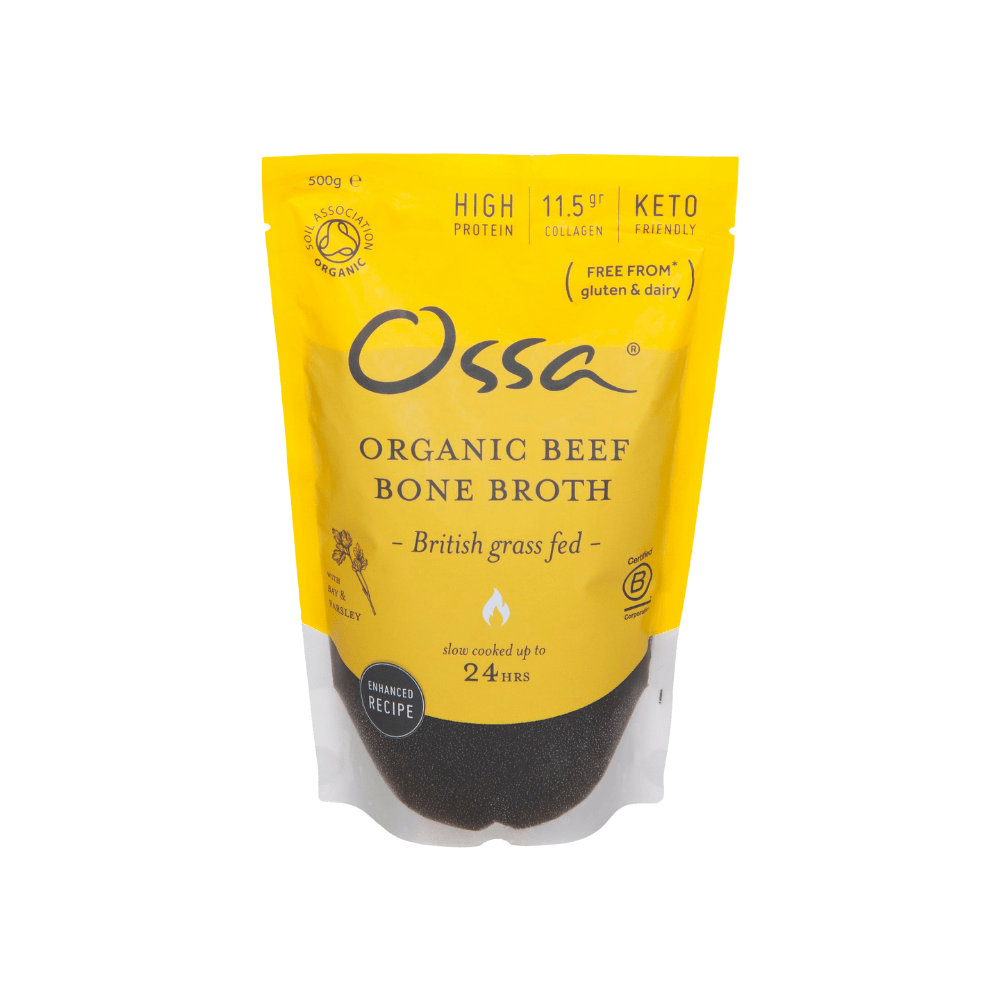
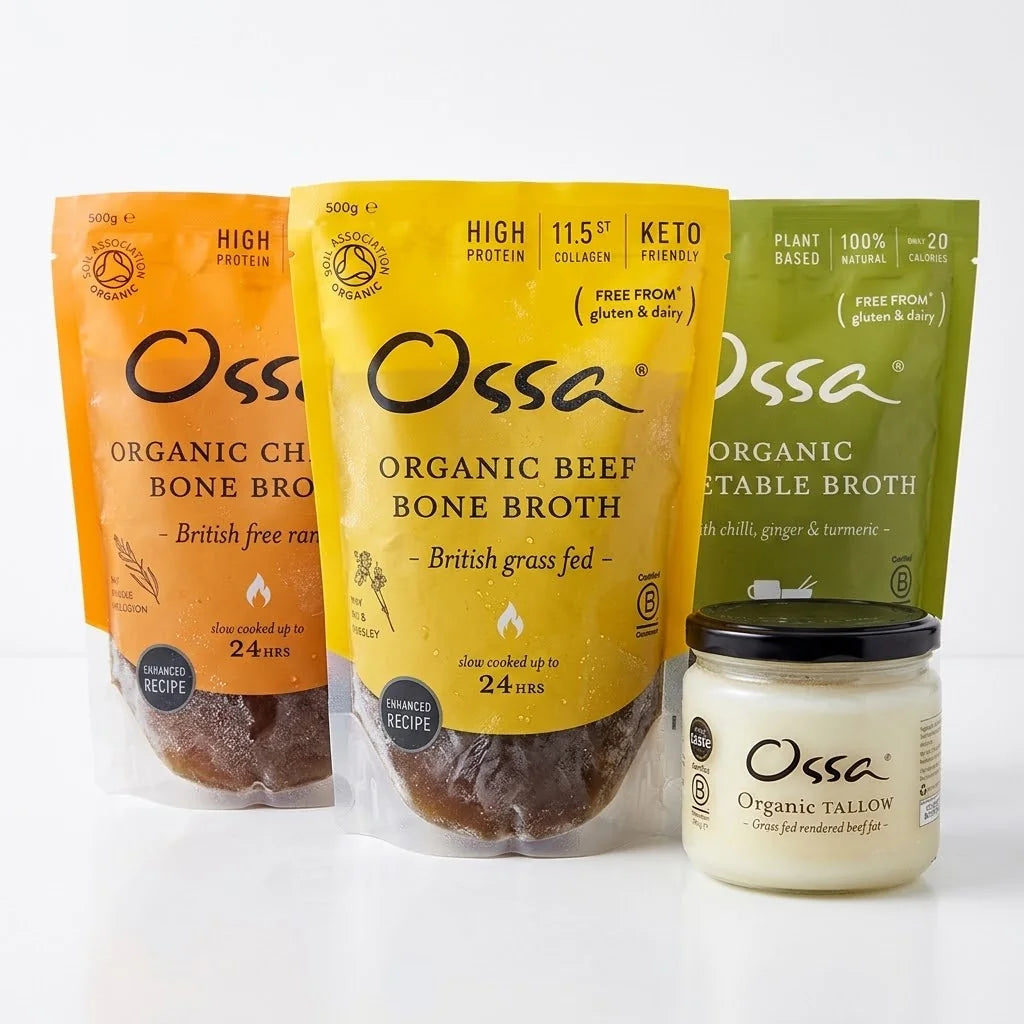
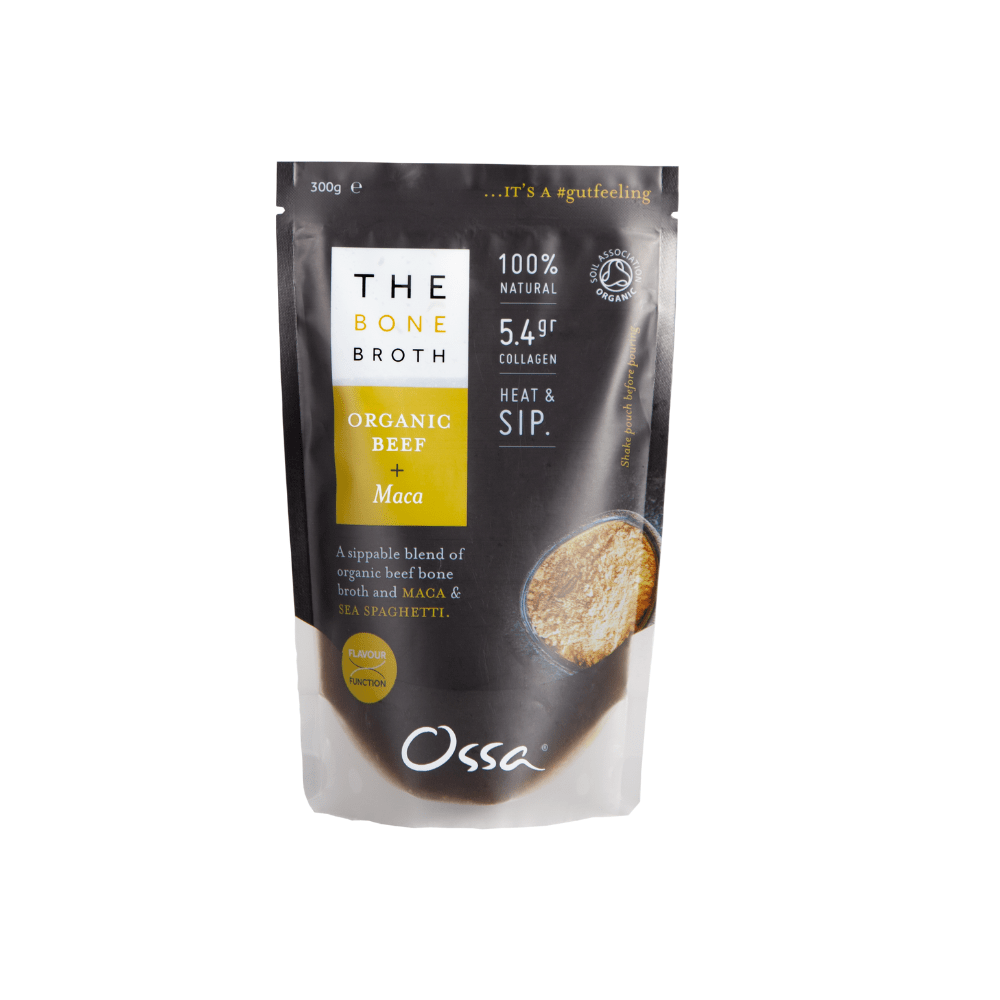
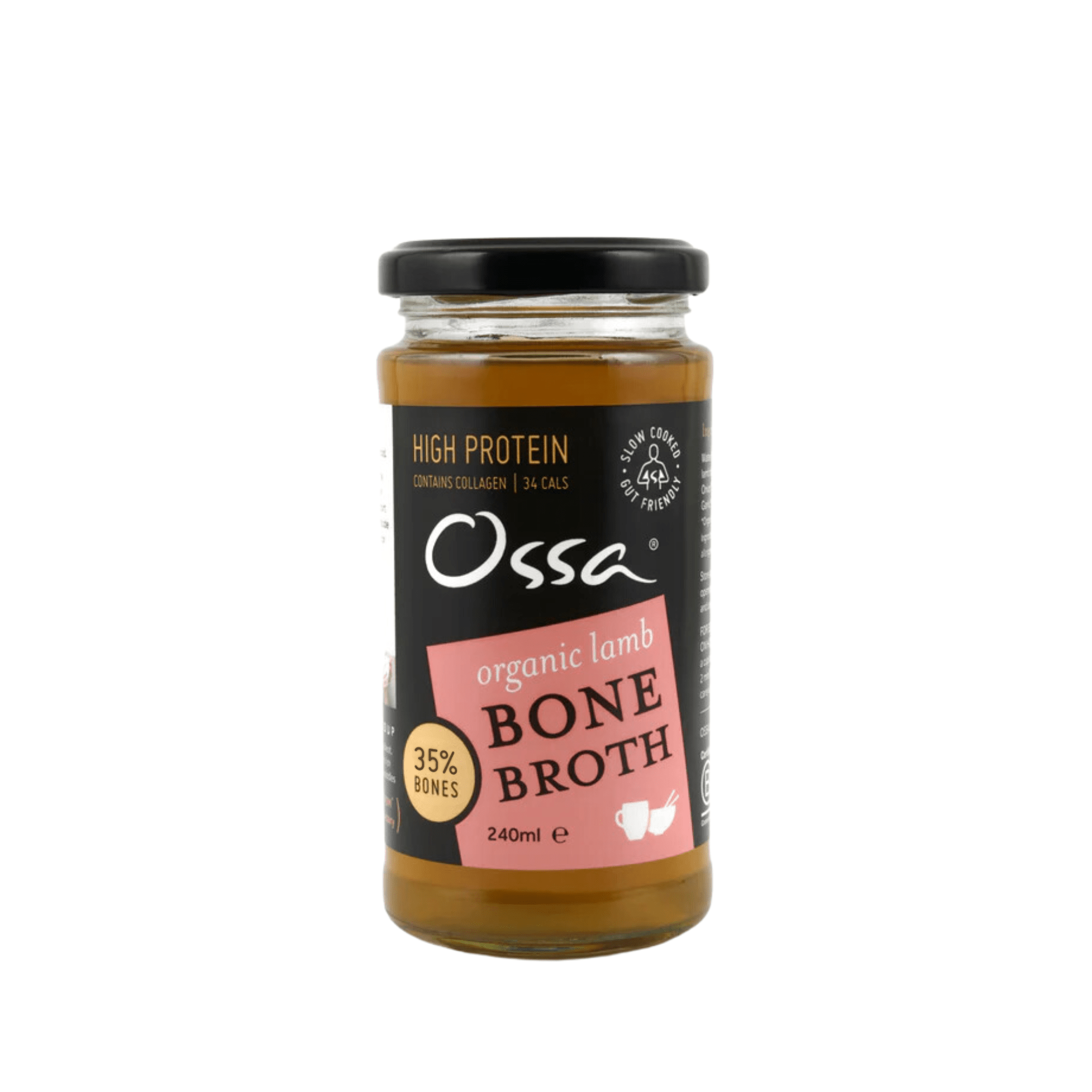
This is the traditional method, and it is the one we follow. Our range is based on tradition, not trend: organic ingredients, slow cooking, and no preservatives or artificial ingredients. Our Organic Bone Broths come in beef, chicken, vegetable and specialty blends.
Broth is not the same as stock cubes or bouillon, which are usually concentrated seasoning with a short cooking story. If you are comparing the two, our guide to bone broth vs bouillon sets out the real difference.
Fermented foods vs broth side by side
|
Fermented foods |
Bone broth |
| How it is made |
Microbes transform the food |
Bones simmered slowly in water |
| Live microbes |
Often, if not heated or pasteurised afterwards |
No |
| Main nutrients |
Varies by food: fibre from vegetables, protein from dairy or soy |
Protein and amino acids such as glycine and proline from collagen and gelatin |
| Taste |
Sour, tangy, funky |
Savoury, rounded |
| Typical serving |
A spoonful to a small bowl |
A mug, or a soup or sauce base |
| Best for |
Adding variety to the diet |
A daily, warming, easy habit |
| Ease of daily use |
Needs a few different products |
One mug, heated in minutes |
The two do different jobs. A fermented food brings in microbes and variety. A broth brings a gentle, nourishing liquid that suits mornings, evenings, cold weather and meals when you do not feel like eating much.
Why the difference matters for gut health
The gut is home to trillions of microbes, and a varied diet helps keep that community varied. Fermented foods feed into that idea by adding microbes and by changing the food itself. Broth works from another angle. It provides protein and amino acids in a form that is simple to take, and it is a base for the vegetables, grains and proteins that make up a whole-food diet.
If you want to read more on how probiotics fit into digestion, this overview of the role of probiotics in digestion is a helpful companion to the fermented side of the comparison.
On the broth side, collagen is the protein most people mention. A look at collagen and what to know for bone health explains why collagen gets so much attention, and it is the same protein that gives a good broth its body.

Why broth is easier to make a daily habit
Habits last when they take little effort. Here is where broth tends to win:
-
One product, many uses. The same carton can be a drink in the morning, a soup at lunch and the liquid for rice or lentils at dinner.
-
No flavour learning curve. Many people find sauerkraut or kombucha an acquired taste. Broth tastes like a good soup.
-
Easy for families. Children often accept a savoury mug of broth or a risotto made with it more readily than a tangy ferment.
-
Simple storage. Ambient cartons keep in the cupboard until opened, which suits a busy kitchen.
-
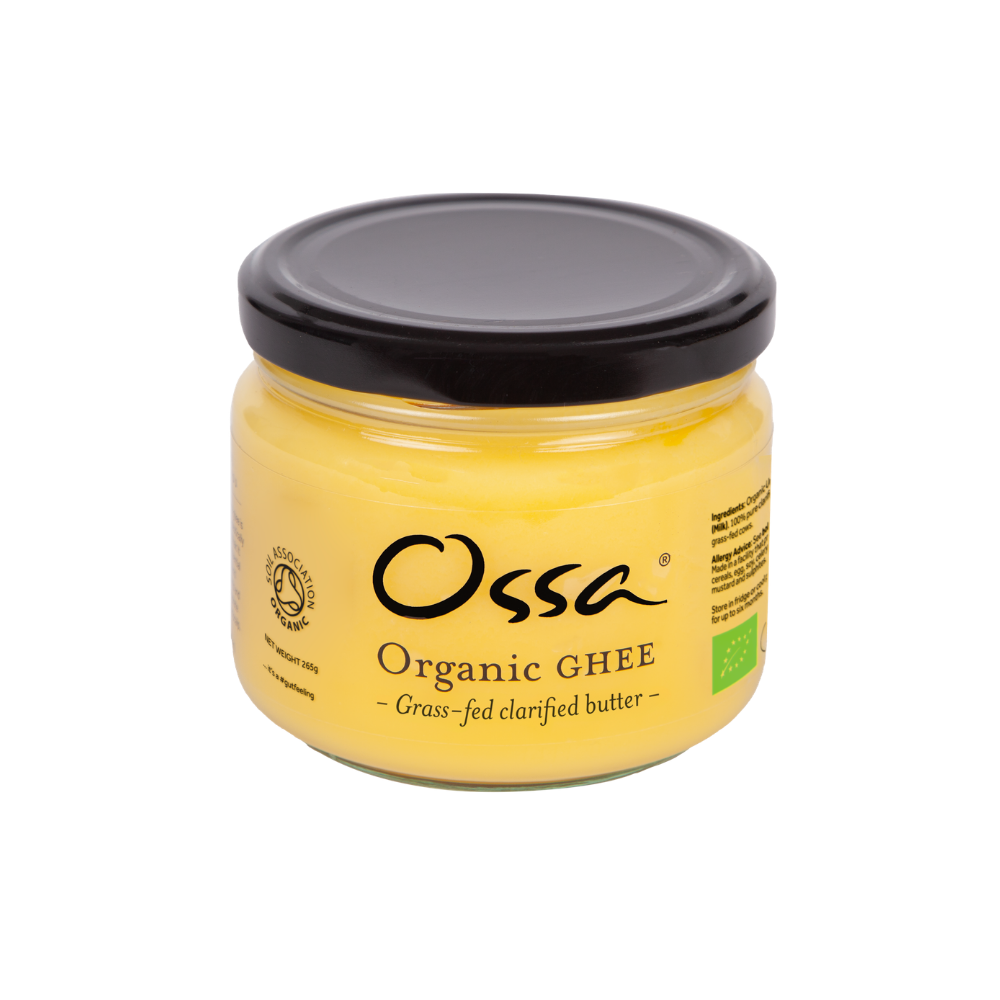
A natural fit with cooking fats. Broth pairs well with grass-fed ghee or tallow when you roast, fry or make a sauce.
Choosing between beef, chicken and vegetable
Beef broth is richer and deeper in flavour, chicken is lighter, and vegetable suits those who avoid animal products. Our comparison of chicken vs beef bone broth goes through the choice, and the guide to vegetable broth vs bone broth is useful if you are deciding between plant-based and bone-based. For figures, see beef bone broth nutrition for calories, protein and macros.
How to use both together
You do not have to choose. A simple day might look like this:
-
Morning: a mug of warm broth, or broth poured over a poached egg and greens.
-
Lunch: a soup made with broth, topped with a spoonful of raw sauerkraut once it has cooled a little. Very hot liquid would damage live cultures, so add ferments at the end, to a warm rather than boiling dish.
-
Dinner: grains or lentils cooked in broth, with a side of kimchi or pickled vegetables.
-
Snack or breakfast: plain kefir or yoghurt with fruit.
That gives you a steady supply of savoury, nourishing liquid and a small, regular dose of fermented variety. If you want ideas, our bone broth recipes show how to cook with broth, and the Mediterranean and dairy-free collections suit particular ways of eating.
Starting gently
If you are new to fermented foods, begin with a teaspoon a day and build up over a week or two. A sudden large portion can cause wind or bloating in some people. If you have a digestive condition, are pregnant, are immunocompromised or are on medication, speak to your GP or a registered dietitian before making big changes to your diet. Fermented foods and unpasteurised products are a particular question for anyone with a weakened immune system.
Broth is simpler to start with. Warm a mug, sip it slowly, and see how it fits into your day. Anyone on a low-sodium diet should check the salt content on the label and ask their GP or dietitian what suits them.
Reading labels on both
Whether you buy broth or a fermented product, the label tells you most of what you need.
For broth: look for a short ingredient list. Bones or vegetables, water, and maybe herbs or spices. Organic and grass-fed sourcing, slow cooking and an absence of preservatives, hormones and artificial ingredients are what we hold ourselves to. A broth that is mostly salt, flavouring and yeast extract is closer to a stock cube.
For fermented foods: look for “raw” or “live”, a chilled storage instruction and a list of ingredients that reads like a recipe: vegetables, salt, water, perhaps spices.
The same principle runs through both: the less processed the food, the easier it is to know what you are eating.

Where our broth and other products fit
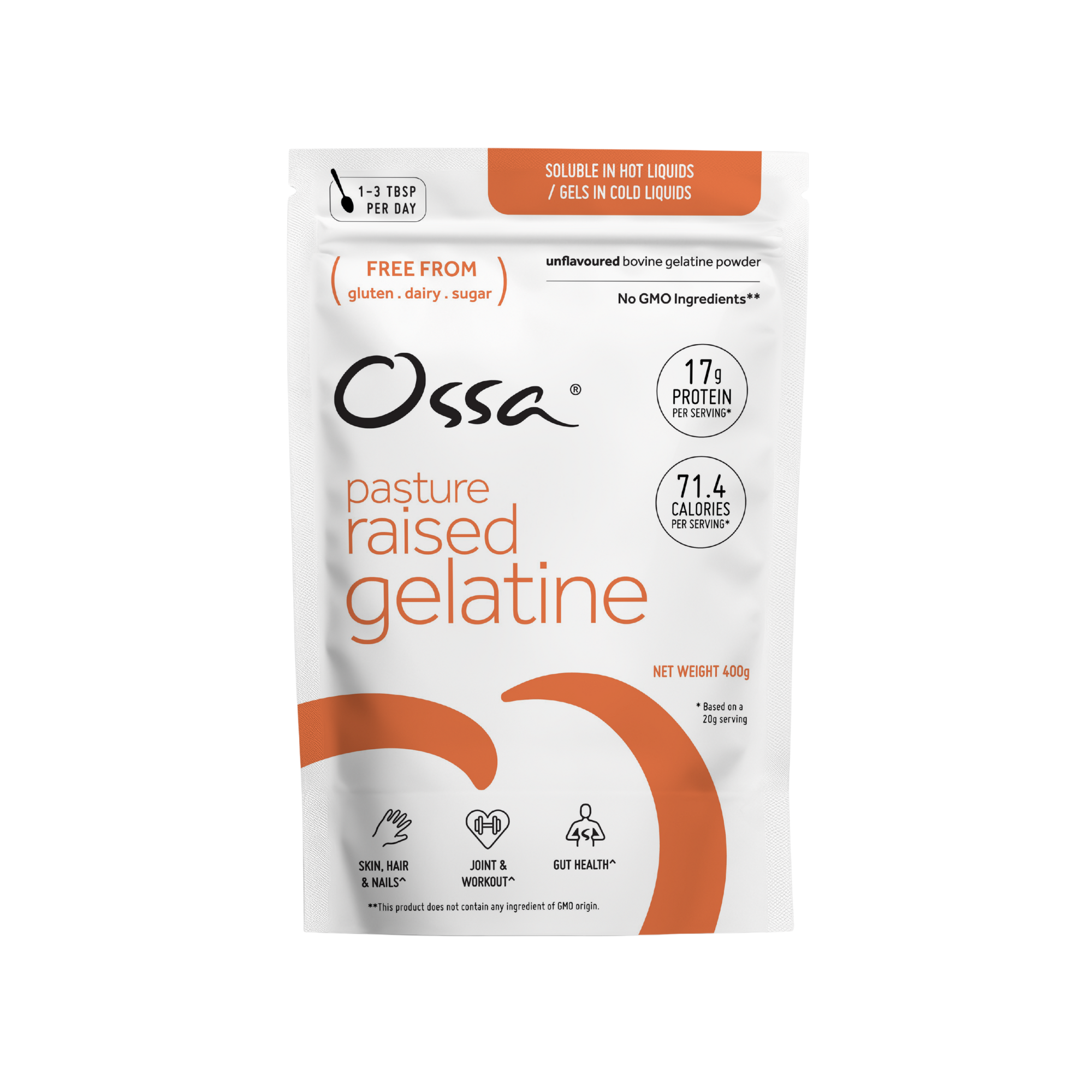
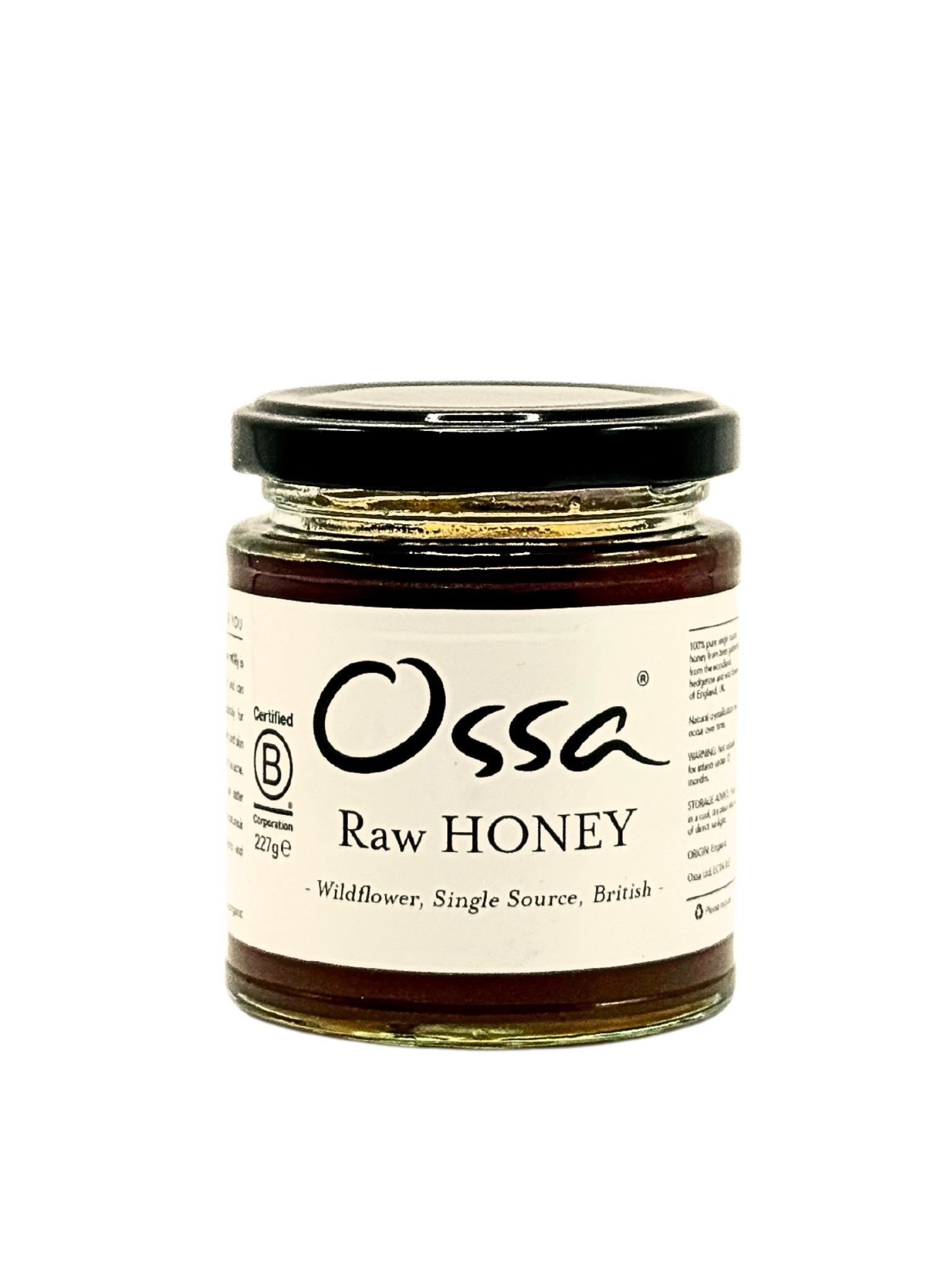
Our range covers more than broth. Beyond Organic Bone Broths, you will find collagen and gelatin powders, grass-fed fats such as ghee and tallow, healthy snacks, honey and gut health bundles, all free from preservatives and artificial ingredients. If you want to build a daily routine in one order, the gut health bundles bring several of these together.
Our view: tradition, not trend
Five years ago I set up Ossa Organic after discovering bone broth while pregnant with my first child. It made a real difference to our family, and we have eaten mostly paleo, avoiding inflammatory foods, ever since.
Fermented foods and broth sit on the same table for us. Both belong to older ways of cooking and eating that predate processed food. The difference is in how simple they are to live with. Broth is a single, warm habit that the whole family can share, and it is the base of a lot of what we cook.
That is why we make ours from organic, grass-fed ingredients, cooked slowly and with no preservatives or artificial ingredients. We are a family-run business, and our family lives the brand. Our aim is to put gut health at the front of how people think about food, and a daily mug of broth is a very practical place to start.
Ossa Organic
FAQ
Is bone broth a fermented food?
No. Bone broth is made by simmering bones in water for a long time. No microbes are used to transform it, so it contains no live cultures. Some people add a splash of vinegar to the pot, but that is part of the cooking, not fermentation.
Can I eat fermented foods and drink broth on the same day?
Yes. They suit each other well. Have the broth warm as a drink or soup, and add a spoonful of a raw fermented food such as sauerkraut once the dish has cooled slightly, so heat does not reduce the live cultures.
Are all fermented foods probiotic?
No. Fermented foods that are baked, heated or pasteurised after fermentation, such as sourdough bread, no longer contain live microbes. Look for products labelled raw, live or unpasteurised and kept in the fridge.
Which is easier to use every day, broth or fermented food?
Broth is usually easier. One carton can be a drink, a soup or a cooking liquid, and the flavour is familiar. Fermented foods are best in small, regular portions alongside meals.
Recommended