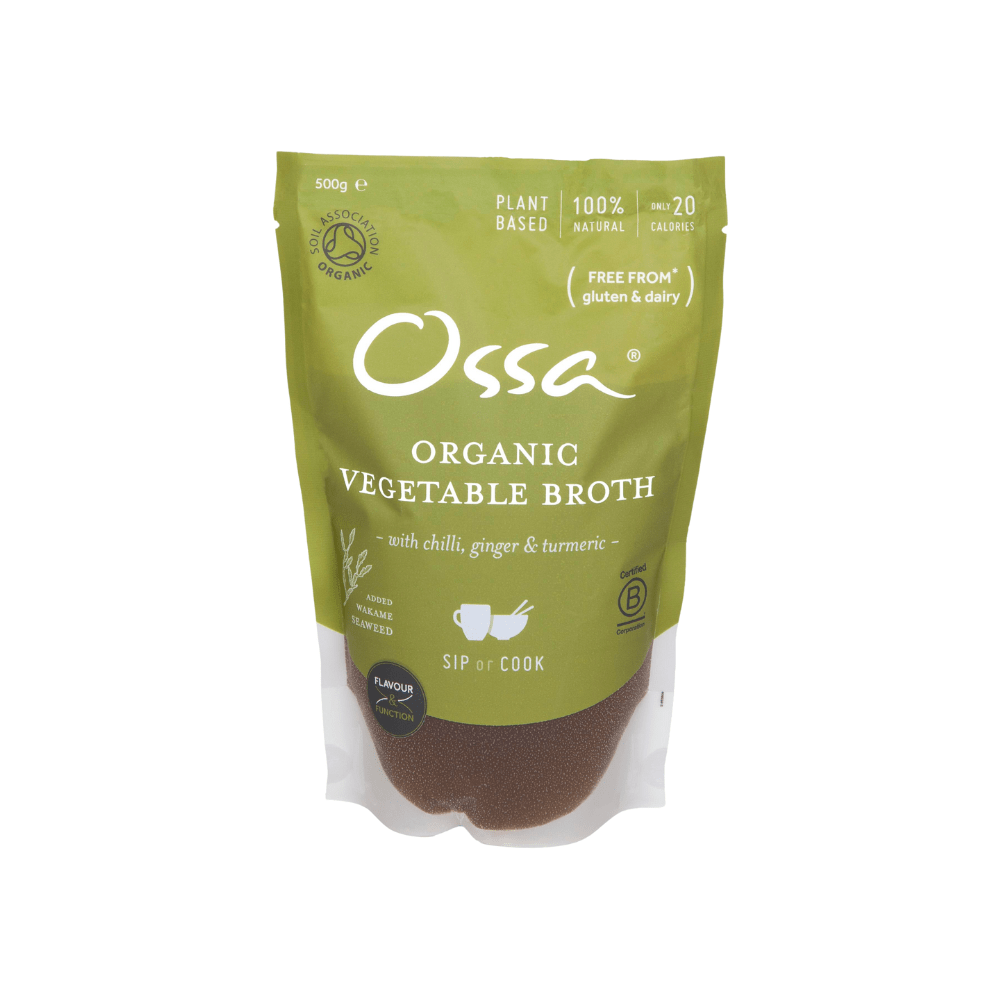
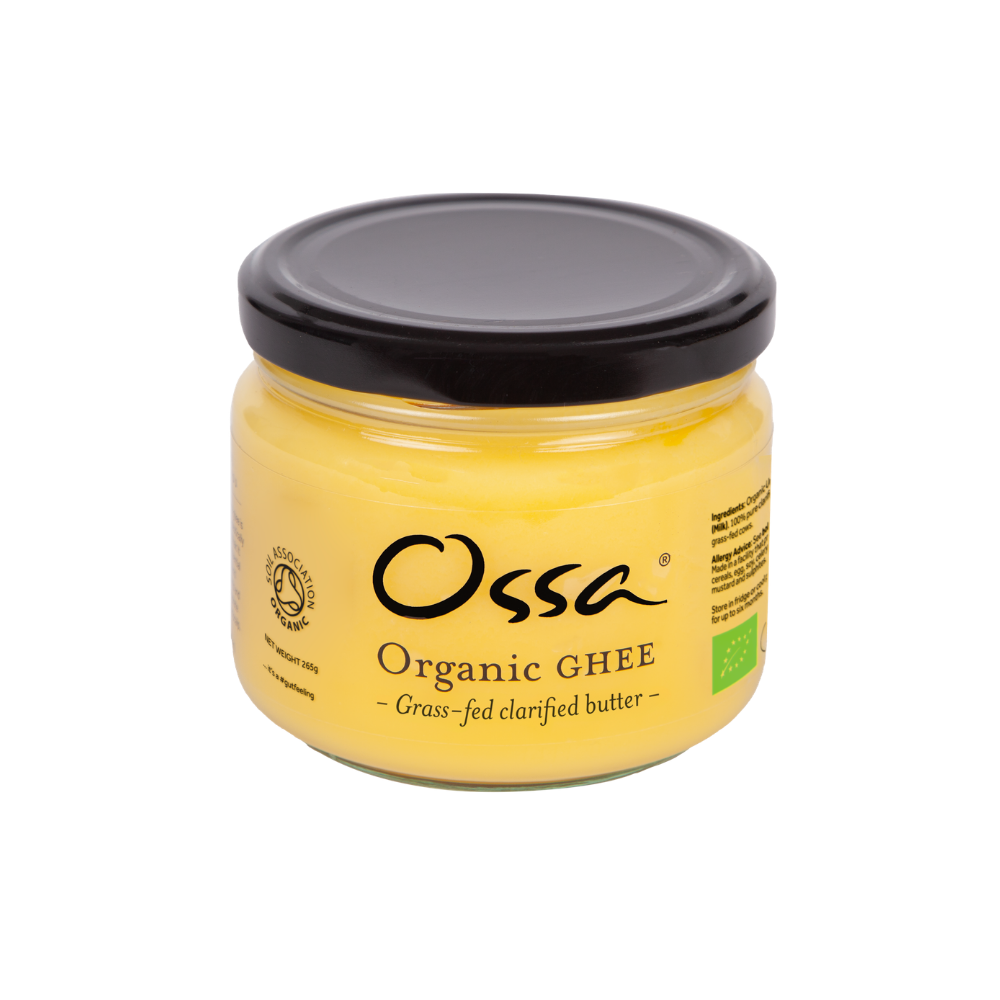
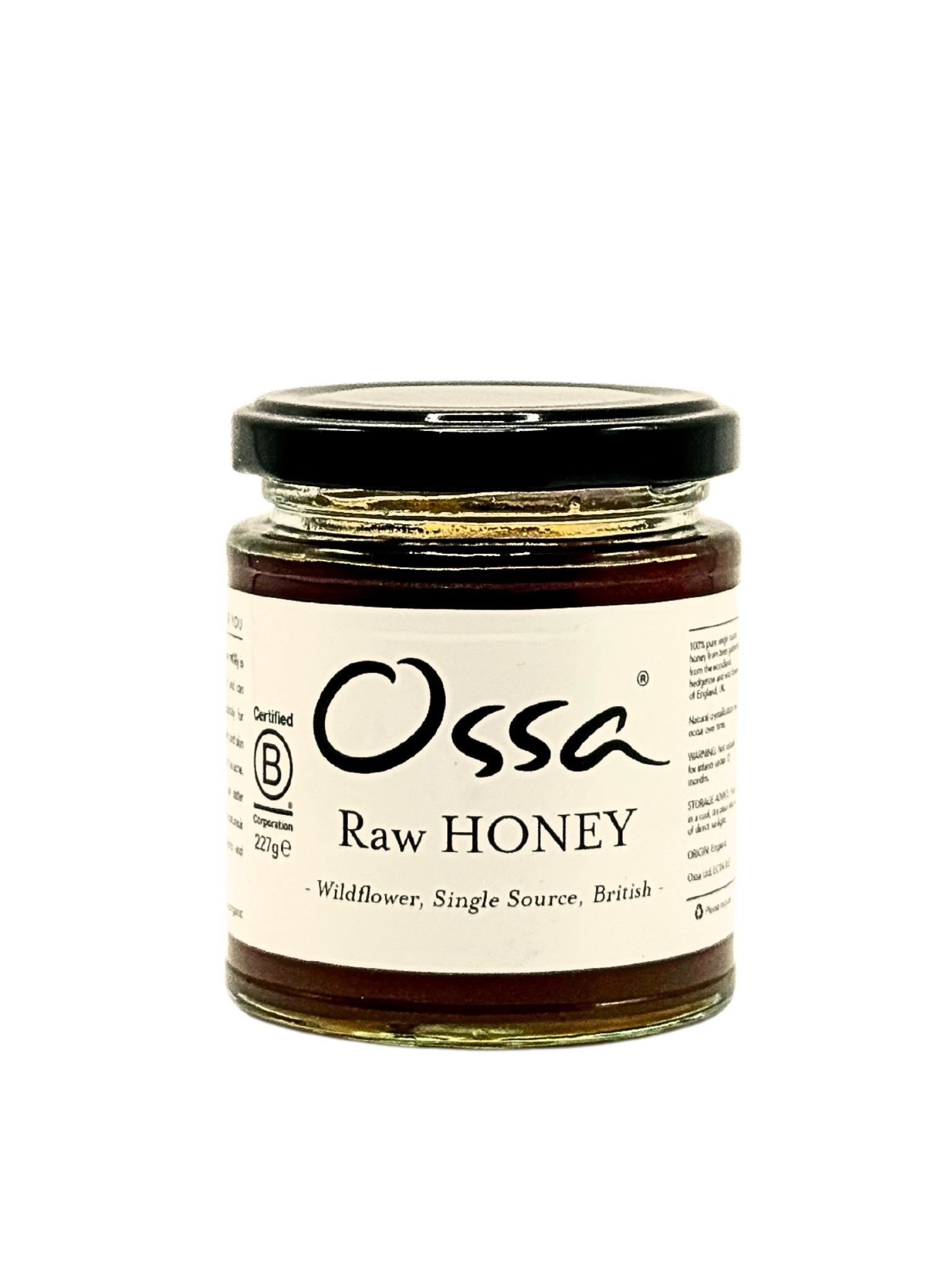
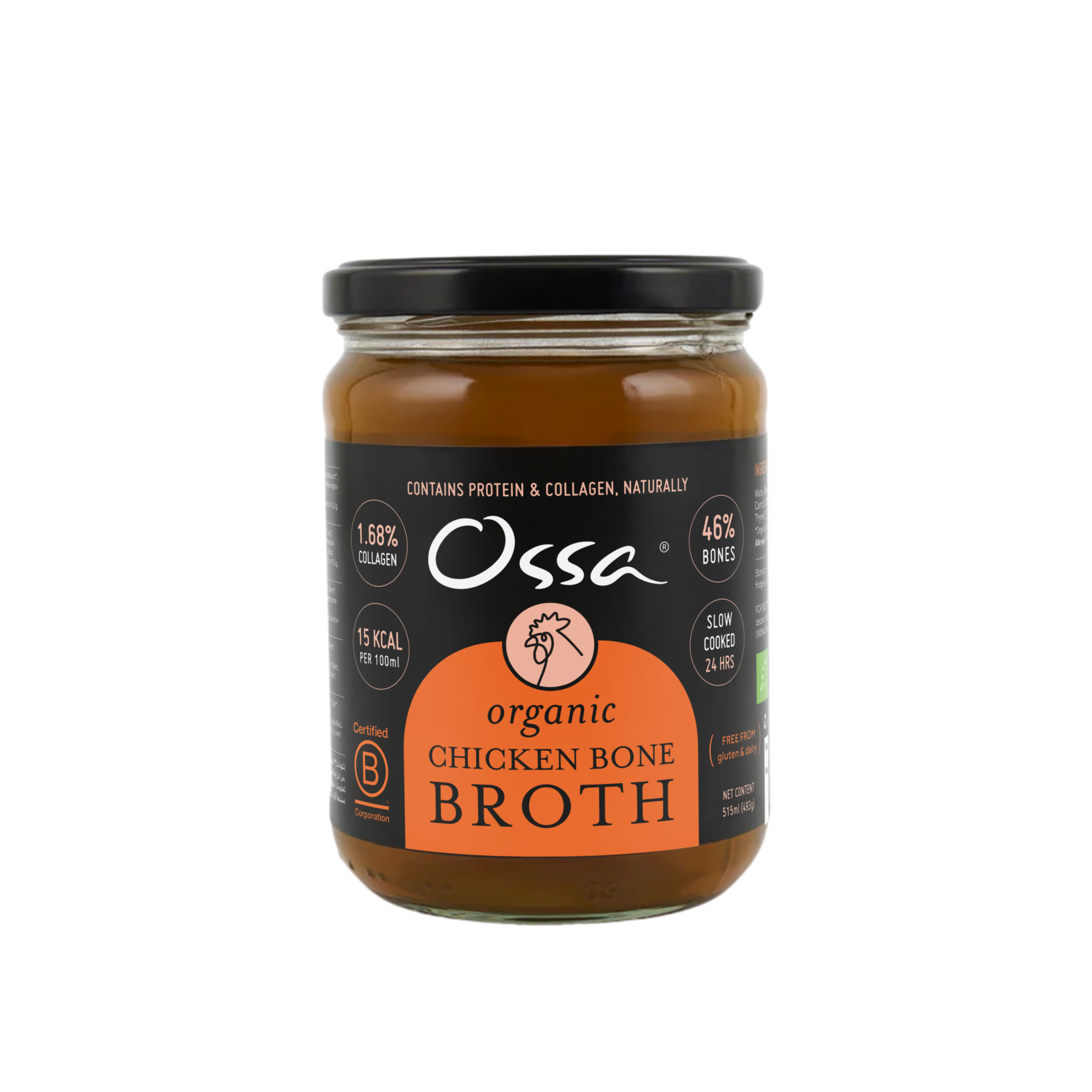
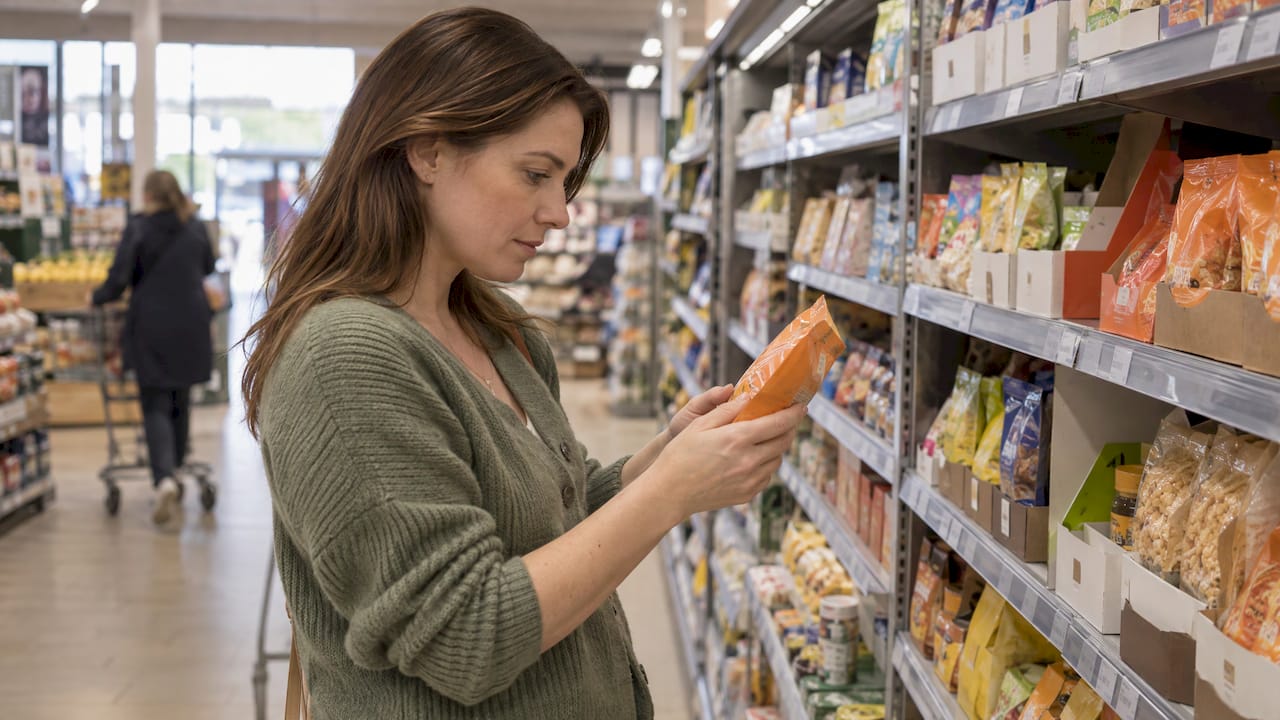
Organic ingredients
•
Naturally nourishing
•
Made with care
We've sent you an email with a link to update your password.
Reset your password
We will send you an email to reset your password.
Organic Snacks for Kids: What to Choose and How to Read the Label
Ralph Barrozo
0 comments
The best organic snacks for kids are simple, minimally processed foods: fruit, vegetable sticks, plain yoghurt, and packaged snacks whose label is short, certified and low in sugar and salt. In the UK, “organic” is a legal term with a clear rule behind it, but it says nothing about how much sugar or salt is in a pack. So the choice has two steps: check the organic certification, then read the ingredients. Our own healthy snack kits and range of preservative-free foods at Ossa Organic are made for parents who want that short, natural ingredient list.
This guide covers what the organic label means in Great Britain, how many snacks children need at different ages, what to look for on a label, and snack ideas that work at home, in the lunchbox and on the move.
Ossa Organic
Choose Snacks With Simpler Ingredients
Ossa Organic makes natural foods using organic ingredients and slow cooking, for families looking to move away from processed foods.
In Great Britain, a food can be labelled organic only if at least 95% of its agricultural ingredients are organic and the product is certified by an approved control body.
Toddlers from 1 year can have two healthy snacks between meals. Babies under 12 months do not need snacks.
Fruit and vegetable snacks are always the best choice. The NHS suggests keeping packaged snacks to no more than two a day.
Organic does not mean low sugar. Read the ingredients list: the nearer an ingredient is to the start, the more the product contains.
Short ingredient lists, no preservatives and no artificial ingredients make a packaged snack easier to feel good about.
What “organic” means on a children’s snack in the UK
Many parents buy organic snacks because they want fewer additives and a more natural product. It helps to know exactly what the word promises.
According to GOV.UK’s organic labelling guidance, last updated in August 2025, a food can be sold as organic only when:
at least 95% of its agricultural ingredients are organic;
every other ingredient and additive is on the permitted list;
the product, and the businesses that supply it, are certified by an approved organic control body.
That is why a genuine organic snack pack carries two things you can check in seconds. The first is a control body code. In Great Britain it looks like GB-ORG-XX, and in Northern Ireland XI-ORG-XX. The second is a statement of where the farm ingredients came from, such as “UK Agriculture”, “UK or non-UK Agriculture” or “Non-UK Agriculture”.
The Soil Association’s organic standards for Great Britain add that the word “organic” may describe only products meeting these standards, and that no misleading terms are allowed. The rules rest on retained EU legislation, which the Institute of Food Science and Technology explains in its information statement on organic food.
Two details are useful for parents:
Genetically modified ingredients are not permitted in organic food. Trace contamination below 0.9% does not have to be declared, so a product can still be labelled organic.
Products with less than 95% organic ingredients cannot be sold as organic overall, but they must still show the control body code and the percentage of organic agricultural ingredients.
What the label does not tell you
The organic rules govern how ingredients are grown and which additives are allowed. They do not set limits on sugar, salt or fat. An organic fruit bar can still be high in sugar, and an organic crisp can still be salty. That is why the second step, reading the nutrition and ingredients, matters as much as the first.
How many snacks do children need?
Snacks have a job: they provide nutrients for growth, help bridge the gap between meals for small stomachs and, as the British Nutrition Foundation’s 2026 guide for parents and carers notes, they can stop children overeating at mealtimes. They are also a chance to offer water or milk, which are the best drinks.
The amount depends on age.
Age
Snacks
Notes
Under 12 months
None needed
The NHS advises offering extra milk feeds instead of snacks.
1 to 4 years
Two healthy snacks between meals
Small appetites mean regular meals with snacks in between.
School age
Fruit and veg first, packaged snacks no more than two a day
The NHS says fruit and veg snacks are always the best choice.
A registered dietitian who writes about toddler nutrition, Sarah Almond-Bushell, suggests food roughly every two and a half to three hours for toddlers, which usually means three meals and two to three snacks. She also suggests aiming for at least three of the five food groups in a snack: fruit or vegetables, starchy carbohydrates, protein, dairy and healthy fats. It is a handy way to judge whether a snack will keep a child going or just fill a gap.
Public Health Scotland’s Childsmile team add a useful balance. They encourage family meals and fewer snacks overall, while accepting that under-5s need regular eating. Children under 2 still need some full-fat foods, so low-fat is not the goal for the very young.
Healthy snack ideas by age
The NHS and the British Nutrition Foundation suggest similar foods, and most of them pair well with organic ingredients.
Toddlers (1 to 4 years)
The NHS lists these for toddlers:
broccoli, carrot or cucumber sticks;
slices of apple, banana or soft ripe pear;
pasteurised plain unsweetened yoghurt;
toast, pitta or chapatti fingers;
unsalted, unsweetened rice or corn cakes;
small strips of cheese.
Raw vegetable sticks with hummus, a piece of fruit, and plain yoghurt with sliced banana are also on the NHS list for young children. For drinks, water and pasteurised milk are the safe choices. Fully skimmed milk is not suitable for children under 5.
Primary school children
Older children can manage more variety. The NHS suggests:
yoghurt with mandarin segments;
sugar snap peas with hummus;
homemade popcorn;
rice cakes with lower-fat cream cheese and cucumber.
The British Nutrition Foundation adds veg sticks with hummus, half a wholemeal bagel with reduced-fat soft cheese, and a rice cake with peanut butter and banana. It also has recipes for paprika tortilla chips, a beany dip and fruit and oat bites.
For baking at home, BBC Food’s healthy kids’ snacks collection includes a granola cookie with 225 kcal, 12.1g of sugars and 0.23g of salt per cookie. Nuts, seeds and dried fruit can be swapped in the same quantities, which makes it easy to suit a child’s tastes.
Snacks that travel
Snacks for the lunchbox, the school run or a long journey need to survive a bag. Dry, shelf-stable foods do best, and so do things that need no fridge. We have written separate guides on healthy travel snacks for car, train and plane and on paleo lunchbox ideas, with options that pack well and need no preservatives.
How to read a snack label in four steps
Organic certification tells you about the ingredients’ origins. These four checks tell you whether the snack suits your child.
1. Start with the ingredients list
Ingredients are listed in order of weight, so the nearer an ingredient is to the start, the more of it the product contains. If sugar, syrup or a fruit concentrate comes first or second, the snack is mostly sugar however natural it sounds. Childsmile also warns that sugar hides under other names, so read the whole list rather than just the first line.
2. Look for a short list you recognise
A good snack for a child often has a handful of ingredients you could find in a kitchen: fruit, oats, nuts, seeds, meat, cheese. Pre-packaged baby and weaning snacks often contain additives and count as ultra-processed foods, according to an NHS children’s dietitian quoted by BBC Tiny Happy People. Her suggestion is simple swaps made from whole foods: flapjacks instead of cereal bars, and plain natural yoghurt with fruit instead of flavoured yoghurt.
3. Use the traffic-light label
The NHS advises choosing packaged snacks with more greens and ambers and avoiding reds. Its free NHS Food Scanner app lets you scan a barcode to see how a food compares, which is quick enough to do in the shop aisle.
4. Check the organic details
Look for the GB-ORG code and the origin statement described above. If the pack says “made with organic ingredients” but has under 95% organic content, the code and the percentage of organic ingredients should still appear.
It also helps to think about the snack as a whole, not just the label. A packet with a good label is still best as one part of a day that includes fruit, vegetables and plenty of water.
Snacks and teeth
What children eat between meals affects their teeth as much as what they eat at them, because frequent sugary snacks keep teeth exposed to sugar. Choosing plain water or milk to drink, and keeping sweet foods to mealtimes where possible, protects them. A dentist’s practical advice on this is in a dentist’s guide to a healthier Halloween, which is useful for any time of year that sweets are around.
Homemade or packaged: making the most of each
Both have a place. Homemade snacks give you complete control, and a batch of fruit and oat bites or popcorn takes little time. Packaged snacks matter for the days that do not go to plan: school mornings, days out, a bag for grandparents.
The question for any packaged snack is whether it meets the same standard you would set at home. A useful rule is to apply the label steps above and ask whether the product is something you would make yourself if you had the time: a few real ingredients, no preservatives, no artificial additions.
Savoury snacks are often overlooked. Dried meat crisps, for example, offer protein and no sugar; our guide to beef crisps and how to choose them explains what to look for. If your family is trying to avoid certain oils, seed oil free crisps are covered in a separate guide. For parents who eat paleo or want grain-free ideas, there are more in our paleo snack ideas, and our page on preservative free lunch ideas shows how broth and ghee fit into family meals.
A simple weekly snack plan
A plan makes it easier to avoid grabbing whatever is nearest. This is an example for a child of primary-school age, built from the NHS and British Nutrition Foundation ideas above.
Day
Snack at home
Snack for the bag
Monday
Yoghurt with mandarin segments
Apple slices and a small piece of cheese
Tuesday
Sugar snap peas with hummus
Homemade popcorn
Wednesday
Rice cake with peanut butter and banana
Carrot sticks
Thursday
Half a wholemeal bagel with soft cheese
Fruit and oat bites
Friday
Plain yoghurt with sliced banana
A piece of fruit
This keeps packaged snacks to a minimum while leaving room for a ready-made option on the busiest days, within the NHS limit of two packaged snacks a day.
Where Ossa Organic fits
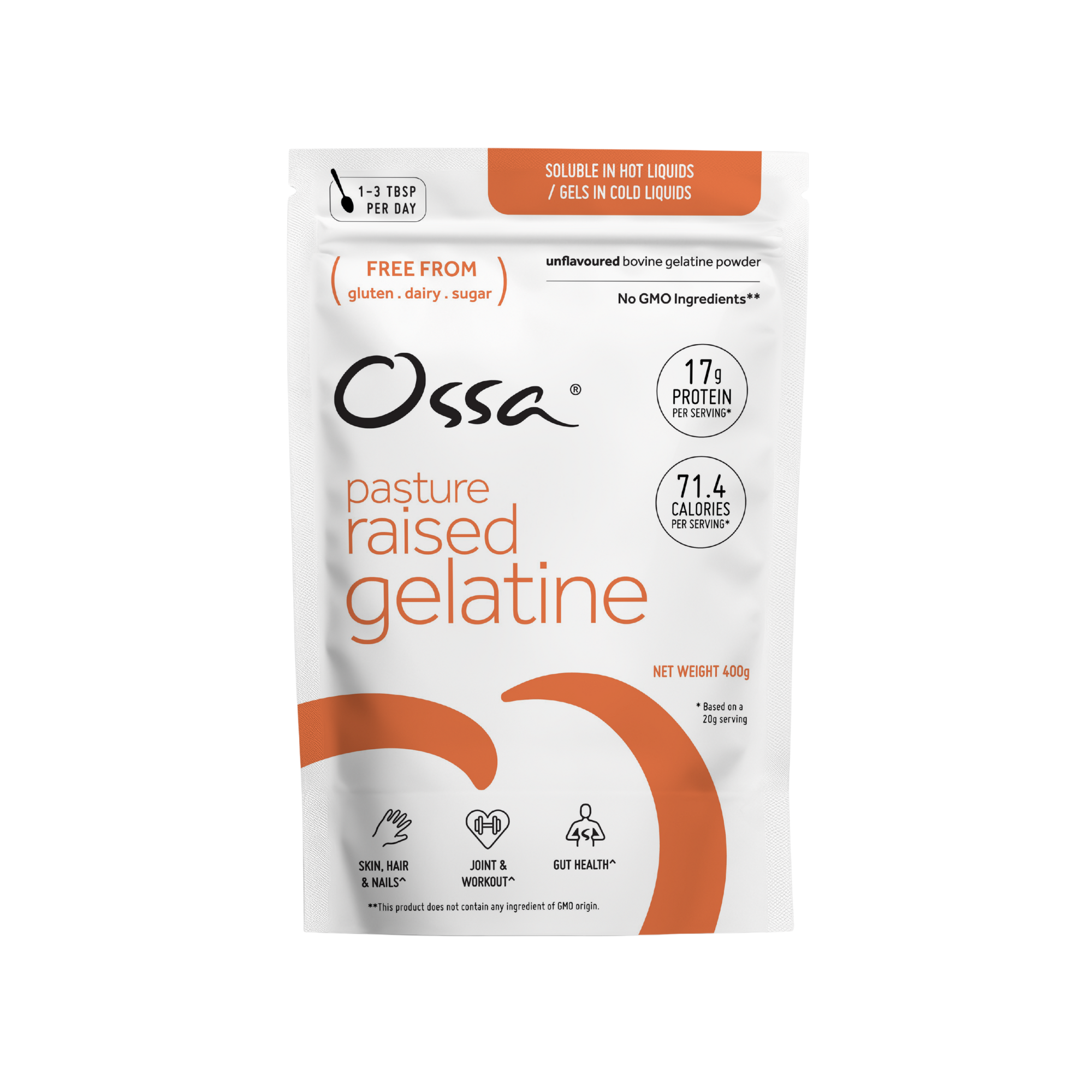
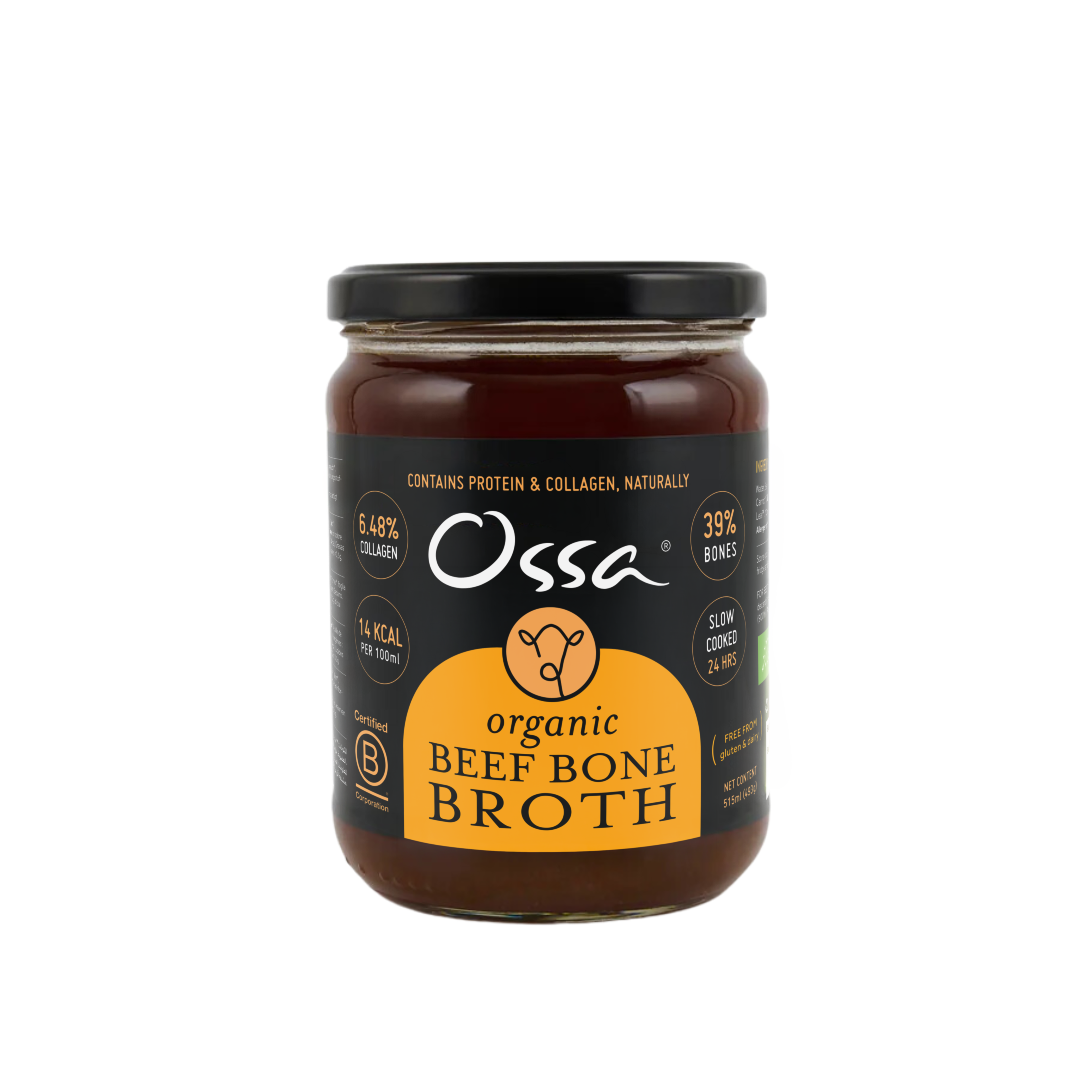
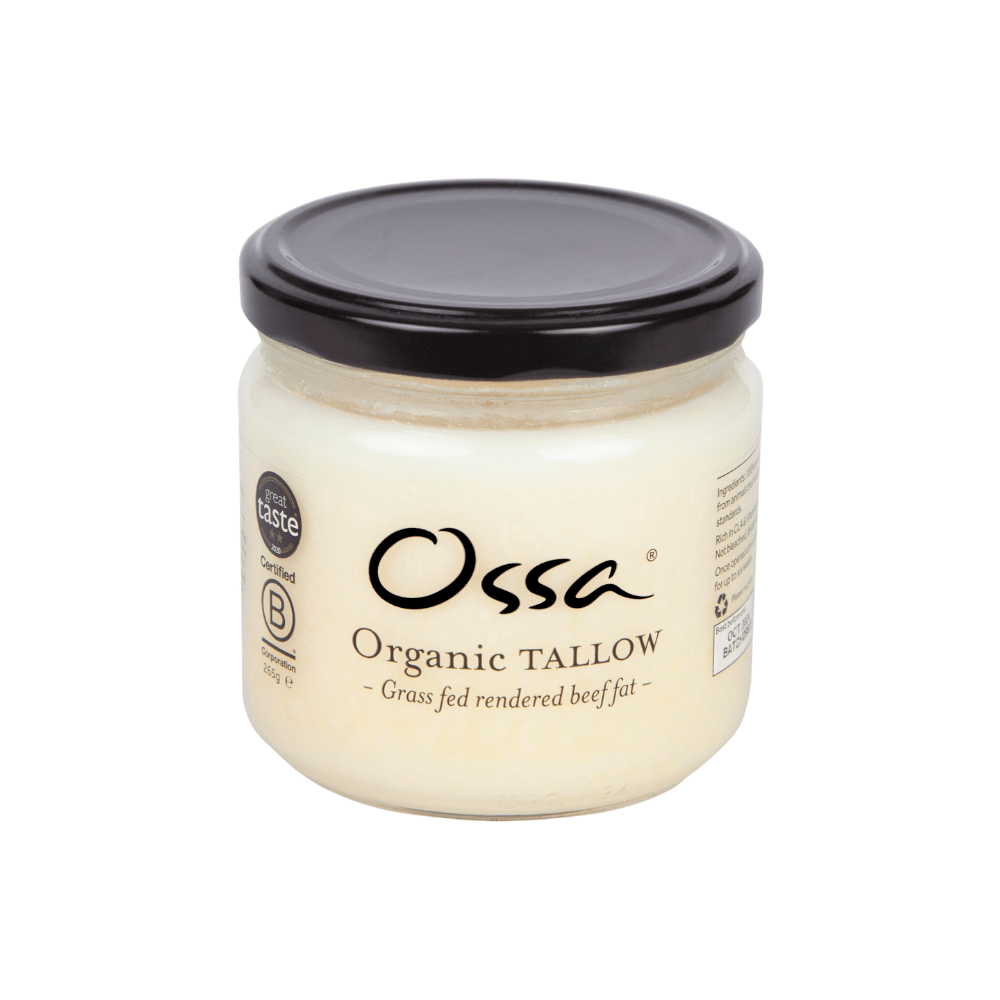
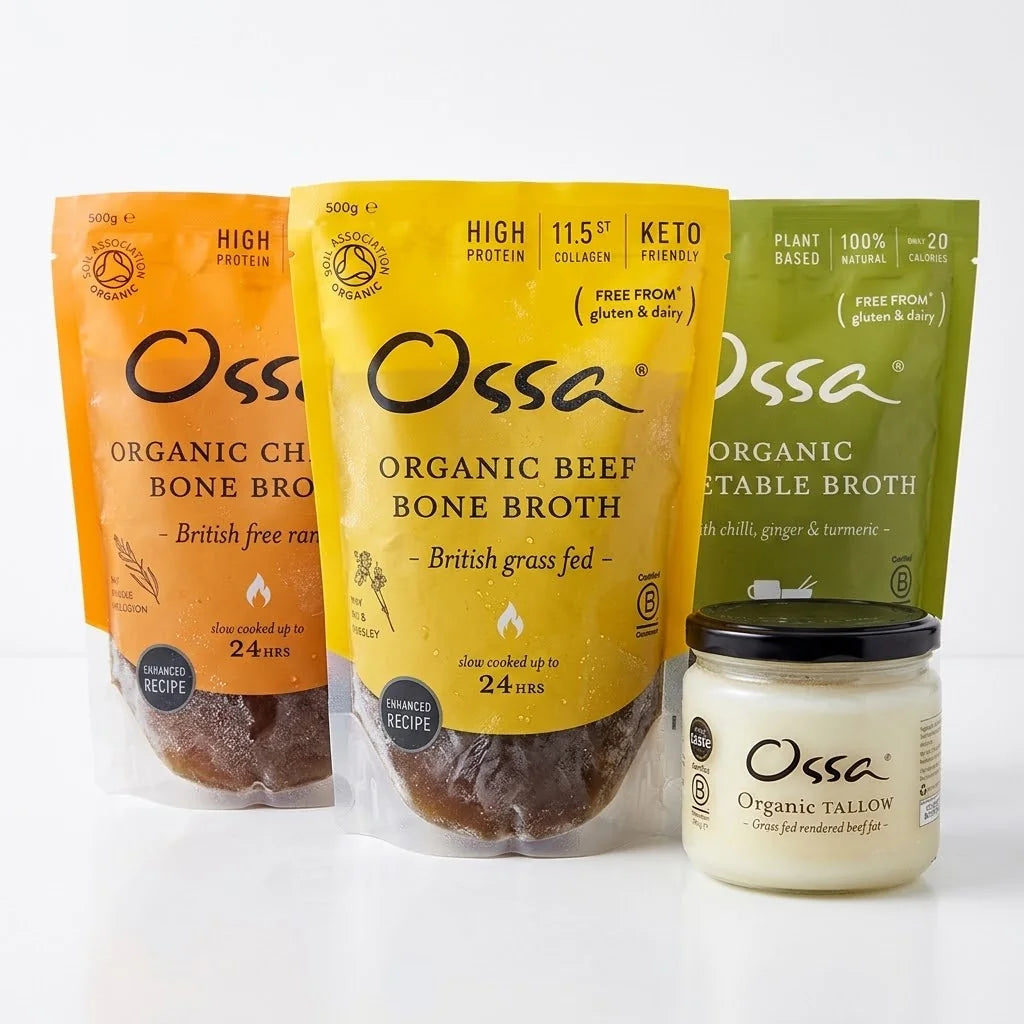
We sell organic bone broths, grass-fed ghee and tallow, collagen and gelatin powders, honey, healthy snacks and gut health bundles, all free from preservatives and artificial ingredients. If you are building a snack routine for a family that prefers natural, minimally processed food, our healthy snacks and bundles are on the shop-all collection, and the full range is on our main shop.
Our view: tradition, not trend
We started Ossa Organic after discovering the benefits of bone broth while pregnant with our first child. Since then our family has eaten mostly paleo and avoided inflammatory foods, cooking simple, nourishing meals at home.
That experience shapes how we think about children’s snacks. We believe the best snack is one made from real food with a short ingredient list, grown organically and cooked or prepared in traditional ways. Our range is built on tradition, not trend, and everything we make is free from preservatives and artificial ingredients.
For us, gut health starts with the everyday: the snack in the bag, the broth in the cup, the fat you cook with. Parents should feel empowered to choose natural food over processed food with unnatural ingredients, and we want to make that choice easier for families.
Ossa Organic
FAQ
What snacks can I give my kids?
The NHS says fruit and vegetable snacks are always the best choice. Good options include yoghurt with fruit, vegetable sticks with hummus, homemade popcorn and plain rice cakes with cheese. Keep packaged snacks to no more than two a day.
What are the best organic snacks for toddlers?
For toddlers over 1 year, simple whole foods work best: soft fruit slices, cucumber or carrot sticks, plain unsweetened yoghurt and toast fingers. Organic versions are available for most of these. For any packaged option, check for the GB-ORG control body code and a short ingredient list with no added sugar or salt.
Is organic food automatically healthier for children?
Organic is a legal standard about how ingredients are produced and which additives are allowed, not a measure of sugar or salt. A snack can be organic and still sweet or salty, so read the ingredients list and traffic-light label as well. Choosing organic and checking the label together gives the best result.
Do babies under 12 months need snacks?
No. The NHS says babies under 12 months do not need snacks and suggests extra milk feeds if they seem hungry between meals. Snacks become part of the day from around 1 year.
How can I spot hidden sugar in a snack?
Read the full ingredients list, because sugar can appear under other names. Ingredients are listed by weight, so any sugar near the start means the snack contains a lot. The free NHS Food Scanner app can also help you compare products.