Yes, hydrolysed collagen peptides mix into coffee without losing the modest, research-backed benefits, hot or cold. Aim for 10 to 20 grams a day, stirred straight into your cup, and expect gradual change rather than an overnight fix. Skin and joint improvements typically build over three to six months of consistent use. Check with a clinician first if you’re pregnant, breastfeeding, or have a known allergy.
TL;DR:
-
Drinking 10 to 20 grams of hydrolysed collagen peptides daily in coffee supports skin and joint health over three to six months.
-
Collagen peptides dissolve fully in hot or cold coffee without heat damaging their effectiveness, unlike gelatine.
-
Industry-funded, small studies show modest but real improvements, so patience is necessary, and larger trials are still needed for definitive proof.
-
Collagen supplements carry calories and should be added during eating windows if you are fasting strictly.
-
Choose neutral-tasting, hydrolysed collagen derived from grass-fed sources and avoid doses above 20 grams or gelatine for optimal mixing and safety.
Table of Contents
What is collagen, and why do peptides work best in coffee?
Collagen is the structural protein that holds skin, tendons, cartilage, and bone together. Most supplements draw on type I, II, or III collagen, sourced from bovine, marine, or porcine tissue, depending on which connective tissue the product targets.
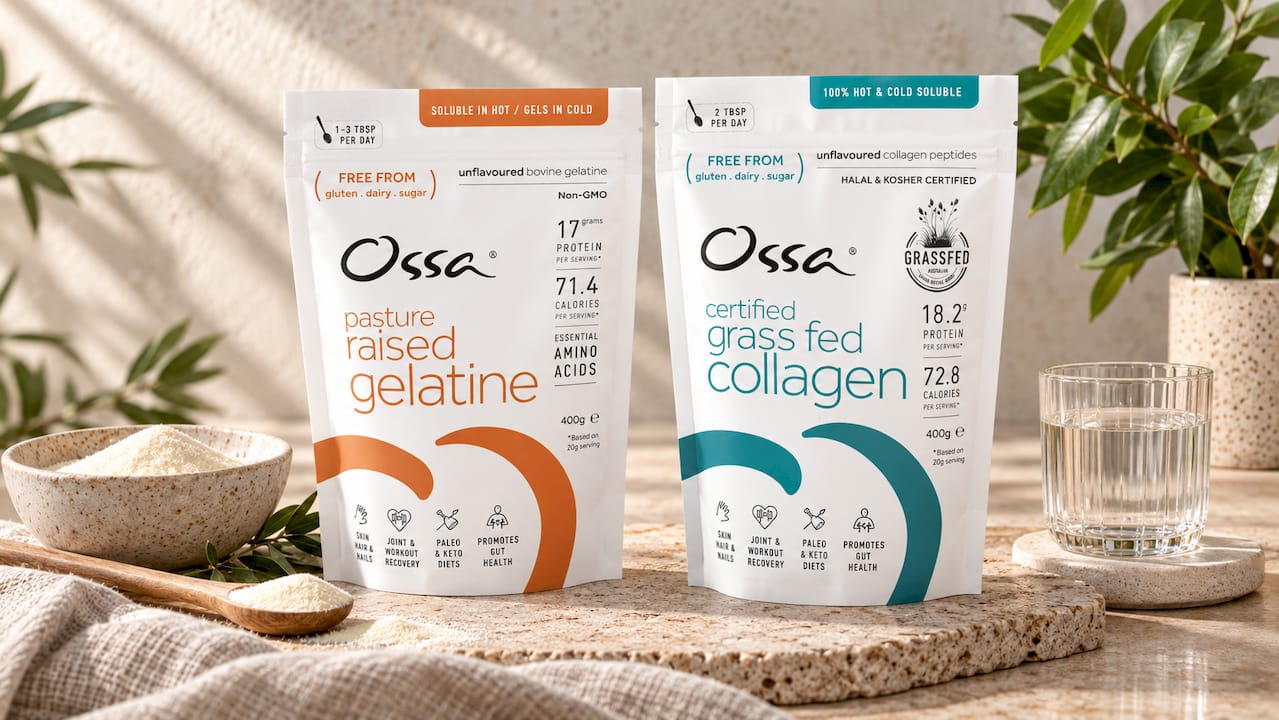
Two forms dominate the market: hydrolysed collagen peptides and gelatine, with detailed coffee drying methods influencing final flavor when pairing your collagen coffee. Gelatine gels when it cools, which makes it brilliant for broths and desserts but clumsy in a hot drink. Hydrolysed peptides have already been broken down into smaller chains, so they dissolve into liquid rather than setting it, which is exactly why every collagen coffee recipe worth following calls for peptides, not gelatine.
Practical implications worth knowing before you buy a tub:
-
Hydrolysed peptides are largely flavourless, so they don’t fight your coffee’s taste.
-
A typical scoop delivers roughly 35 to 80 kcal, small enough to fit most eating patterns.
-
Peptides dissolve fully in both hot and cold liquid, while gelatine needs warmth just to loosen.
Does collagen coffee actually work? What the evidence shows
The honest answer is: modestly, and slowly. Meta-analyses and systematic reviews report statistically significant, if modest, improvements in skin hydration and elasticity from daily collagen peptides, generally at doses of 2.5 to 10 grams for skin outcomes specifically, with higher amounts used for joint or bone endpoints.
For joint pain, trial doses run higher, and for bone density the picture is thinner. A handful of small studies gave postmenopausal women just 5 grams daily over a full year and recorded measurable changes in bone mineral density. That’s a narrow population over a long timeline, and it doesn’t tell you much about a 35 year old drinking collagen coffee for six weeks.
A few caveats worth sitting with:
-
Many trials are small, and some carry industry funding, which should temper how confidently anyone states the benefits.
-
Effect sizes are real but modest. Nobody’s skin transforms in a fortnight.
-
Larger, independent randomised controlled trials are still needed to pin down exact effect sizes across different populations.
None of this means collagen coffee is pointless. It means the evidence supports patience over hype.
Does heat destroy collagen in coffee?
This is the question that stops most people before they’ve even opened the tin, and the short answer is no, not at the temperatures your kettle reaches.
Hydrolysed collagen peptides denature at temperatures around 200°C, while coffee is typically brewed and served between 90°C and 96°C. There’s a wide safety margin between the two, and a randomised crossover trial found that key bioactive peptide fragments, including Pro-Hyp and Hyp-Gly, were absorbed just as well when dissolved in coffee as when dissolved in plain water.
Some individual free amino acids varied slightly between the two drinks, but the peptides that matter most for connective tissue support held up. The tannins-trap-the-collagen theory that circulates in wellness forums simply isn’t borne out by the pharmacokinetic data.
A few things to bear in mind:
-
Everyday hot coffee, lattes, and cold brew are all fine for mixing in peptides.
-
Prolonged, high-heat cooking or baking is a different matter entirely, and isn’t where collagen peptides were tested.
-
If you’re roasting or reducing something on the stove for an hour, add your collagen afterwards, not before.
How to add collagen to coffee: dosing, mixing, and recipes
Getting the dose and the method right matters more than which coffee you use.
-
Pick your dose. Ten grams a day suits general wellbeing goals; 10 to 20 grams is the more common range for joint or skin-focused routines. Some people split it, taking half in the morning and half later, which research on peptide absorption suggests can flatten the digestive load without losing overall exposure.
-
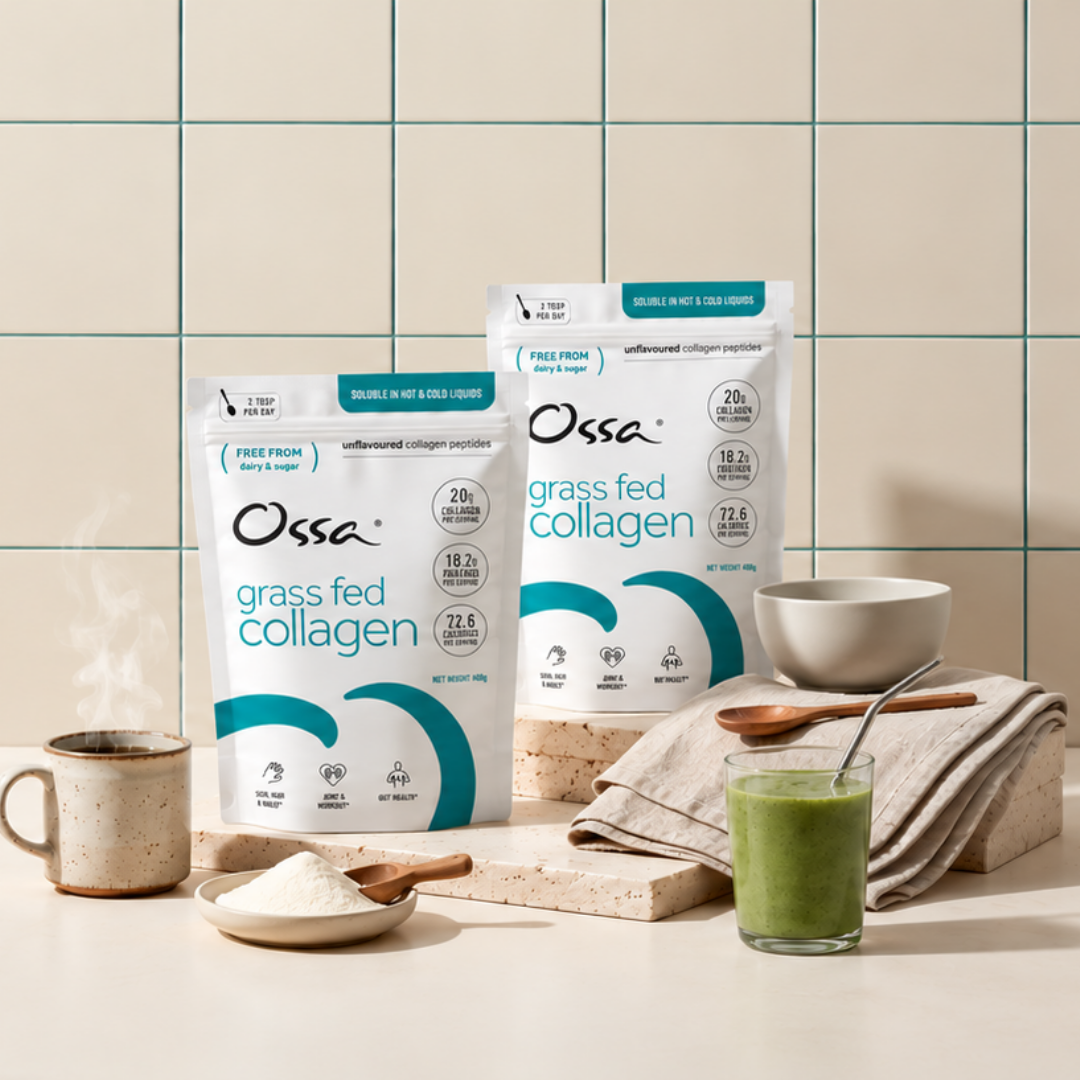
Stir it into hot coffee. Add the powder after brewing, while the coffee is still hot, and stir for 15 to 20 seconds. It dissolves cleanly with no grit.
-
Blend it into a latte. Add collagen to steamed milk before combining with espresso; the fat and froth mask any texture change completely.
-
Shake it into cold brew. Collagen peptides dissolve in cold liquid too, just give it a longer stir or a quick shake in a sealed jar to avoid a floating film on top.
If you’re practising intermittent fasting, know that collagen carries calories, roughly 35 to 80 kcal per scoop, so strict fasting purists will want to add it inside their eating window rather than during a fasted stretch.
Pro Tip: Add your peptides to the coffee first, then any milk or cream. Powder dissolves faster in the water-based liquid before fat gets involved.
For more variations, from a straightforward black coffee blend to a mocha version, Ossa Organic’s collagen coffee recipes are worth a look, and pairing collagen with grass-fed ghee is another popular route if you want a creamier, more filling cup.
Side effects, allergies, and who should check with a doctor first
Collagen is generally well tolerated, but a few things are worth flagging honestly.
-
Mild bloating or a feeling of fullness can occur at higher single doses, typically above 20 grams; lowering the dose or splitting it across the day usually resolves this.
-
Collagen is sourced from bovine, marine, or porcine tissue, so check the label carefully if you have a known allergy or intolerance to any of these.
-
Pregnant or breastfeeding readers, anyone with an autoimmune condition, and those with surgery planned should speak to a clinician before starting.
-
Collagen is not a complete protein and isn’t a substitute for whey, casein, or a proper breakfast; treat it as a connective-tissue supplement alongside balanced meals, not instead of them.
How to choose a collagen powder for coffee
Not every tub on the shelf behaves the same way once it hits your cup, so a few checks make the difference between a smooth morning ritual and a gritty disappointment.
-
Choose hydrolysed peptides, not gelatine. Peptides dissolve fully in hot or cold coffee and are the form used in almost every clinical trial referenced above.
-
Check the sourcing. Grass-fed or pasture-raised claims matter if you care about how the animals were raised, not just where the collagen came from.
-
Look for a clear allergen statement. Bovine, marine, and porcine sources carry different cross-reactivity risks.
-
Decide if you want added vitamin C. Vitamin C supports the body’s own collagen synthesis, so some formulations include it deliberately.
-
Favour a neutral taste profile if you’re adding it to coffee daily. Unnecessary sweeteners or flavourings can clash with your usual brew, and readers researching collagen for joint support generally do best with a plain, versatile powder they can also use in soups or smoothies.
Ossa Organic’s perspective: why we make coffee-friendly collagen
This brand started after discovering how much slow-cooked, nourishing food could change daily life during pregnancy. That’s shaped everything since, including how we think about collagen.
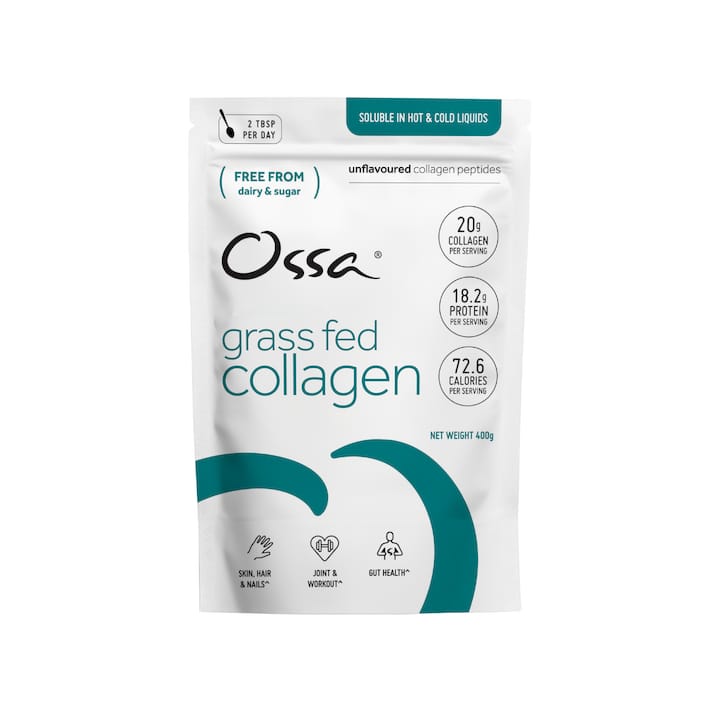
They formulate theirs as hydrolysed peptides specifically because that’s the form that dissolves cleanly into a morning coffee and holds up in the clinical literature. If you want inspiration beyond the basics, our collagen recipe collection has variations worth trying.
— Ossa Organic
Ossa Organic products for your morning cup
Unlike a generic supplement aisle where you’re guessing at sourcing and purity, this brand builds its collagen range around traceable, grass-fed provenance.
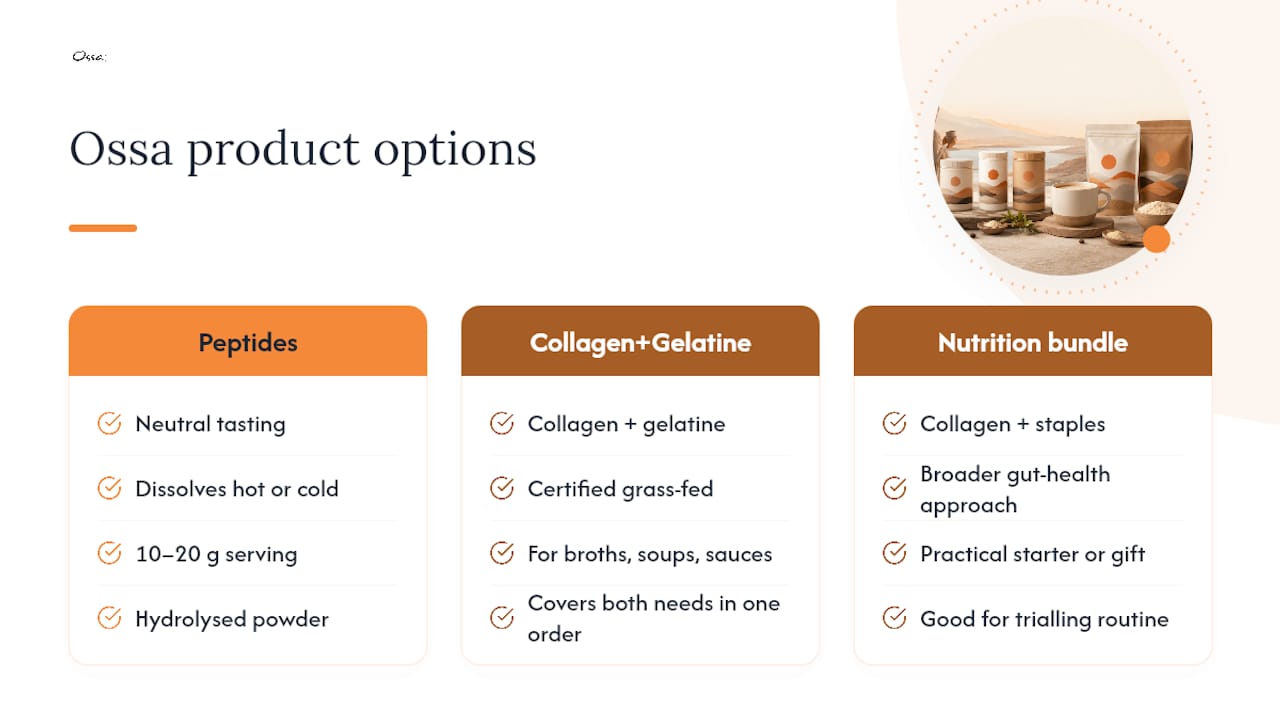
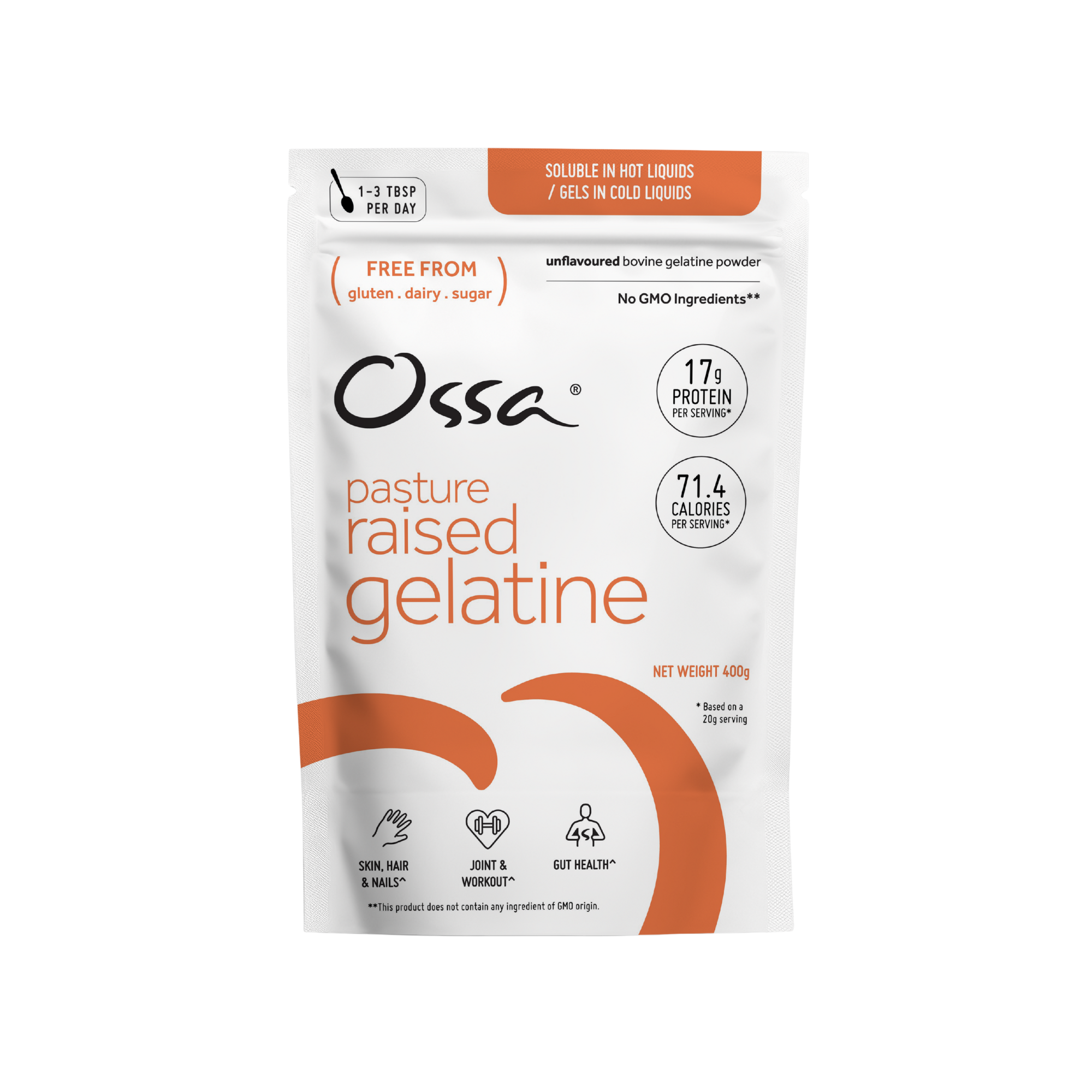
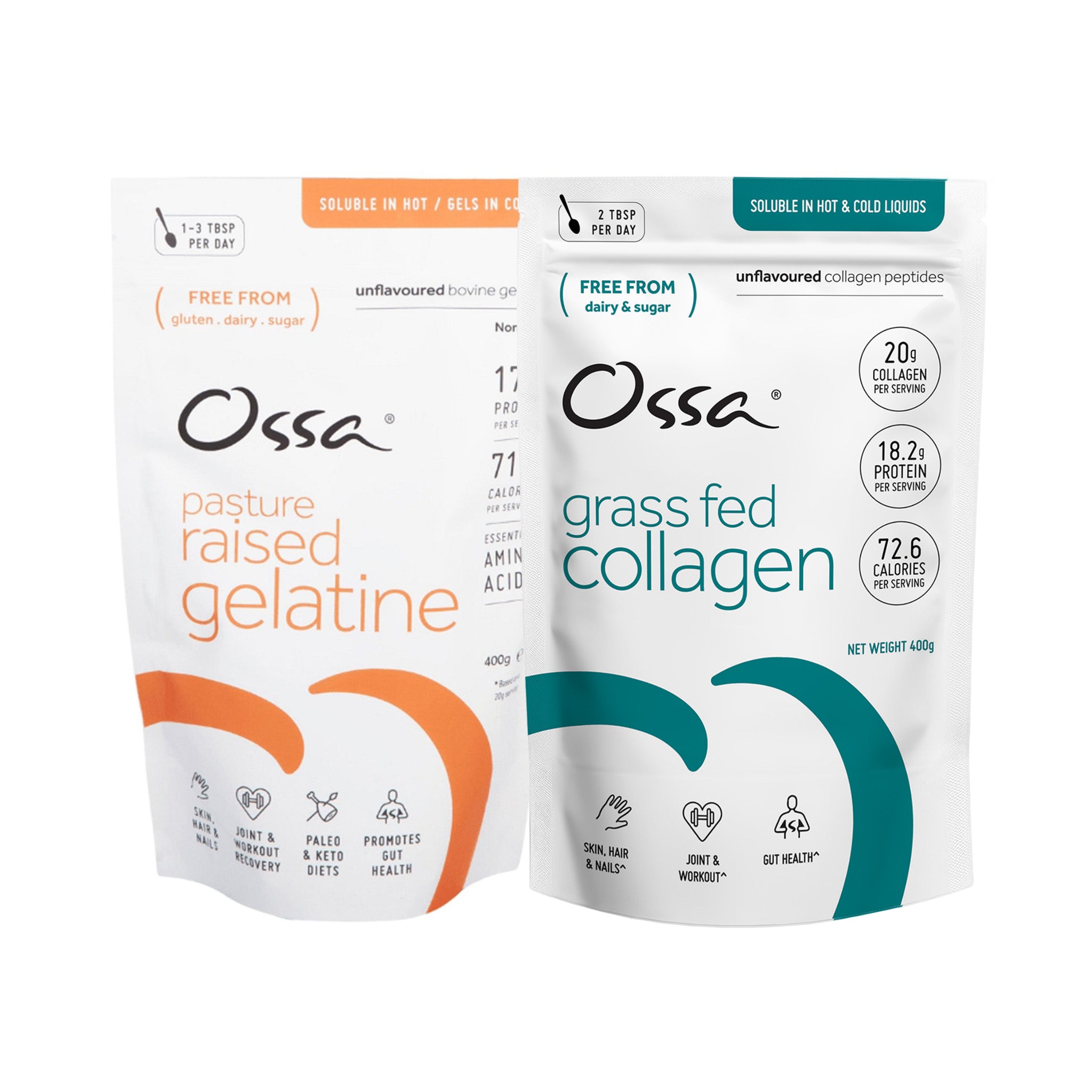
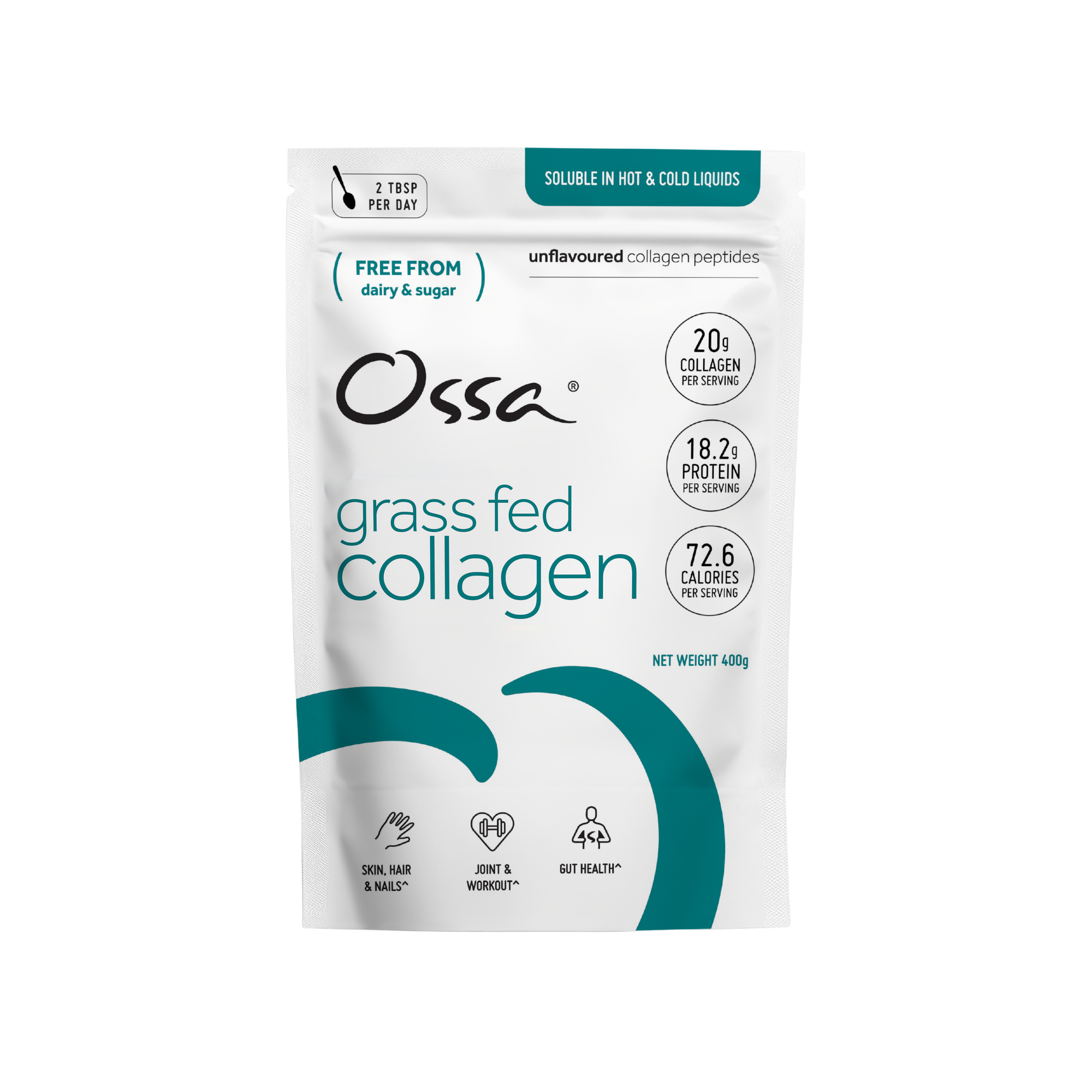
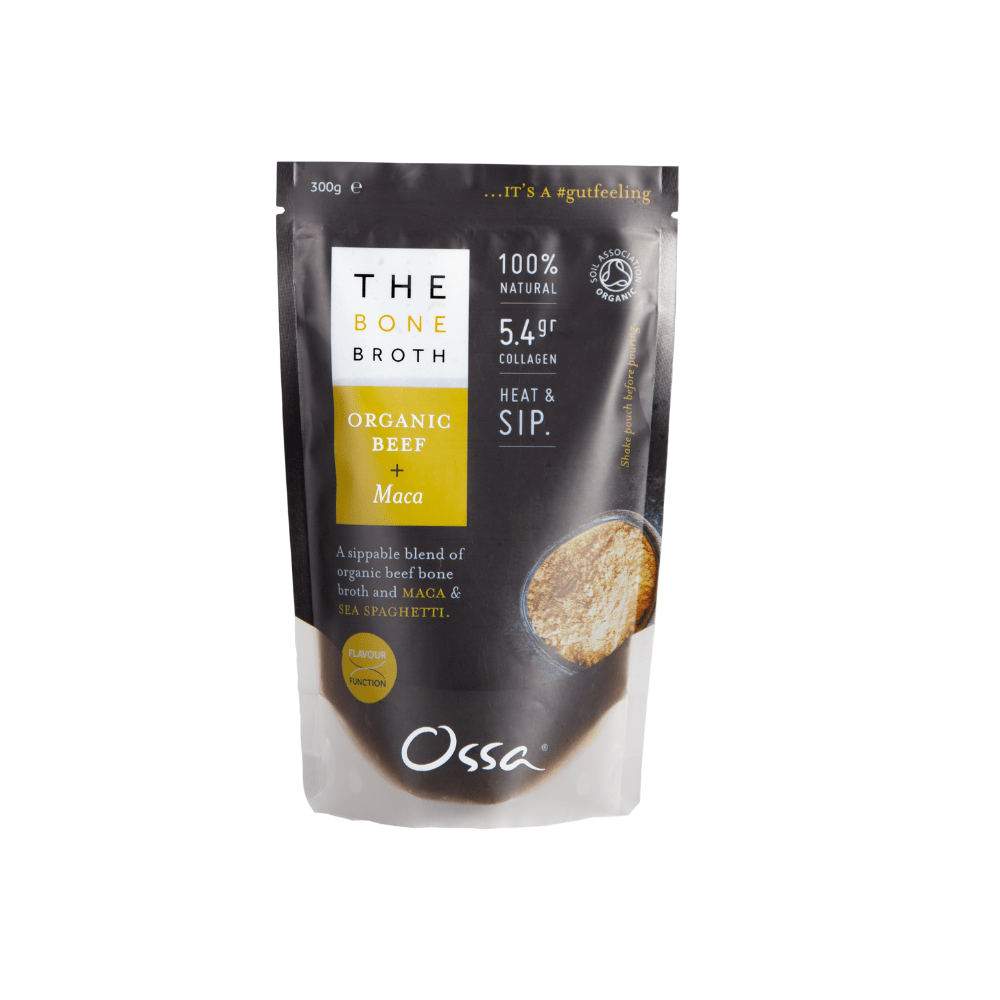
For a daily coffee habit, Ossa Grass Fed Collagen Peptides is the straightforward choice: a neutral-tasting hydrolysed powder designed to dissolve into hot or cold drinks at the 10 to 20 gram serving discussed above. If you also cook broths, soups, or sauces at home and want gelatine on hand alongside your coffee routine, the certified grass-fed collagen and gelatine combo covers both needs in one order. For readers who want to trial a broader gut-health approach beyond just their coffee cup, the functional nutrition bundle pairs collagen with complementary staples, making it a practical starting point or gift. Pick the format that matches your kitchen habits, and start with a single scoop tomorrow morning.
Selected sources for further reading
-
NIH summary of collagen peptide research on dosing and skin/joint outcomes
-
Tufts University coverage of evidence limitations in collagen research
-
NCBI review of collagen peptide safety and tolerability
This article is general information, not a substitute for advice from a qualified doctor. Consult a qualified healthcare professional about your own circumstances before acting on anything here.
FAQ
Does collagen in your coffee really work?
Modestly, yes. Clinical evidence points to real but small improvements in skin hydration, elasticity, and joint comfort, usually appearing after three to six months of daily use at 10 to 20 grams.
Does collagen get destroyed in hot coffee?
No. Collagen peptides denature at roughly 200°C, far above the 90 to 96°C typical of brewed coffee, and trial data shows key bioactive peptides absorb just as well from coffee as from water.
What is the best coffee for collagen?
Any hot or cold coffee works, since hydrolysed peptides like those in Ossa Grass Fed Collagen Peptides dissolve regardless of brew style; the powder matters more than the coffee itself.
What should you avoid when taking collagen?
Avoid single doses above 20 grams if you’re prone to bloating, avoid gelatine if you want smooth mixing in coffee, and avoid treating collagen as a replacement for a balanced protein source or meal.
Recommended