Moderate bone broth consumption is generally acceptable for most people with gout, but not automatically safe for everyone. Skip it during an acute flare, and check with your doctor first if you have kidney disease or take medication that affects uric acid. Stick to lighter, home-simmered versions in small portions rather than assuming every broth on the shelf carries the same purine load.
TL;DR:
-
Bone broth made from bones with minimal connective tissue is lower in purines, while broth from marrow-rich bones or offal contains higher levels.
-
Serving a small cup of broth once or twice a week is generally safe for gout management, provided it is properly prepared and personalized to tolerance.
-
During active gout flares or if you have kidney disease, it is best to avoid bone broth until symptoms subside and your doctor approves.
-
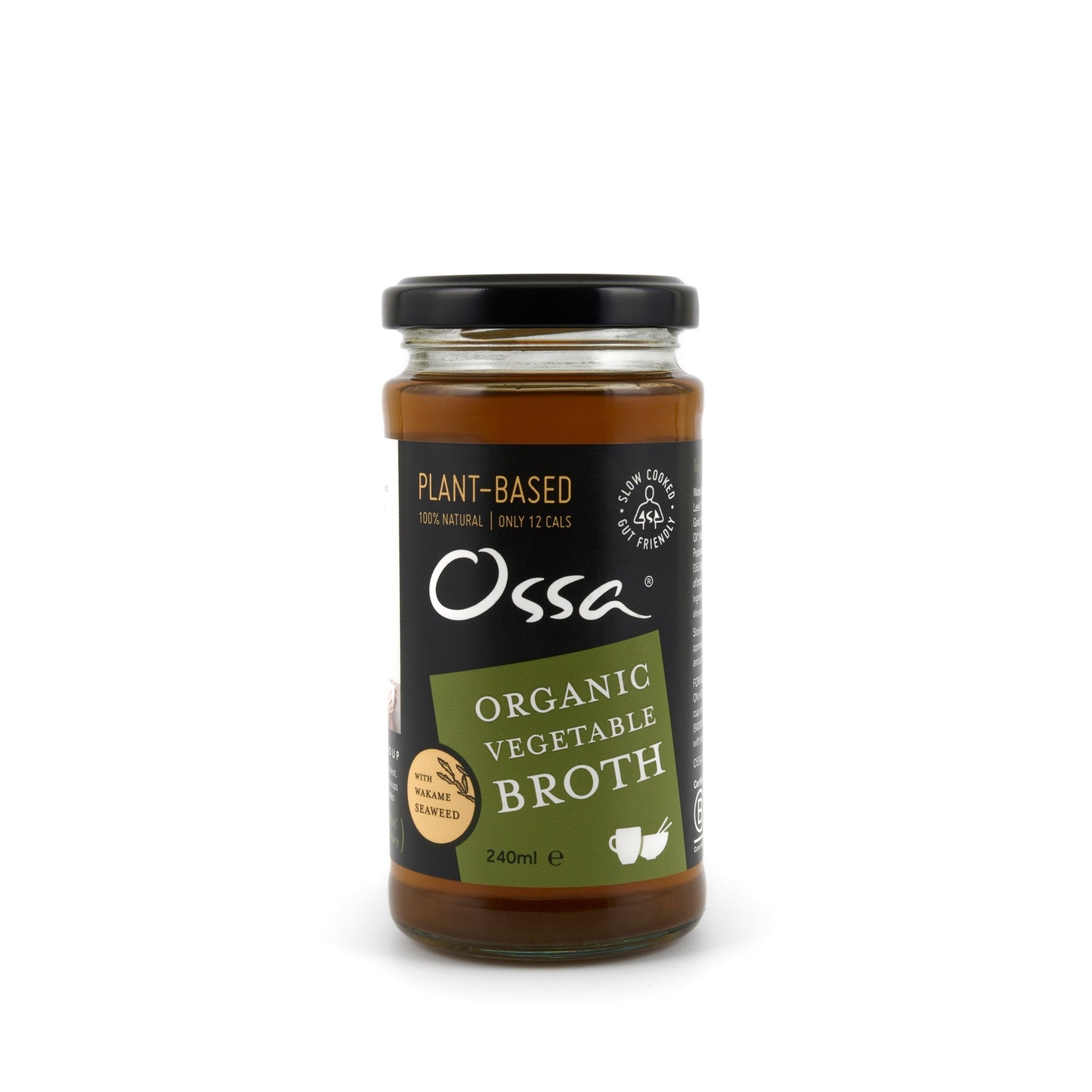
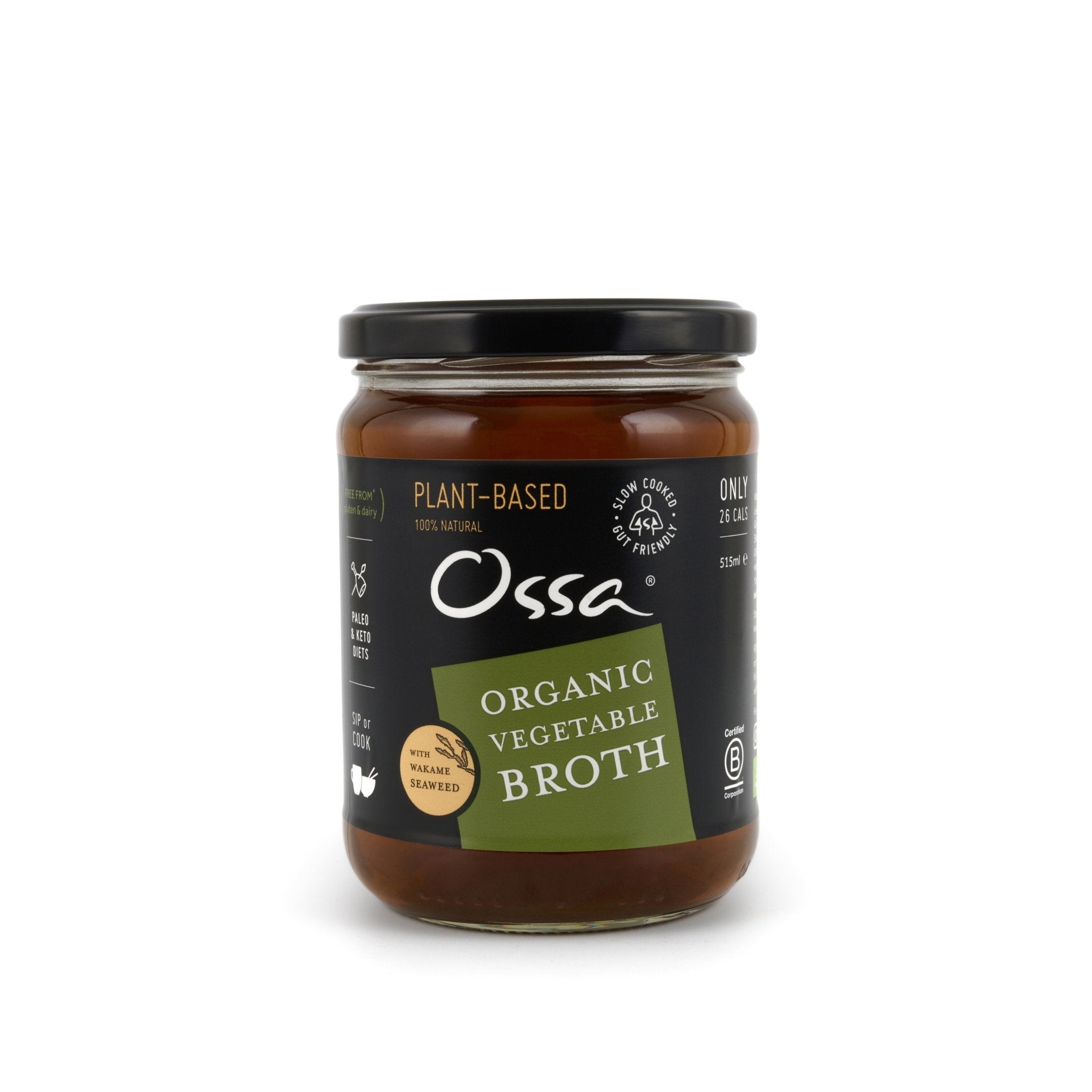
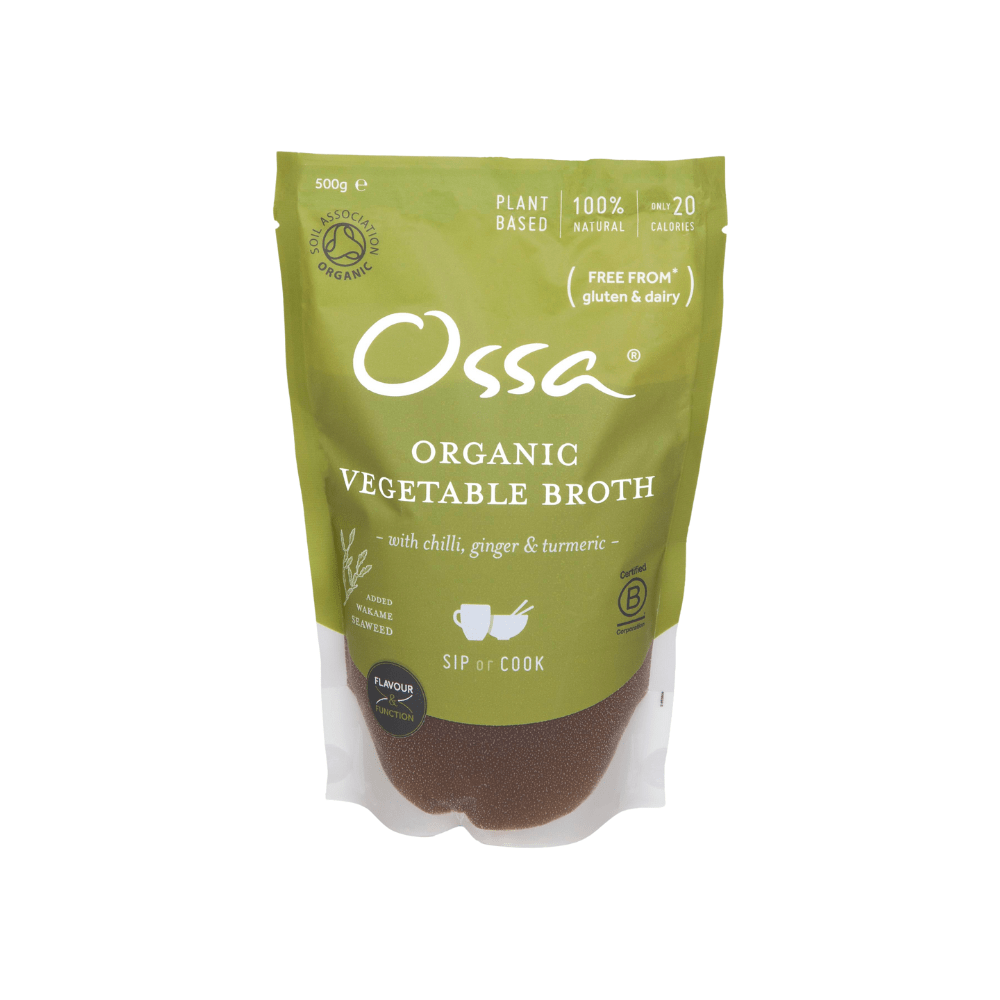
Opting for lighter, homemade, organic broths and substituting vegetable stock can reduce purine intake and support gout-friendly eating habits.
-
Individual sensitivity varies, so keeping a detailed food journal can help determine how specific broths affect your uric acid levels.
Table of Contents
Bone broth for gout: what purines actually do to uric acid
Purines are natural compounds found in nearly all food, and your body breaks them down into uric acid as a normal part of digestion. The main culprits are adenine, guanine, hypoxanthine, and xanthine. When uric acid builds up faster than your kidneys can clear it, needle-like crystals form in the joints, which is what triggers a gout flare.
Bone broth sits in a grey zone because it’s made by simmering bones, connective tissue, and sometimes meat scraps for hours, and that process draws purines out of the tissue into the liquid. A validated laboratory analysis using high-performance liquid chromatography tested 12 commercial chicken broths and found:
-
Total purine and uric acid content varied considerably across samples, with some broths showing much higher purine levels than others.
-
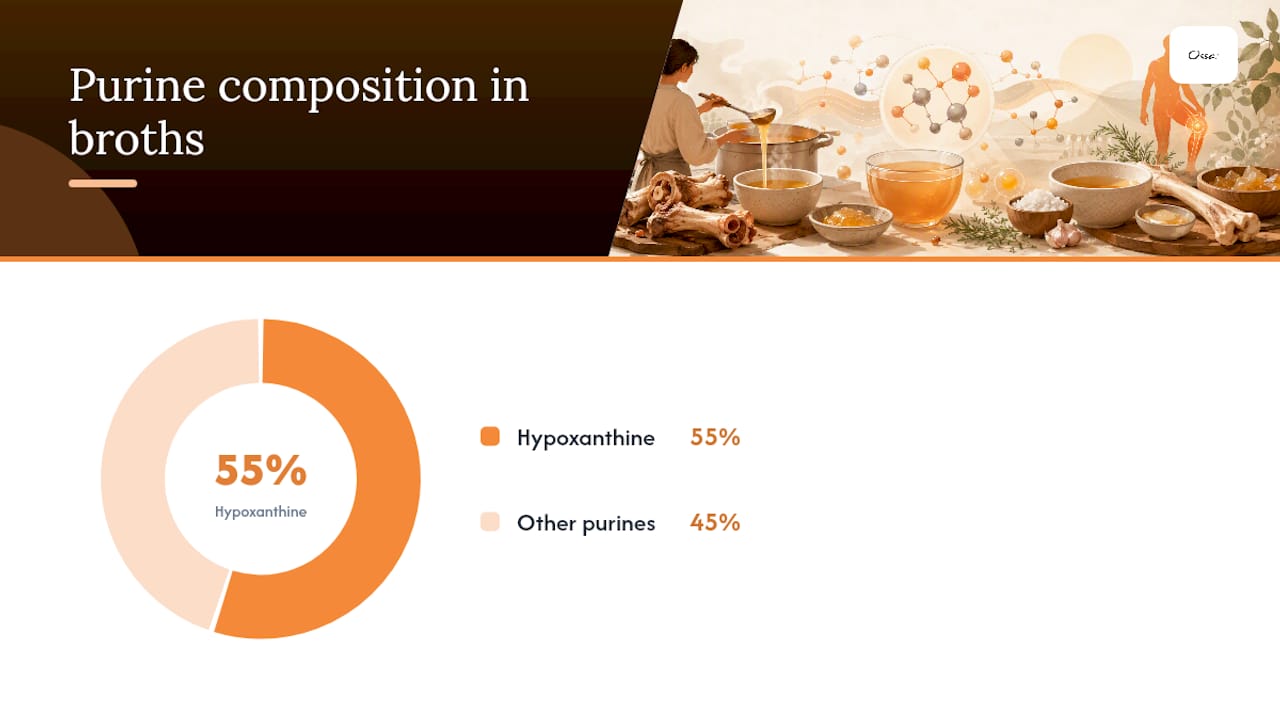
Hypoxanthine made up around 55% of the total purine content in these broths, the highest of the four purine types.
-
Some broths contained measurable free uric acid on top of the purines themselves.
That range matters: a broth at the lower end and one at the upper end are not remotely equivalent for someone managing gout, yet they’d sit on the same supermarket shelf with near-identical labelling.
Clinical guidance from bodies like Mayo Clinic doesn’t ban bone broth outright. It recommends selective purine restriction, meaning you limit the highest-purine foods (organ meats, certain seafood) while keeping perspective on your overall diet. Purine content is one variable among several, alongside kidney function, medication, alcohol intake and body weight.
Chicken, beef and seafood broths: which carries the higher risk?
Not all bone broths are built the same, and the bones you start with change the purine maths considerably. Clinical overviews consistently flag organ meats, shellfish and concentrated meat extracts as higher-purine ingredients to limit, and that logic carries straight through to broth-making.
-
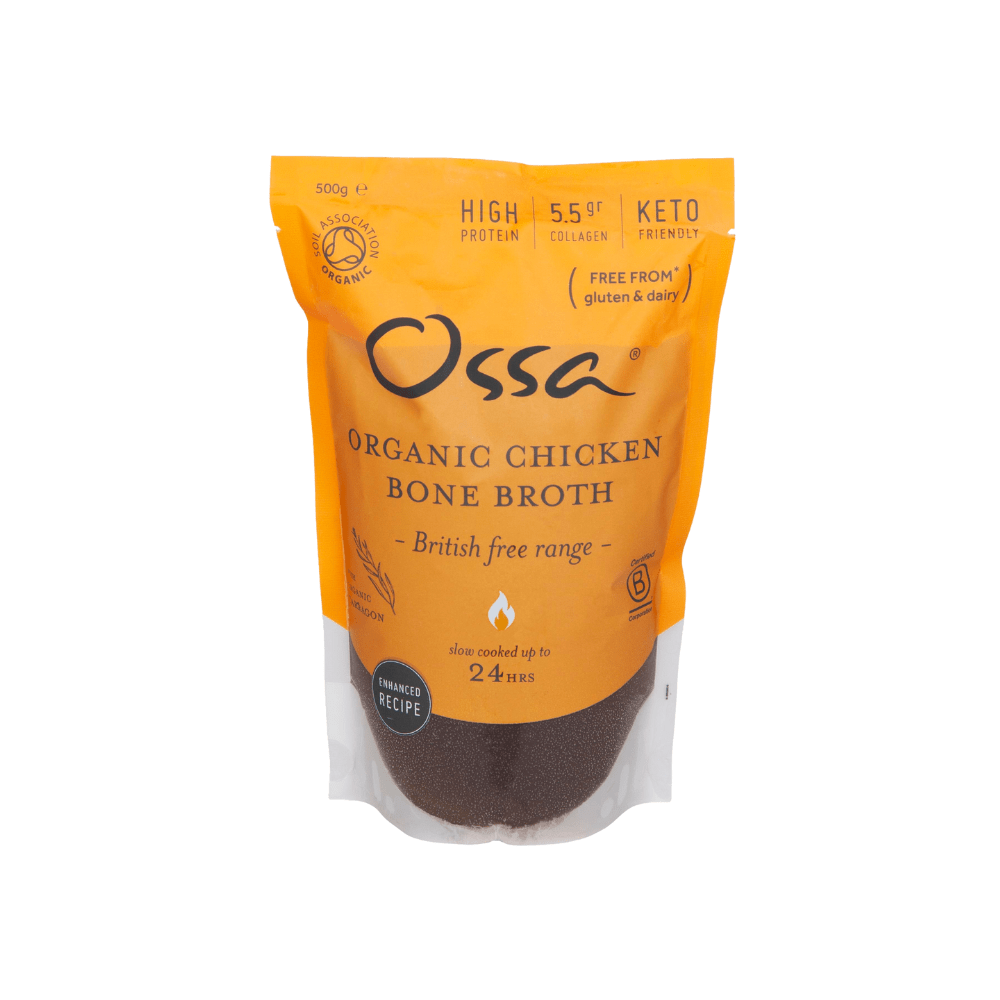
Light chicken stock made from bones with minimal skin and cartilage tends to sit toward the lower end of the purine range measured in laboratory testing.
-
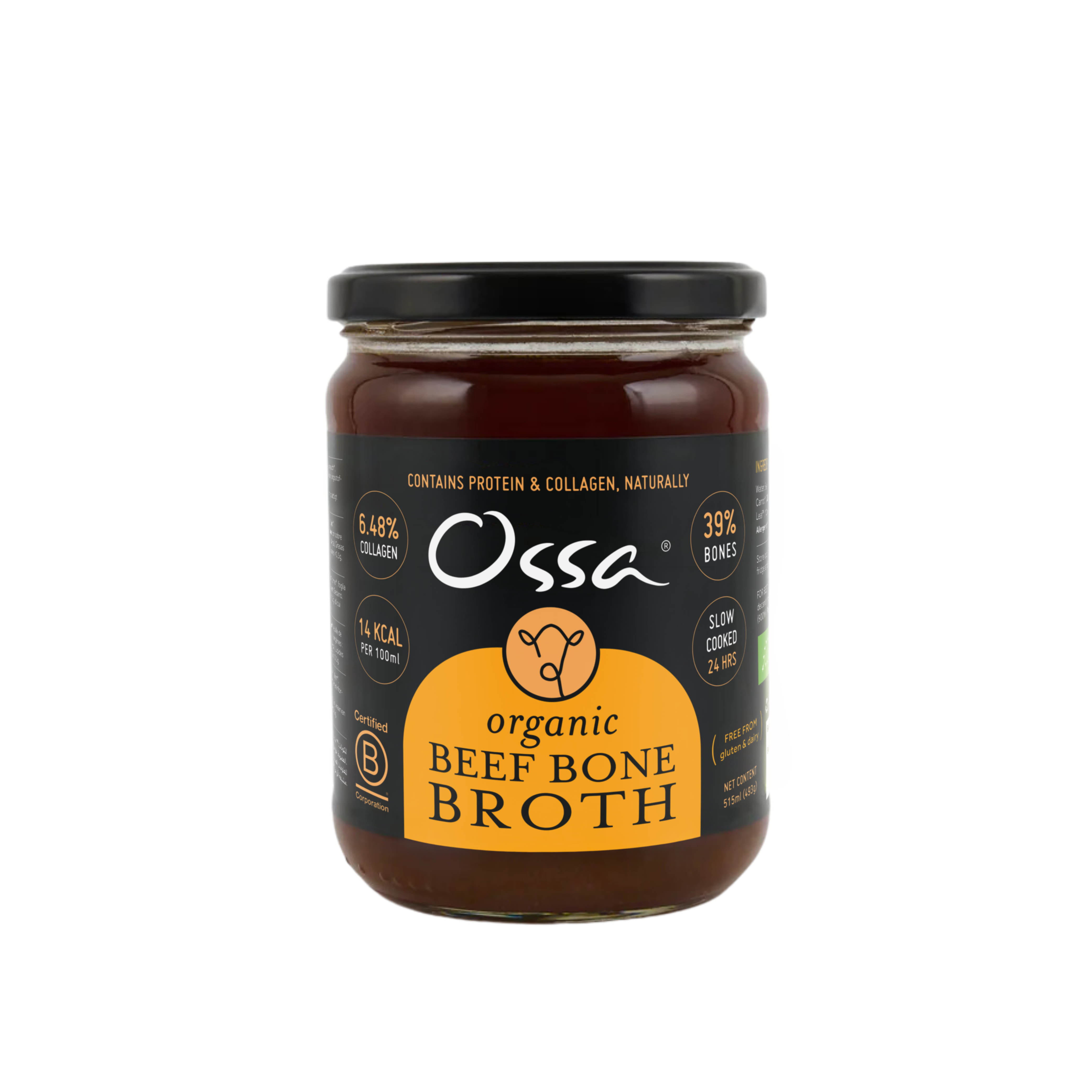
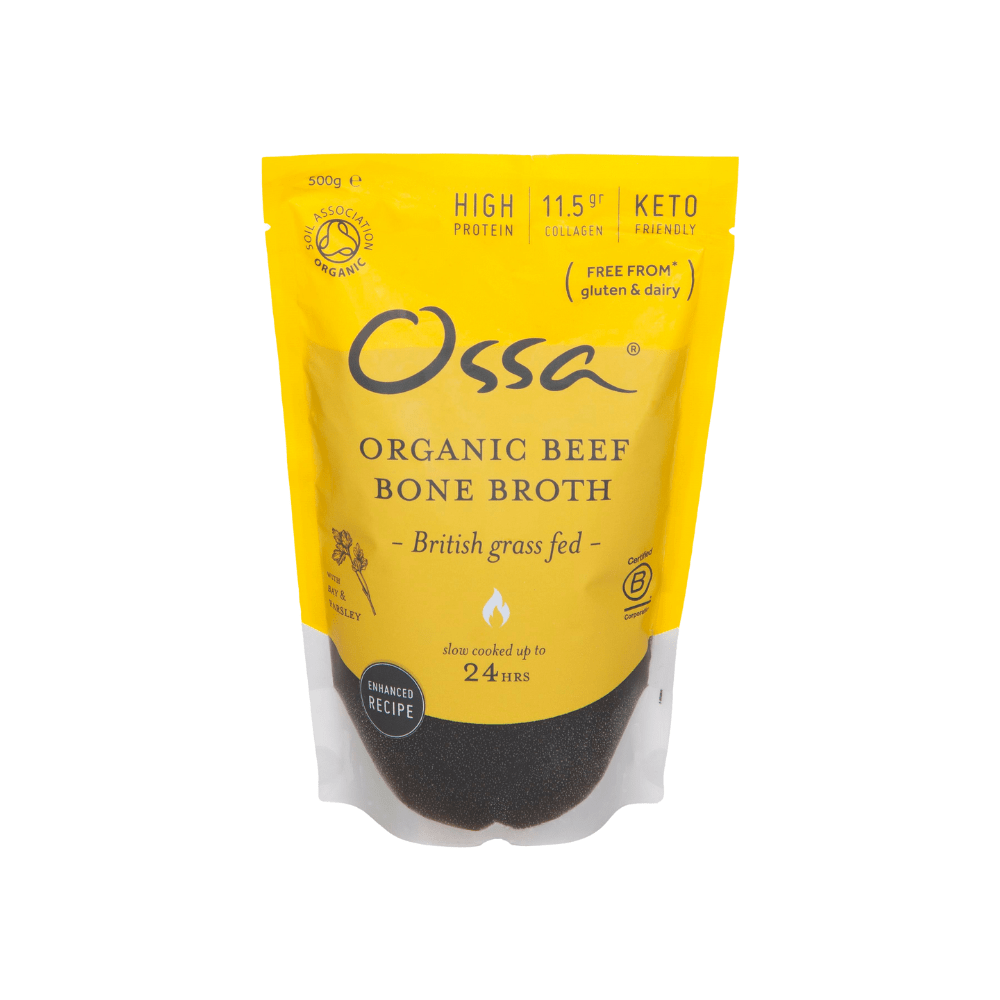
Beef broth, particularly when made with marrow bones, oxtail or cuts that include connective tissue, generally runs higher, since purine-rich tissue breaks down more readily over long simmer times.
-
Shellfish or seafood broths are widely flagged in gout diet guidance as higher risk, given the naturally elevated purine content of prawns, mussels and similar shellfish.
-
Offal-based stocks (kidney, liver bones, bone marrow used heavily) concentrate purines further the longer they simmer.
If you’re being cautious, a light vegetable broth or a mild chicken stock made without added offal is the safer starting point. Save shellfish stock and heavily reduced beef bone broth for occasions when your uric acid is well controlled, not as a daily staple.
How much bone broth is safe, and how to prepare it
Portion size and frequency matter more than most people assume. A conservative approach is a small cup, around 150 to 250 millilitres, once a day or a few times a week rather than as a replacement for water at every meal. This keeps purine intake modest while still letting you benefit from the collagen and minerals broth provides.
Preparation choices can shift the purine and sodium content meaningfully:
-
Choose leaner bones with less marrow and connective tissue rather than heavy offal cuts.
-
Simmer for a shorter period. Long, slow twelve-hour cooks extract more purines than a gentler two to four hour simmer.
-
Discard the first stock if you’re simmering bones twice, since the initial extraction tends to carry the highest concentration.
-
Refrigerate the finished broth and skim off the fat layer once it solidifies.
-
Season lightly, or choose low-salt recipes and products, since sodium is a common concern in both homemade and packaged broths.
Pro Tip: If you’re testing your tolerance, keep a simple log of portion size, broth type and how your joints feel over the following 24 to 48 hours. Gout responses vary person to person, and a written record tells you far more than guesswork.
When to avoid bone broth and when to call your doctor
Some situations call for caution rather than moderation. During an active gout attack, when a joint is already hot, swollen and painful, avoid bone broth and other purine-containing foods until the flare settles.
-
Avoid regular bone broth consumption if you have advanced chronic kidney disease or uncontrolled hypertension, unless your clinician has specifically approved it.
-
Speak to your doctor if you take diuretics or certain chemotherapy medications, since these drug classes can alter how your body handles uric acid.
-
If you’re unsure how bone broth affects you personally, ask for a serum uric acid test before and after a few weeks of regular consumption to see whether your levels actually shift.
Anecdotal reports online describe people linking a broth or shellfish stock to a flare that followed within a day or two, which is a reminder that individual sensitivity varies more than any general guideline can capture.
Better liquids and simple recipe swaps for a gout-friendly kitchen
Water remains the most reliable choice, since good hydration helps your kidneys flush uric acid more efficiently. Beyond plain water, a few other options have reasonable backing:
-
Low-sodium vegetable stock gives you savoury depth without the purine load of a meat-based broth.
-
Coffee in moderate amounts has some association with lower gout risk in dietary research, though it isn’t a treatment on its own.
-
Cherries or tart cherry juice show up repeatedly in gout diet guidance as linked to fewer flares.
-
Vitamin C rich foods such as citrus and peppers support uric acid excretion as part of a broader diet.
For a simple swap, take a favourite bone-broth soup and rebuild it on a vegetable stock base, bulk it out with lentils or root vegetables, and use meat sparingly as a flavour note rather than the main event.
The Ossa Organic view on bone broth and gout
Founder [Ossa Organic’s founder note] describes discovering bone broth’s benefits during pregnancy, which shaped a family business built on slow-cooked, organic food rather than processed shortcuts. That tradition matters here: how a broth is made changes what ends up in the cup.
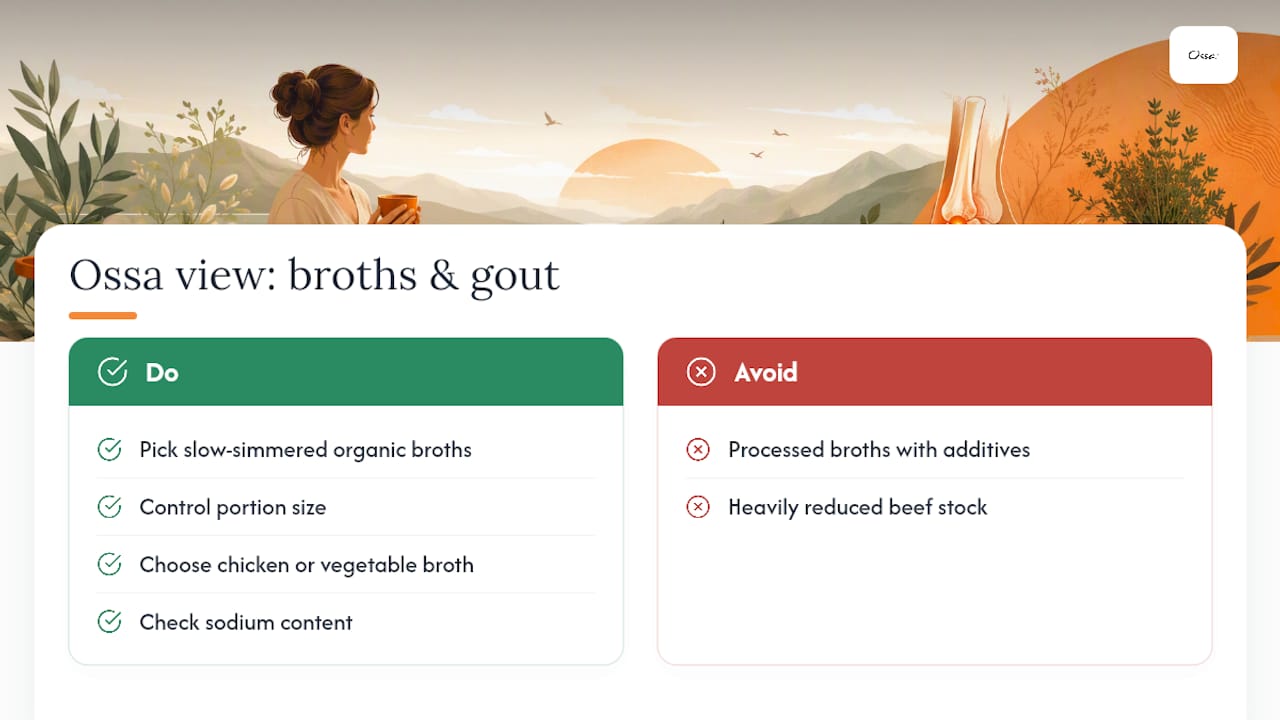
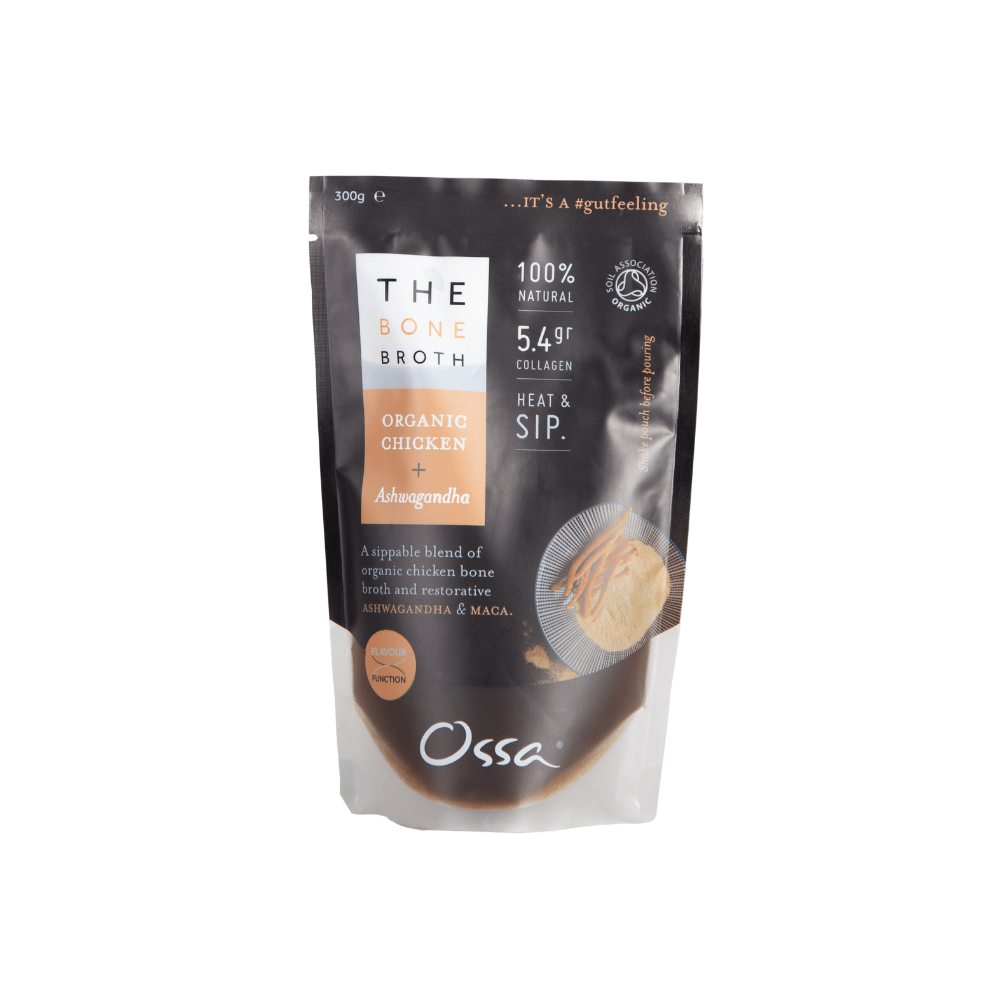
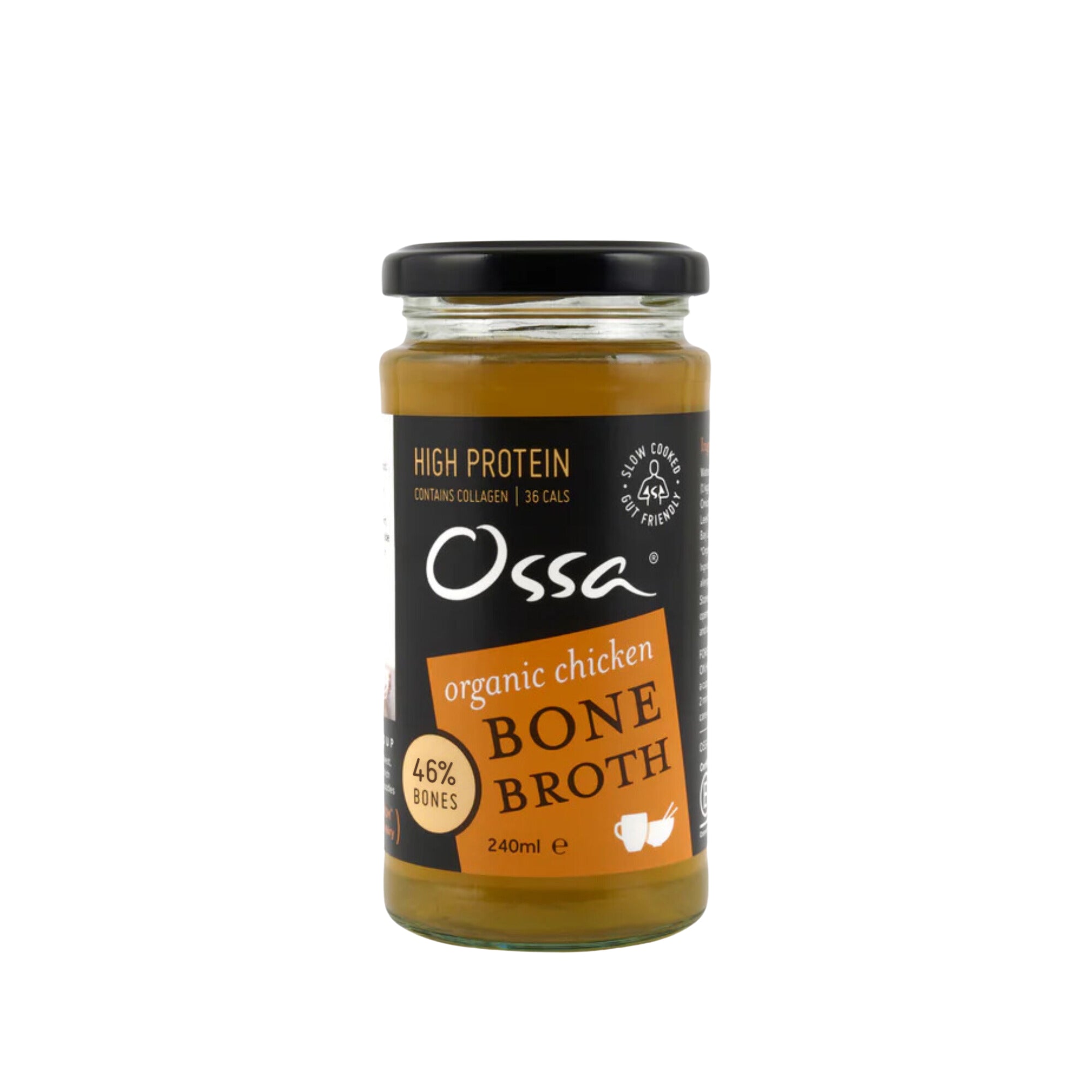
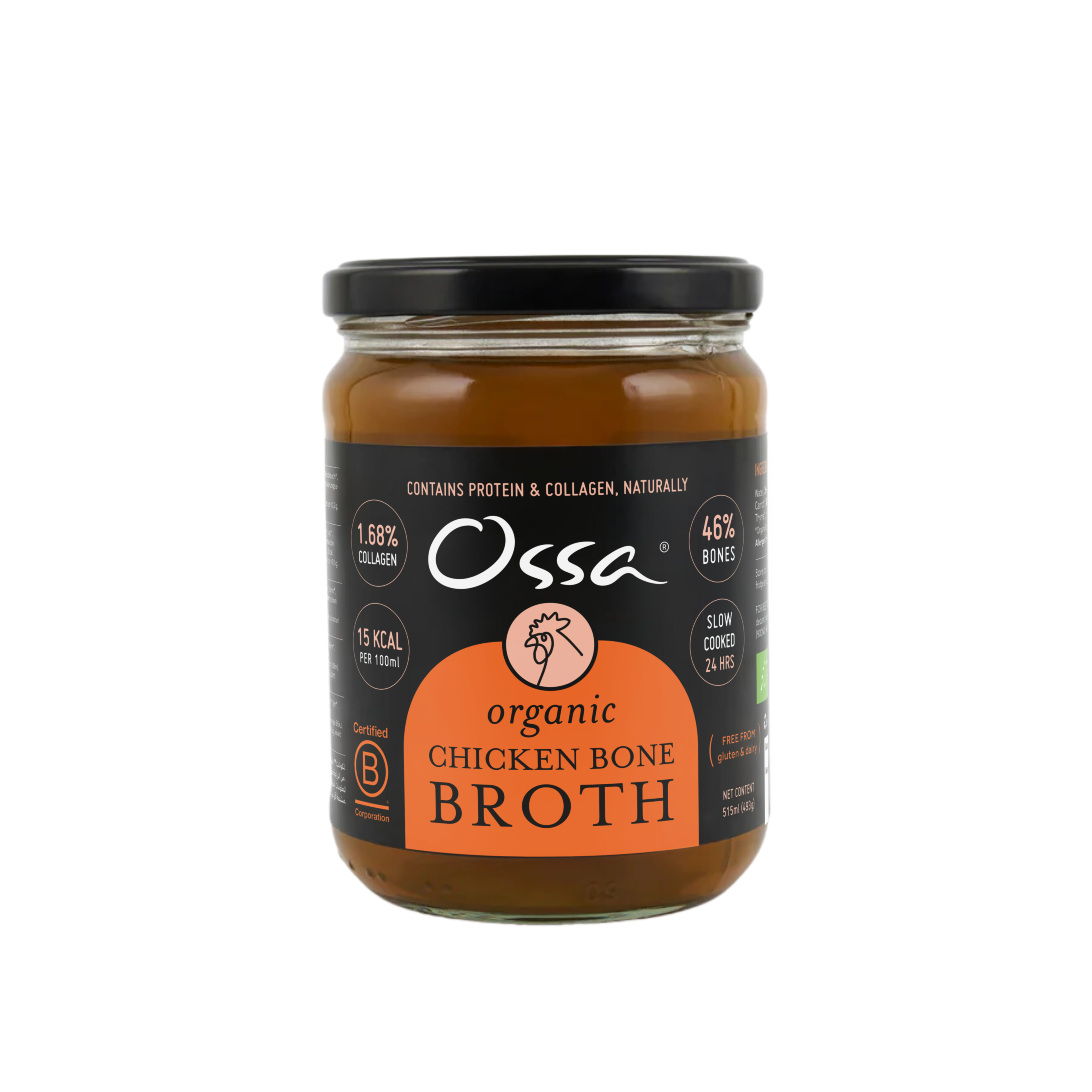
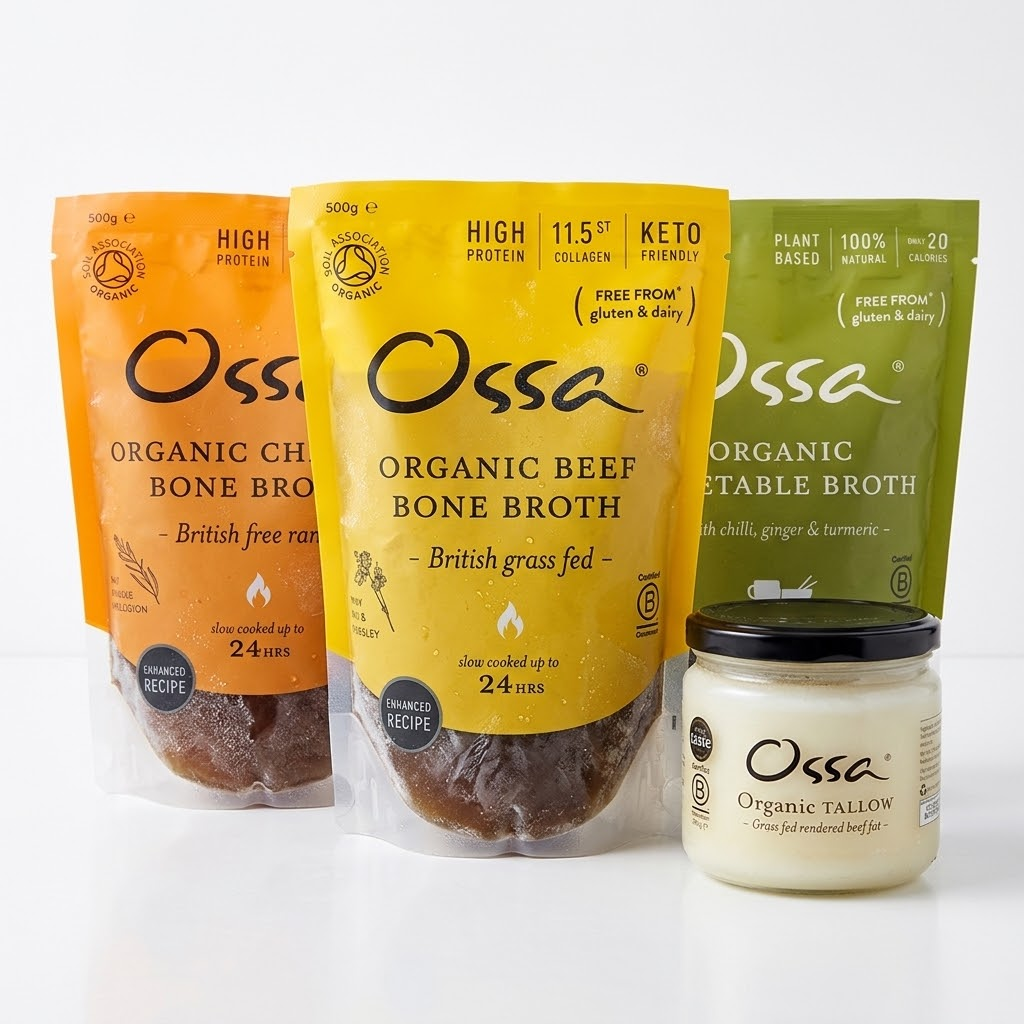
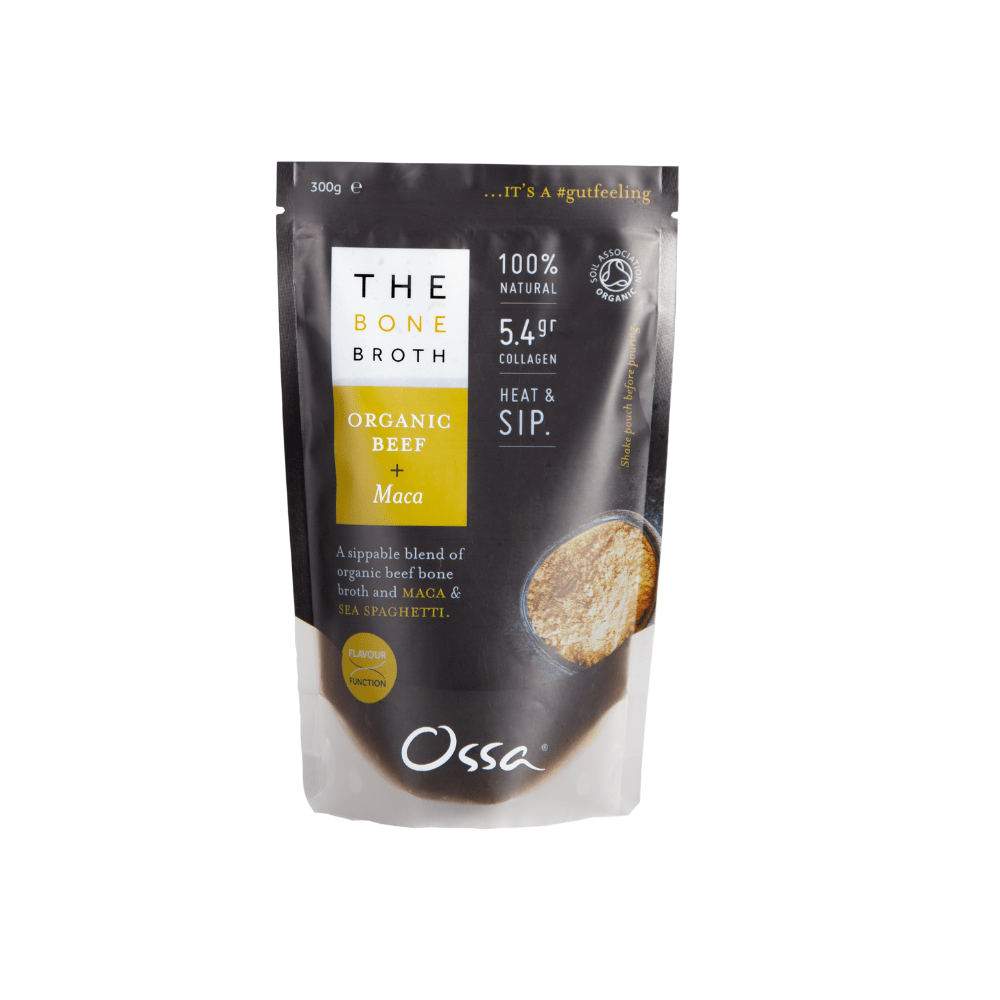
Bone broths that are slow-simmered from organic bones with no artificial additives give you visibility over what you’re consuming rather than a mystery ingredient list. For anyone managing gout, that transparency is genuinely useful. You can control portion size, choose a lighter chicken or vegetable option over a heavily reduced beef stock, and check sodium content without guesswork.
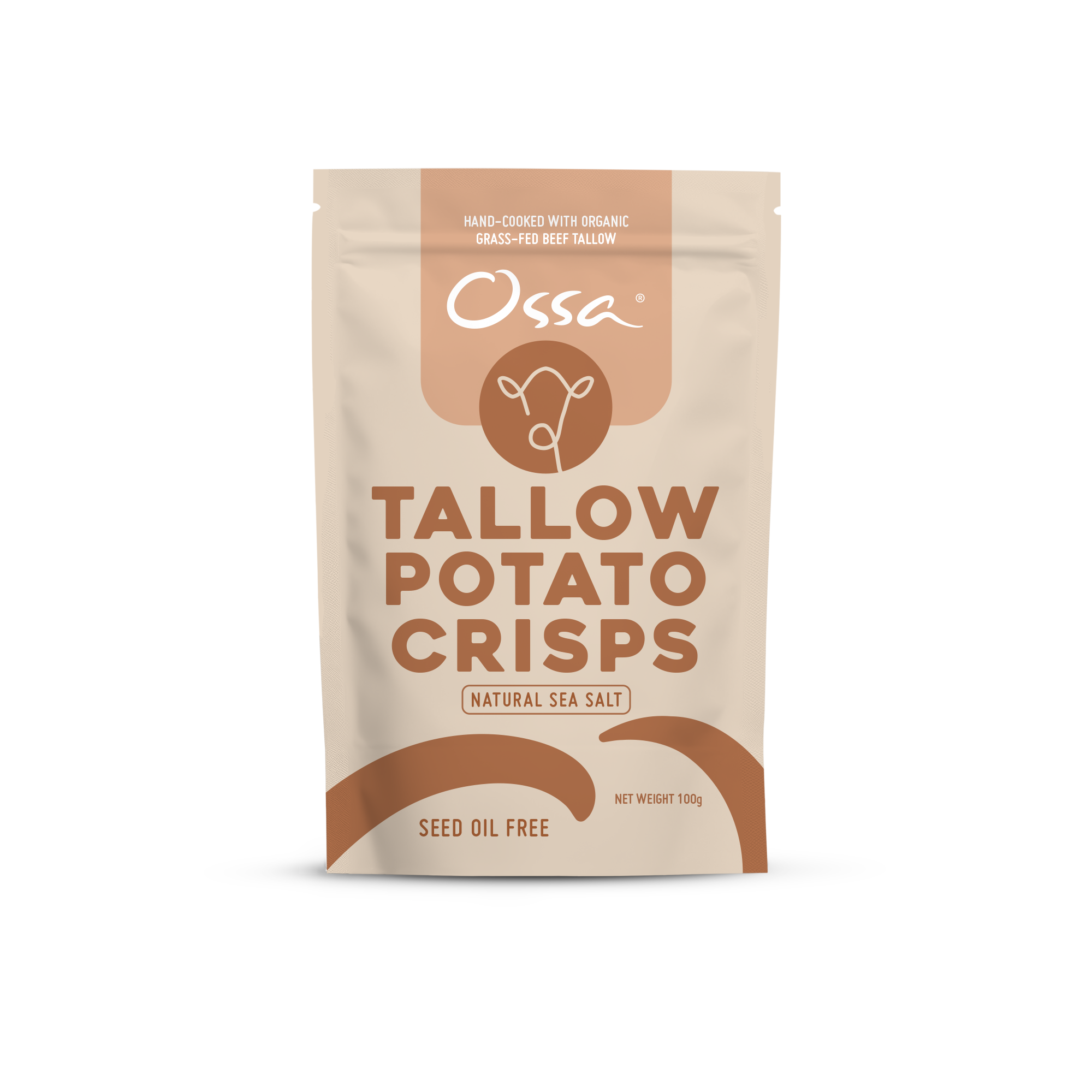
If you fancy a savoury snack that doesn’t touch your purine intake, Tallow Potato Crisps are cooked in tallow rather than seed oils, making them a reasonable option alongside a gout-conscious diet.
— Ossa Organic
Where to start with Ossa Organic
Choosing organic, slow-cooked bone broth can reduce the guesswork of checking supermarket labels for hidden sodium or unclear purine content. If you want to try a lighter option first, Tallow Potato Crisps make a sensible starting snack, since tallow carries no purine load and pairs well with the portion-conscious approach outlined above. Browse the bone broth recipe collection for ideas on building lighter, lower-sodium meals around broth rather than relying on it as a daily staple. Whatever you choose, the medical caveats in this article still apply. Skip bone broth during a flare, and speak to your doctor before making it a regular habit if you have kidney disease or take uric-acid-affecting medication.
Further reading and primary sources
For deeper reading, the laboratory study measuring purine and uric acid content in commercial chicken broths offers the clearest numbers available on this topic, and Mayo Clinic’s gout diet guidance covers broader dietary strategy. For recipe inspiration, Ossa Organic’s healing soup recipes and chicken broth nutrition guide offer practical detail, and bone health resources like this osteoporosis nutrition guide provide useful cross-reference on bone-based foods generally.
This article is general information, not a substitute for advice from a qualified doctor. Consult a qualified healthcare professional about your own circumstances before acting on anything here.
FAQ
Does bone broth have high uric acid?
Some commercial chicken broths tested in laboratory analysis contained measurable uric acid alongside purines, with total levels varying widely between brands, so it depends heavily on the specific broth and how it was made.
What can I drink to flush out gout?
Plain water is the most reliable choice for supporting uric acid clearance, with low-sodium vegetable stock, moderate coffee and tart cherry juice as reasonable additions.
Who should not drink bone broth?
Avoid it during an acute gout attack, and check with your doctor first if you have advanced kidney disease, uncontrolled hypertension, or take diuretics or other medication that affects uric acid levels.
What do Chinese take for gout?
Traditional Chinese dietary approaches to gout often favour lighter broths and reduced meat intake, and the laboratory analysis used in this article was itself conducted on Chinese commercial chicken broths to measure exactly these purine differences.
Recommended