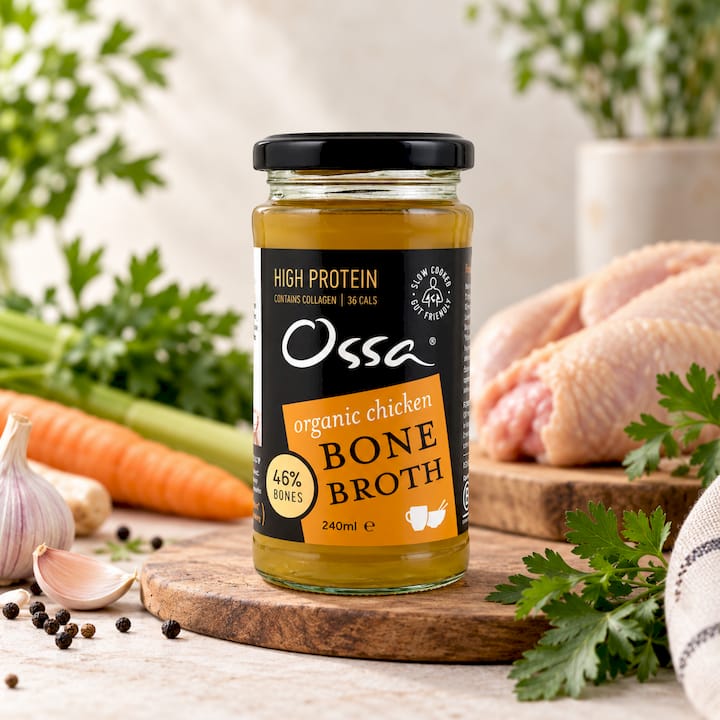
Sipping bone broth is a protein-rich, soothing warm drink that works well as a between-meal ritual or a small snack replacement, delivering around 8 to 10 grams of protein per cup alongside electrolytes and a comforting savoury flavour. A moderate-size cup a day is a sensible starting point, whether you make it yourself over a long, gentle simmer or reach for an organic ready-to-drink option such as Ossa Organic. The main thing to check, especially with shop-bought versions, is sodium per serving.
TL;DR:
-
Properly made bone broth typically provides 8 to 10 grams of protein per cup, significantly more than standard stocks, making it a closer light meal than a flavoring liquid.
-
Sodium levels vary widely between brands, with some containing over 450mg per cup, which can impact those managing blood pressure or kidney health.
-
Limited but plausible human studies suggest bone broth amino acids may support gut lining and anti-inflammatory effects, though it should not replace medical treatment for digestive issues.
-
To maximize gelatin and flavor, homemade broth benefits from roasting bones, adding acid, and simmering for 6 to 24 hours, then properly cooling and storing in small portions.
-
Commercial options like Ossa Organic offer shelf-stable, slow-simmered broths with ingredient transparency, ideal for regular sipping or cooking, but always check protein and sodium content carefully.
Table of Contents
What are the real benefits of sipping bone broth?
The protein figure is the number worth remembering. A cup of properly made bone broth carries roughly 8 to 10 grams of protein, notably higher than the 2 to 6 grams typically found in a standard culinary stock or broth. That difference exists because bone broth is simmered far longer, drawing collagen and amino acids out of bones, connective tissue and marrow rather than just flavouring water with vegetables and short-cooked bones.
That protein content matters practically. A moderate amount of protein is enough to blunt hunger between meals without the sugar spike of a snack bar, which is why so many people reach for a mug of broth mid-afternoon rather than crisps or biscuits. Harvard Health has noted that bone broth’s appeal partly comes from this combination: savoury satisfaction, meaningful protein, and very few carbohydrates, which also explains its popularity among people following paleo or keto-style diets.
Bone broth protein at a glance: roughly 8–10g per cup versus 2–6g in standard broths and stocks, a gap large enough to change how the drink functions in your day, shifting it from a flavouring liquid to something closer to a light meal replacement.
The gut-health story is more nuanced than most marketing suggests. Bone broth contains glutamine and other amino acids that, in early and largely non-human studies, appear to support the gut lining and show anti-inflammatory activity. Cleveland Clinic has been careful to point out that while the mechanism is plausible, robust human clinical evidence remains limited. That is not a reason to dismiss the drink. It is a reason to treat it as a supportive habit rather than a treatment for a diagnosed digestive condition.
Hydration is the quieter benefit. Bone broth carries electrolytes including potassium, sodium and magnesium, though the exact levels vary considerably depending on the bones used, the simmer time and any added salt. That variability means one brand’s broth might contribute meaningfully to post-exercise electrolyte replacement while another, thinner version does very little. If you are sipping broth after a run or a long walk, this is worth knowing before you rely on it the way you might rely on a proper electrolyte drink.
Used sensibly, bone broth fits three everyday situations particularly well: as a warming post-exercise drink alongside water, as a genuine snack substitute when you want something savoury and filling rather than sweet, and as an evening wind-down ritual instead of a second glass of wine or a late snack. None of that makes it a cure-all. Treat it as what the evidence actually supports: a nutritious, protein-dense addition to an already reasonable diet, not a replacement for medical care or a magic fix for joint pain or gut disorders. For more detail on how collagen and specific amino acids behave in the body, Ossa Organic’s collagen guide covers the mechanisms without overstating them.
How to sip bone broth: simple recipes and serving ideas
Serving bone broth well is mostly about temperature, portion and a little imagination. Aim for a moderate mug size, roughly the size of a standard cup, and serve it hot but not scalding, so you can actually taste it rather than just feel the heat. Plain broth, seasoned with a pinch of sea salt if the base is low-sodium, is entirely legitimate on its own. But a few small additions turn it into something you genuinely look forward to.
Three sipping combinations worth trying:
-
Ginger and turmeric warmer. Heat 8 oz of broth gently, then stir in a quarter teaspoon of ground turmeric, a thin slice of fresh ginger (or a quarter teaspoon of ground ginger), and a small crack of black pepper, which helps the turmeric’s compounds absorb better. Let it steep for two to three minutes off the heat before straining out the ginger.
-
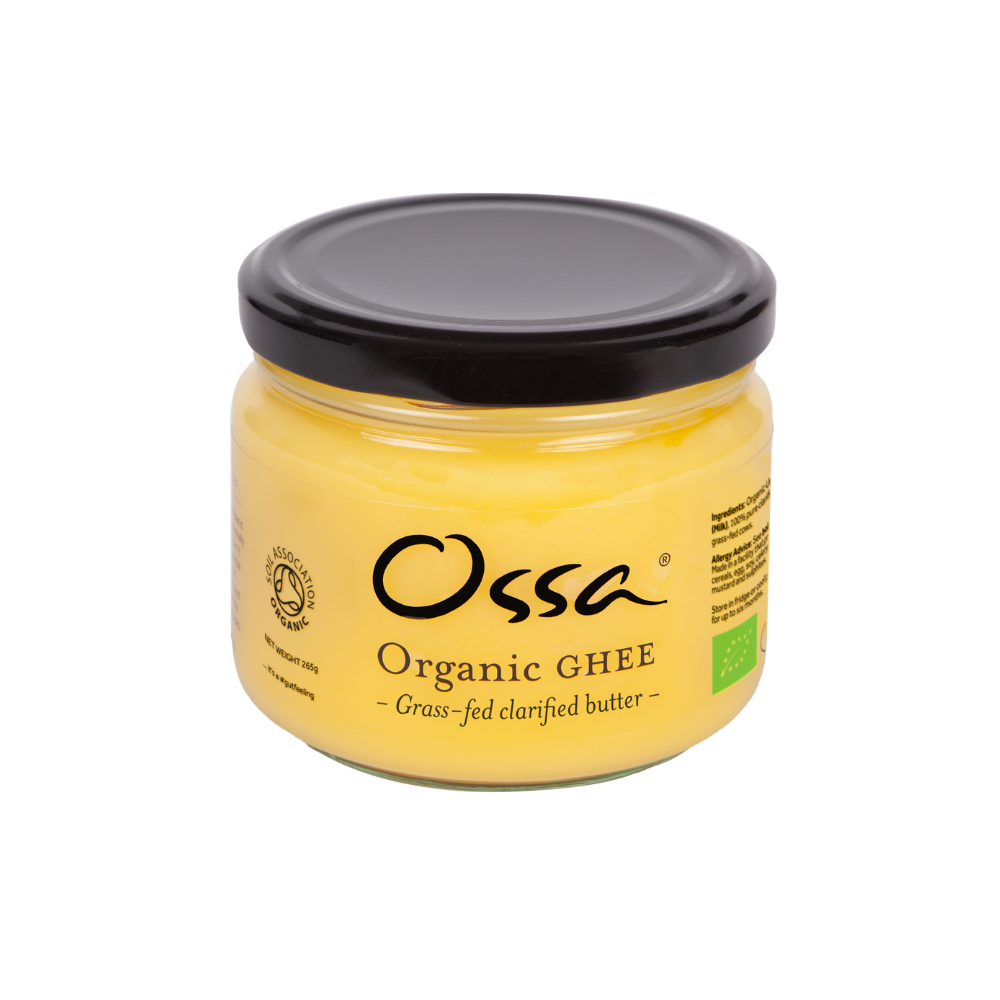
Golden sipping broth with ghee. Add a teaspoon of grass-fed ghee to a hot 10 oz cup of broth and either whisk vigorously or blitz briefly with a stick blender. The fat emulsifies into the liquid rather than floating on top, giving a rounder, more satisfying mouthfeel and a modest boost to satiety.
-
Savoury herb mug. Stir in a quarter teaspoon each of dried thyme and rosemary, plus a squeeze of lemon juice, into a 10 oz cup right before drinking. This works particularly well as an evening version, closer to a light savoury tisane than a meal.
Texture is where a lot of homemade and even some shop-bought broths fall short, tasting thin or a little flat compared with the rich, almost silky mouthfeel of a well-reduced version. A handheld milk frother, the kind designed for coffee, solves this in under a minute. Frothing hot broth for 20 to 30 seconds introduces tiny air bubbles and helps any fat disperse evenly, creating a noticeably creamier drink without adding dairy or extra calories. A regular blender does the same job on a larger batch, though you will need to blend briefly and carefully with hot liquid to avoid pressure building up in the jug.
Pro Tip: Blend a teaspoon of a healthy fat like ghee or olive oil into hot broth for 20 to 30 seconds rather than just stirring it in. The brief emulsification traps the fat in tiny droplets throughout the liquid, which reads as far creamier on the tongue than the same fat just floating on top.
When you actually reach for a mug matters more than most people think. Post-exercise, broth works as a warm, savoury alternative to a protein shake, particularly in colder months when a cold shake feels unappealing. Mid-afternoon, it fills the gap that would otherwise get filled with something sweet or salty and considerably less useful nutritionally. In the evening, a small mug of herby broth an hour or so before bed gives you a savoury ritual that does not disrupt sleep the way caffeine or alcohol can. Ossa Organic’s how-to-use guide has further ideas for building broth into a daily routine, and the recipe collection is worth a look if you want to move beyond a simple mug and into soups and sauces built on the same base.
How to choose a good store-bought sipping bone broth
Reading the label properly is the single most useful skill here, because “bone broth” as a term on packaging does not guarantee much on its own. A product can be legally called bone broth without having simmered long enough to extract meaningful collagen, so the ingredients panel and nutrition table tell you far more than the front-of-pack claim does.
Work through this checklist before buying:
-
Protein per serving: look for something in the 8 to 10 gram range per cup; anything markedly lower suggests a short simmer or a diluted product.
-
Sodium per cup: check this carefully, since some commercial broths carry upwards of 450mg of sodium per cup, a meaningful chunk of a daily intake if you are sipping more than one serving.
-
Added sugars: a genuinely savoury broth needs none; sugar on the ingredients list is usually there to mask a thin or bitter base.
-
Preservatives and flavourings: shorter ingredient lists tend to indicate a broth made the traditional way rather than one reconstituted with flavour concentrates.
-
Source of bones: organic, grass-fed or pasture-raised bones are worth seeking out if you want a cleaner amino acid and mineral profile.
-
Organic certification: a genuine certification mark is a more reliable signal than the word “natural” printed anywhere on the pack.
Sodium is the number that decides whether a broth is clinically sensible for you. A cup carrying 450mg or more starts to add up quickly if broth becomes a daily habit, particularly for anyone monitoring blood pressure. It is worth doing the arithmetic against your own daily sodium target rather than assuming any bone broth is automatically a health food simply because it sounds traditional.
Collagen claims printed prominently on packaging deserve a little scepticism. Collagen content is not something most labels quantify directly, and the word itself has become something of a marketing shorthand rather than a measured figure. Protein grams and sodium milligrams are both regulated, tested figures. Trust those numbers over an unquantified collagen claim every time.
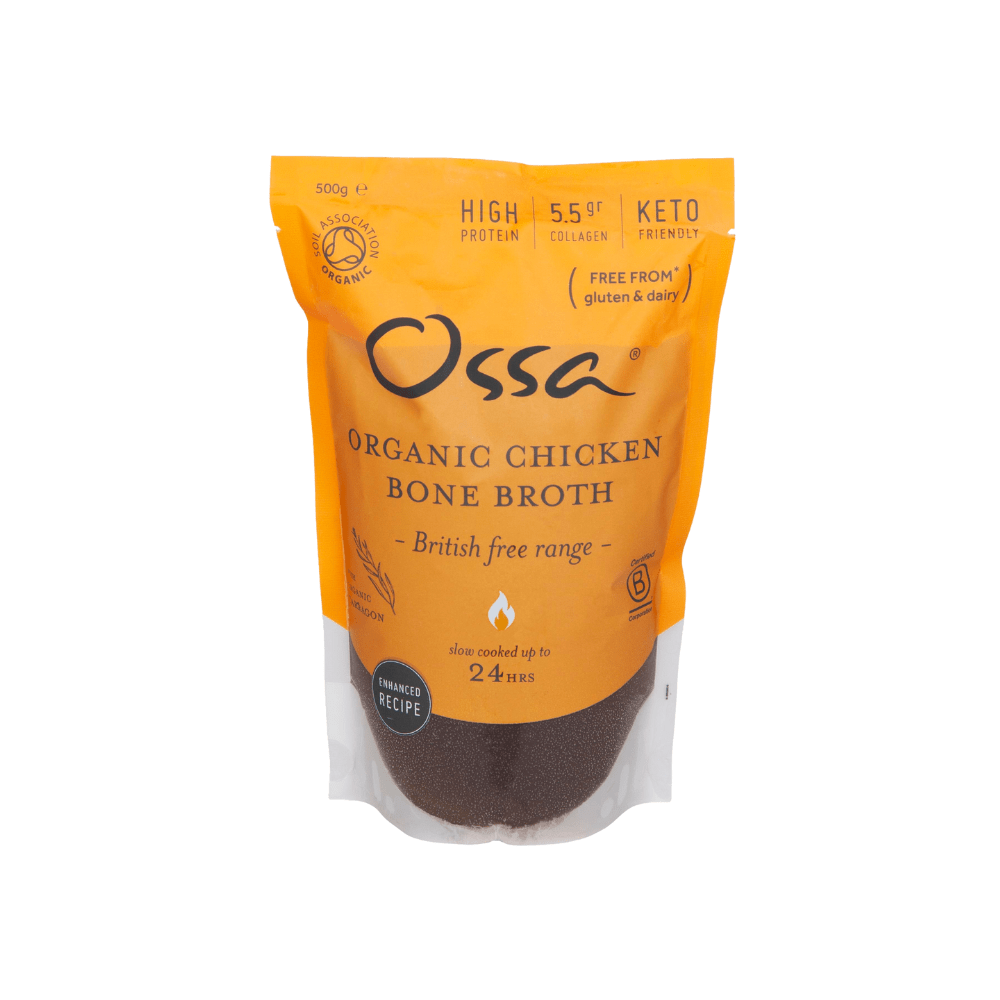
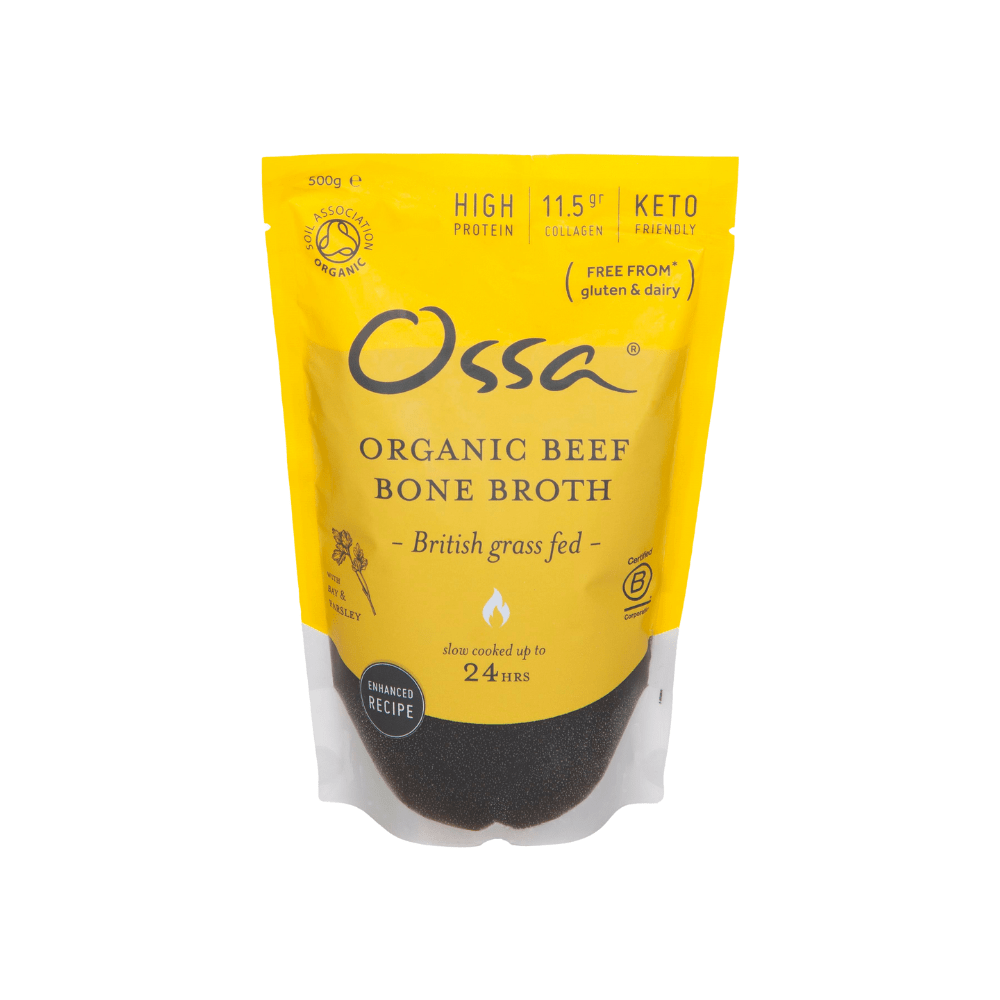
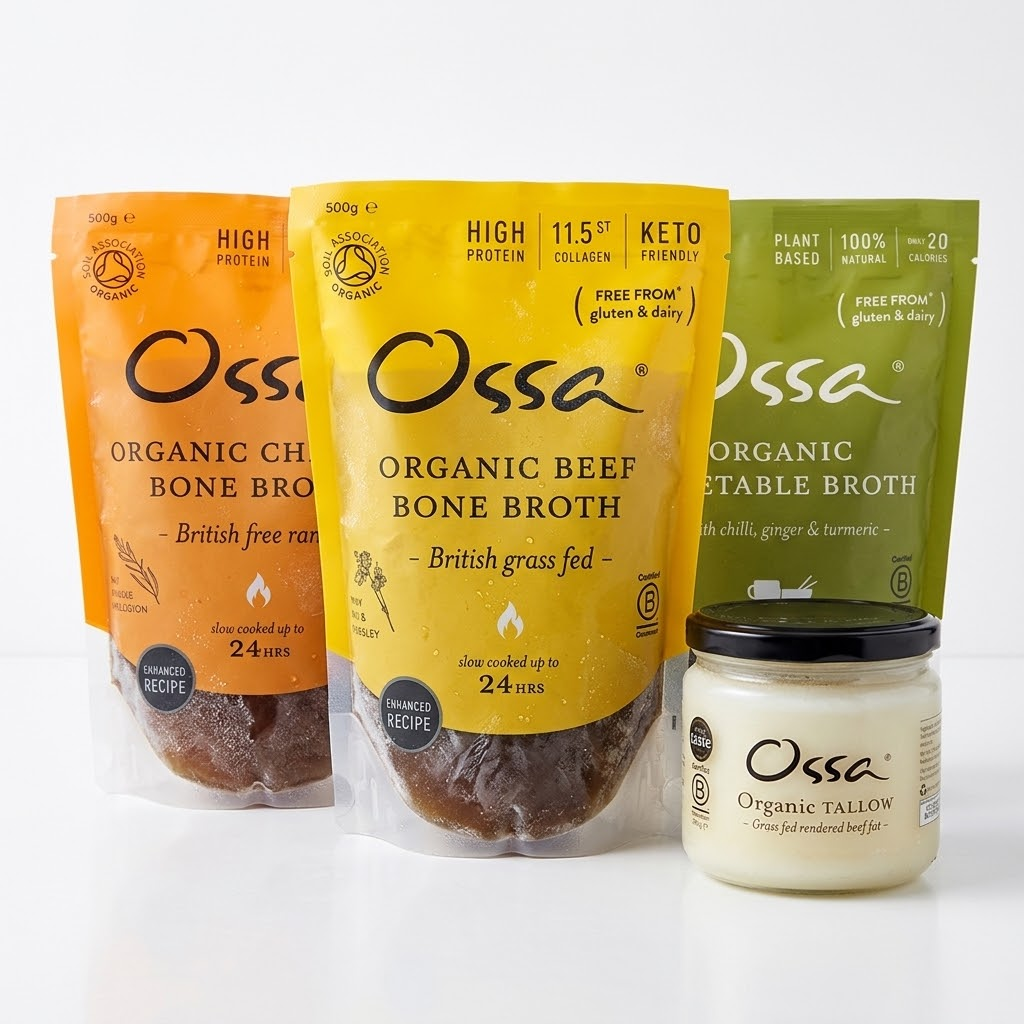
The acceptable trade-off to know about: a more concentrated, flavourful broth will often carry a bit more natural sodium simply because reducing liquid concentrates minerals along with taste. That is different from a thin broth padded with added salt to compensate for a weak simmer, which is the combination worth avoiding. A well-made organic ready-to-drink broth, such as Ossa Organic’s chicken bone broth range, is built around the same checklist outlined above: a short, recognisable ingredient list, an organic base, and a nutrition panel that reflects a genuine long simmer rather than a quick reduction.
Making better homemade sipping bone broth
Getting a genuinely gelatinous, flavourful broth at home comes down to three things: the right bones, an acid to help extraction, and time. Use a mix of bones with connective tissue and joints, chicken feet, necks and wings, or beef knuckle and marrow bones, since these release far more collagen than lean meat cuts alone. A tablespoon or two of apple cider vinegar or a splash of lemon juice added at the start helps draw minerals and collagen out of the bone during the simmer.
The simmer itself needs patience rather than heat. Cleveland Clinic’s guidance on broth preparation is consistent with most traditional methods: a long, gentle simmer of anywhere from 6 to 24 hours, kept at a bare bubble rather than a rolling boil. Boiling hard breaks down fat and connective tissue too violently, clouding the liquid and giving a greasy rather than silky finish. A slow cooker or a heavy pot on the lowest possible heat setting on the hob both work well for this.
Follow this basic sequence for a reliable batch:
-
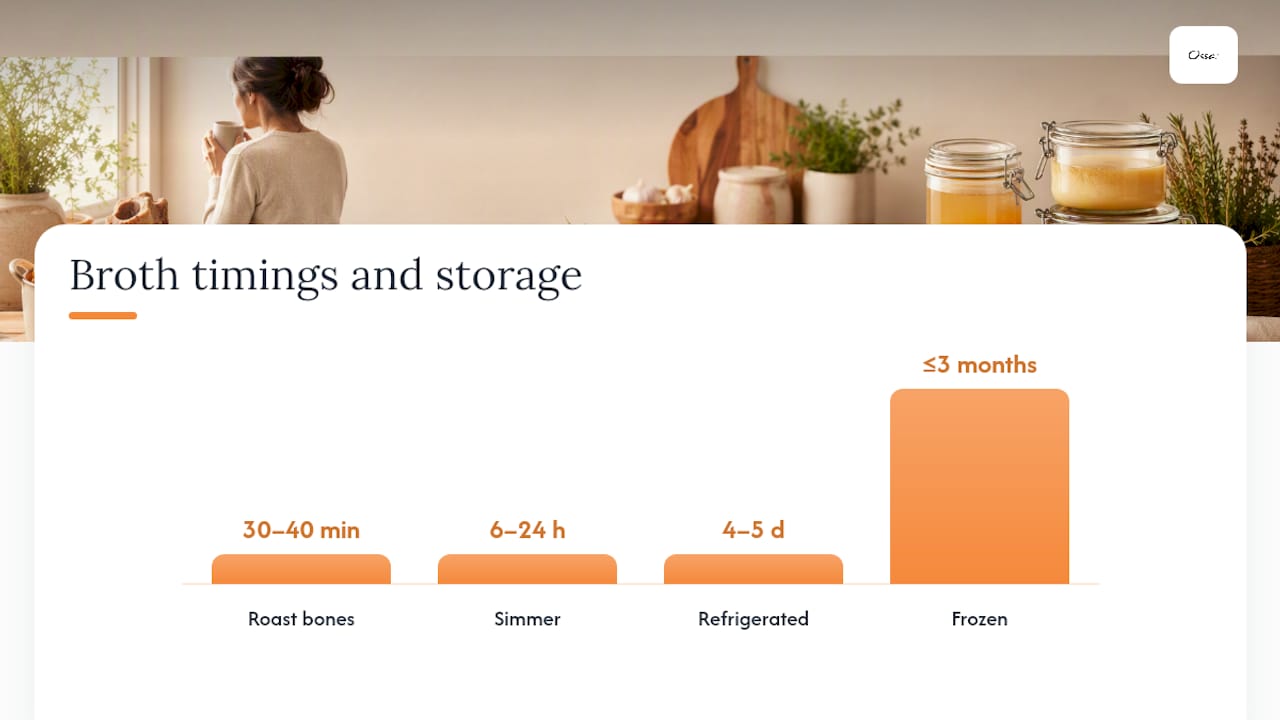
Roast the bones at 200°C for 30 to 40 minutes first, which deepens the flavour considerably compared with skipping this step.
-
Place bones in a large pot with enough cold water to cover by an inch or two, plus your chosen acid.
-
Bring to a bare simmer, skim any foam that rises in the first hour, then reduce heat to the lowest setting that maintains gentle movement.
-
Simmer for 6 to 24 hours depending on the bones (chicken bones need less time than dense beef bones), topping up water if it reduces too far.
-
Strain thoroughly through a fine sieve, discard the solids, and cool the liquid before storing.
The most reliable quality check happens in the fridge, not in the pot. A properly extracted broth turns gelatinous and wobbly once chilled, holding together almost like a soft jelly. If your cooled broth stays completely liquid, the simmer either did not run long enough or did not include enough connective tissue and joint bones. Clarity and a concentrated, rich taste are the other two signals worth checking for.
Pro Tip: Freeze finished broth in small silicone portion moulds or ice cube trays before transferring the frozen cubes to a bag. This gives you flexible, single-mug quantities rather than defrosting a whole batch every time you want one cup, and cuts down on freezer waste from oddly sized containers.
For serving, the same enhancement tricks that work for shop-bought broth apply here too: a teaspoon of ghee blended in for richness, a squeeze of lemon or a scattering of herbs added during reheating rather than during the long simmer, since fresh herbs lose their brightness if cooked for hours. On storage, homemade broth keeps for four to five days refrigerated in an airtight container, and freezes well for up to three months. Reheat gently on the hob or in short bursts in the microwave, stirring between bursts, rather than letting it boil hard, which can affect both texture and flavour. Ossa Organic’s 50 ways to use bone broth is a useful reference once you have a batch made and want ideas beyond the mug.
Possible side effects and when to be cautious with bone broth
Feeling a bit odd after a cup of bone broth is more common than people expect, and it is rarely serious. The most likely explanations are a shift in electrolyte intake, particularly if the broth is unusually salty, a sensitivity to naturally occurring glutamates that give broth its savoury depth, or a mild histamine reaction, since long-simmered broths can carry higher histamine levels than fresh stock. None of these are dangerous for most people, but they are worth noticing.
If a cup leaves you feeling off, try these adjustments before ruling broth out altogether:
-
Halve your usual portion to 4 to 6 oz and see whether the reaction eases.
-
Track what you drank it with and how you felt over the following hour, since combining broth with other high-histamine foods can compound the effect.
-
Switch to a lower-sodium version if headaches or puffiness follow a cup, particularly a shop-bought one.
-
Space out servings to every other day rather than daily if symptoms persist.
Sodium deserves its own separate mention here because it is the most consequential number on any label. Harvard Health has flagged sodium content as a genuine concern with commercial broths generally, and the same caution applies directly to bone broth: anyone managing hypertension or kidney disease should check the sodium figure per cup carefully and factor it into their daily allowance rather than assuming a “natural” product is automatically low in salt.
Food safety matters just as much with homemade batches. Cool broth quickly, ideally within two hours of cooking, before refrigerating, and never leave a large pot cooling slowly on the counter overnight, since that window allows bacteria to multiply. Reheat only once rather than repeatedly. If you have shellfish or specific meat allergies, check what bones and any flavouring stock the broth was made from, since cross-contamination is possible in commercially produced versions. Anyone with a diagnosed kidney condition, uncontrolled hypertension, or a known histamine intolerance should speak with a clinician before making bone broth a daily habit rather than an occasional one.
Ossa Organic’s approach to sipping bone broth
Ossa Organic was founded on a simple observation: bone broth made a real difference during pregnancy, and that experience shaped a business built around organic, slow-simmered food rather than shortcuts. The company has grown around a paleo-leaning philosophy, favouring nourishing, minimally processed meals over anything with preservatives or unnecessary additives, and treats gut health as a genuine priority rather than a passing trend.
That philosophy shows up directly in how the broth is made: slow simmering over many hours, organic ingredients throughout, and nothing added purely for shelf life or flavour intensity. Several resources support readers who want to go beyond a single cup:
None of this is presented as a cure. The honest position, and the one worth holding onto, is that bone broth is a genuinely useful addition to a varied diet, with real protein and mineral content, sitting alongside good evidence on some fronts and thinner evidence on others.
A note from Ossa Organic
Five years ago, discovering the benefits of bone broth during pregnancy changed how our founder cooked for her family, and that shift became the basis for this business. What started as a personal habit, simmering bones slowly, avoiding anything processed, became a conviction that gut health deserved far more attention than it was getting.
Ossa Organic exists because slow, traditional methods produce something genuinely better than a shortcut ever could. Every batch follows the same principle a home cook would use: proper bones, enough time, no unnecessary additives. If sipping bone broth is new to you, we would rather you started with a single cup and one of the recipes above than felt pressured into anything more elaborate.
— Ossa Organic
Ready-to-drink organic bone broth from Ossa Organic
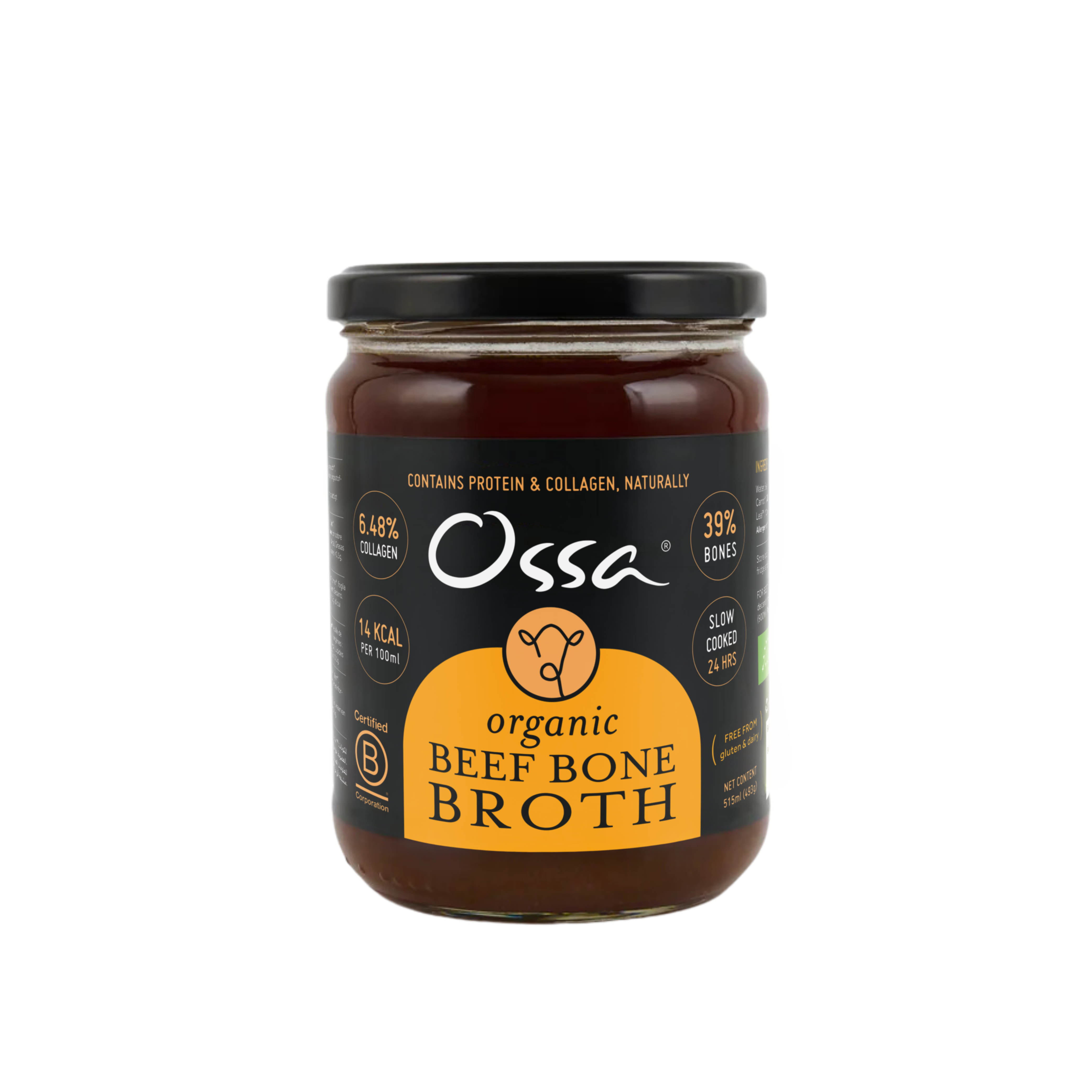
If simmering bones for a day is not realistic on a Tuesday, a ready-to-drink option built the traditional way is the more practical route, and such products exist to offer. Every bottle follows the same slow-simmer principle covered above, without needing a slow cooker running overnight in your kitchen.
-
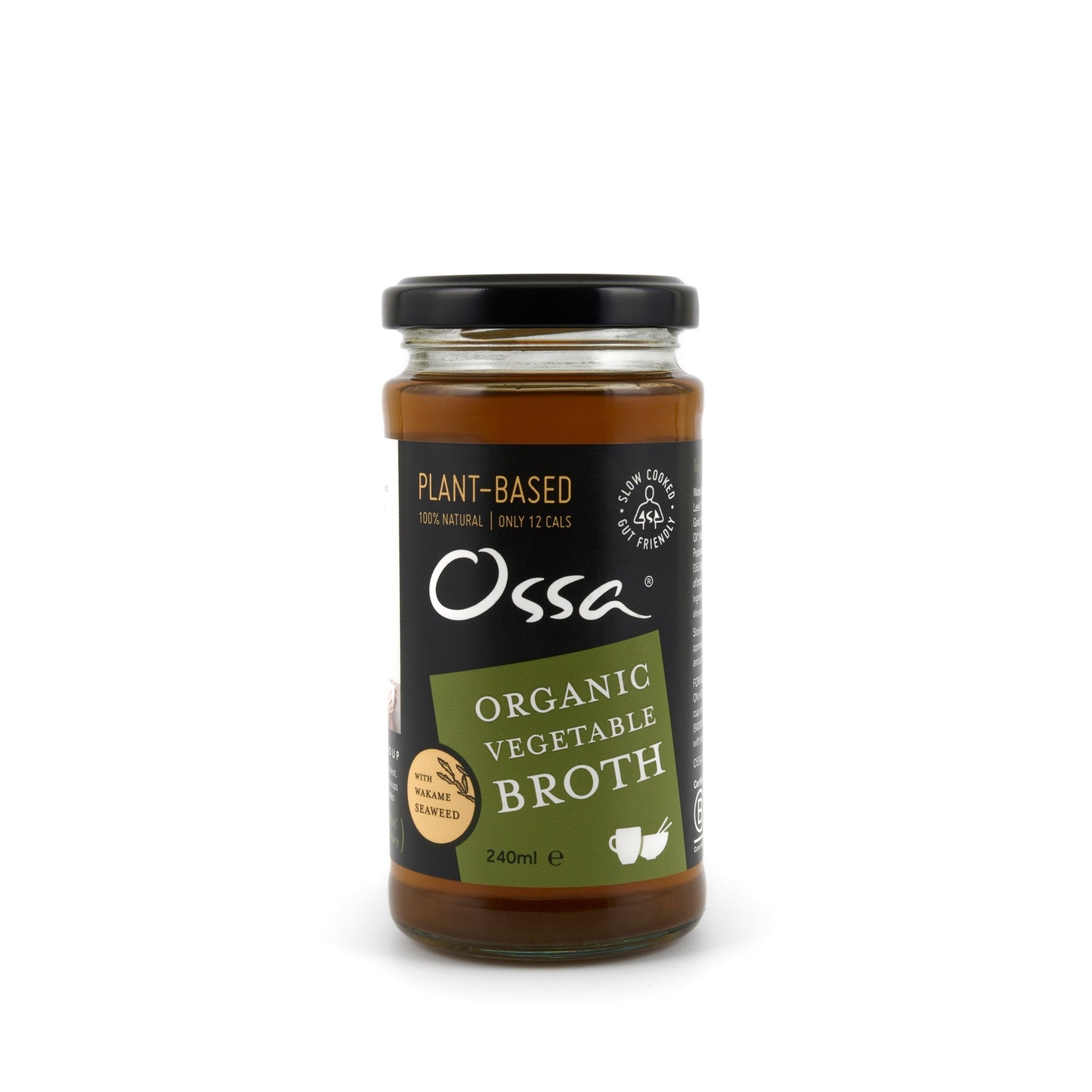
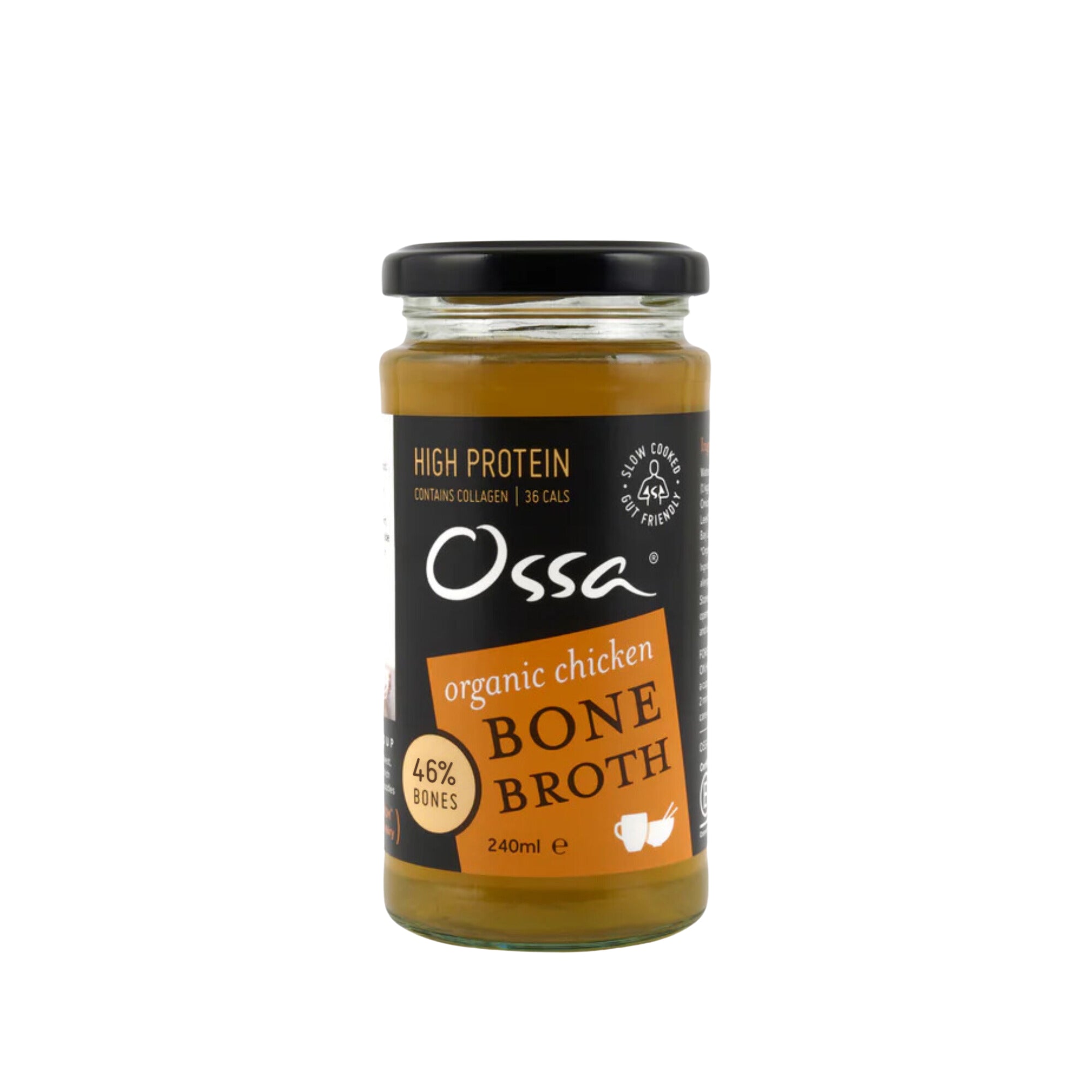
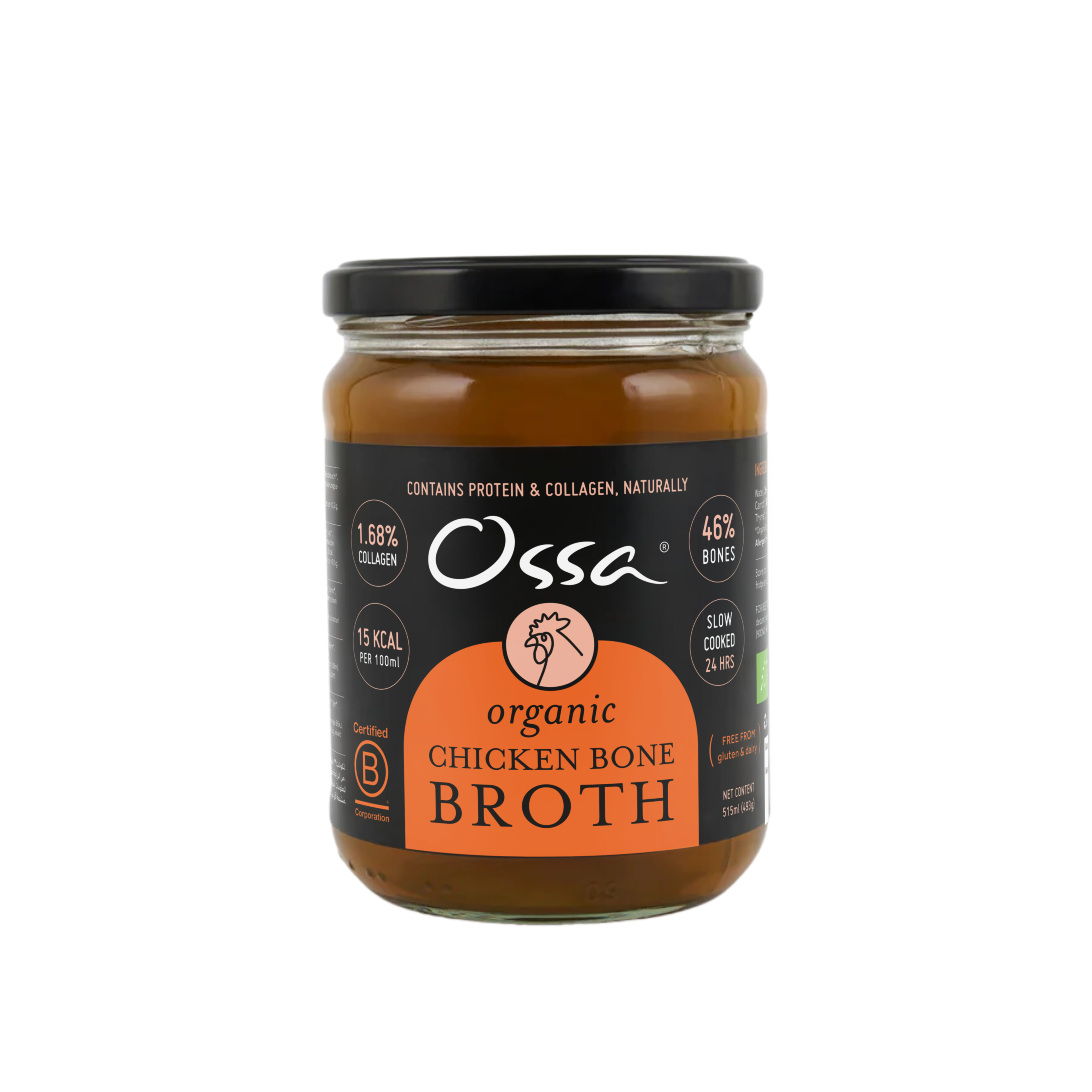
Organic Chicken Bone Broth Ambient 240ml (six-pack): sized for a single daily mug, ideal if you want a straightforward sipping routine without any prep.
-
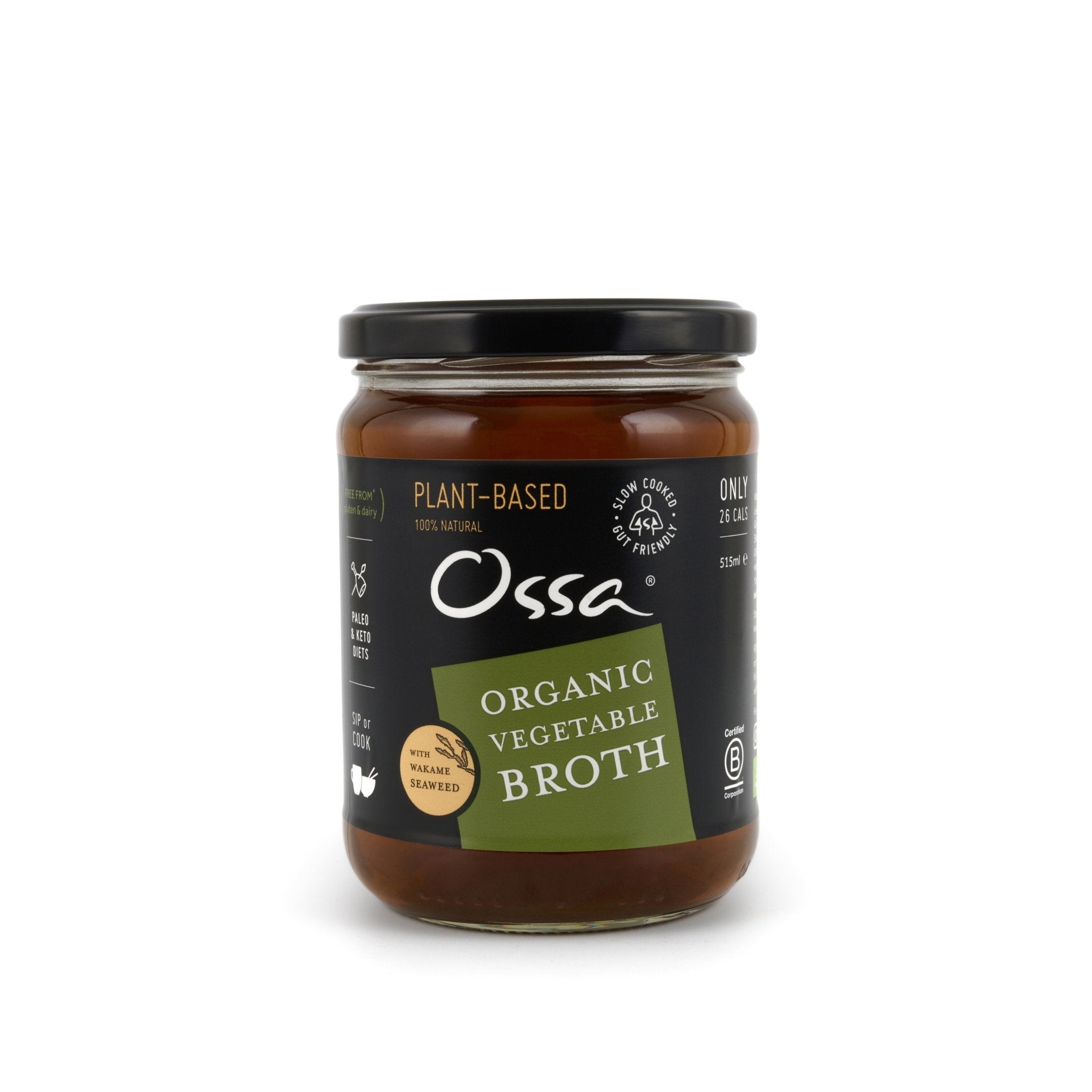
Organic Chicken Bone Broth Ambient 515ml (multipack): the larger format for households sipping regularly or using broth as a cooking base alongside drinking it.
-
1 x Organic Chicken Bone Broth Ambient 240ml: the smaller multipack, a sensible starting point if you are trying sipping broth for the first time and want to see whether it suits your routine before committing to a larger order.
All three are shelf-stable at ambient temperature until opened and made without preservatives or artificial flavourings, so the label-check habits covered earlier in this guide apply here just as usefully as they would to any other brand. Pick the 240ml single pack to trial the routine, move to the 515ml or the six-pack multipack once you know it is a habit worth keeping, and check the full range on Ossa Organic if you want to pair your broth with ghee or collagen peptides for the same nourishing, slow-cooked approach.
FAQ
What is the best bone broth to sip?
The best sipping broth is one with 8 to 10 grams of protein per cup, a sensible sodium level, and a short, recognisable ingredient list rather than a long one padded with flavourings. An organic, slow-simmered option such as Ossa Organic’s chicken bone broth meets that checklist without requiring hours of homemade preparation.
Is sipping broth the same as bone broth?
Not quite. Regular broth or stock is typically simmered for a shorter time and yields only 2 to 6 grams of protein per cup, while true bone broth is simmered far longer to extract collagen and amino acids, giving roughly 8 to 10 grams of protein per cup.
Why do I feel weird after drinking bone broth?
A slightly off feeling after a cup is usually down to an electrolyte shift, a sensitivity to the natural glutamates that give broth its savoury depth, or occasionally a histamine reaction from long-simmered liquid. Reducing your portion to 4 to 6 oz and tracking how you feel is a sensible first step before assuming broth does not suit you.
What is the downside to drinking bone broth?
The main downside is sodium, since some commercial broths carry upwards of 450mg per cup, a meaningful figure for anyone managing blood pressure or kidney health. Checking the label for sodium content, choosing a lower-sodium version where needed, and keeping portions to about 8 oz a day avoids most practical issues.
Recommended