

Cart
0
Hidden food chemicals are additives, processing aids, concentrated extracts, and concealed allergens appearing on ingredient lists under umbrella terms or technical names most shoppers do not recognise. Three of the most common examples: sulphites (E220–E228), which turn up in dried fruit, wine, and ready-made sauces; “natural flavourings,” a single label term that can represent dozens of individual substances; and green tea extract (sometimes listed as Teavigo®), found in thousands of products from energy drinks to snack bars. According to the World Health Organization, flavouring agents are the most frequently used category of food additive globally, which explains why “flavourings” appears on so many ingredient lists without further detail.
A peer-reviewed review published on NIH/PMC documents multiple cases where ingredients such as hydrolysed proteins and natural flavours concealed allergenic substances in processed foods, causing reactions in people who believed they were eating safe products. The sections below catalogue the most common offenders by function, explain the label language that hides them, and give you practical steps to reduce exposure.
Table of Contents
-
Hidden allergens: where they appear and what they are called
-
Health effects: reactions, intolerances, and contested concerns
-
Why “natural flavour” and spice blends cause so much confusion
Common hidden food chemical examples by category
The table below maps the most frequently encountered hidden chemicals to the foods where they appear, the label names used, and whether each is typically natural, synthetic, or both.
| Chemical / group | E-number(s) | Typical label names | Common foods | Natural / synthetic |
|---|---|---|---|---|
| Sodium nitrite / nitrate | E250, E251 | Sodium nitrite, sodium nitrate, curing salt | Bacon, ham, salami, hot dogs | Synthetic |
| Sulphites / sulfur dioxide | E220–E228 | Sulphur dioxide, sodium metabisulphite, potassium bisulphite | Dried fruit, wine, cider, ready sauces, vinegar-based condiments | Both |
| Sodium benzoate | E211 | Sodium benzoate, benzoic acid | Soft drinks, fruit juices, pickles, salad dressings | Synthetic |
| Potassium sorbate | E202 | Potassium sorbate, sorbic acid | Cheese, yoghurt, baked goods, wine | Synthetic |
| Calcium propionate | E282 | Calcium propionate | Bread, bakery products | Synthetic |
| BHA / BHT | E320, E321 | Butylated hydroxyanisole, butylated hydroxytoluene | Crisps, cereals, chewing gum, cooking oils | Synthetic |
| TBHQ | E319 | Tertiary butylhydroquinone | Fast food oils, crackers, microwave popcorn | Synthetic |
| Propyl gallate | E310 | Propyl gallate | Vegetable oils, meat products, chewing gum | Synthetic |
| Natural flavourings | — | Natural flavour(s), flavourings, natural extract | Almost any processed food | Both |
| Green tea extract | — | Green tea extract, Teavigo®, EGCG | Energy drinks, supplements, snack bars | Natural (concentrated) |
| Aloe vera extract | — | Aloe vera extract, Qmatrix® | Drinks, yoghurts, health bars | Natural (concentrated) |
| Polysorbate | — | Polysorbate, polyoxyethylene sorbitan monooleate | Ice cream, salad dressings, baked goods | Synthetic |
| Titanium dioxide | E171 | Titanium dioxide | Sweets, chewing gum, icing, some sauces | Synthetic |
| Aspartame | — | Aspartame, NutraSweet® | Diet drinks, sugar-free products, chewing gum | Synthetic |
| Sucralose | — | Sucralose, Splenda® | Diet drinks, protein bars, flavoured yoghurts | Synthetic |
Preservatives
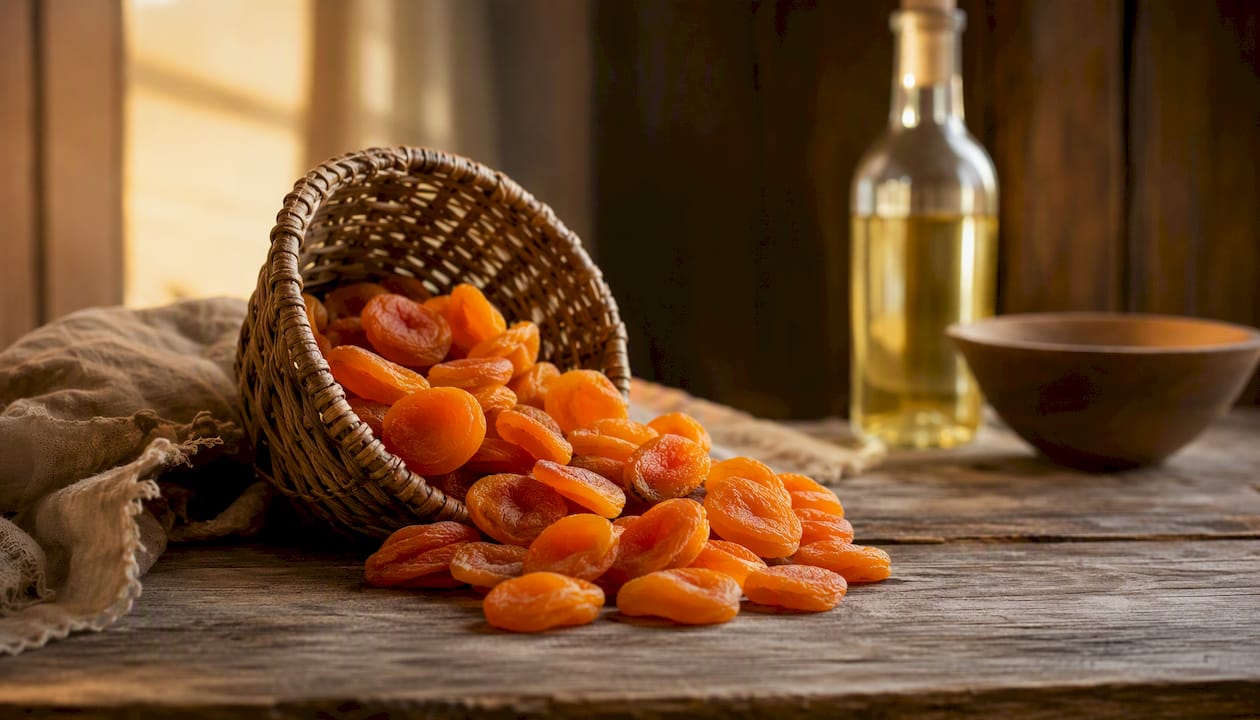
Nitrites (E250) and nitrates (E251) are used in cured meats to prevent bacterial growth and maintain the pink colour. They are among the most studied hidden food additives, with ongoing debate about their conversion to N-nitroso compounds in the body. Sulphites (E220–E228) serve as both preservatives and antioxidants; they appear in dried apricots, wine, cider, and many ready-made sauces, often without the consumer realising. People with asthma are particularly susceptible to sulphite sensitivity.
Sodium benzoate (E211) is common in acidic soft drinks and fruit juices. When combined with ascorbic acid (vitamin C), it can form benzene, a known carcinogen, though levels in most products are considered low by regulators. Potassium sorbate (E202) and calcium propionate (E282) are widely used in bread and dairy products to extend shelf life.
Antioxidant preservatives
BHA (E320), BHT (E321), TBHQ (E319), and propyl gallate (E310) are synthetic antioxidants added to fats and oils to prevent rancidity. They appear in crisps, cereals, chewing gum, and fast-food cooking oils. All four are classified as synthetic; natural alternatives include rosemary extract, citric acid, and tocopherols (vitamin E).
Flavourings and concentrated extracts
The Environmental Working Group identified many substances of unknown safety that have been added to the US food supply, with some found across thousands of products in USDA FoodData Central. Many are concentrated plant extracts, including green tea extract (sold under the trade name Teavigo®) and aloe vera extract (Qmatrix®). These extracts are compositionally different from the whole plant; concentration and proprietary processing can alter their allergenic or toxicological properties compared with the original food source.
Pro Tip: When you see “natural flavourings” on a UK label, the manufacturer is not required to disclose the individual substances it contains. If you have a known sensitivity, contact the manufacturer directly and ask for a full breakdown.
Colourings
Titanium dioxide (E171) gives sweets, chewing gum, and icing their bright white appearance. Its use in food has been under regulatory scrutiny in the UK and EU. Synthetic dyes such as Red 40 (Allura Red, E129), Yellow 5 (Tartrazine, E102), and Yellow 6 (Sunset Yellow, E110) are associated with hyperactivity concerns in children, and products containing them in the UK must carry the warning: “may have an adverse effect on activity and attention in children.”
How hidden chemicals are disguised on ingredient lists
Understanding the label language that conceals additives and allergens is the most practical skill a food shopper can develop. The following checklist covers the main tactics manufacturers use.
Label-reading checklist:
-
Ingredients are listed by weight, descending. An additive near the end of a long list is present in a small quantity, but that does not mean it is harmless for sensitive individuals.
-
Umbrella terms cover multiple substances. “Natural flavourings,” “spices,” “seasoning,” “flavourings,” and “enzymes” can each represent dozens of individual chemicals. None requires further breakdown under current UK rules.
-
Processing aids are often unlisted. Release agents, certain enzymes, and cleaning solvents used during production are legally classified as processing aids and do not have to appear on the final ingredient label. This is a meaningful source of hidden chemical exposure that most consumers are unaware of.
-
“Hydrolysed vegetable protein” (HVP) and “hydrolysed soy protein” can contain wheat, soy, or corn derivatives, and sometimes traces of other allergens from shared processing.
-
“May contain” is voluntary. Manufacturers are not legally required to add “may contain” warnings for cross-contamination. Its presence is informative; its absence is not a guarantee of safety.
-
E-numbers are not always synthetic. E300 is ascorbic acid (vitamin C); E160a is beta-carotene. The number alone does not tell you whether a substance is natural or synthetic.
E-number quick reference for preservatives and colourings
| E-number | Substance | Function |
|---|---|---|
| E102 | Tartrazine (Yellow 5) | Colouring |
| E110 | Sunset Yellow (Yellow 6) | Colouring |
| E129 | Allura Red (Red 40) | Colouring |
| E171 | Titanium dioxide | Colouring (white) |
| E202 | Potassium sorbate | Preservative |
| E211 | Sodium benzoate | Preservative |
| E220 | Sulphur dioxide | Preservative / antioxidant |
| E250 | Sodium nitrite | Preservative / colour retention |
| E282 | Calcium propionate | Preservative |
| E319 | TBHQ | Antioxidant |
| E320 | BHA | Antioxidant |
| E321 | BHT | Antioxidant |
| — | Aspartame | Sweetener |
| — | Sucralose | Sweetener |
Hidden allergens: where they appear and what they are called
A peer-reviewed NIH/PMC review on hidden food allergies documents cases where people reacted to foods they believed were safe, because allergenic ingredients were present under non-obvious label names. The table below maps the UK’s major allergens to the label terms that can conceal them.
| Allergen | Hidden label terms | Common product contexts |
|---|---|---|
| Milk | Casein, whey, lactalbumin, lactoglobulin, milk solids, ghee, butter fat | Crisps, ready meals, protein bars, “non-dairy” creamers |
| Soy | Hydrolysed soy protein, soy lecithin, textured vegetable protein, miso, tofu | Bread, chocolate, ready meals, sauces |
| Wheat / gluten | Wheat starch, wheat glucose syrup, spelt, kamut, malt extract, HVP | Sauces, soups, crisps, seasoning mixes |
| Sesame | Tahini, sesame oil, “spices,” “natural flavourings” | Hummus, bread, seasoning blends, sauces |
| Mustard | “Spices,” “seasoning,” mustard flour, mustard oil | Salad dressings, curry sauces, marinades |
| Egg | Albumin, globulin, lysozyme, mayonnaise, lecithin (if egg-derived) | Pasta, baked goods, sauces, wine (fining agent) |
| Celery | “Spices,” “seasoning,” celery salt, celeriac | Stock cubes, soups, ready meals, spice blends |
| Peanut | Groundnut oil, mixed nuts, “may contain traces” | Satay sauces, baked goods, cereals |
| Tree nuts | Marzipan, praline, nut oils, “natural flavourings” | Confectionery, cereals, baked goods |
| Fish | Fish sauce, Worcestershire sauce, Caesar dressing, surimi | Ready meals, sauces, Asian condiments |
| Crustaceans | Shrimp paste, prawn crackers, seafood flavouring | Asian sauces, ready meals, flavoured crisps |
| Molluscs | Oyster sauce, squid ink | Asian sauces, ready meals |
| Lupin | Lupin flour, lupin seed | Gluten-free bread, pasta, flour blends |
| Sulphites (>10 mg/kg) | Sulphur dioxide, sodium metabisulphite | Dried fruit, wine, cider, ready sauces |
Cross-contamination and shared production lines
Seasoning mixes and spice blends are among the highest-risk products for hidden allergen exposure. A blend labelled simply “spices” may be processed on shared equipment that handles sesame, mustard, or celery. Hydrolysed proteins are another risk point: HVP derived from soy or wheat is used as a flavour base in many savoury products, and its allergenic proteins can survive the hydrolysis process.
The UK’s 14 mandatory allergens must be declared on pre-packed food labels, either in bold text within the ingredients list or in a separate allergens box. However, “may contain” warnings for cross-contamination remain voluntary. Research published on PubMed documents incidents where trace contamination from shared lines caused reactions even when the allergen was not a deliberate ingredient.
Health effects: reactions, intolerances, and contested concerns
Reactions to hidden food chemicals range from immediate and severe to gradual and difficult to attribute. The distinction between allergy and intolerance matters clinically.
- Behavioural effects in children — a UK Food Standards Agency-funded study found that certain combinations of synthetic dyes (including tartrazine, sunset yellow, and allura red) with sodium benzoate were associated with increased hyperactivity in children. This led to mandatory warning labels on products containing those dyes in the UK.
The UK Food Standards Agency states that the 14 major allergens must be clearly emphasised on pre-packed food labels, and that businesses have a legal duty to provide allergen information. If you experience a reaction you cannot explain, keeping a detailed food diary and consulting your GP or an NHS allergy clinic is the recommended first step.
When to seek urgent help: any symptom affecting breathing, swallowing, or consciousness after eating requires an emergency call to 999. For non-urgent but persistent reactions, a GP referral to an NHS allergy clinic or a registered dietitian is appropriate.
UK labelling and regulatory basics
UK food labelling law requires that all 14 major allergens be clearly indicated on pre-packed food, either by bold text in the ingredients list or in a separate allergens declaration. This obligation derives from retained EU law (the Food Information to Consumers Regulation) as it applies in Great Britain, with the Food Standards Agency (FSA) as the primary enforcement body.
Key UK labelling obligations:
-
The 14 allergens must be emphasised (typically in bold) whenever they appear as an ingredient or component of an ingredient.
-
“May contain” warnings are not legally required but are widely used by manufacturers to signal cross-contamination risk. Their absence does not mean a product is free from cross-contamination.
-
E-numbers are permitted on UK labels as an alternative to the full chemical name, provided the function class (e.g. “preservative,” “colour”) is stated alongside.
-
Post-Brexit, the UK retained EU food additive legislation but now operates its own approval process via the FSA. New additives approved in the EU after Brexit do not automatically become permitted in Great Britain.
-
Natasha’s Law (in force since October 2021) extended full ingredient and allergen labelling requirements to foods prepacked for direct sale (PPDS), such as sandwiches made and sold on the same premises.
Useful official resources:
-
Food Standards Agency (food.gov.uk): allergen guidance, approved additives list, and enforcement updates.
-
NHS (nhs.uk): food allergy and intolerance pages, including symptom guides and when to seek help.
-
UK Government legislation portal (legislation.gov.uk): full text of retained food labelling regulations.
For a deeper look at how organic certification affects which additives are permitted, the Ossa Organic guide to organic food additives explains the standards in plain terms.
Practical steps to reduce your exposure to hidden chemicals
Reducing exposure does not require a complete overhaul of your diet. These steps can be applied on your next shopping trip.
- Use traditional preservation methods at home. Salt, vinegar, citric acid, and rosemary extract are all effective natural preservatives. The Ossa Organic guide to preserving organic produce at home covers practical techniques.
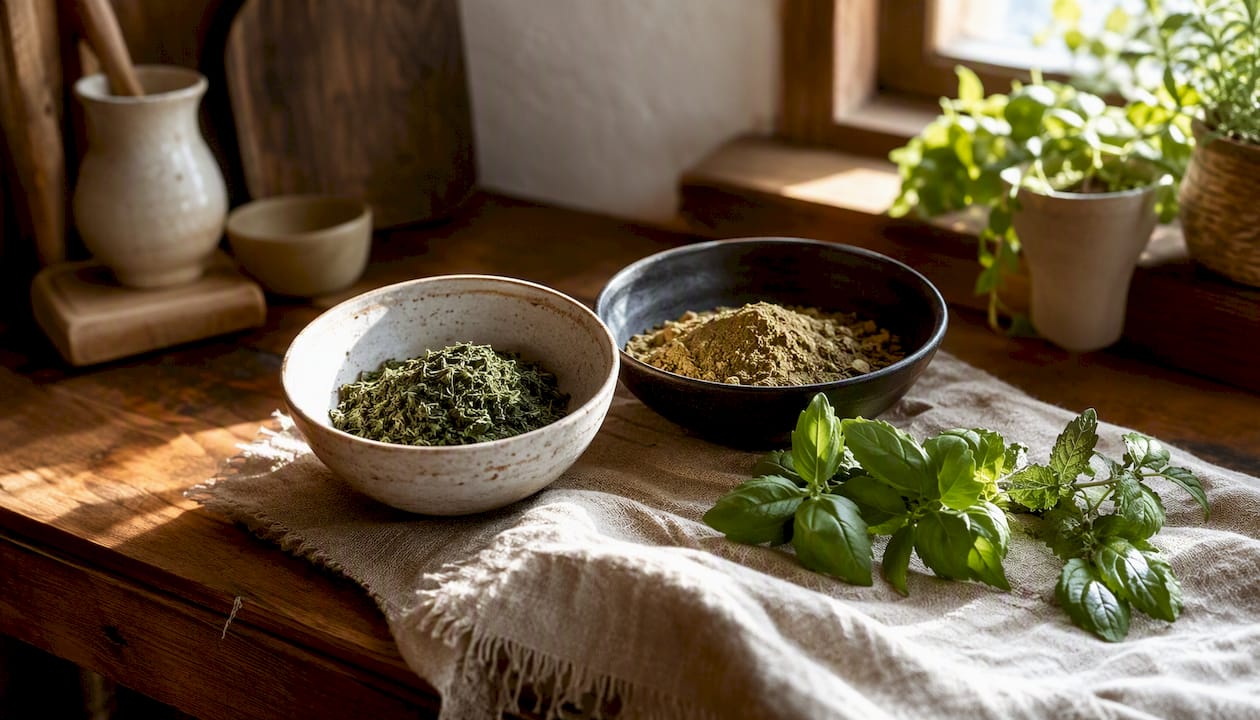
Pro Tip: When buying spice blends, look for products that list every spice individually by name rather than grouping them under “spices.” Single-origin spice suppliers are more likely to provide this level of detail.
For practical kitchen swaps that reduce your overall toxic load, the Ossa Organic guide to non-toxic cooking fats covers cooking fat choices in detail.
Why “natural flavour” and spice blends cause so much confusion
The term “natural flavourings” is legally defined in UK and EU food law, but the definition is broad enough to encompass thousands of individual substances derived from plant, animal, or microbial sources. A manufacturer can list a single entry, “natural flavourings,” and behind it sit onion derivatives, celery extract, or a milk-derived compound, none of which need be named individually.
Research published in peer-reviewed allergy literature documents cases where patients reacted to products they had eaten safely before, because a reformulation changed the composition of the “natural flavourings” blend without any visible change to the label. The Environmental Working Group found that at least 49 of the 111 unreviewed food chemicals it identified appeared across thousands of grocery products, many of them as concentrated extracts listed under generic names.
Concentrated plant extracts such as green tea extract (Teavigo®) and aloe vera extract (Qmatrix®) are compositionally different from the whole plant. Proprietary processing can alter their allergenic or toxicological properties in ways that have not been publicly reviewed, yet they appear in thousands of products under generic ingredient names.
What better labelling would look like:
-
“Natural flavourings (may include: onion, garlic, celery, milk derivatives)” — a format that preserves commercial confidentiality while flagging the most common allergen risks.
-
Mandatory disclosure of any flavouring component that is itself a UK-listed allergen, regardless of quantity.
-
A requirement to update the label within a defined period whenever a “natural flavourings” blend is reformulated.
The FSA has consulted on improving allergen labelling, and Natasha’s Law was a meaningful step. The gap that remains is the treatment of flavouring blends and spice mixes as single entries when they can contain allergenic substances.
Key takeaways
Hidden food chemicals are widespread, often listed under umbrella terms, and can cause reactions ranging from mild intolerance to anaphylaxis. Reading ingredient lists carefully and choosing shorter, single-ingredient products is the most reliable way to reduce exposure.
| Point | Details |
|---|---|
| Umbrella terms hide many substances | “Natural flavourings,” “spices,” and “seasoning” can each represent dozens of individual chemicals, including allergens. |
| 14 allergens must be declared in the UK | UK law requires bold labelling of all 14 major allergens in pre-packed food; “may contain” warnings remain voluntary. |
| Processing aids are often unlisted | Release agents and enzymes used in production are legally exempt from label declaration, creating a hidden exposure route. |
| Synthetic antioxidants are widespread | BHA (E320), BHT (E321), TBHQ (E319), and propyl gallate (E310) appear in crisps, cereals, and cooking oils under their chemical names. |
| Ossa Organic products contain no additives | Ossa Organic bone broths use organic ingredients with no preservatives, flavourings, or processing aids, making them a transparent whole-food alternative. |
A perspective on why this matters
The conversation about food additives tends to get stuck in two unhelpful places: either blanket alarm about everything synthetic, or dismissal of all concerns as scaremongering. Neither serves the person standing in a supermarket aisle trying to make a sensible choice for their family.
The more useful frame is specificity. Sulphites are a real problem for a meaningful proportion of people with asthma. Nitrites in cured meats are a legitimate area of ongoing research. Synthetic dyes in children’s food carry enough evidence to have triggered mandatory warning labels in the UK. These are not fringe concerns. At the same time, E300 (ascorbic acid) is vitamin C, and E160a (beta-carotene) is a plant pigment. The E-number alone tells you nothing about risk.
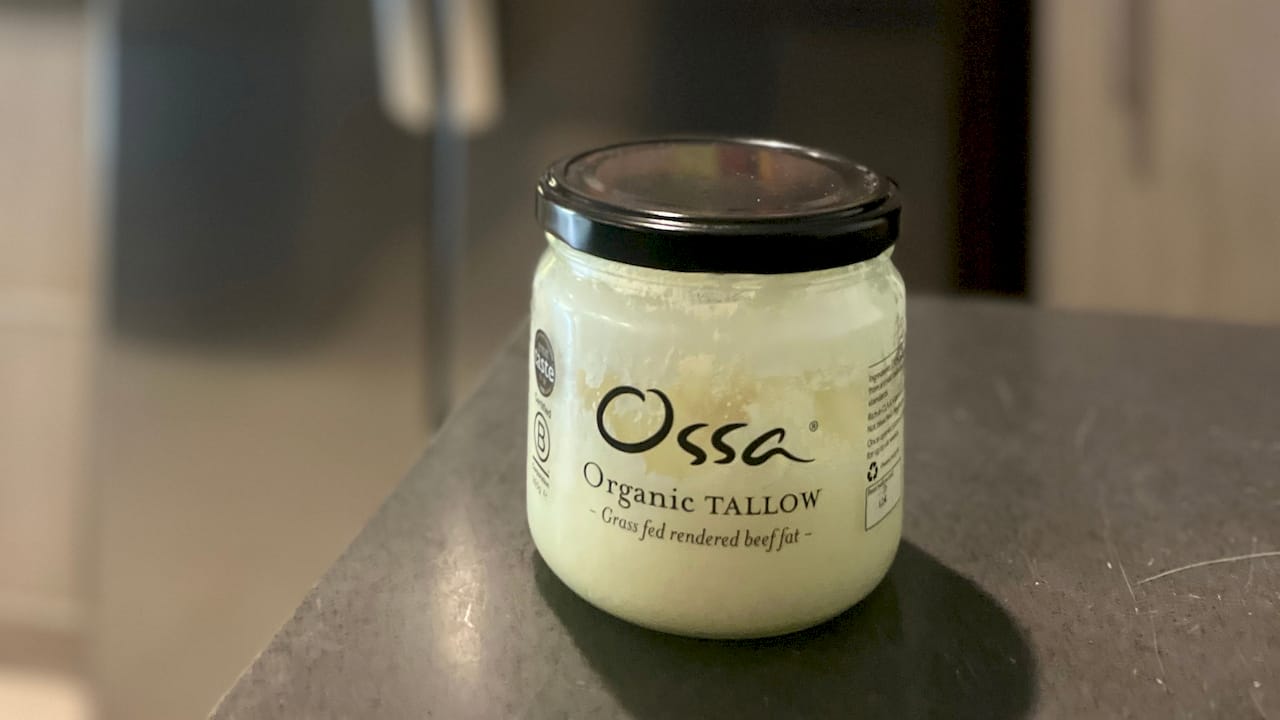
What the evidence does support consistently is that shorter ingredient lists, whole foods, and traditional preparation methods reduce exposure to the chemicals that are genuinely contested. Bone broth made from organic bones and water, ghee rendered from grass-fed butter, and tallow from pasture-raised animals contain no preservatives, no flavour enhancers, and no processing aids. That is not a marketing claim; it is a direct consequence of how those foods are made.
The labelling system in the UK is better than in many countries, but it has a real gap around umbrella terms. Until that gap is closed, the most practical protection is knowing which terms to question and being willing to contact manufacturers when the answer matters.
Additive-free alternatives from Ossa Organic
For readers who want to act on the information above, Ossa Organic produces a range of bone broths with fully transparent ingredient lists: organic bones, water, and nothing else. No preservatives, no flavourings, no E-numbers.
Three products to consider as direct swaps for commercial stock, gravy granules, or flavoured cooking bases:
-
Organic Beef Bone Broth Ambient 515ml — made from organic grass-fed beef bones, slow-cooked with no additives.
-
Organic Free Range Chicken Bone Broth 500ml — free-range chicken bones, water, and organic vegetables; the ingredient list is exactly that short.
-
Organic Chicken Bone Broth Ambient 515ml — a shelf-stable format with the same clean ingredient standard, useful for keeping a supply at home without refrigeration.
All three are certified organic, produced without processing aids, and carry no “may contain” caveats for the additives discussed in this article. View the full range and usage guidance at Ossa Organic’s how-to-use page.
Useful sources and further reading
The sources below are authoritative starting points for UK consumers who want to go deeper on any of the topics covered.
| Source | Type | What it covers |
|---|---|---|
| Food Standards Agency (food.gov.uk) | UK government | Allergen labelling law, approved additives, Natasha’s Law guidance |
| NHS (nhs.uk/conditions/food-allergy) | UK government | Allergy and intolerance symptoms, when to seek help, referral pathways |
| WHO Food Additives fact sheet | International | Definitions, categories, and safety assessment process for food additives |
| NIH/PMC: Hidden food allergies review | Peer-reviewed | Clinical cases of hidden allergens in processed foods, hydrolysed proteins |
| Environmental Working Group (ewg.org) | US investigative | Analysis of unreviewed food chemicals; extract trade names and product counts |
| PubMed/NCBI | Peer-reviewed database | Research on food chemical sensitivities, processing aids, allergen incidents |
Note on jurisdiction: the FSA and NHS pages apply directly to UK consumers. The EWG analysis covers the US food supply; while many of the same chemicals appear in UK products, regulatory thresholds and approval status differ. Always verify against FSA guidance for UK-specific rules.
FAQ
Which foods most commonly contain hidden ingredients?
Processed meats, soft drinks, ready meals, seasoning mixes, and spice blends are the most likely sources of hidden additives and allergens. Umbrella terms such as “spices” and “natural flavourings” are used most frequently in these product categories.
What is the most common type of chemical added to food?
According to the World Health Organization, flavouring agents are the most frequently used category of food additive. They appear in almost every category of processed food, often listed simply as “flavourings” or “natural flavourings.”
What is a practical example of a hidden food chemical?
Sulphur dioxide (E220) is a clear example: it is added to dried apricots, wine, and many ready-made sauces as a preservative, but it often appears on labels as “sodium metabisulphite” or “potassium bisulphite” rather than by its common name, making it easy to miss.
How do I know if “natural flavourings” contains an allergen?
UK law does not require manufacturers to list the individual components of a “natural flavourings” blend unless one of those components is itself a UK-listed allergen. If you have a known allergy, contact the manufacturer directly and ask for a full breakdown of the flavouring composition.
What does “may contain” mean on a UK food label?
“May contain” indicates a risk of cross-contamination from allergens present in the production environment, not a deliberate ingredient. The warning is voluntary; its absence does not guarantee the product is free from cross-contamination.