

Cart
0
Certified organic produce is defined as food grown and processed according to strict standards set by recognised bodies such as the USDA National Organic Program in the United States or the Soil Association in the United Kingdom. Knowing how to find certified organic produce means going beyond the label on the shelf and verifying an operation’s official status through databases and directories. This article covers how organic certification works, where to locate certified organic farms and retailers near you, and how to confirm authenticity before you buy.
What is organic certification and why does it matter?
Organic certification is a formal process in which an independent, accredited third party inspects and approves a farm, processor, or handler against defined organic standards. Organic standards prohibit synthetic pesticides, GMOs, and artificial fertilisers, while requiring soil stewardship practices such as crop rotation. This matters because the word “organic” on its own carries no legal weight unless it is backed by a recognised certification scheme.

The key certifying bodies you will encounter are the USDA National Organic Program in the US and the Soil Association in the UK. Both operate through accredited third-party certifiers who carry out physical inspections. Certification requires annual inspections by accredited certifiers, meaning a producer cannot pass one audit and then operate unchecked indefinitely.
Terms such as “all-natural,” “eco-friendly,” or “organic-style” are not regulated in the same way. Only the USDA Organic seal is federally enforced and backed by third-party inspection, making it the reliably certified label in the US context. In the UK, the Soil Association logo and other approved marks such as Organic Farmers and Growers serve the same function.
Understanding the difference between certified and uncertified claims protects you from paying a premium for produce that has not been independently verified. The certification seal is not a marketing choice. It is a legal declaration backed by documented inspections and ongoing compliance.
Pro Tip: When you see a certification logo, note the certifier’s name printed alongside it. This is the organisation you can contact directly to confirm a producer’s current status.
-
USDA Organic seal: Federally enforced in the US, requires third-party inspection
-
Soil Association logo: The most widely recognised organic mark in the UK
-
Organic Farmers and Growers (OF&G): A UK-approved certifier covering farms and processors
-
CCOF (California Certified Organic Farmers): A leading US certifier with a public directory
-
Demeter: Certifies biodynamic producers, a stricter standard than standard organic
How can you find certified organic produce near you?
The most reliable way to locate certified organic producers and retailers is through official directories and searchable databases maintained by certifying bodies. These tools list operations by location, product type, and certification status, removing the guesswork from your search.
Here is a practical step-by-step process for finding certified organic produce locally:
-
Use the Soil Association’s retailer map. The Soil Association’s organic retailer map provides a searchable tool to locate certified organic shops, box schemes, and farm shops across the UK. Enter your postcode and filter by product type to find options near you.
-
Search the USDA Organic Integrity Database. For US-based searches, the USDA Organic Integrity Database lists every certified operation in the country. You can search by state, product category, or operation name to find certified farms and processors.
-
Check the CCOF directory. The California Certified Organic Farmers directory covers certified producers across the US and is particularly strong for fruit and vegetable growers. It is searchable by county and product.
-
Visit local farmers’ markets. Certified organic farms display certification signage at markets, but you should ask the producer directly if signage is absent. Most certified producers carry a copy of their certificate and are happy to share it.
-
Contact independent organic retailers. Independent organic shops tend to curate stock from certified suppliers rather than relying on broad supermarket selections, making them a more focused source for verified produce.
The table below compares the main directories and databases available to UK and US consumers:
| Directory or database | Region | What it covers | How to access |
|---|---|---|---|
| Soil Association retailer map | UK | Certified shops, box schemes, farm shops | soilassociation.org |
| USDA Organic Integrity Database | US | All certified operations: farms, processors, handlers | organic.ams.usda.gov |
| CCOF directory | US | Certified organic farms and processors | ccof.org |
| Organic Farmers and Growers (OF&G) | UK | Certified farms and food businesses | ofgorganic.org |
| CTGrown organic directory | US (Connecticut) | Local certified farms and producers | ctgrown.org |
Pro Tip: Before visiting a farmers’ market, search the USDA Organic Integrity Database or Soil Association map for the producer’s name. This takes two minutes and confirms their certification status before you travel.
How do you verify the certification of organic produce?
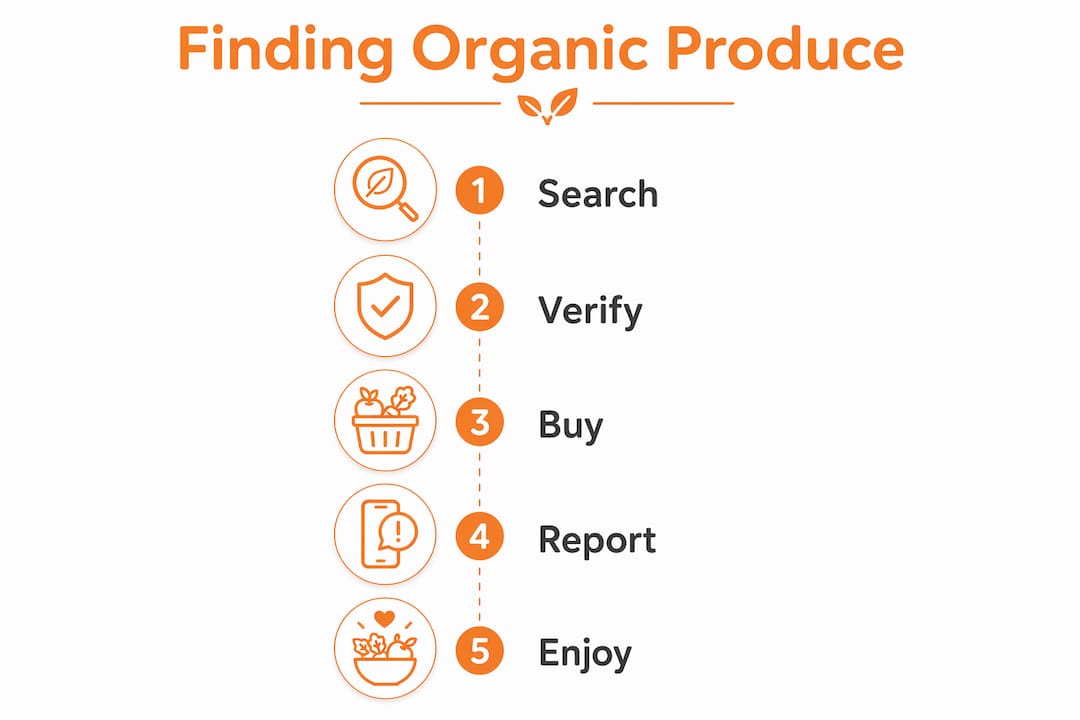
Verification is the step most consumers skip, and it is where misleading claims go undetected. The process is straightforward once you know the workflow.
-
Locate the certification logo and certifier name on the packaging. Every certified product must display the certifying body’s name alongside the organic seal. Note the exact legal name of the operation, as this is what you will search in official records.
-
Search the relevant database. For US products, enter the operation name into the USDA Organic Integrity Database. For UK products, contact the Soil Association or the relevant certifier directly. The database returns the operation’s certification status, certifier, and product scope.
-
Check the product scope and operation type. Certification records specify the exact type of operation certified, whether farm, processor, or handler, and the product categories covered. A farm certified for grain production is not automatically certified for the vegetables it also sells.
-
Confirm the certificate validity period. Certificates carry start and expiry dates. Vague product descriptions, missing locations, or out-of-date status are red flags for invalid certification. An expired certificate means the operation has not completed its most recent annual inspection.
-
For imported products, verify the certifying agent’s accreditation. For goods sourced from outside the UK or US, confirm that the certifying agent is accredited for the relevant country and that Transaction Certificates exist. This is the standard check for cross-border organic authenticity.
The comparison below shows the difference between a valid and a suspect certification record:
| Feature | Valid certification | Suspect certification |
|---|---|---|
| Operation name | Matches packaging exactly | Vague or partial match |
| Certificate status | Current and active | Expired or suspended |
| Product scope | Matches the product being sold | Broad or unspecified |
| Certifier name | Accredited body listed | Unknown or unverifiable |
| Facility address | Specific and confirmed | Missing or inconsistent |
Pro Tip: The most defensible approach is to cross-verify claims with official certifier records rather than relying on packaging alone. A two-minute database search is the difference between genuine organic and a marketing claim.
Common pitfalls when buying organic produce
The most frequent mistake consumers make is treating unregulated marketing language as equivalent to certified organic status. Terms such as “all-natural,” “grown without chemicals,” or “organic-style” carry no legal obligation and no inspection requirement. A product can use these phrases without any third-party oversight.
“Only the USDA Organic seal is federally enforced and backed by third-party inspection.” — CCOF
Annual re-inspections by accredited certifiers guarantee continued adherence to organic standards, making any organic seal backed by robust oversight. A producer who was certified three years ago but has not renewed their certification is no longer operating under verified organic conditions, even if they continue to use organic language in their marketing.
The risks of assuming organic status without verification include paying a premium for conventionally grown produce, inadvertently consuming synthetic pesticide residues, and undermining the market for genuinely certified producers. Each of these outcomes is avoidable with a brief verification check.
Watch for these specific red flags:
-
Products labelled “organic” with no certifier name or logo visible
-
Producers who cannot name their certifying body when asked directly
-
Certificates that list broad product categories without specifying the items being sold
-
Online retailers who describe products as organic without linking to certification records
-
Imported goods with no Transaction Certificate or unverifiable certifying agent
If you encounter a suspicious claim, you can report it to the USDA National Organic Program in the US or to the relevant approved certifier in the UK. Both bodies investigate complaints about fraudulent organic labelling.
Key takeaways
Finding certified organic produce reliably requires verifying producer certification through official databases such as the USDA Organic Integrity Database and the Soil Association retailer map, not trusting packaging claims alone.
| Point | Details |
|---|---|
| Use official databases | Search the USDA Organic Integrity Database or Soil Association map to confirm certification status before buying. |
| Check product scope | Verify that the certified product category matches exactly what is being sold, not just the operation name. |
| Recognise red flags | Expired certificates, missing certifier names, and vague product descriptions indicate invalid certification. |
| Prefer independent retailers | Independent organic shops curate from certified suppliers, reducing the risk of uncertified products reaching shelves. |
| Annual inspections matter | Certification requires yearly audits, so a past certificate does not guarantee current compliance. |
Ossaorganic’s perspective on sourcing certified organic produce
Consumer confusion around organic labels is not accidental. The proliferation of unregulated terms has made it genuinely difficult to distinguish a certified product from one that simply uses organic-sounding language. At Ossaorganic, this is something we observe directly when speaking with customers who have previously bought products they believed were certified but were not.
The practical reality is that most consumers do not know that a two-minute database search can confirm or disprove any organic claim. Once you know the USDA Organic Integrity Database exists, or that the Soil Association maintains a searchable retailer map, the verification process becomes a habit rather than a burden.
Supporting certified organic producers also has a direct environmental return. Certified operations are required to maintain soil health, avoid synthetic inputs, and submit to annual scrutiny. Buying from them funds that system. Buying from uncertified producers who use organic language funds nothing except the marketing budget.
The Soil Association certified retailer network is, in our view, the most practical starting point for UK consumers. It is maintained, searchable, and reflects current certification status. For anyone buying imported goods, the additional step of checking Transaction Certificates is non-negotiable if authenticity matters to you.
— Ossaorganic
Ossaorganic: certified organic products for your daily diet
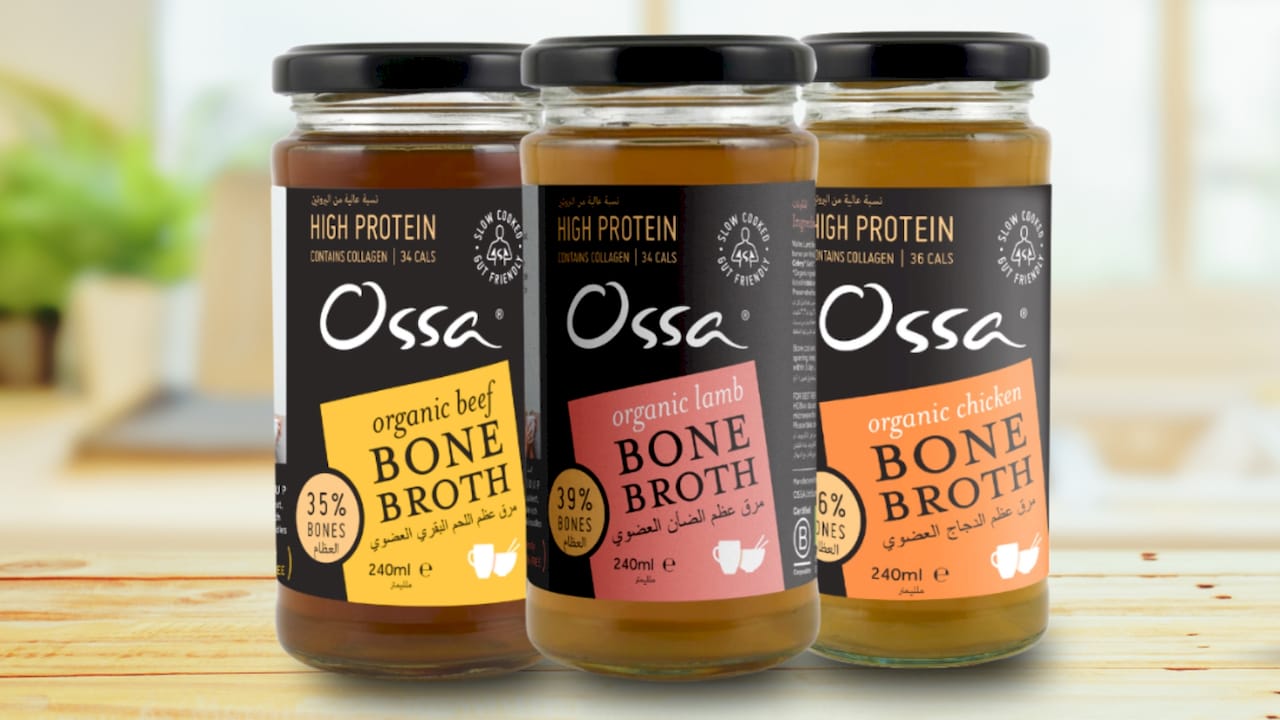
Ossaorganic offers a range of certified organic products built on the same principles this article describes. Every ingredient is sourced from verified organic suppliers, and the range covers bone broths, collagen, gelatine, and tallow suited to paleo and keto diets.
If you want to buy certified organic fruits, vegetables, and whole-food supplements without spending time on individual verification checks, Ossaorganic has done that work for you. The product range at Ossaorganic is built around clean, traceable ingredients with no preservatives or artificial additives. Visit the website to browse the full catalogue of certified organic options and find the products that fit your diet.
FAQ
What does certified organic produce mean?
Certified organic produce is food grown and handled according to standards set by an approved certifying body, such as the USDA National Organic Program or the Soil Association, and verified through annual third-party inspections.
How do I find certified organic produce near me?
Use the Soil Association’s organic retailer map for UK searches or the USDA Organic Integrity Database for US searches. Both tools allow you to filter by location and product type to locate certified farms and shops.
Is “all-natural” the same as certified organic?
No. “All-natural” is an unregulated marketing term with no inspection requirement. Only produce carrying a recognised certification seal, such as the USDA Organic seal or Soil Association logo, has been independently verified.
How do I verify that an organic certificate is still valid?
Search the producer’s legal name in the USDA Organic Integrity Database or contact the certifier named on the packaging. Check that the certificate status is current, the product scope matches what is being sold, and the validity dates have not expired.
Where are the best sources for organic produce in the UK?
The Soil Association’s retailer map lists certified organic shops, box schemes, and farm shops across the UK. Independent organic retailers and certified farmers’ market producers are also reliable sources, provided you confirm their certification status directly.