Organic ingredients
•
Naturally nourishing
•
Made with care
We've sent you an email with a link to update your password.
Reset your password
We will send you an email to reset your password.
Is Bone Broth Fattening? Calories, Fat and Protein Explained
Ralph Barrozo
0 comments
No, bone broth is not fattening. A typical 250g serving of chicken bone broth contains around 50 calories, 1g of fat and 10g of protein, so a mug adds very little to your day. Weight gain comes from eating more energy than you use over time, and a savoury, low-calorie drink is rarely the cause. What changes the numbers is the recipe: a broth with a thick layer of fat, or one turned into a creamy soup, is a different food from a clear, skimmed broth.
This guide sets out what is in a serving, why the figures vary, where bone broth can sit in a weight-conscious day, and what to look for on a label.
Ossa Organic
Choose a More Natural Broth
Ossa Organic makes bone broth with organic ingredients and slow cooking techniques, rooted in tradition rather than trend.
Bone broth is made by simmering bones, often with vegetables, herbs and a splash of vinegar, for many hours. The water carries out some protein, minerals and a little fat. What is left is a thin, savoury liquid, not a dense food.
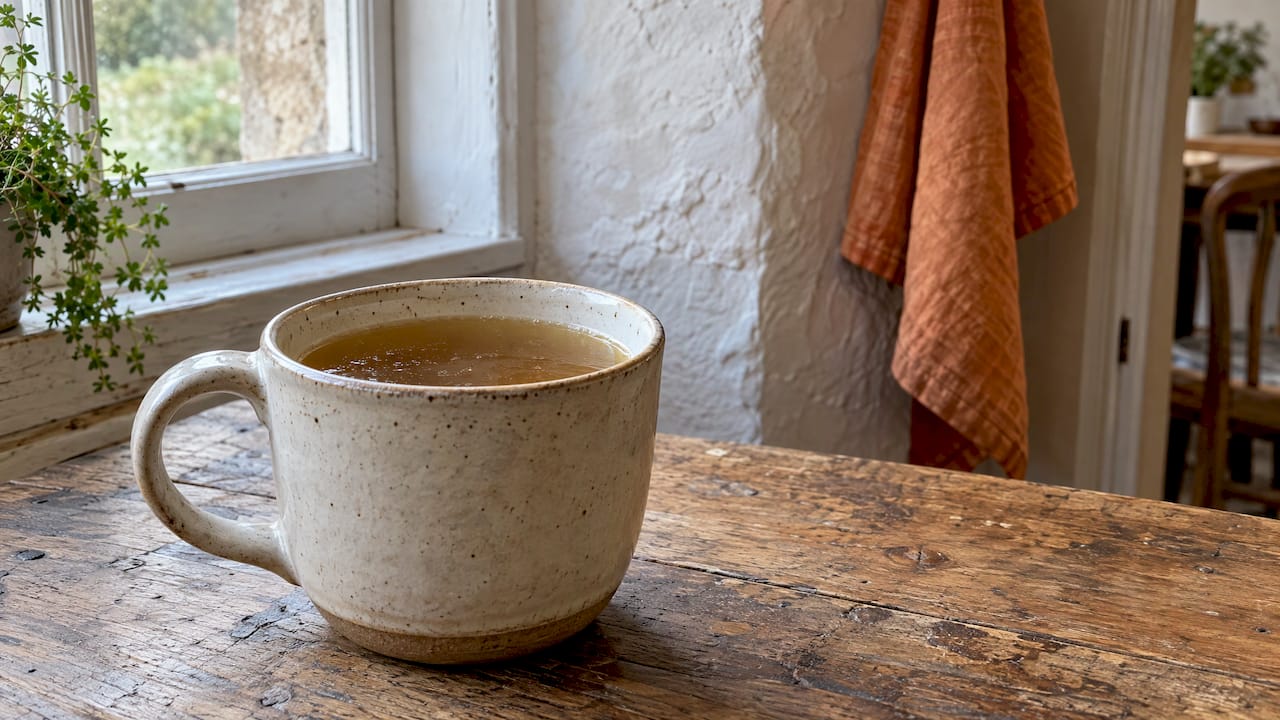
The typical figure for a 250g serving of chicken bone broth is about 50 calories, 1g of fat and 10g of protein. For comparison, a standard can of fizzy drink sits at around 140 calories with no protein, and a milky latte is considerably higher. A mug of broth is closer to a cup of tea with some food value than to a meal.
Two cautions keep the picture honest. First, those figures are an average. Nutritional values vary from batch to batch and an exact figure is impossible to calculate for homemade broth. Second, broth is a light food, not a complete one. It does not replace vegetables, fibre or a balanced plate. That is a point about how to use it, and it is the reason broth works best alongside meals, not instead of them.
What is in a serving of bone broth?
The table below shows the typical range for a 250g serving. Treat it as a guide: recipes differ, and the label on a product is always the figure to trust for that product.
Nutrient
Typical 250g serving of chicken bone broth
What it means
Energy
About 50 calories
Roughly the same as a small piece of fruit
Fat
About 1g
Very little, especially once fat is skimmed
Protein
About 10g
A useful contribution from a drink
Carbohydrate
Little to none
Suits low-carb and paleo-style eating
Fibre
None
Eat vegetables alongside it
You will see other figures online. Some pages quote around 40 to 45 calories per serving, others around 90 calories and 6g of protein for a cup of homemade chicken broth, and some quote about 60 calories per 100ml. The gap is not an error so much as a reflection of how differently broths are made. A broth cooked down for longer, made with more joints or marrow bones, or left unskimmed will carry more fat and more calories. A lighter, more diluted broth will carry less.
If you want to see how this looks for a specific product, our beef bone broth nutrition guide sets out calories, protein and macros for beef broth.
Why bone broth is not the cause of weight gain
Body weight changes when the energy you take in is consistently higher than the energy you use. No single low-calorie food changes that balance upward. The foods that tend to push intake up are the energy-dense ones: sugary drinks, pastries, crisps, creamy sauces and large portions of refined carbohydrates.
A cup of broth is the opposite. It is mostly water, contains few calories for its volume and brings protein with it. If you have broth in place of a biscuit at 3pm, you save calories. If you have it alongside your usual meals, you add about 50. Neither is going to shift your weight on its own.
Where people do get surprised is in what is added to the broth. Cream, butter, noodles, rice, a drizzle of oil, a handful of cheese: each is a normal and enjoyable addition, and each adds energy. A bowl of broth-based soup with potatoes, cream and bacon is a very different dish from a mug of clear broth. The broth did not change. The recipe did.
Protein and fullness: why broth can help you eat less
Protein is generally more satiating than carbohydrate or fat, calorie for calorie. That is the main reason bone broth gets linked with weight management. Ten grams of protein for around 50 calories is a good ratio, and a warm drink also slows you down, which gives your body time to register that you have eaten.
Some experts suggest this may indirectly support weight management when broth replaces a higher-calorie snack or a processed convenience food. The key word is indirectly. The broth does not melt fat. It may make it easier to stay within your usual calorie needs because you feel more satisfied between meals.
A realistic example:
Mid-afternoon biscuits and a milky coffee: commonly 250 to 350 calories, with little protein.
A mug of broth with a few seeds or a boiled egg on the side: around 100 to 150 calories, with a good share of protein.
The difference is not magic, it is arithmetic. Repeated across a week, small swaps like that are the way a low-calorie food earns its place.
Can bone broth reduce belly fat?
No food reduces fat from one part of the body, and bone broth is no exception. Fat loss happens across the body according to genetics, hormones and overall energy balance. There is no evidence that drinking broth targets the abdomen.
People who report losing weight on broth-based plans are usually following a wider programme. In one well-known diet that features broth, the weight loss is most likely down to the low-carbohydrate, paleo-style way of eating and two mini fast days of around 500 calories, not the broth itself. That is worth knowing before you expect results from a daily mug alone.
What broth can do is support habits that help: a savoury option in the evening when you want something warm, a lighter lunch base, or a way to add protein to a meal made mostly of vegetables. If your aim is to manage your weight, think of broth as a helpful tool inside an overall pattern, not a shortcut.
Collagen, protein and what your body does with them
Bone broth is often described as a collagen drink. Collagen is a protein, and when you eat it, it is digested like other proteins. It is not absorbed whole. Proteins are broken down into their component amino acids before absorption, and the body then uses those amino acids where it needs them.
That has two practical consequences. The protein in broth counts toward your daily protein intake and can contribute to fullness. And the amount of collagen-derived protein in a serving varies considerably with preparation and ingredients, so it is sensible to read the protein figure on the label instead of assuming. Broth is best valued as a source of protein and minerals in a minimally processed form, which is how we describe it ourselves.
Why the calories in bone broth vary
Two mugs of “bone broth” can differ by a factor of two or more in calories. Four things explain most of it.
The bones and cuts used
Marrow bones, oxtail and joints with plenty of connective tissue release more fat and gelatine than lean, meat-light carcasses. Chicken carcasses with skin produce a fattier liquid than skinless frames.
Cooking time and dilution
A longer, slower simmer concentrates the liquid. A broth reduced by a third has more protein per cup, and more calories. A more diluted one has less of both. This is why batch-to-batch variation is normal and why recipe nutrition is only ever an estimate.
The fat layer
When homemade broth cools, the fat rises and sets on top. You can lift it off with a spoon before storing or reheating. Skimming removes most of the fat calories. If you leave it in, the broth will taste richer and carry more energy. Both are fine. It simply helps to know which one you are drinking. Fat is also a useful cooking ingredient, so many cooks keep a little for roasting vegetables.
What you add afterwards
Salt does not add calories, but oil, cream, noodles, rice, dumplings and cheese do. If your goal is a light meal, add vegetables, herbs, lemon, ginger or chilli. If your goal is a hearty meal, add grains or protein and enjoy it as a proper dinner.
Bone broth compared with stock cubes
Stock cubes are lower in calories per serving than many broths, so on calories alone they look fine. The difference is in what else comes with them. Stock cubes are often high in salt and may contain ultra-processed additives, and they supply little protein. Bone broth is generally considered nutritionally better, because it is a simmered food with real protein in it and a short ingredient list when it is made properly.
It is also worth keeping a sense of proportion in the other direction. Bone broth is not a superfood. It has no fibre and does not supply the range of vitamins you get from vegetables, fruit and whole grains. It earns its place as a base, a warm drink and a source of protein, within an ordinary varied diet.
Bone broth
Typical stock cube
Calories
Around 50 per 250g
Low
Protein
Around 10g per 250g
Very little
Salt
Varies, check the label
Often high
Processing
Simmered from bones
Often includes additives
Best use
Drink, soup base, cooking liquid
Seasoning
How to fit bone broth into a day without adding unwanted calories
You do not need a plan, only a few habits. Here are the ones that make sense if you are watching your weight.
Swap, do not stack. Use broth in place of a sugary or milky drink or a processed snack, rather than on top of them.
Use it as a cooking liquid. Cook rice, quinoa or lentils in broth instead of water for more flavour and some protein, with no extra fat.
Build soups on vegetables. A broth base with leeks, carrots, greens and herbs is filling and light. Our soup base recipes show how.
Measure the finishing touches. A teaspoon of oil is about 40 calories. A glug can be four times that. Measuring keeps richer additions deliberate.
Pair it with fibre. Broth has none, so serve it with vegetables, pulses or whole grains to round out the meal.
For a Mediterranean-style approach, try our Mediterranean recipes. If you avoid gluten or dairy, the gluten-free and dairy-free collections keep the same broth base. Broth also makes a flavourful base for sauces, which is a lighter way to build flavour than cream or butter.
What to check on a bone broth label
Because nutrition varies so much between products, the label tells you more than any general figure. Look at these things.
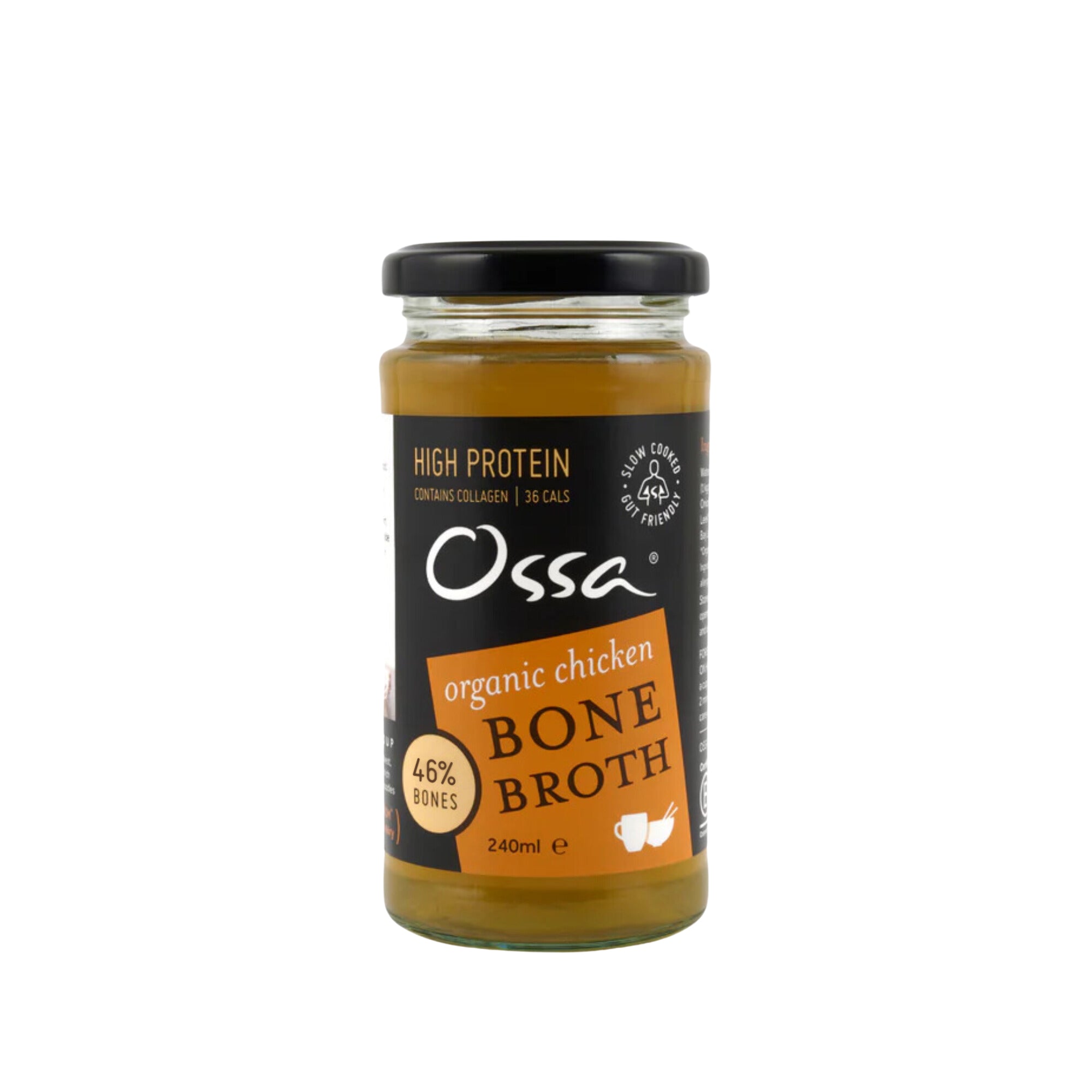
Calories and protein per serving and per 100ml. Compare like with like, because serving sizes differ. Pack sizes range from small ambient pots of 240ml to larger 500ml chilled bottles.
Fat per serving. A broth with very little fat suits a lighter day. A richer one suits cooking.
Salt. Savoury drinks can contain a lot. Check the figure if you drink broth often.
Ingredients. A short list of bones, vegetables, herbs and water is what you want. Preservatives and artificial ingredients are the things to avoid.
Sourcing. Organic and grass-fed bones are the standard we choose for our own range.
Perspective
We started Ossa Organic after discovering bone broth during a first pregnancy, and it has been part of how our family eats ever since. We eat mostly paleo and avoid foods that are heavily processed, and broth sits comfortably inside that way of eating.
When people ask whether bone broth is fattening, we answer with the food itself. A properly made broth is a light, savoury drink with protein and very little fat. It is the processed snacks, sweet drinks and creamy ready meals that do the damage to a calorie budget, and a mug of broth is a good thing to reach for instead.
Our approach is tradition, not trend. We use organic ingredients and slow cooking, and we keep our products free from preservatives and artificial ingredients. We want gut health at the forefront of how people think about food, and a simple broth is an easy place to start.
Use it as a drink, as a soup base or as a cooking liquid for grains and vegetables. It fits into a family kitchen without any special effort.
Ossa Organic
Choosing broth that fits how you eat
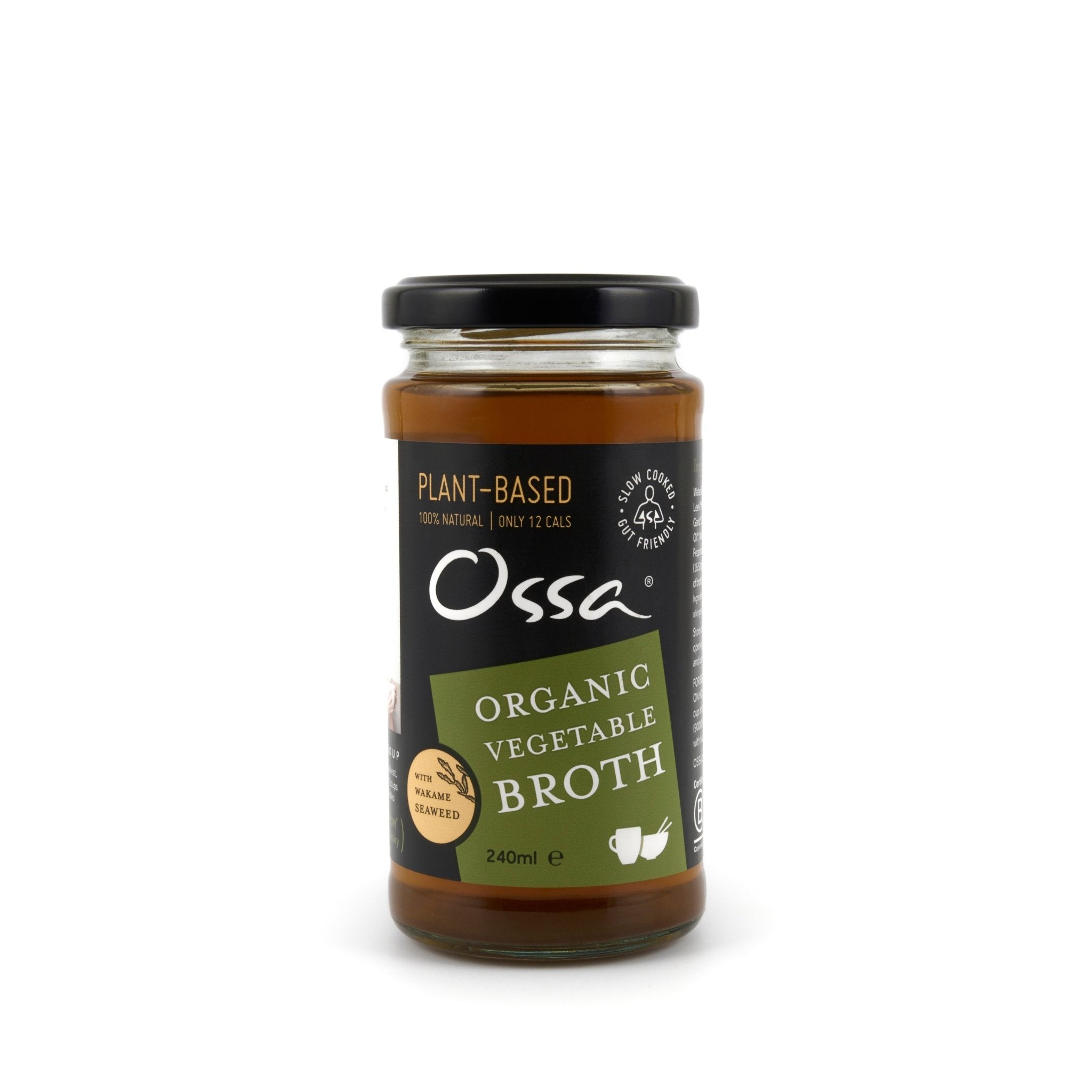
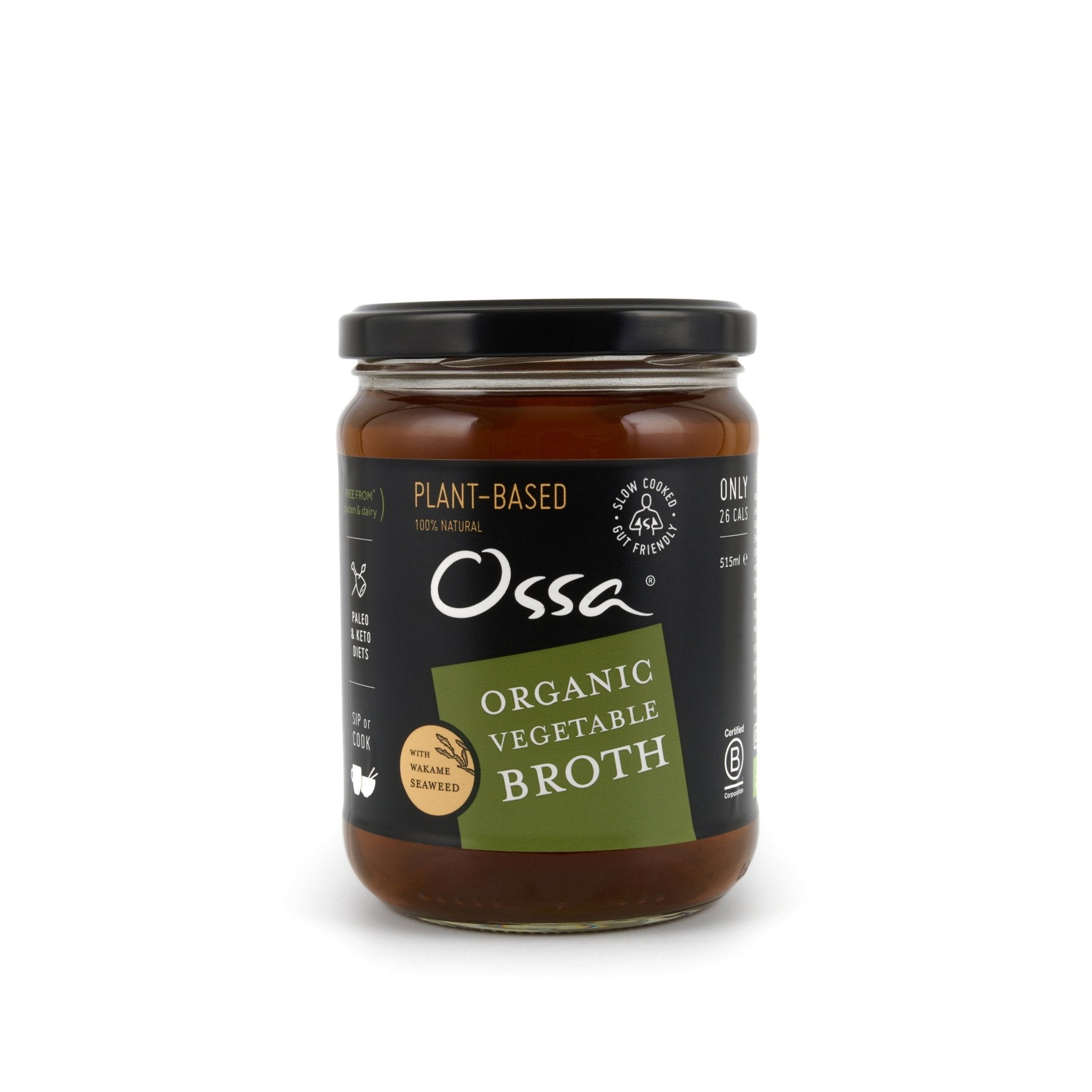
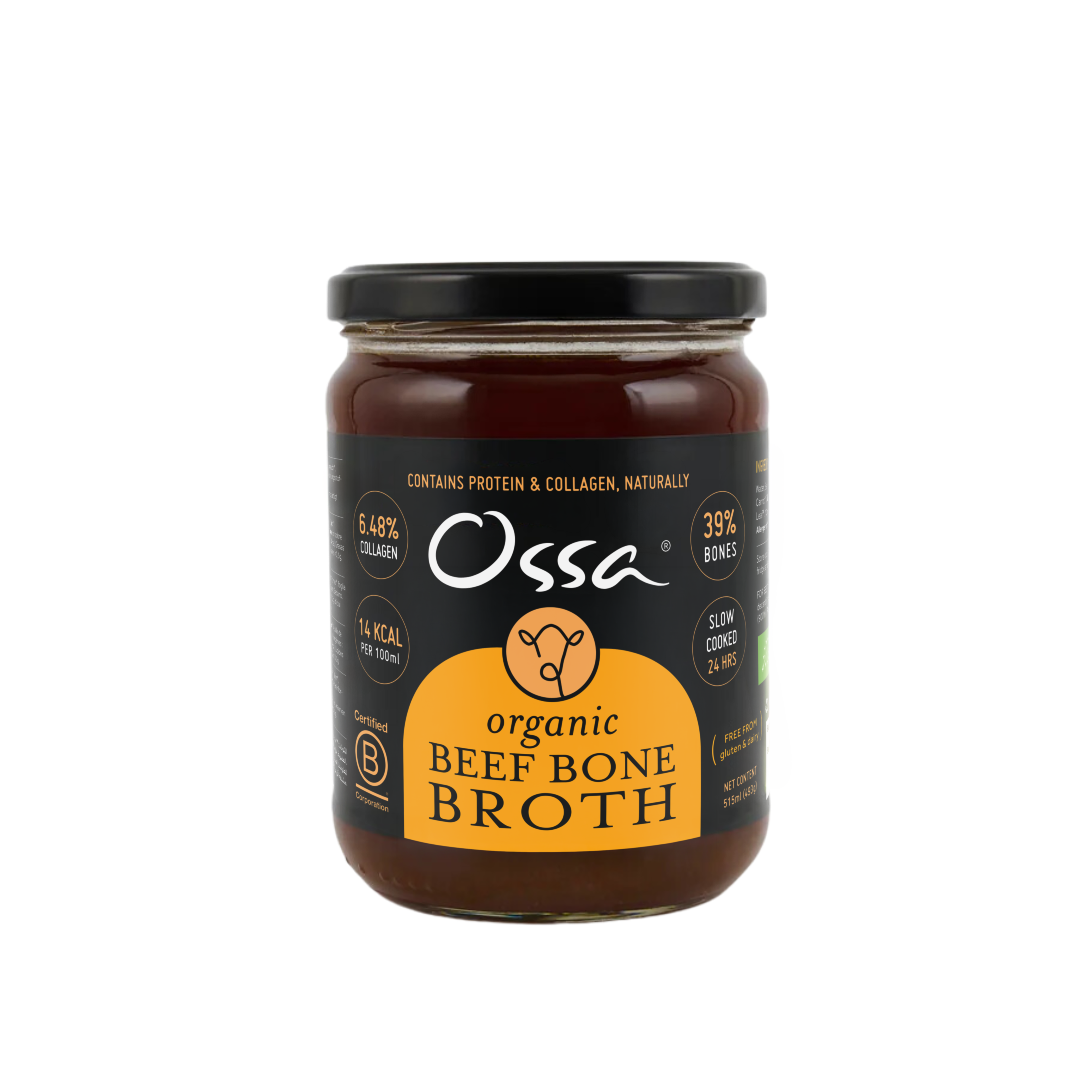
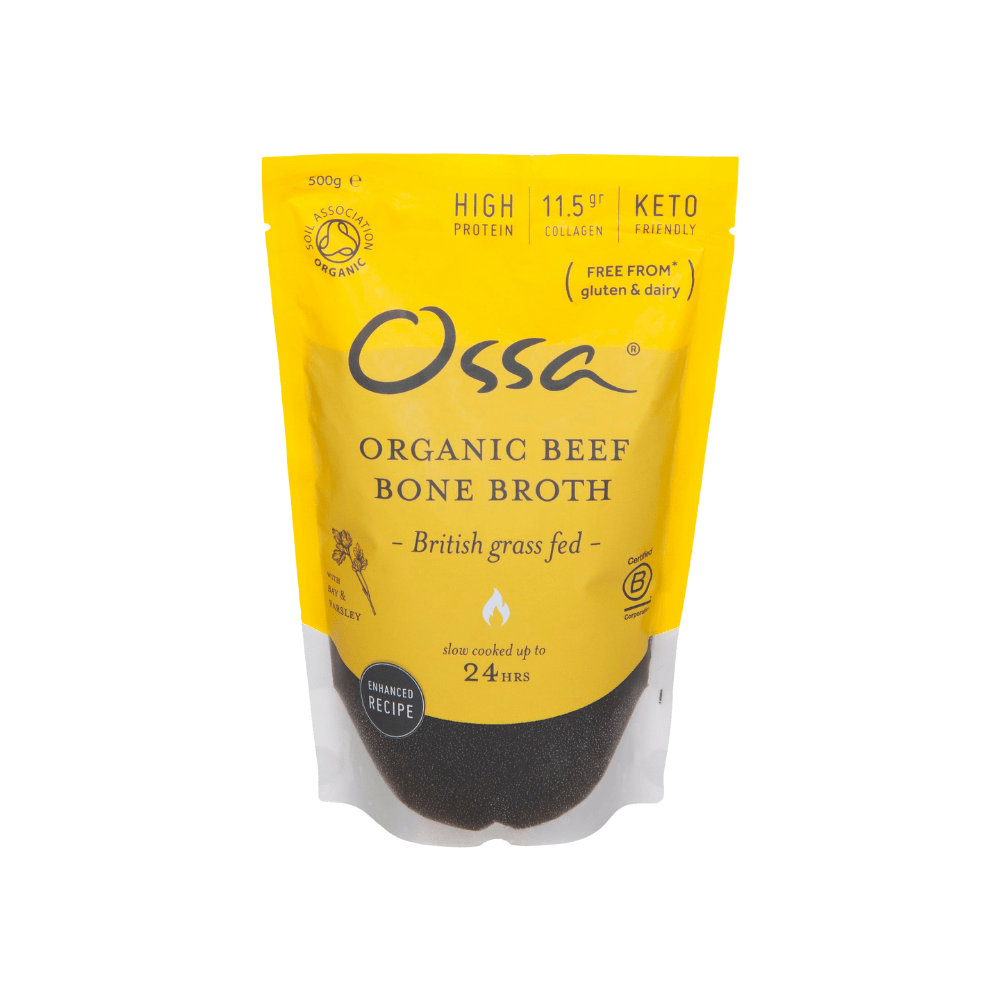
If you want a warm drink between meals, a ready-to-heat broth in a single serving is the most convenient format. Our ambient pots keep in the cupboard, which suits a desk drawer or a travel bag. If you cook most evenings, a larger bottle suits soups, sauces and grains cooked in broth, and our beef broth recipes show how far one bottle goes. You can browse them under recipes using our 500ml organic grass-fed beef bone broth.
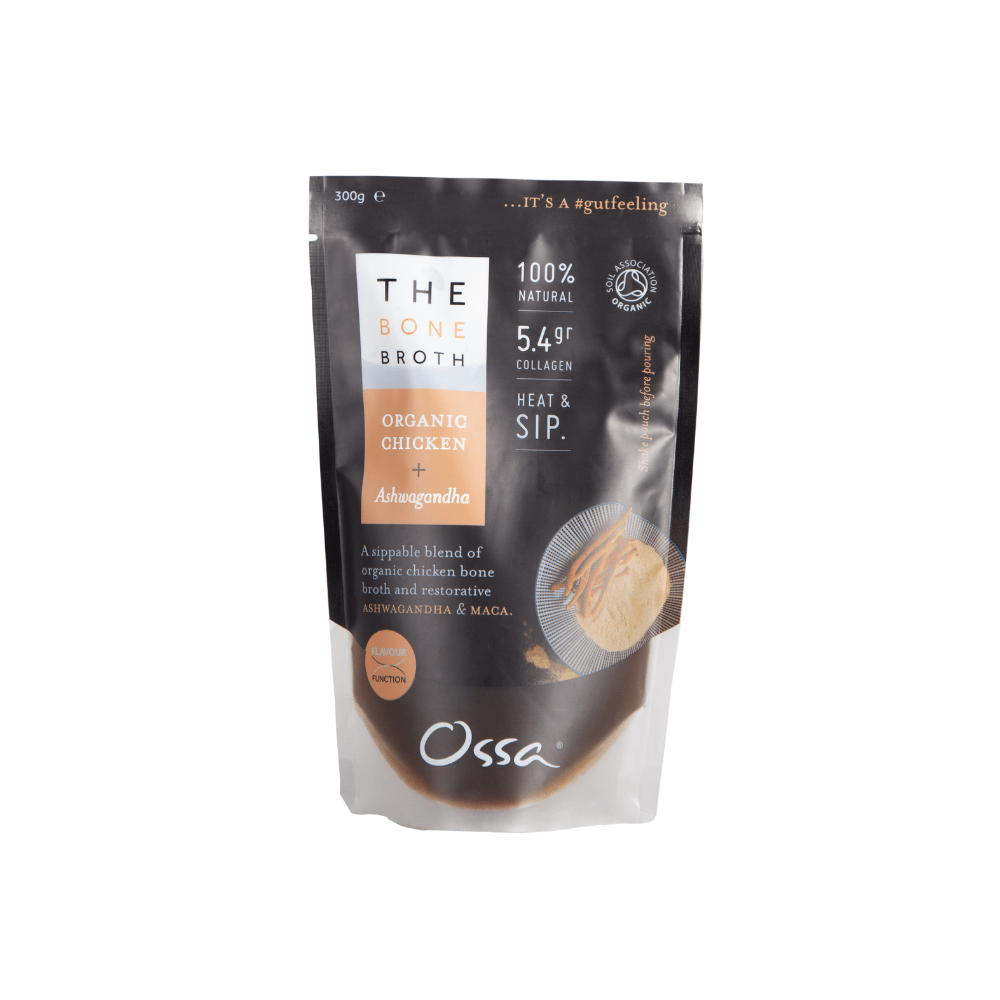
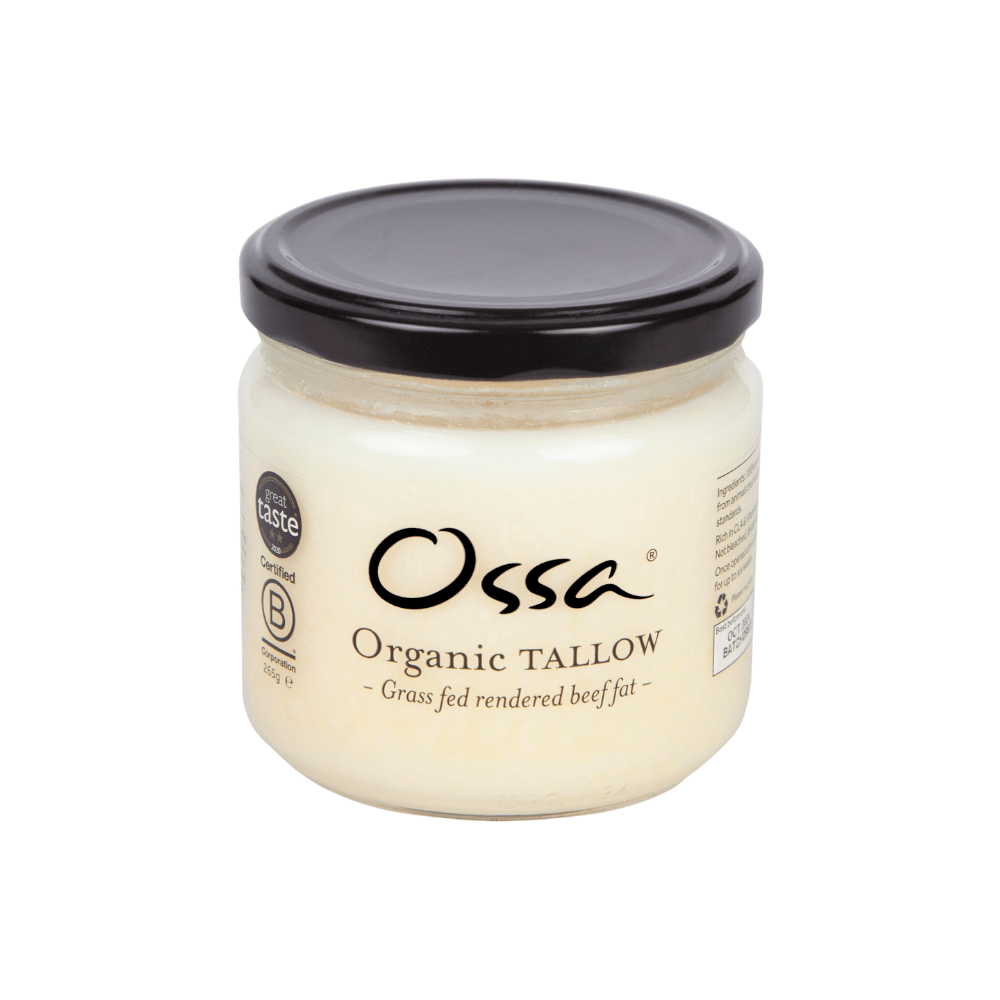
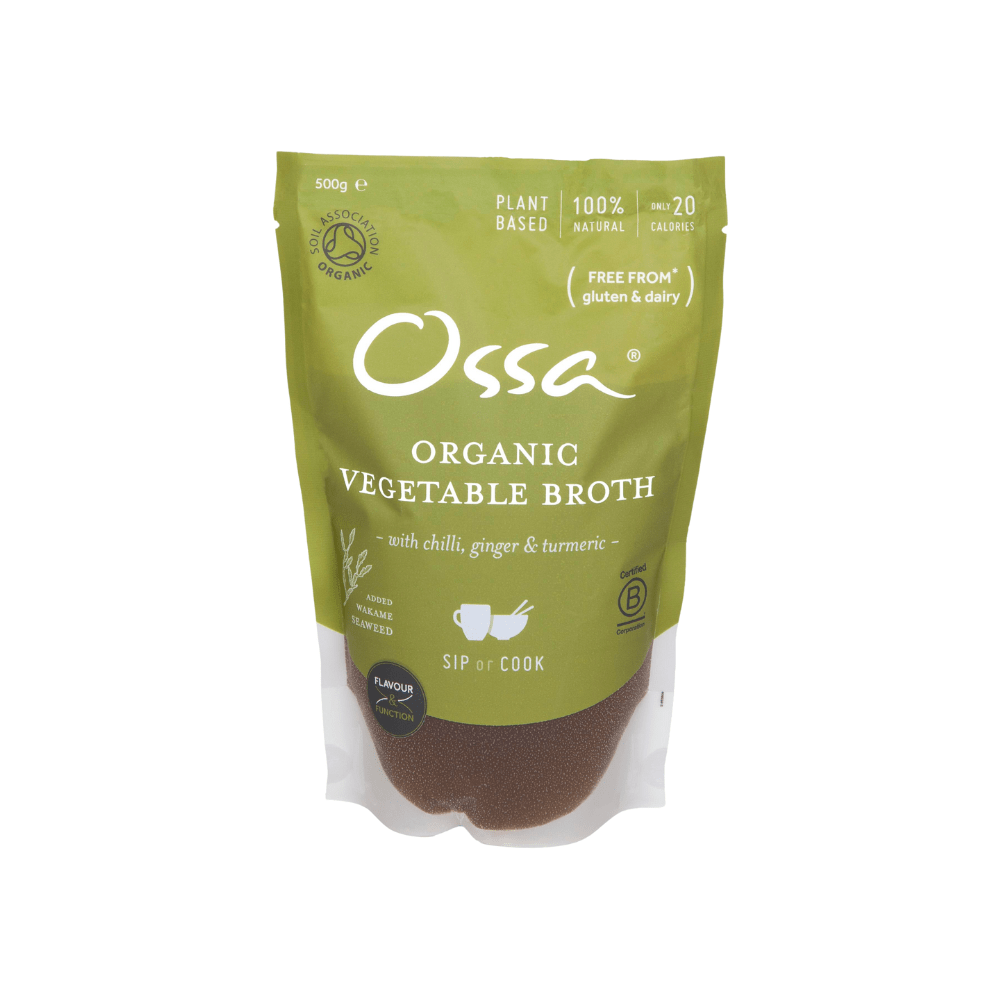
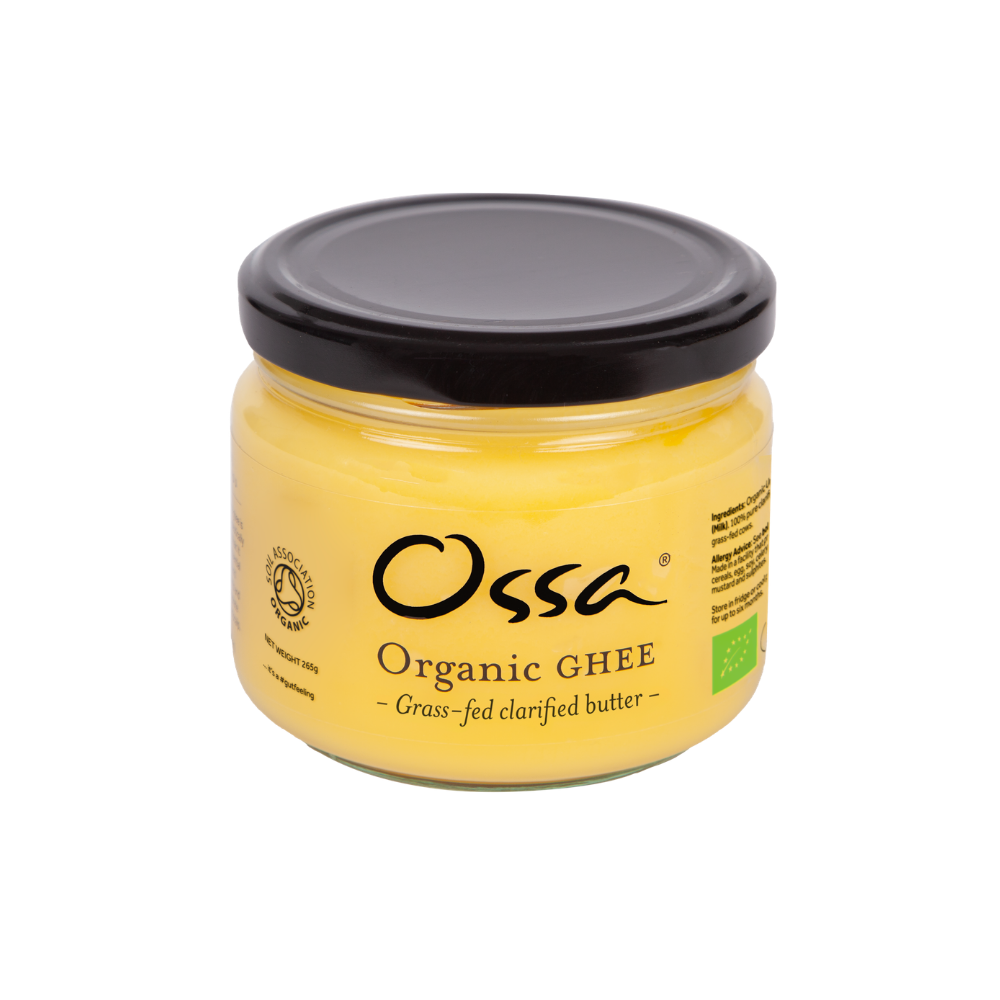
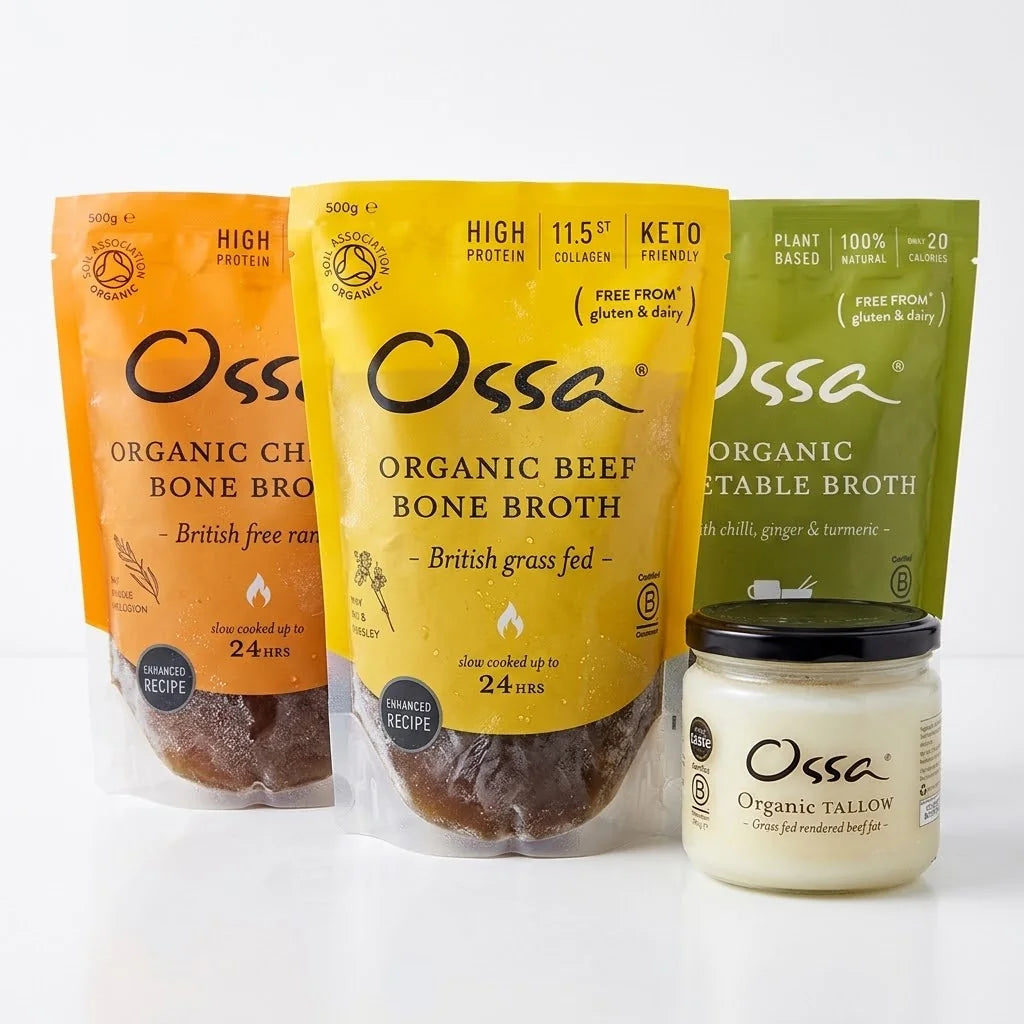
Our range includes organic beef, chicken and vegetable broths, plus specialty blends. For cooking, we also make organic grass-fed ghee and tallow, and we offer collagen peptides for people who want to add protein to drinks and recipes. These fats are for cooking and are best measured by the spoonful, in the same way you would with any cooking oil.
Where to find Ossa Organic broth
Our organic bone broths, collagen and gelatin powders, and grass-fed fats are all available from our online shop. If you would like to try several products together, our gut health bundles collect them in one order. Start at the Ossa Organic shop to see the full range.
FAQ
Can bone broth make you gain weight?
Not on its own. A typical 250g serving of chicken bone broth has about 50 calories, so it adds very little to your daily total. Weight gain is more likely to come from what you add, such as cream, oil or noodles, or from eating more overall.
Can bone broth reduce belly fat?
No food targets fat in one area of the body, and bone broth does not either. It is low in calories and its protein can help you feel full, which may help you snack less. That supports a lower overall intake, and fat loss follows from the whole pattern of eating.
What do I do with the fat from my bone broth?
Let homemade broth cool in the fridge so the fat sets in a layer on top. Lift it off with a spoon before storing or reheating. You can discard it for a lighter broth, or keep a little to roast vegetables.
What are the nutritional values of bone broth?
A typical 250g serving of chicken bone broth contains about 50 calories, 1g of fat and 10g of protein, with little or no carbohydrate. The values vary with the bones, the cooking time and how much fat is skimmed. For a specific product, use the figures on its label.
Is bone broth better than stock cubes?
Bone broth is generally a simpler, less processed base than stock cubes, which are often high in salt and may contain ultra-processed additives. Broth also provides protein, which cubes largely do not. Neither replaces vegetables and whole foods, but broth is the better everyday base.