Broth is a sensible first food once a course of antibiotics ends. It is warm, hydrating, salty and easy to tolerate when your appetite is low or your stomach is unsettled. It also supplies protein-building amino acids such as glutamine, glycine and proline. A cup a day works well as the start of a wider routine, built around plant variety, fibre, fermented foods and plenty of fluid. Broth does not do the whole job alone. This guide explains how to use it, what to put around it, and which symptoms mean you should speak to a doctor or pharmacist.
It is written for people who prefer organic, minimally processed food and want a practical plan, not a list of supplements.
Ossa Organic
Choose nourishing food, naturally
Explore Ossa Organic's approach to natural food, including the slow-cooked, organic ingredients that shape its range.
TL;DR
- Bone broth is a gentle, hydrating food to sip once your course is finished, or sooner if your prescriber or pharmacist confirms nothing in your medicine conflicts with it.
- A mug a day (about 200 to 250ml) is a practical amount. Start with a few sips if your stomach is sensitive.
- Pair broth with variety: many different plants, fibre, and fermented foods such as live yoghurt, kefir and sauerkraut.
- Some antibiotics, such as fluoroquinolones, interact with calcium, iron, zinc and magnesium in food and drinks, so follow the timing on your leaflet.
- Persistent or severe diarrhoea, blood in stools, fever or strong abdominal pain needs prompt medical attention, not home care.
Table of Contents
Why the gut needs attention after antibiotics
Antibiotics are prescribed to clear a bacterial infection. They act on bacteria, and the trillions of microbes living in your digestive tract are bacteria too. Many antibiotics reduce the variety of that community for a time, which is why the most common side effect is loose stools. Public Health Wales describes antibiotic-associated diarrhoea as common and usually mild, needing no extra treatment.
For most people the gut community recovers over the following weeks. Food does not replace that process, but it influences the conditions in which it happens. Fibre, plant variety and fermented foods feed and reintroduce the bacteria that tend to do well in a varied diet. Fluid and salt replace what loose stools take with them. Protein and minerals help you rebuild when illness has left you eating less than usual.
This is where broth fits. It is not a treatment for the infection and it is not a replacement for the course you were prescribed. It is a food that suits the days when you want something nourishing but cannot face a large meal.
What bone broth offers in the recovery weeks
There are four practical reasons people reach for bone broth after antibiotics.

It is easy to take. If your stomach is still tender, a warm cup is often more manageable than a plate of food. Clear, simple broths are among the foods commonly suggested when someone cannot eat solid meals or keep food down.
It hydrates. Loose stools and the illness that led to the prescription can leave you short of fluid. Broth supplies water together with salt, which is one reason people find it more satisfying than plain water when they feel run down.
It contains amino acids. Bone broth provides amino acids including glutamine, glycine and proline, along with small amounts of minerals such as calcium, magnesium, potassium, phosphorus and zinc. Glutamine is an amino acid that cells lining the intestine use as fuel, which is why it appears so often in discussions of gut nutrition. A 2025 scientific review of bone broth components looked at how these nutrients relate to gut barrier function.
It makes a good base. Broth turns simple ingredients into a proper meal. Add soft cooked vegetables, rice, lentils or shredded chicken and you have something nourishing that is gentle to eat.
If you want to understand how broth compares with powdered collagen as a daily habit, our guide to collagen vs bone broth sets out the differences. For the nutritional detail of a cup, see beef bone broth nutrition.
When to start
The answer depends on how you feel and on what you were prescribed.
During the course. Most people can drink broth while taking antibiotics, and it can help if you have lost your appetite. If you take a medicine with specific food instructions, check the leaflet or ask your pharmacist. Broth made from bones can contain naturally occurring minerals, and some antibiotics are sensitive to minerals taken at the same time (see the next section).
Straight after the course. This is the most natural starting point. You no longer need to plan food around medication, and your gut is at the stage where a gentle, steady routine helps most.
Weeks two to twelve. Continue with a cup most days while you widen your diet to include more plants and fermented foods. Many people treat the first month as the main recovery window and then keep broth as part of normal eating.
A simple pattern looks like this:
| Stage |
What to aim for |
Broth |
| Final days of the course |
Regular meals, plenty of fluid, follow your medicine’s food instructions |
Optional, if appetite is low and your leaflet allows |
| Days 1 to 3 after finishing |
Soft, simple foods, cooked vegetables, rice, eggs, live yoghurt if tolerated |
One mug a day, sipped slowly |
| Week 1 to 2 |
Add oats, lentils, beans, berries, and fermented foods in small portions |
One mug a day, alone or as a soup base |
| Weeks 3 to 12 |
Eat as many different plants as you can across the week |
A mug most days, as part of meals |
This is a general pattern for a healthy adult, not a prescription. If you have a long-term condition, are pregnant or are feeding a child, ask your GP, pharmacist or dietitian what suits you.
Check your medicine first: food and antibiotic timing
Most common antibiotics can be taken with ordinary meals, but a few have rules about food and drink. Your pharmacy label and the leaflet in the box are the definitive guide. Two points come up often.
Fluoroquinolones. NHS patient leaflets for this group, which includes ciprofloxacin and levofloxacin, advise that dairy products, and foods and drinks with added calcium, iron, zinc or magnesium, can reduce how much of the antibiotic you absorb. The usual instruction is to take the antibiotic at least one to two hours before these products, or at least four hours after them. Antacids and mineral supplements follow the same rule. If you are on one of these, keep mineral-rich foods and drinks away from your dose times, and if you want broth during the course, ask your pharmacist how to space it.
Fibre and absorption. Some guidance suggests saving high-fibre foods until after you finish the course, because very large amounts of fibre may reduce absorption of certain antibiotics. This is one reason the time straight after the course is the best moment to step up plants and whole grains.
Grapefruit is also worth checking against your leaflet, as it affects how the body handles several medicines. Alcohol is best left alone for a while, as the next section explains.
What to eat alongside broth
Broth is the warm, easy part of recovery. The variety around it matters just as much. The NHS leaflet used by one UK GP practice for patients recovering from antibiotics recommends a wide variety of plant-based foods, including fruit, vegetables, whole grains, pulses and beans, and a limit on sugar and refined grains. It also recommends fermented foods such as live yoghurt, kefir, sauerkraut, kimchi, miso and tempeh.

A 2024 academic review on nutrition and infection recovery reported that higher-fibre diets are associated with faster recovery of the gut microbiota after antibiotic treatment. Much of that evidence comes from animal studies, so treat it as direction, not a guarantee. It is consistent with what dietitians usually advise.
Fibre and prebiotic foods
Prebiotics are fibres that feed the helpful bacteria already living in your gut. When those bacteria ferment fibre they produce short-chain fatty acids, which nourish the cells that line the gut. Foods rich in prebiotic fibre include:
- Oats
- Onions, garlic and leeks
- Asparagus
- Apples and berries
- Slightly under-ripe bananas
- Lentils, chickpeas and beans
Build up gradually. A sudden jump in fibre can cause wind and bloating, particularly if your gut is still unsettled.
Fermented foods
Fermented foods contain live bacteria and can reintroduce variety. Choose products labelled as live or unpasteurised, and start with small portions:
- Live natural yoghurt or kefir (if dairy suits you)
- Sauerkraut and kimchi
- Miso stirred into warm broth once it has cooled slightly, as very hot water can reduce the live cultures
- Tempeh
If you took a fluoroquinolone, remember the calcium timing above for dairy products while you are still on the course.
Protein, fats and cooked vegetables
Do not rely on liquids alone. Pair broth with proteins, fats and cooked vegetables so that you rebuild properly. Eggs, fish, poultry, pulses, olive oil, and grass-fed ghee or tallow used for cooking all have a place. Soft cooked carrots, courgette, squash and sweet potato are easy to digest and stir well into broth.
Easy ways to combine them
A few simple combinations that bring broth, fibre and variety together:
-
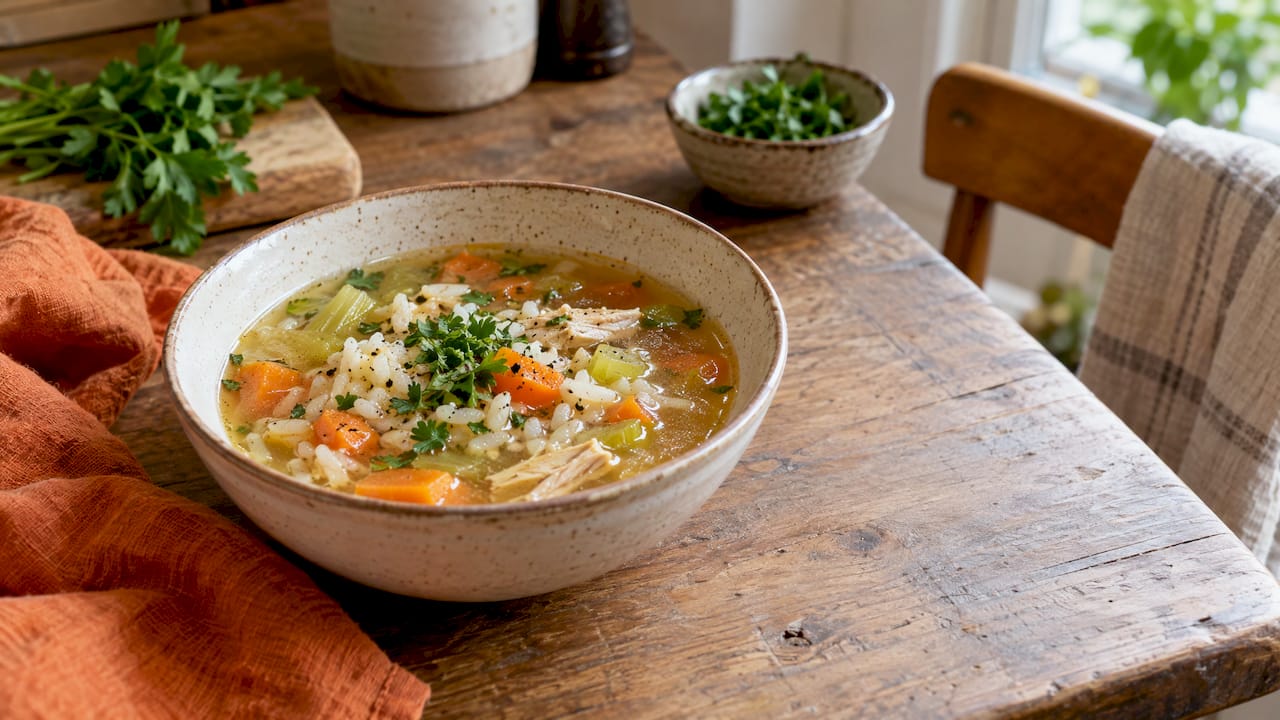
Broth with rice and soft vegetables. Simmer carrot, courgette and a handful of rice in broth until tender. Add a spoonful of sauerkraut on the side.
-
Lentil and leek soup on a broth base. Gentle on the stomach, rich in fibre and filling.
-
Oats for breakfast, broth at lunch. Porridge with berries early in the day, and a mug of broth with a bowl of beans or eggs later on.
-
Miso broth. Warm broth, a teaspoon of miso added off the heat, and some wilted greens.
-
Savoury mug in the evening. A mug of broth before bed when appetite is poor, with toast or oatcakes if you want a little more.
What to ease off for a few weeks
No food needs to be banned, but some things make recovery harder.
-
Alcohol. It can irritate the gut and mix poorly with some antibiotics. Some UK medicines guidance warns against alcohol with certain antibiotics specifically, so read your leaflet. A break of a couple of weeks after the course is a sensible starting point.
-
Refined sugar and ultra-processed foods. These offer little for the bacteria you want to encourage. Choosing foods with short ingredient lists is a simple rule, and it is the approach we follow.
-
Artificial sweeteners and sugar alcohols. Sweeteners such as xylitol and sorbitol can trigger bloating and loose stools in sensitive people.
-
Large amounts of lactose if dairy gives you symptoms while your gut is unsettled.
This is also a good moment to check the labels on shop-bought broths and soups. A broth with preservatives, flavour enhancers or additives adds nothing to what you are trying to do.
How much broth, and how to take it
There is no official dose of bone broth. Practical guidance is simple:
-
Amount: one mug of about 200 to 250ml a day is a comfortable amount for most adults.
-
Temperature: warm, not scalding. Sip it slowly.
-
Timing: mid-morning or evening works well. Taking it between meals keeps it from replacing food.
-
Start small if you are nauseous. A few sips every half hour is better than a full mug you cannot finish.
-
Keep it up for several weeks. A steady routine fits the pace of gut recovery better than occasional large servings.
Children, pregnant women and people with kidney conditions, histamine intolerance or other long-term health conditions should ask their GP or a registered dietitian before making broth a daily habit. For the daily routine, our guide on drinking a cup a day covers how much and how long people typically stay with it, and the section on risks and who should be cautious explains who should check first.
Chicken, beef or vegetable broth
All three can be used in recovery, and the best choice is the one you will actually drink.
-
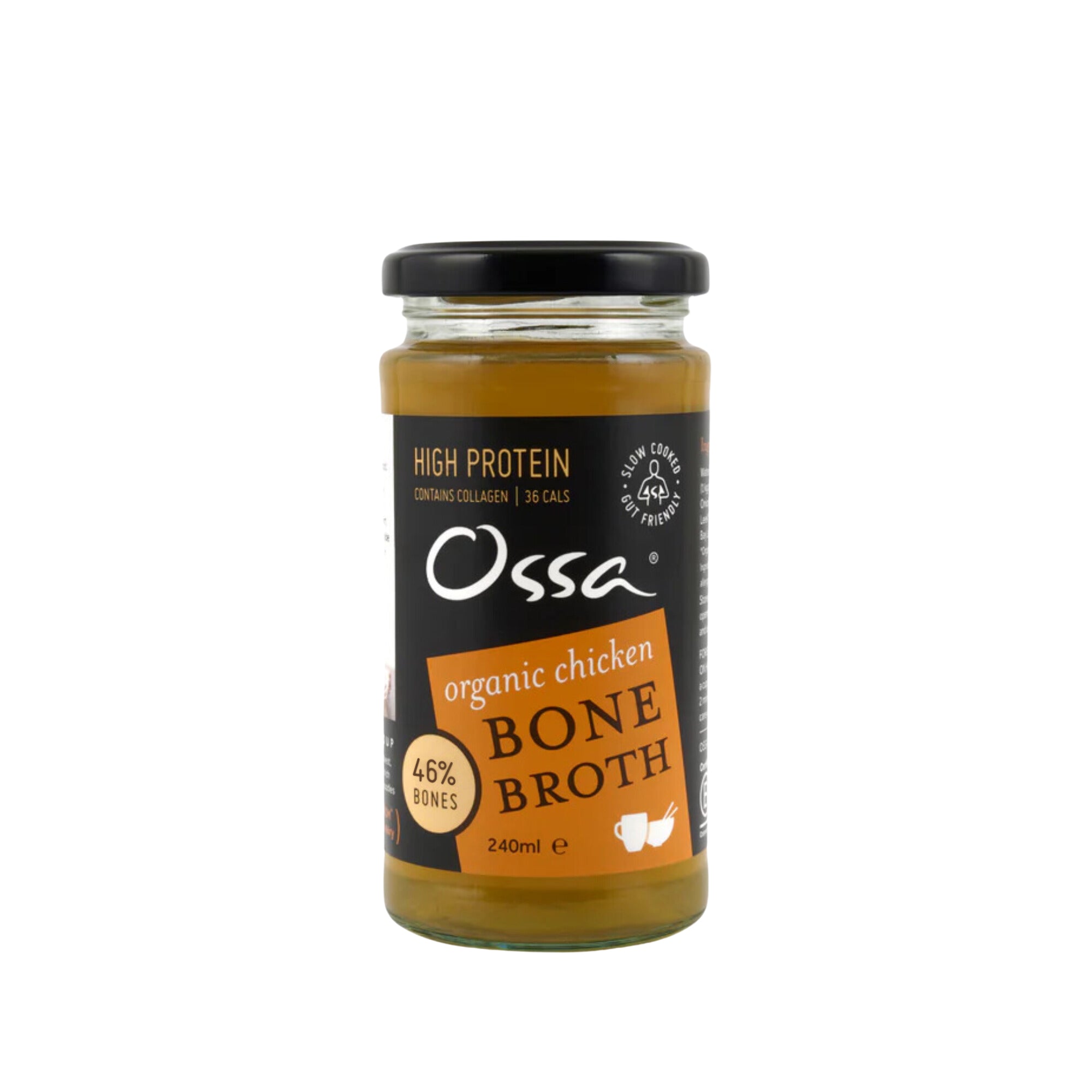
Chicken broth has a lighter flavour and is the usual first choice when your stomach is delicate.
-
Beef broth is richer and more savoury, and works well as a soup base once your appetite returns.
-
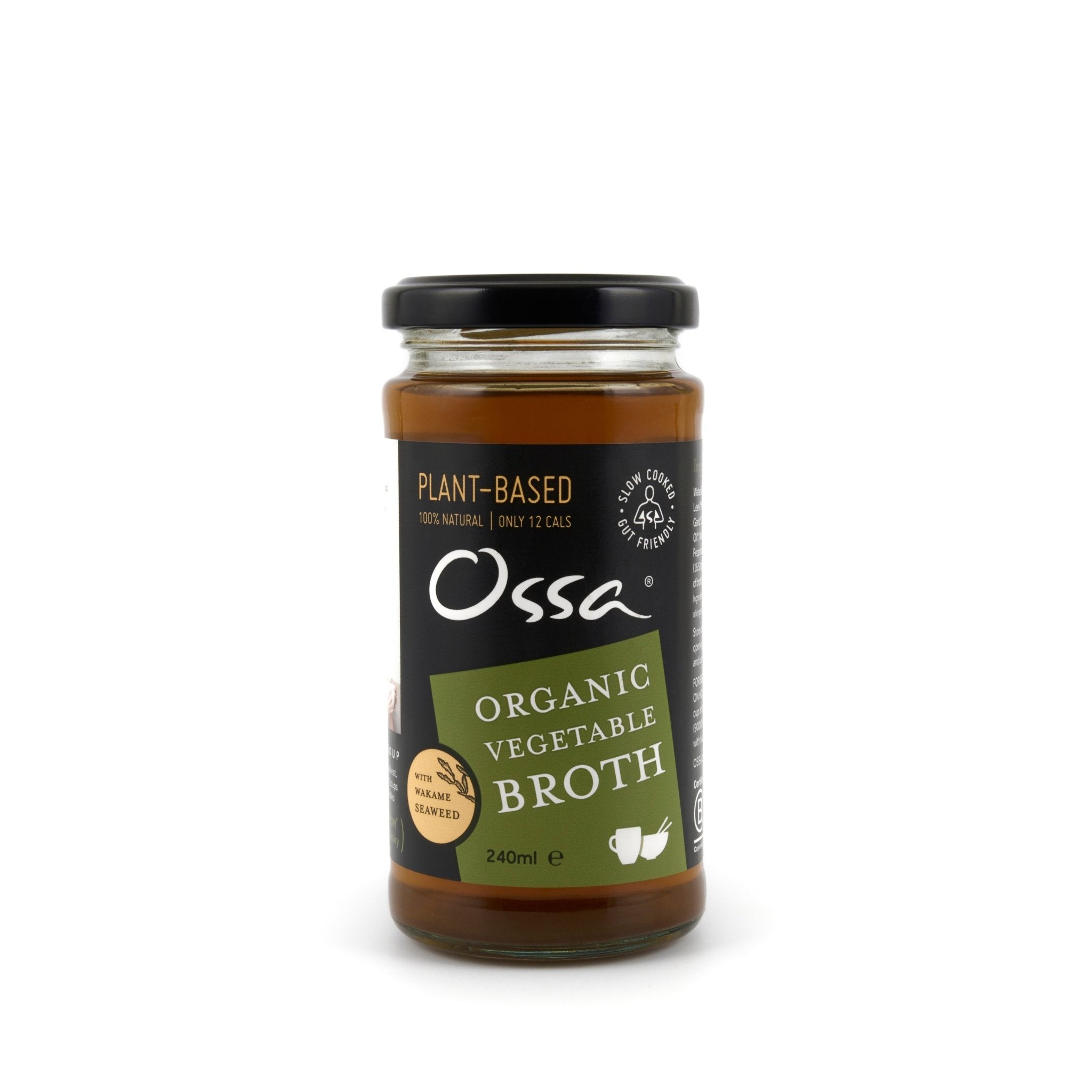
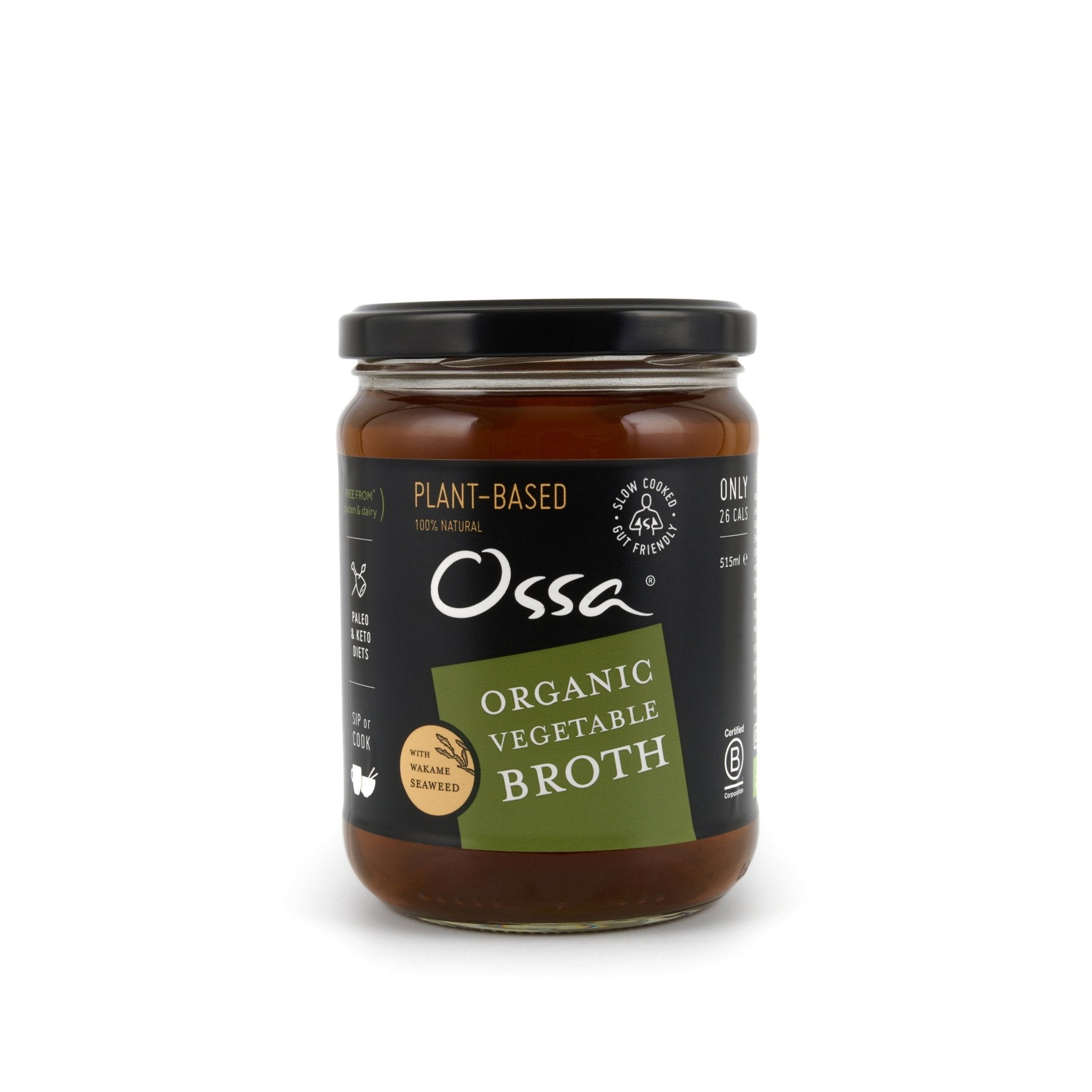
Vegetable broth suits people who avoid meat. It supplies fluid and salt but not the collagen-derived amino acids of a bone broth.
Our comparison of chicken vs beef bone broth goes through taste, nutrition and uses in more detail.
Homemade or ready-made
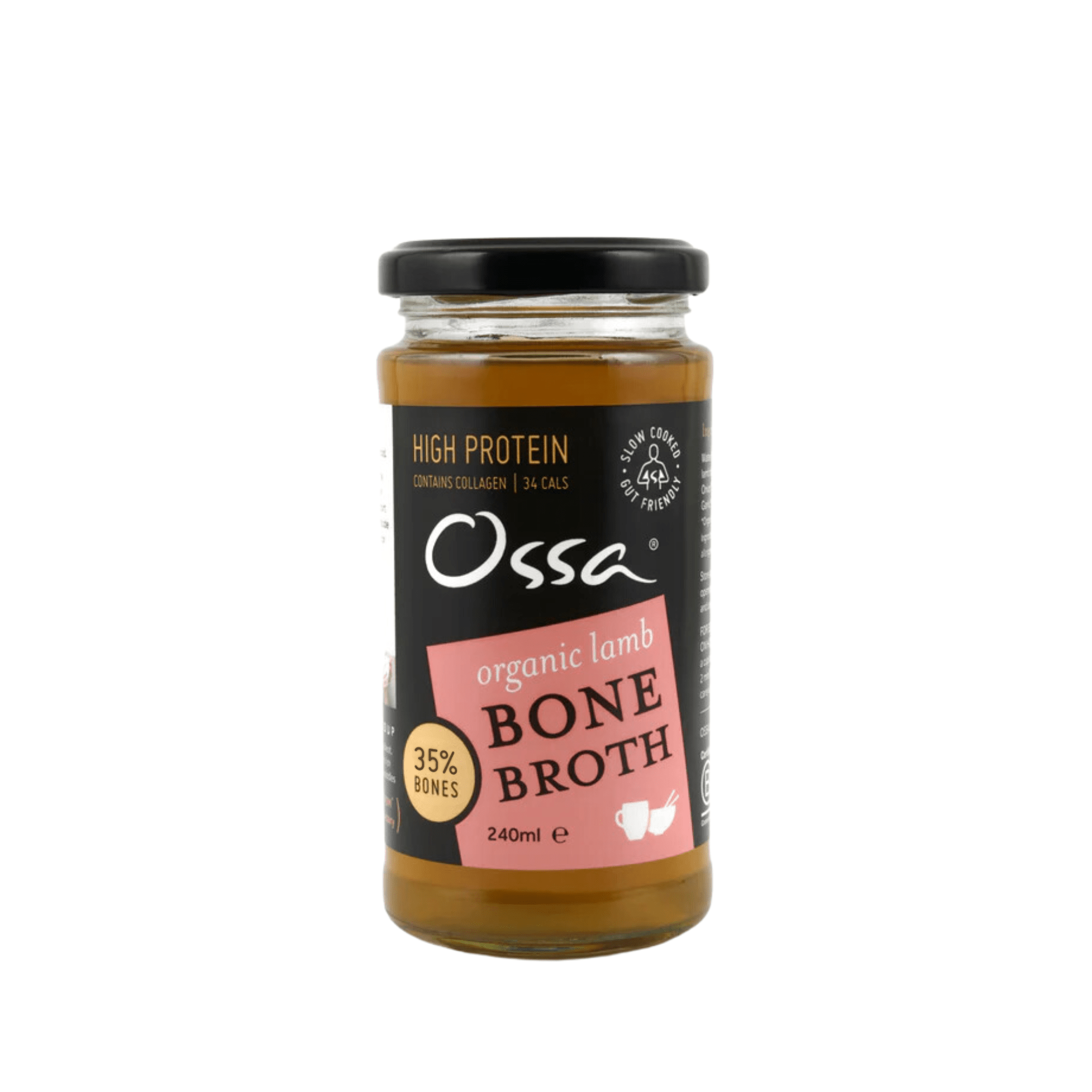
Making broth at home from a chicken carcass or beef bones with vegetables and herbs is a good kitchen habit, but it takes hours of simmering and a freezer full of portions. When you are recovering from an illness, that is exactly the time you have the least energy to cook. Ready-made broth made with organic ingredients and no preservatives gives you the same warm cup with none of the work. Our notes on what to check when comparing homemade and shop-bought broth cover ingredients, sourcing and labels.
Whichever route you choose, look for:
- Organic or well-sourced bones
- A short ingredient list
- No preservatives, flavour enhancers or artificial ingredients
- Slow cooking, which is the traditional method
Ossa Organic broths for the recovery weeks
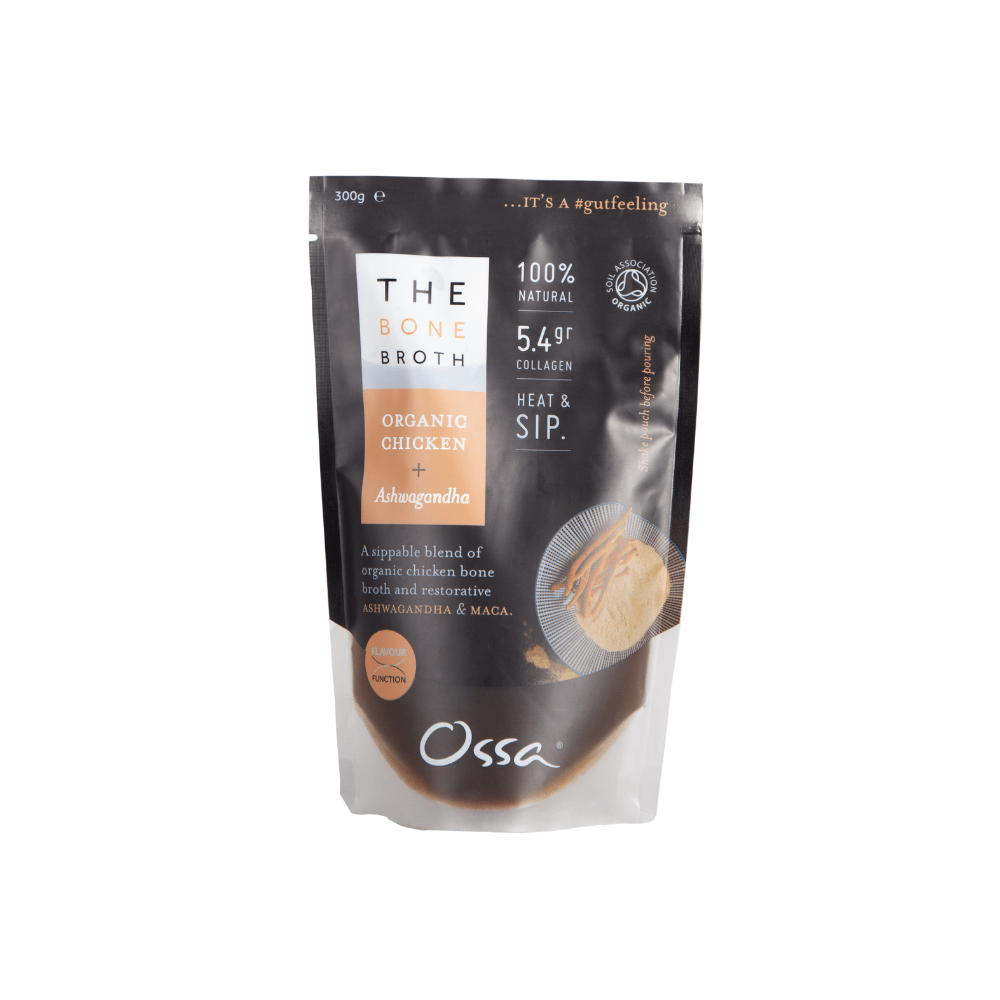
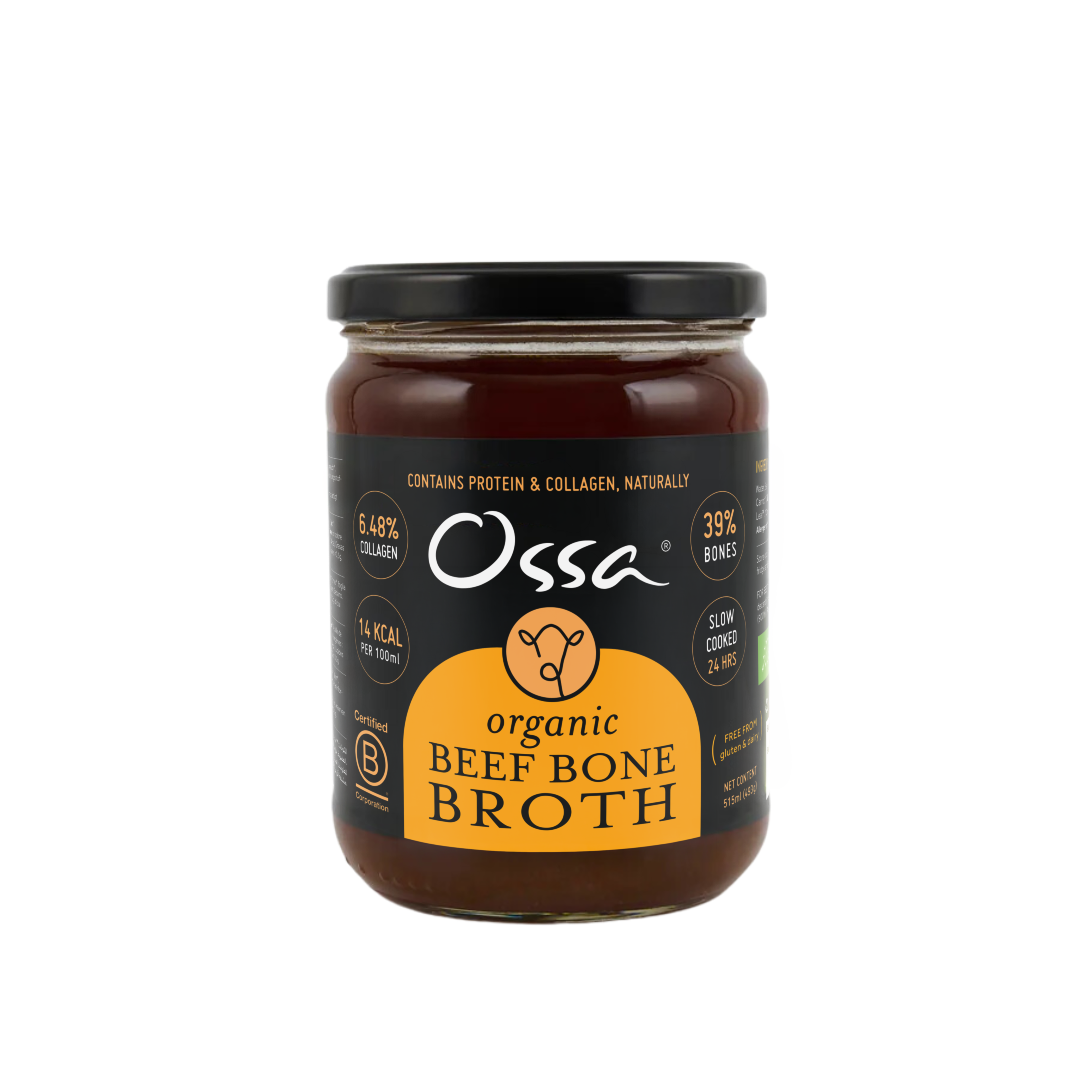
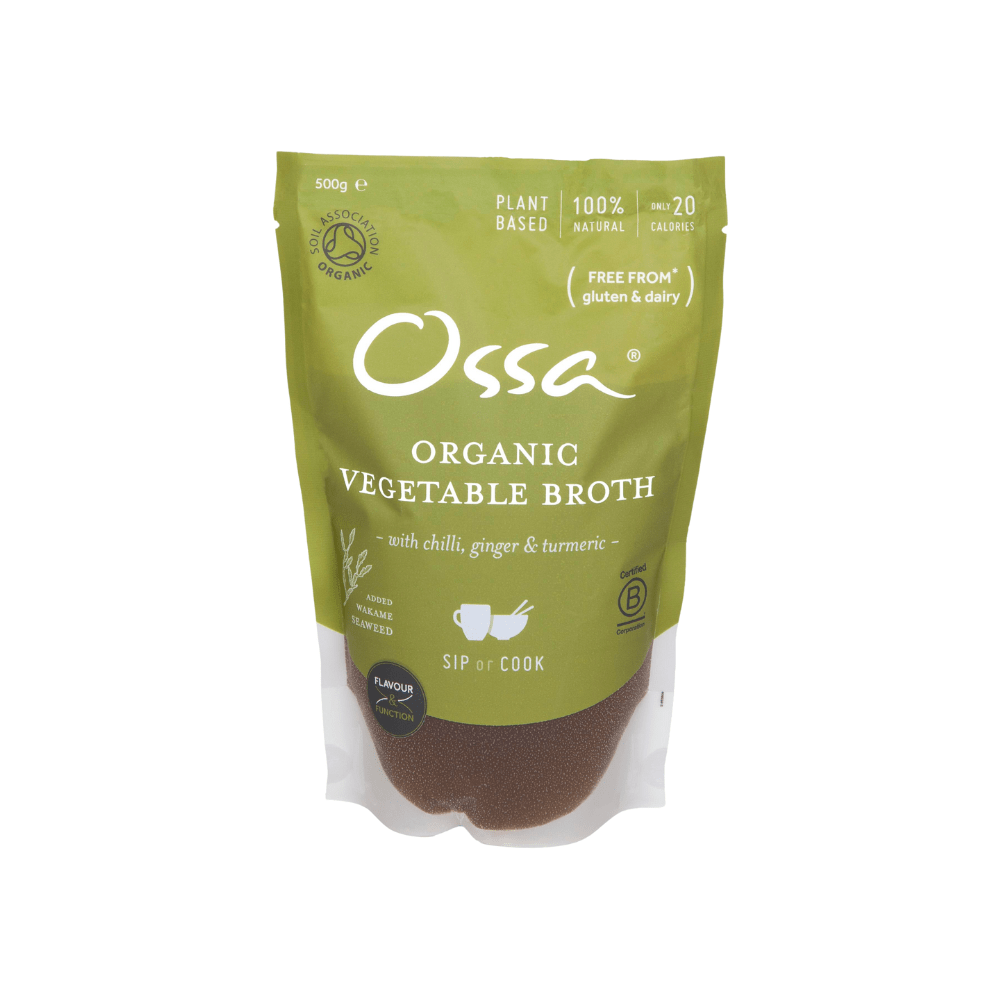
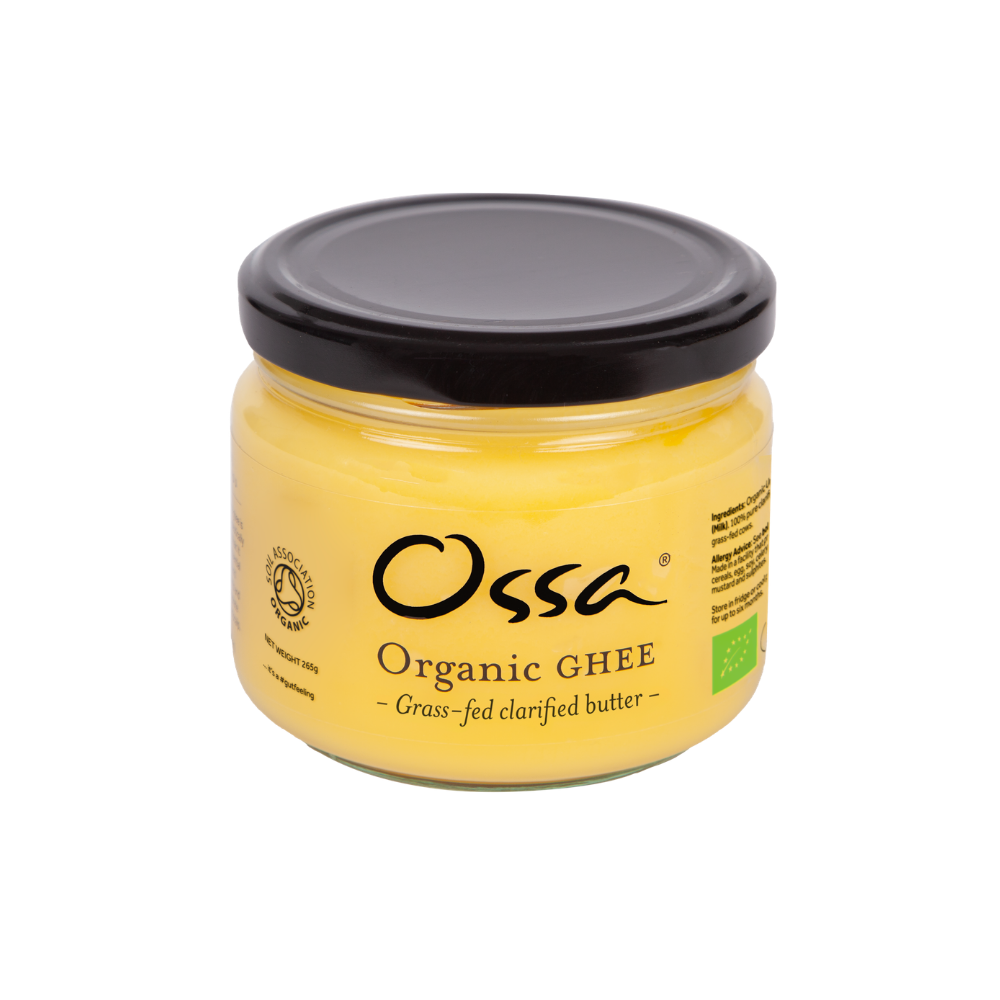
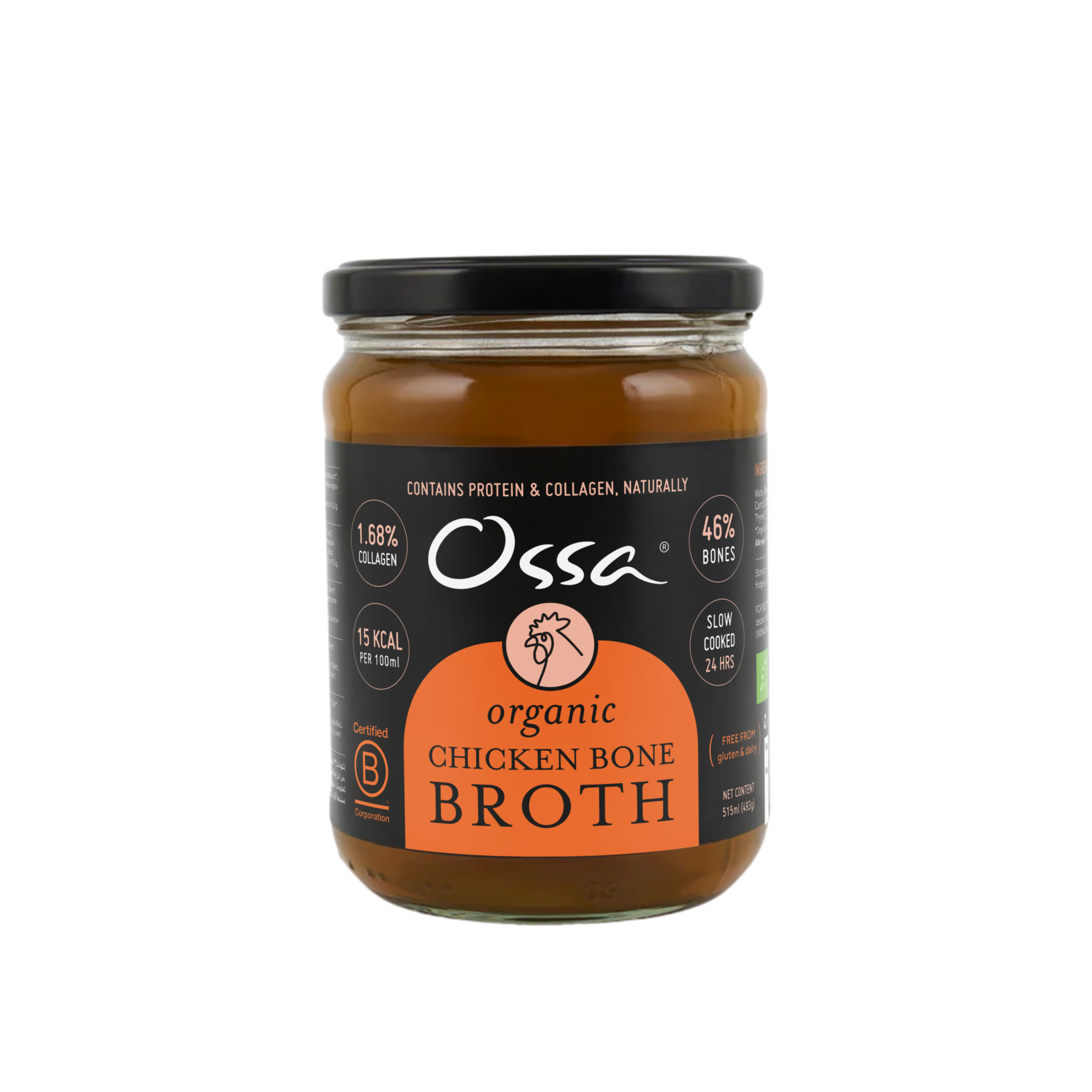
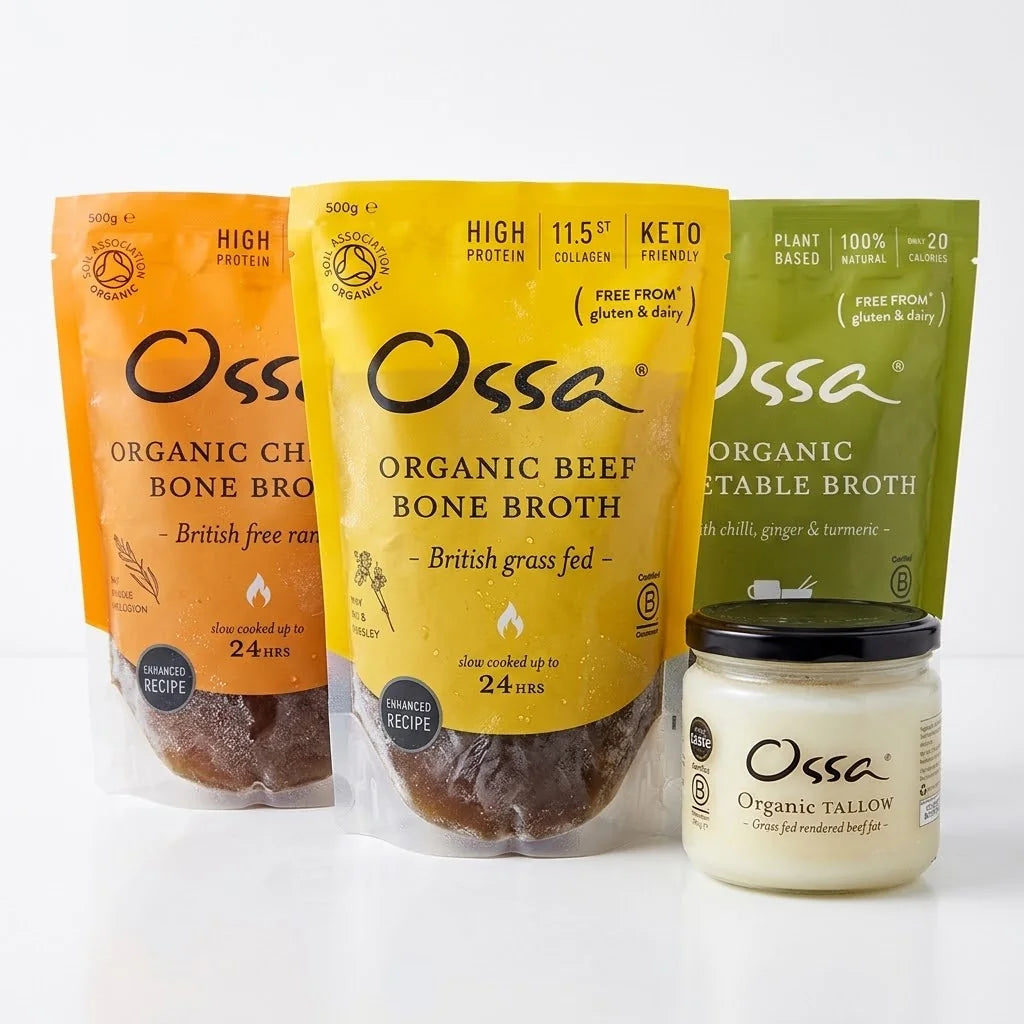
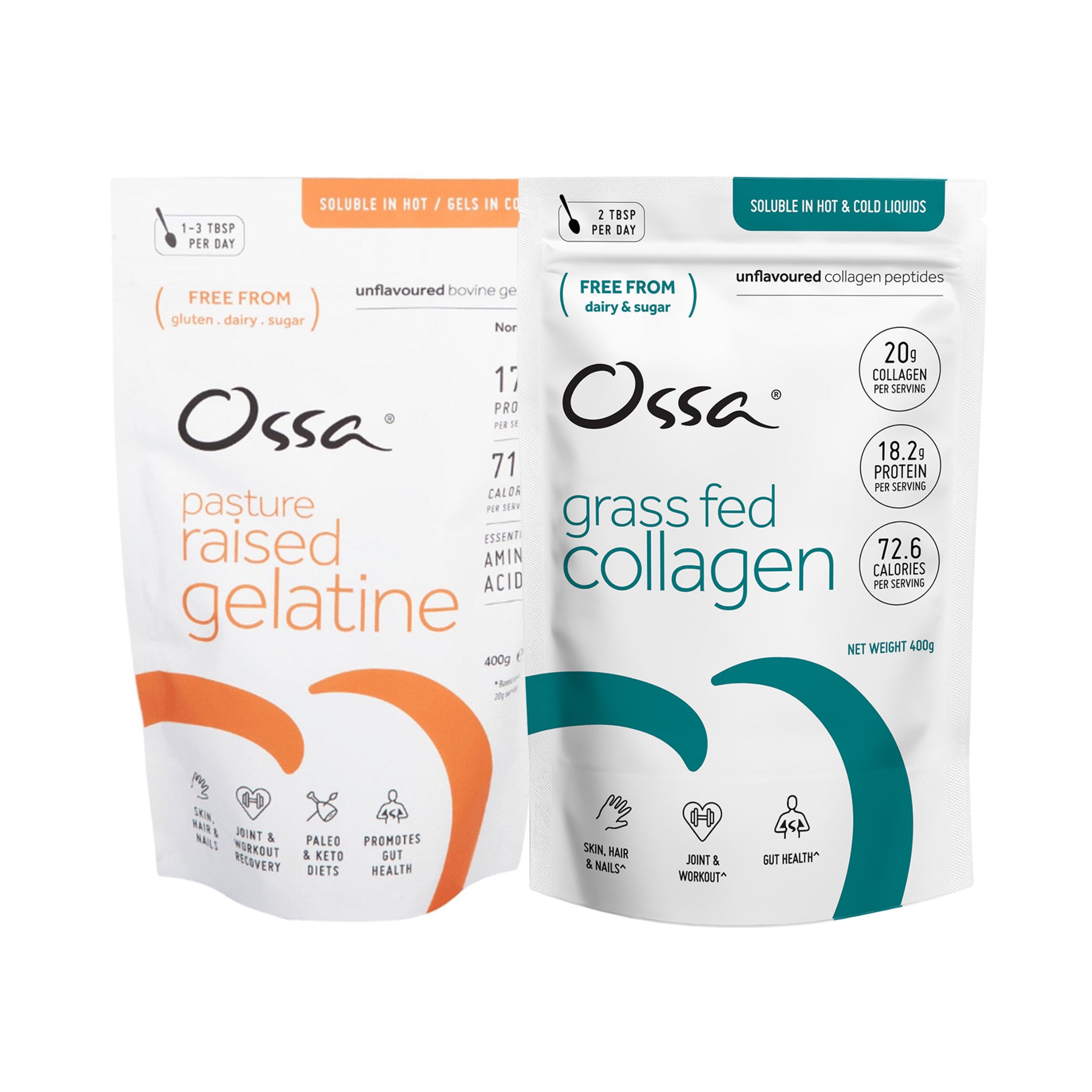
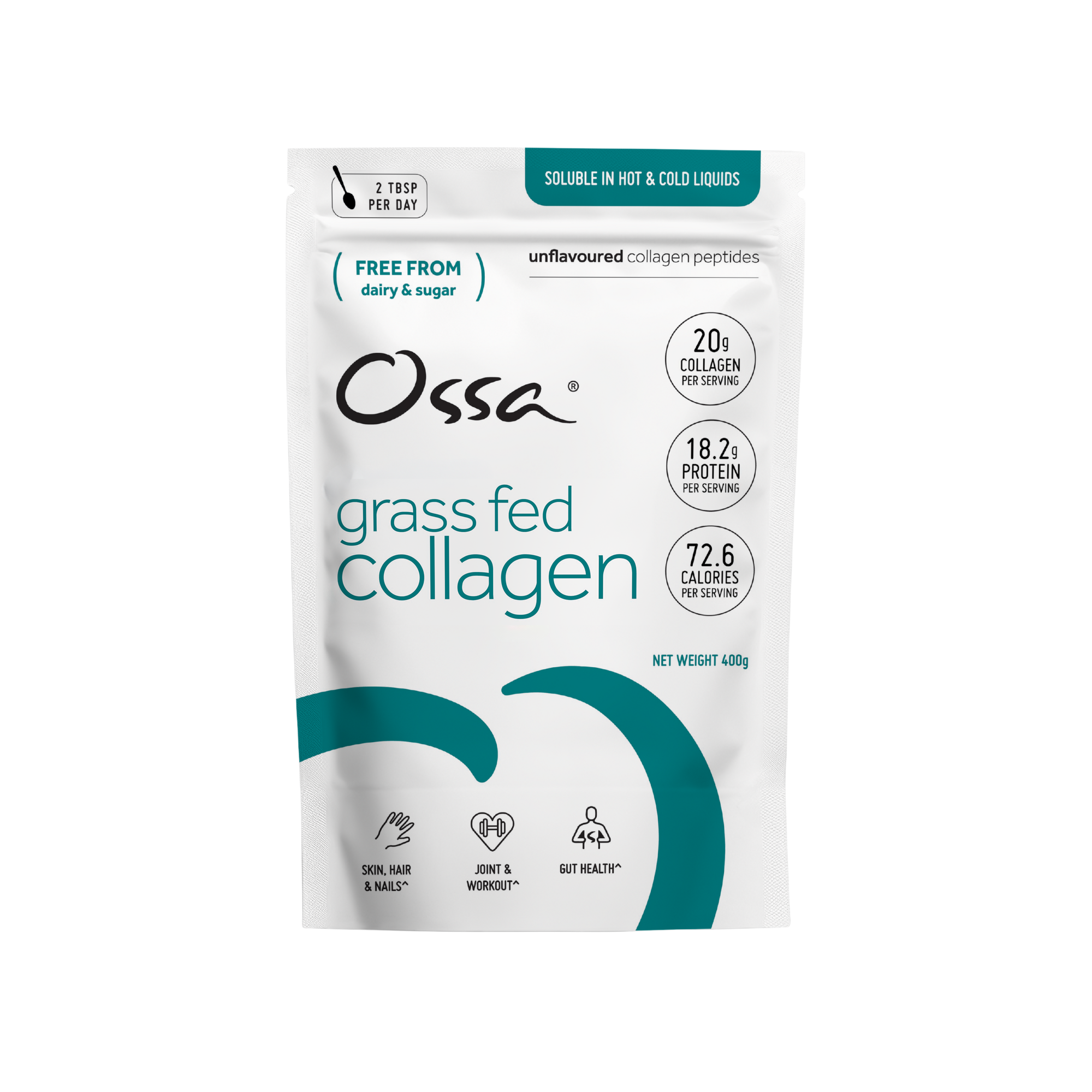
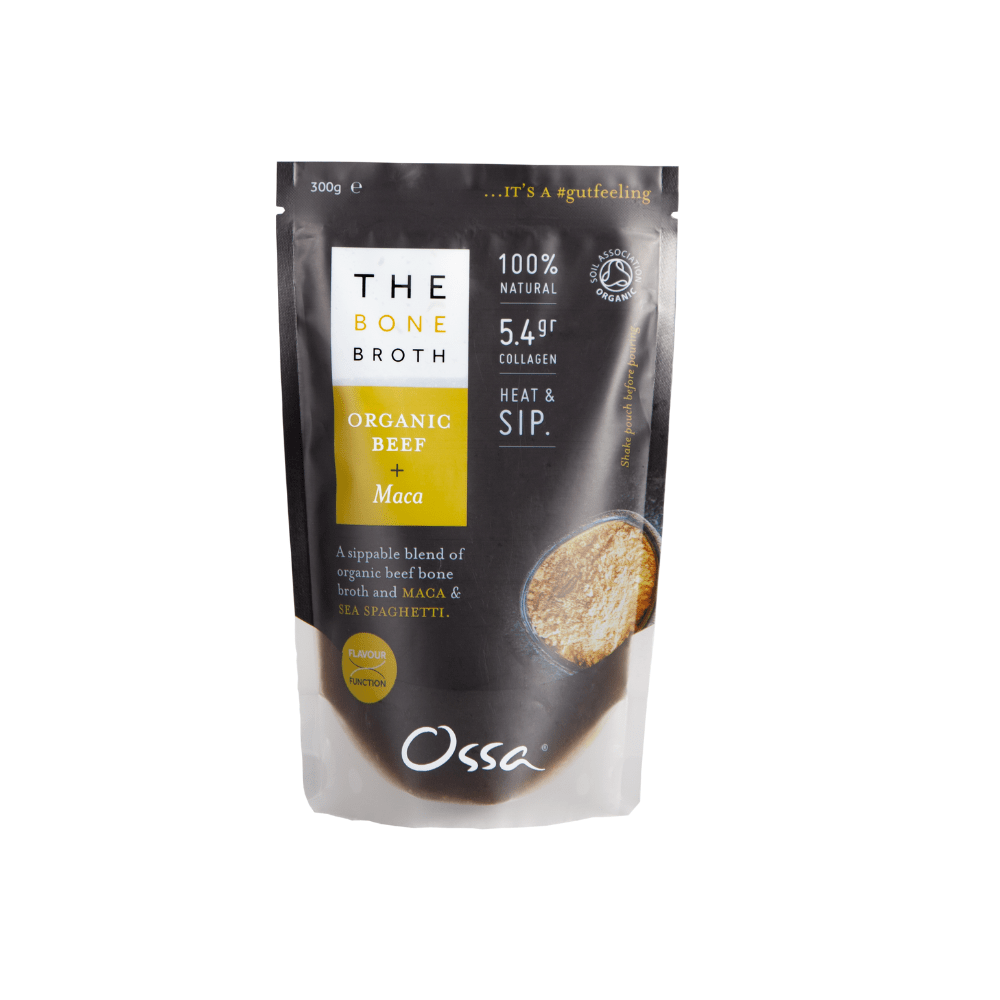
Our range includes organic bone broths in beef, chicken and vegetable, with specialty blends. They are made using traditional slow cooking methods from organic, ethically sourced, grass-fed ingredients, and are free from preservatives, hormones and additives. Alongside the broths we offer organic grass-fed ghee and tallow for cooking, collagen peptides and gut health bundles, so the broth, the cooking fats and the daily extras can come from one place. Browse the organic bone broths, collagen and grass-fed fats to find the one that suits your routine.
Our view on broth and gut recovery
We started Ossa Organic after discovering bone broth while pregnant with our first child, and it changed how our family eats. Since then we have cooked mostly paleo, avoided inflammatory foods and kept to ingredients we recognise.
Our view of recovery after antibiotics is simple. The gut returns to balance when you give it variety, fibre, fermented foods and food that is easy to take in. Broth sits at the gentle end of that picture. A warm cup is hydrating, comforting and made from the same slow-cooked, traditional ingredients our grandparents would have used when someone in the house was unwell.
We believe in tradition, not trend. That means organic, grass-fed bones, slow cooking and nothing added that does not belong in a pot of broth. It means a cup a day that fits into ordinary life, next to plenty of plants and fermented foods.
Our gut health bundles are built around this approach, so that you can keep the routine going for the weeks that matter, without having to cook for hours when you are not feeling your best.
Ossa Organic
When to see a doctor
Diet supports recovery. It does not replace medical care. Contact your GP, NHS 111 or a pharmacist if you notice any of the following:
- Watery diarrhoea that is frequent, severe or lasts more than a few days after finishing the course. A more serious type of diarrhoea caused by C. difficile can begin days, weeks or even months after antibiotics, and Public Health Wales advises seeking medical attention straight away if the signs appear.
- Blood or mucus in your stools
- Fever, severe abdominal pain or swelling
- Signs of dehydration, such as very dark urine, dizziness or not passing urine
- A rash, swelling of the face or breathing difficulty, which can be an allergic reaction and needs urgent help
- Symptoms of the original infection returning
If you cannot keep any fluid down, do not wait. Call 111, or 999 in an emergency.
FAQ
Is bone broth good after antibiotics?
Bone broth is a gentle, hydrating food that is easy to take when your appetite is low. It supplies amino acids such as glutamine and glycine, plus salt and fluid. It works best as part of a varied diet with plenty of plants, fibre and fermented foods. One mug a day is a practical amount.
How long should I drink bone broth after antibiotics?
There is no fixed rule. Many people drink a mug most days for the first few weeks after finishing the course, which is the period when the gut is rebuilding variety. Some continue for up to three months as part of their regular diet. Stop or reduce if it does not suit you, and speak to your GP if you have a long-term condition.
What should I eat after finishing antibiotics?
Aim for a wide variety of plant foods: fruit, vegetables, whole grains, beans, lentils, nuts and seeds. Add fermented foods such as live yoghurt, kefir, sauerkraut or miso, and keep sugar and refined foods low. Drink plenty of fluid and add broth for an easy, nourishing meal or snack.
What food cannot be eaten with antibiotics?
It depends on the antibiotic. Fluoroquinolones, for example, are affected by dairy and by foods and drinks with added calcium, iron, zinc or magnesium, so they need spacing from your dose. Grapefruit and alcohol are also worth avoiding with some medicines. Always follow the leaflet and ask your pharmacist if you are unsure.
Recommended