

Cart
0
TL;DR:
- Plain bone broth contains negligible carbohydrates and supports ketosis through its protein, collagen, and electrolyte content. It helps replenish minerals, improve gut health, and control appetite, making it a valuable addition to a keto diet. Choosing high-quality, additive-free broth ensures maximum health benefits without risking hidden carbs.
Plain bone broth is keto-friendly. A standard cup contains a negligible amount of carbohydrates, making it compatible with virtually every ketogenic daily carb limit. It also supplies protein, collagen, and electrolytes — nutrients that address several common keto concerns directly.
Quick summary:
-
Typical carbs per cup are negligible for keto
-
Protein per cup typically ranges from 6–10 g depending on recipe and bones used
-
Sodium content per cup is generally 200–400 mg, supporting electrolyte balance on keto
-
Watch for hidden carbs in commercial products: added sugars, vegetable concentrates, maltodextrin, and starchy flavourings can push carbs higher
-
Shopping tip: read the ingredients list, not just the nutrition panel — “no added sugar” does not rule out the presence of vegetable concentrates
Quick action: Sip 150–250 ml plain as a morning drink or between meals. Add a teaspoon of ghee or MCT oil if you need to raise your fat intake. Check the label for any ingredient ending in “-ose” or “-dextrin” before buying a commercial product.
Table of Contents
-
What is bone broth and why does it matter on a ketogenic diet?
-
How to choose a keto-friendly store-bought bone broth in the UK
-
What the evidence says and how Ossa Organic approaches quality
-
Why bone broth deserves a permanent place in your keto routine
-
Ossa Organic bone broths for keto: trusted, organic, and UK-ready
What is bone broth and why does it matter on a ketogenic diet?
Bone broth is made by simmering animal bones and connective tissue in water for an extended period, typically 12–72 hours. That long cook time is what separates it from a quick stock: the extended heat draws collagen, gelatin, minerals, and amino acids out of the bones in a way that a 2-hour simmer simply cannot replicate.
The nutrients released during that process are particularly relevant for people following a ketogenic diet. Collagen and its cooked form, gelatin, supply amino acids including glycine, glutamine, proline, and arginine. Glycine supports gut lining integrity and has been linked to improved sleep quality. Glutamine is a primary fuel source for intestinal cells and may help maintain the mucosal barrier that a low-carb dietary shift can temporarily stress.
Beyond amino acids, bone broth contributes electrolytes: sodium, potassium, and trace amounts of magnesium and phosphorus. These are the minerals most depleted during the early weeks of keto, when reduced insulin levels cause the kidneys to excrete more sodium and water. A mug of broth can meaningfully contribute to daily electrolyte needs without adding carbohydrates.
The gelatin content also has a practical effect on satiety. Gelatin slows gastric emptying, which means a cup of broth before a meal or during a fasting window can reduce appetite without breaking ketosis. For people managing hunger on a calorie-restricted keto plan, that is a useful property.
Nutrition facts and the practical effect on ketosis
The macros in bone broth are straightforward. A typical serving of plain homemade or minimally processed commercial broth contains low calories, variable protein and fat, negligible carbohydrates, and moderate sodium levels.
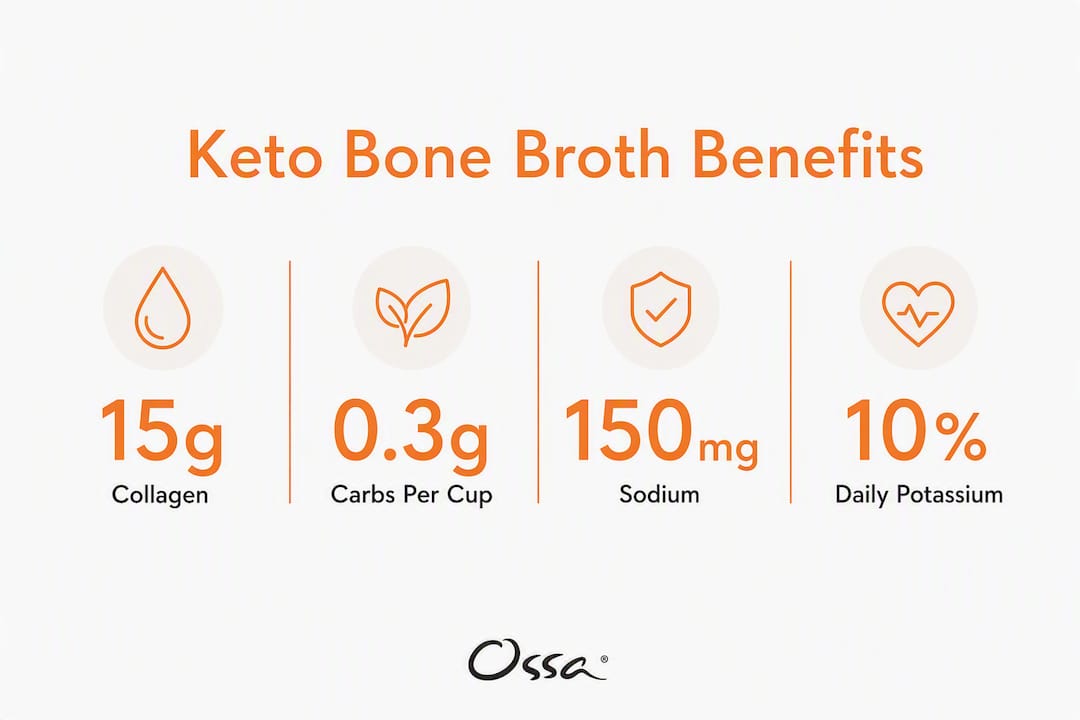
These figures reflect slow-cooker and stovetop recipes using bones, water, apple cider vinegar, and minimal vegetables. Adding root vegetables, onion skins, or commercial flavouring bases will raise the carbohydrate count.
At negligible levels of net carbs per cup, plain broth has no meaningful effect on ketosis for most people. A standard strict keto plan targets a daily amount of net carbs where the contribution from a mug of broth is very small. The risk to ketosis comes not from the broth itself but from what is added to it or hidden in a commercial product.
Pro Tip: If your keto plan requires a higher fat-to-protein ratio, stir a teaspoon of ghee or MCT oil into hot broth before drinking. Both are carb-free and raise the fat content without altering the electrolyte profile.

Serving size matters when using broth in recipes. Small additions to a keto soup or sauce contribute negligible carbs. Drinking 500 ml at once is still low-carb, but if the commercial product contains even 1 g of carbs per 100 ml, a large serving adds up. Measure against your daily budget rather than assuming unlimited quantities are safe.
How bone broth supports people on keto
Electrolyte replacement and keto flu
The “keto flu” — the fatigue, headaches, and muscle cramps that often appear in the first one to two weeks of a ketogenic diet — is largely a sodium and potassium deficit. When carbohydrate intake drops, insulin levels fall, and the kidneys shift to excreting more sodium. Potassium follows. Bone broth, with typical sodium levels per cup, is a practical way to replace those losses without consuming carbohydrates or relying on supplements.
Gut and mucosal support
Glutamine, found in meaningful quantities in well-made bone broth, is the primary energy source for enterocytes — the cells lining the small intestine. Collagen and gelatin support the structural integrity of the gut wall. For people transitioning to keto, who may experience temporary digestive disruption as the gut microbiome adjusts, these nutrients offer direct support to the tissues under stress.
Satiety and appetite control
Gelatin slows gastric emptying. Protein from the broth activates satiety hormones. Together, these effects make a cup of broth a useful tool during fasting windows or between meals when hunger would otherwise prompt unnecessary snacking. Amino acids including glycine and arginine have also been associated with appetite regulation in research on collagen-rich diets.
Recovery and joint support
Collagen from bone broth contains proline and glycine, amino acids associated with cartilage repair and joint cushioning. Chicken broth tends to be richer in cartilage-derived collagen types linked to joint support, while beef broth supplies collagen types more associated with skin and connective tissue. Rotating between the two gives a broader amino acid profile. For people combining keto with exercise, the collagen for bone health connection is worth understanding in context of post-workout recovery.
How to make keto-friendly bone broth at home
Homemade broth gives you full control over ingredients, which is the simplest way to guarantee zero hidden carbs. Two recipes follow: one beef, one chicken.
Beef bone broth (slow cooker or stovetop)
Ingredients:
-
1–1.5 kg beef knuckles, oxtail, or marrow bones (ask your butcher)
-
2 tablespoons apple cider vinegar
-
1 celery stick, 1 small carrot (optional — adds minimal carbs)
-
2–3 litres cold water
-
Salt to taste
Method:
-
Roast bones at a high temperature for a period until browned. This step develops deeper umami flavour through the Maillard reaction and makes the broth far more palatable for daily sipping.
-
Transfer to a large pot or slow cooker. Add apple cider vinegar and cover with cold water.
-
Bring to a gentle simmer. Skim foam from the surface in the first 30 minutes.
-
Add optional vegetables. Simmer on low for an extended period (stovetop or slow cooker) or use an Instant Pot for a shorter duration with pressure cycles.
-
Strain through a fine-mesh sieve. Cool, then refrigerate overnight.
-
Skim the solidified fat layer if preferred, or stir it back in for extra calories.
A well-made batch should gel when cold — that gel is a reliable indicator of good gelatin extraction.
Chicken bone broth
Ingredients:
-
1–1.5 kg chicken carcasses, necks, feet, or wing tips
-
2 tablespoons apple cider vinegar
-
1 bay leaf, a few peppercorns
-
2–3 litres cold water
Method:
-
Roast chicken pieces at 200°C for 20 minutes if starting from raw bones.
-
Place in pot with vinegar and cold water. Bring to a bare simmer.
-
Simmer for 12–24 hours on the stovetop or slow cooker, or use an Instant Pot for two 3-hour pressure cycles.
-
Strain, cool, and refrigerate.
Chicken feet and necks are the highest-gelatin parts available in the UK and are often sold cheaply at halal butchers or online. Prioritising these over a plain carcass produces a noticeably thicker, more nutrient-dense result.
Timelines, cost, and storage
| Method | Time | Approximate cost per batch (UK) | Gel strength |
|---|---|---|---|
| Stovetop (beef) | 12–72 hours | £3–£6 | High |
| Slow cooker (chicken) | 12–24 hours | £2–£4 | High |
| Instant Pot | 6 hours total | £2–£6 | Moderate |
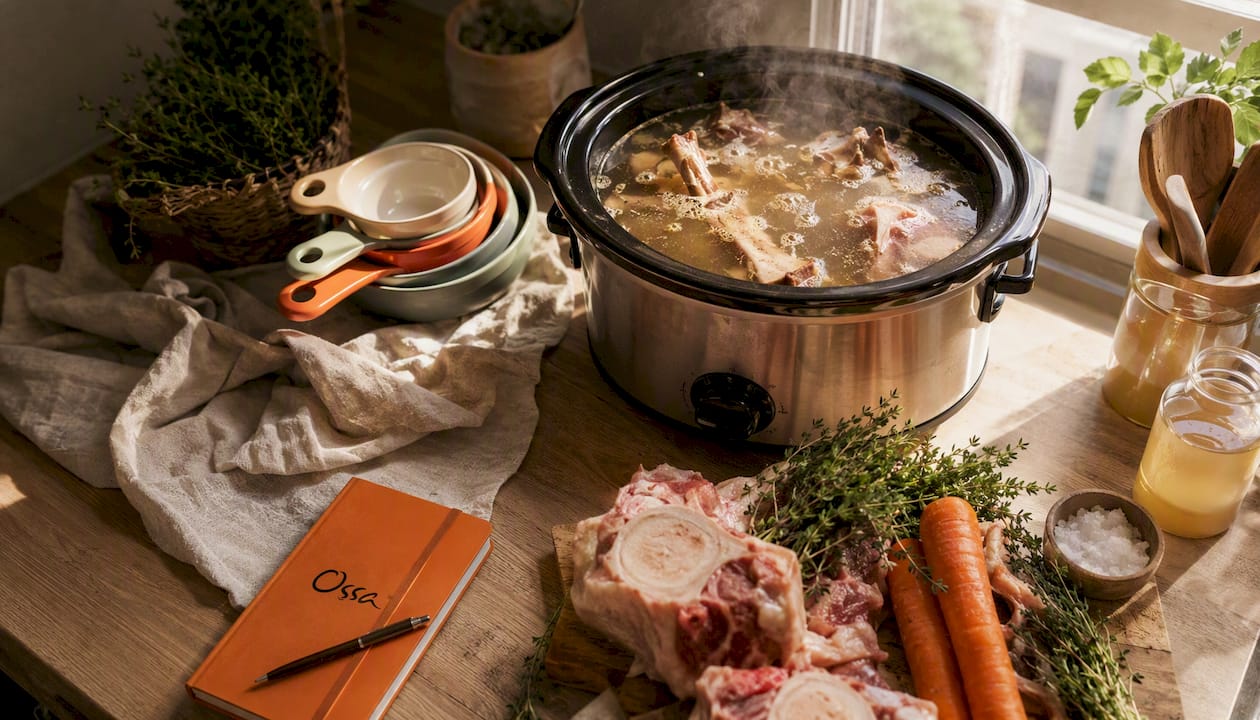
A batch yields multiple cups and has a low cost per serving. It can be refrigerated for several days or frozen in portions for months. Freeze in silicone moulds or ice cube trays for easy recipe use. Reheat gently — do not boil repeatedly, as this degrades gelatin structure over time.
For a wider range of bone broth recipes that work within a keto meal plan, Ossa Organic’s recipe collection covers both basic and more involved preparations.
How to choose a keto-friendly store-bought bone broth in the UK
Commercial bone broth varies considerably in quality and keto suitability. The nutrition panel alone may not fully reflect carbohydrate content due to additives.
Label checklist
| What to check | Keto-safe | Avoid |
|---|---|---|
| Carbohydrates per 100 ml | 0–1 g | Above 1 g |
| Ingredients | Bones, water, salt, herbs | Added sugar, maltodextrin, starch |
| Sweeteners | None | Any “-ose” suffix, agave, honey |
| Thickeners | None | Modified starch, cornflour |
| Flavourings | Named herbs/spices | “Natural flavouring” (unspecified) |
| Preservatives | None (organic products) | Sodium benzoate, sulphites |
UK-specific shopping notes
Most UK supermarkets stock ambient (shelf-stable) and chilled bone broth. Ambient products are convenient for storecupboard use and travel; chilled products have a limited shelf life once opened. Organic certification in the UK (look for the Soil Association logo) indicates the bones came from animals raised without routine antibiotics or synthetic growth promoters — relevant for anyone prioritising clean ingredients on keto.
“No added sugar” on a UK label is a regulated claim and means no sugars have been added during production. It does not mean the product is free from naturally occurring sugars in vegetable ingredients. “Gluten-free” is separately regulated and reliable. “High protein” claims require the product to meet a minimum threshold under UK food labelling law.
Sodium levels in commercial broths vary. Some higher-sodium products can be useful on keto for electrolyte support. If you have hypertension or are on medication that affects potassium or sodium balance, choose a lower-sodium option or dilute with water.
Practical ways to include bone broth across keto meals
Bone broth fits into a keto routine in more ways than a morning mug. The following approaches cover different keto styles and meal timings.
Daily sipping:
-
150–250 ml warm, plain, first thing in the morning or mid-afternoon as an electrolyte drink
-
Add a teaspoon of ghee or grass-fed butter for strict keto fat targets
-
Stir in collagen peptides for an extra protein boost without carbs
Meal base:
-
Use as the liquid base for keto soups, replacing water or stock cubes (which often contain maltodextrin)
-
Deglaze a pan after cooking meat for a quick pan sauce
-
Use in slow-cooked dishes such as braised short ribs or pulled chicken
Fasting support:
- Many people following intermittent fasting alongside keto use plain broth during fasting windows. Plain broth with minimal protein and no added fat is unlikely to trigger a significant insulin response, though strict fasting protocols vary — check the approach you follow.
Keto style variations:
-
Strict keto: Add MCT oil or ghee to hit fat macros; track sodium if using high-sodium commercial products.
-
Lazy keto: Drink plain without tracking; use as a meal extender to reduce appetite.
-
Carnivore-adjacent: Use beef or chicken broth as the primary liquid; skip vegetable additions entirely.
For 50 practical ways to use bone broth across different meal types and keto approaches, Ossa Organic’s resource covers everything from simple sipping to full recipe integration.
Who should take care when using bone broth
Bone broth is safe for most people, but a few groups need to pay attention to specific factors.
Sodium: Commercial broths can contain 300–400 mg of sodium per cup. For people managing hypertension or on diuretics, this level of sodium across multiple daily servings adds up. Choose lower-sodium products or dilute with water, and discuss intake with your GP if you are on antihypertensive medication.
Histamine intolerance: Long-simmered broths are high in histamine, a compound that forms as proteins break down over extended cooking times. People with histamine intolerance may experience headaches, skin flushing, or digestive discomfort after drinking broth. Shorter cooking times (2–4 hours) produce lower-histamine results, though gelatin extraction is reduced. Freeze broth immediately after cooking rather than refrigerating for several days, as histamine continues to form in stored liquid.
Allergies: Commercial products processed in facilities handling shellfish, celery, or other common allergens may carry cross-contamination risk. UK labelling law requires the 14 major allergens to be declared on packaging — check the allergen statement, not just the ingredients list.
Medication interactions and medical conditions: People with kidney disease should monitor potassium and phosphorus intake, both of which bone broth contributes. Those on ACE inhibitors or potassium-sparing diuretics should discuss regular broth consumption with their GP before making it a daily habit. Bone broth is a food, not a supplement, but at therapeutic quantities it can interact with conditions where mineral balance is clinically managed.
Dietary considerations around bone density and mineral intake are covered in more detail in this guide to foods to avoid with osteoporosis, which provides useful context for anyone managing bone health alongside a ketogenic diet.
This article provides general nutritional information, not medical advice. Confirm any dietary changes with a qualified healthcare professional, particularly if you have an existing medical condition or take regular medication.
What the evidence says and how Ossa Organic approaches quality
The research on bone broth’s specific benefits is still developing, but the underlying mechanisms are well-supported. Glycine, glutamine, and proline are established amino acids with documented roles in gut barrier function, anti-inflammatory pathways, and connective tissue repair. The electrolyte content of broth is straightforward nutritional chemistry. The satiety effect of gelatin on gastric emptying is supported by studies on protein and gel-forming compounds in food.
Where the evidence is less definitive is in dose-response: how much broth, how often, and for how long produces a measurable clinical outcome. Most practitioners working with ketogenic diets use bone broth as a practical dietary tool rather than a therapeutic intervention — the macros fit, the electrolytes help, and the palatability makes daily use realistic.
Ossa Organic’s ambient products use a process that preserves nutritional integrity without refrigeration, making them practical for everyday use. The organic certification covers both the sourcing of bones and the production process. For readers interested in the brand’s sustainability credentials, the B Corp certification page sets out the standards the business meets.
Rotating between beef and chicken broth is worth doing deliberately. Chicken broth, particularly when made with feet and necks, is richer in cartilage-derived collagen types associated with joint support. Beef broth, made with knuckles and oxtail, supplies collagen types more linked to skin and connective tissue. Using both across the week broadens the amino acid profile without any additional effort.
Key takeaways
Plain bone broth is keto-friendly at under 1 g of net carbs per 240 ml cup, making it a practical daily tool for electrolyte support, satiety, and gut health on a ketogenic diet.
| Point | Details |
|---|---|
| Carbs per cup | Under 1 g net carbs per 240 ml serving — negligible for any keto plan. |
| Label-check rule | Scan for added sugars, maltodextrin, vegetable concentrates, and unspecified flavourings before buying. |
| Best uses on keto | Morning electrolyte drink, fasting window support, soup base, and pan sauce — add ghee or MCT oil for fat. |
| Homemade recipe | Use knuckles, feet, or necks; add apple cider vinegar; simmer 12–72 hours for maximum gelatin. |
| Ossa Organic | Organic, preservative-free beef and chicken broths with no hidden additives — a reliable keto-compatible choice available in the UK. |
Why bone broth deserves a permanent place in your keto routine
The conventional advice on keto focuses heavily on fat sources and carb counting. Bone broth rarely gets the attention it deserves, partly because it does not fit neatly into a macronutrient category. It is not a fat source, not a significant protein source, and certainly not a carbohydrate. What it is, consistently, is an electrolyte delivery system that also happens to support gut integrity and reduce appetite — three things that matter enormously in the first weeks of keto and remain relevant long after adaptation.
The bigger oversight is quality. Many people buy a commercial broth, check the carb count, and assume it is fine. The carb count on the nutrition panel reflects the tested product, but the ingredients list tells you whether those carbs came from bones and water or from a vegetable concentrate base that varies batch to batch. A product with 0.5 g of carbs from a concentrate is not the same as one with 0.5 g from pure bone extraction — the former introduces variables the latter does not.
Homemade broth solves this completely, but it requires planning. For people who want the reliability of a commercial product without the label anxiety, the answer is to choose products made from organic bones with no additives — not because “organic” is a marketing term, but because the certification process makes hidden ingredient substitution significantly harder.
The other underrated point: rotating beef and chicken broth is not just variety for its own sake. The collagen types differ between species, and the amino acid profiles complement each other. A week that includes both covers more of the connective tissue and gut support spectrum than either alone.
Ossa Organic bone broths for keto: trusted, organic, and UK-ready
For keto dieters in the UK who want a clean, label-transparent bone broth without making it from scratch every week, Ossa Organic offers three ambient products that fit directly into a ketogenic plan.
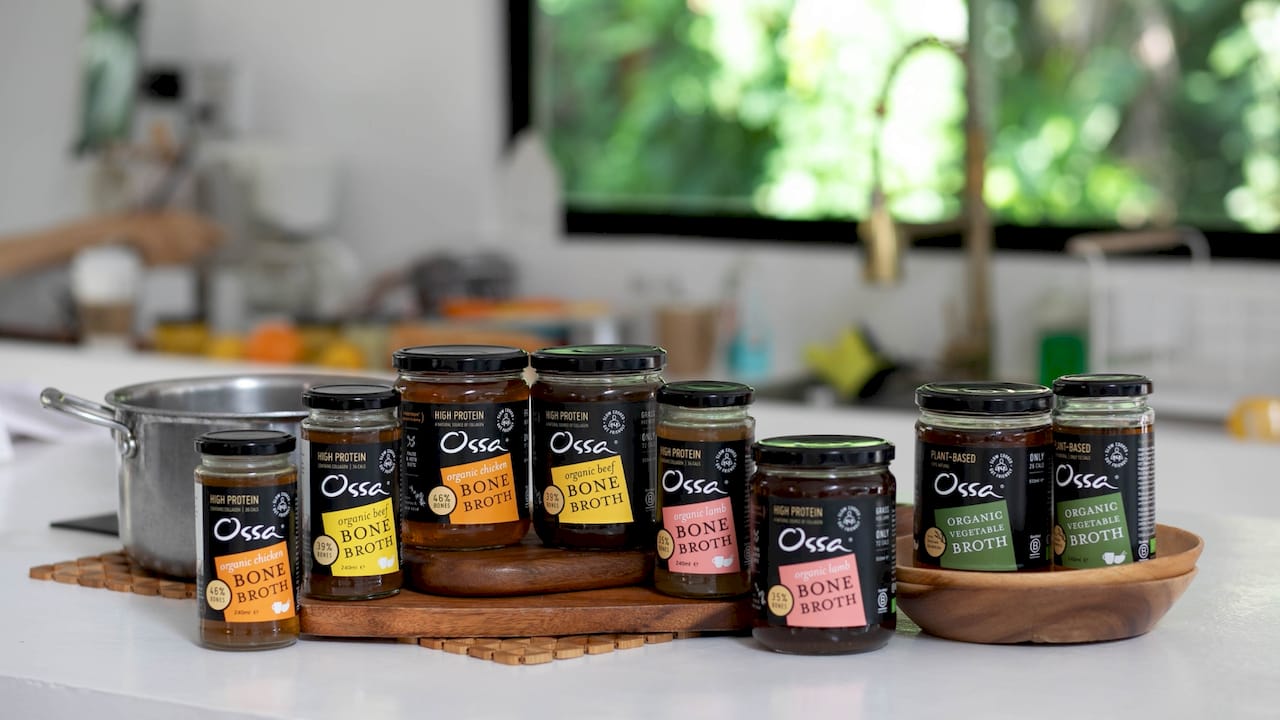
The Organic Beef Bone Broth Ambient 515ml is made from organic grass-fed beef bones, slow-simmered with no preservatives or artificial additives. It is shelf-stable, so it sits in the storecupboard until needed — practical for batch cooking or daily sipping without refrigeration. The Organic Free Range Chicken Bone Broth 500ml uses free-range chicken bones and is well-suited to daily use as a warm drink or recipe base. For a storecupboard chicken option, the Organic Chicken Bone Broth Ambient 515ml offers the same clean ingredient standard in an ambient format.
All three contain no added sugars, no maltodextrin, no starches, and no preservatives. The macros align with the figures in this article: under 1 g of net carbs per serving, with protein and electrolytes from the bones themselves.
To get started, visit the Ossa Organic product pages above and choose the broth that fits your current keto routine — or pick up both beef and chicken to rotate through the week.
Useful sources
The following resources support the claims and guidance in this article:
-
Ossa Organic: exploring the keto diet and bone broth — site-specific exploration of bone broth and ketosis, covering macros and practical use. ossaorganic.com/blogs/blog/exploring-the-keto-diet-can-bone-broth-support-ketosis/
-
Ossa Organic: bone broth benefits — gut, joint, and bone health benefits from slow-simmered collagen. ossaorganic.com/blogs/blog/bone-broth-benefits-slow-simmered-collagen-for-gut-joint-bone-health/
-
Ossa Organic: recipes with bone broth — complete cooking guide for using bone broth in keto meals. ossaorganic.com/blogs/blog/recipes-with-bone-broth-your-complete-cooking-guide/
-
Ossa Organic: 50 ways to use bone broth — practical ideas for incorporating broth across keto meal plans. ossaorganic.com/blogs/blog/50-ways-to-use-bone-broth/
-
Ossa Organic: building a bone broth routine — guidance on daily use and routine-building. ossaorganic.com/blogs/blog/the-ultimate-guide-to-building-a-bone-broth-routine/
-
Ossa Organic: low FODMAP bone broth — useful for readers with coexisting digestive sensitivities. ossaorganic.com/blogs/blog/low-fodmap-bone-broth-gut-friendly-guide-and-recipes/
-
Ossa Organic: how to use products — practical application guidance for Ossa Organic bone broths. ossaorganic.com/pages/how-to-use-1/
-
Ossa Organic: 14-day gut reset — structured programme using bone broth for digestive health. ossaorganic.com/pages/14-day-gut-reset/
-
Bone Health Sacramento: collagen for bone health — external partner resource on collagen’s role in joint and bone support. bonehealthsacramento.com/collagen-for-bone-health-what-you-need-to-know
-
Bone Health Sacramento: foods to avoid with osteoporosis — partner reference on diet and bone health, relevant for sodium and mineral cautions. bonehealthsacramento.com/foods-to-avoid-osteoporosis
FAQ
Is bone broth suitable for a keto diet?
Yes. Plain bone broth typically contains under 1 g of net carbohydrates per 240 ml cup, making it compatible with ketogenic carb limits. Choose products without added sugars, starches, or vegetable concentrates to keep carbs low.
What is the best bone broth for a keto diet?
An organic, preservative-free broth made from bones and water with no added flavourings or thickeners is the most reliable keto choice. Ossa Organic’s ambient beef and chicken bone broths meet these criteria and are available in the UK without refrigeration.
Can you stay in ketosis while drinking bone broth?
Plain bone broth does not break ketosis. The carbohydrate content is too low to trigger a meaningful insulin response. Adding high-carb ingredients such as root vegetables or sweetened flavourings to the broth would be the risk, not the broth itself.
Are there any downsides to drinking bone broth?
The main considerations are sodium content (relevant for people with hypertension), histamine levels in long-simmered broths (relevant for people with histamine intolerance), and mineral interactions for those with kidney disease or on certain medications. For most healthy adults following a keto diet, regular bone broth consumption presents no significant downsides.