

Cart
0
TL;DR:
- Ossa Organic’s slow-simmered, organic bone broths are top UK alternatives to Kettle and Fire for gut health. They offer clean ingredients, certified sourcing, and gel when cold, confirming collagen content. Choosing the right format and checking ingredient transparency are key to selecting the best broth for your needs.
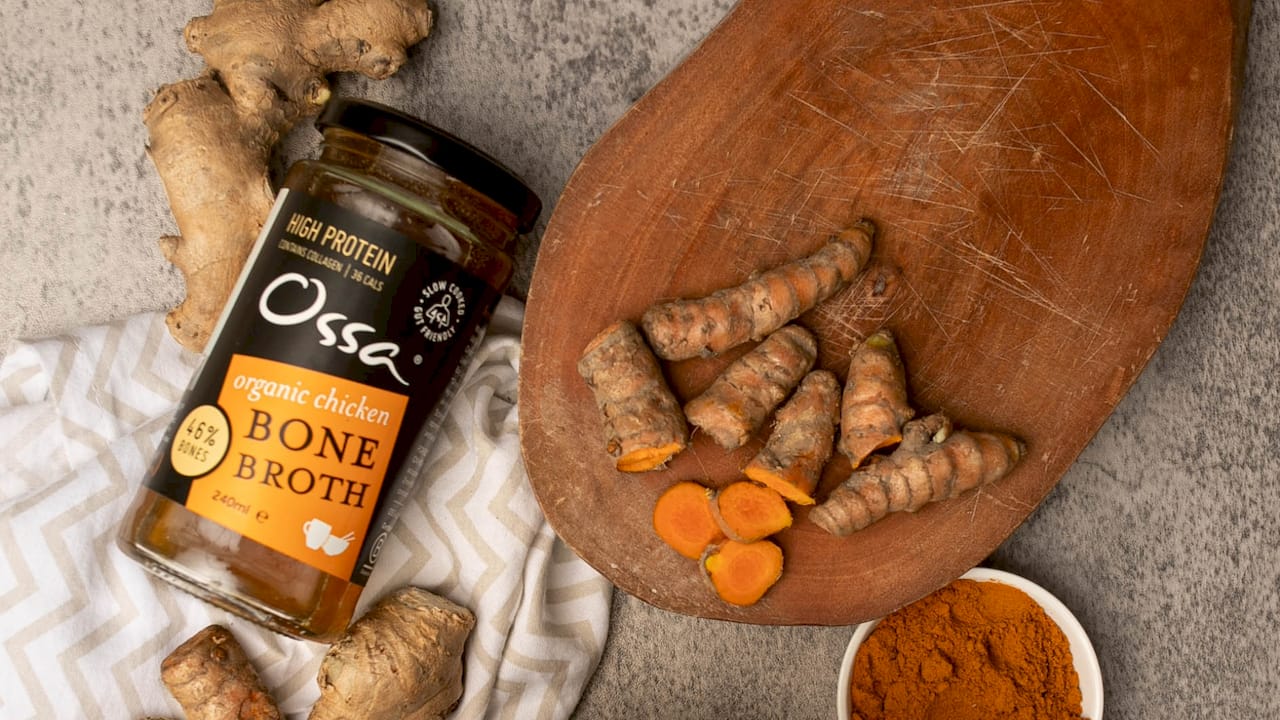
For UK buyers seeking a Kettle & Fire alternative, Ossa Organic’s Organic Beef Bone Broth Ambient 515ml is the recommended pick for daily gut-health sipping. It is slow-simmered, certified organic, and free from preservatives, yeast extract, and flavour concentrates.
The shortlist breaks into three categories:
-
Ossa Organic SKUs (Organic Beef Bone Broth 515ml, Organic Chicken Bone Broth Ambient 515ml, Organic Free Range Chicken Bone Broth 500ml): slow-simmered, clean ingredient lists, UK-available direct-to-consumer
-
Pantry-stable national-style brands (generic supermarket cartons): convenient but often contain flavour stabilisers and deliver lower gelatin concentration
-
Frozen or artisan broths: highest gelatin density, best for cooking bases, but require freezer space and specialist sourcing
The key reason these options outperform generic pantry broths: slow simmering extracts more collagen, the ingredient lists are transparent, and a cold gel test confirms genuine collagen concentration rather than flavour additives doing the work.
Table of Contents
-
How do Kettle & Fire alternatives compare across format and sourcing?
-
What do bone broth alternatives cost, and where can you buy them in the UK?
-
Ossa Organic: the recommended UK alternative for gut-health buyers
How do Kettle & Fire alternatives compare across format and sourcing?
| Dimension | Ossa Organic (Beef 515ml) | Ossa Organic (Chicken Ambient 515ml) | Ossa Organic (Free Range Chicken 500ml) | Pantry-stable generic | Frozen / artisan |
|---|---|---|---|---|---|
| Best for | Daily sipping, gut health | Cooking base, sipping | Family meals, cooking | Quick convenience | Cooking bases, braising |
| Format | Shelf-stable / ambient | Shelf-stable / ambient | Refrigerated / frozen | Shelf-stable | Frozen |
| Ingredient sourcing | Organic, grass-fed | Organic | Organic, free-range | Variable, often conventional | Variable, often artisan |
| Gelatin / mouthfeel | Gels when cold, rich | Gels when cold | Gels when cold, full-bodied | Low to moderate | High, concentrated |
| Preservatives / additives | None | None | None | Often yeast extract, natural flavours | Typically none |
| Typical UK price | ~£5–£7 per 515ml | ~£5–£7 per 515ml | ~£5–£7 per 500ml | £1.50–£3.50 per litre | £6–£12 per pack |
| Certifications | Organic, B Corp | Organic | Organic | Rarely certified | Varies |
Buying labels at a glance:
-
Best for nutrition and gut health: Ossa Organic Beef or Chicken Bone Broth, slow-simmered with no additives
-
Best for convenience on a tight budget: pantry-stable generic carton, used for cooking rather than sipping
-
Best for maximum gelatin concentration: frozen artisan broth, kept for braising and batch cooking
How do you pick the right alternative for your needs?
Format and ingredient list are the two things to check first. Everything else, including protein numbers and marketing language, is secondary.
Selection criteria:
-
Format: ambient/shelf-stable suits daily sipping and travel; frozen suits cooking bases where you want maximum concentration
-
Ingredient transparency: the full ingredient list should be short and recognisable; bones, water, vegetables, apple cider vinegar, salt
-
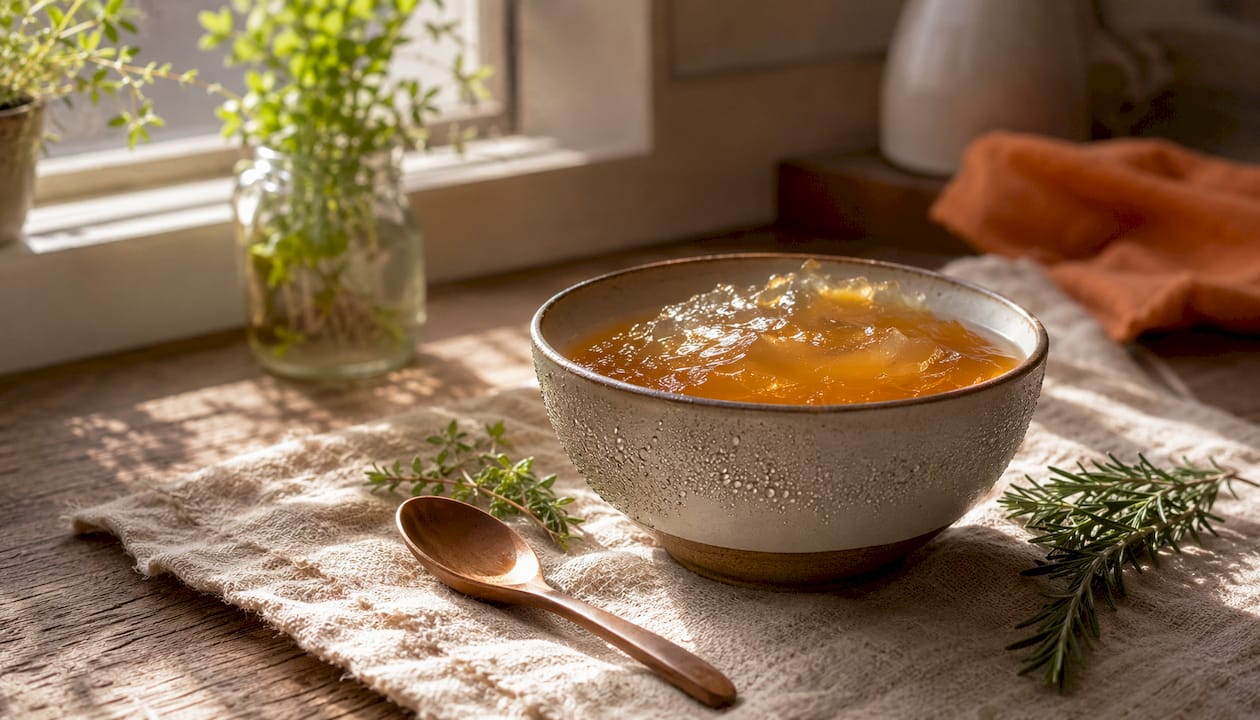
Gel test: a quality broth gels when refrigerated; this confirms collagen extraction rather than flavour additives
-
Sodium: check per-100ml sodium; some processed broths use salt to compensate for weak flavour
-
Sourcing and certifications: organic and grass-fed or free-range signals matter; look for a named farm or certification body, not vague “quality sourced” copy
-
Price per serving: divide pack price by number of servings (typically 2 per 500ml) to compare like-for-like
Three questions to ask on any product page or label:
-
Does the broth gel when cold, or does the brand avoid mentioning it?
-
Is the ingredient list under ten items, with no flavour concentrates?
-
Is the sourcing claim specific (organic certified, named farm) or generic?
Red flags to avoid: yeast extract, “natural flavours,” maltodextrin, and vague sourcing claims such as “quality bones.” These are common in processed broths and can irritate sensitive guts. A clean bone broth needs none of them.
Pro Tip: Chill a small amount of any broth you are considering. If it does not set to a loose jelly within two hours, the collagen concentration is low regardless of what the label claims.
Why does production method change the nutritional profile?
Slow, low-heat simmering preserves gelatin and heat-sensitive amino acids in ways that high-heat UHT processing cannot match. This is the single most important technical difference between formats.
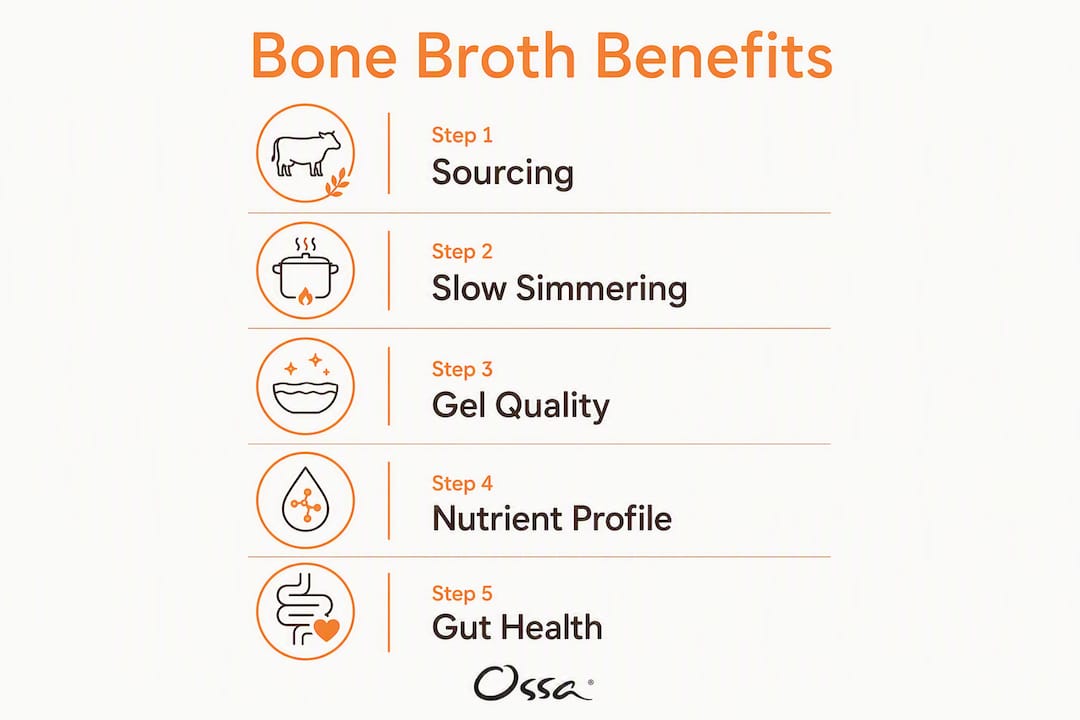
Long, low-temperature simmering draws collagen from connective tissue gradually. The result is a broth that gels when cold, indicating genuine collagen extraction. High-heat industrial processing shortens production time but can diminish both gelatin levels and the amino acid profile that gut-health consumers are specifically seeking.
Format trade-offs:
-
Shelf-stable / UHT ambient: convenient, no refrigeration needed, longer shelf life; gelatin levels typically lower than frozen equivalents; additives sometimes used to standardise flavour
-
Frozen / artisan: highest gelatin density, richer mouthfeel, better cooking performance; requires freezer space; higher per-unit cost; shorter window once defrosted
-
Small-batch slow-simmered (ambient): Ossa Organic’s approach combines the convenience of ambient storage with slow-simmering technique and clean ingredients, avoiding the additives common in mass-produced shelf-stable products
Ossa Organic’s broths are slow-simmered in small batches using organic bones. The brand was founded after its founder discovered the benefits of bone broth during pregnancy and has built its range around traditional cooking methods rather than industrial shortcuts. The slow-simmered collagen approach is central to the product’s nutritional case.
Protein numbers on a label are a poor proxy for collagen quality. The gel test and a short, additive-free ingredient list are more reliable indicators than a headline gram count.
Pro Tip: Pour a cup of broth into a small bowl and refrigerate for two hours. A quality slow-simmered broth will set to a loose jelly. If it stays liquid, the collagen content is minimal.
What do bone broth alternatives cost, and where can you buy them in the UK?
Pantry-stable generic broths sit at the lowest price point; frozen artisan options cost more per unit but deliver more concentrated nutrition per serving.
Price bands by format:
-
Pantry-stable generic (supermarket): £1.50–£3.50 per litre carton, roughly £0.75–£1.75 per serving
-
Ossa Organic ambient SKUs: approximately £5–£7 per 515ml pack, roughly £2.50–£3.50 per serving
-
Frozen artisan broths: £6–£12 per pack depending on concentration and weight, roughly £3–£6 per serving
| Format | Typical pack size | UK retail channels | Approx. per-serving cost |
|---|---|---|---|
| Pantry-stable generic | 500ml–1 litre | Supermarkets (Waitrose, Holland & Barrett) | £0.75–£1.75 |
| Ossa Organic ambient | 515ml / 500ml | Direct online (ossaorganic.com) | £2.50–£3.50 |
| Frozen artisan | 500ml | Specialist health shops, online D2C | £3–£6 |
Where to buy in the UK:
-
Online D2C: Ossa Organic ships direct; this is the most reliable channel for the full SKU range and bundle options
-
Health food shops: Holland & Barrett and independent health retailers stock some ambient organic broths
-
Supermarkets: Waitrose and Ocado carry a limited selection of premium ambient broths; generic own-label options are widely available
-
Specialist online retailers: Planet Organic and similar platforms stock artisan and organic options
For meal planning and holiday meal prep, keeping one ambient pack and one frozen pack covers both daily sipping and cooking bases without overspending.
How do you use bone broth for gut health?
Daily sipping, cooking bases, and restorative soups are distinct use cases that point to different formats. Ambient broths suit the first; frozen or concentrated broths suit the latter two.
Three quick recipes:
-
Morning sipping infusion: Heat one cup (approximately 250ml) of Ossa Organic Beef Bone Broth in a small pan. Add a pinch of sea salt, a squeeze of lemon, and a small piece of fresh ginger. Drink warm, ideally before breakfast. This is the simplest gut-supporting daily habit.
-
Restorative broth soup: Warm 500ml of chicken bone broth in a pan. Add two handfuls of spinach, a crushed garlic clove, and cooked rice noodles. Simmer for three minutes. Season and serve. The bone broth recipes collection has further variations on this base.
-
Cooking base from concentrated frozen broth: Defrost one pack of frozen artisan broth overnight. Use it as the liquid base for a slow-cooked stew, risotto, or braised vegetables in place of water or stock. The higher gelatin content adds body and depth that a standard carton broth cannot replicate.
Storage and reheating:
-
Ambient packs: store at room temperature until opened; refrigerate after opening and use within three days
-
Frozen packs: defrost in the fridge overnight; never refreeze once thawed
-
Reheat gently on the hob rather than boiling hard, to preserve gelatin structure
Bone broth fits naturally into Paleo, Keto, and general gut-healing approaches. For a structured introduction, Ossa Organic’s 14-day gut reset programme sets out a daily broth routine alongside dietary guidance.
For plant-based readers, gut-supporting vegetable broths using wakame, shiitake, turmeric, and leafy greens deliver minerals, prebiotic fibre, and anti-inflammatory compounds as an alternative to animal-based options.
Key takeaways
Ossa Organic’s slow-simmered, organic bone broths are the strongest UK-available alternative to Kettle & Fire for gut-health buyers, combining clean ingredients, ambient convenience, and certified sourcing.
| Point | Details |
|---|---|
| Top UK pick | Ossa Organic Beef Bone Broth Ambient 515ml: slow-simmered, organic, no additives, ships direct. |
| Primary quality indicator | A broth that gels when cold confirms genuine collagen extraction; short ingredient lists confirm no flavour stabilisers. |
| Format trade-off | Ambient suits daily sipping; frozen suits cooking bases where gelatin concentration matters most. |
| Red flags to avoid | Yeast extract, maltodextrin, and “natural flavours” signal processed formulation unsuitable for sensitive guts. |
| Ossa Organic | Available direct at ossaorganic.com in beef and chicken ambient SKUs and free-range chicken format. |
Why slow-cooked, organic broths are worth the extra cost
Ossa Organic’s position is straightforward: slow-simmered, organic broths deliver a meaningfully different nutritional profile from mass-produced shelf-stable alternatives, and the ingredient list is the clearest evidence of that difference.
The honest trade-offs are real. Ossa Organic’s ambient SKUs cost more per pack than a supermarket carton. They are not available in every high street shop. For a household running on a tight budget or needing a quick cooking liquid for a weeknight dinner, a generic carton is a practical choice.
Where the case for quality broths becomes clear is in daily sipping routines and gut-health protocols. A broth consumed every morning should have nothing in it that works against the gut. Yeast extract and flavour concentrates are not harmful for most people in small amounts, but they are unnecessary, and for anyone with a sensitive gut they can be a problem. Ossa Organic’s founder built the brand specifically to avoid those compromises, having experienced the difference first-hand.
A pragmatic approach for most households: keep an ambient pack for daily sipping and a frozen or concentrated option for batch cooking. The two formats complement each other rather than compete. The types of organic broths guide covers the full range of options if you want to go deeper on format differences.
Ossa Organic: the recommended UK alternative for gut-health buyers
Ossa Organic offers three SKUs that directly address what gut-health buyers need from a Kettle & Fire alternative: clean ingredients, certified organic sourcing, and slow-simmered production.
-
Organic Beef Bone Broth Ambient 515ml: the strongest daily-sipping option; grass-fed, gels when cold, no additives
-
Organic Chicken Bone Broth Ambient 515ml: lighter flavour, suits both sipping and cooking; organic, shelf-stable
-
Organic Free Range Chicken Bone Broth 500ml: free-range sourced, full-bodied, well suited to family meals and soups
All three are available direct from ossaorganic.com with bundle and subscription options. For a structured gut-health routine, the how to use page sets out daily sipping guidance and recipe ideas alongside each product.
Further reading and sources
-
What sets organic bone broth apart from stock — Ossa Organic’s explanation of production differences and why they matter
-
Bone broth benefits: slow-simmered collagen — the nutritional case for traditional simmering techniques
-
The hidden dangers of processed broths — additives to avoid and why clean labels matter for gut health
-
Bone broth recipes — practical recipes using ambient and frozen broths
-
Types of organic broths: a complete guide — format and certification overview for 2026
-
Recipes with bone broth: complete cooking guide — technique tips for using concentrated broths in everyday cooking
FAQ
What is the healthiest brand of bone broth in the UK?
Ossa Organic is among the strongest options for UK buyers: slow-simmered, certified organic, and free from yeast extract, maltodextrin, and flavour concentrates. A broth that gels when cold and carries a short ingredient list is the clearest marker of quality.
Is Kettle & Fire bone broth actually healthy?
Kettle & Fire uses slow-simmered methods and organic ingredients, which are positive markers. However, it is a US brand with limited direct UK availability, making domestic alternatives with equivalent sourcing standards a more practical choice for UK consumers.
Why is Kettle & Fire bone broth so expensive?
Slow-simmering, organic sourcing, and small-batch production all increase cost relative to mass-produced stock. The same factors apply to any quality bone broth; the price reflects ingredient quality and production time rather than brand premium alone.
What is the best bone broth for gut health?
For gut-health purposes, prioritise a broth that gels when cold, lists only bones, water, vegetables, and seasoning, and carries no flavour stabilisers. Ossa Organic’s beef and chicken ambient broths meet all three criteria and are available direct in the UK.
Can vegetarians use bone broth alternatives for gut health?
Yes. Vegetable broths made with wakame, shiitake mushrooms, turmeric, and leafy greens deliver minerals, prebiotic fibre, and anti-inflammatory compounds that support gut health without animal products.