TL;DR:
- Biohacking food involves intentionally selecting and timing nutrients to optimize energy production, inflammation management, and brain health. Eating nutrient-dense, affordable foods like oily fish, eggs, and leafy greens supports performance, especially when combined with circadian-aligned meal timing. Gut health and personalized genetics influence how individuals benefit from specific foods, making tailored approaches essential.
Biohacking food is defined as the deliberate selection, timing, and preparation of nutrients to alter how your body produces energy, manages inflammation, and supports brain function. The practice draws on nutrigenomics, the science of how food interacts with gene expression, and on gut microbiome research to move nutrition beyond calorie counting. Biohacking frameworks prioritise three pillars: metabolic flexibility, chrononutrition, and nutrient density. Genetic variants such as MTHFR, APOE, and COMT influence how individuals process nutrients, which means a food that reduces inflammation in one person can trigger it in another. That reality makes personalised, data-driven nutrition the foundation of any serious dietary biohacking approach.
The most reliable biohacking foods are affordable, widely available, and backed by clear mechanistic evidence. Nutritionists consistently recommend the following as the core of any functional nutrition plan.
-
Oily fish (salmon, sardines, mackerel). Omega-3 fatty acids EPA and DHA reduce systemic inflammation and support neuronal membrane integrity. Two weekly portions of oily fish deliver meaningful anti-inflammatory effects. Sardines are particularly cost-effective and require no preparation beyond opening a tin.
-
Eggs. A single egg contains choline, B12, selenium, and lutein. Choline is the direct precursor to acetylcholine, the neurotransmitter most associated with memory and learning. Pasture-raised eggs carry higher omega-3 content than caged alternatives.
-
Oats. Beta-glucan, the soluble fibre in oats, feeds beneficial gut bacteria and moderates post-meal blood glucose. Stable glucose means stable mental energy across the morning. Choose whole rolled oats over instant varieties to preserve fibre structure.
-
Avocados. Rich in monounsaturated fats and magnesium, avocados support both cardiovascular function and neurological signalling. Magnesium deficiency is associated with poor sleep quality and elevated cortisol.
-
Greek yoghurt. A natural source of Lactobacillus and Bifidobacterium strains, Greek yoghurt delivers live cultures that reinforce gut barrier integrity. Choose full-fat, unsweetened versions to avoid added sugars that counteract the probiotic benefit.
-
Almonds. Vitamin E, an antioxidant that protects neuronal membranes from oxidative damage, is concentrated in almonds. A 30g handful provides roughly 7mg of vitamin E, close to the UK daily reference value.
-
Leafy greens (spinach, kale, rocket). Folate, vitamin K, and nitrates in leafy greens support cerebral blood flow and methylation pathways. Methylation affects mood regulation, DNA repair, and detoxification.
-
Blueberries and mixed berries. Anthocyanins, the polyphenols that give berries their colour, cross the blood-brain barrier and reduce neuroinflammation. Regular berry consumption is linked to slower age-related cognitive decline.
-
Turmeric. Curcumin, the active compound in turmeric, inhibits NF-kB, a key inflammatory signalling pathway. Bioavailability increases significantly when turmeric is consumed with black pepper and a fat source.
-
Extra-virgin olive oil. Oleocanthal in cold-pressed olive oil mimics the anti-inflammatory action of ibuprofen at a molecular level. Use it raw on salads or added after cooking to preserve polyphenol content.
Pro Tip: Pair turmeric with a teaspoon of extra-virgin olive oil and a pinch of black pepper in warm water each morning. This combination maximises curcumin absorption without requiring a supplement.
2. How does chrononutrition shape your biohacking meal plan?

Chrononutrition is the science of aligning meal timing with your body’s circadian rhythm to improve metabolic outcomes. The core finding is straightforward: the same meal eaten at 8AM produces a different metabolic response than the same meal eaten at 8PM. Early time-restricted feeding (eTRF), which concentrates calorie intake before mid-afternoon, improves insulin sensitivity by 20–30% and enhances fat oxidation. That shift matters because better insulin sensitivity means more stable blood glucose, which directly supports sustained mental energy and reduced brain fog.
A practical eTRF window runs from 7AM to 3PM or 8AM to 4PM. This is not the same as skipping meals. It means front-loading nutrition so that the body has fuel when it needs it most and can begin repair processes in the evening. A 16-hour fasting window stabilises blood sugar and supports metabolic flexibility, the ability to switch between glucose and fat as fuel sources. Metabolic flexibility is one of the strongest predictors of sustained cognitive and physical performance.
Practical timing principles for a biohacking meal plan:
-
Eat the largest meal before 1PM. Insulin sensitivity peaks in the morning. A protein and fat-rich breakfast followed by a substantial lunch uses this window effectively.
-
Avoid eating within three hours of sleep. Late meals elevate core body temperature and disrupt deep sleep stages, reducing overnight cellular repair.
-
Consume carbohydrates earlier in the day. Glucose tolerance is higher in the morning. Oats, fruit, and root vegetables are better placed at breakfast or lunch than at dinner.
-
Keep dinner light and protein-focused. Protein at dinner supports overnight muscle protein synthesis without the glucose spike that disrupts sleep.
-
Use the fasting window consistently. Circadian benefits accumulate with consistency. Irregular eating patterns reduce the metabolic advantage of time-restricted feeding.
Pro Tip: If a full eTRF window is not realistic on working days, start by simply moving breakfast 30 minutes earlier and dinner 30 minutes earlier each week until the window narrows naturally.
For more detail on fasting protocols that support these principles, Ossa Organic’s intermittent fasting guide covers practical entry points for different lifestyles.
3. What role does gut health play in biohacking with food?
The gut microbiome is the primary interface between food and systemic health. Diet is the principal modulator of microbial composition, with specific fibre types driving changes that affect energy balance, immunity, and mood. A diverse microbiome produces short-chain fatty acids (SCFAs) such as butyrate, which fuel colonocytes, reduce gut permeability, and signal anti-inflammatory responses throughout the body. The gut-brain axis means that microbiome health directly influences neurotransmitter production, including serotonin and GABA.
The foods that most reliably support microbiome diversity fall into three categories:
-
Prebiotic fibres. Inulin (found in chicory, garlic, and onions), resistant starch (found in cooled cooked potatoes, green bananas, and legumes), and pectin (found in apples and citrus peel) selectively feed beneficial bacterial strains. Resistant starch in particular feeds Bifidobacterium, a genus associated with reduced anxiety and improved gut barrier function.
-
Fermented foods. Kefir, sauerkraut, kimchi, and live-culture yoghurt introduce beneficial microorganisms directly. Regular consumption of fermented foods increases microbiome diversity more reliably than probiotic supplements alone.
-
Polyphenol-rich foods. Berries, dark chocolate, green tea, and extra-virgin olive oil feed Akkermansia muciniphila, a keystone species associated with metabolic health and gut lining integrity.
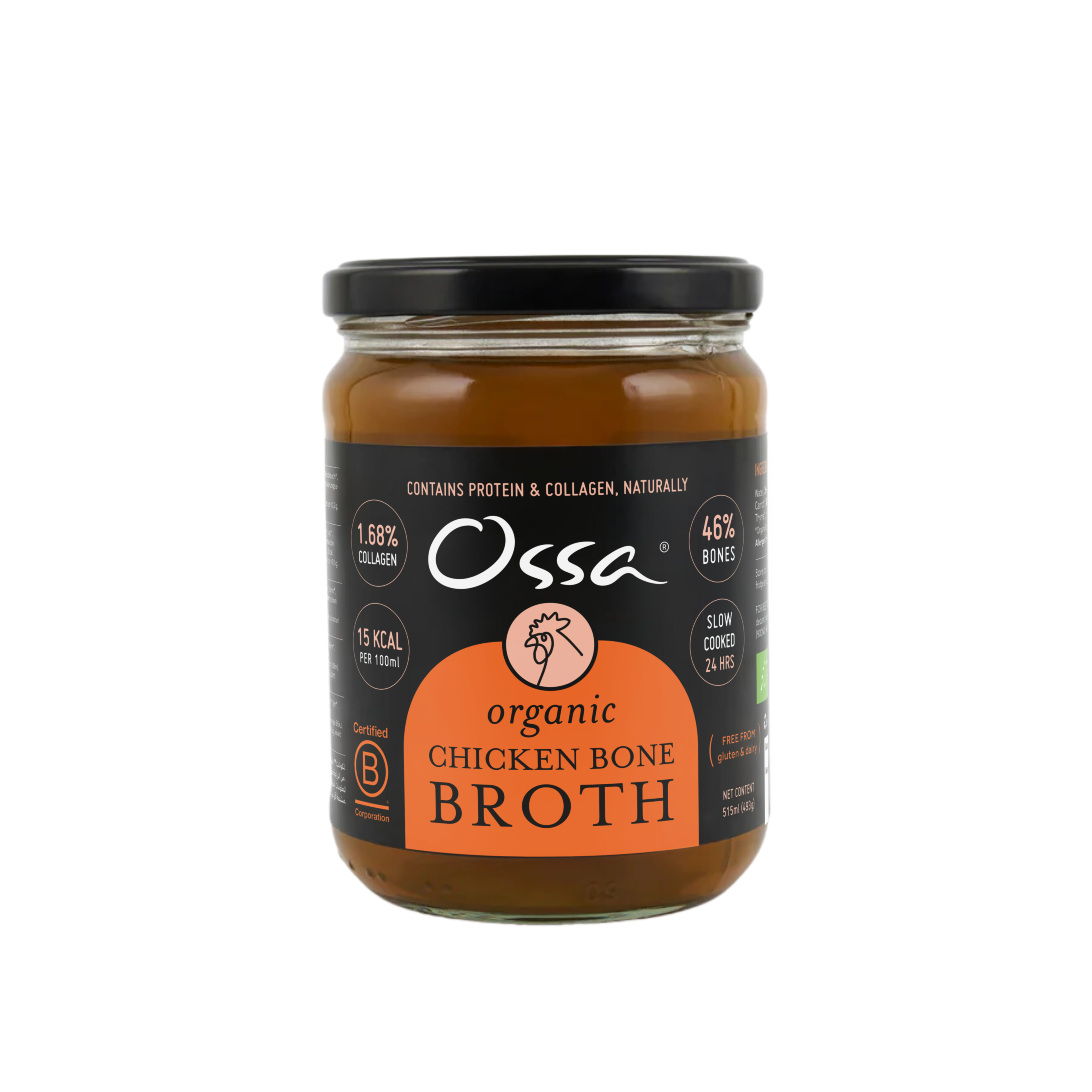
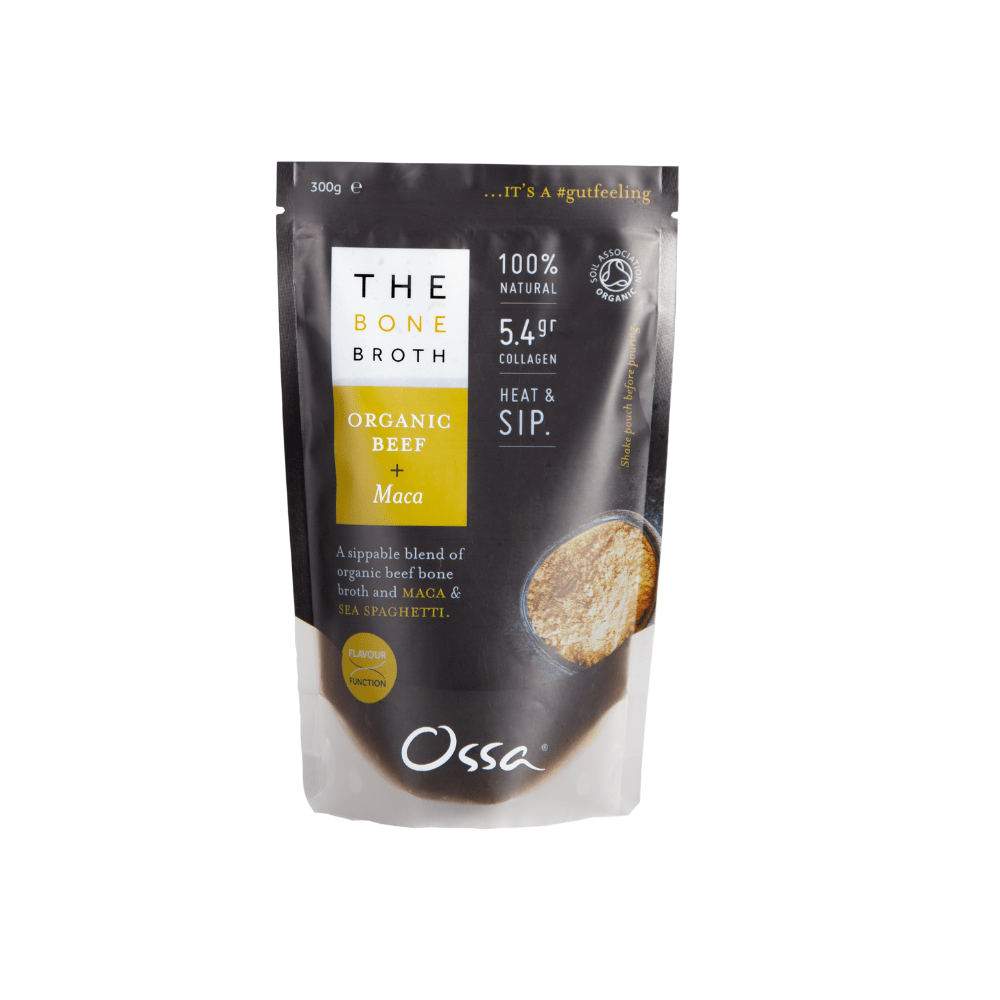
Bone broth deserves specific mention here. Gelatine and collagen peptides in slow-cooked bone broth support gut lining repair by providing the amino acids glycine and proline, which are the structural building blocks of the intestinal epithelium. Ossa Organic’s approach to supporting a healthy gut microbiome through diet and lifestyle reflects this principle directly.
| Gut-supporting food |
Key compound |
Primary microbiome benefit |
| Garlic and onions |
Inulin (prebiotic fibre) |
Feeds Bifidobacterium and Lactobacillus strains |
| Cooled cooked potatoes |
Resistant starch |
Increases butyrate-producing bacteria |
| Kefir |
Live Lactobacillus cultures |
Raises microbiome diversity scores |
| Blueberries |
Anthocyanins (polyphenols) |
Supports Akkermansia muciniphila growth |
| Bone broth |
Glycine and proline |
Repairs gut epithelial lining |
Pro Tip: Cook a batch of potatoes, refrigerate overnight, and eat them cold in a salad the next day. Cooling converts digestible starch into resistant starch, tripling the prebiotic benefit without changing the calorie count.
4. How do nootropics and nutrition work together for cognitive enhancement?
Nootropics are compounds taken to support memory, focus, attention, or mental stamina. The critical finding from clinical research is that they work best when the dietary foundation is already sound. A 2022 randomised double-blind trial with 141 participants showed that nootropic supplementation improved attention and reduced mental fatigue only in those who already had an optimal diet. Participants with poor dietary baselines showed negligible benefit. That result reframes the entire nootropics conversation: food comes first, supplements come second.
The most evidence-supported nootropic compounds and their dietary synergies are:
-
B vitamins (B6, B9, B12). These support methylation, homocysteine regulation, and neurotransmitter synthesis. Dietary sources include eggs, leafy greens, and legumes. Supplementing B vitamins without adequate dietary protein reduces their effectiveness because amino acids are required for the downstream pathways.
-
Bacopa Monnieri. This adaptogenic herb reduces cortisol and supports working memory over 8–12 weeks of consistent use. It is fat-soluble, so taking it with a meal containing healthy fats improves absorption significantly.
-
Ginkgo Biloba. Ginkgo supports cerebral blood flow and has antioxidant properties. Its effects are more pronounced when combined with a diet already rich in polyphenols, as the two mechanisms are complementary rather than redundant.
-
Magnesium L-threonate. This form of magnesium crosses the blood-brain barrier more effectively than standard magnesium oxide. Dietary magnesium from almonds, dark chocolate, and leafy greens reduces the supplemental dose needed to reach therapeutic levels.
-
Lion’s Mane mushroom. Lion’s Mane stimulates nerve growth factor (NGF) production. Its effects on neuroplasticity are supported by a diet adequate in zinc and B vitamins, both of which are co-factors in NGF signalling.
Supplementation with nootropics yields significantly more cognitive benefit when the baseline diet is already optimised. Rushing into supplementation without first addressing diet leads to poor returns. The sequence matters: build the nutritional foundation, then add targeted compounds on top of it.
Maintaining fresh, nutrient-dense food as the daily baseline is the single most reliable way to ensure nootropic compounds have the biological environment they need to function. Supplements fill gaps. They do not replace the substrate.
Key takeaways
Biohacking food works by combining nutrient-dense whole foods, timed eating, and gut microbiome support to improve both cognitive and physical performance.
| Point |
Details |
| Food quality before supplements |
Nootropics show meaningful benefit only when the dietary foundation is already optimised. |
| Chrononutrition amplifies results |
Eating most calories before mid-afternoon improves insulin sensitivity and fat oxidation measurably. |
| Gut health drives brain health |
Prebiotic fibres, fermented foods, and collagen-rich broths support the gut-brain axis directly. |
| Personalise by genetics |
Variants like MTHFR and APOE mean that one person’s anti-inflammatory food can be another’s trigger. |
| Common foods outperform exotic ones |
Oats, eggs, sardines, and leafy greens deliver more consistent biohacking benefits than expensive superfoods. |
Ossa Organic’s view on practical biohacking food habits
The most common mistake people make with dietary biohacking is chasing novelty. Expensive powders, imported berries, and elaborate supplement stacks get the attention, but common staple foods like oats, sardines, and eggs consistently outperform them in real-world conditions. We have seen this pattern repeatedly since founding Ossa Organic. The families who report the most sustained improvement in energy and digestion are not the ones spending heavily on exotic products. They are the ones who eat consistently, cook from whole ingredients, and pay attention to how their body responds.
The affordability argument for biohacking food is underrated. A week of genuinely nutrient-dense eating, built around eggs, oily fish, leafy greens, oats, and fermented dairy, costs less than most supplement subscriptions. The gap between what the research recommends and what most people actually eat is not a knowledge gap. It is a habit gap. Gradual changes, one meal at a time, compound over weeks in ways that dramatic overhauls rarely do.
Personalisation is real and worth taking seriously. Nutrigenomics shows that genetic variants alter how individuals respond to specific foods. If you consistently feel worse after a food that is theoretically healthy, that signal is worth investigating rather than overriding with willpower. Keeping a simple food and energy diary for two weeks reveals patterns that no generic meal plan can anticipate. Biohacking food is ultimately about listening to your own biology, not following someone else’s protocol.
— Ossa Organic
Ossa Organic products that support your biohacking nutrition goals
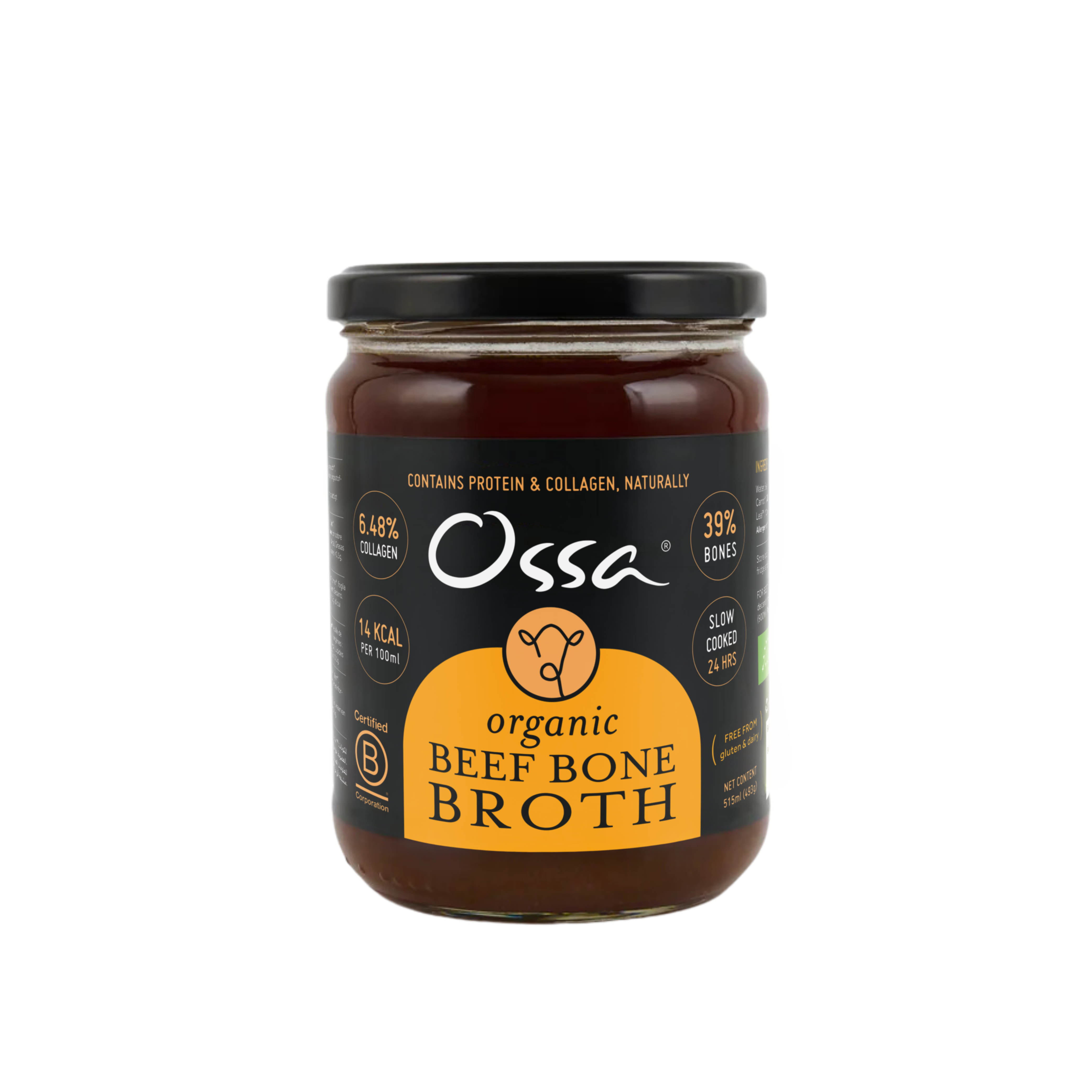
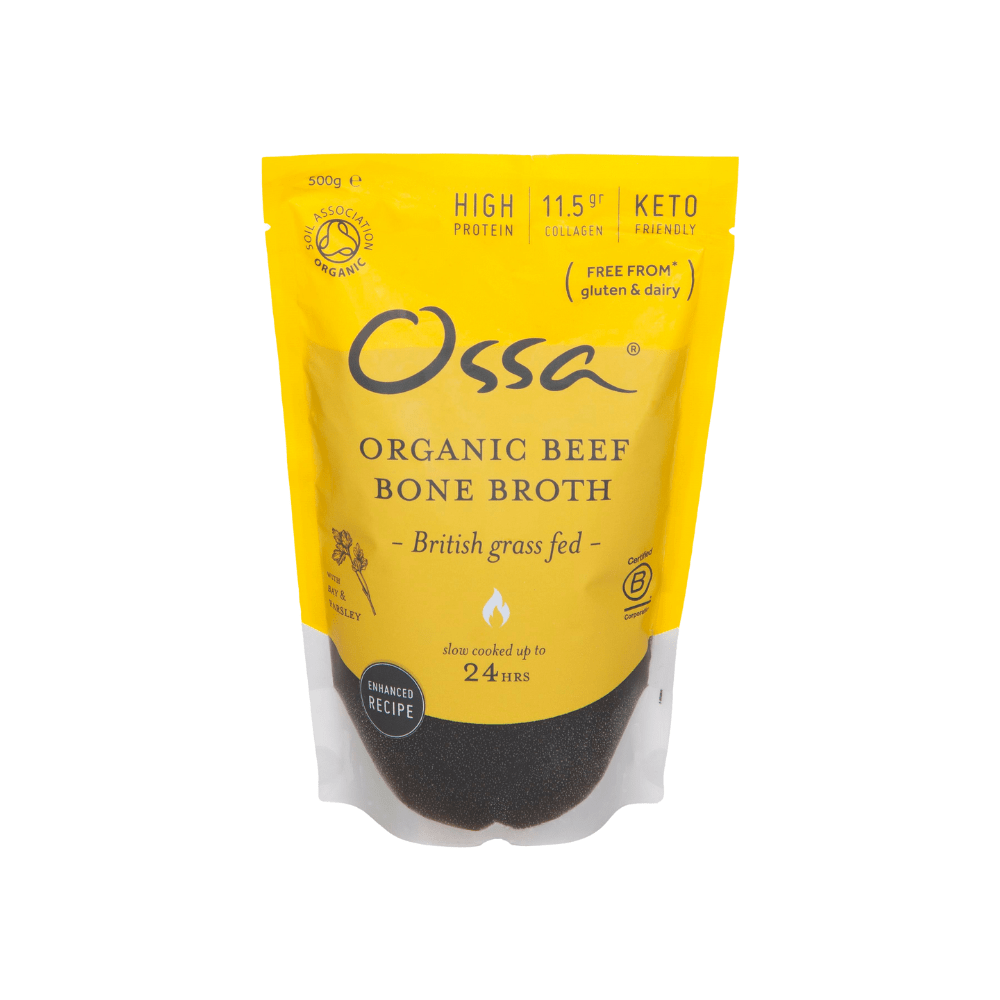
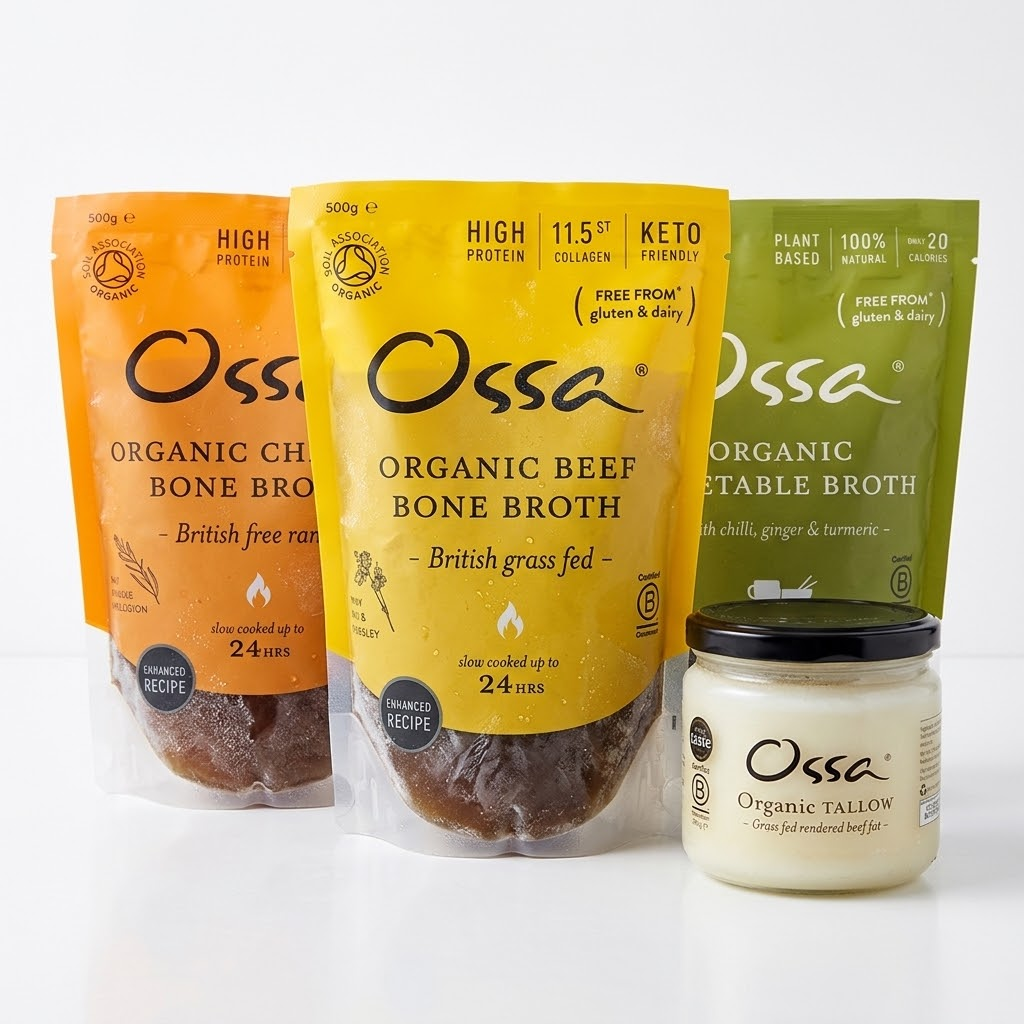
Ossa Organic’s organic beef bone broth is slow-cooked from grass-fed bones and delivers glycine, proline, and collagen peptides that directly support gut lining repair. It fits naturally into a biohacking meal plan as a morning drink, a cooking base, or a light evening meal that does not disrupt the fasting window. For those looking to reset their microbiome more deliberately, Ossa Organic’s 14-day gut reset programme provides a structured dietary framework built around the same principles covered in this article. Both are grounded in traditional slow-food methods, not synthetic shortcuts.
FAQ
What is biohacking food?
Biohacking food is the practice of selecting and timing nutrients to alter metabolism, reduce inflammation, and support brain function. It draws on nutrigenomics and gut microbiome science rather than generic dietary advice.
What are the best foods for biohacking on a budget?
Oats, eggs, sardines, leafy greens, and Greek yoghurt consistently deliver the strongest biohacking benefits at low cost. Affordable staple foods outperform expensive exotic superfoods for most people.
Yes. Early time-restricted feeding improves insulin sensitivity and supports metabolic flexibility, both of which directly influence sustained mental energy and focus throughout the day.
When should I add nootropic supplements to my diet?
Add nootropics only after your dietary foundation is solid. Clinical evidence shows that nootropic benefits are significantly greater in people who already eat an optimal diet.
How does gut health connect to brain function?
The gut-brain axis links microbiome composition to neurotransmitter production, including serotonin and GABA. A diet rich in prebiotic fibres and fermented foods supports microbiome diversity, which in turn supports mood, focus, and cognitive resilience.
Recommended