TL;DR:
- Bone broth provides a rich source of glutamine, glycine, proline, and minerals critical for gut and muscle repair. Regular consumption supports intestinal barrier function, connective tissue, and recovery, especially for athletes and those with gut damage. It functions best as part of a comprehensive dietary approach, not as a standalone cure.
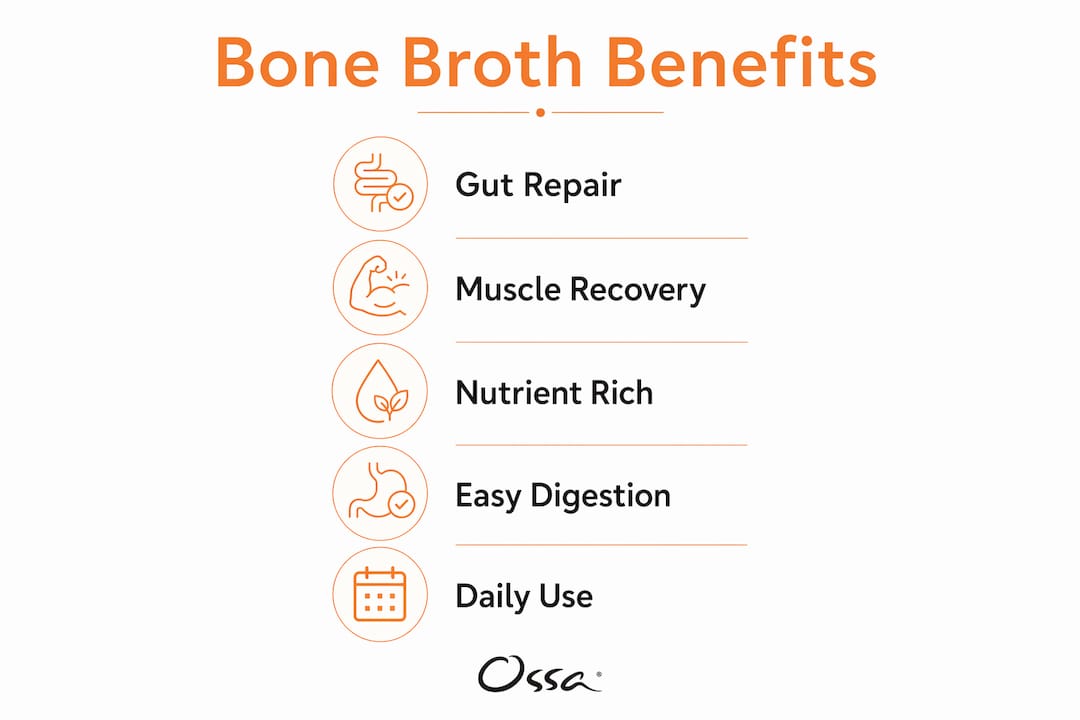
Bone broth glutamine is the amino acid L-glutamine delivered through slow-simmered animal bones, and it is one of the most direct dietary routes to intestinal repair and muscle recovery. Glutamine is the primary fuel for enterocytes, the cells that line your intestinal wall, and clinical studies show it supports intestinal barrier function and reduces intestinal permeability. Bone broth also supplies glycine, proline, and collagen peptides alongside minerals including calcium, magnesium, potassium, and zinc. Together, these nutrients make bone broth a practical, food-based source of the compounds your gut and muscles need most.
How does bone broth glutamine support gut lining repair?
Glutamine is the preferred fuel source for enterocytes, the cells that form the intestinal lining. When the gut is damaged, whether through coeliac disease, infection, or chronic inflammation, glutamine demand rises significantly. Without adequate glutamine, enterocytes cannot replicate fast enough to maintain the barrier between your gut and your bloodstream.
Bone broth delivers glutamine alongside two other amino acids that directly support tissue regeneration: glycine and proline. Glycine is a structural component of collagen, the protein that holds gut tissue together. Proline supports collagen synthesis and helps maintain the integrity of the mucosal lining. These three amino acids work together rather than in isolation, which is why whole-food sources like bone broth offer a functional advantage over single-ingredient supplements.
The collagen peptides in bone broth add another layer of support. When collagen breaks down during simmering, it releases peptides that the gut absorbs directly. These peptides signal fibroblasts, the cells responsible for producing new connective tissue, to increase collagen production in the gut wall. The result is a compound effect: glutamine fuels the lining cells, while collagen peptides stimulate the structural repair underneath them.
Pro Tip: Drink bone broth warm and on an empty stomach first thing in the morning. Absorption of glutamine and glycine is faster when there is no competing food in the digestive tract.
The minerals in bone broth reinforce this process. A review published in Digestive Diseases and Sciences found that calcium, magnesium, potassium, and zinc help reduce gut inflammation and improve nutrient absorption. Reduced inflammation means the gut lining can repair itself without constant immune interference.
Key points on bone broth and gut repair:
-
Glutamine fuels enterocyte replication and is the intestinal lining’s primary energy source.
-
Glycine and proline support collagen synthesis in gut tissue.
-
Collagen peptides stimulate fibroblast activity and structural repair.
-
Minerals including zinc and magnesium reduce intestinal inflammation.
-
Bone broth is supportive, not curative. It works best as part of a wider dietary approach.
That last point matters. There is no strong clinical evidence that bone broth alone heals a damaged gut. It provides the raw materials for repair, but factors like sleep, stress management, and the removal of inflammatory foods to determine whether that repair actually occurs.
What is the nutritional profile of bone broth?
Bone broth contains a specific cluster of amino acids that distinguish it from standard protein sources. The three most relevant for gut and muscle health are glutamine, glycine, and proline. Glutamine is the third-highest amino acid in broth and gelatin by concentration, making it a reliable dietary source for anyone who cannot or does not want to rely on synthetic supplements. Glycine supports detoxification in the liver as well as collagen production. Proline is conditionally essential, meaning the body can produce it but often not in sufficient quantities during periods of stress or illness.
| Nutrient |
Role in the body |
Found in bone broth? |
| L-glutamine |
Fuels intestinal lining cells; supports muscle repair |
Yes |
| Glycine |
Collagen synthesis; liver detoxification |
Yes, in high amounts |
| Proline |
Collagen structure; mucosal lining integrity |
Yes |
| Calcium |
Bone density; muscle contraction |
Yes |
| Magnesium |
Nerve function; reduces gut inflammation |
Yes |
| Potassium |
Electrolyte balance; hydration |
Yes |
| Zinc |
Immune function; tissue repair |
Yes |
Preparation method determines how much of each nutrient ends up in your cup. Nutrient levels depend heavily on the type of bones used and how long the broth is simmered. Knuckle bones, feet, and marrow bones release more collagen and amino acids than muscle meat bones. A slow simmer of 12–24 hours extracts significantly more gelatin than a quick boil of two to three hours.
Pro Tip: Add a tablespoon of apple cider vinegar to your broth at the start of cooking. The mild acidity helps draw minerals out of the bones and into the liquid.
Store-bought broths vary considerably in quality. Many commercial products use flavour enhancers, high sodium levels, and short cooking times that reduce amino acid content. Sodium can reach 20% of the recommended daily allowance per serving in some products. Reading ingredient labels and choosing broths with minimal additives gives you a more accurate picture of what you are actually consuming.
How does bone broth glutamine benefit athletes?
Glutamine is the third most abundant amino acid in human muscle tissue. During intense training, muscle glutamine levels drop sharply as the body redirects it to fuel immune function and gut repair. Bone broth’s glutamine aids muscle recovery and intestinal health for athletes, making it a practical post-training food rather than just a wellness trend.

The amino acid profile of bone broth supports muscle protein synthesis in a way that differs from whey or casein protein. Bone broth is rich in glycine, which reduces muscle soreness by modulating inflammatory pathways. It also contains hydroxyproline, a collagen-specific amino acid that supports tendon and ligament repair. Athletes who train heavily put significant stress on connective tissue, not just muscle fibres, and bone broth addresses both.
Hydration is a secondary but meaningful benefit. Bone broth is warm and hydrating, and easier to digest than solid protein sources immediately after training. For athletes with gut motility issues or those who struggle to eat solid food post-workout, broth provides protein and electrolytes without taxing the digestive system.
Practical recommendations for athletes incorporating bone broth:
-
Consume 240–480ml within 60 minutes of training to supply glutamine during the recovery window.
-
Use bone broth as a base for post-workout soups or stews to increase total protein intake.
-
Pair broth with a carbohydrate source to support glycogen replenishment alongside amino acid delivery.
-
Choose organic beef or chicken broth over standard commercial options to avoid high sodium and additives that can blunt recovery.
-
Drink broth on rest days as well. Consistent daily intake maintains glutamine availability rather than creating peaks and troughs.
The digestibility advantage is particularly relevant for endurance athletes. Long-distance running and cycling reduce gut blood flow during exercise, which can damage the intestinal lining. Glutamine from bone broth supports repair of that damage in the hours after training. This is a mechanism that protein powders, which are processed in the same gut environment, do not specifically address.
How to make bone broth high in glutamine
The bones you choose determine the glutamine and collagen content of your finished broth. Knuckle bones, chicken feet, and marrow bones from grass-fed beef or free-range chicken produce the richest results. These bones contain the highest concentration of collagen-rich connective tissue, which breaks down into glutamine, glycine, and proline during slow simmering. Sourcing organic, pasture-raised bones reduces the risk of contaminants and produces a cleaner nutritional profile.
Step-by-step method for a nutrient-dense broth
-
Roast the bones at 200°C for 30 minutes. Roasting develops flavour and helps release marrow.
-
Place bones in a large pot and cover with cold filtered water. Add one tablespoon of apple cider vinegar.
-
Bring to a gentle simmer over medium heat. Skim off any foam that rises in the first 20 minutes.
-
Reduce heat and simmer slowly for 12–24 hours for beef bones, or 8–12 hours for chicken bones.
-
Add vegetables such as onion, carrot, celery, and garlic in the final two hours for additional minerals and flavour.
-
Strain and cool the broth. Refrigerate overnight. Remove the solidified fat layer from the surface before reheating.
Slow-simmered homemade broth retains key amino acids for bioavailability in a way that rapid commercial processing does not replicate. The gelatin content is a reliable indicator of quality. A well-made broth sets to a jelly-like consistency when cold. If your broth stays liquid in the fridge, it lacks sufficient collagen and amino acid content.
Choosing a quality store-bought broth
| Feature |
What to look for |
What to avoid |
| Ingredient list |
Bones, water, vegetables, herbs |
Yeast extract, flavourings, additives |
| Sodium content |
Under 500mg per serving |
Over 700mg per serving |
| Preparation method |
Slow-simmered, stated on label |
No cooking method listed |
| Bone source |
Organic, grass-fed, free-range |
Unspecified or conventional |
| Texture indicator |
Sets to gel when cold |
Stays liquid when refrigerated |
Bone broth integrates naturally into most diets. Drink it as a warm beverage, use it as a cooking liquid for grains and legumes, or build soups and stews around it. For gut health specifically, daily intake is more effective than occasional high doses. Consistent supply of glutamine and glycine gives the intestinal lining a steady stream of repair materials rather than an intermittent surplus. Gastronomy professionals are increasingly incorporating bone broth into health-oriented nutrition plans as awareness of its amino acid profile grows.
Key takeaways
Bone broth delivers glutamine, glycine, proline, and essential minerals that support intestinal repair and muscle recovery when consumed consistently as part of a balanced diet.
| Point |
Details |
| Glutamine fuels gut repair |
Glutamine is the primary energy source for intestinal lining cells and rises in demand during gut damage. |
| Preparation determines quality |
Slow simmering for 12–24 hours extracts the most collagen, glutamine, and minerals from bones. |
| Athletes benefit beyond muscle |
Bone broth supports connective tissue repair and post-exercise gut lining recovery, not just muscle protein synthesis. |
| Daily intake outperforms occasional use |
Consistent daily consumption maintains glutamine availability more effectively than intermittent high doses. |
| Store-bought broth requires scrutiny |
Sodium levels and additives vary widely; choose organic, slow-simmered options with minimal ingredients. |
Ossa Organic’s view on bone broth glutamine in daily health routines
The most common mistake people make with bone broth is treating it as a short-term intervention. They drink it for a week, notice some improvement, and stop. Gut repair and muscle recovery are continuous processes. The intestinal lining renews itself every three to five days. Muscles rebuild over 24–72 hours after training. Glutamine needs to be present consistently for both processes to function well.
At Ossa Organic, we started making bone broth because it worked for us, not because it was fashionable. The founder discovered its benefits during pregnancy, a period when gut health and nutrient density matter enormously. That experience shaped how we think about bone broth: as a daily food, not a supplement you cycle on and off.
The clinical evidence on glutamine and gut barrier function is clear. What is less discussed is the practical barrier to getting enough glutamine from food. Most people do not eat organ meats, slow-cooked cuts, or gelatinous broths regularly. Bone broth closes that gap without requiring a complete dietary overhaul.
We also want to be direct about what bone broth cannot do. It does not replace medical treatment for inflammatory bowel disease, coeliac disease, or serious gut conditions. Anyone managing a diagnosed condition should work with a gastroenterologist or registered dietitian. Bone broth is a supportive food, and the best results come when it sits within a wider approach that includes sleep, stress reduction, and the removal of inflammatory foods from the diet.
The athletes we work with report the most consistent results when they treat bone broth the same way they treat sleep: non-negotiable, daily, and not something they skip when life gets busy. That mindset shift, from occasional remedy to daily nourishment, is where the real benefit lies. You can find gut-friendly bone broth recipes that make daily consumption straightforward and genuinely enjoyable.
— Ossa Organic
Ossa Organic bone broth: organic, slow-simmered, and glutamine-rich
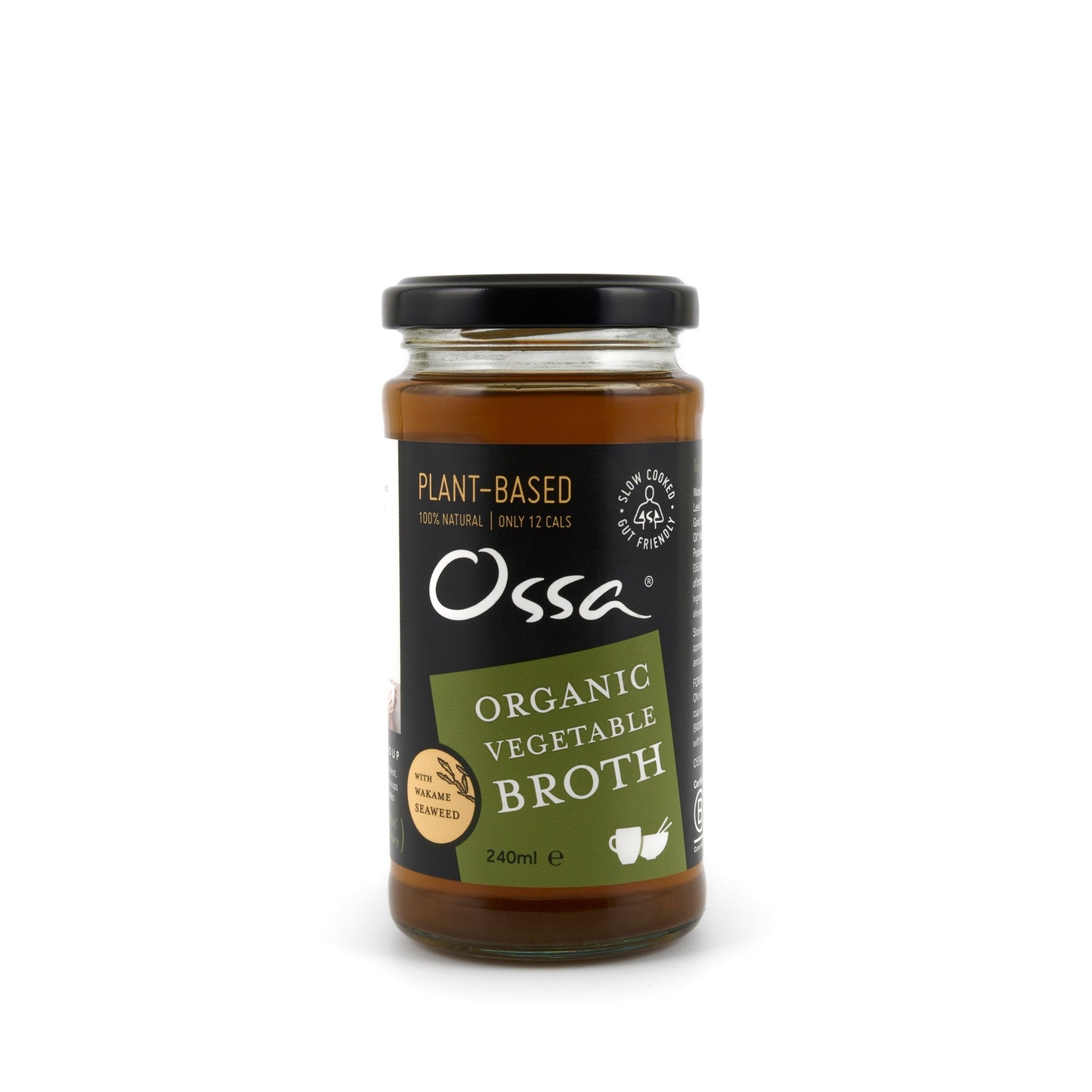
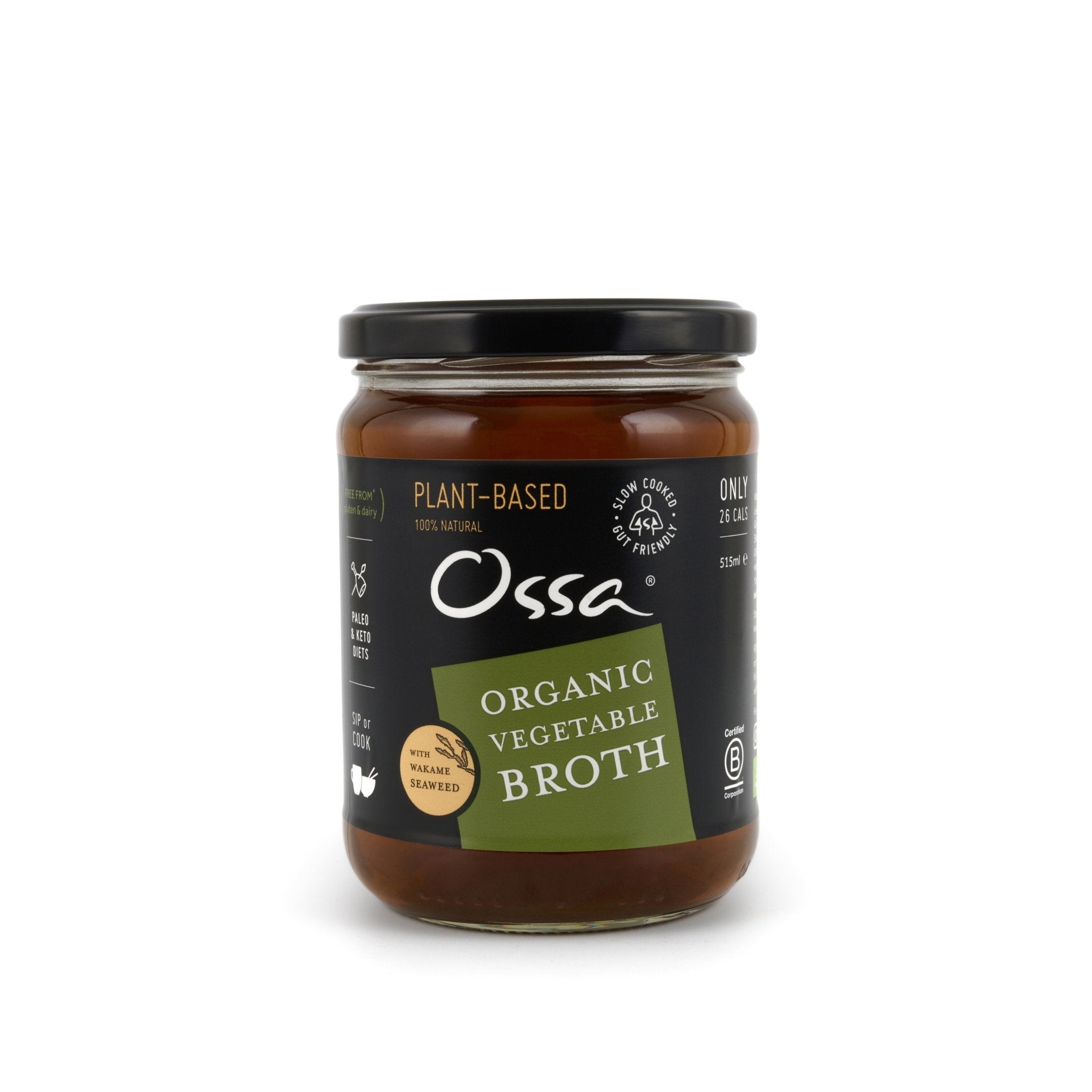
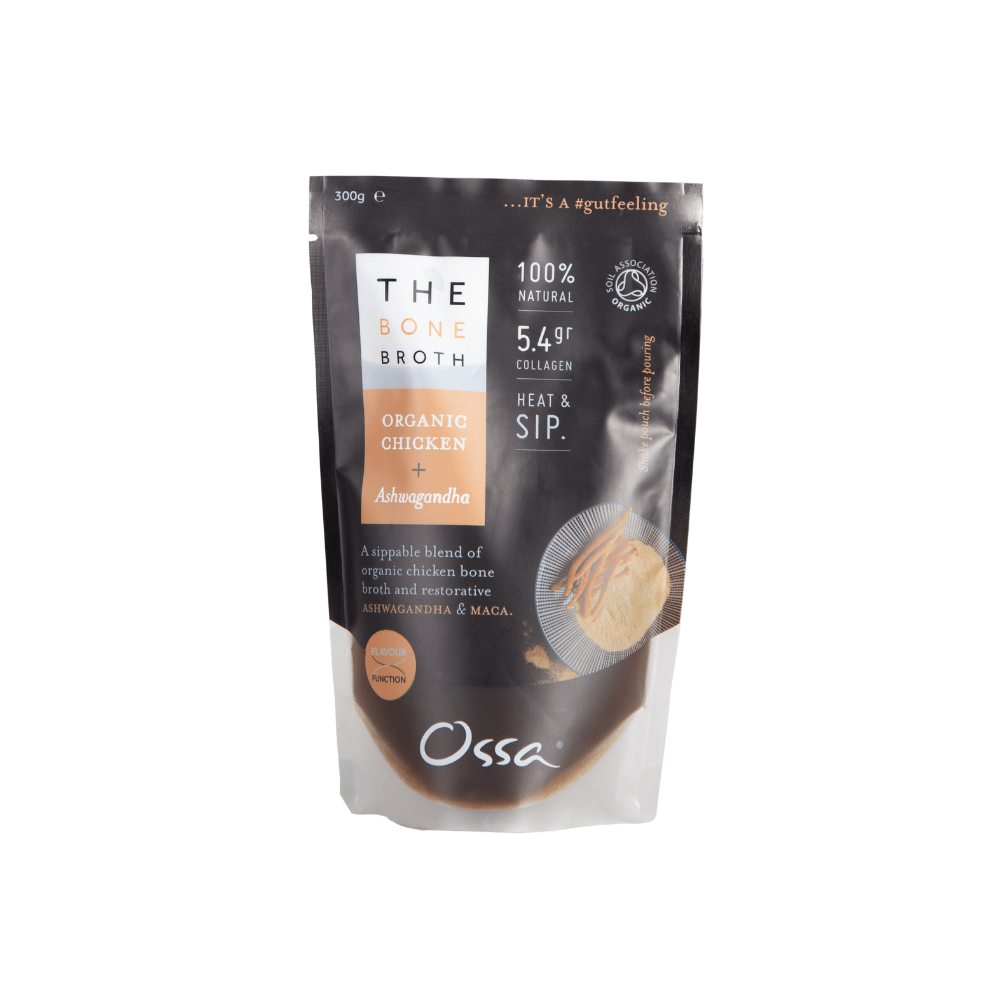
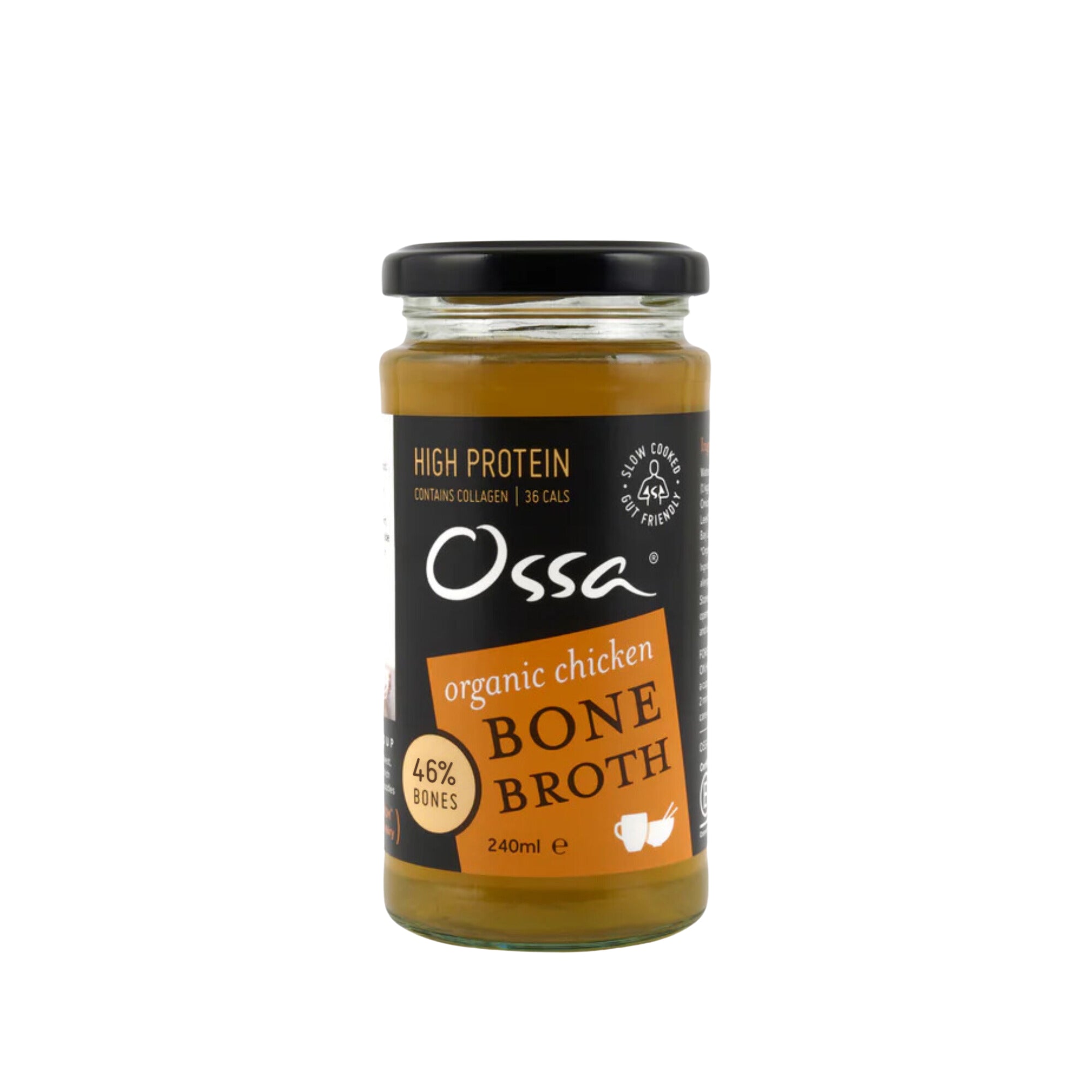
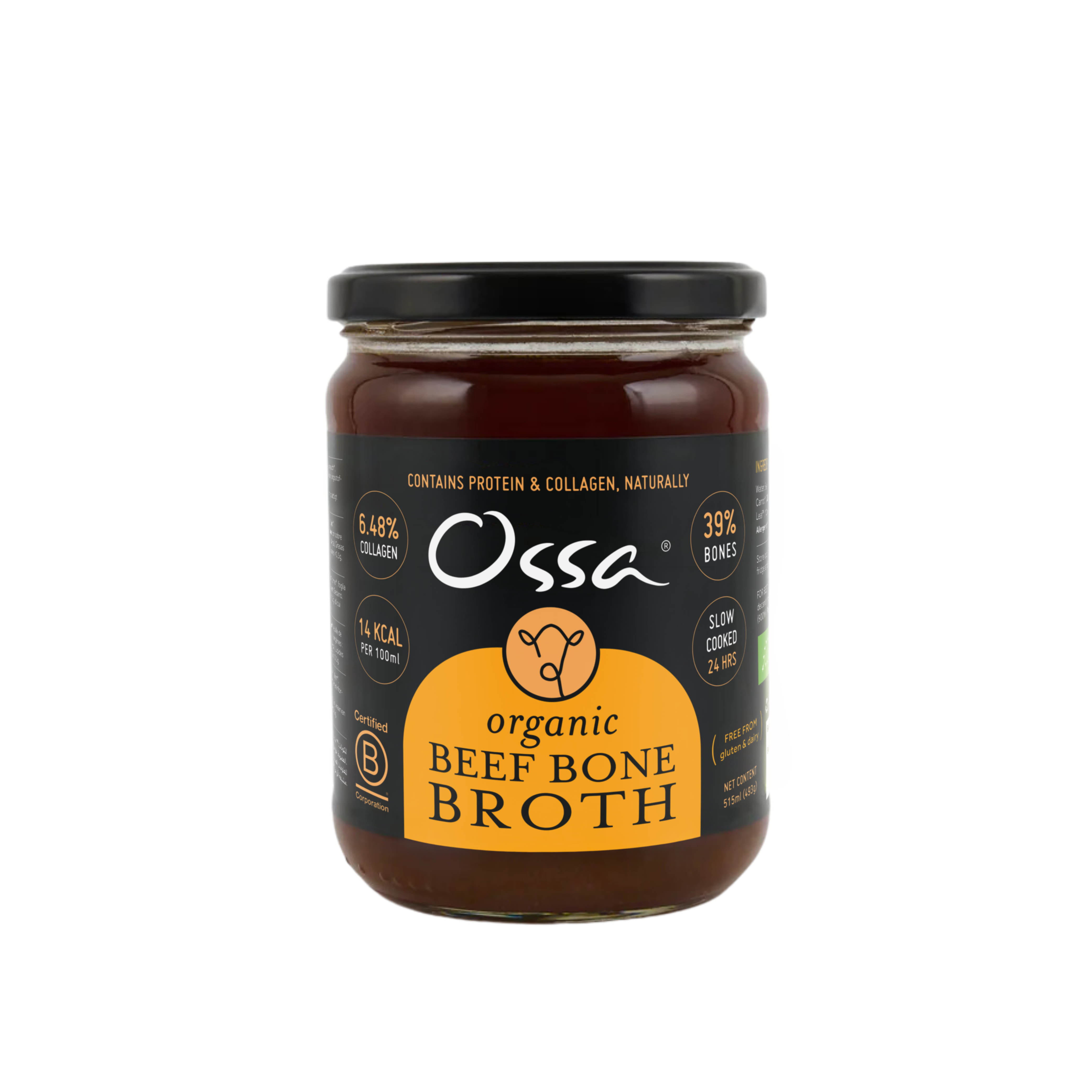
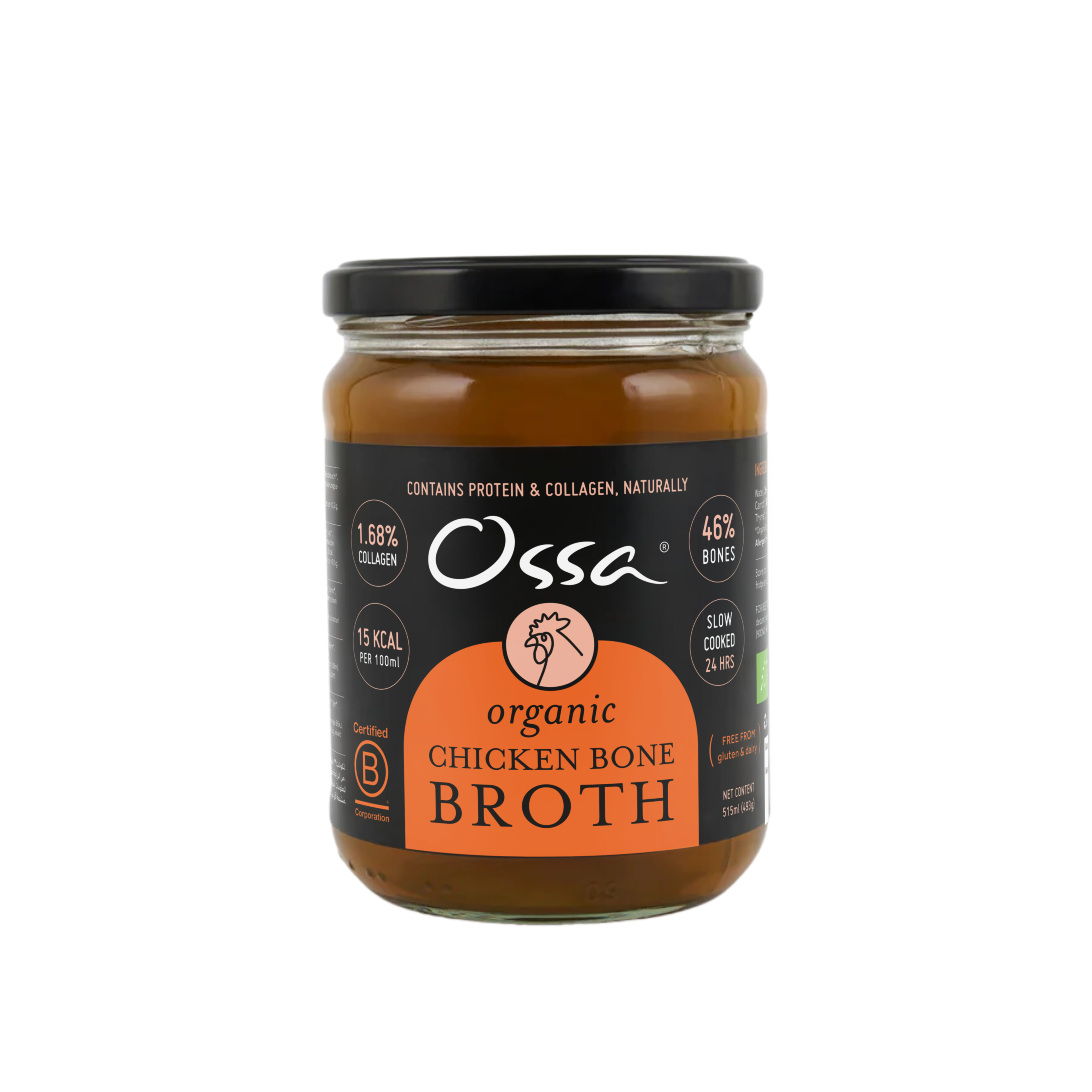
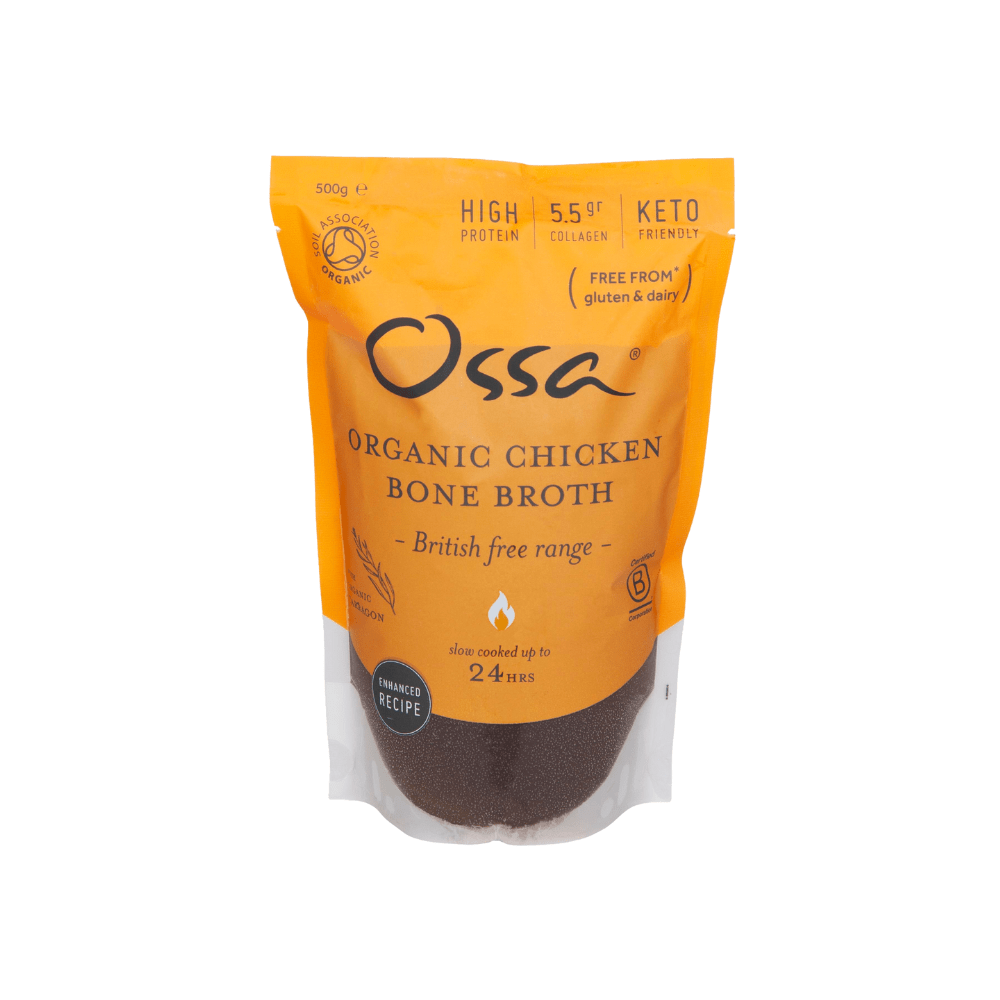
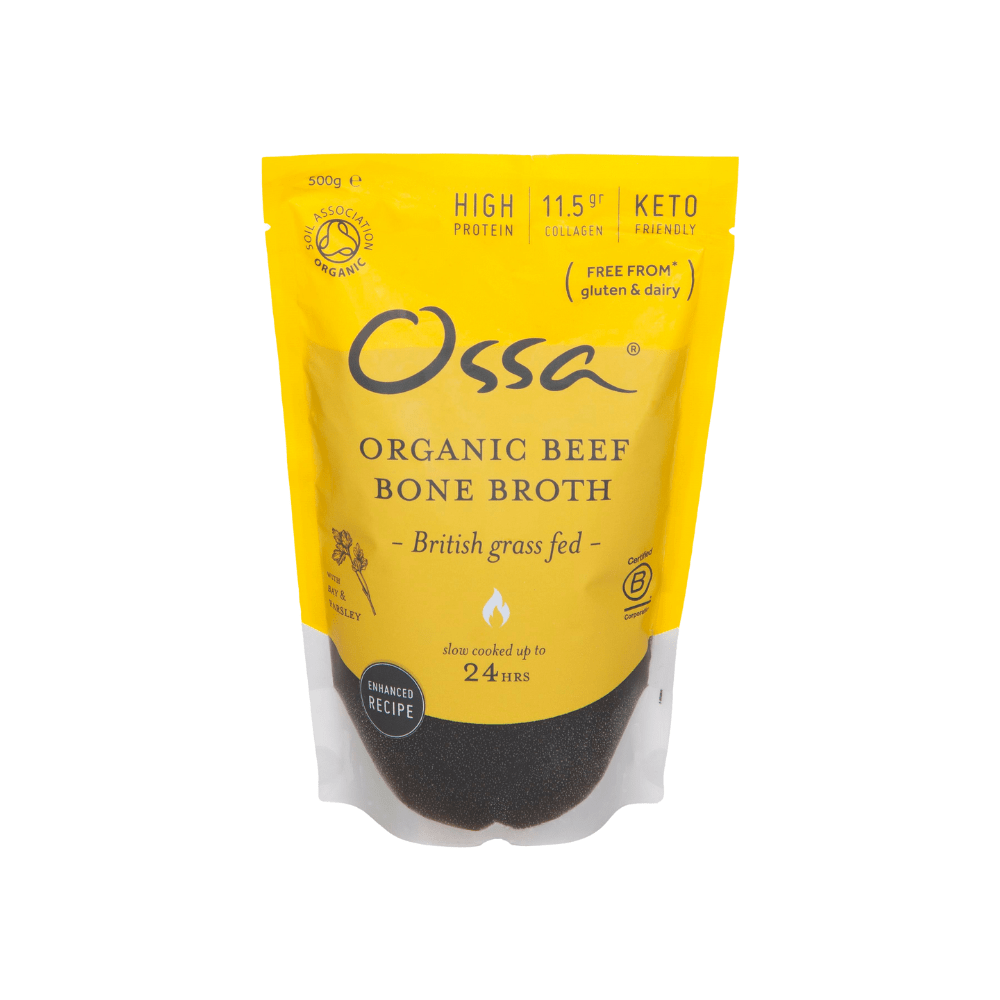
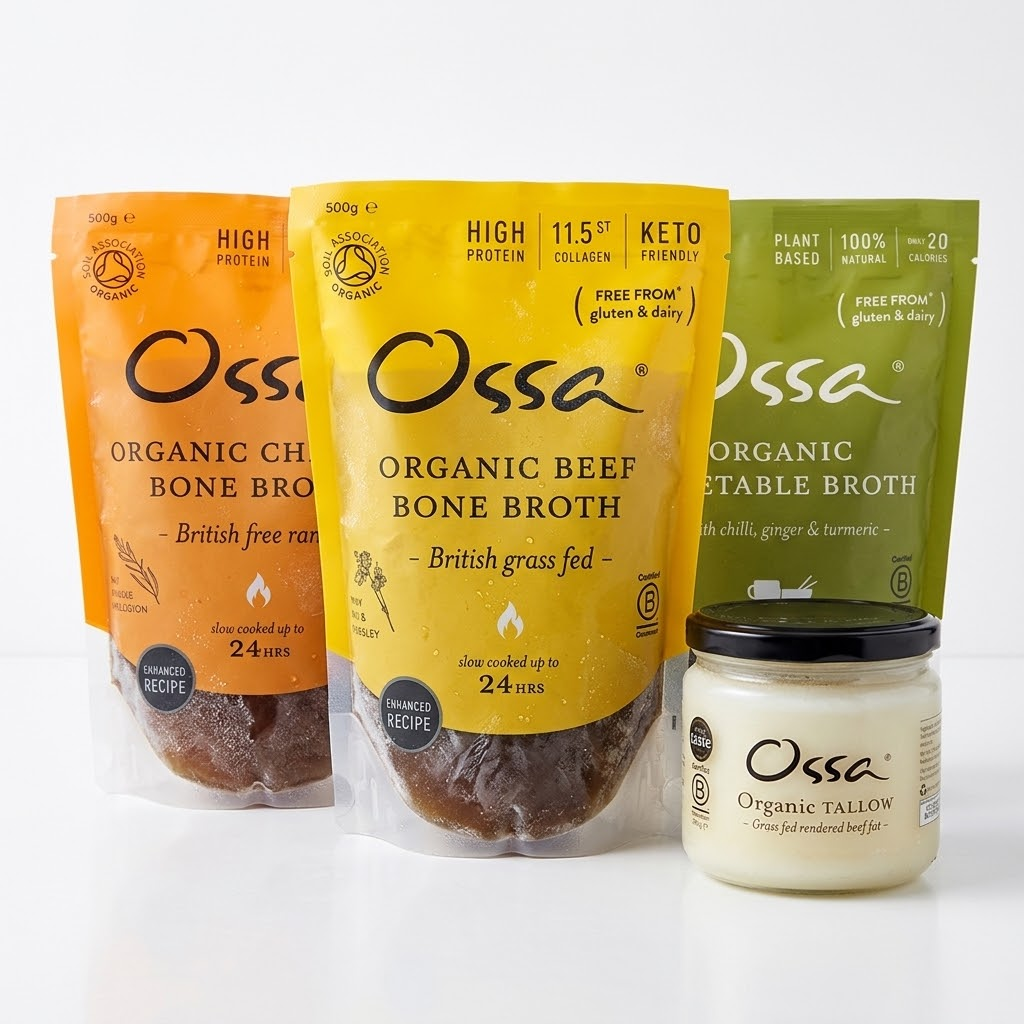
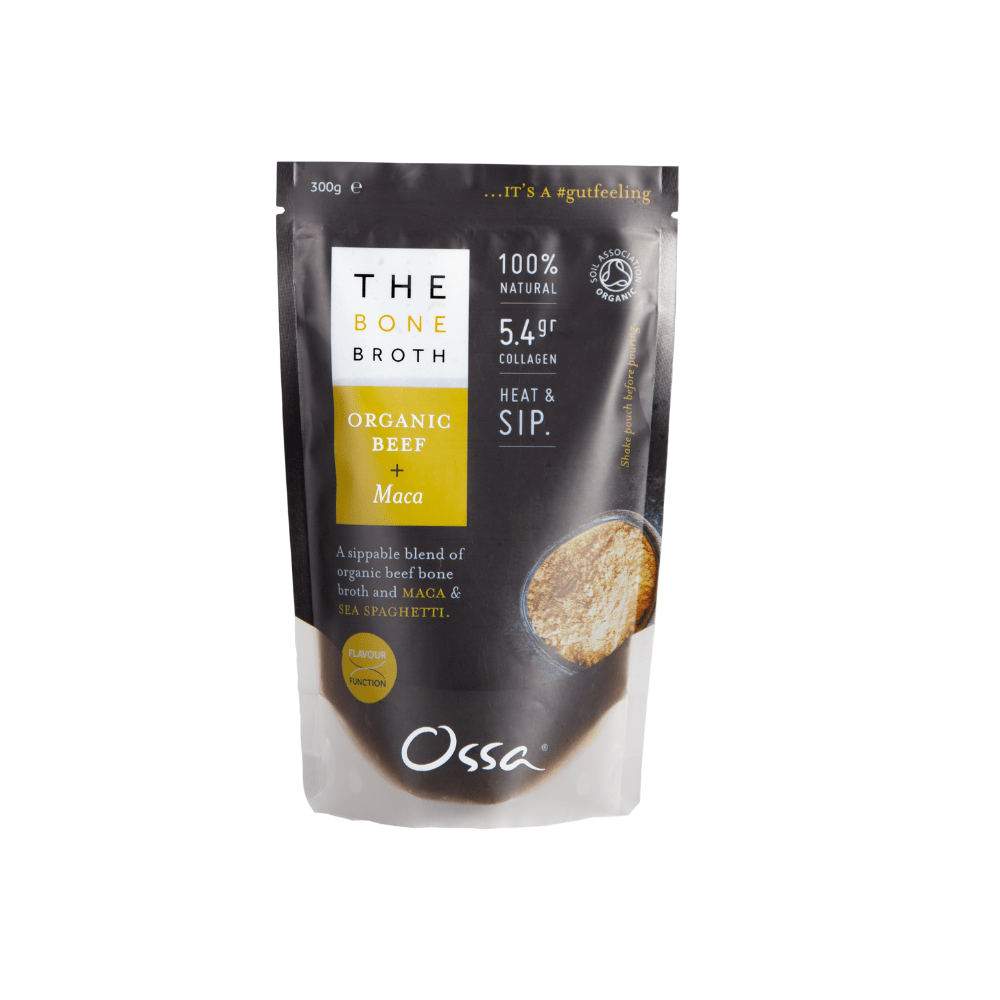
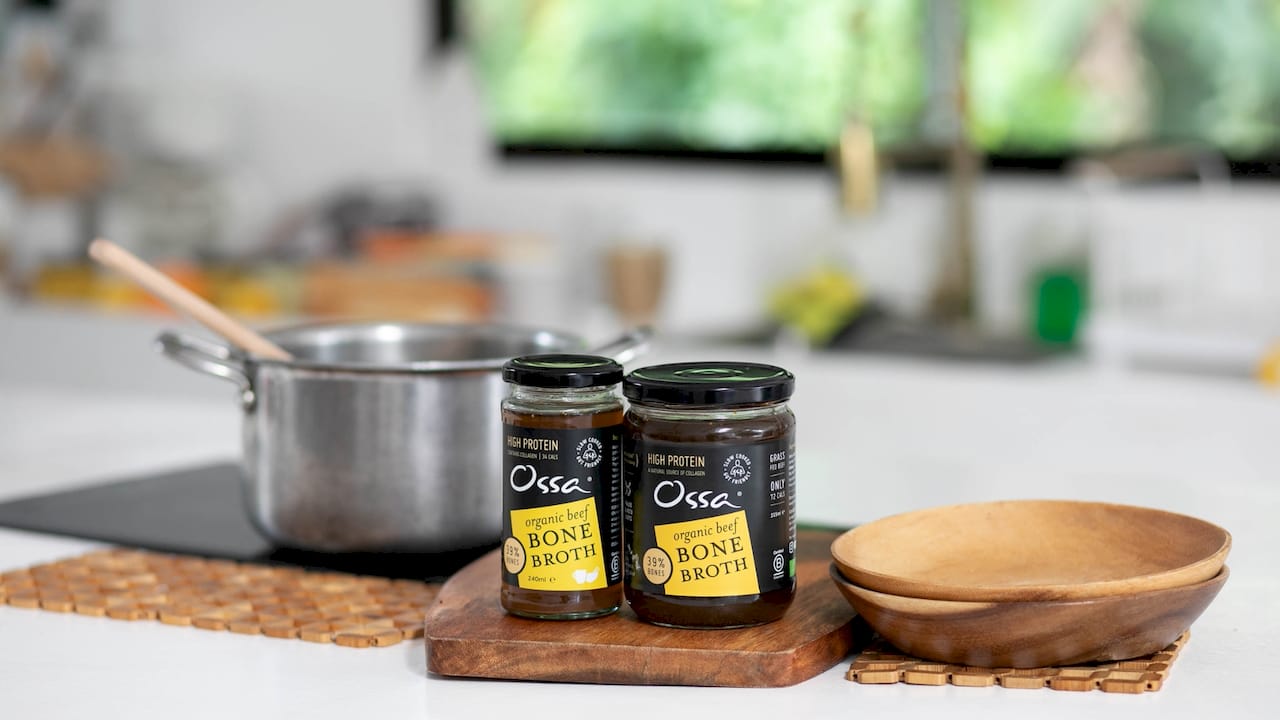
Ossa Organic produces beef and chicken bone broths using organic, slow-simmered methods that preserve the glutamine, glycine, and collagen content the body needs. The organic beef bone broth and organic chicken bone broth are made without additives, flavour enhancers, or unnecessary sodium. Both options are ambient and ready to use straight from the pack, making daily consumption practical for athletes and health-conscious individuals alike. For guidance on how to incorporate bone broth into your routine, the how to use guide covers serving suggestions and daily intake recommendations. If you want a structured approach to gut health, the 14 Day Gut Reset programme provides a clear framework built around bone broth and whole foods.
FAQ
Is bone broth high in glutamine?
Bone broth is a reliable dietary source of glutamine. Glutamine is the third-highest amino acid in broth and gelatin by concentration, making it one of the most practical food-based ways to increase glutamine intake.
How does glutamine in bone broth help the gut?
Glutamine is the primary fuel for enterocytes, the cells lining the intestinal wall. Clinical studies show it supports intestinal barrier function and may reduce intestinal permeability, particularly during periods of gut damage or stress.
How long should I simmer bone broth to maximise glutamine content?
Simmer beef bones for 12–24 hours and chicken bones for 8–12 hours. Longer, slower cooking extracts more collagen and amino acids, producing a broth that sets to a gel when refrigerated.
Can athletes use bone broth for muscle recovery?
Bone broth provides glutamine, glycine, and hydroxyproline, which support muscle repair, reduce soreness, and aid connective tissue recovery. Consuming 240–480ml within 60 minutes of training delivers these amino acids during the key recovery window.
Does bone broth alone heal a leaky gut?
No. There is no strong clinical evidence that bone broth alone heals the gut. It supplies nutrients that support repair, but it works best as part of a wider approach that includes dietary changes, stress management, and, where needed, medical treatment.
Recommended