TL;DR:
- A bone broth cleanse is a short-term dietary practice that involves consuming nutrient-dense broth to support digestion and mild detoxification. It is typically limited to one to three days and emphasizes high-quality, organic broth from trusted sources. The practice provides key nutrients like protein, minerals, and amino acids while promoting hydration and digestive rest, but claims of systemic detoxification are overstated.
A bone broth cleanse is a short-term dietary practice in which you consume nutrient-dense bone broth as the primary food source, typically for one to five days, to support digestive health and mild detoxification. The practice draws on centuries of traditional food preparation, where slow-simmered bones were used to produce deeply nourishing stocks. Unlike aggressive juice fasts or extreme elimination diets, a bone broth cleanse provides protein, minerals, and amino acids while giving the digestive system a period of relative rest. Ossa Organic has built its entire range around this principle: real food, slow-cooked, with nothing unnecessary added. The benefits of bone broth are well documented in nutritional practice, and understanding how to use it correctly makes all the difference between a genuinely useful reset and a short-lived fad.
What nutritional benefits does bone broth provide during a cleanse?
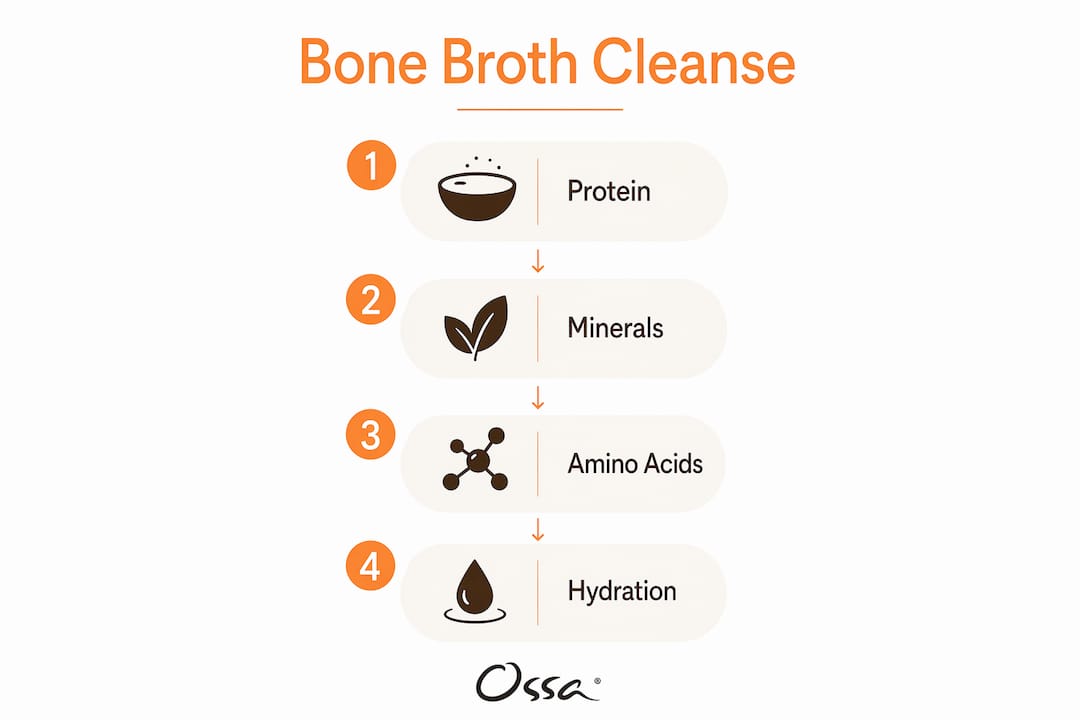
Bone broth delivers 8–10 grams of protein per cup, which is higher than most standard broths. That protein content supports muscle maintenance, tissue repair, and blood sugar stability during a cleanse period when overall calorie intake is reduced.
The mineral profile of bone broth is equally relevant. A typical batch contains calcium, magnesium, phosphorus, and potassium, all of which contribute to bone density, nerve signalling, and hydration balance. These minerals do not appear in sufficient quantities to meet full daily requirements from broth alone, but they provide a meaningful contribution alongside a balanced diet.
Amino acids are where bone broth earns particular attention in gut health circles. Glycine, one of the key amino acids released during long simmering, plays a role in supporting the gut lining and collagen synthesis. That said, collagen from bone broth breaks down into amino acids during digestion, meaning the broth functions more as a general protein source than a direct collagen supplement. The benefit is real but more modest than many marketing claims suggest.
Hydration is another practical advantage. Warm broth encourages fluid intake, which supports electrolyte balance and digestive motility. Adding herbs and vegetables to your broth during preparation increases its vitamin and polyphenol content, contributing anti-inflammatory and antioxidant effects that plain water cannot provide.
| Nutrient |
Role during a cleanse |
| Protein (8–10g per cup) |
Supports muscle maintenance and satiety |
| Glycine (amino acid) |
Contributes to gut lining support and collagen synthesis |
| Calcium, magnesium, potassium |
Bone health, nerve function, and hydration balance |
| Polyphenols (from added vegetables) |
Anti-inflammatory and antioxidant support |
| Fluids and electrolytes |
Digestive motility and hydration |
Pro Tip: Add a handful of kale or cabbage to your broth during the final 10 minutes of simmering. Water-soluble nutrients from the greens transfer into the liquid, increasing the nutritional value of every cup.
How to safely prepare and execute a bone broth cleanse
A bone broth cleanse works best when it is short, structured, and paired with realistic expectations. The following steps cover preparation through completion.
Choosing your duration
-
One day: A single-day broth fast suits first-timers or those with sensitive digestion. It provides a gentle reset without significant caloric restriction.
-
Two to three days: The most commonly recommended window for a nutritious broth cleanse. Broth fasting protocols that extend beyond a few days should be combined with balanced eating on alternate days to prevent nutrient deficits.
-
Four to five days: Suitable only for those with prior experience of short fasting protocols. Exclusive broth consumption beyond this point risks energy crashes and micronutrient shortfalls.
Selecting your broth
The quality of your broth determines the quality of your cleanse. Key considerations:
-
Homemade broth from organic, grass-fed bones gives you full control over sodium content and ingredient quality.
-
Commercial broths vary widely. Excess sodium in commercial broths can affect blood pressure, so check labels carefully and choose low-sodium options.
-
Bone source matters. Research shows that bone broth may contain low levels of heavy metals depending on the source and preparation method. Choosing certified organic bones from trusted suppliers reduces this risk significantly.
-
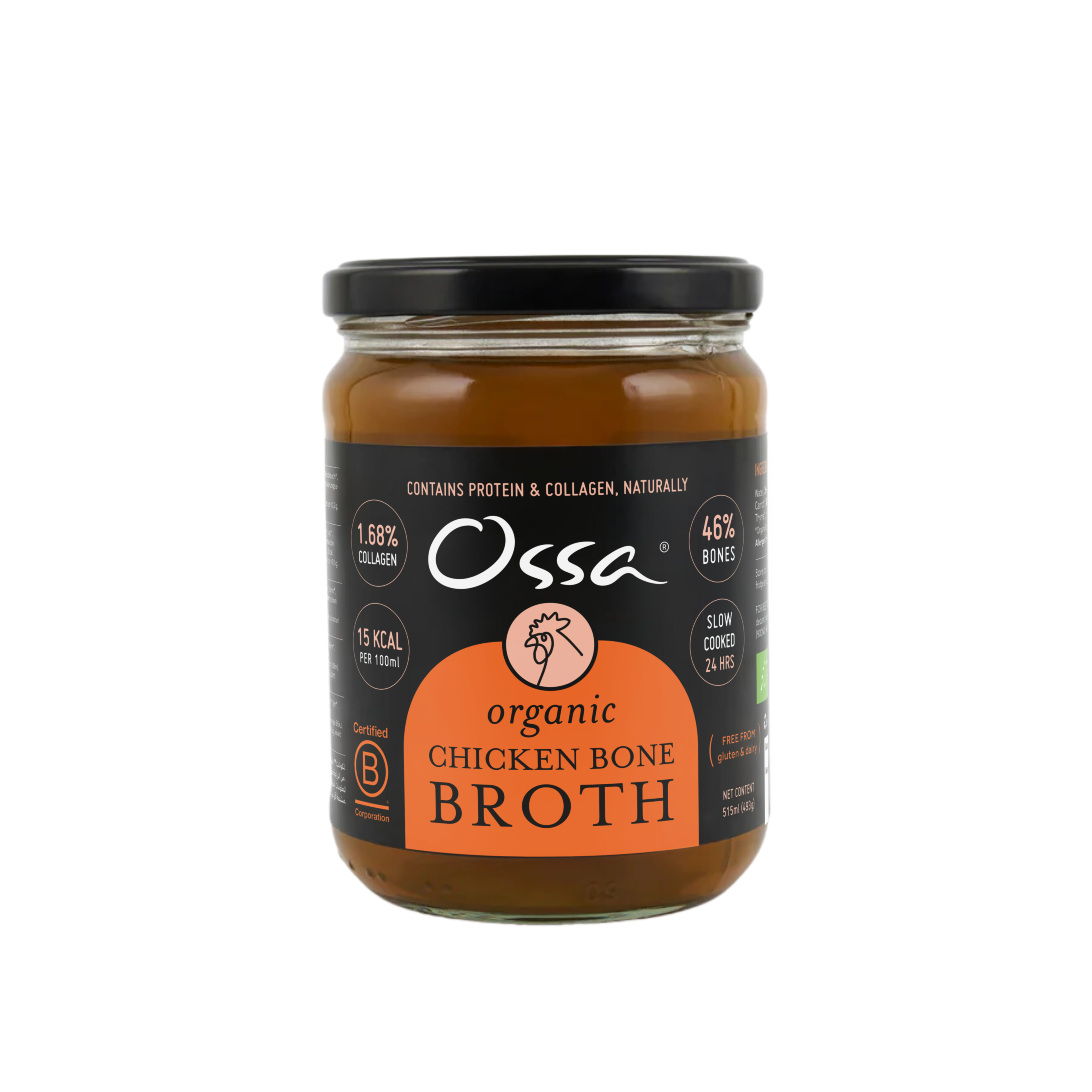
Ossa Organic’s beef and chicken bone broths are slow-cooked from organic, traceable bones, which addresses both the sodium and sourcing concerns directly.
During the cleanse
-
Drink 3–4 cups of warm broth spread across the day.
-
Maintain water intake alongside broth. Broth is hydrating but does not replace plain water entirely.
-
If hunger becomes difficult to manage, add light, easily digestible foods such as steamed vegetables, a small portion of white rice, or a soft-boiled egg. A bone broth fast does not require absolute restriction to be effective.
-
Avoid strenuous exercise during a multi-day cleanse. Light walking or gentle stretching is appropriate.
-
Store prepared broth in the refrigerator for up to five days, or freeze in portions for convenience.
Pro Tip: Prepare your broth in a large batch before starting the cleanse. Having it ready removes the temptation to reach for processed alternatives when hunger peaks.
What are common pitfalls and misconceptions about bone broth cleanses?
The bone broth detox has attracted a great deal of enthusiasm, and with it, a fair share of overstatement. Understanding what the evidence actually supports prevents disappointment and, more importantly, prevents harm.
“High-quality clinical evidence for systemic detoxification from bone broth consumption remains limited. The benefits most likely come from consuming a nutrient-dense, gentle food during a period of reduced digestive load, not from any specific detox mechanism.”
This distinction matters. The liver and kidneys handle the body’s detoxification processes continuously. Bone broth supports those organs by providing hydration, amino acids, and minerals. It does not accelerate detoxification in any clinically proven way beyond what a well-nourished body already does.
Common mistakes and misconceptions to avoid:
-
Treating broth as a complete meal replacement long-term. Exclusive broth diets are low in calories and lack essential fats, carbohydrates, and a full spectrum of vitamins. They are not appropriate for extended periods.
-
Expecting significant weight loss. Any weight lost during a short broth fast is primarily water weight. Sustainable weight management requires consistent dietary habits, not periodic restriction.
-
Assuming all commercial broths are equivalent. Many products labelled as bone broth contain additives, flavour enhancers, or high sodium levels that undermine the purpose of a cleanse.
-
Ignoring heavy metal risk. Bones can accumulate environmental toxins. This risk is generally low with trusted, certified sources, but it is not zero. Always choose broth from verified organic suppliers.
-
Extending the cleanse beyond what is comfortable. Practitioners consistently emphasise limiting cleanse duration to avoid unintended nutrient deficits and maintain sustainable wellness.
The most productive framing for a bone broth cleanse is as a short-term digestive reset, not a cure. It creates space for the gut to recover from processed foods, alcohol, or irregular eating patterns. That is a genuinely useful function, provided expectations remain grounded.
How to incorporate a bone broth cleanse into a broader wellness routine
A bone broth cleanse produces the most lasting benefit when it sits within a wider pattern of healthy eating rather than as a standalone event. Treating it as a periodic reset, rather than an annual emergency measure, changes its impact entirely.
Timing your cleanse thoughtfully makes a practical difference. Many people find that broth-based dietary approaches work well at seasonal transitions, particularly in early autumn or after the winter holiday period when eating patterns tend to be less consistent. A one to three day cleanse at these points gives the digestive system a structured pause.
Beyond the cleanse itself, bone broth fits naturally into daily cooking. Using it as a base for soups, stews, and grains adds protein and minerals to ordinary meals without any additional effort. The 50 creative ways to use bone broth documented by Ossa Organic show how easily it integrates into everyday cooking, from risotto bases to morning drinks.
Complementary habits that support gut health alongside a cleanse include:
-
Fermented foods such as kefir, sauerkraut, or live yoghurt, which introduce beneficial bacteria to the gut microbiome.
-
Adequate sleep, which directly affects gut motility and the integrity of the intestinal lining.
-
Stress management, since chronic stress disrupts the gut-brain axis and can worsen digestive symptoms regardless of diet.
-
Consistent hydration, aiming for 1.5–2 litres of water daily in addition to broth consumption.
-
Mindful eating habits outside cleanse periods, including slowing down at mealtimes and reducing ultra-processed food intake.
If you are planning a period of travel or a busy schedule, maintaining gut health requires some forward planning. Practical guidance on eating well on holiday can help you keep digestive habits consistent even when your routine changes.
Pro Tip: Drink one cup of warm bone broth each morning as a daily habit between cleanse periods. This keeps the gut supported without requiring any formal protocol and is far easier to sustain long-term.
The bone broth diet format documented in nutritional practice, which combines two days of broth fasting with five days of Paleo-style eating across a 21-day structured plan, offers a useful model for those who want more structure. The key principle is alternation: periods of reduced digestive load followed by balanced, nutrient-complete eating.
Key takeaways
A bone broth cleanse is most effective as a short-term digestive reset of one to three days, using quality organic broth, combined with balanced eating habits outside the cleanse period.
| Point |
Details |
| Protein and mineral content |
Bone broth provides 8–10g of protein per cup plus key minerals, supporting tissue repair and hydration. |
| Cleanse duration |
One to three days is the recommended window; longer exclusive broth fasts risk nutrient deficiencies. |
| Broth quality is critical |
Choose organic, low-sodium broth from certified sources to avoid excess sodium and heavy metal risk. |
| Detox claims are overstated |
Clinical evidence for systemic detoxification is limited; benefits come from nutrient-dense, gentle nourishment. |
| Long-term integration |
Daily broth use and complementary gut health habits produce more lasting results than periodic cleanses alone. |
Ossa Organic’s perspective on bone broth cleanses
The cleanse conversation often goes in one of two directions: either it is presented as a miracle reset, or it is dismissed entirely as a wellness fad. Neither position reflects what actually happens when you do this thoughtfully.
What we have observed, both through our own experience and through years of working with people who use Ossa Organic products, is that a short broth cleanse does something specific and useful. It interrupts a pattern. Most people who come to bone broth are not in perfect health. They are dealing with bloating, irregular digestion, or the aftermath of a period of poor eating. A one to three day cleanse using quality broth gives the gut a structured pause. That pause, combined with the amino acids and minerals in the broth, creates conditions for recovery.
The quality of the broth is not a minor detail. It is the entire point. Broth made from poorly sourced bones, loaded with sodium, or padded with additives does not produce the same result. This is why sourcing matters as much as the protocol itself. Ossa Organic is B Corp certified, which means the sourcing, production, and environmental standards behind every product are independently verified.
The advice we give consistently is this: keep the cleanse short, use the best broth you can source, and treat it as the beginning of better habits rather than a substitute for them. A cleanse that leads to nothing changes nothing. One that prompts you to cook more bone broth recipes, reduce processed food, and pay attention to how your gut responds is genuinely worthwhile.
— Ossa Organic
Ossa Organic bone broth for your cleanse
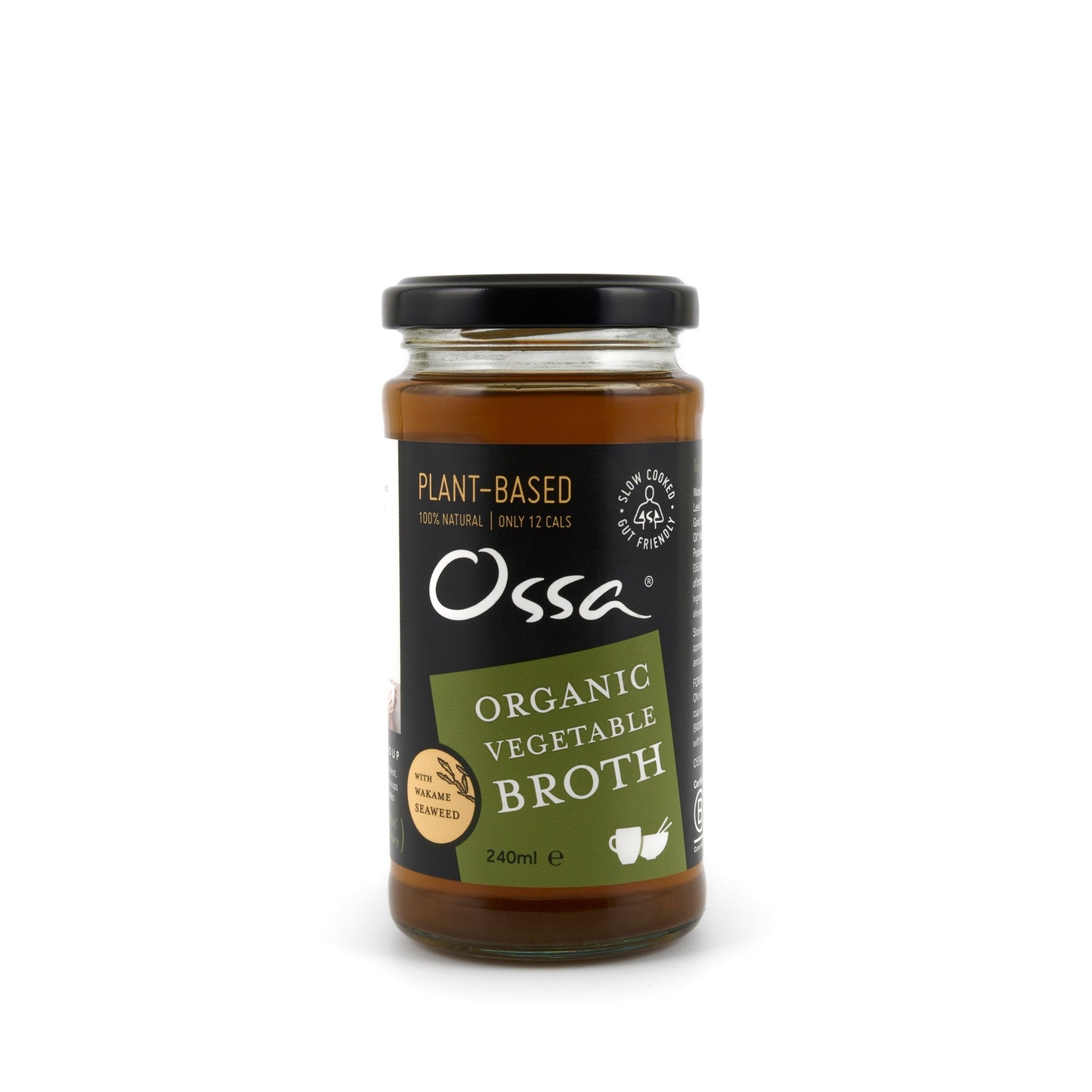
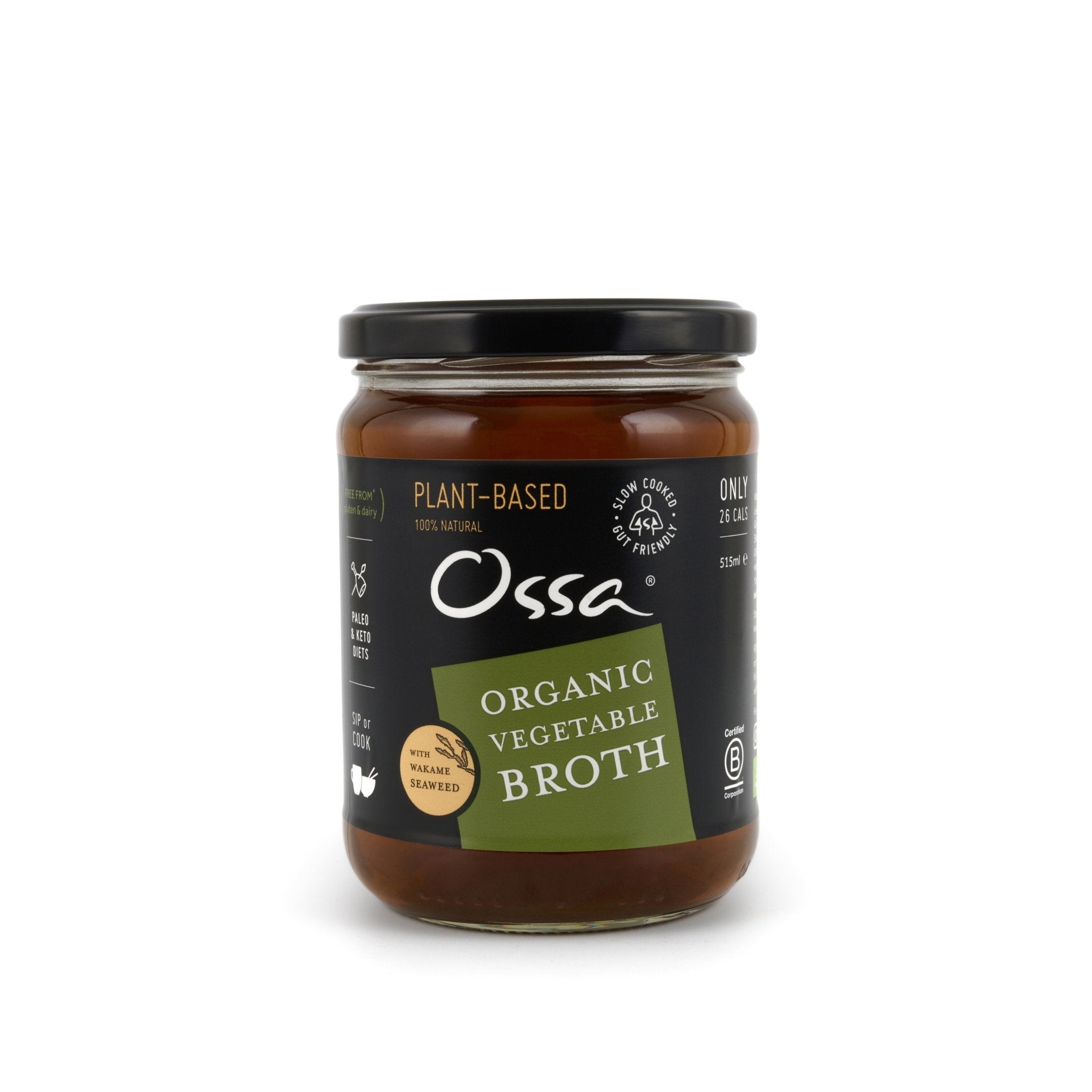
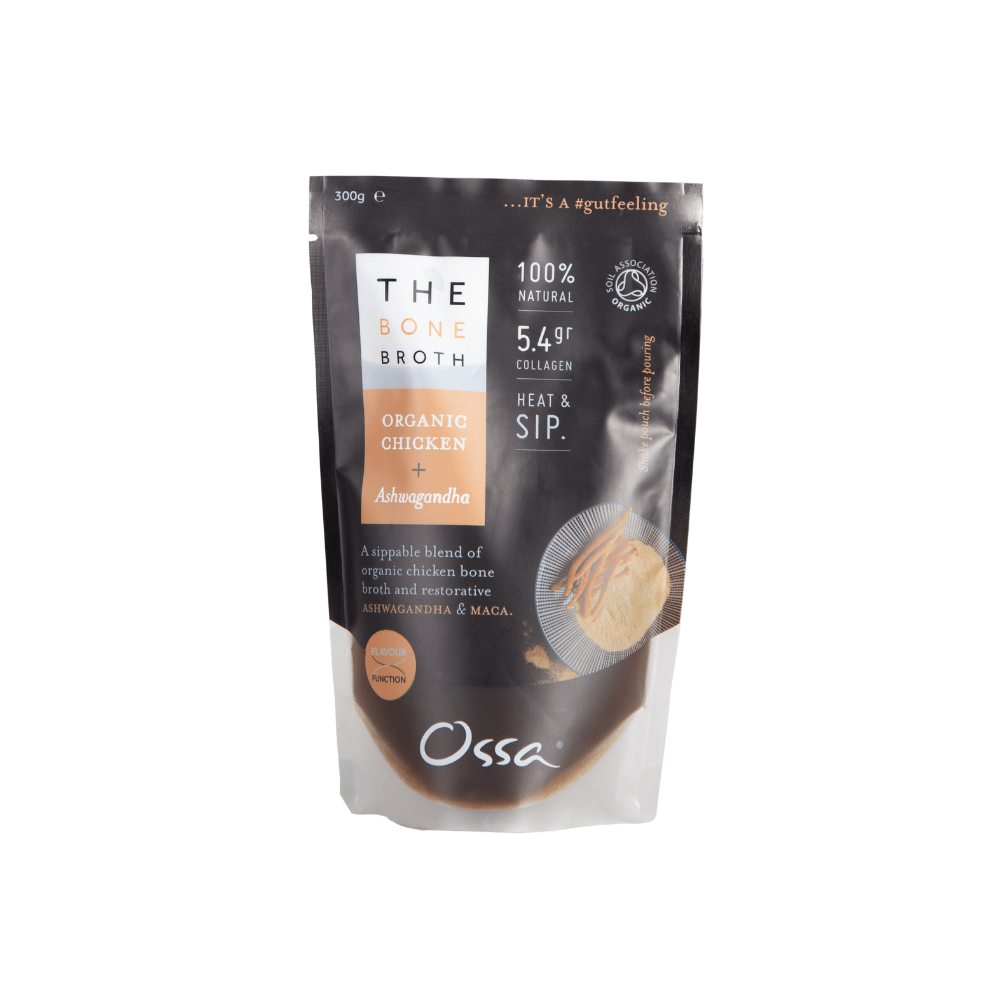
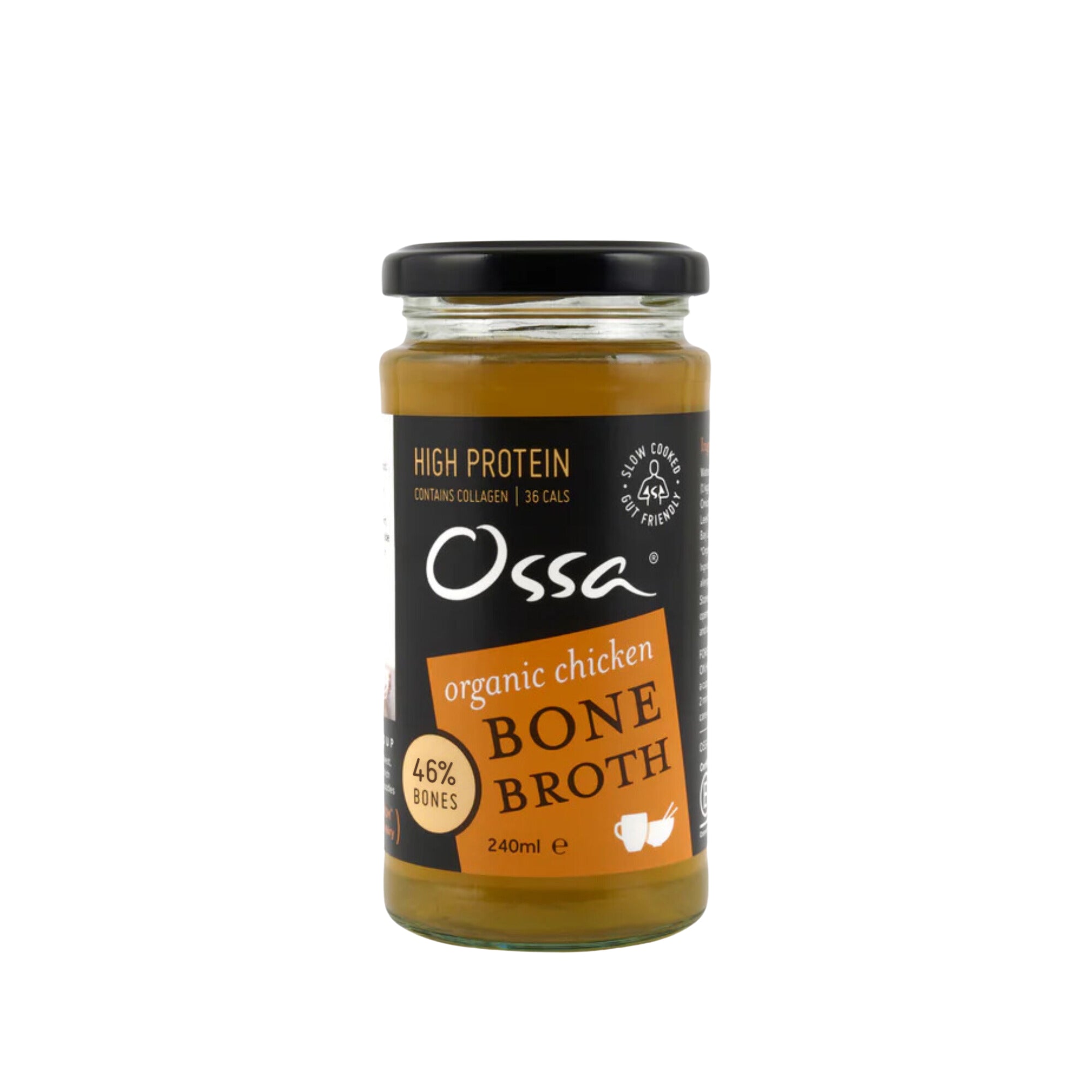
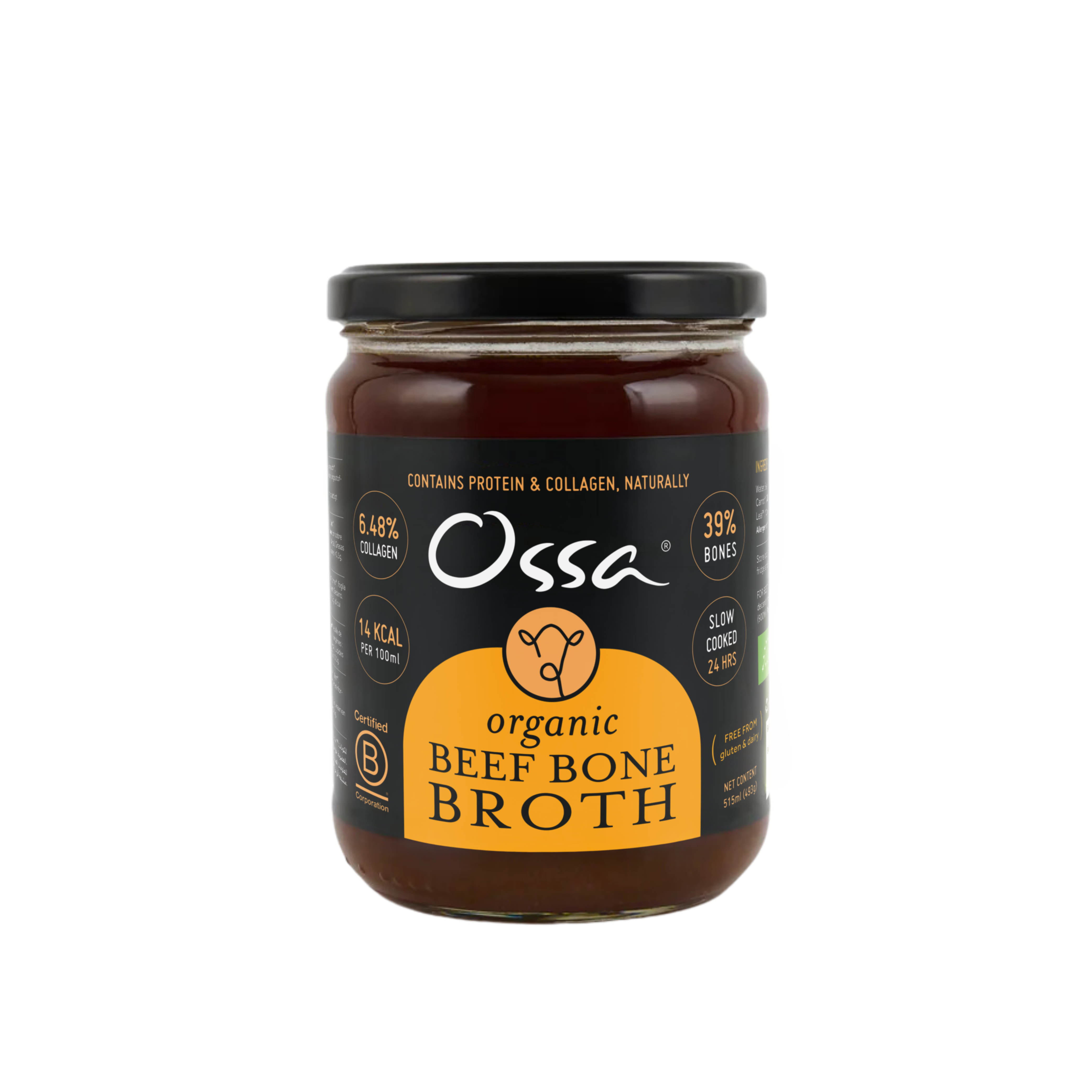
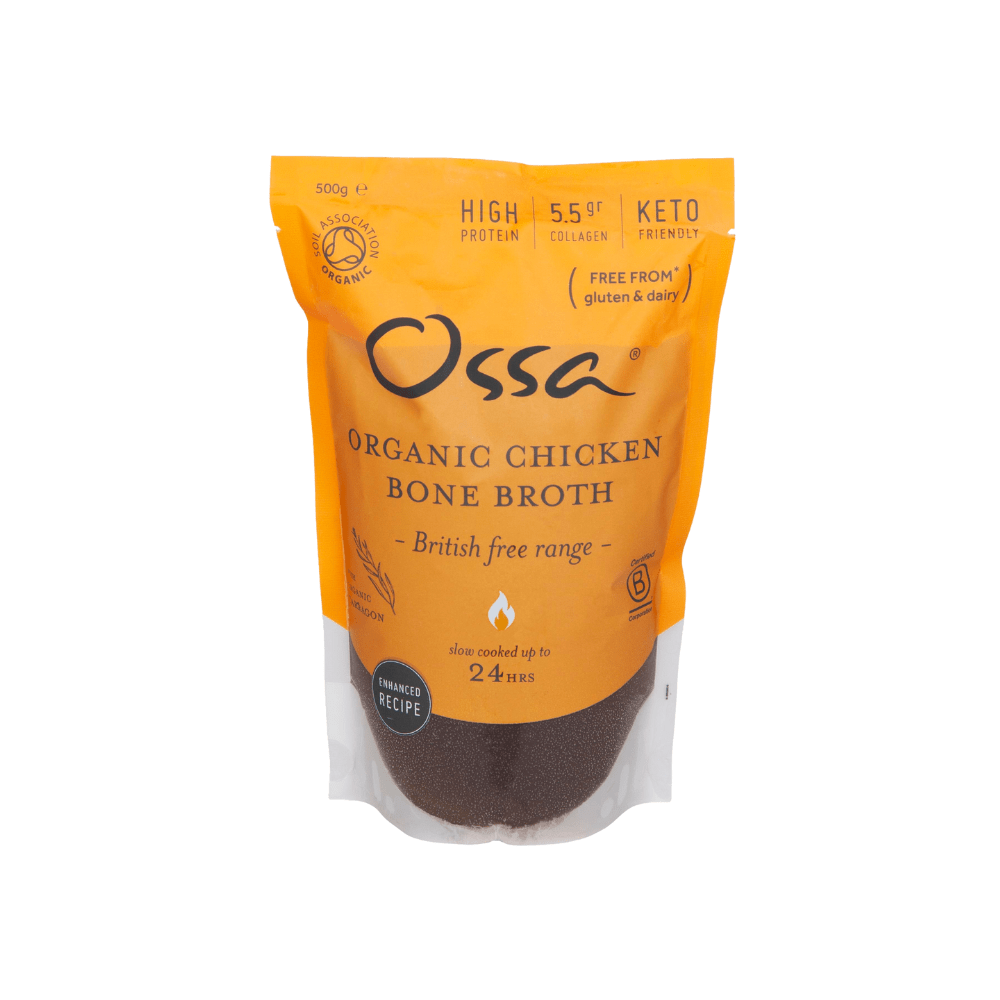
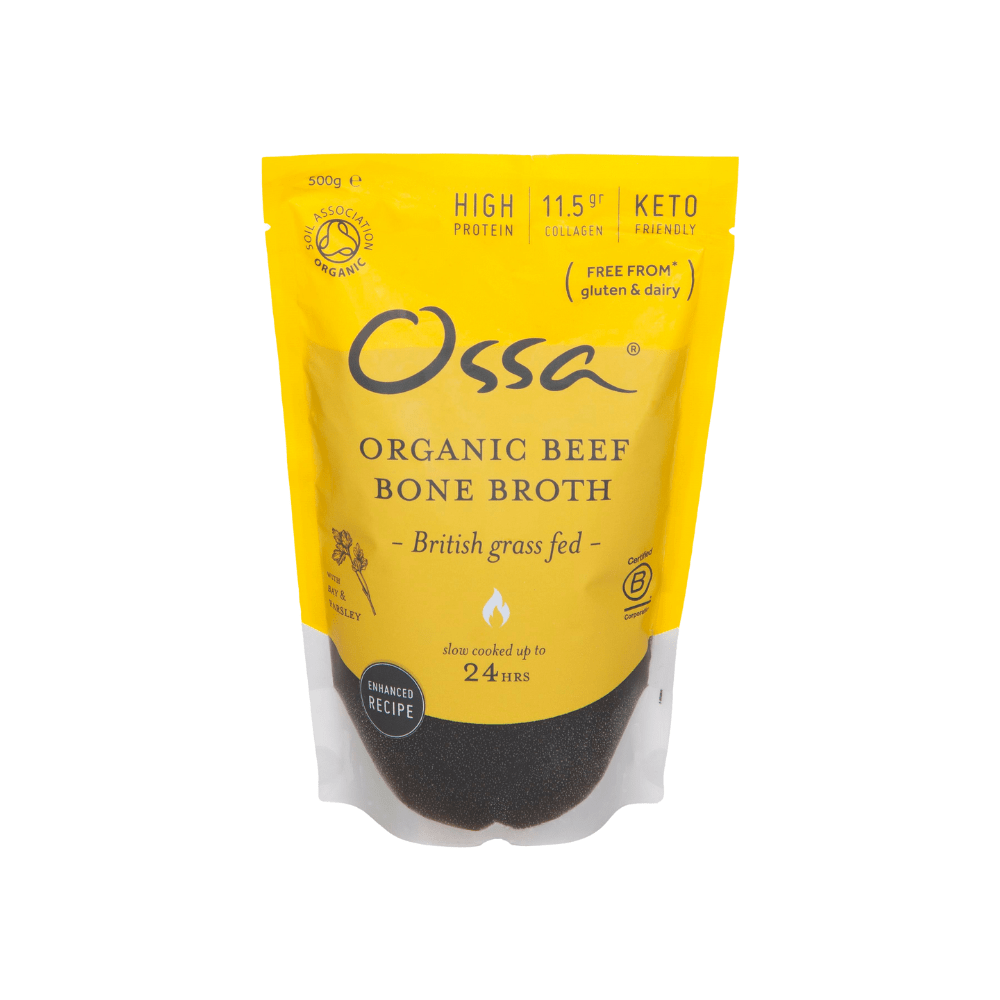
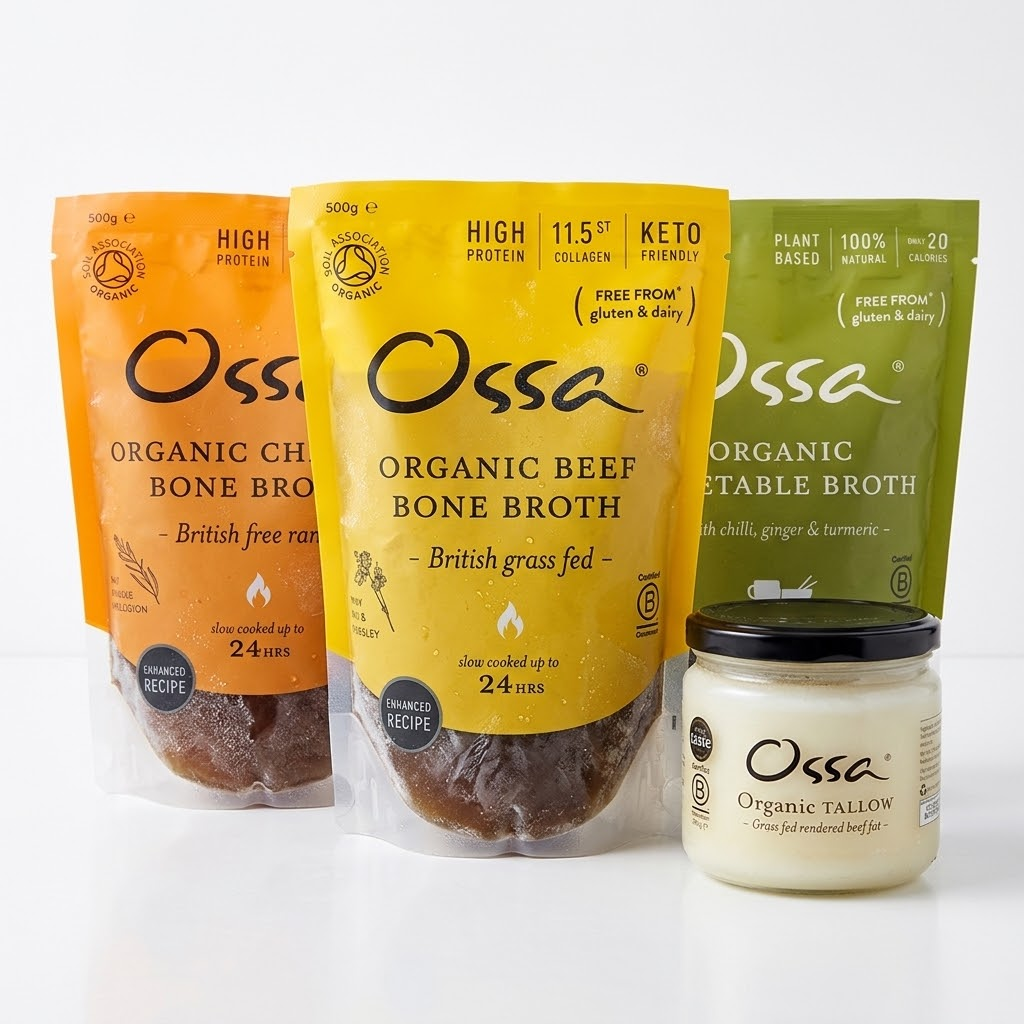
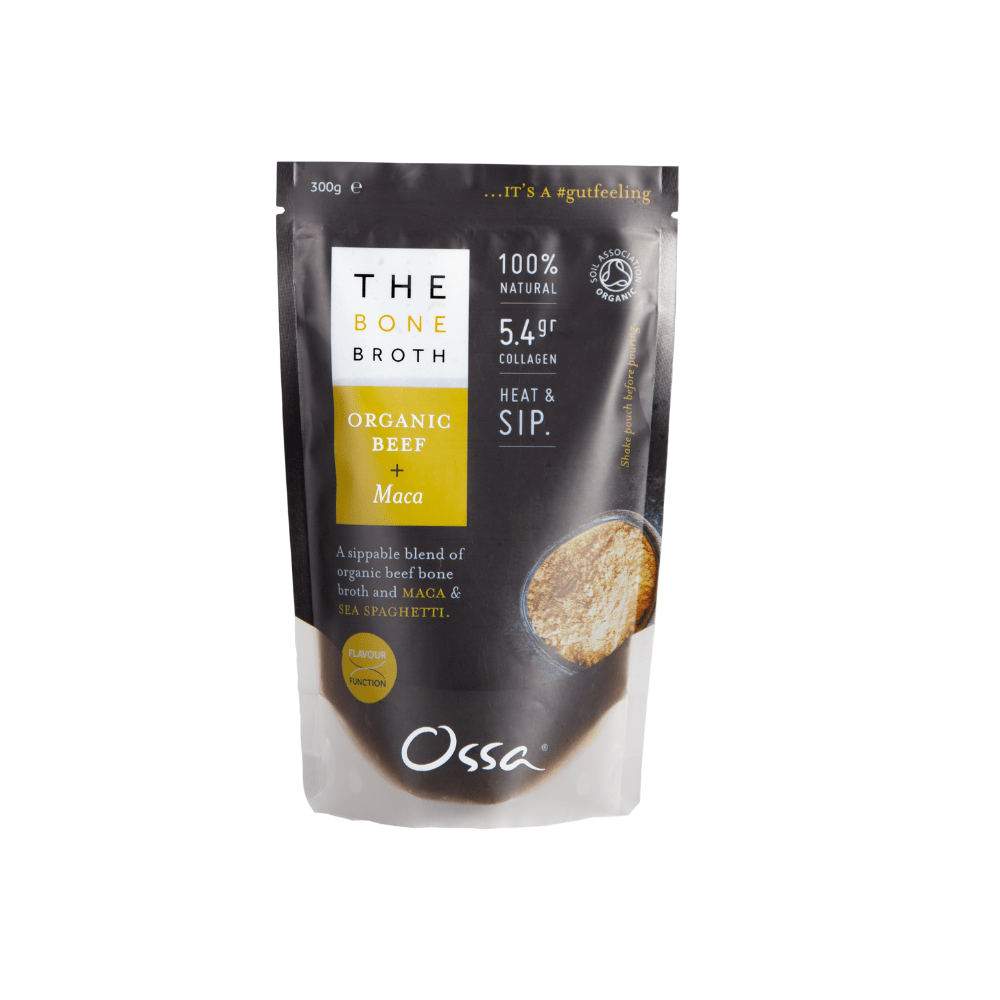
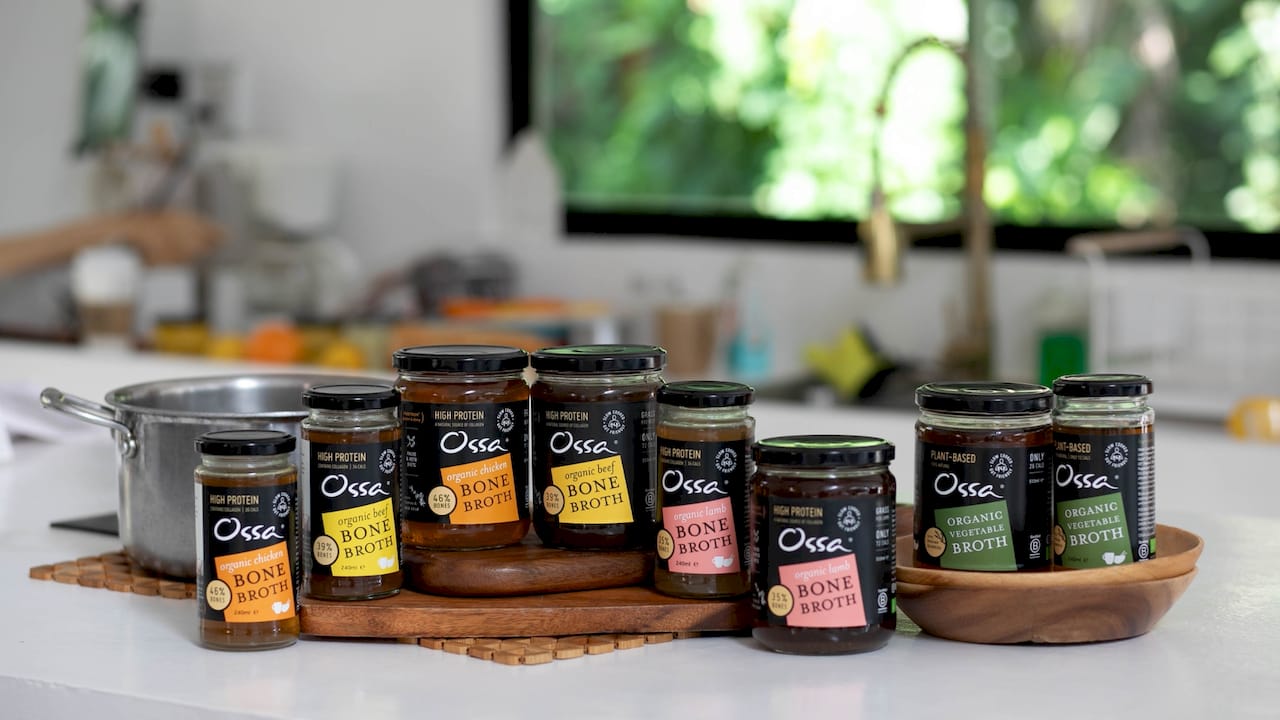
Ossa Organic produces two core bone broths suited to a cleanse or daily gut health routine. The organic beef bone broth is slow-cooked from grass-fed bones and delivers a rich, mineral-dense liquid with no additives or preservatives. The organic chicken bone broth is lighter in flavour and equally protein-rich, making it a practical choice for those new to broth fasting. Both products are certified organic and produced to B Corp standards. For those looking to extend the benefits of a cleanse into a structured programme, the 14-day gut reset provides a guided framework combining bone broth with dietary guidance for sustained digestive support.
FAQ
What is a bone broth cleanse?
A bone broth cleanse is a short-term dietary practice in which bone broth is consumed as the primary food source, typically for one to five days, to support gut health and provide a period of reduced digestive load.
How long should a bone broth cleanse last?
One to three days is the most widely recommended duration. Exclusive broth consumption beyond a few days risks nutrient deficiencies and energy crashes, so longer protocols should include balanced eating on alternate days.
Does bone broth actually detox the body?
Clinical evidence for systemic detoxification from bone broth is limited. The body’s liver and kidneys manage detoxification continuously; bone broth supports these organs through hydration, amino acids, and minerals rather than triggering a specific detox process.
Is commercial bone broth safe for a cleanse?
Commercial broths vary significantly in sodium content and ingredient quality. High sodium levels can affect blood pressure, and some broths may contain additives. Choosing certified organic, low-sodium broth from a verified supplier reduces these risks.
Can you eat food during a bone broth cleanse?
A strict bone broth fast involves consuming only broth, but adding light, easily digestible foods such as steamed vegetables or a soft-boiled egg is acceptable and helps prevent energy crashes without undermining the digestive rest the cleanse provides.
Recommended