

Cart
0
TL;DR:
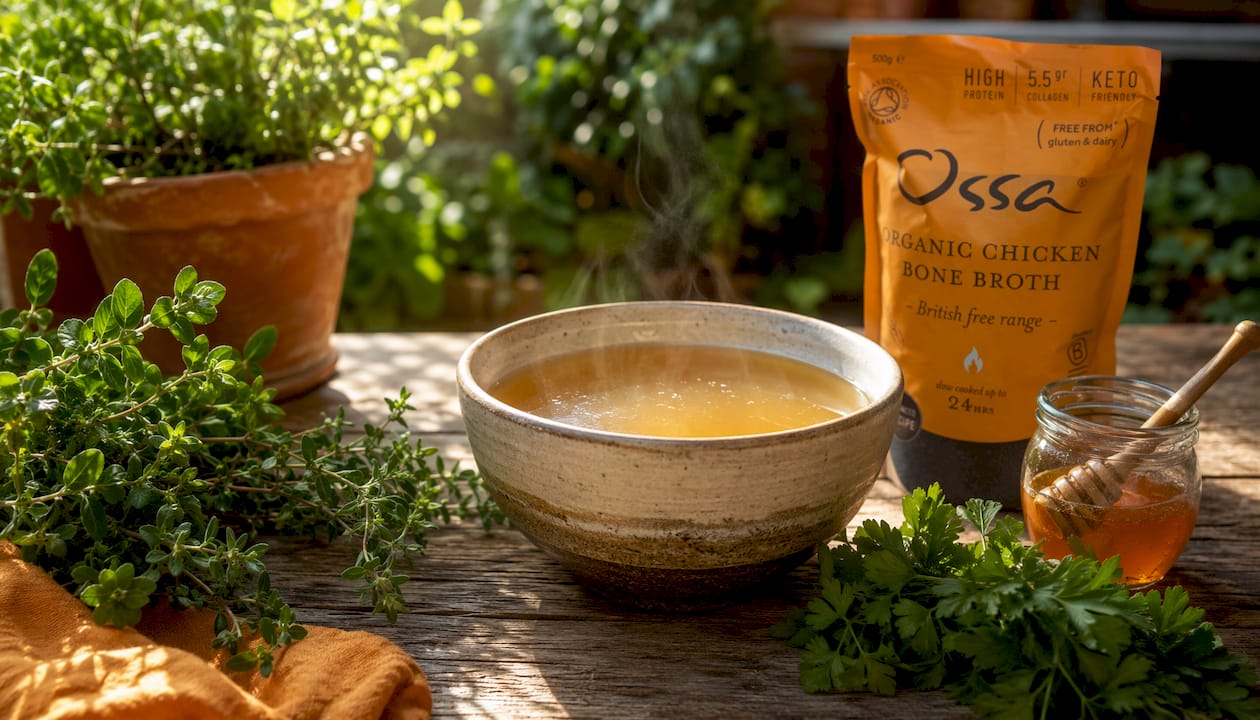
- Bone broth is a nutrient-rich soup made from simmered animal bones, supportive during pregnancy when sourced properly. It provides amino acids, minerals, and collagen that aid fetal development and help manage common pregnancy symptoms. Expectant mothers should choose organic, low-sodium options, and consult healthcare providers to determine suitable consumption levels.
Bone broth is defined as a slow-simmered liquid made from animal bones, connective tissue, and water, yielding a collagen-rich stock packed with amino acids, minerals, and gelatin. For expectant mothers, it represents one of the most nutrient-dense additions to a pregnancy diet, delivering glycine, calcium, and natural electrolytes in a form the body absorbs readily. Clinical sources assign bone broth a Grade C Silver evidence safety rating for pregnancy, meaning it is generally considered safe with individual considerations around heavy metals and sodium. Ossa Organic was founded specifically on the discovery of bone broth’s benefits during pregnancy, making this a subject grounded in both science and lived experience.
What are the main benefits of bone broth during pregnancy?
Bone broth provides essential amino acids that support tissue repair, fetal development, and maternal joint health. The amino acid glycine, released during long simmering, plays a direct role in building fetal connective tissue, skin, and organs. Collagen, the protein that gives broth its characteristic gel when chilled, also supports the mother’s joints and ligaments as they adapt to the physical demands of pregnancy.
The benefits extend well beyond structural support. High gelatin content in bone broth supports gut health, which is particularly relevant during pregnancy when digestion slows and nausea is common. A well-functioning gut lining helps the body absorb the folate, iron, and calcium that pregnancy demands in greater quantities. Bone broth also contributes to skin elasticity, which many expectant mothers find useful for managing the physical changes that come with a growing bump.
Hydration is another practical benefit. Bone broth is an excellent source of natural electrolytes including sodium, potassium, and magnesium, all of which support fluid balance and recovery. This matters especially in the first trimester, when morning sickness can deplete electrolytes quickly.
Key benefits at a glance:
- Collagen and glycine support fetal tissue formation and maternal joint flexibility.
- Gelatin soothes the gut lining and aids digestion and nausea management.
- Natural electrolytes (sodium, potassium, magnesium) maintain hydration.
- Calcium and phosphorus contribute to fetal bone development.
- Skin elasticity support from collagen may help reduce the appearance of stretch marks.
Pro Tip: Chill a batch of homemade broth overnight. If it sets to a firm gel, the collagen content is high. A watery broth that does not gel contains far less of the beneficial proteins.
Is bone broth safe during pregnancy?
Bone broth carries a Grade C Silver evidence safety rating for pregnancy. That classification means clinical evidence supports general safety, but individual factors such as trimester, dose, and product form all influence whether it is suitable for a specific person. Expectant mothers with pre-existing kidney conditions, high blood pressure, or histamine sensitivity need to approach it with particular care.
Histamine sensitivity
Long simmering increases histamine levels in bone broth, which can cause adverse reactions in histamine-sensitive individuals. Symptoms include headaches, skin flushing, and digestive discomfort. Expectant mothers who know they react to aged cheeses, fermented foods, or wine are most likely to be histamine-sensitive and should start with small amounts or opt for shorter-simmered broths.
Heavy metals and sodium
Bones can accumulate heavy metals such as lead, particularly in older animals or those raised in polluted environments. Choosing organic, grass-fed, or free-range bones from reputable sources reduces this risk considerably. Sodium content also varies widely between products. Commercially produced broths often contain added salt, which can be a concern for expectant mothers managing blood pressure or oedema.
Practical safety steps
- Choose certified organic bones or ready-made broths from verified sources.
- Read product labels carefully and select low-sodium options where possible.
- Start with one small cup (approximately 150–200ml) per day to assess tolerance.
- Avoid broth that has been stored for more than five days in the refrigerator.
- Consult your midwife or GP before adding bone broth regularly to your diet, especially if you have any pre-existing health conditions.
Trimester and dose both influence whether bone broth is appropriate for an individual. A small daily serving in the second or third trimester is generally well-tolerated, but the first trimester, when nausea and food sensitivities peak, may require a more cautious approach. Always personalise your intake based on how your body responds.
Pro Tip: If you are histamine-sensitive, make broth in a pressure cooker. The shorter cooking time (around 2–3 hours) produces a nutritious broth with significantly lower histamine levels than a 24-hour slow simmer.
How to prepare bone broth for pregnancy
Preparation method directly affects both the nutritional value and the safety of the finished broth. Getting it right takes less effort than most expectant mothers expect.
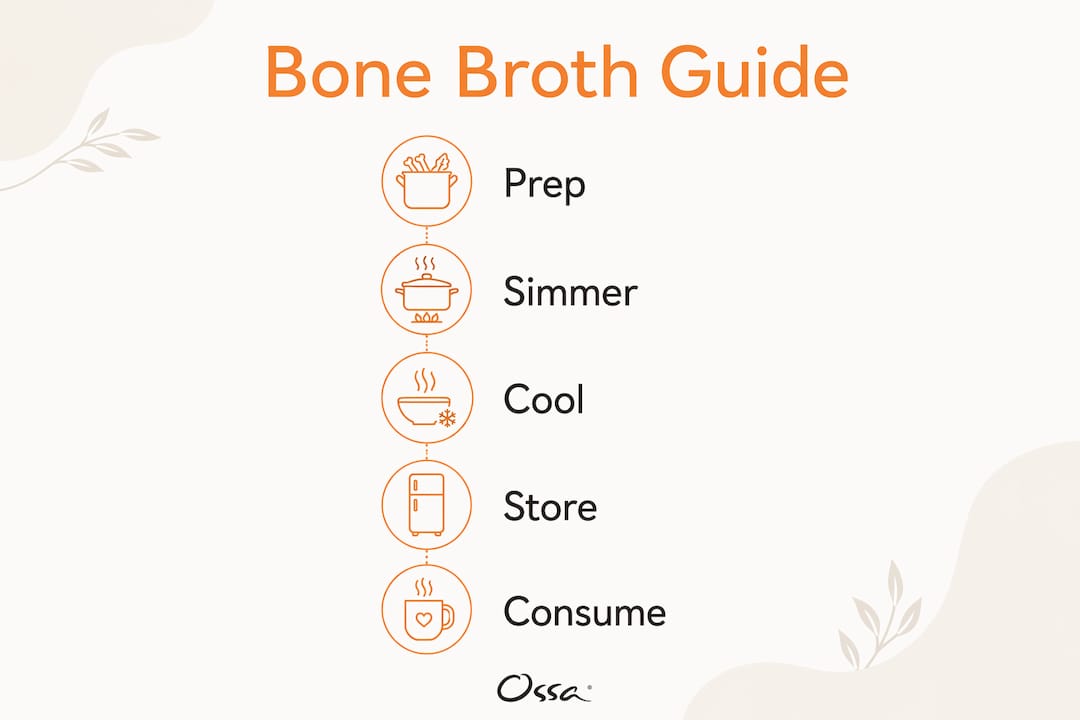
Step-by-step preparation
- Select your bones. Knuckle bones, marrow bones, and chicken carcasses yield the highest collagen content. Organic free-range chicken or grass-fed beef bones are the best choices for pregnancy, as they carry a lower risk of heavy metal accumulation.
- Roast the bones first. Roasting at 200°C for 30 minutes removes surface fat and creates Maillard reaction compounds that deepen flavour and improve digestibility. Place bones on a baking tray and roast until golden brown.
- Soak in apple cider vinegar. Add 2 tablespoons of apple cider vinegar and enough cold water to cover the bones. Soak for 30 minutes before applying any heat. The acid draws minerals out of the bone matrix, significantly improving the broth’s calcium and magnesium content.
- Simmer low and slow. Bring the pot to a gentle simmer, never a rolling boil. Skim any grey foam from the surface during the first 30 minutes. Maintain a low simmer for 8–12 hours for chicken bones or 12–24 hours for beef bones.
- Strain and cool. Pour the finished broth through a fine-mesh sieve. Cool rapidly by placing the pot in a sink of cold water before refrigerating. This reduces bacterial growth during cooling.
- Store correctly. Refrigerate for up to five days or freeze in portions of 150–200ml for convenient daily use throughout pregnancy.
Bone type comparison
| Bone type | Collagen yield | Best use |
|---|---|---|
| Chicken carcass | High | Light daily broth, soups |
| Beef knuckle | Very high | Rich broth, stews |
| Beef marrow | Moderate | Flavour-rich broth |
| Pork trotters | High | Gelatinous broth, noodle soups |
Pro Tip: Freeze broth in an ice cube tray. Each cube is roughly 30ml, making it easy to add precise amounts to soups, rice, or sauces without defrosting an entire portion.
How to incorporate bone broth into your pregnancy diet
Daily intake guidance for expectant mothers is not formally standardised, but one to two cups (250–500ml) per day is a practical and well-tolerated amount for most. Starting at the lower end and building up gradually gives the body time to adjust, particularly for those new to bone broth or managing morning sickness.

Morning sickness presents a specific challenge. Plain, warm broth is often easier to tolerate than solid food during the first trimester because it is gentle on the stomach and delivers electrolytes without requiring digestion of complex proteins. Sipping a small cup of broth first thing in the morning can help settle nausea before a full meal.
Combining bone broth with pregnancy-safe vegetables adds further nutritional value. Courgette, sweet potato, spinach, and leeks all work well in broth-based soups and provide folate, vitamin C, and fibre alongside the broth’s amino acids. Avoiding high-mercury fish and raw sprouts in the same dish keeps the meal fully pregnancy-appropriate.
Practical ways to include broth in daily meals:
- Use broth instead of water when cooking rice, quinoa, or lentils.
- Add a ladle of broth to vegetable soups or stews as a base.
- Drink a warm cup as an afternoon snack in place of caffeinated drinks.
- Stir a small amount into mashed potato or root vegetable purée.
- Use as a base for a simple noodle soup with ginger and spring onions, which also supports nausea relief.
Monitoring personal reactions is straightforward. If you notice headaches, skin flushing, or digestive discomfort after drinking broth, reduce the amount or switch to a shorter-simmered version. If symptoms persist, speak to your midwife. For expectant mothers who travel or find home preparation impractical, eating healthily on holiday is achievable with ready-made organic broth options that require no preparation at all.
Bone broth and fertility also share a connection worth noting. The amino acids and minerals in broth support hormonal balance and reproductive health, making it a useful addition to the diet both before and during pregnancy. Expectant mothers who began drinking broth while trying to conceive often find the habit easy to maintain throughout all three trimesters.
Key takeaways
Bone broth is a safe, nutrient-dense addition to a pregnancy diet when sourced from organic bones, prepared correctly, and consumed in moderate daily amounts.
| Point | Details |
|---|---|
| Safety classification | Bone broth holds a Grade C Silver evidence safety rating for pregnancy with individual considerations. |
| Core nutritional value | Collagen, glycine, calcium, and natural electrolytes support fetal development and maternal health. |
| Histamine awareness | Long-simmered broth raises histamine levels; histamine-sensitive mothers should use shorter cooking times. |
| Preparation method | Roasting bones and soaking in apple cider vinegar maximise flavour and mineral extraction. |
| Daily intake | One to two cups per day is a practical starting point; adjust based on personal tolerance and trimester. |
Ossa Organic’s perspective on bone broth and pregnancy
The founding story of Ossa Organic begins with pregnancy. The brand was built after its founder discovered the benefits of bone broth while expecting her first child, and that experience shapes how we think about this subject. What we have observed over years of making and recommending broth is that the biggest mistake expectant mothers make is not with the broth itself. It is with the source of the bones.
Supermarket bones, even those labelled as “free-range,” are not always what they appear. The quality of the animal’s diet and environment directly affects the mineral profile of the broth. Grass-fed beef bones and organic free-range chicken carcasses produce a measurably richer broth, both in flavour and in the nutrients that matter most during pregnancy. This is not a marketing claim. It is the reason Ossa Organic has always insisted on certified organic sourcing.
The second thing worth addressing is the myth that bone broth is only useful in the third trimester when the body is under the most physical strain. Glycine, one of the most abundant amino acids in broth, is conditionally essential during pregnancy from early on. The body’s demand for it increases as fetal tissue forms, and dietary sources matter from the first trimester. Waiting until the final weeks to start drinking broth means missing months of potential benefit.
We also hear from expectant mothers who are nervous about sodium. That concern is valid for commercial broths with added salt, but homemade broth or a quality ready-made product like Ossa Organic’s organic chicken bone broth contains naturally occurring sodium at levels that are appropriate for daily consumption. The difference between added salt and naturally occurring minerals is significant, and reading labels carefully resolves most of the confusion.
— Ossa Organic
Ossa Organic bone broth for pregnancy nutrition
Ossa Organic produces certified organic bone broths made from grass-fed beef and free-range chicken, slow-simmered without additives or preservatives. The organic grass-fed beef bone broth is a rich source of collagen and minerals suited to expectant mothers seeking maximum nutritional value. For a lighter daily option, the single-bottle chicken bone broth is easy to incorporate into soups, rice dishes, or warm drinks throughout the day. Every product in the range is free from artificial ingredients, making it a straightforward choice for expectant mothers who want the benefits of bone broth without the preparation time. Browse the full range of bone broth recipes for practical ideas on using broth throughout pregnancy.
FAQ
Is bone broth safe to drink during pregnancy?
Bone broth is generally safe during pregnancy and holds a Grade C Silver evidence safety rating. Expectant mothers should choose organic sources, monitor sodium intake, and consult their midwife if they have pre-existing health conditions.
How much bone broth can you drink while pregnant?
One to two cups (250–500ml) per day is a practical and well-tolerated amount for most expectant mothers. Start with a smaller amount and increase gradually based on personal tolerance.
Does bone broth help with morning sickness?
Bone broth’s natural electrolytes and gentle, easily digestible nutrients make it well-suited to managing morning sickness. A small warm cup in the morning can help settle the stomach before solid food.
What are the collagen benefits of bone broth in pregnancy?
Collagen in bone broth provides glycine and proline, amino acids that support fetal connective tissue formation and help maintain the mother’s joint flexibility and skin elasticity throughout pregnancy.
Can bone broth support fertility before pregnancy?
Bone broth’s amino acid and mineral profile supports hormonal balance and reproductive health, making it a useful dietary addition for those trying to conceive as well as during pregnancy itself.