

Cart
0

What is bone broth egg drop soup and why is it good for you?
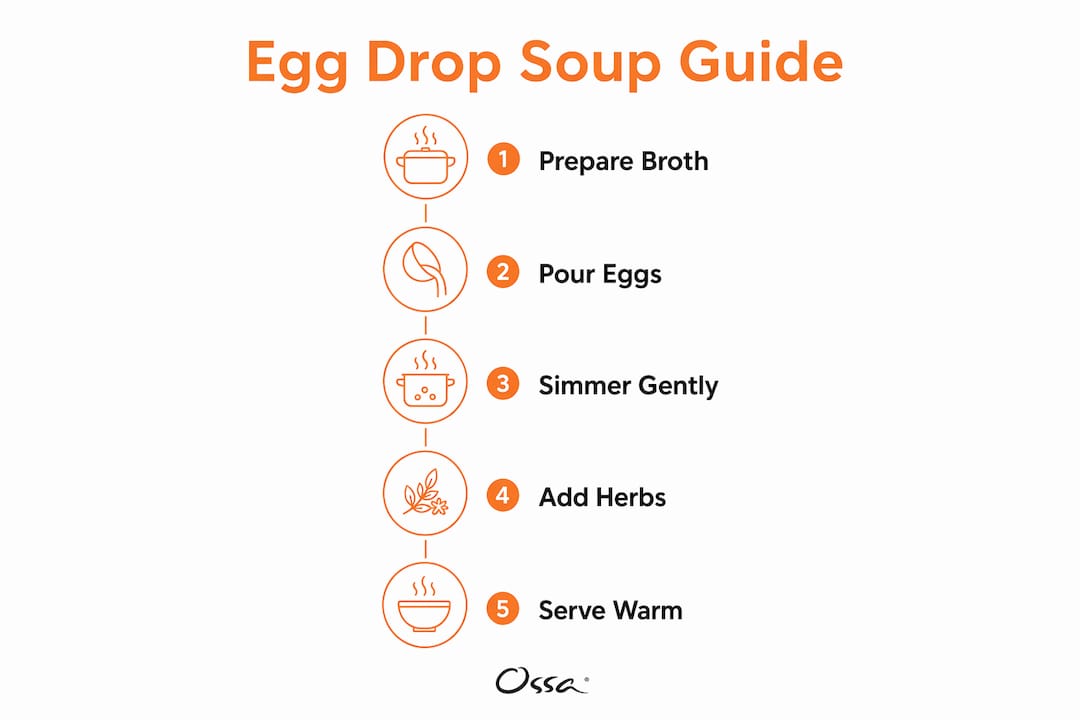
Bone broth egg drop soup is a nutrient-dense, easily digestible soup that combines slow-cooked collagen-rich bone broth with delicate egg ribbons. It delivers protein, minerals, and amino acids in a single bowl, making it one of the most practical healthy soup recipes for recovery, gut support, or a quick nourishing meal.
Key benefits at a glance:
- Collagen and gelatin from bone broth support joint health and may assist gut lining repair through their amino acid profiles.
- Protein from both the broth and eggs contributes to daily intake needs. Bone broth provides around 10g of protein per serving, supporting daily intake needs.
- Hydration from the mineral-rich liquid helps maintain fluid balance, particularly useful during illness or recovery.
- Anti-inflammatory properties from the broth’s amino acids make it a gentle option for those with digestive sensitivities.
- Easy digestibility means it suits people recovering from illness or managing gut-related conditions.
Health experts note that bone broth is best viewed as nourishing food rather than a medicinal cure. It fits well into a balanced diet, not as a replacement for medical treatment.
Table of Contents
- How to make bone broth egg drop soup
- The nutritional and healing benefits of this soup
- How to customise your egg drop soup for different tastes and needs
- Ossa Organic’s approach to bone broth and natural nutrition
- Ossa Organic bone broth for your kitchen
- Key takeaways
- FAQ
How to make bone broth egg drop soup
The quality of your broth is everything here. A well-made egg drop soup recipe relies on a flavourful, gelatinous base, not on thickeners or additives.
Ingredients
- 500ml organic chicken bone broth (Ossa Organic’s slow-cooked broth works particularly well)
- 2 large free-range eggs, beaten
- 1 tsp fresh ginger, finely grated
- 1 tsp tamari or soy sauce
- ¼ tsp white pepper
- ¼ tsp ground turmeric
- 1 tsp toasted sesame oil (added at the end)
- 2 spring onions, finely sliced
- Sea salt to taste
- Optional: a pinch of arrowroot powder dissolved in cold water if you prefer a slightly thicker broth
Method
- Pour the bone broth into a saucepan and bring to a gentle simmer over medium heat. Do not let it reach a rolling boil.
- Stir in the ginger, tamari, white pepper, and turmeric. Taste and adjust seasoning.
- Create a slow circular motion in the broth using a spoon or chopstick.
- Slowly drizzle the beaten eggs into the broth in a thin, steady stream while continuing to stir gently. The eggs will form delicate ribbons as they cook.
- Remove from heat immediately and allow the soup to rest for 30 seconds. This prevents the eggs from becoming rubbery.
- Stir in the sesame oil, scatter over the spring onions, and serve straight away.
Pro Tip: Pour the eggs from a height of about 15–20cm above the pot and keep the stream as thin as possible. A slow, steady pour into a gentle simmer, not a boil, gives you silky ribbons rather than scrambled clumps.
High-quality bone broth with natural gelatin removes the need for cornstarch entirely. If you do want a slightly thicker texture, arrowroot powder dissolved in cold water is the best paleo-friendly option, adding body without any additives.

The nutritional and healing benefits of this soup
Bone broth and eggs together create a profile that few quick meals can match. The broth contributes collagen, gelatin, and minerals; the eggs add complete protein and fat-soluble vitamins.
- Collagen and gelatin protect tendons and ligaments and may support the gut lining through their glycine and proline content.
- Amino acids including glycine have anti-inflammatory effects that can support gut healing in specific contexts.
- Minerals such as calcium, magnesium, and phosphorus leach from bones during slow cooking, particularly when the broth simmers for six hours or more.
- Eggs provide all nine essential amino acids alongside vitamins B12, D, and choline.
- Minimal fat content and easy digestibility make this soup a practical choice during recovery phases, when appetite is low but nutritional needs remain high.
Holistic nutritionists regard bone broth egg drop soup as an easy-to-digest option that provides hydration and gentle protein, particularly suited to recovery. That said, it works best as part of a varied diet. General dietary guidelines recommend around 0.8g of protein per kilogram of body weight daily, and this soup contributes meaningfully toward that target without placing any burden on digestion.
The healing properties of bone broth soups are well documented in the context of gut and joint health, though the strongest evidence points to consistent, regular consumption rather than occasional use.

How to customise your egg drop soup for different tastes and needs
This soup adapts well. The base technique stays the same; what changes is the flavour direction and any additions you choose.
Flavour variations:
- Richer umami: add a small splash of fish sauce alongside or instead of tamari.
- Warming spice: increase the ginger and add a pinch of chilli flakes.
- Brighter finish: a squeeze of lime juice added just before serving lifts the whole bowl.
- Deeper colour: turmeric gives a golden hue; a small amount of miso stirred in off the heat adds both colour and probiotic benefit.
Dietary swaps:
- For a vegetarian version, use a high-quality vegetable broth base. The egg ribbons work just as well, though you lose the collagen content.
- Replace tamari with coconut aminos for a soy-free, paleo-friendly option.
- Omit the sesame oil if you are avoiding seed oils; a small knob of grass-fed butter added at the end gives a comparable richness.
Healthy add-ins:
- Shredded cooked chicken for extra protein.
- Thinly sliced mushrooms added to the broth before the eggs.
- Baby spinach or pak choi stirred in at the end for greens.
Storage and reheating:
Refrigerate leftovers in a sealed container for up to two days. Reheat gently over low heat; do not boil, as the egg ribbons will toughen. The broth itself freezes well, but the egg ribbons do not. If you plan to batch-cook, freeze the broth separately and add fresh eggs when reheating.
Common mistakes to avoid:
- Boiling the broth when you add the eggs. A rolling boil breaks the ribbons into small fragments.
- Adding eggs too quickly. A slow, thin stream is the only way to get the silky texture.
- Over-seasoning before tasting. Bone broth already carries salt; add tamari gradually.
Ossa Organic’s approach to bone broth and natural nutrition
Ossa Organic was founded on a direct experience of bone broth’s benefits, and that origin shapes every product in the range. The brand uses organic ingredients, slow cooking techniques, and no preservatives or artificial additives, keeping the nutritional integrity of the broth intact from pot to packaging.
Slow simmering for a minimum of six hours, and up to 24 hours for a deeply gelatinous result, draws out the collagen, gelatin, and minerals that make bone broth genuinely nourishing rather than just flavourful. That process is what separates a broth that sets in the fridge from one that stays liquid.
The Organic Free Range Chicken Bone Broth 500ml and the ambient 515ml option are both well suited to this recipe. The ambient format is particularly useful for keeping a supply ready without refrigeration.
Pro Tip: When selecting a bone broth for egg drop soup, look for one that gels when chilled. That gel is natural collagen, and it gives the finished soup a velvety texture without any thickening agents.
For more bone broth recipes and guidance on using broth as a daily nutritional staple, Ossa Organic’s recipe library covers a wide range of applications.
Ossa Organic bone broth for your kitchen
Bone broth egg drop soup is only as good as the broth you start with. Ossa Organic’s slow-cooked, organic chicken bone broth gives you the collagen, minerals, and clean flavour this recipe needs, without cornstarch, additives, or artificial flavourings. The Organic Chicken Bone Broth 500ml is ready to use straight from the pack, making a nourishing bowl achievable in under ten minutes. If you want a shelf-stable option to keep in the cupboard, the ambient 515ml format means you always have a quality broth to hand. Browse the full range at Ossa Organic and make this soup part of your regular routine.
Key takeaways
Bone broth egg drop soup delivers collagen, protein, and minerals in a single bowl, and its quality depends almost entirely on the broth you use.
| Point | Details |
|---|---|
| Broth quality is the foundation | A gelatinous, slow-cooked broth provides natural collagen and removes the need for thickeners. |
| Protein per serving | Bone broth provides around 10g of protein per serving, supporting daily intake alongside the eggs. |
| Egg ribbon technique | Pour beaten eggs slowly into a gentle simmer, not a boil, and rest off heat for 30 seconds for silky texture. |
| Customisation is straightforward | Tamari, ginger, turmeric, and sesame oil adjust flavour; arrowroot powder thickens without additives. |
| Ossa Organic broth | Ossa Organic’s organic chicken bone broth is slow-cooked without additives, making it a reliable base for this recipe. |
FAQ
Can I use bone broth instead of regular chicken broth for egg drop soup?
Yes. Bone broth is a direct substitute for standard chicken broth and adds collagen, gelatin, and a richer mineral profile. The egg ribbons form just as well, and the finished soup has a more velvety texture.
Is it healthy to eat egg drop soup every day?
Egg drop soup made with quality bone broth is nourishing and easy to digest, but it works best as part of a varied diet rather than as a daily standalone meal. Bone broth provides around 10g of protein per serving, which contributes to but does not cover daily protein needs on its own.
What type of broth is used in traditional egg drop soup?
Traditional egg drop soup uses a clear, lightly seasoned chicken broth. Using bone broth, such as Ossa Organic’s organic chicken bone broth, upgrades the nutritional profile by adding collagen and amino acids without changing the technique.
Can you cook eggs directly in bone broth?
Yes. Beaten eggs drizzled into simmering bone broth cook within seconds, forming the characteristic ribbons of egg drop soup. The key is a gentle simmer rather than a boil, which keeps the texture delicate.