

Cart
0
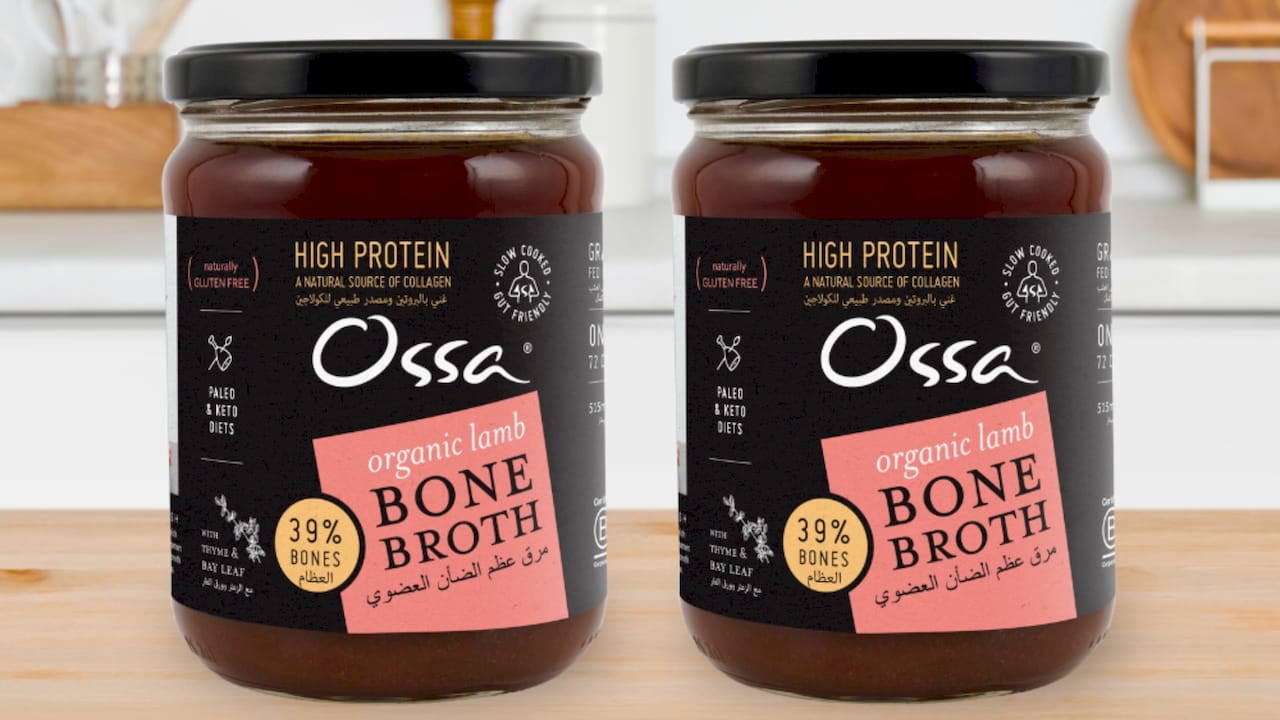
Organic food in the UK is certified to strict standards, primarily by the Soil Association or verified under the EU Organic logo, meaning no synthetic pesticides, no GMOs, and no routine antibiotics in production. The best places to buy include Forest Whole Foods, Planet Organic, and Wholefood Earth, all of which offer online ordering with UK delivery. Free delivery thresholds typically apply to orders over a moderate amount for UK mainland, with standard fees applying below those thresholds.
Key facts at a glance:
-
Certified organic status is the only reliable indicator of genuine organic production in the UK
-
Forest Whole Foods, Planet Organic, and Wholefood Earth are among the most trusted UK organic retailers
-
Free delivery on most platforms kicks in at a moderate order value; standard delivery incurs a typical fee.
-
Bulk purchases (1kg or 5kg bags) cut the cost per gram considerably versus supermarket packs
-
Subscription produce boxes often offer significant discounts on initial and repeat orders
-
The Soil Association logo and EU Organic logo are the two certifications to look for on packaging
What organic food categories can you buy in the UK?
The range of organic products available to UK shoppers is broader than most people expect. Dried goods dominate the online market, but fresh, chilled, and ambient categories are all well represented.
Nuts and seeds form one of the most popular categories. Organic almonds, cashews, walnuts, chia seeds, flaxseeds, and pumpkin seeds are stocked by most specialist retailers in both small and bulk formats. Buying a 1kg or 5kg bag rather than a 200g supermarket pouch cuts the cost per gram considerably.
Grains and pulses cover organic oats, brown rice, quinoa, lentils, chickpeas, and black beans. These are staple ingredients for anyone following a wholefood or plant-based diet, and they store well, making bulk buying practical.
Flours and baking ingredients include organic spelt flour, buckwheat flour, coconut flour, and raw cacao powder. Specialist organic retailers carry a far wider selection than mainstream supermarkets.
Popular organic product categories:
-
Superfoods: maca powder, spirulina, baobab, moringa
-
Herbs and spices: organic turmeric, cumin, coriander, cinnamon
-
Dried fruits: Medjool dates, goji berries, sultanas, apricots
-
Oils and condiments: cold-pressed olive oil, coconut oil, organic raw honey
-
Broths and stocks: organic vegetable, chicken, and beef bone broths
Fresh produce availability follows UK seasonality. British organic vegetables peak between May and October, with root vegetables and brassicas carrying through winter. Buying in season from UK-grown sources reduces food miles and tends to deliver better flavour.
Are organic foods healthier? The real benefits explained
Organic foods are grown without synthetic pesticides, artificial fertilisers, or routine antibiotic use. That distinction has direct implications for what ends up in your food and in the soil it came from.

On the health side, organic produce tends to carry lower pesticide residues than conventionally grown equivalents. Some research points to higher levels of certain antioxidants and omega-3 fatty acids in organic crops and dairy, though the differences vary by product and growing conditions. What is consistent is the absence of inputs that many consumers prefer to avoid entirely.
The environmental case is well established. Organic dairy farming, for instance, supports regenerative practices that restore soil health and biodiversity rather than depleting them. Choosing organic dairy connects your purchase directly to that outcome.
Pro Tip: Look for the Soil Association logo rather than relying on the word “natural” on packaging. “Natural” has no legal definition in UK food law; “organic” does.
Common misconceptions worth addressing:
-
“Organic means pesticide-free” is not quite accurate. Organic farming permits a small number of naturally derived pesticides under strict conditions.
-
“Organic food is always more expensive” ignores bulk buying, subscription discounts, and the growing number of own-label organic ranges.
-
“Superfoods” is a marketing term with no regulatory definition. Functional foods, by contrast, must meet authorised health claims registered on the GB Nutrition and Health Claims register, enforced by the Advertising Standards Authority.
-
Organic certification covers the farming and processing method, not a specific nutritional profile. Two organic products can differ widely in nutritional value.
The benefits of organic food extend beyond personal health to soil, water systems, and animal welfare. That broader picture is increasingly part of why UK consumers choose organic.
How to buy organic foods online in the UK
Buying organic online in the UK is straightforward once you understand the delivery models. Most specialist retailers operate one of two structures: a standard shop with a delivery threshold, or a subscription produce box.
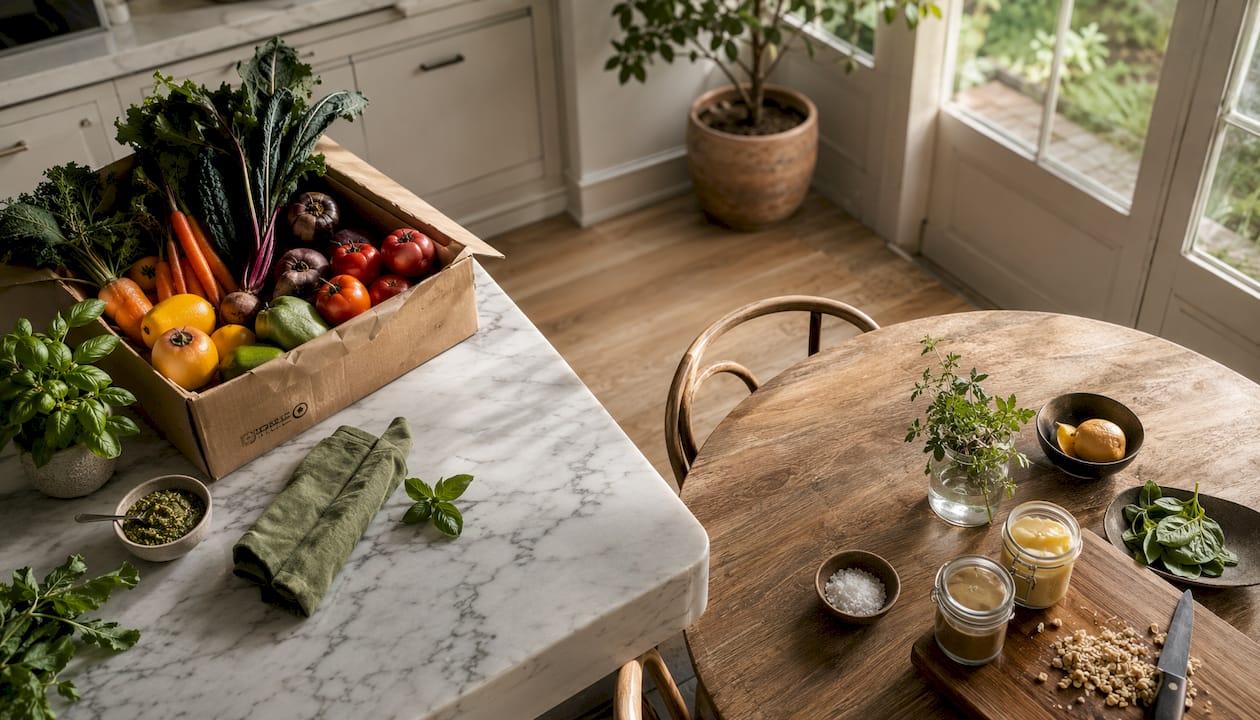
Subscription produce boxes typically offer introductory discounts of up to 50% on the first and fourth orders. Delivery days are assigned by postcode rather than chosen freely, because routes are planned to reduce carbon output rather than accommodate on-demand slots. If your postcode falls on a Tuesday route, Tuesday is your delivery day.
Standard online retailers like Forest Whole Foods and Wholefood Earth ship dried goods, superfoods, and ambient products on a per-order basis. Free delivery commonly applies to orders above £35–£49 for UK mainland addresses, with a typical delivery fee of £3.50 for orders below that level. Delivery windows are usually 3–6 working days.
Practical buying and storage tips:
-
Order in bulk for dried goods (nuts, seeds, grains) to reduce cost per gram and minimise packaging waste
-
Store bulk purchases in airtight glass jars away from direct light to preserve freshness
-
Check the free delivery threshold before adding items; a small top-up product often costs less than the delivery fee
-
Subscription boxes suit households with consistent weekly needs; one-off orders suit those who prefer flexibility
-
For locally sourced options, the local sourcing guide from Ossa Organic covers practical steps for finding UK producers
Planet Organic operates both physical stores and an online shop, making it one of the few UK organic retailers with a genuine omnichannel presence. For ambient and dried goods at scale, Forest Whole Foods and Wholefood Earth are the go-to online sources.
Functional nutrition and organic food: insights from Ossa Organic
Functional foods deliver health benefits beyond basic nutrition. Omega-3 fatty acids in oily fish, live cultures in fermented foods, and soluble fibre in oats are all examples of naturally occurring functional properties. This differs from fortified foods, where nutrients are added artificially after processing. The distinction matters when you are choosing products for a specific health outcome.
Consumer demand for functional foods continues to grow, driven by interest in personalised health and products that target specific health markers. The UK food and drink sector has tracked a steady increase in this demand, with shoppers increasingly reading labels for functional claims rather than just calorie counts.
The Advertising Standards Authority requires that any health claim on a functional food product must be authorised and listed on the GB Nutrition and Health Claims register. Vague claims like “supports wellbeing” without substantiation are not permitted. That regulatory framework gives UK shoppers a degree of protection that many other markets lack.
Expert tips for choosing functional organic foods:
-
Prioritise whole food sources of functional nutrients over fortified products (e.g., oily fish for omega-3 rather than fortified spreads)
-
Fermented foods such as kefir, kimchi, and live yoghurt provide genuine probiotic benefit
-
Fibre-rich wholefoods including oats, lentils, and flaxseeds support gut health without supplementation
-
Bone broth provides collagen, glycine, and minerals in a bioavailable form aligned with traditional food preparation
-
Check the food and beverage market trends for current data on functional ingredient demand
Ossa Organic’s approach is grounded in traditional, anti-inflammatory nutrition rather than trend-driven formulation. The brand’s functional nutrition bundle brings together certified organic ingredients selected for their naturally occurring functional properties, not for marketing appeal.
Ossa Organic: organic nutrition rooted in tradition
Ossa Organic is a family-run UK brand built around certified organic, anti-inflammatory ingredients and traditional slow-cooking methods. Where many organic retailers focus on dried goods or produce boxes, Ossa Organic centres its range on gut health and functional nutrition, with products like its organic vegetable broth made from whole, traceable ingredients.
The brand suits shoppers who want more than a weekly veg box. If you are looking to move away from processed food and towards nourishing, traditionally prepared staples, Ossa Organic’s range covers broths, ambient bundles, and organic essentials. Visit the Ossa Organic store to access current subscriber offers and explore the full product range.
Key takeaways
Organic foods in the UK are certified under the Soil Association or EU Organic logo, available from specialist retailers with free delivery on orders between £35 and £49 for UK mainland and a typical standard delivery fee of £3.50 below that threshold. Bulk buying makes organic most cost-effective.
| Point | Details |
|---|---|
| Certification to look for | Soil Association and EU Organic logos are the only legally defined organic standards in the UK. |
| Free delivery thresholds | Most UK organic retailers offer free delivery on orders between £35 and £49 for mainland addresses; the typical standard delivery fee is £3.50 below that threshold. |
| Bulk buying saves money | Purchasing 1kg or 5kg bags of dried goods cuts cost per gram versus standard supermarket packs. |
| Functional vs fortified | Functional foods deliver naturally occurring health benefits; fortified foods have nutrients added after processing. |
| Ossa Organic | A family-run UK brand offering certified organic broths and functional nutrition bundles rooted in traditional preparation. |
FAQ
What certifications should I look for on organic foods in the UK?
Look for the Soil Association logo or the EU Organic logo. Both indicate the product meets legally defined organic production standards, including no synthetic pesticides and no GMOs.
What is the typical delivery cost for organic food online in the UK?
Standard delivery runs around £3.50, with free delivery available on orders between £35 and £49 for most UK online organic retailers. Delivery windows are typically 3–6 working days.
Are organic foods healthier than conventionally grown produce?
Organic produce tends to carry lower pesticide residues and, in some categories, higher levels of certain antioxidants and omega-3 fatty acids. The absence of synthetic inputs is the most consistent and verifiable difference.
What are functional foods and how do they differ from superfoods?
Functional foods deliver proven health benefits beyond basic nutrition, such as omega-3 in oily fish or live cultures in fermented foods. “Superfood” is a marketing term with no legal definition in the UK.
Where can I buy organic foods online in the UK?
Forest Whole Foods, Planet Organic, and Wholefood Earth are among the most established UK online organic retailers. Ossa Organic specialises in organic broths and functional nutrition for gut health.