

Cart
0
How much cholesterol does chicken broth contain?
Chicken broth is low in cholesterol. A typical 1-cup serving contains 0–7 mg, which represents roughly 1.3%–2.3% of the 300 mg daily intake traditionally recommended by health authorities. For anyone monitoring their cardiovascular health, that figure puts chicken broth firmly in the safe category.
The cholesterol content is not fixed, though. It varies depending on how the broth is prepared and how much fat remains in the liquid. Removing skin and visible fat before cooking, then refrigerating the finished broth and skimming the solidified fat from the surface, reduces both cholesterol and saturated fat considerably.
Key facts at a glance:
- A standard 1-cup serving of chicken broth contains 0–7 mg of cholesterol
- That represents a small fraction of the traditional 300 mg daily reference intake
- Cholesterol content rises when fat from skin and bones is left in during cooking
- Skimming chilled broth removes the majority of surface fat and lowers cholesterol further
- Commercial broths vary widely; homemade versions give you full control over fat content
Chicken broth nutrition facts: what a serving actually contains
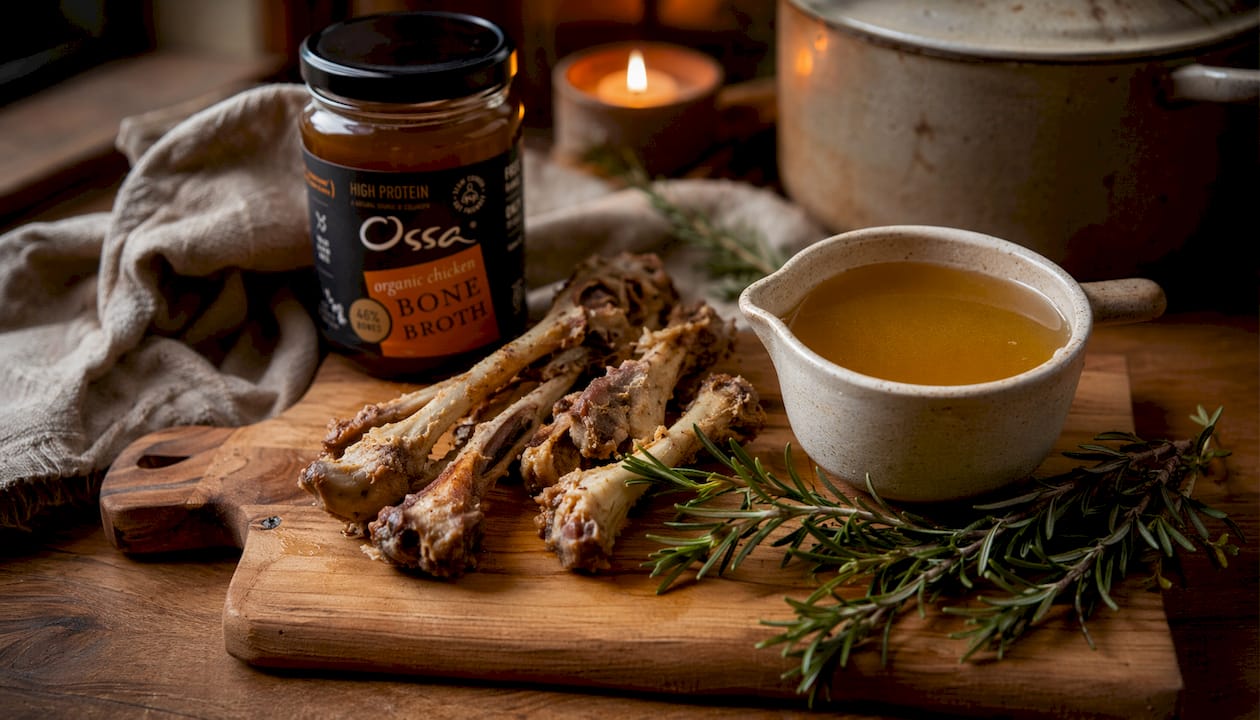
Chicken broth is low in calories and fat, which is part of why it fits easily into a heart-conscious diet. The table below shows typical values for a 240 ml (1-cup) serving of standard chicken broth, though figures vary by brand and recipe.
| Nutrient | Typical amount per 240 ml serving |
|---|---|
| Calories | — |
| Total fat | 0–1 g |
| Saturated fat | 0–0.4 g |
| Cholesterol | 0–7 mg |
| Sodium | Moderate to high levels depending on product |
| Protein | 1–2 g |
| Carbohydrates | 0–2 g |
The cholesterol and fat figures are genuinely low. Sodium is the nutrient that warrants closer attention. Commercial chicken broths and stocks can contain 400–900 mg of sodium per cup, and high sodium intake is linked to raised blood pressure, which is itself a risk factor for heart disease. Store-bought broths often contain added salt, flavour enhancers, and preservatives that can offset the broth’s otherwise clean nutritional profile.
Homemade chicken broth made with organic ingredients preserves nutrients and avoids the excess sodium found in many commercial products. Adding vegetables such as carrots, celery, and onion during cooking enriches the broth with water-soluble vitamins without altering its cholesterol content.
Pro Tip: After making homemade broth, refrigerate it overnight. The fat solidifies on the surface and lifts off cleanly, leaving a noticeably lighter, lower-fat liquid.
What are the health benefits of chicken and bone broth?
Chicken broth is generally heart-healthy. It reduces inflammation, supports hydration, and provides a low-fat, low-calorie base for meals. Research points to its usefulness during respiratory infections, where its warmth and electrolyte content offer genuine symptom relief.
Bone broth, made by simmering bones for an extended period, differs from standard chicken broth in nutrient density. It tends to contain more collagen, gelatin, and minerals, though the therapeutic collagen levels in any broth are modest. The main value of both broths lies in hydration and minor nutrient supplementation rather than dramatic health transformation.
Chicken broth may lack the collagen concentration of a long-simmered beef bone broth, but it remains a gut-nourishing option. Chicken bones contain less marrow than beef bones, so the resulting broth is lighter and easier to digest. For people with sensitive digestion or those recovering from illness, that lighter quality is often an advantage rather than a limitation.
Neither chicken broth nor bone broth will lower your cholesterol on its own. Consumed as part of a varied, whole-food diet, both broths support hydration, electrolyte balance, and gut health. You can read more about chicken bone broth benefits for a closer look at its daily gut health value.
How does chicken broth compare to beef broth on cholesterol and fat?
The nutritional gap between chicken and beef broth is smaller than most people assume. Both aid hydration and electrolyte balance, and neither is high in cholesterol. The primary difference lies in fat content.
Chicken broth:
- Lower total fat content due to less marrow in chicken bones
- Cholesterol typically 0–7 mg per cup
- Lighter texture, easier to digest
- Milder flavour, more versatile in everyday cooking
Beef broth:
- Slightly higher fat content than chicken broth
- Richer in collagen and gelatin from denser bone marrow
- More concentrated flavour, better suited to heartier dishes
- Commercial versions often contain higher sodium and hidden additives
For cholesterol-conscious readers, neither broth presents a meaningful cholesterol load per serving. The more relevant concern with both is sodium. Commercial beef and chicken broths vary widely in their sodium and additive content, and some products contain flavour enhancers that add little nutritional value. Reading labels carefully and choosing products with short ingredient lists is the most practical step you can take. Homemade broth, whether chicken or beef, gives you full control over both fat and salt levels.
How added ingredients affect chicken broth cholesterol in UK recipes
Standard chicken broth starts with a very low cholesterol baseline. What you add to it, or what goes into it during cooking, can shift that profile considerably.
Leaving the skin on during cooking is the single biggest variable. Chicken skin is high in fat, and that fat renders into the liquid, raising both total fat and cholesterol content. Trimming skin and visible fat before the pot goes on the heat keeps the broth lean. In many traditional UK recipes, a whole chicken or carcass goes straight into the pot, skin and all. The result is a richer, more flavourful broth, but one with a higher fat content than a carefully trimmed version.
Adding butter, cream, or full-fat dairy to a finished broth or soup, as some classic British recipes do, introduces saturated fat and additional cholesterol. Vegetables, herbs, and spices add flavour and micronutrients without touching the cholesterol level. Salt is the other common addition to watch. Many UK households season broth generously during cooking, and that sodium accumulates quickly, particularly if the base broth is already a commercial product with a high salt content.
The practical approach for UK cooks is to use a low-sodium base, trim fat before cooking, skim after chilling, and season at the table rather than during preparation.
What UK health authorities say about chicken broth and cholesterol
The NHS does not classify chicken broth as a therapeutic food for cholesterol management. Its guidance on cardiovascular health centres on reducing saturated fat intake, eating more fibre, and maintaining a varied diet rich in fruit, vegetables, and wholegrains. Chicken broth, with its low saturated fat and minimal cholesterol per serving, fits comfortably within those broad dietary principles.
The British Heart Foundation advises limiting sodium intake, as high salt consumption raises blood pressure and increases cardiovascular risk. This is where commercial chicken broths and stocks attract scrutiny. A single cup of some commercial products can contain a substantial portion of the 6 g daily salt limit the NHS recommends for adults. Choosing low-sodium versions or making broth at home aligns with this guidance directly.
UK dietary guidelines do not single out broth as a food to avoid or to prioritise. It sits in the background of a healthy diet as a useful, low-calorie cooking base and hydrating drink, particularly during illness or recovery.
Guidelines for consuming chicken broth if you have high cholesterol
Chicken broth is suitable for people with high cholesterol, provided it is prepared or selected with care. The cholesterol content per serving is negligible. The fat and sodium content are the variables that require attention.
If you have been diagnosed with high cholesterol or cardiovascular disease, the following practical points apply:
- Choose homemade or low-sodium broth to keep salt intake within NHS guidelines
- Trim all skin and visible fat from chicken before making broth at home
- Refrigerate finished broth and skim solidified fat before reheating
- Avoid adding butter, cream, or high-fat ingredients to broth-based soups and stews
- Read labels on commercial products and select those with the shortest ingredient lists and lowest sodium figures
- Use broth as a base for low cholesterol chicken recipes rather than drinking it in large quantities as a supplement
Broth is not a treatment for high cholesterol. A GP or registered dietitian is the right source of personalised advice for anyone managing elevated cholesterol levels through diet.
Ossa Organic’s approach to traditional organic bone broth
Ossa Organic was founded after its founder discovered the benefits of bone broth during pregnancy and made it central to the family’s health. The brand’s philosophy is straightforward: organic ingredients, slow cooking, and no shortcuts.
That commitment to traditional preparation matters nutritionally. Slow-simmering organic chicken bones extracts collagen, minerals, and gelatin without the additives that compromise commercial products. Organic sourcing reduces exposure to residual hormones and antibiotics that can be present in conventionally raised poultry.
For anyone following a low-cholesterol diet, Ossa Organic’s approach offers a practical advantage. Because the broth is made without added salt, thickeners, or flavour enhancers, you know exactly what you are consuming. The fat content is controlled through careful preparation rather than hidden behind a long ingredients list.
Ossa Organic’s chicken bone broth range fits naturally into a cholesterol-conscious lifestyle:
- Organic chicken bone broth 500ml, slow-cooked from organic free-range chicken bones
- Ambient chicken bone broth 515ml, convenient for everyday use without refrigeration
- Free-range chicken bone broth 500ml, traditionally prepared for gut and heart health support
You can explore the broader benefits of organic bone broth for gut health on the Ossa Organic blog.
Key takeaways
Chicken broth contains very little cholesterol per serving, making it a safe and practical choice for people monitoring their cardiovascular health, provided sodium and added fat are kept in check.
| Point | Details |
|---|---|
| Cholesterol per serving | A 1-cup serving contains 0–7 mg, roughly 1.3%–2.3% of the traditional 300 mg daily reference intake. |
| Sodium is the main concern | Commercial broths can contain 400–900 mg sodium per cup, which matters more for heart health than cholesterol. |
| Preparation controls fat | Trimming skin before cooking and skimming chilled broth significantly reduces fat and cholesterol content. |
| Chicken vs beef broth | Chicken broth is lighter and lower in fat than beef broth; both are low in cholesterol per serving. |
| Organic homemade is best | Homemade broth with organic ingredients avoids hidden additives and gives full control over salt and fat. |
FAQ
Is chicken broth good for high cholesterol?
Chicken broth contains 0–7 mg of cholesterol per cup, which is negligible. It is suitable for people with high cholesterol, though you should choose low-sodium versions and skim fat from homemade broth before consuming.
Is chicken broth healthy or unhealthy?
Chicken broth is generally healthy. It is low in calories, fat, and cholesterol, and supports hydration. The main risk comes from high sodium in commercial products, which can affect blood pressure.
Is there a downside to drinking bone broth?
Bone broth is safe for most people, but commercial versions can be high in sodium. Collagen content is modest, so it should be seen as a nutritious supplement to a balanced diet rather than a standalone health treatment.
Can I drink beef broth if I have high cholesterol?
Beef broth is slightly higher in fat than chicken broth but still contains low cholesterol per serving. The sodium content in commercial beef broths is the more relevant concern for those managing cardiovascular health.