Bone broth can be a soothing, nutrient-rich addition to a gastritis diet, but it is not a proven cure. Its amino acids and gelatin show real promise for supporting the stomach lining in laboratory and animal research, and its warm, low-fat, easy-to-digest nature makes it genuinely well tolerated during flares. It works best as a supportive measure alongside proper medical assessment, not instead of it.
Bone broth for gastritis tends to suit people with mild, non-bleeding symptoms who already tolerate warm liquids without discomfort. If you have severe pain, black stools, unexplained weight loss, or persistent vomiting, broth is not the priority. Here is where to start instead:
-
Try a small serving of plain, low-fat broth and see how your stomach responds over the next few hours.
-
Stop immediately if pain, bloating, or reflux worsens, and avoid anything heavily salted, spiced, or fatty.
-
Book a GP appointment if symptoms persist beyond two weeks or if you notice any alarm features such as bleeding or rapid weight loss.
Key Takeaways
Bone broth supplies amino acids with plausible, preclinical support for gut lining repair, but it functions as a soothing dietary adjunct, not a substitute for diagnosing and treating the underlying cause of gastritis.
| Point |
Details |
| Start small and plain |
Trial a small amount of low-fat, unseasoned broth and track your response for a few hours. |
| Defat and freshen |
Chill, skim, and use same-day broth to limit fat load and histamine build-up. |
| Watch for red flags |
Bleeding, persistent vomiting, weight loss, or anaemia need GP review, not just dietary changes. |
| Address the root cause |
Ask about H. pylori testing and NSAID use rather than relying on broth alone. |
| Choose plain, organic options |
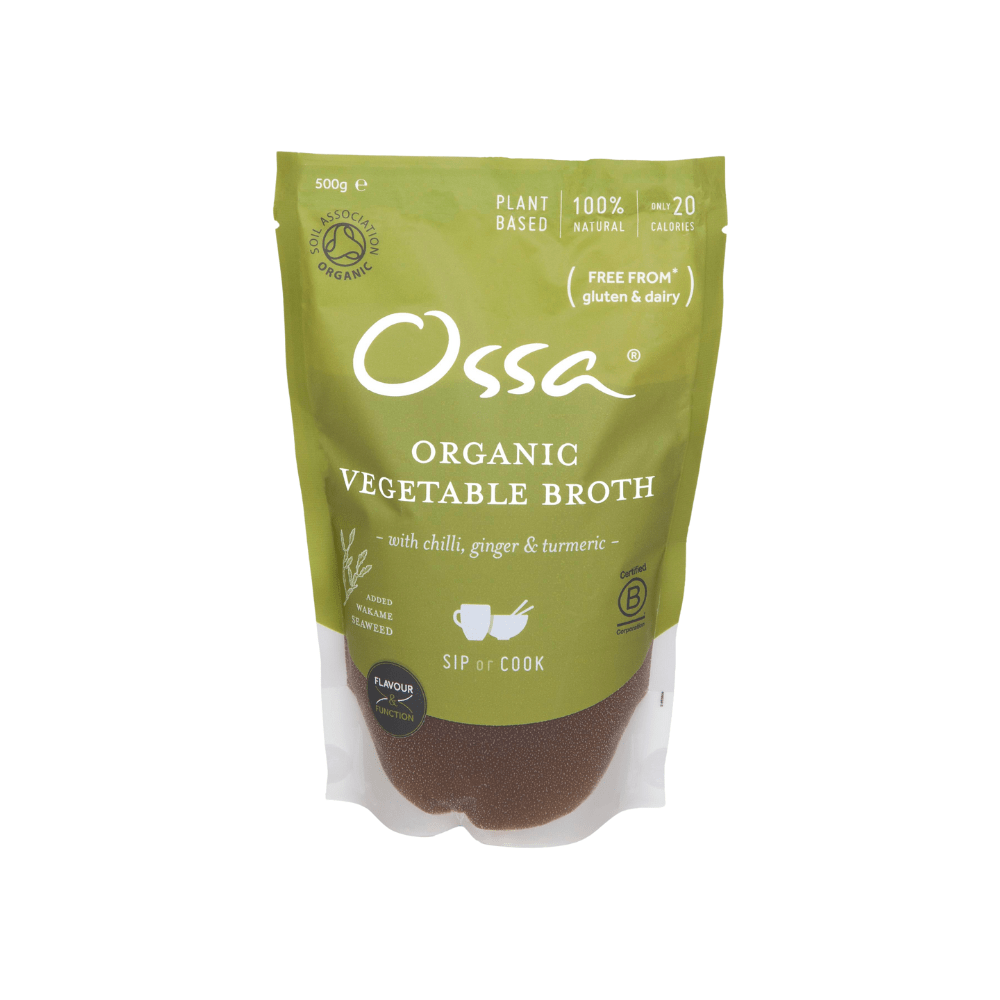
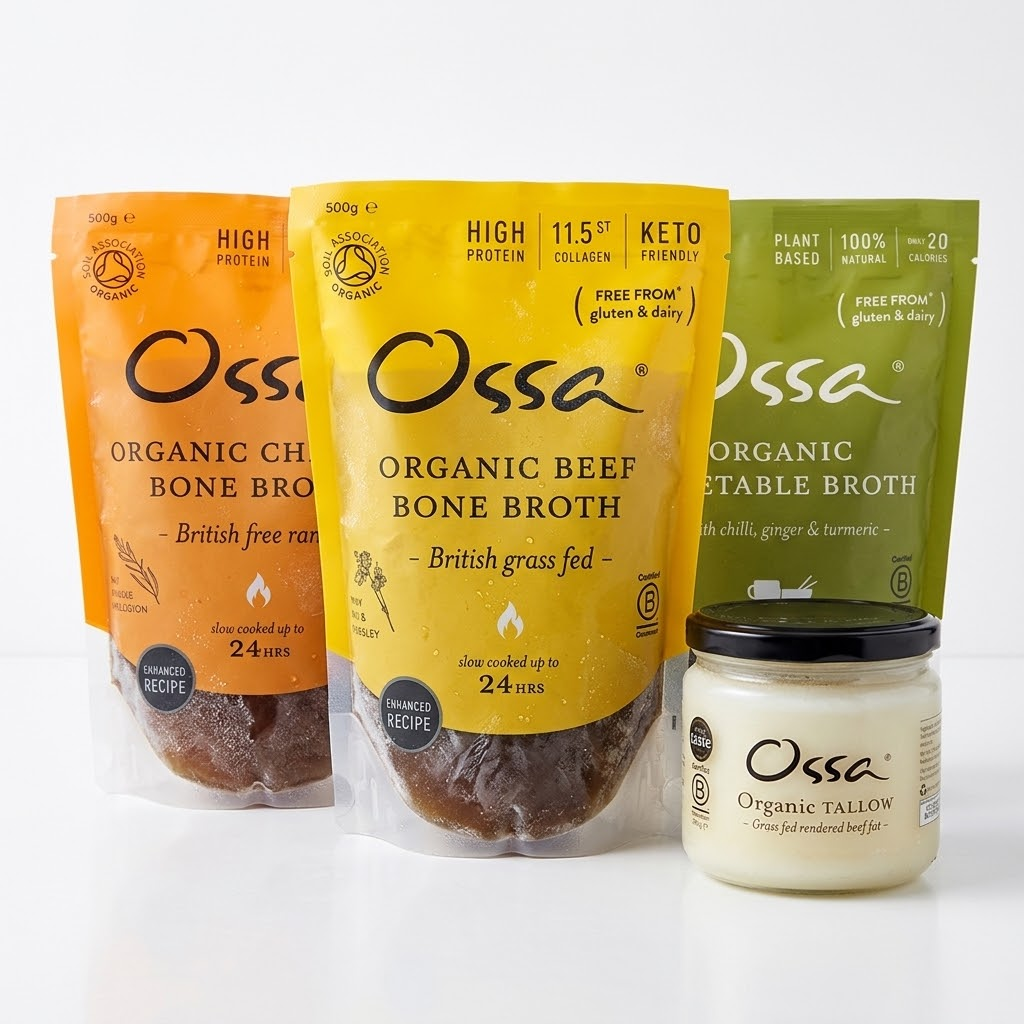
Ossa Organic’s beef, chicken, and vegetable broths are formulated without common trigger additives, suiting gastritis-friendly preparation. |
Primary sources and further reading
-
PubMed research on glycine and gelatin’s protective effects in NSAID-induced ulcer models.
-
PMC review examining amino acids, including glutamine, and their role in intestinal barrier function.
-
PMC study on amino acids and reduced intestinal inflammation markers in animal colitis models (2021).
These represent the current evidence base, largely preclinical, and stronger human clinical trials are still needed before firmer claims can be made.
Table of Contents
Is bone broth good for gastritis? What the research actually shows
The case for bone broth rests on four compounds: glycine, proline, glutamine, and the collagen or gelatin they come from. Each has a plausible, evidence-backed role in gut repair, even though none has been tested in a large human trial specifically for gastritis.
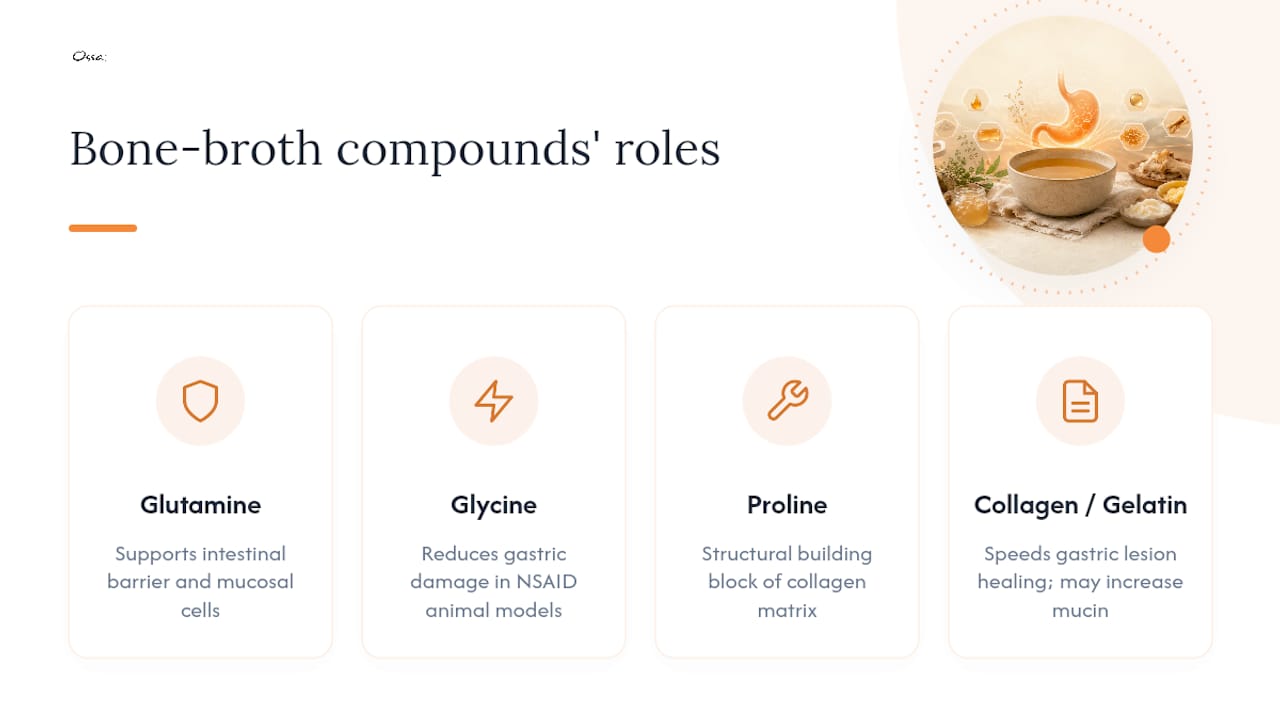
Glutamine is the amino acid with the strongest backing. Review-level research links it to intestinal barrier maintenance and mucosal cell health, though the same reviews are candid that direct clinical trial evidence for bone broth itself, as opposed to isolated glutamine supplements, remains thin. Glycine, released in abundance when collagen breaks down during slow cooking, has shown protective effects on the gastric lining in animal models of NSAID-induced ulcers, reducing damage and speeding healing. Proline works alongside glycine as a structural building block for the same collagen matrix that forms part of the stomach’s protective barrier.
Then there is gelatin itself, the cooked-down form of collagen that gives good bone broth its jelly-like set once chilled. Animal studies have found that dietary gelatin and hydrolysed collagen supplements accelerate the healing of gastric lesions and, in some experiments, increase gastric mucin production, the mucus layer that shields the stomach wall from acid. A 2021 study using colitis models found that amino acids similar to those in bone broth reduced markers of intestinal inflammation in mice, though extrapolating rodent gut data to human gastritis calls for real caution.
The evidence gap that matters: every one of these findings comes from animal or mechanistic research, not randomised controlled trials in people with gastritis. Biochemical plausibility is not the same as proven clinical benefit, and no study has shown that drinking bone broth reverses gastritis or eradicates the underlying cause.
That gap matters practically. It means bone broth earns its place as a supportive, low-risk addition to a gastritis diet, on the strength of how its components behave in the body, not as a replacement for treating what is actually causing the inflammation. Ossa Organic’s own writing on slow-simmered collagen and gut health goes into more depth about how these amino acids are released during cooking.
Who should be cautious with bone broth and gastritis
Bone broth is gentle for most people, but it is not universally safe, and a few groups need to approach it differently.
-
Histamine-sensitive individuals. Long-simmered broths, and any broth reheated or stored for several days, can accumulate elevated histamine levels. If you notice flushing, headaches, hives, or a racing heart after drinking broth, histamine intolerance is a plausible cause, and switching to fresh, same-day broth often resolves it.
-
Anyone prone to reflux. Fatty broths slow gastric emptying and can trigger heartburn or worsen gastritis symptoms rather than soothe them. Chilling broth overnight and skimming the solidified fat layer before reheating removes most of this risk in minutes.
-
People with gout. Bones and connective tissue are high in purines, which break down into uric acid, so frequent, large servings may not suit those managing gout flares.
-
People with chronic kidney disease. Broth’s mineral and electrolyte content, particularly potassium and phosphorus from long simmering, warrants a conversation with a renal dietitian before regular use.
-
Anyone with a known allergy to beef, chicken, or the specific animal source used.
Beyond intolerances, certain symptoms mean broth should take a back seat to proper investigation: blood in vomit or stool, unintentional weight loss, persistent vomiting, difficulty swallowing, or anaemia. These are red flags for a GP or gastroenterologist, not something a warm drink will fix.
Pro Tip: Keep a simple tolerance diary for the first week. Note the time, the volume you drank, and any symptoms that appear within two to four hours. This makes it obvious, quickly, whether broth is helping you or quietly making things worse.
It is also worth remembering that gastritis usually has an identifiable cause, most commonly H. pylori infection or long-term NSAID use, and clinical guidance is consistent that testing for these should come before relying on dietary changes alone.
How to prepare and use bone broth safely for gastritis
Getting bone broth right for a sensitive stomach comes down to fat control, freshness, and restraint with seasoning.
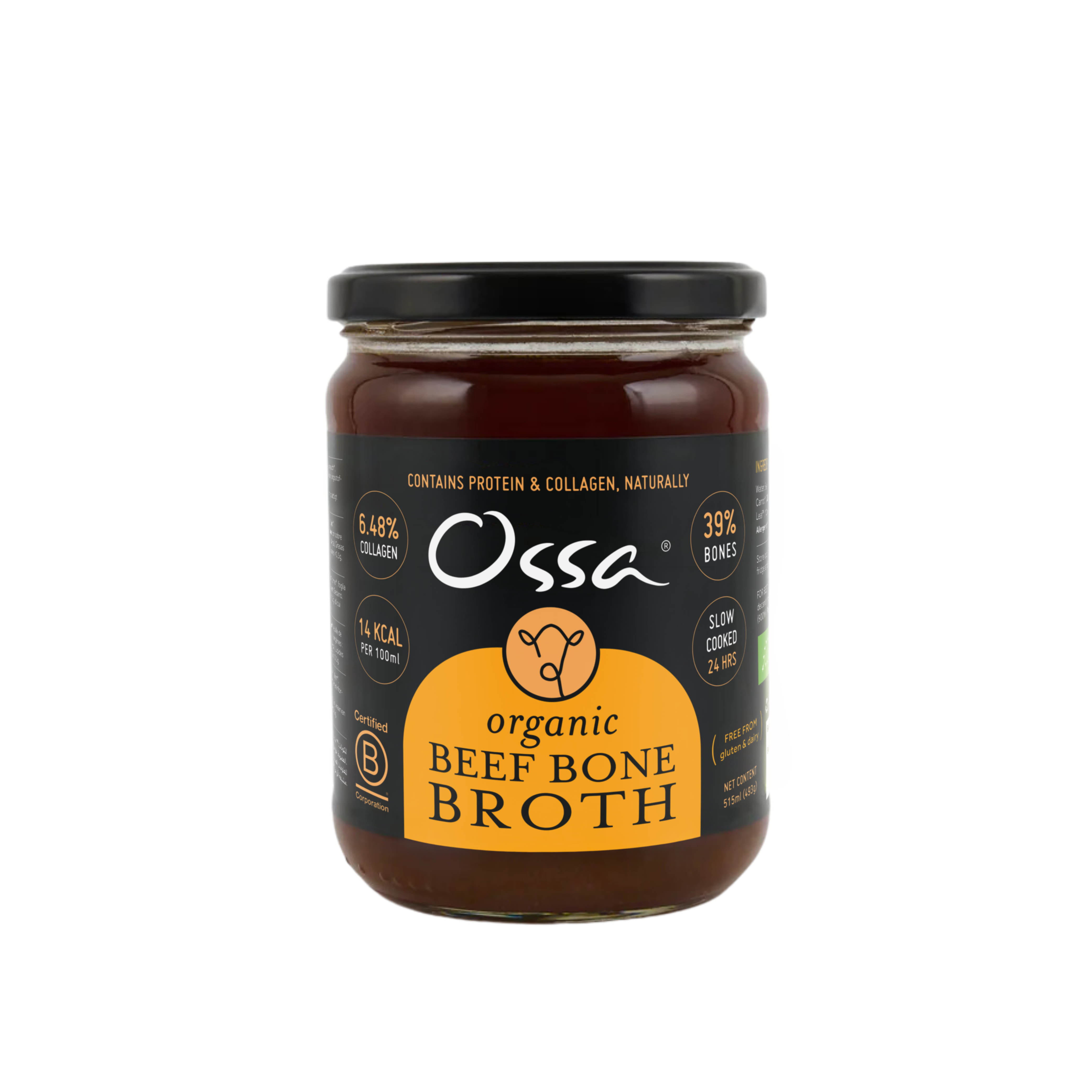
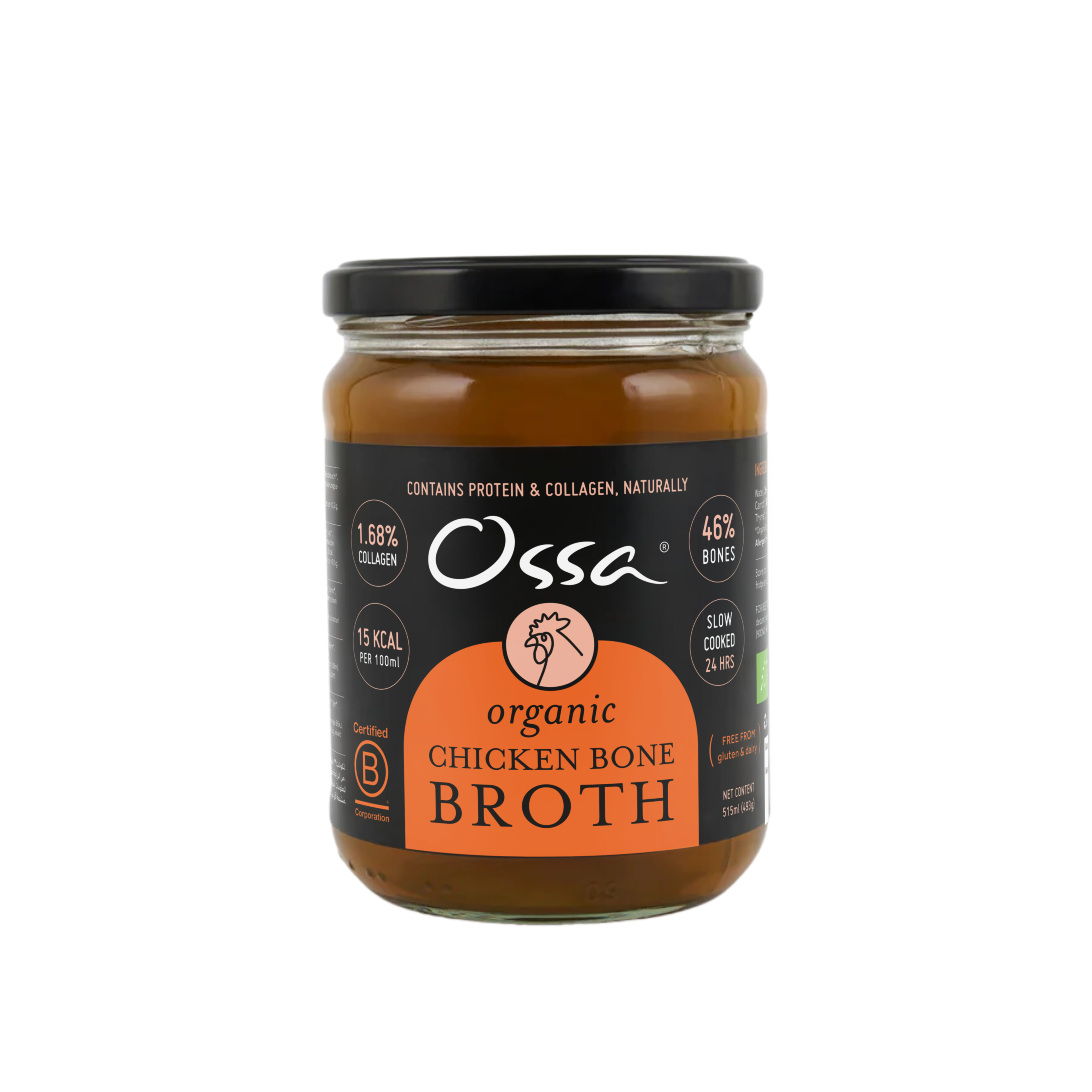
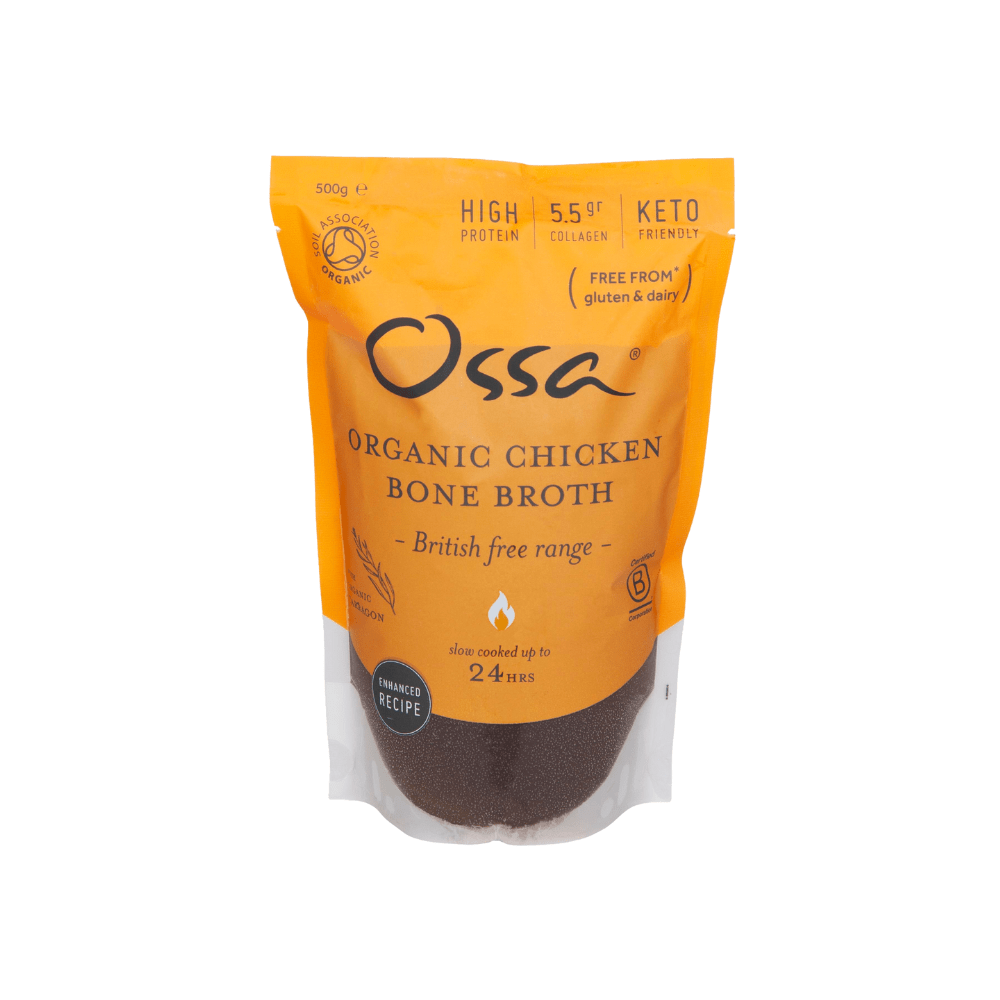
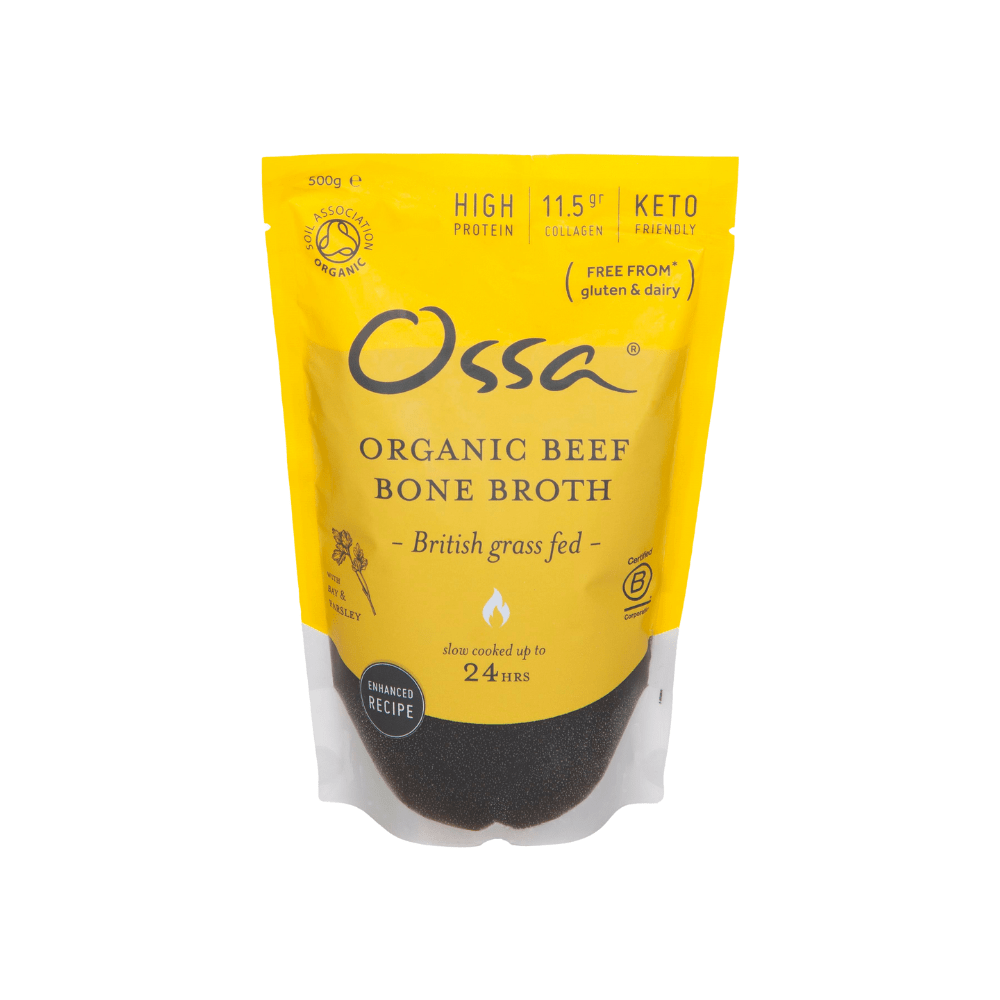
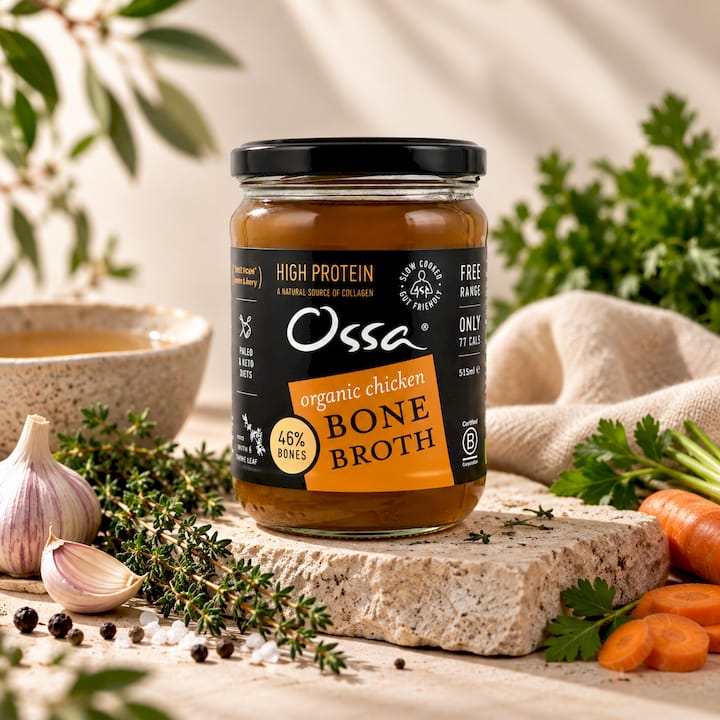
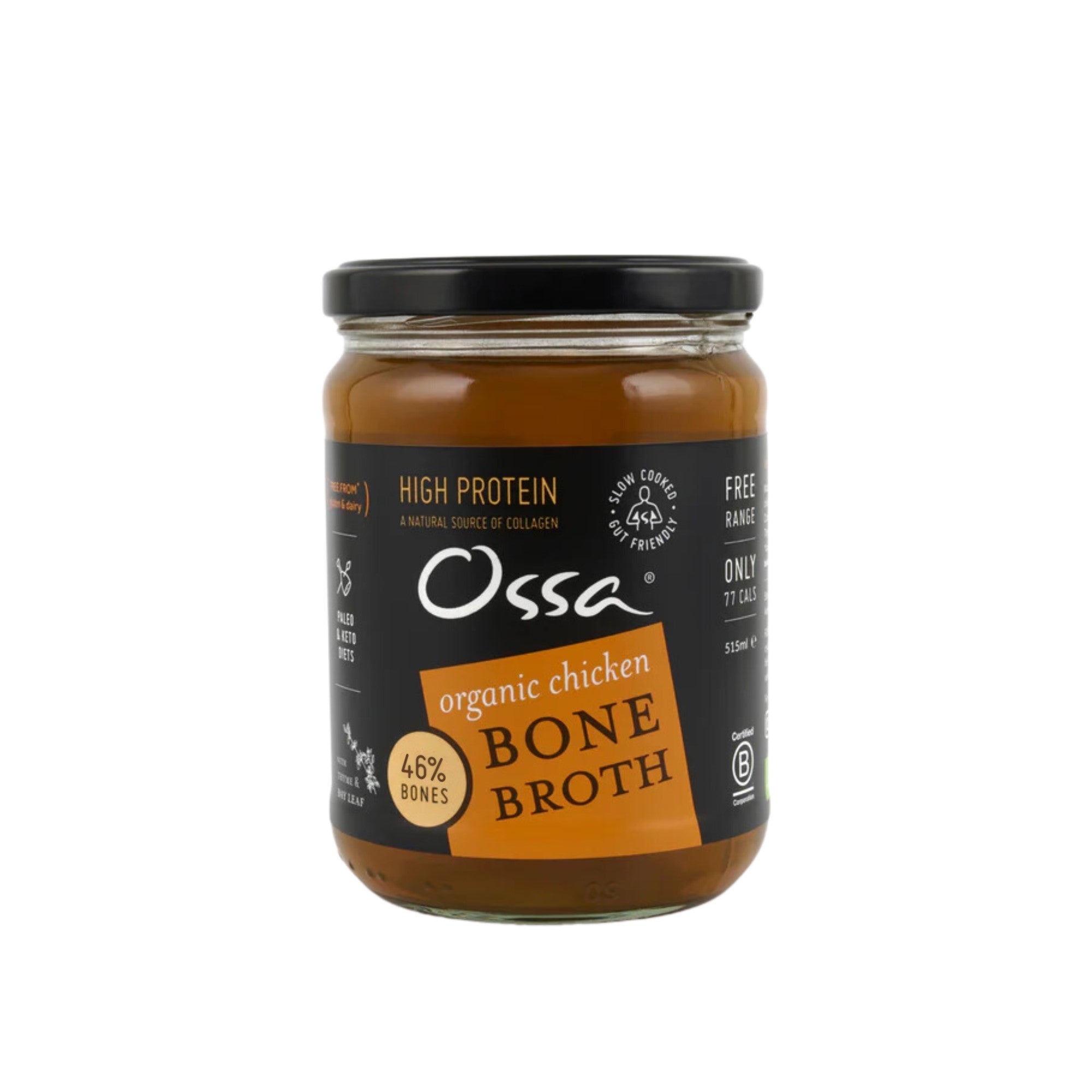
Choosing a ready-made broth, look for three things: low fat content, low or no added salt, and no chilli, black pepper, or tomato in the ingredients list, all common gastritis triggers. Plain, single-ingredient broths are far easier to defat and control than pre-seasoned blends. Ossa Organic’s 1x Organic Beef Bone Broth Ambient 515ml and Organic Free Range Chicken Bone Broth 500ml are both formulated without the additives that tend to aggravate an inflamed stomach lining.
If you make broth at home, follow these steps:
-
Simmer gently for 4 to 6 hours rather than 24, since shorter cooking times limit histamine build-up while still releasing collagen.
-
Chill the finished broth for several hours or overnight so the fat solidifies on top.
-
Skim off the fat layer completely before reheating.
-
Strain through a fine sieve to remove bone fragments and cartilage.
-
Season minimally, just a little salt if needed, and avoid pepper, chilli, garlic powder, or acidic additions like tomato.
For serving, start with 100 to 250ml between meals or mid-morning, rather than alongside a large meal, and watch how you feel over the next couple of hours. Some people find pairing a small amount of broth with plain rice or boiled potato, a traditional approach to mucous-forming soups, makes it more filling without adding irritation.
If histamine sensitivity is a concern, freshly made chicken broth consumed the same day, or a plain vegetable broth, are lower-risk alternatives. Oat or rice-based mucilage soups can also provide a similar soothing texture during a flare. For anyone managing overlapping IBS symptoms, Ossa Organic’s low-FODMAP bone broth guide covers preparation methods that avoid common fermentable triggers, and a partner resource on natural remedies for gastritis offers further dietary context worth reading alongside this.
Why Ossa Organic understands gut healing from the inside
Ossa Organic was founded after its creator discovered the difference bone broth made to her own health during pregnancy, and that experience shaped a business built on slow-cooking and organic sourcing rather than shortcuts. Every product follows the same principle behind the evidence above: fewer additives, gentler ingredients, easier to tolerate.
For readers managing gastritis, several SKUs fit particularly well:
-
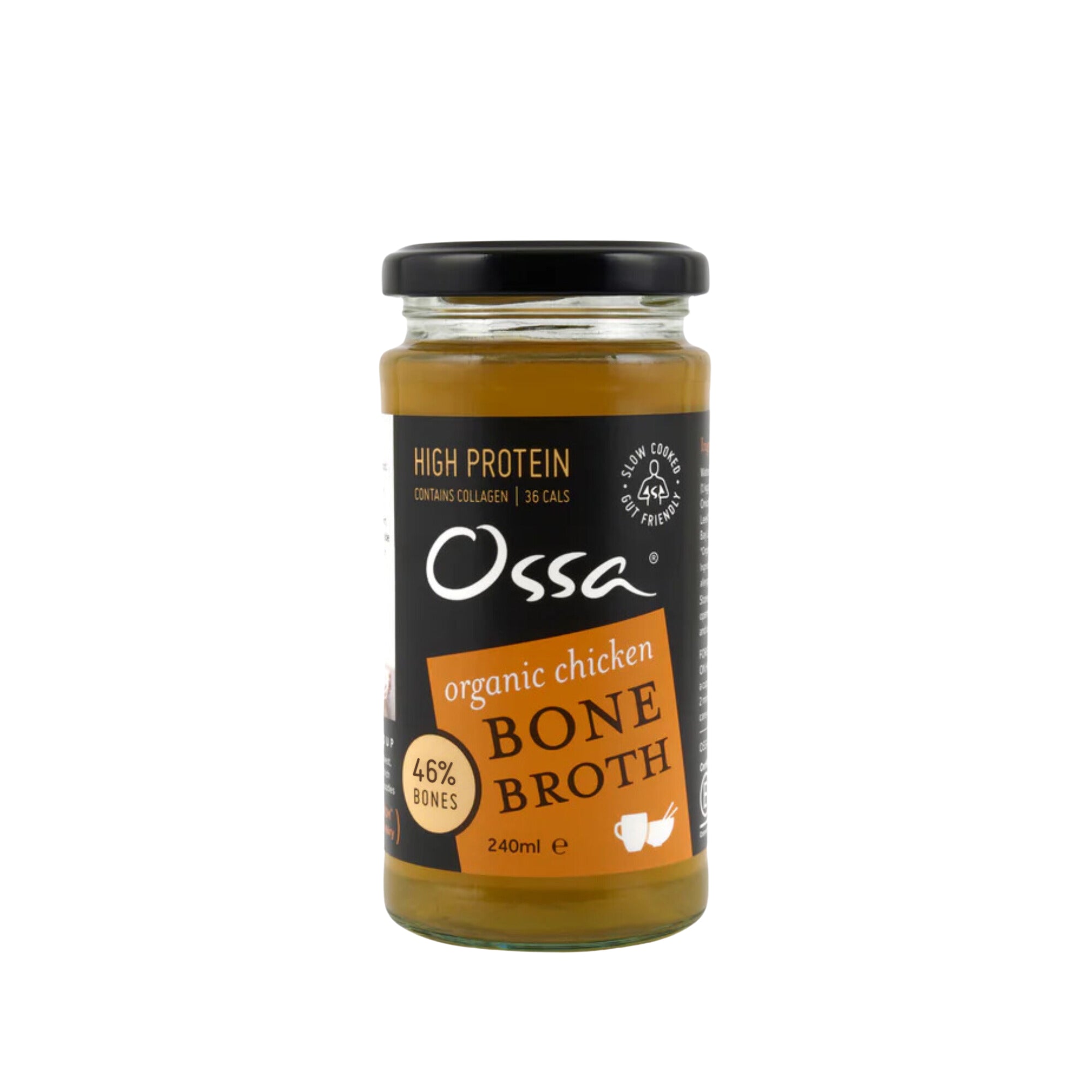
1 x Organic Chicken Bone Broth Ambient 515ml and the 500ml chicken variant, both plain enough to defat and season minimally.
-
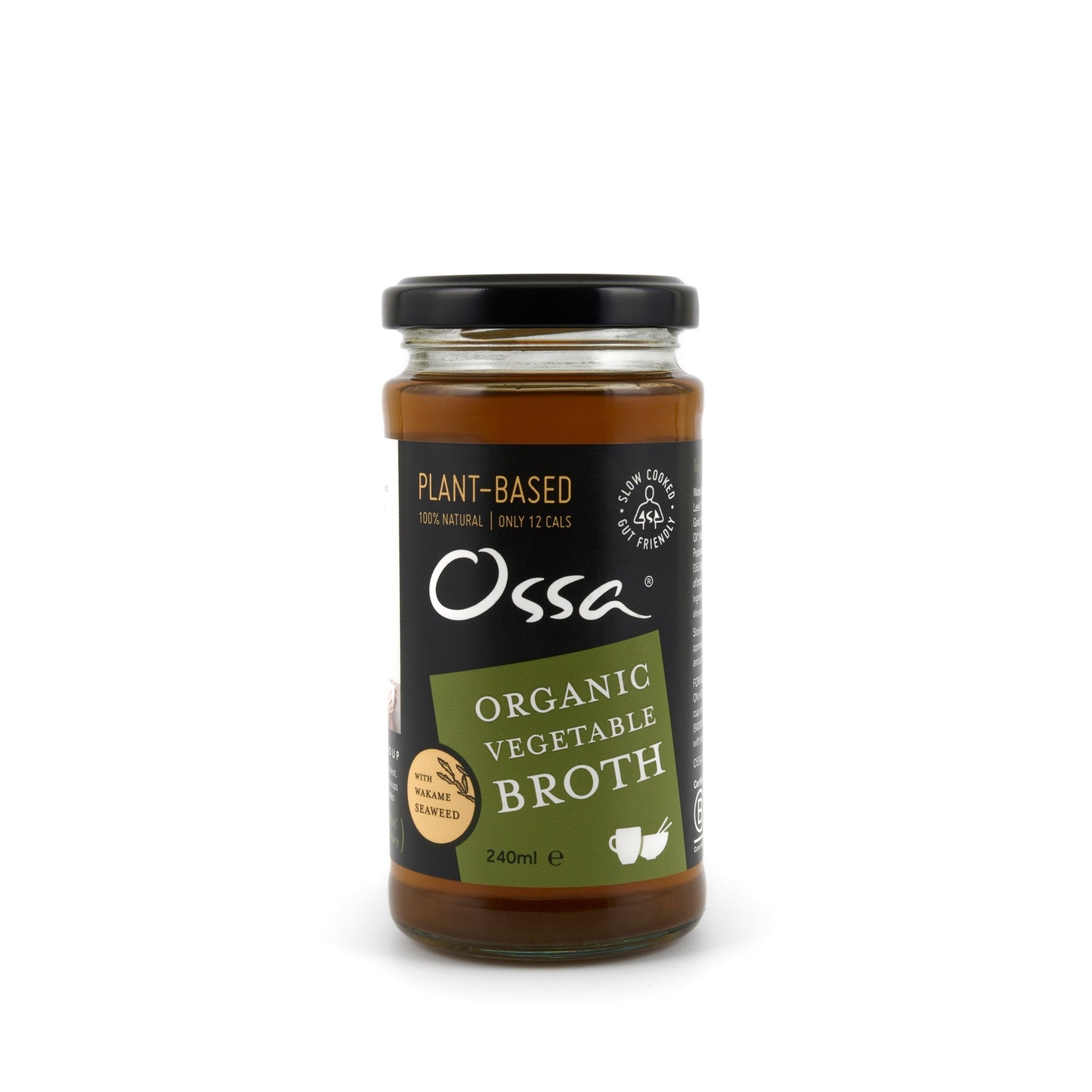
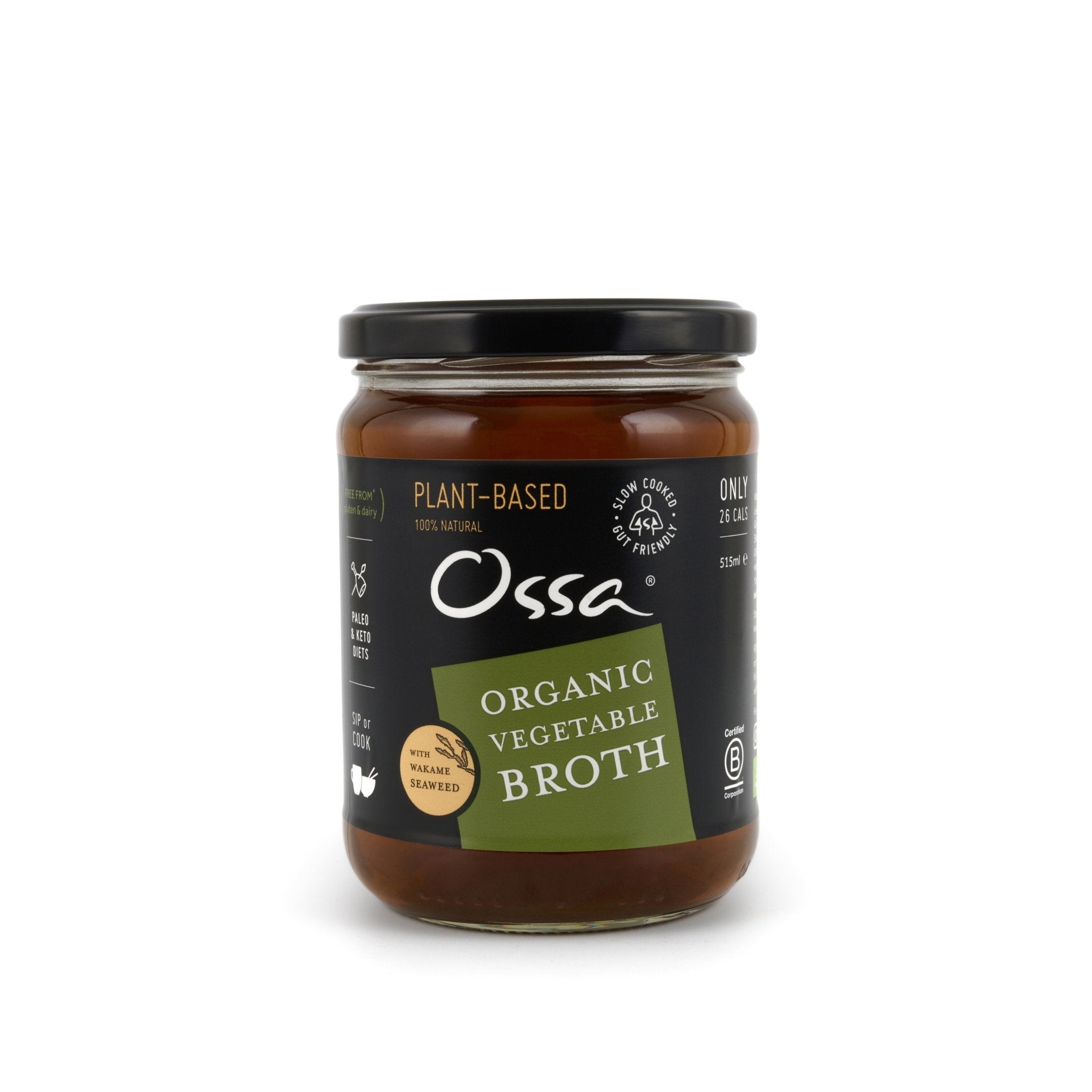
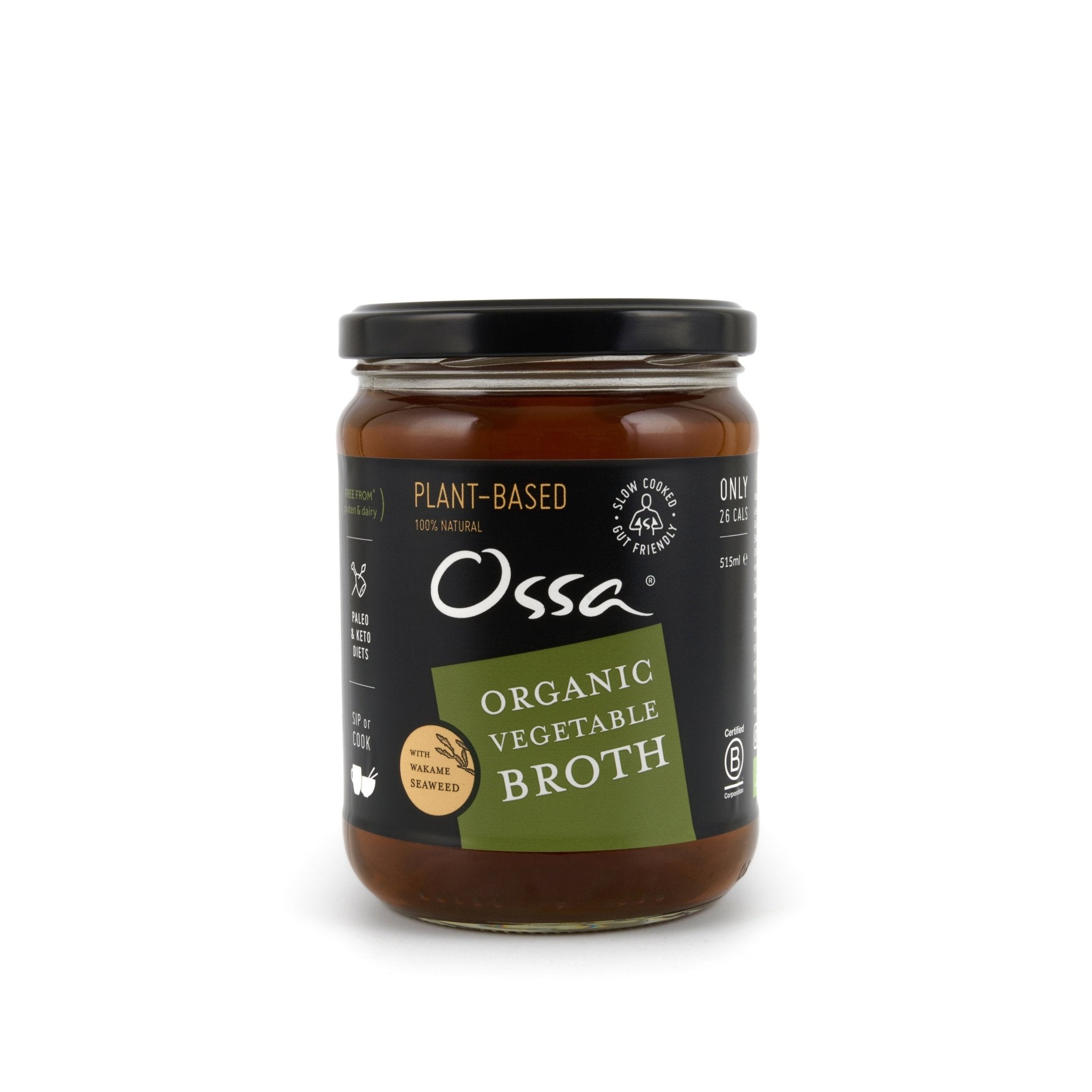
Organic Vegetable Broth, available in 515ml and 240ml sizes, a lower-histamine, non-animal option for flare-ups.
-
Recipe pairings in the Ossa Organic recipe collection for gentle, bland meals built around broth.
Our honest view on bone broth’s role in gastritis recovery
The conventional advice on bone broth swings between two extremes: treating it as a miracle gut-healer, or dismissing it entirely because no large human trial has confirmed it cures gastritis. Both miss the point. The realistic position, based on what the mechanistic and animal research actually shows, is that bone broth behaves the way a sensible supportive food should: it is easy on an inflamed stomach, it delivers amino acids the gut plausibly uses for repair, and it carries very little downside when prepared plainly.
What gets underestimated is preparation. Most of the harm attributed to broth, reflux, bloating, histamine reactions, comes from how it is made, not the ingredient itself. A fatty, long-simmered, heavily salted broth is a different food from a fresh, skimmed, plain one, yet they get treated as interchangeable in most advice online.
Our priority for readers is simple: get the cause of your gastritis properly assessed first, then use broth as one gentle, low-risk tool among several, prepared the right way.
— Ossa Organic
Try Ossa Organic’s plain organic broths for gastritis-friendly nutrition
There are other routes to gut-supportive eating, home-simmered stock, powdered collagen mixes, generic supermarket broths, but most demand hours of preparation or come loaded with the salt, fat, and additives that an inflamed stomach cannot handle. Ossa Organic removes that guesswork by making organic, slow-cooked broth with minimal ingredients, ready to defat and season exactly to your tolerance.
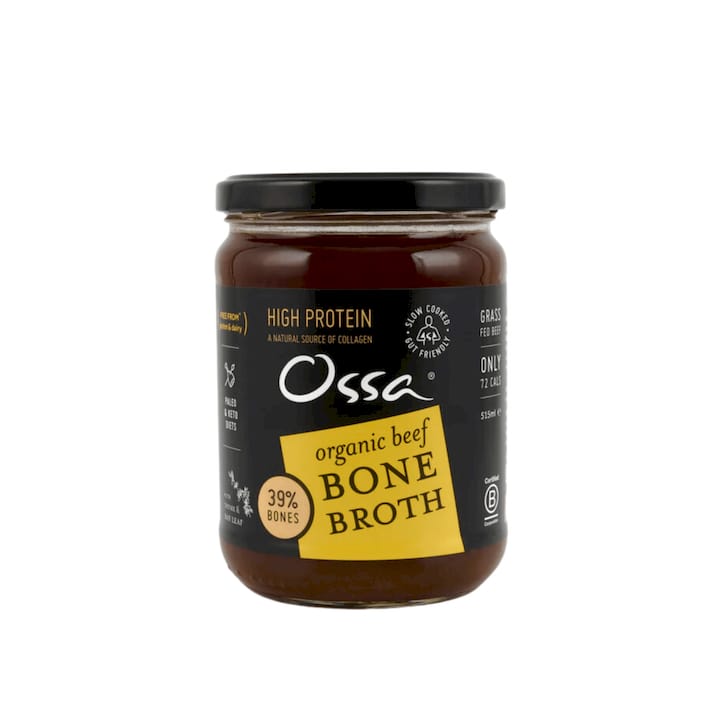
If you are trialling broth for gastritis, the 1x Organic Beef Bone Broth Ambient 515ml and 1 x Organic Chicken Bone Broth Ambient 515ml are plain enough to skim and serve small, while the Organic Vegetable Broth 515ml suits anyone avoiding animal-based histamine sources. For a structured start, the 14 Day Gut Reset builds broth into a wider gut-support plan. Order a single carton first, track how your stomach responds over a few days, then decide what fits your routine.
FAQ
Does bone broth help heal gut lining?
Animal and mechanistic studies suggest amino acids in bone broth, particularly glycine and glutamine, support mucosal repair and reduce inflammatory markers, but human clinical trial evidence remains limited.
How can I speed up gastritis healing?
Address the underlying cause first, testing for H. pylori and reviewing NSAID use, then support recovery with gentle, low-fat, low-acid foods including plain bone broth, while avoiding alcohol, caffeine, and spicy or fatty meals.
What is the best drink to soothe gastritis?
Plain, freshly made, low-fat bone broth or vegetable broth tends to be well tolerated, alongside still water and non-acidic herbal teas such as chamomile.
What food calms down gastritis?
Bland, easily digested foods work best during a flare: plain rice, boiled potato, well-cooked vegetables, and gentle broths, while spicy, fried, and highly acidic foods should be avoided until symptoms settle.
Can bone broth cure gastritis?
No. Bone broth may soothe symptoms and support gut lining repair as part of a wider approach, but it does not treat underlying causes like H. pylori infection, and persistent symptoms need medical assessment.
Recommended