Yes, you can eat organic on a budget by prioritising a handful of high-impact swaps and using seasonal, frozen and own-label staples instead of trying to convert your entire trolley overnight. The Soil Association’s own guidance backs a gradual switch over a full overhaul, which is both kinder to your wallet and easier to sustain.
Four tactics do most of the work:
-
Prioritise high-residue produce first (berries, leafy greens, apples, tomatoes)
-
Buy seasonal and frozen organic instead of fresh, out-of-season imports
-
Choose own-label and bulk organic staples over specialist branded lines
-
Batch cook and freeze to cut waste, which is where real money leaks away
Get these four right and the “organic premium” shrinks fast, sometimes to within a few pence per meal of a conventional shop. Further down, you’ll find a full sample week budget showing exactly how the numbers stack up.
Key Takeaways
Eating organic on a budget works when you prioritise high-residue produce, lean on frozen and own-label staples, and batch cook to eliminate waste.
Further reading and sources
-
Soil Association — practical advice on eating organic on a budget (soilassociation.org)
-
Sharon Palmer / Propagate — budget tips and pricing insight on organic shopping
-
EWG — meal planning and batch cooking guidance for organic eating
Table of Contents
How do you prioritise organic food on a budget?
Not every food carries the same pesticide load, so not every food deserves the same slice of your organic budget. Prioritising by residue level, rather than trying to buy everything organic, is the single most efficient move you can make.
PAN UK’s guidance on pesticides and organic produce identifies strawberries, spinach, apples and tomatoes as consistently higher in residues than thicker-skinned or more processed foods. These are the items worth switching first.
A practical priority list looks like this:
-
Berries (strawberries, raspberries): thin skin, high residue, eaten whole
-
Leafy greens (spinach, lettuce, kale): large surface area, hard to wash clean
-
Apples: commonly waxed and sprayed, eaten skin-on
-
Tomatoes and peppers: soft skin, often grown under intensive conditions
-
Grapes: eaten whole, minimal peeling
Dairy, eggs and meat are a separate calculation. Many families choose organic here for animal welfare and antibiotic-use reasons rather than residue alone, so treat that as a values decision rather than a residue-driven one.
Thick-skinned or peeled produce, such as bananas, avocados and root vegetables, carries far less residue risk. Leave these conventional and reallocate the saving to your priority list. The Soil Association’s advice to switch gradually rather than all at once applies directly here: pick two or three items from the list above, master the swap, then add more once it feels normal.
Shop smarter: seasonality, frozen and own-label
Seasonality is the cheapest lever in organic shopping and the most ignored one. Organic strawberries in December have travelled a long way and cost accordingly; the same fruit in June, grown locally, costs a fraction as much because supply is high and transport is minimal. Plan your organic-heavy meals around what is actually in season and the maths improves without any other change.
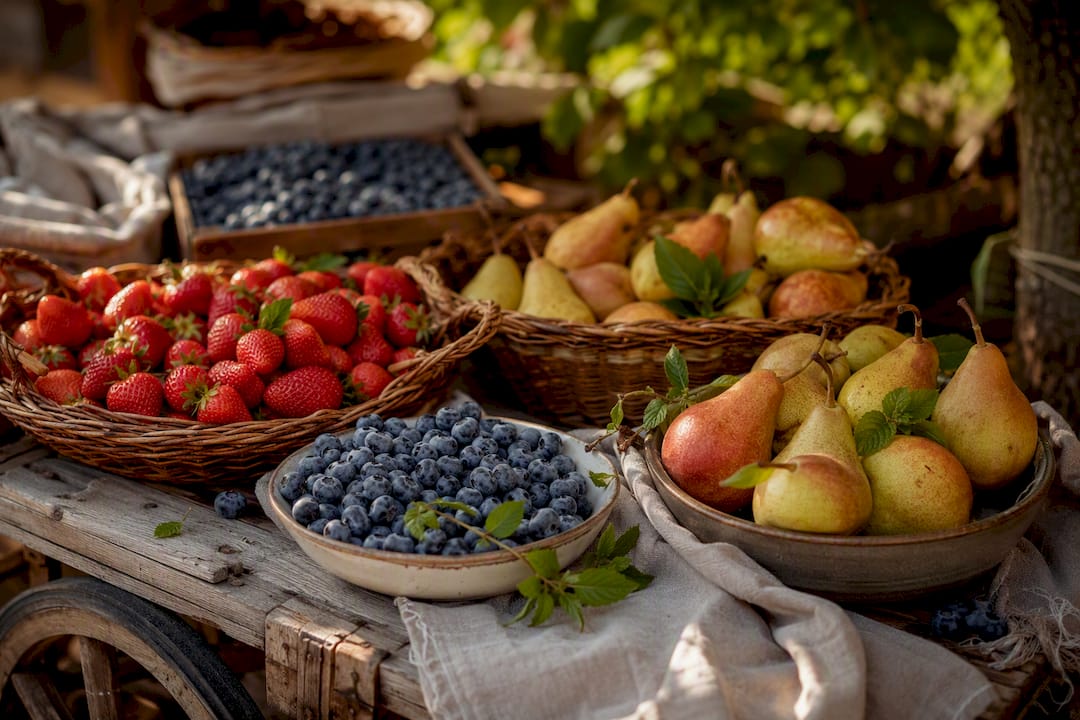
Frozen organic produce deserves more credit than it gets. Berries, spinach and peas are typically frozen within hours of picking, at peak ripeness, which means the nutrient content rivals fresh and often beats out-of-season “fresh” alternatives that have sat in transit for days. Sharon Palmer’s guidance on budget organic shopping flags frozen as one of the most underused tools available to cost-conscious buyers, and canned organic pulses and tomatoes work the same way.
Own-label organic ranges carry the same certification standard as branded equivalents but usually cost less, because you’re not paying for packaging design or marketing. Always check the unit price (the cost per 100g or per litre), not the shelf price, since pack sizes vary and the smaller pack is rarely the better deal.
Pro Tip: Keep a mental benchmark of three or four unit prices you buy often (oats, rice, tinned tomatoes, frozen spinach). Once you know these off the top of your head, spotting a genuine deal takes seconds.
Bulk staples worth stocking: organic oats, lentils, rice, tinned tomatoes and dried pulses. They store well and their per-serving cost is often lower than conventional convenience foods.
Meal planning and a sample week budget
Batch cooking turns organic eating from expensive to genuinely affordable, and the structure is simple: build three base meals around shared staples, then vary the sides and seasonings through the week so nothing feels repetitive.
-
Pick three anchor meals built around one protein and one grain (bean chilli, chicken and rice, vegetable stew).
-
Cook double portions of each and freeze half immediately in labelled containers.
-
Rotate sides (seasonal veg, a simple salad, wholegrain bread) to add variety without extra cooking.
A realistic weekly plan for a family of four, mixing priority organic items with conventional low-residue produce, looks roughly like this:
Freeze leftovers in single-portion tubs and apply a simple first-in-first-out rule in the fridge and freezer: oldest items to the front, newest to the back. This one habit prevents more food waste than almost any other change you can make.
Stretch pantry and protein: pulses, whole birds and broth
Pulses are the most underrated budget protein in an organic kitchen. A tin of organic chickpeas or lentils costs a fraction of organic meat per serving and delivers comparable protein, plus fibre that meat doesn’t offer. Swapping two meat-based dinners a week for a pulse-based one is an easy way to free up budget for your priority produce list.
When you do buy meat, buy whole. A whole organic chicken, roasted once, can deliver a roast dinner, sandwiches or a salad the next day, and a pot of stock or broth from the carcass on day three. This “one bird, three meals” approach maximises the yield from a single higher-cost purchase.
-
Roast the whole bird for Sunday dinner
-
Strip and use leftover meat for lunches or a quick stir-fry
-
Simmer the carcass with vegetable scraps for stock
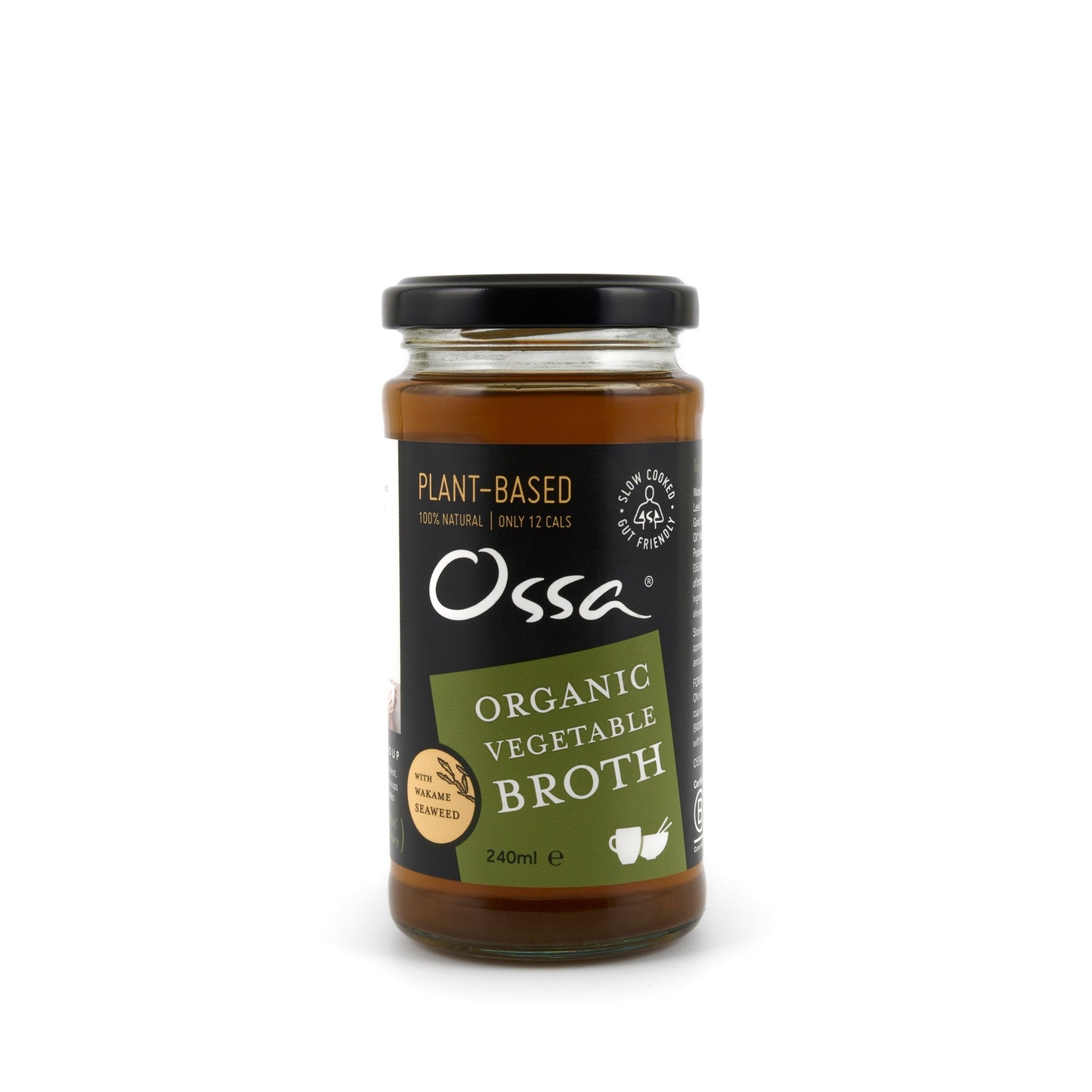
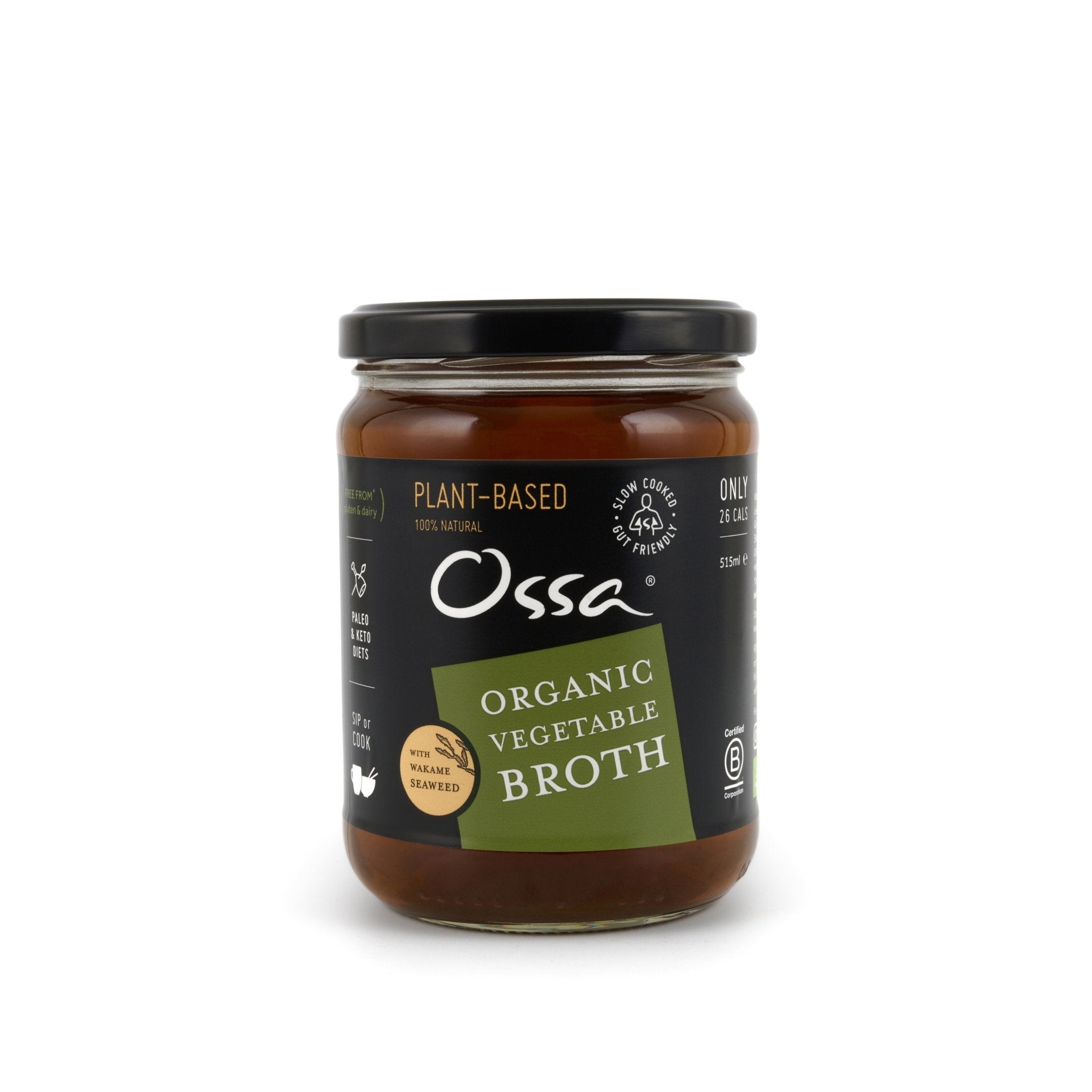
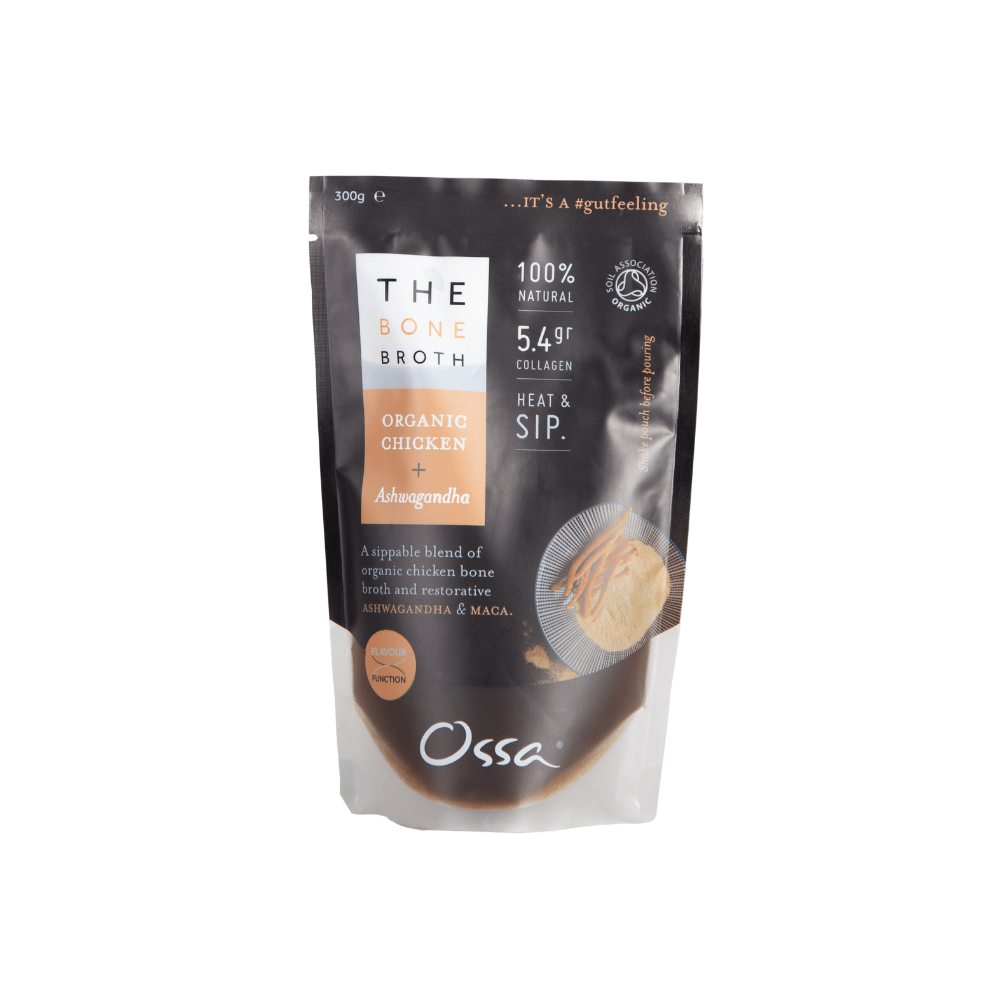
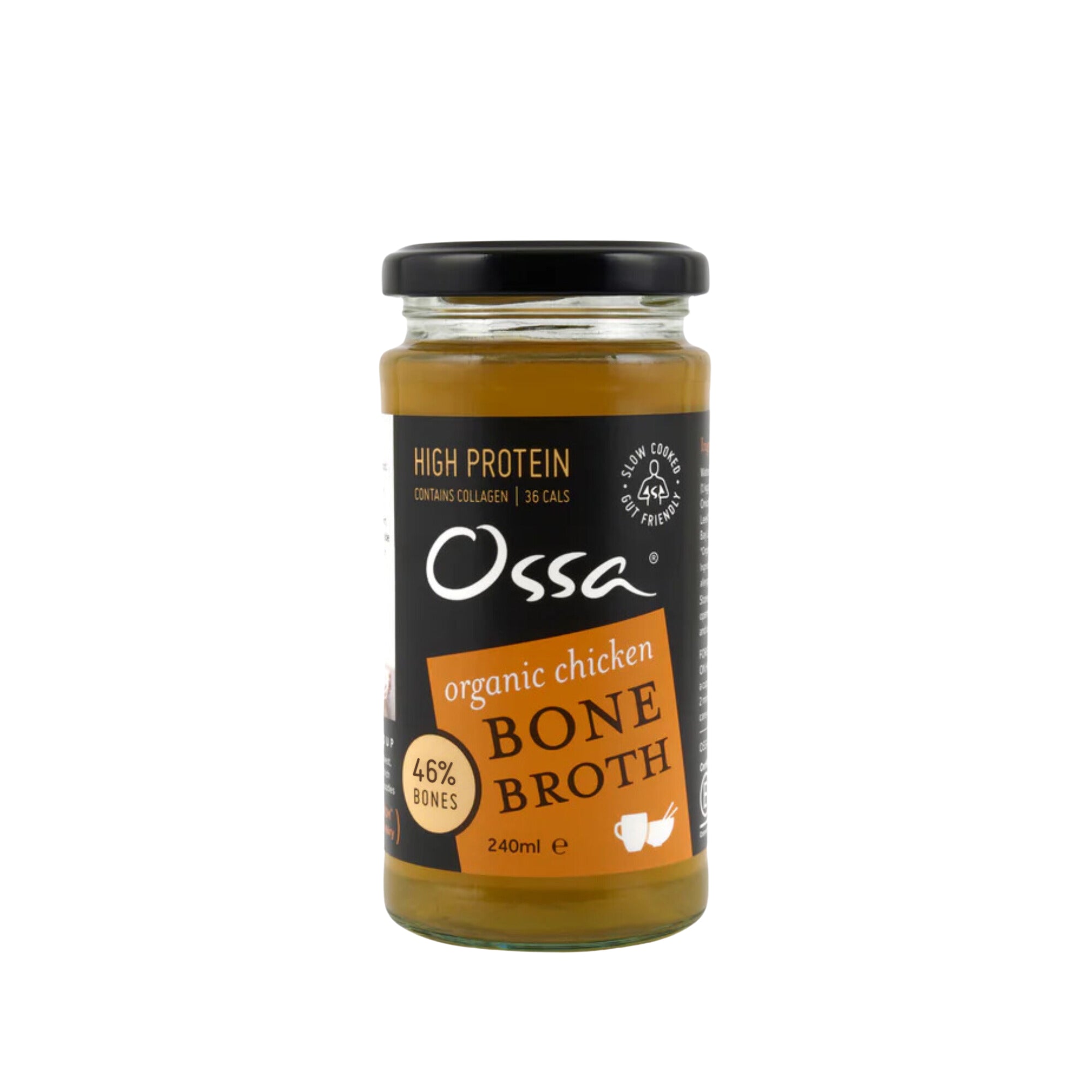
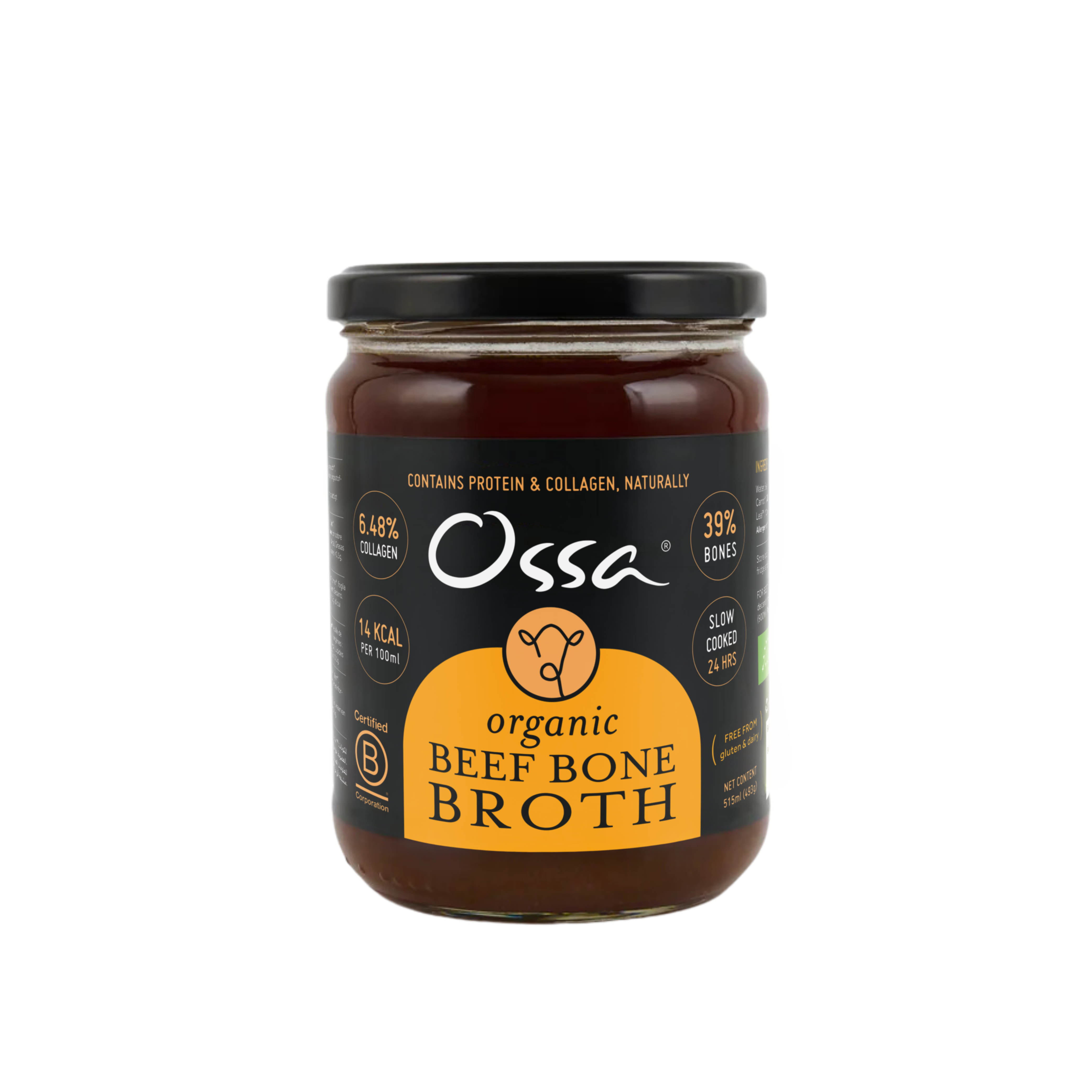
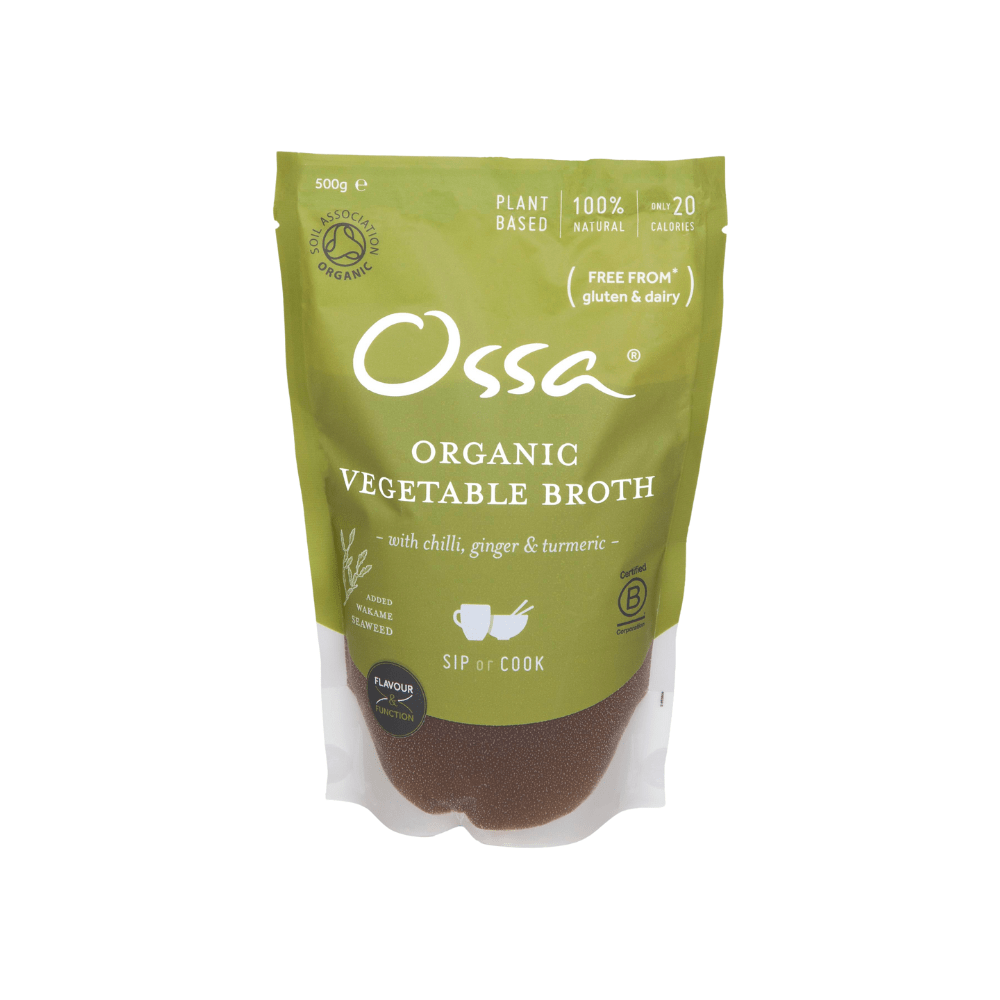
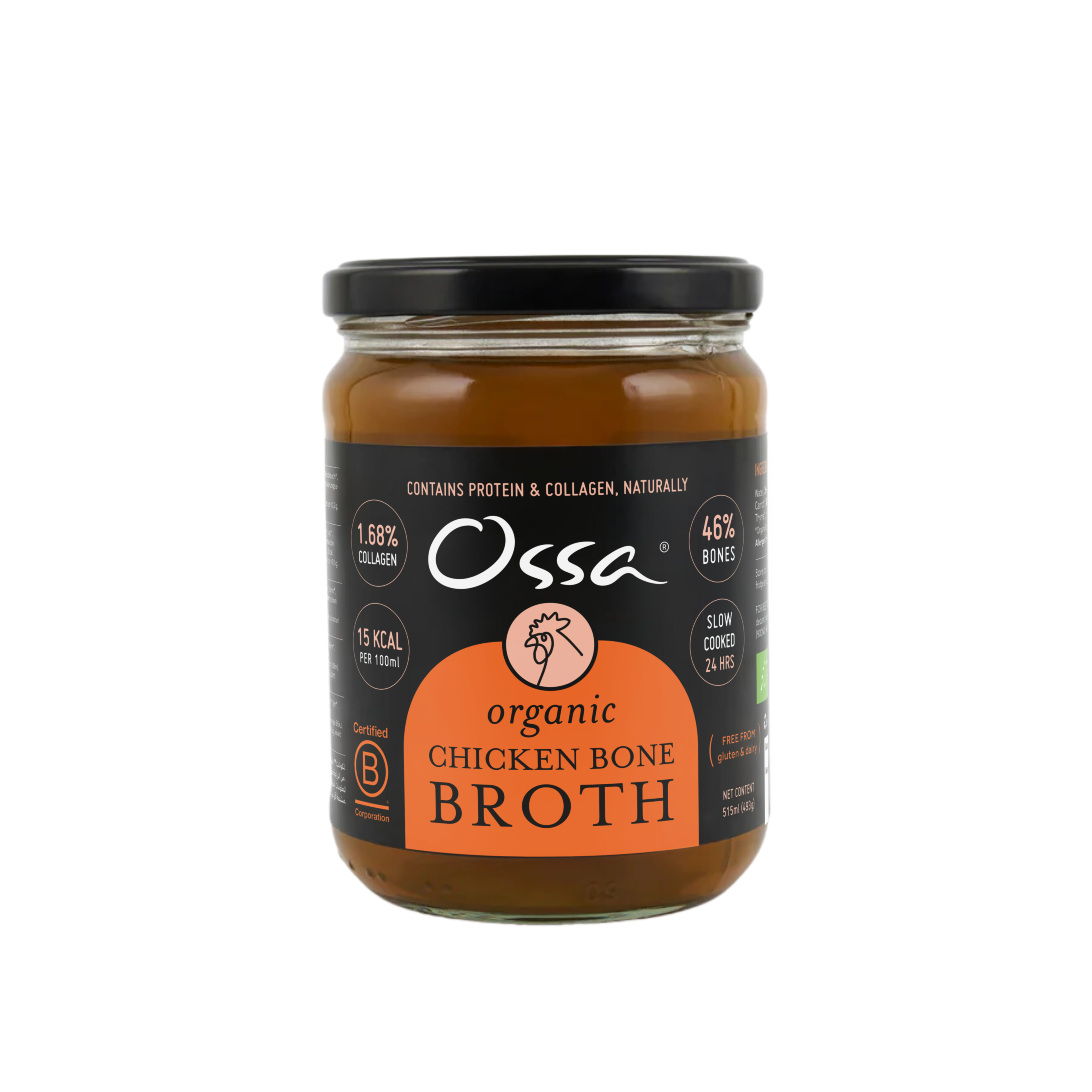
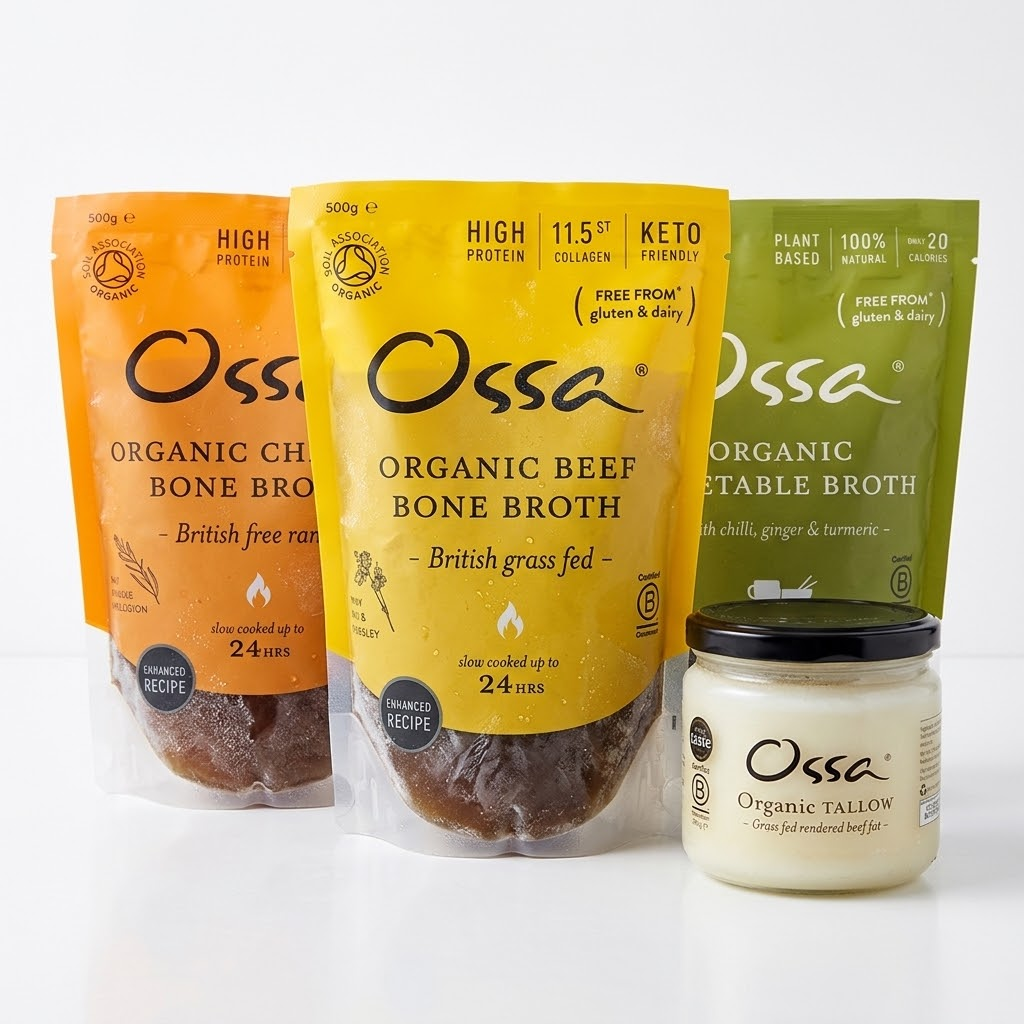
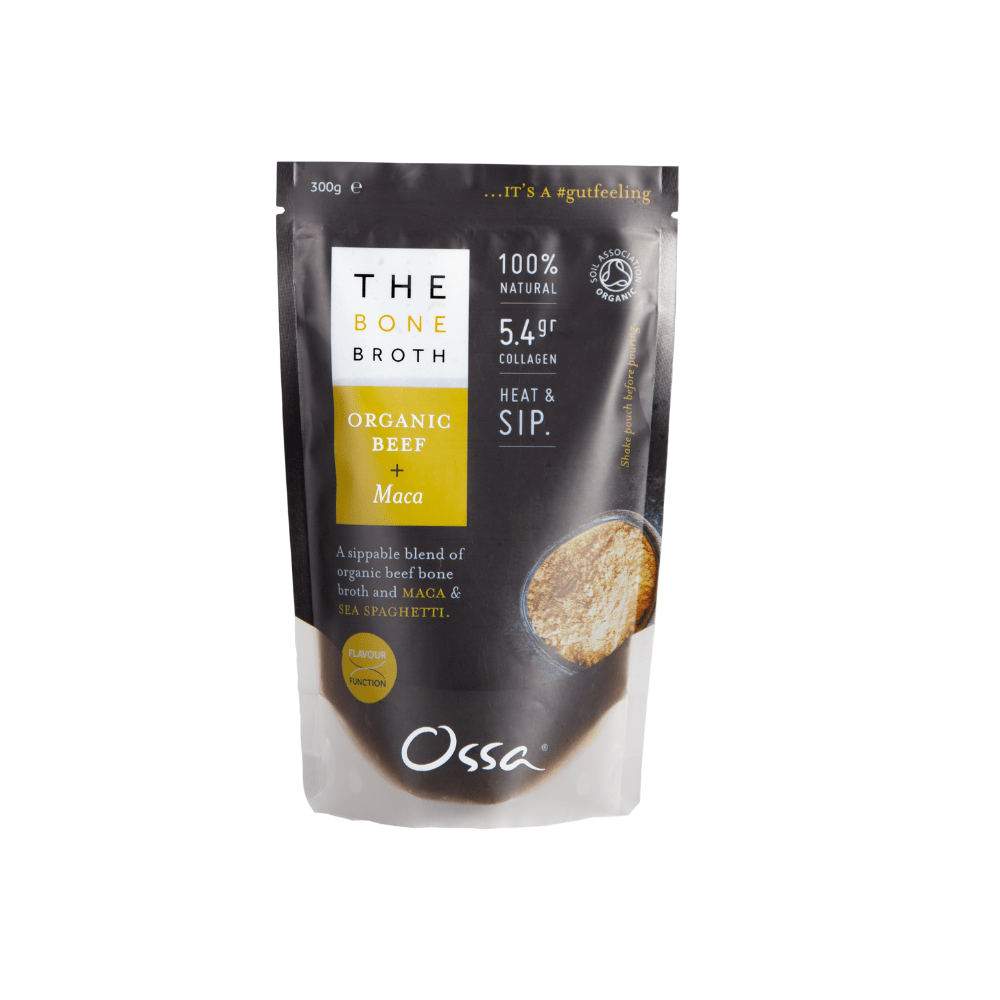
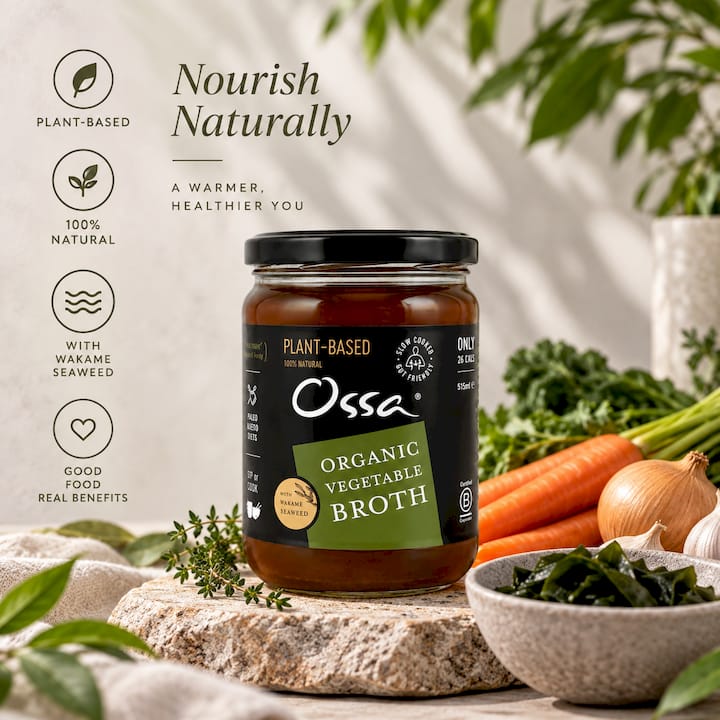
Not every week allows time for a slow-simmered stock, and that’s exactly where a ready-made broth earns its place. Ossa Organic’s bone broth range is built for this gap: shelf-stable, ready in minutes, and useful as a soup base, a cooking liquid for grains, or an addition to stews when you want the nutritional benefit without the hours of simmering.
Pro Tip: Keep a carton of organic vegetable broth in the cupboard for nights when the stock pot never got started. It rescues a rushed dinner without falling back on processed convenience food.
Where to buy organic food for less
Different channels suit different purchases, and mixing them beats loyalty to any single one. Vegetable box schemes and CSAs tend to offer the best value on seasonal produce bought in volume, particularly when you’re happy to cook around whatever arrives that week. Supermarkets usually win on packaged staples like tinned goods, oats and own-label dairy, where their buying power keeps prices down.
Farmers’ markets often discount unsold stock late in the trading day, so timing your visit for the final hour can mean genuine reductions on produce that would otherwise go to waste. Our guide on shopping organic farmers’ market produce covers the specific questions worth asking stallholders about certification and growing methods.
-
Check clearance and reduced-to-clear sections for organic items nearing their date
-
Sign up to supermarket loyalty schemes for targeted organic discounts
-
Compare veg box prices against supermarket own-label before committing to a subscription
-
Avoid paying a premium on heavily packaged “organic” snack products, which rarely justify the markup
There’s no single price gap that applies everywhere. As Propagate’s analysis of organic food pricing notes, the premium shifts by store, season and region, which is exactly why building a feel for unit prices across your regular shops matters more than following a fixed rule.
Grow, preserve and cut waste at home
Small-space growing pays back quickly. Herbs, salad leaves and a single tomato plant on a windowsill or balcony need little space and cut your reliance on the highest-residue bought items.
-
Grow herbs and salad leaves for a near-constant supply with minimal effort.
-
Blanch and freeze surplus vegetables in portioned bags before they spoil.
-
Simmer scraps into stock, then freeze in ice-cube trays for quick use.
-
Plan meals around what’s about to turn, applying the fridge FIFO rule daily.
Full step-by-step methods sit in our guide to preserving seasonal organic produce at home.
Your pre-shop checklist
Before you shop, glance at what’s left in the fridge and pantry from last week. Note what went unused, since that’s usually your first clue to overbuying.
-
Check unit prices on your top five regular items before you commit to a brand
-
Swap fresh berries and spinach for frozen once they’re out of season
-
Buy pantry staples (oats, rice, lentils, tinned tomatoes) in bulk when on offer
-
Freeze half of any fresh organic item bought on a flash sale
Three rules cover most situations: default to frozen for berries and spinach outside their season, buy staples in bulk rather than little and often, and freeze half of anything perishable you buy at a discount.
Organic vs conventional: weighing cost against benefit
The honest answer is that organic food’s benefits are real but specific, and matching your spend to them is what makes a budget work. Organic certification restricts synthetic pesticide and fertiliser use, and PAN UK’s residue guidance is clear that this matters most for foods eaten whole, skin-on, with a large surface area, exactly the priority list already covered above.
For low-residue foods, thick-skinned fruit, root vegetables, foods you peel, the health gap between organic and conventional narrows considerably. Paying a premium here buys you less nutritional advantage per pound than the same premium spent on organic strawberries or spinach.
Animal products complicate the comparison. Organic standards for meat, dairy and eggs govern antibiotic use, feed and welfare conditions rather than pesticide residue specifically, so the case for buying these organic rests more on welfare and antibiotic-resistance concerns than on a simple health-per-pound calculation.
The most cost-effective approach isn’t “organic everything” or “organic nothing”. It’s matching your spend to where the evidence shows the biggest difference: high-residue plant foods first, animal products as budget allows, and low-residue produce left conventional without guilt. That’s a more defensible use of a limited grocery budget than spreading the same money thinly across every product on the shelf.
How to read organic labels without being misled
Certification logos exist precisely because “organic” claims on packaging aren’t self-policing, and knowing what to look for saves you from paying a premium for very little. In the UK, a genuine organic claim should carry a certification body’s logo (Soil Association is the most widely recognised) alongside an organic control number, not just the word “organic” printed on the front.
Watch for a few common misleading patterns. “Natural”, “pesticide-free” and “no additives” are marketing terms with no legal organic standard behind them, unlike the certified logo itself. A product can legitimately say “made with organic ingredients” while containing only a small organic percentage, so check the ingredients list rather than trusting the front-of-pack claim alone.
Own-label ranges are not a red flag. Supermarket own-label organic lines carry exactly the same certification standard as branded competitors, since certification applies to the product and its supply chain, not the brand printed on the label. This is precisely why own-label organics are usually the smarter buy: you’re paying for the same standard with less spent on marketing.
A quick label routine takes seconds: look for the certification logo and control number first, check the ingredients list if the product claims to be “made with organic” rather than fully organic, and ignore unregulated terms like “natural” when they’re doing the marketing work a real certification should be doing.
Author perspective: what thrift-forward organic actually looks like
The pull towards bone broth usually starts the same way ours did at Ossa Organic: discovering how much difference one nourishing staple makes, then gradually building outward rather than overhauling everything at once. That’s the same gradual logic behind switching a few high-residue staples to organic before the rest. We apply this thrift-forward thinking when developing our own range, and it’s worth reading alongside our 12-week transition plan if you want the pace mapped out week by week.
— Ossa Organic
Bone broth on a budget: where a ready-made carton earns its place
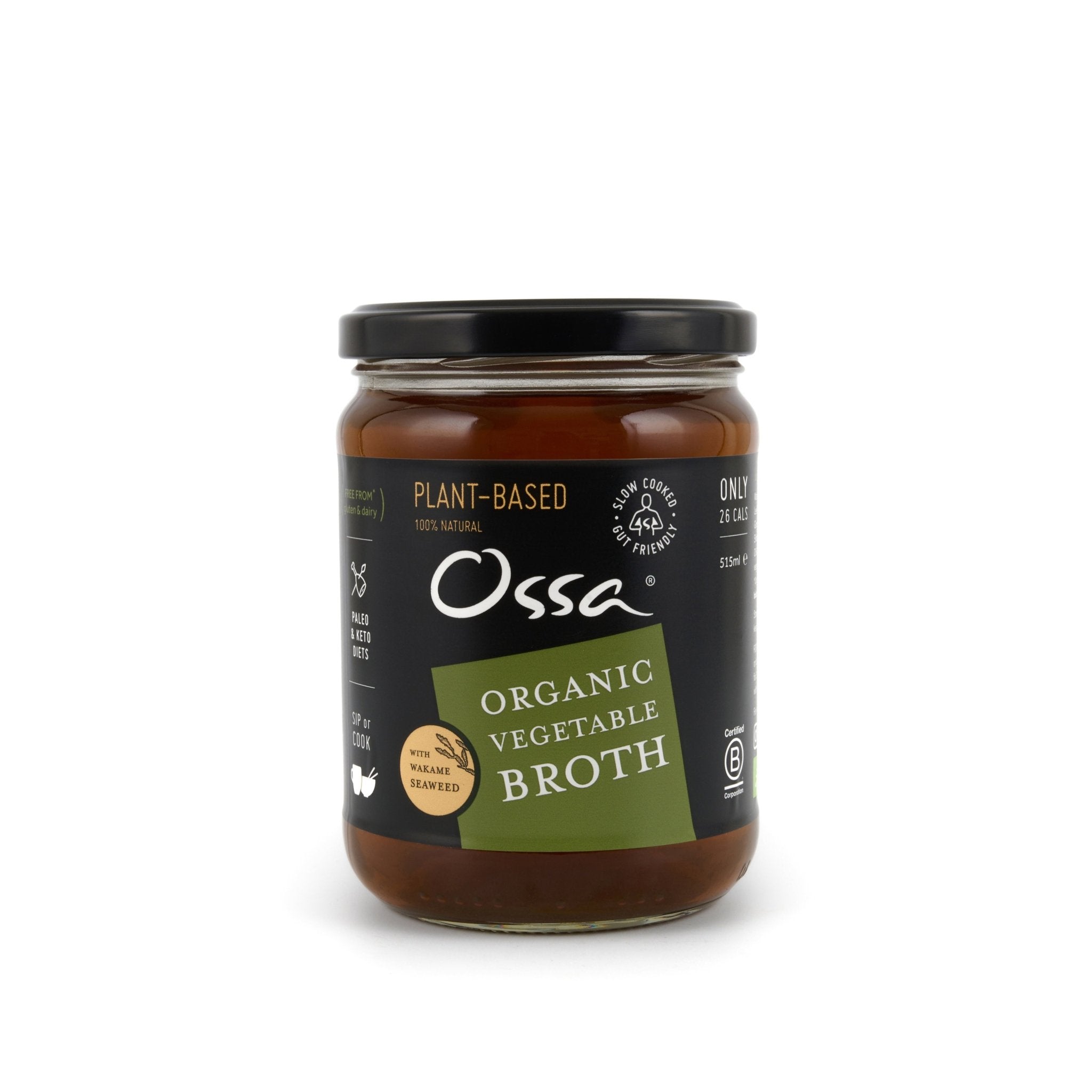
A carton of organic vegetable broth is one of the few packaged organic products worth its price tag on convenience alone, not just health grounds. Use it as a soup base, to cook rice or grains with more flavour than water alone, or stirred into a stew when time doesn’t allow for a stock pot.
For batch cooking, the six-pack of Organic Vegetable Broth Ambient 515ml suits households that cook in bulk and freeze portions, since it covers several meals without repeat shopping trips. If you’re feeding smaller portions or testing recipes before committing, the six-pack of Organic Vegetable Broth Ambient 240ml gives you single-sitting quantities without waste. New to the range and want to try it first? The single Organic Vegetable Broth Ambient 515ml is the low-commitment way to see if it fits your weekly cooking before buying in bulk. Freeze any unused portion in an ice-cube tray for quick additions to future meals.
FAQ
Is Aldi’s organic food really organic?
Yes. Any product carrying a recognised organic certification logo and control number, regardless of retailer, meets the same legal organic standard, so own-label ranges from budget supermarkets are certified to the same rules as premium brands.
What is the cheapest but healthiest food on an organic budget?
Bulk organic pulses, oats and frozen vegetables offer the strongest nutrition-per-pound ratio, since they store well, retain nutrients, and cost far less than fresh out-of-season produce or organic meat.
How can I eat organic on a budget?
Prioritise high-residue produce like berries and leafy greens, buy seasonal and frozen over fresh, choose own-label organic staples, and batch cook to cut waste, exactly the four tactics covered throughout this guide.
Does organic food cost more everywhere?
No single premium applies across every store or season; prices shift by retailer, season and region, so building a habit of comparing unit prices at your regular shops matters more than following a fixed percentage rule.
Is a ready-made bone broth worth it compared to homemade stock?
For busy weeks, yes: a ready-made organic broth like Ossa Organic’s range delivers similar nutritional convenience to homemade stock without the hours of simmering a carcass requires.
Recommended