Build an organic meal plan by picking 2 to 3 proteins, 1 to 2 grains or starches, 3 to 4 vegetables and one sauce, then batch prep those components in a single session each week. That handful of building blocks recombines into ten or more different meals, which is why the framework outlasts the New Year’s resolution version of meal planning. The Academy of Nutrition and Dietetics has long recommended treating a weekly plan as a flexible structure rather than a fixed menu, precisely because rigid schedules collapse the moment life intervenes.
Success looks like this: plates built mostly from vegetables and fruit, a modest portion of protein, less food binned at the end of the week, and weeknights where dinner is assembly rather than invention.
-
Choose your proteins, grains and vegetables before you shop
-
Prep components, not five identical meals
-
Keep one freezer backup for the night everything goes wrong
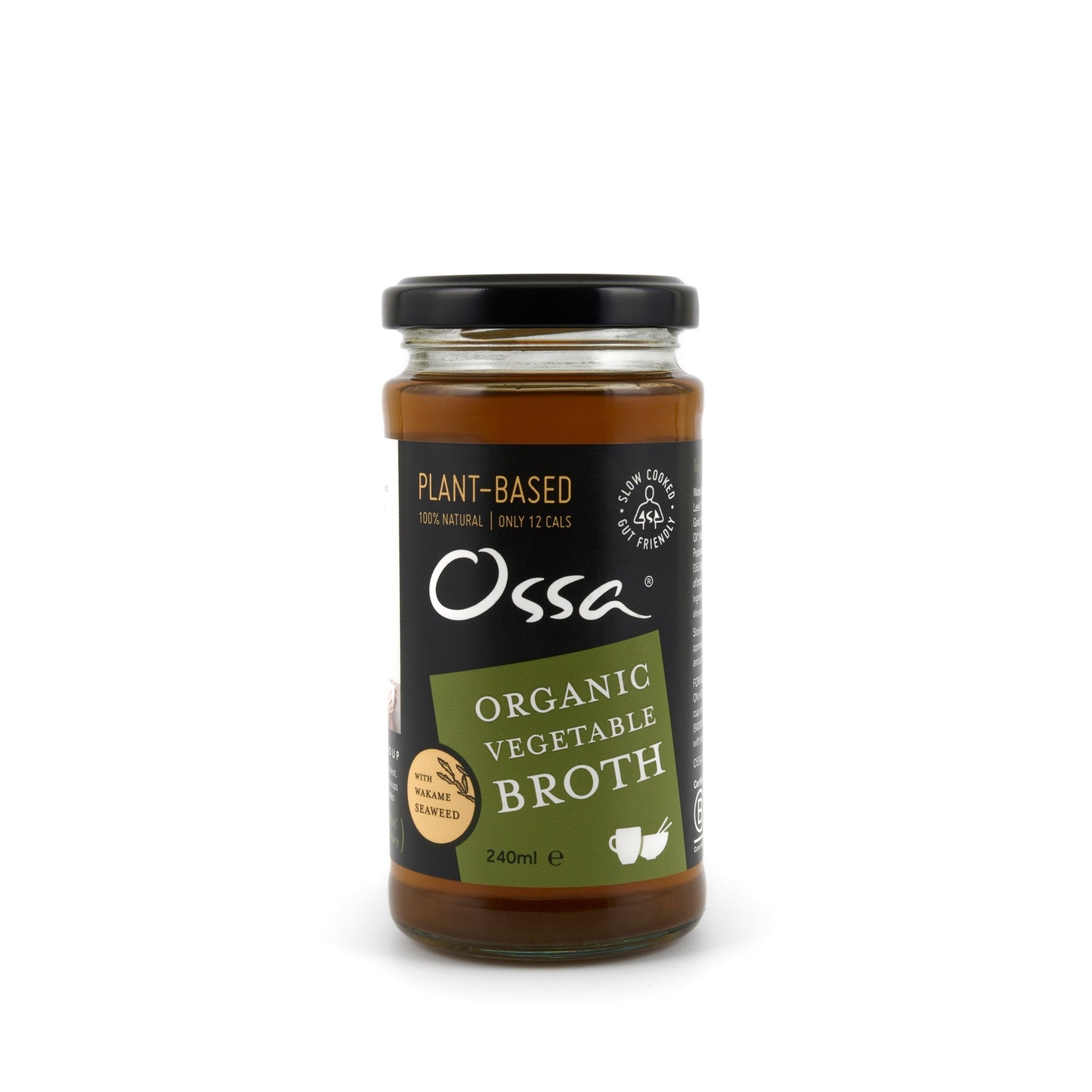
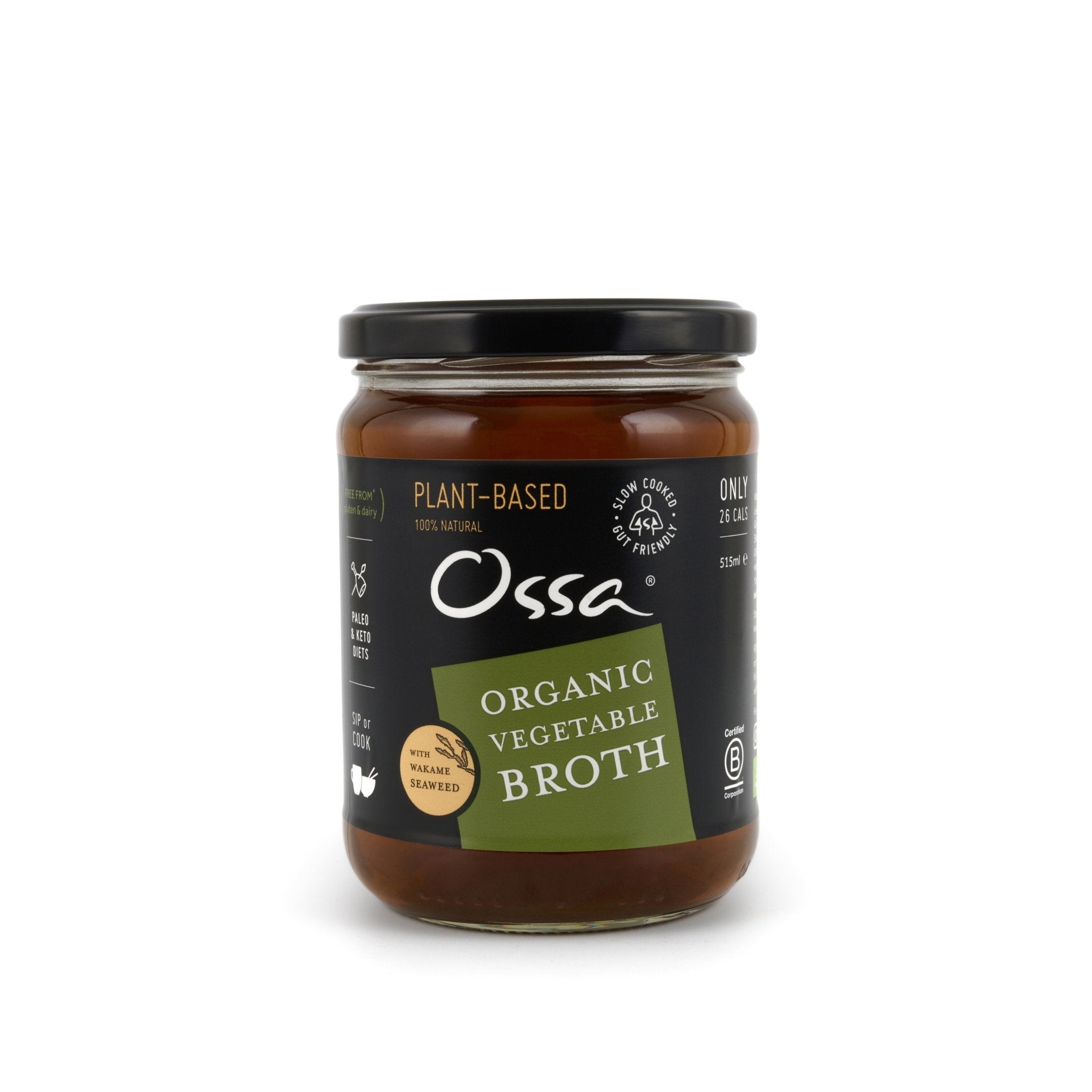
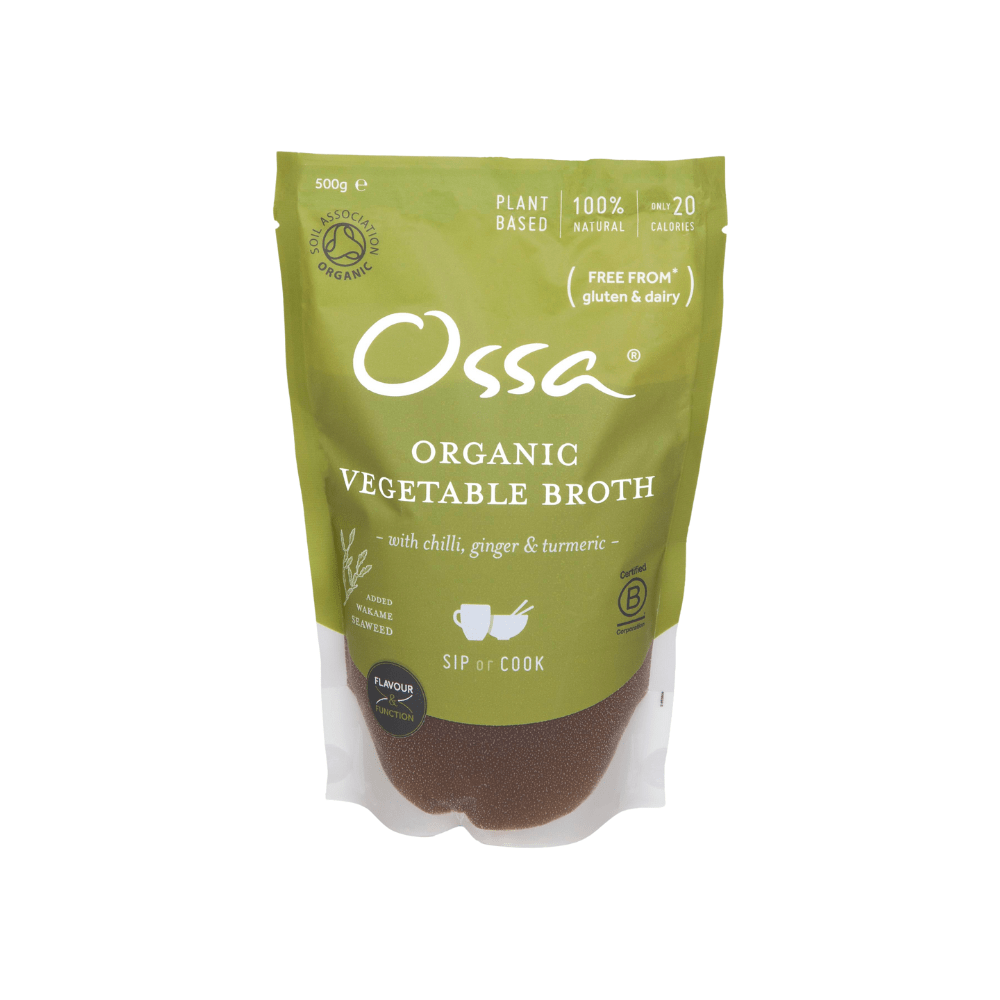
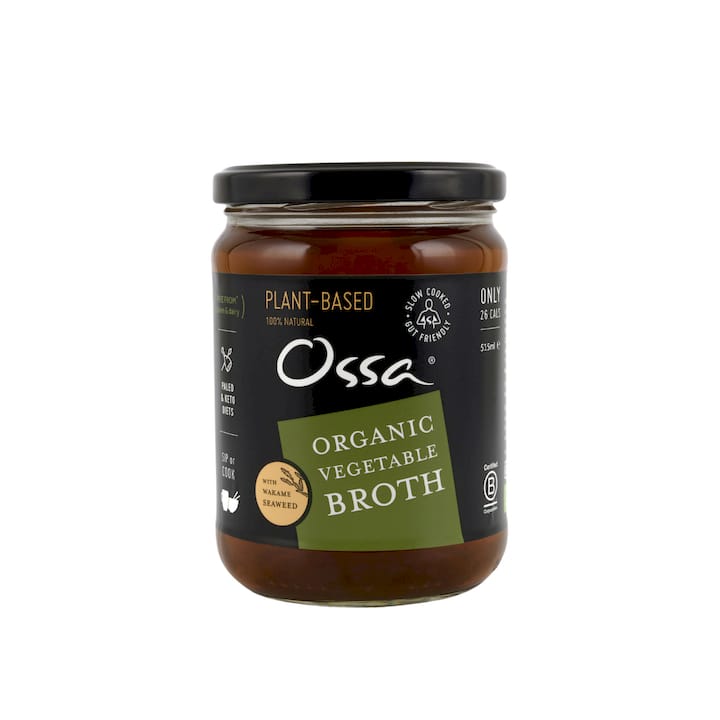
Pro Tip: Keep a jar of Organic Vegetable Broth in the cupboard as your emergency base. It turns leftover roasted veg into soup in ten minutes, no extra shopping required.
Key Takeaways
A repeatable organic meal plan works because it’s built from a small set of interchangeable components, not a fixed list of recipes.
| Point |
Details |
| Use five building blocks |
Pick 2 to 3 proteins, 1 to 2 grains, 3 to 4 vegetables and one sauce, then prep once. |
| Follow the plate model |
Fill half the plate with vegetables and fruit, a quarter with protein, a quarter with grains. |
| Prep components, not meals |
Batch cook proteins, grains and vegetables separately for more variety across the week. |
| Store by timing, not guesswork |
Most cooked components last 3 to 4 days chilled and up to 3 months frozen. |
| Keep a fast backup on hand |
Ossa Organic’s bone broth spaghetti and vegetable broth cover the nights prep runs short. |
Further reading on meal planning fundamentals
-
Mayo Clinic’s guidance on plate proportions and planning
-
Harvard’s Nutrition Source meal-prep storage guide
-
Nutrition.gov’s weekly planning templates
Table of Contents
Why the component method works better than a rigid meal plan
Mayo Clinic’s guidance on planning meals points to two clear wins: less decision fatigue and less food waste, both of which come from having a system rather than a fresh decision every evening. The plate model backing this up is straightforward. Fill a large portion of your plate with vegetables and fruit, a moderate portion with protein, and an equal portion with wholegrains or starchy vegetables.
Nutrition.gov’s planning resources make the same point from a different angle: households that plan by category (protein, grain, vegetable) rather than by finished recipe report the templates easier to stick with over months, not just the first week.
-
Vegetables and fruit take the largest share of the plate
-
Protein fills a quarter, not half
-
Wholegrains or starchy veg round out the last quarter
-
A loose framework survives a busy Wednesday; a rigid seven-recipe plan often doesn’t
The flexibility matters more than the precision. A plan that assumes you’ll swap salmon for eggs on the day the fishmonger queue is too long is a plan that actually gets used.
How do you build a weekly organic meal plan?
Building the plan takes longer to read than to do. Once you’ve run through it two or three times, it becomes a fifteen-minute Sunday habit.
-
Set the week’s intention. Decide how many meals you’re actually planning for, breakfasts included or not, and how many nights you’ll cook fresh versus reheat.
-
Pick your anchors. Choose 2 to 3 proteins (chicken thighs, organic beef mince, lentils, eggs) and 1 to 2 grains or starches (rice, quinoa, new potatoes) that you’ll rotate all week.
-
Choose your vegetables and one sauce. Pick 3 to 4 versatile vegetables that roast, steam or stir-fry equally well, plus one dressing or sauce (tahini, chimichurri, a simple vinaigrette) to change the flavour direction without changing the ingredients.
-
Prep components, not finished dishes. Roast a tray of vegetables, cook a batch of grains, and cook your proteins separately so you can mix and match rather than eating the same bowl five nights running. Schedule a single prep window, usually 90 minutes on a Sunday, or split it into two shorter sessions.
-
Build a compact shopping list. Group it by store section (produce, protein counter, pantry, fridge/freezer) and add one freezer-friendly backup meal for the night nothing goes to plan.
Pro Tip: Batch-prepping components rather than five identical meals gives you real variety by Thursday, when a fixed meal plan usually starts to feel like punishment.
What does a sample organic meal plan for the week look like?
Here’s a working seven-day plan built from a short list of anchors: organic chicken thighs, organic beef mince, and eggs for protein; rice and new potatoes for starch; broccoli, carrots, spinach and courgette for vegetables; and a lemon tahini sauce to tie it together.
-
Monday: Roast chicken thighs with carrots and rice, tahini drizzle
-
Tuesday: Beef mince stir-fry with courgette and leftover rice
-
Wednesday: Spinach and egg scramble with new potatoes
-
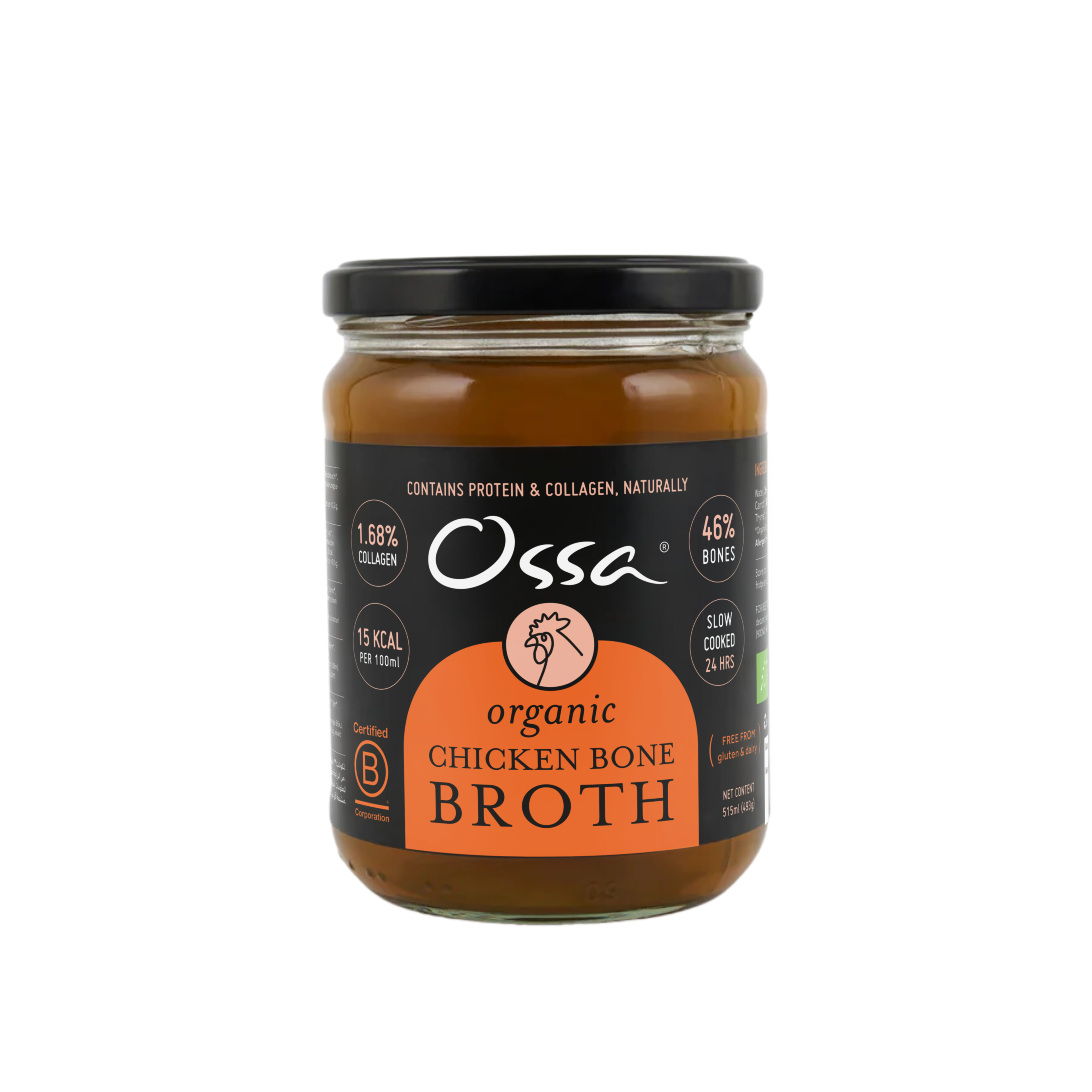
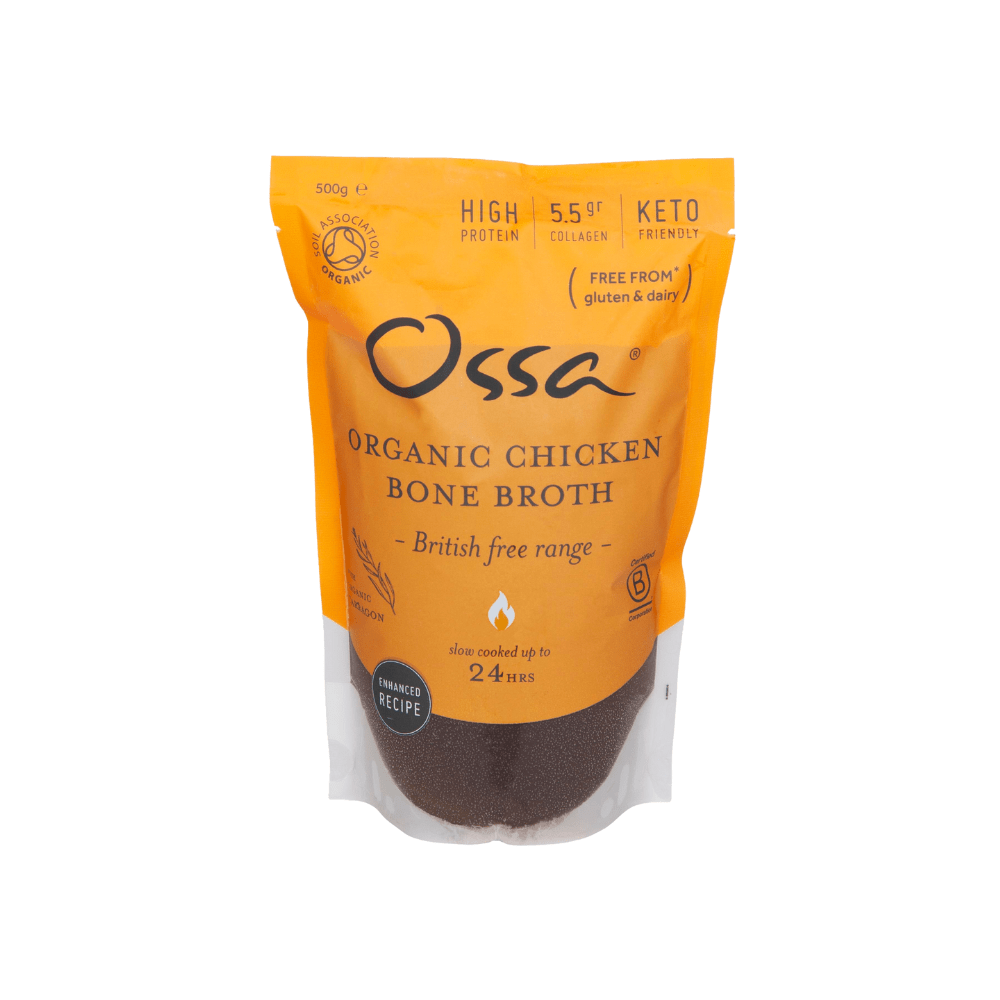
Thursday: Slow-cooked bone broth soup with broccoli and shredded chicken
-
Friday: Beef and vegetable spaghetti using a ready-made organic beef pasta anchor for a genuinely five-minute dinner
-
Saturday: Big salad with roasted carrots, courgette, boiled eggs and tahini
-
Sunday: Prep day; batch cook next week’s grains and proteins
| Category |
Shopping list items |
| Produce |
Broccoli, carrots, spinach, courgette, lemon |
| Protein |
Chicken thighs, beef mince, free-range eggs |
| Pantry |
Rice, tahini, olive oil, garlic |
| Fridge/freezer |
New potatoes, frozen peas (backup), Organic Vegetable Broth |
For a vegetarian swap, replace the chicken and beef with lentils and organic tofu. Dairy-free needs no changes here since the plan doesn’t lean on dairy. On a tighter budget, swap the beef mince for extra eggs and lentils and lean harder on seasonal, in-season vegetables, which tend to cost less and taste better. For a fuller breakfast rotation, Ossa Organic’s gut-friendly breakfast ideas slot straight into this structure.
How long can you store organic meal prep safely?
Roasted vegetables and cooked grains freeze particularly well, which is why a modular approach beats prepping five finished meals in one go.
-
Cooked proteins: 3 to 4 days fridge, up to 3 months frozen
-
Cooked grains: 4 to 5 days fridge, up to 2 months frozen
-
Roasted vegetables: 3 to 4 days fridge, up to 3 months frozen
-
Sauces and dressings: up to a week fridge, stored separately from everything else
Glass containers with separate compartments work better than single tubs because they stop sauces turning your roast vegetables soggy by Wednesday. Pack wet ingredients away from dry ones, and let anything hot cool fully before sealing the lid, otherwise you trap steam and shorten the safe storage window.
Two rhythms work equally well. One is a single 90 minute Sunday session covering the whole week. The other is two shorter 40 minute sessions, one at the weekend and one mid-week, which suits anyone who finds a single long prep block tedious.
Pro Tip: Reheat grains and proteins with a splash of Organic Vegetable Broth instead of plain water. It restores moisture and adds flavour back into food that’s been sitting in the fridge for three days.
How Ossa Organic products slot into your weekly plan
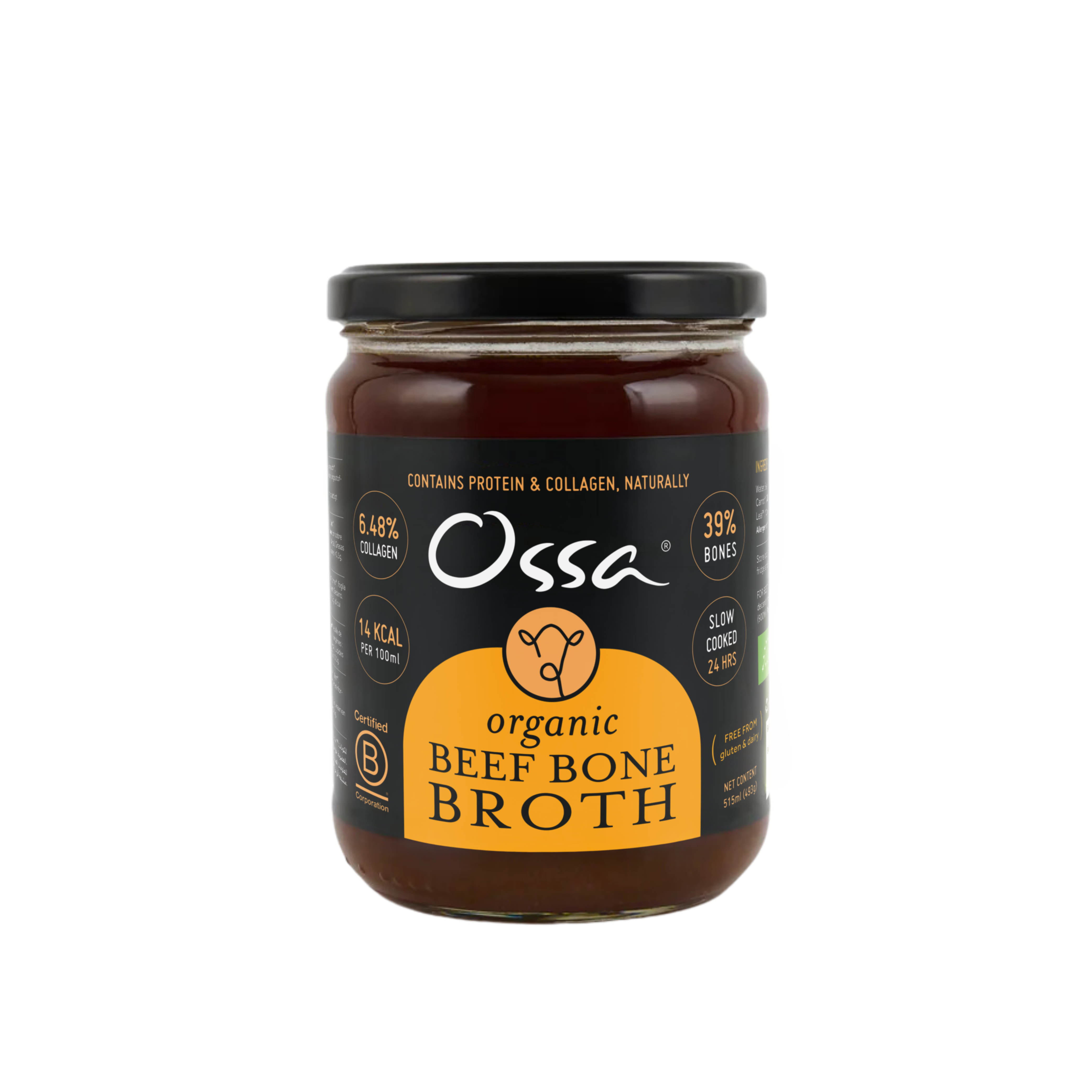
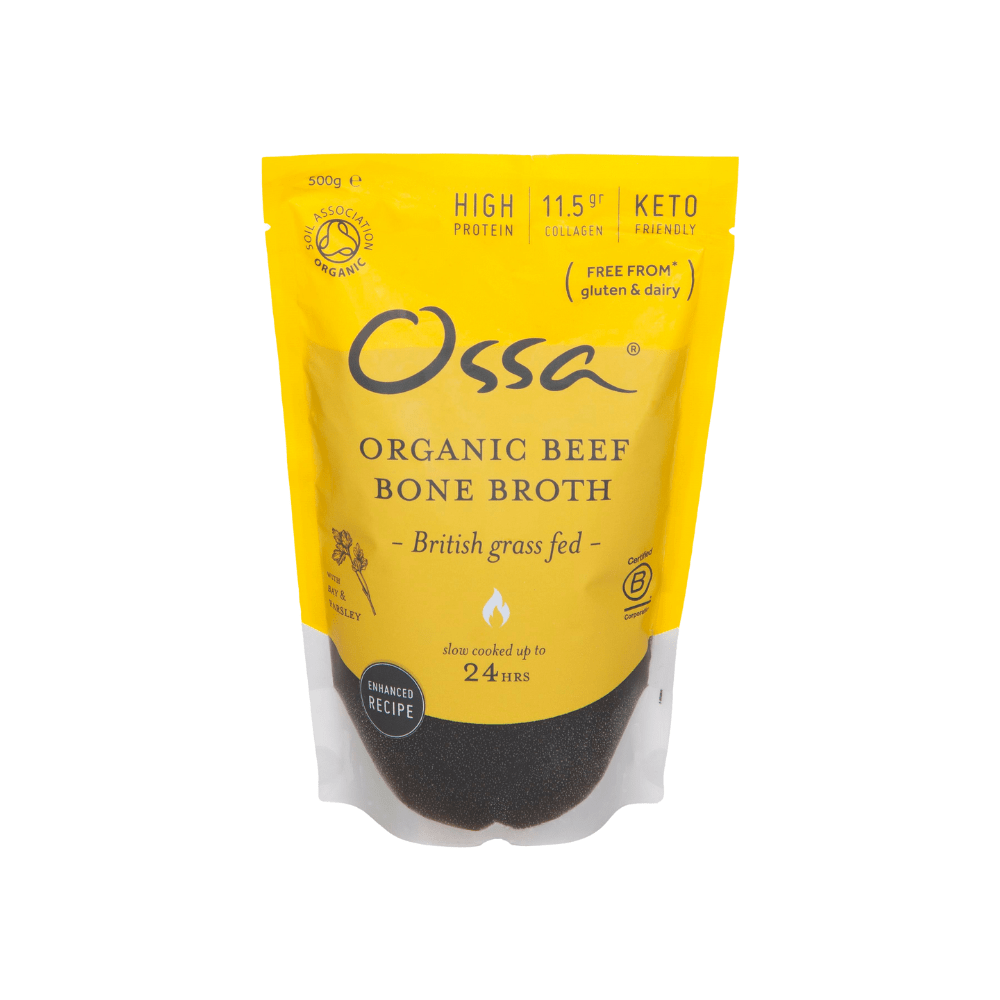
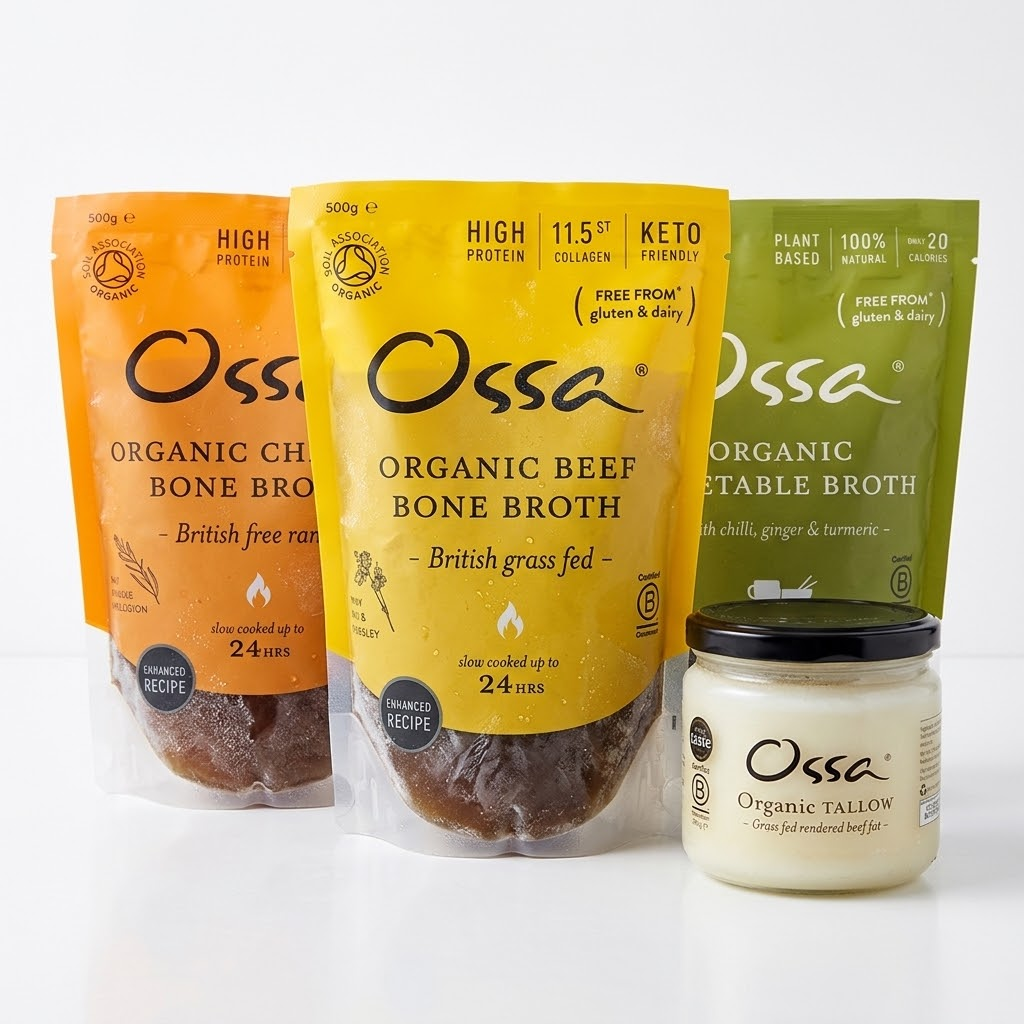
Ossa Organic’s Organic Vegetable Broth Ambient 515ml works as a base for soups, a cooking liquid for grains, and a quick sauce thinner when your tahini dressing goes gluey. The Organic Beef Bone Broth with Maca & Sea Spaghetti does double duty as a fast, complete dinner on the nights your prep didn’t stretch far enough.
-
Use vegetable broth to cook rice or quinoa for extra flavour with zero extra effort
-
Keep bone broth spaghetti as a standing Friday-night anchor
-
Add a splash of broth when reheating prepped proteins to stop them drying out
Ossa Organic’s founder started the business after discovering how much bone broth helped during pregnancy, and the family has cooked paleo-style, anti-inflammatory meals ever since. That’s the thinking behind every product: food that supports gut health without preservatives or shortcuts.
For readers who want a longer, structured route into organic eating rather than a one-week plan, Ossa Organic’s 12-week transition plan covers the same principles in more depth.
Do organic meals actually offer different nutrition to conventional ones?
The macronutrient content, protein, carbohydrate and fat, doesn’t shift meaningfully between organic and conventionally grown versions of the same food. Where the difference tends to show up is in what’s absent: organic farming standards restrict synthetic pesticide use and prohibit artificial preservatives in processed organic products, which matters more to some households than a nutrient panel comparison ever will.
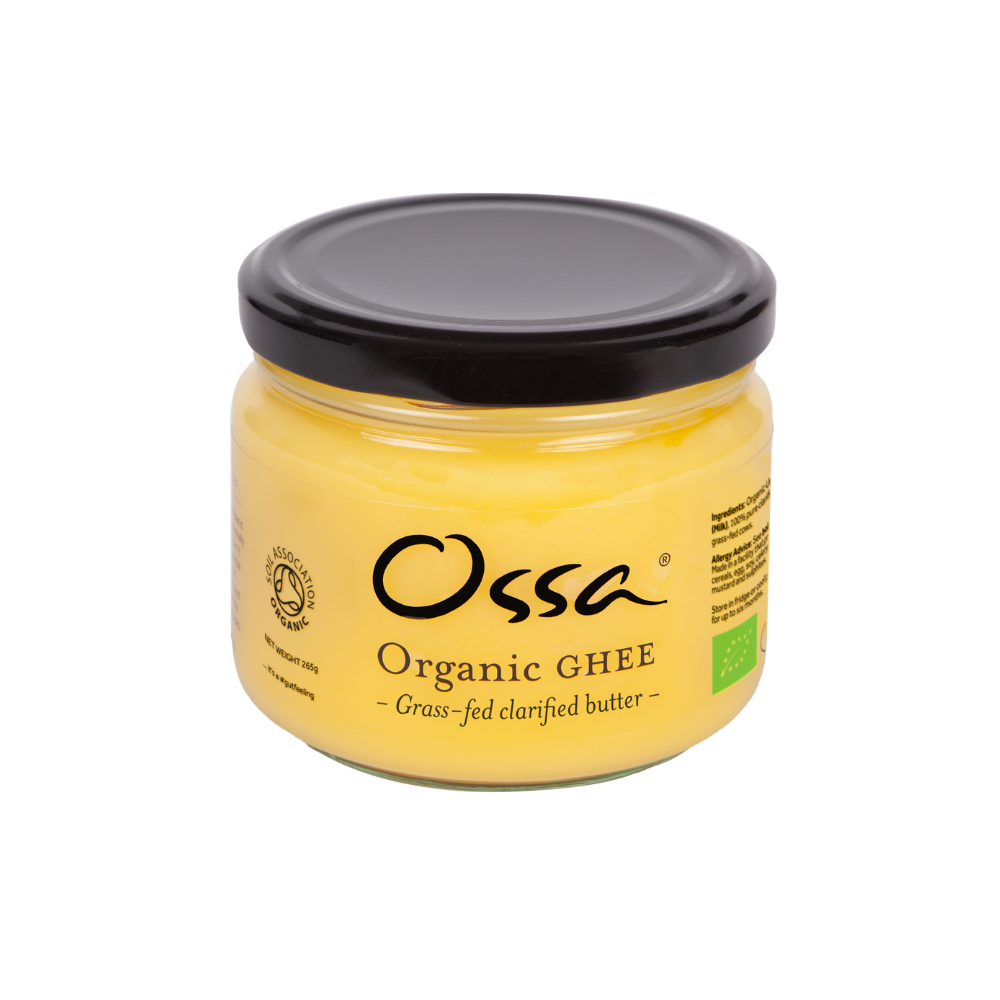
For meat and dairy, organic certification also governs how animals are raised, including restrictions on routine antibiotic use and requirements around grazing access. This is arguably where organic sourcing has the clearest practical impact on a weekly meal plan, since bone broths, ghee and mince made from grass-fed, organically raised animals carry that provenance right through to the pan.
The other consideration is freshness and handling. Smaller organic supply chains often mean produce moves faster from farm to shelf, which can mean better flavour and, in some cases, higher levels of nutrients that degrade with storage time, though this varies by crop and season rather than being a blanket rule.
None of this means a conventional meal plan is nutritionally deficient. It means the organic version of the same plate is making a different set of trade offs, mostly around pesticide exposure, animal welfare standards and ingredient purity, rather than delivering a dramatically different nutrient count. Build your plan around what matters most to your household, and treat “organic” as a sourcing decision layered on top of the plate model, not a replacement for it.
How should your meal plan change with the seasons?
The five-anchor framework, protein, grain, vegetable, sauce, plus prep day, stays exactly the same across the year. What changes is which vegetables fill that slot and how you cook them.
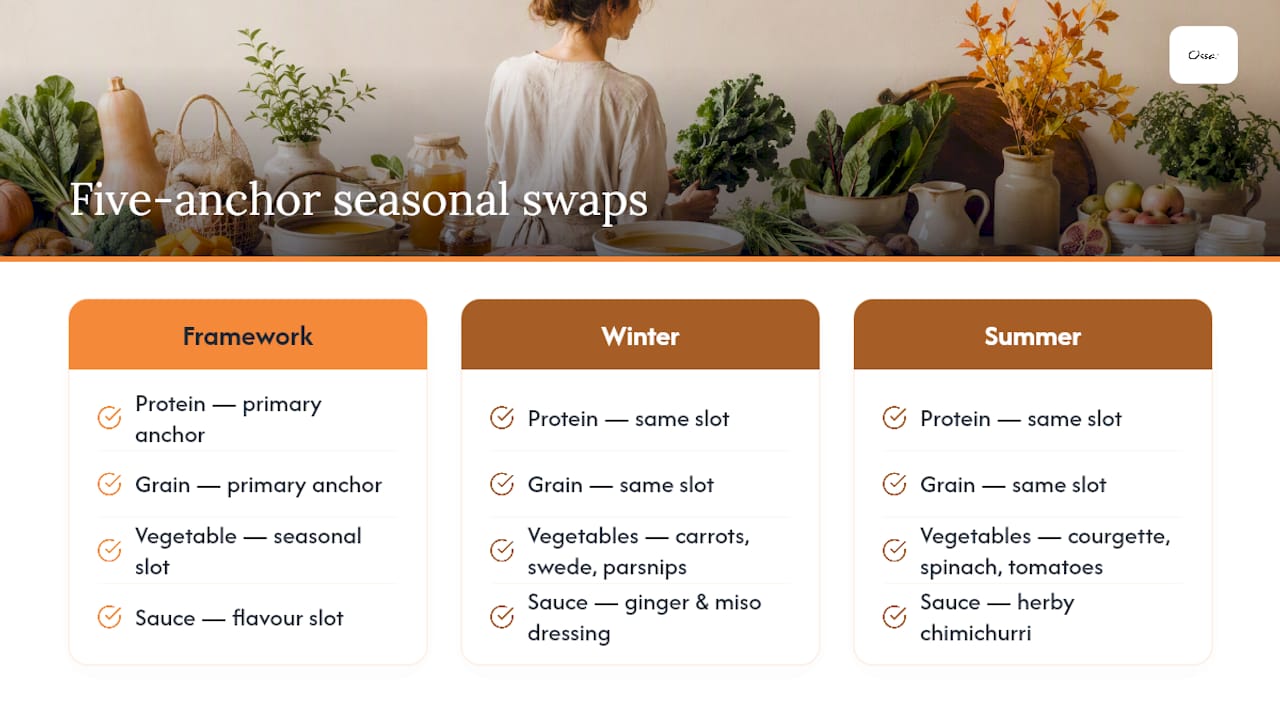
In winter, root vegetables (carrots, swede, parsnips) and hardy greens roast well and hold up better in the fridge over four or five days than delicate summer produce does. Soups and stews built on a vegetable or bone broth base make more sense when it’s cold, and they freeze better too. In spring and summer, swap roasting for quick stir-fries or raw salads built around courgette, spinach, tomatoes and whatever’s cheapest at the market that week, since summer vegetables tend to lose texture fast once cooked and stored.
Buying in season isn’t just about flavour. Seasonal produce is usually cheaper, because it hasn’t travelled far or been held in storage, and it tends to arrive at peak ripeness rather than picked early to survive transport. If you want a deeper look at why this matters nutritionally as well as financially, Wild Foodz’s seasonal produce guide is worth ten minutes.
The sauce slot is where seasonal adaptation is easiest. A bright lemon tahini works all year, but swapping it for a warming ginger and miso dressing in winter, or a herby chimichurri in summer, keeps the same five ingredients from ever tasting repetitive. For dietary restrictions, the framework holds regardless: vegetarian households swap the protein anchor for lentils, beans or tofu; gluten-free households swap rice or quinoa in for wheat-based grains. The structure never has to change, only the ingredients slotted into it.
A founder’s view on why simple beats perfect
I built Ossa Organic after bone broth changed how I felt during pregnancy, and the lesson that’s stuck with me since is that consistency beats complexity every time. Start with one prep session this week. Don’t aim for a flawless seven-day plan on your first attempt; aim for one that survives Wednesday. If you want more structure once the basics click, our 12-week transition plan goes further.
Let Ossa Organic take the edge off your prep day
Batch cooking five nights of dinners from scratch every Sunday is the part of this framework most people quietly abandon by week three. Ossa Organic’s range exists to cover the gaps without asking you to compromise on ingredients: Organic Vegetable Broth Ambient 515ml replaces a from-scratch stock as your soup and grain base, and the Organic Beef Maca & Sea Spaghetti covers the one weeknight your prep didn’t stretch to. Both are made without preservatives or artificial ingredients, in line with the same paleo, anti-inflammatory approach the brand was built on.

A sensible starting bundle for your first week: one vegetable broth, one bone broth spaghetti, and your own fresh anchors from the shopping list above. Check the full Ossa Organic range and pick two or three products that match the meals you already struggle to finish cooking on a Thursday night.
FAQ
What is the 3-3-3 rule for meals?
There’s no single agreed definition of a “3-3-3 rule” in mainstream nutrition guidance; the phrase is used informally in various ways online. The plate model backed by Mayo Clinic (roughly half vegetables and fruit, a quarter protein, a quarter grains) is the more reliably sourced approach to portioning a meal.
Can ChatGPT create a meal plan?
Yes, AI tools can generate a meal plan outline, but they don’t know your fridge, your budget or what’s in season this week. The component framework in this guide (proteins, grains, vegetables, sauce) works better as a structure to feed into any planning tool, AI or otherwise.
What are some easy and quick organic meal ideas?
A roast chicken thigh tray with carrots and rice, a beef mince stir-fry with courgette, and a broth-based soup with shredded protein and greens all take under 30 minutes once your components are prepped. Ossa Organic’s ready-made beef bone broth spaghetti is a genuine five-minute option on nights you haven’t prepped at all.
Is there an organic version of HelloFresh?
Several organic meal box services exist, though most focus on delivering pre-portioned recipe kits rather than the pantry-style organic staples (broths, ghee, tallow) that build a repeatable weekly plan from scratch. Ossa Organic takes the latter approach: stocking your kitchen with organic bases you reuse across multiple meals, rather than a new box of ingredients every week.
How many meals should a weekly organic meal plan cover?
That depends on your household, but most people find planning 4 to 5 dinners plus a couple of flexible lunches is realistic, leaving room for leftovers or an unplanned night out.
Recommended