Bone broth can be a gentle, low-fuss way to top up fluids and some nutrients for people with IBS, but it is not a treatment. Used sensibly, it offers easy hydration, digestible protein, and minerals that restrictive diets can lack. The caveat matters just as much as the benefit: onion, garlic and certain shop-bought additives can trigger symptoms, and clinical proof that broth improves IBS specifically remains thin. Anyone with persistent or worsening symptoms should still speak to a GP or dietitian rather than relying on broth alone.
TL;DR:
-
Bone broth provides nutrients like amino acids and minerals that may support low-FODMAP diets, but there is no clinical proof it directly alleviates IBS symptoms.
-
Heavy metals such as lead are rarely at concerning levels in store-bought or homemade broths, but high, sustained calcium intake could pose risks of hypercalcaemia.
-
Vegetables, short simmer times, and avoiding additives like onion or garlic help make broth more IBS-friendly, with homemade options offering better control over ingredients.
-
No controlled human studies confirm bone broth’s effectiveness for IBS; it should complement, not replace, established management strategies.
-
Sourcing bone broth from organic, pasture-raised animals reduces exposure to environmental contaminants and additives that can trigger symptoms.
Table of Contents
What bone broth actually is and how the main types differ
Bone broth is made by simmering animal bones, and often connective tissue, in water for several hours, sometimes with a splash of vinegar to help draw out minerals. That long simmer is what separates it from ordinary stock, which cooks for a shorter time and yields a thinner, less gelatinous liquid. The extended cooking time breaks down collagen into gelatin and releases amino acids such as glycine and proline, along with minerals including calcium, magnesium and phosphorus.
Compared with standard stock, bone broth typically carries noticeably more protein per serving alongside a denser mineral profile. Vegetable broth, by contrast, contains none of the collagen or animal-derived amino acids but can still deliver useful hydration and gentle flavour for those avoiding animal products.
The three broths people with IBS tend to compare are:
-
Chicken bone broth — milder in flavour, generally easier to sip in larger quantities, and a common starting point for sensitive stomachs.
-
Beef bone broth — richer and more mineral-dense, often preferred for cooking bases and heartier meals.
-
Vegetable broth — plant-based, useful for those following a vegetarian or vegan pattern, or simply wanting a lighter alternative on difficult days.
How bone broth might help with IBS symptoms
The strongest, most defensible case for bone broth in IBS rests on nutrition rather than cure. It supplies amino acids and minerals that a restrictive low-FODMAP diet can otherwise squeeze out, and it does so in a form that is easy to drink when solid food feels like too much effort. For someone mid-flare, a warm cup of broth is often more appealing than a meal, and it delivers real calories and electrolytes without demanding much of the gut.
“Bone broth can be a gentle way to top up nutrients for people on restrictive IBS diets” rather than a food that reverses inflammation or resets gut function on its own.
The anti-inflammatory angle gets talked about a lot, and it is worth being precise about what the evidence shows. Murine and in-vitro studies have reported anti-inflammatory activity from compounds found in bone broth, which is genuinely interesting groundwork. But that research sits in animal models and laboratory settings, not in human trials measuring IBS symptoms directly. The jump from “this compound behaves well in a mouse study” to “this broth will calm your gut” is a leap the current evidence cannot support yet.
There is a softer, less measurable benefit too. Warm liquids taken slowly can support appetite and offer a kind of nervous-system comfort, the same reason chicken soup has a reputation that outlives any specific nutrient inside it. That psychological ease is real, even if it is not what shows up in a lab report.
The honest summary: no clinical trial has tested bone broth specifically against IBS symptoms with strong enough design to draw firm conclusions. Nutrition experts tend to position it as a complementary food, not a standalone treatment, and that framing holds up against everything currently published.
Limitations and risks worth understanding before you rely on broth
Evidence gaps are the first limitation, and they cut both ways. There is no strong clinical proof that bone broth eases IBS, but there is also no evidence it worsens it for most people. That uncertainty means broth should sit alongside proven IBS management, not replace it.
A handful of specific risks deserve attention:
-
Trace heavy metals: analyses have detected small amounts of metals such as lead in some broths, though concentrations in typical servings, homemade or commercial, generally sit below levels of concern.
-
Hypercalcaemia: very high, sustained intake of mineral-rich broth could theoretically push calcium intake too high, though this is a risk of excess rather than of moderate use.
-
Histamine sensitivity: broths simmered for long periods can accumulate histamine, which may aggravate symptoms in people who are histamine-sensitive.
-
Trigger ingredients: onion, garlic, and certain shop-bought flavourings are common IBS triggers hiding in otherwise “healthy” broth.
Pro Tip: If you’re histamine-sensitive, keep a symptom diary for the first two weeks of trying broth. It’s the cheapest, most reliable way to tell whether the broth itself, or something in it, is the problem.
Seek medical advice if you notice unexplained weight loss, blood in stool, persistent fever, or symptoms that change character or worsen despite dietary adjustments. Those are alarm signs that sit outside typical IBS management and need proper investigation.
Making an IBS-friendly broth: low FODMAP and histamine rules
Getting broth right for IBS is mostly about what you leave out. Onion and garlic, the two most common aromatics in traditional recipes, are also two of the most reliable FODMAP triggers, so swapping them out is the single biggest change most people need to make.
-
Skip high-FOD MAP aromatics. Replace onion and garlic with the green tops of spring onion, or infused oils, which carry flavour without the fermentable sugars.
-
Mind the histamine load. Long, slow simmers can raise histamine content, so anyone histamine-sensitive should favour shorter cooking times or fresher batches.
-
Read labels closely on shop broths. Phrases like “natural flavouring” or “yeast extract” can disguise garlic or onion derivatives, so choose products with explicit, short ingredient lists.
-
Start small during an elimination phase. A modest 100 to 150ml serving, monitored with a simple symptom diary, gives clearer information than a large bowl eaten on a whim.
Our own low FODMAP bone broth guide walks through specific substitutions if you want a ready-made starting recipe rather than building one from scratch.
A simple IBS-friendly broth recipe and buying tips
Homemade broth gives you full control over ingredients, which matters more for IBS than for almost any other dietary choice.
-
Choose your bones. Chicken carcass or beef marrow bones both work; use around 1kg per 3 litres of water.
-
Add a splash of vinegar. One to two tablespoons of apple cider vinegar helps draw minerals out of the bone during cooking.
-
Keep aromatics low FODMAP. Carrot, celery leaves (not the fibrous stalk in large amounts), fresh ginger, and bay leaf work well without onion or garlic.
-
Simmer for time or speed. A traditional simmer runs 12 to 24 hours; a pressure cooker gets a usable broth in under two hours, and shorter cooking generally means lower histamine formation too.
-
Strain, cool, and portion. Freeze in 150 to 200ml portions so you can test small amounts without wasting a full batch.
Pro Tip: When buying ready-made broth, scan for salt content and check that onion or garlic don’t appear anywhere in the ingredients, including under flavouring names. A short, recognisable ingredient list is usually the safest sign. Our how-to-use guide covers serving sizes and storage in more depth.
What the research actually shows about bone broth and IBS
No published clinical trial has tested bone broth directly against IBS symptoms in humans with the kind of controlled design needed to draw firm conclusions. What exists instead is a patchwork of adjacent findings: preclinical studies showing anti-inflammatory activity in animal models, nutritional analyses confirming broth’s mineral and amino acid content, and dietitian-level guidance built from clinical experience rather than trial data.
That gap is not unusual in whole-food nutrition research generally, but it does mean claims about broth “healing the gut” or “curing” IBS symptoms outrun what anyone can currently prove. The most defensible position, and the one most nutrition professionals land on, is that bone broth functions as a supportive food within a broader IBS management plan rather than an intervention in its own right.
Where the evidence is firmer is in broth’s basic nutritional value. Its protein, mineral and amino acid content is well documented, and none of that requires a clinical trial to establish. The uncertainty sits specifically in the IBS-symptom claims layered on top of that nutritional baseline, not in the composition of the broth itself.
For anyone weighing broth against other IBS-friendly liquids, worth noting: clear soups, diluted vegetable stock, and herbal teas all offer hydration with a lower ingredient-risk profile, though none carry broth’s protein or mineral density. Broth’s advantage is nutritional; its disadvantage is the ingredient complexity that comes with sourcing or buying it well.
Sourcing safer bones: why organic and pasture-raised matters
Where the bones come from affects what ends up in your broth, since bones can store environmental contaminants that animals accumulate over their lifetime. Grass-fed, pasture-raised animals tend to carry a different contaminant profile than intensively farmed ones, partly because of differences in diet and typically shorter, more controlled use of veterinary medicines.
Organic certification adds a further layer of assurance, since it restricts the use of certain pesticides, antibiotics and growth hormones in the animal’s rearing. For anyone already managing a sensitive gut, removing one variable, the unpredictability of unknown farming inputs, is a reasonable precaution even without dramatic evidence of harm from conventional bones.

Practically, this means checking for clear labelling: “organic,” “grass-fed,” or “pasture-raised” on packaging, or asking a butcher directly about sourcing if buying bones loose. It also means being sceptical of unusually cheap bone broth products, since cost-cutting in sourcing is one of the more common ways quality slips in this category.
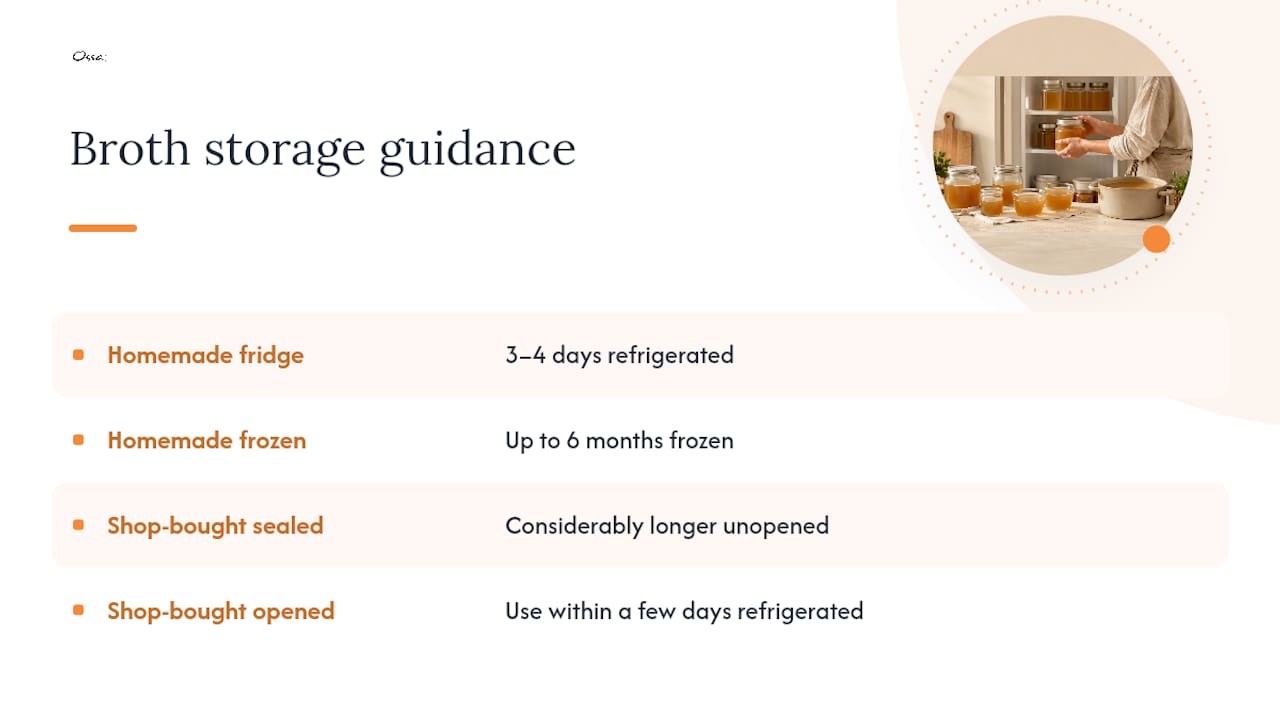
Storage matters just as much as sourcing for keeping broth safe and nutritionally intact. Fresh homemade broth keeps three to four days refrigerated, and up to six months frozen in sealed portions. Shop-bought ambient broth, properly sealed, typically lasts considerably longer unopened, but once opened it should be treated like any fresh perishable liquid and used within a few days.
Ossa Organic’s take on broth, resources, and what suits IBS
Ossa Organic began five years ago after our founder discovered how much difference bone broth made during her own pregnancy, and the business has stayed focused on gut health ever since. That background shapes every product decision: simple ingredient lists, no hidden fillers, and formulations built with sensitive digestion in mind.
For readers managing IBS, a few resources are worth bookmarking: our low FODMAP bone broth guide for ingredient swaps, and our SIBO-friendly broth guide for shorter-cook methods that also suit histamine sensitivity.
-
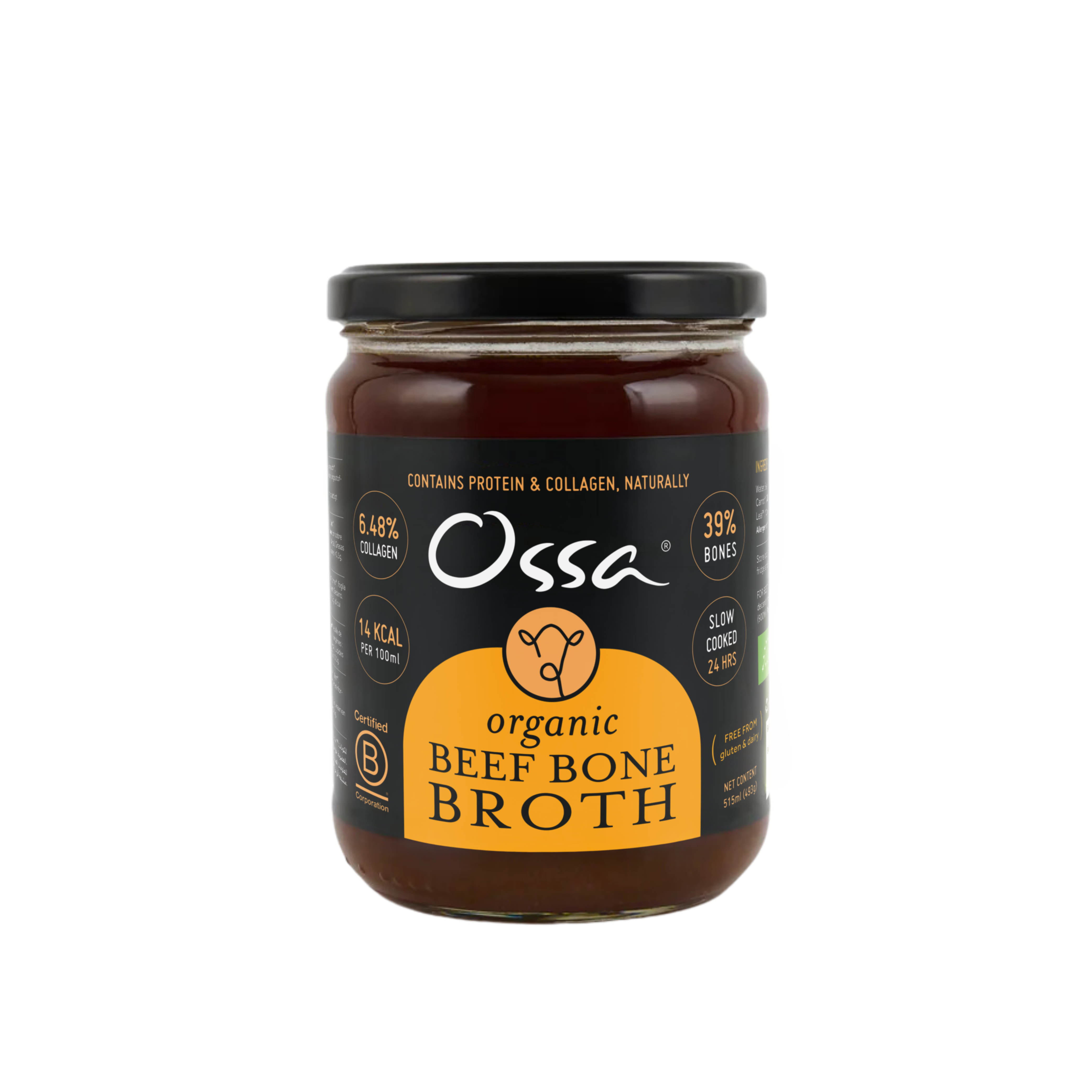
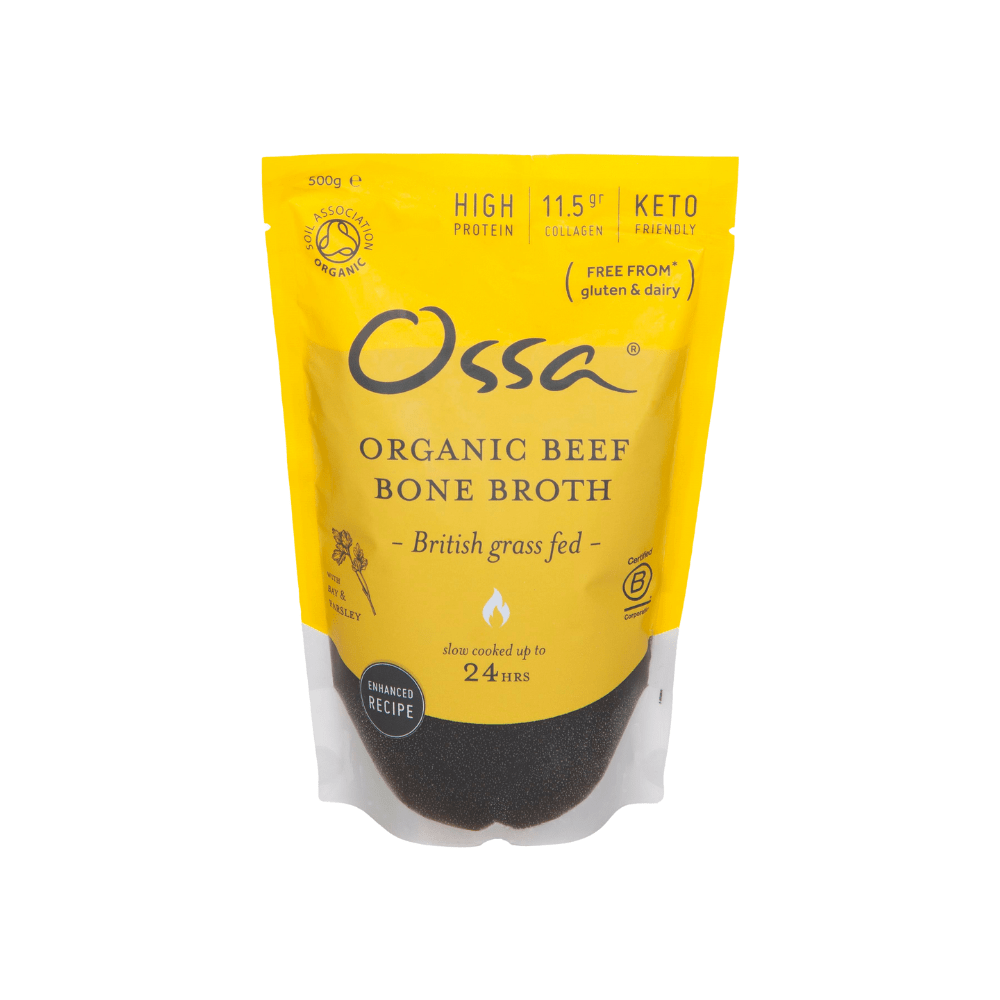
Our chicken and beef broths use short, transparent ingredient lists with no onion or garlic added.
-
Our vegetable broth suits readers avoiding animal products entirely.
None of this replaces a conversation with a GP or dietitian about your specific symptoms.
The honest verdict on bone broth for gut health
Bone broth deserves a place in an IBS management plan, but only as a supporting player, not the headline act. The gap between what’s marketed and what’s proven is wide: the nutritional case is solid, the symptom-relief case is not, and most of the enthusiasm online outpaces the research by a fair distance.
Where conventional advice tends to fall short is treating broth as either miracle or myth, when it is really neither. It’s a nutrient-dense liquid with a genuine but modest role. The reader’s first move should be practical, not philosophical: check the ingredient list, start with a small serving, and track your own response rather than trusting a headline.
That single habit, testing your own reaction with a small trial and a simple diary, tells you more about whether broth suits your gut than any study currently can.
— Ossa Organic
Try bone broth the safer way with Ossa Organic
Ossa Organic exists for exactly the reader who has just read this far: someone who wants nutrient density without the guesswork of decoding an ingredient label or simmering bones for a full day. Every broth we make uses short, explicit ingredient lists, with no hidden onion or garlic derivatives lurking under vague “flavouring” terms, which matters enormously if you’re managing IBS on a tight budget of trust.
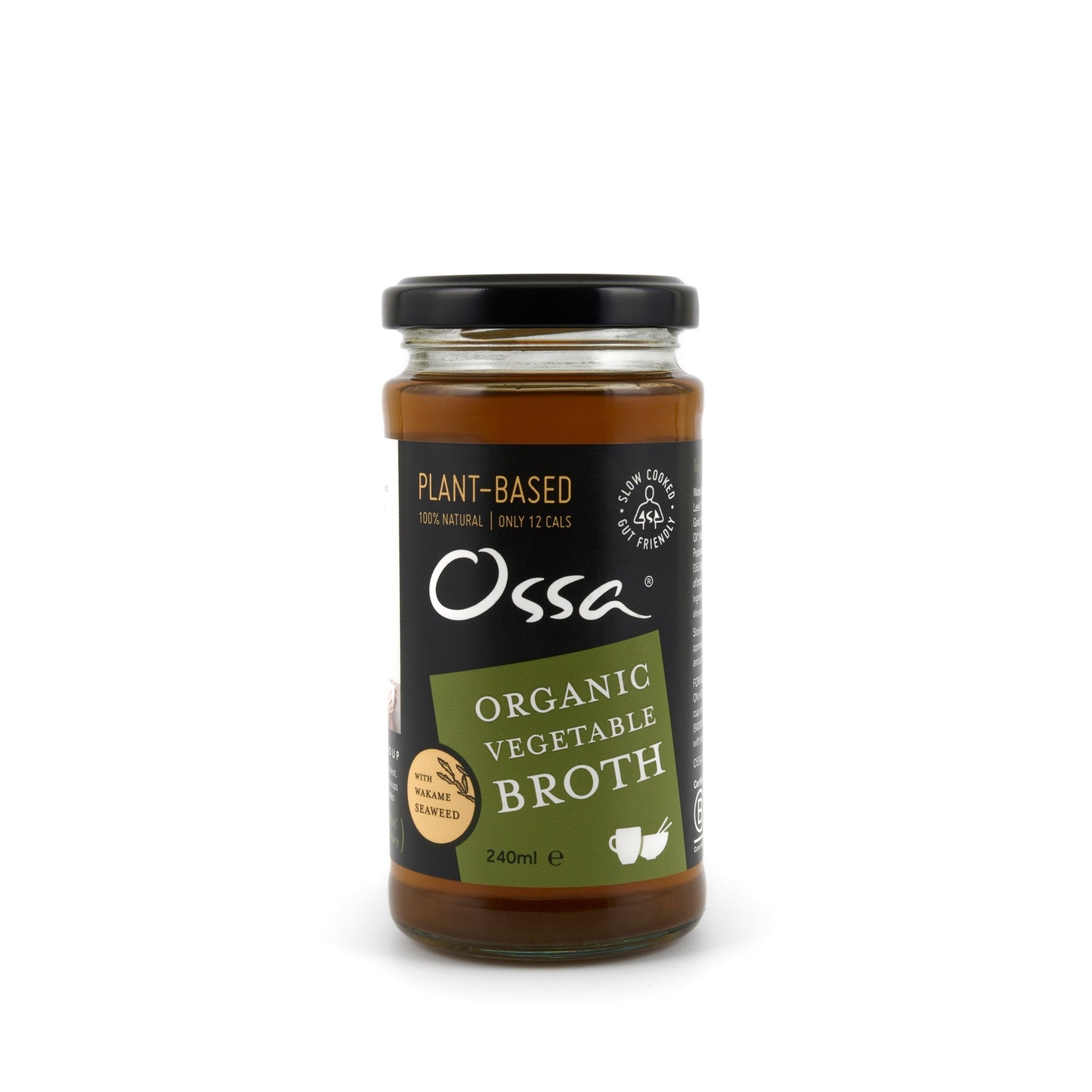
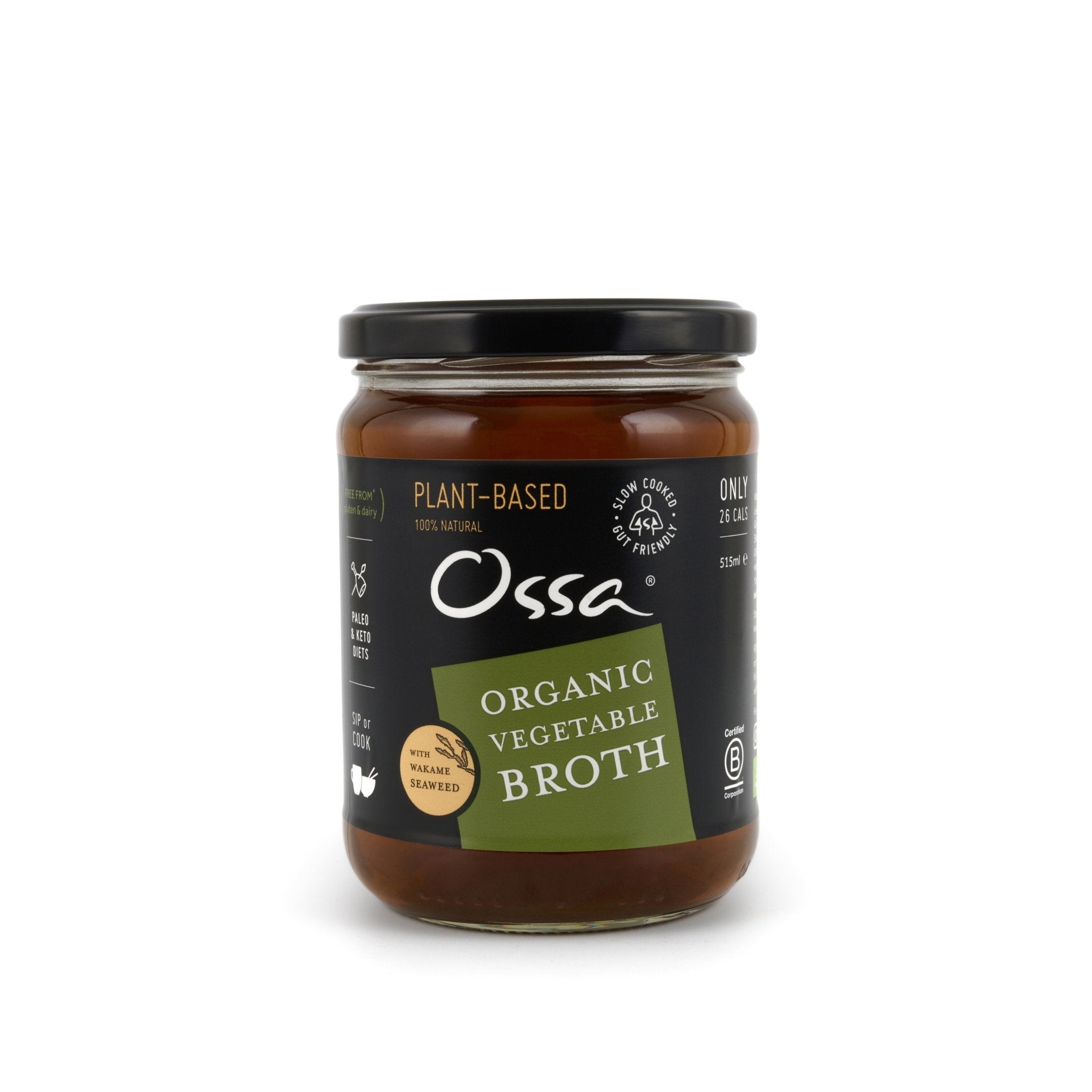
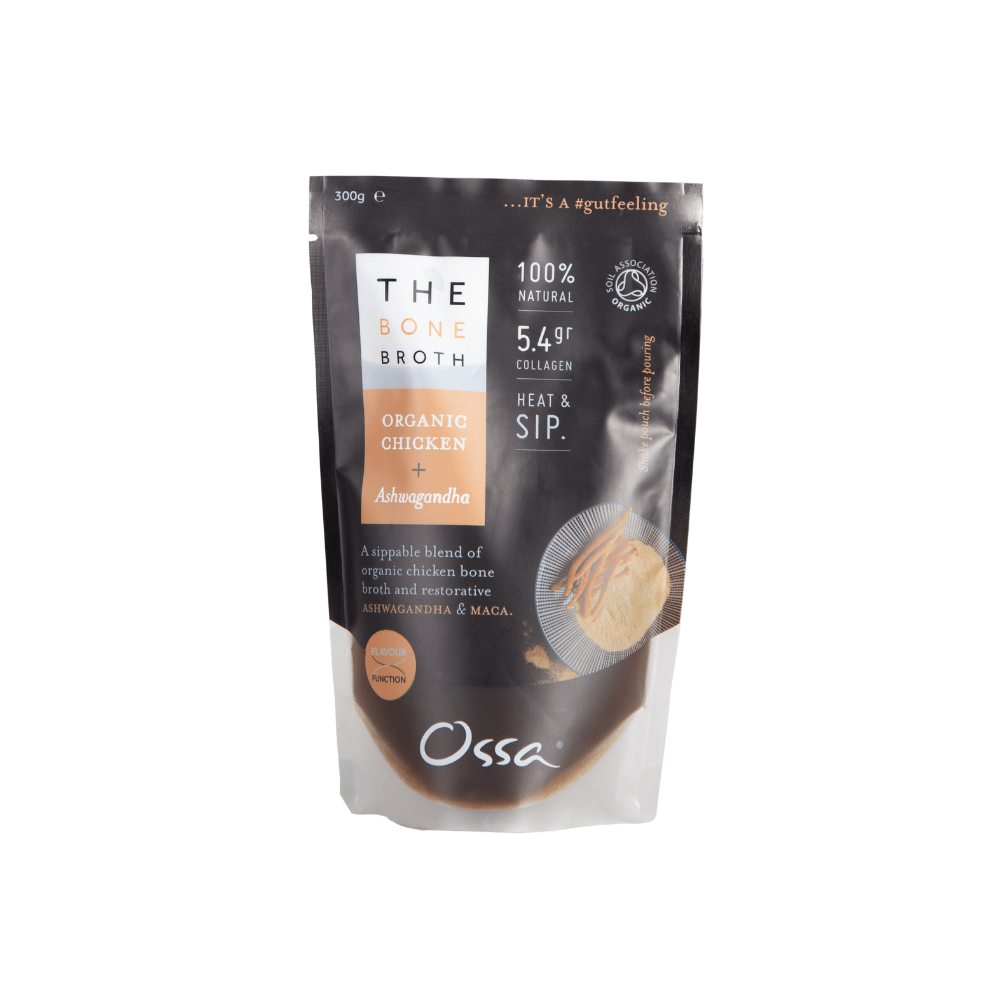
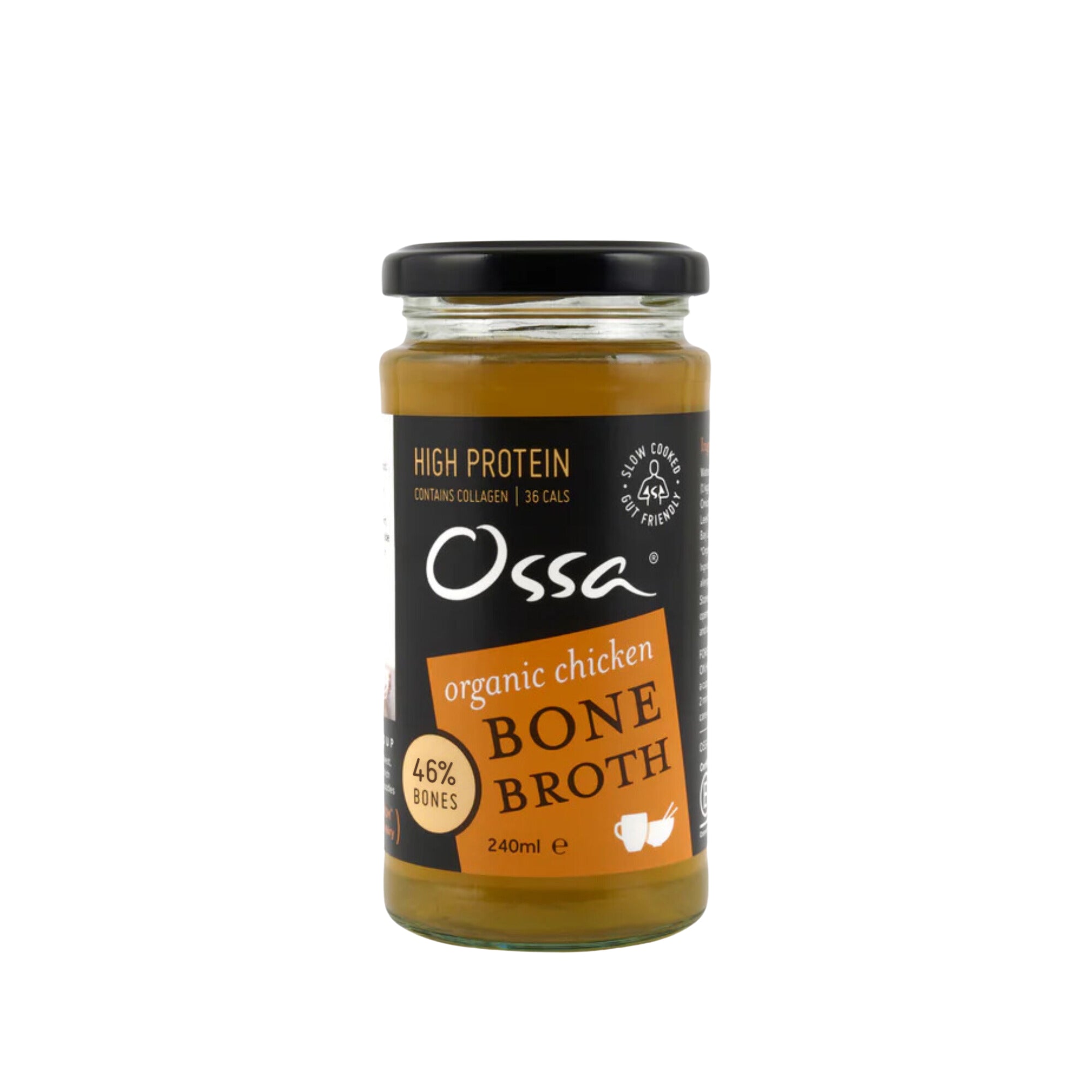
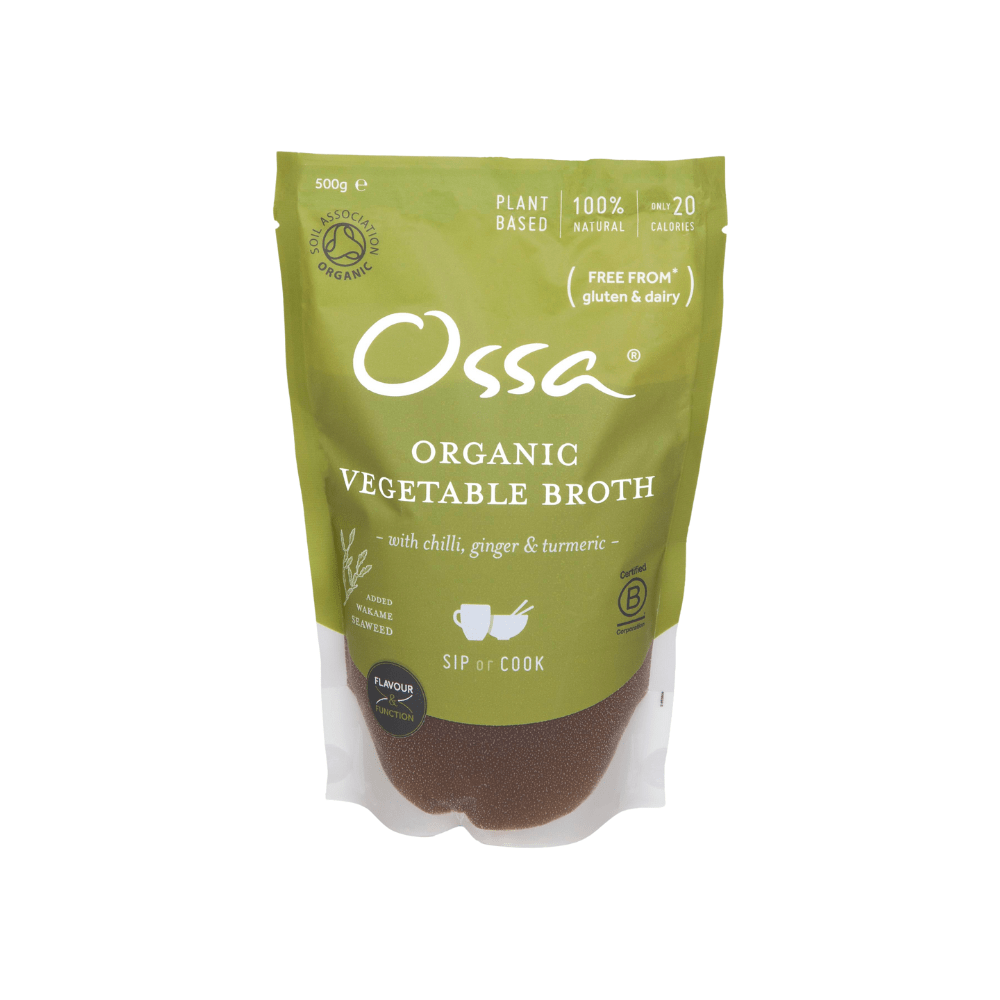
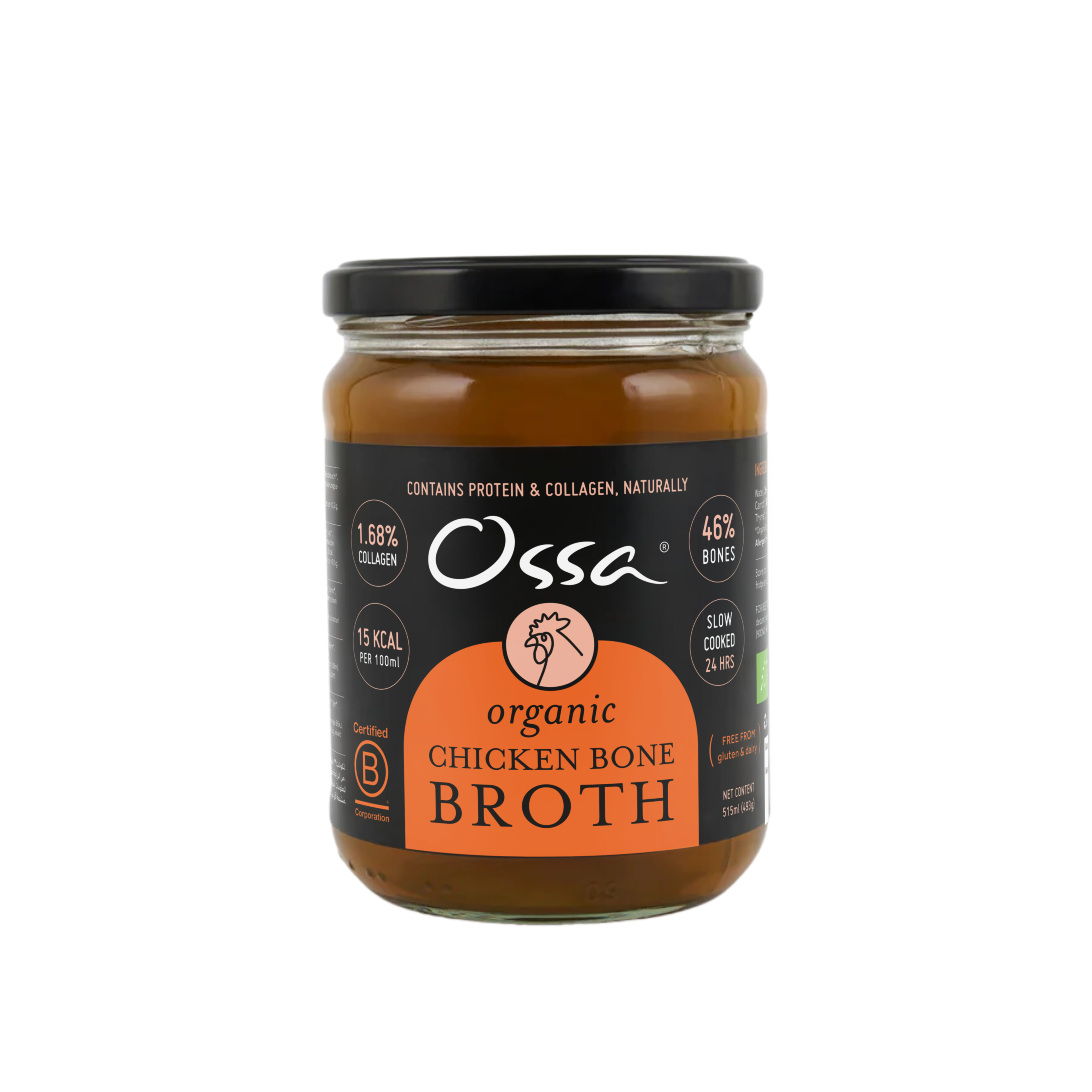
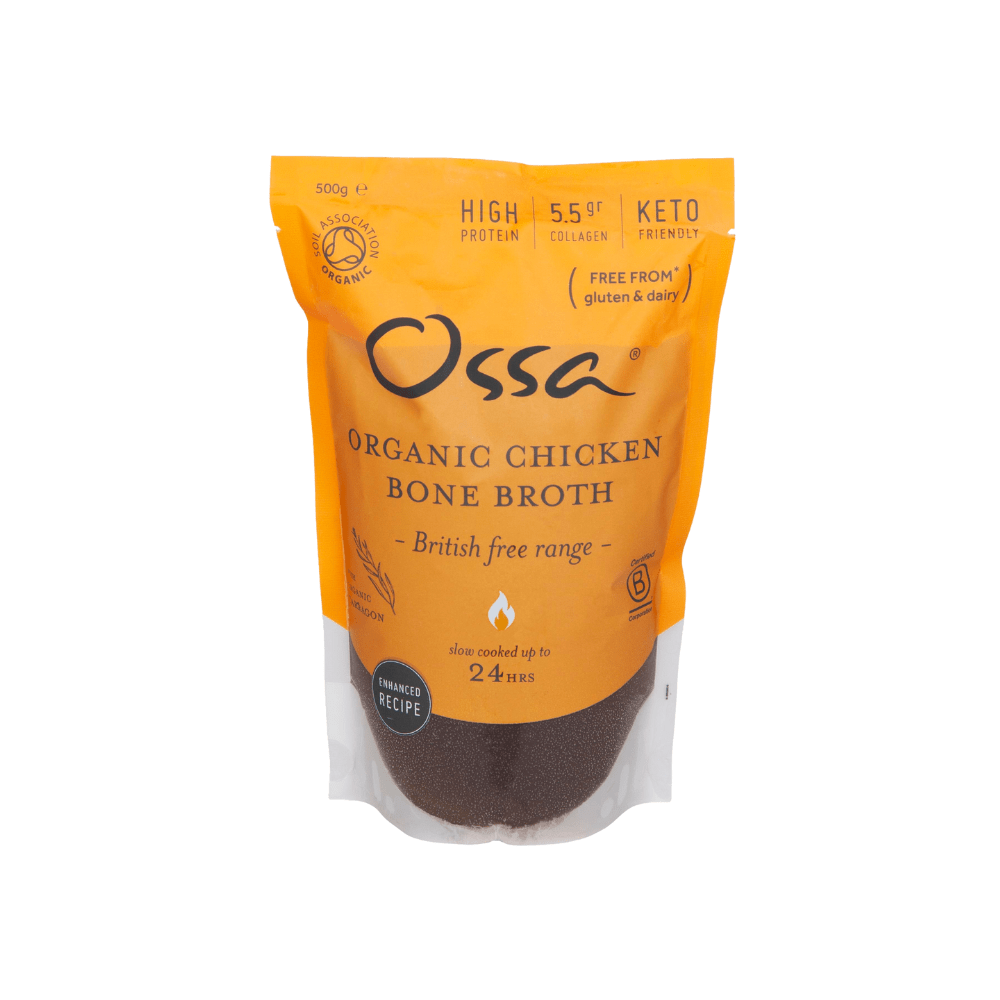
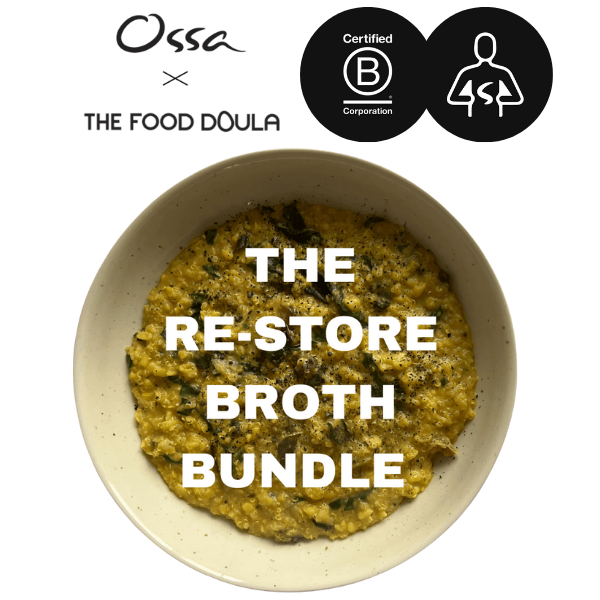
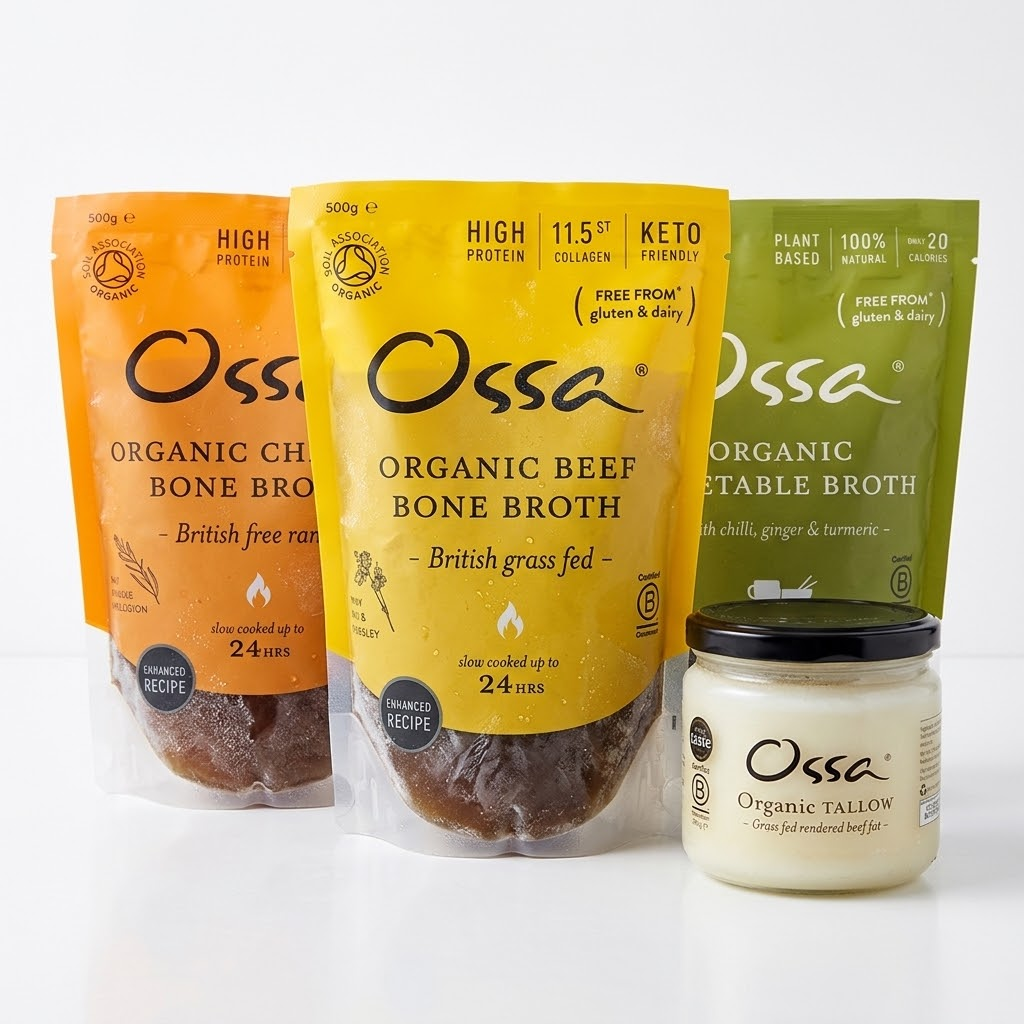
If you want to start small, our Organic Free Range Chicken Bone Broth is a gentle first trial, or explore the Organic Vegetable Broth if you’re avoiding animal products. For readers who want to test variety without committing to a full case, the Cooking Bundle lets you sample several broths side by side.
This article is general information, not a substitute for advice from a qualified doctor. Consult a qualified healthcare professional about your own circumstances before acting on anything here.
FAQ
What is the best bone broth for people with IBS?
The best option is one with a short, explicit ingredient list and no onion, garlic, or hidden yeast-extract flavourings, whether homemade or shop-bought. Chicken broth tends to be the gentlest starting point for sensitive stomachs.
What food calms an IBS flare-up during a difficult day?
Simple, low-FODMAP options like plain rice, boiled potatoes, and warm, additive-free broths tend to be easier on the gut during a flare than rich or fibrous meals. Small, frequent servings are usually better tolerated than one large meal.
What is the downside to drinking bone broth regularly?
The main downsides are ingredient triggers hidden in commercial versions, particularly onion and garlic derivatives, and the theoretical risk of hypercalcaemia from very high, sustained intake. Direct clinical evidence that it treats IBS symptoms also remains limited.
Is bone broth good for an irritated or sensitive stomach?
Bone broth can be soothing and easy to digest because it’s a liquid rich in protein and minerals, which makes it gentler than solid food during a flare. It is not a proven treatment for stomach irritation, so persistent symptoms still warrant medical advice.
Recommended