

Cart
0
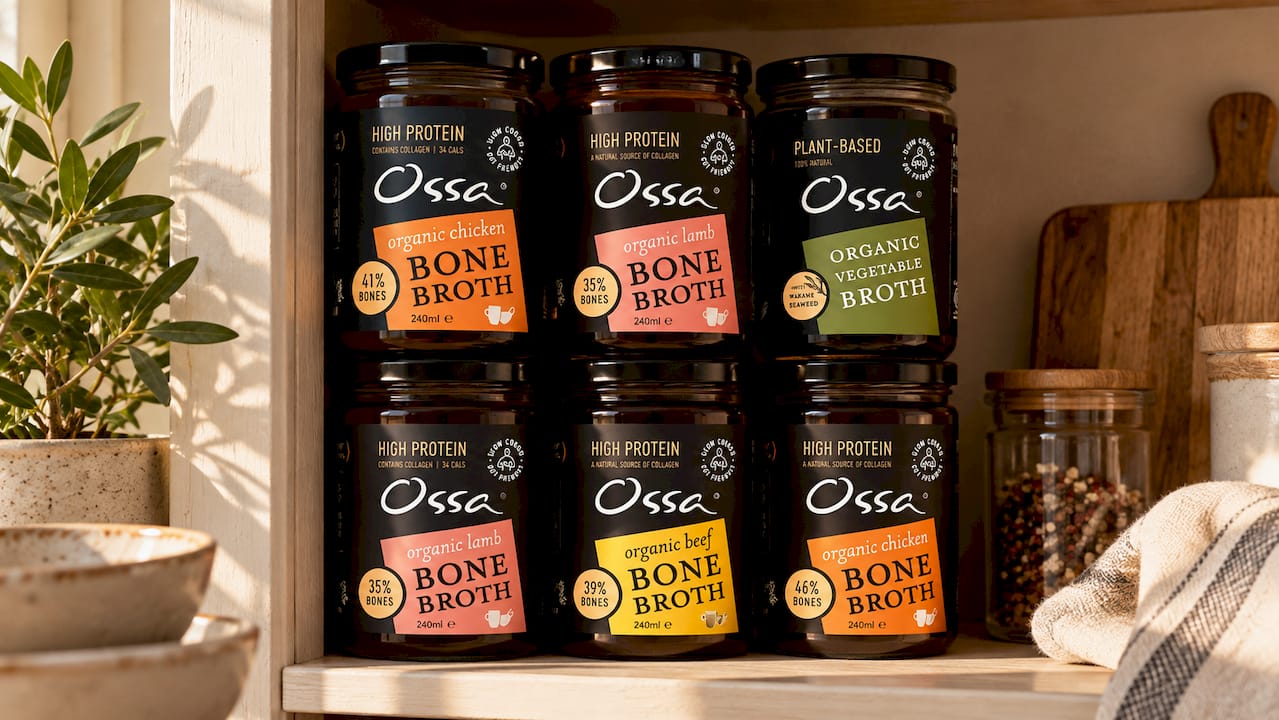
Bone broth can be a genuinely useful, protein-rich addition during perimenopause and menopause, but it is not a standalone treatment for hot flushes, joint pain, or hormonal shifts. It contributes protein, glycine, and minerals in modest amounts, and current research on collagen benefits comes mostly from concentrated supplements rather than broth itself. Sodium content and unverified heavy-metal claims deserve attention too. Think of it as one useful piece of a wider menopause nutrition plan that also covers protein targets, vitamin D, calcium, and regular strength training.
TL;DR:
Bone broth provides about 8 to 10 grams of protein per cup, contributing to daily protein targets but not meeting them alone during menopause.
Collagen levels in broth are inconsistent and generally lower than doses used in clinical studies, making supplements a more reliable option for connective tissue benefits.
Relying on broth for calcium, vitamin D, or minerals is ineffective; its primary value lies in easy-to-consume protein and hydration support.
Commercial broths can have high sodium content and possibly trace heavy metals, so selecting low-sodium products and varying bone sources is advisable.
For optimal benefits, broth should complement a diet focused on proper protein intake, strength training, and essential nutrients rather than serve as a standalone treatment.
Table of Contents
-
What the evidence actually says about bone broth and collagen
-
Practical ways to use bone broth in perimenopause and menopause
What bone broth provides for menopausal nutrition
A typical cup of bone broth supplies roughly 8 to 10 grams of protein, compared with just 2 to 6 grams in an ordinary stock cube or carton. That difference matters more than it sounds. NHS-referenced guidance suggests women aim for 1 to 1.2 grams of protein per kilogram of body weight daily to help maintain muscle mass through menopause, when the body becomes less efficient at building and holding onto lean tissue, which translates to a daily protein target based on individual weight. One cup of broth gets you a meaningful fraction of the way there, though it was never designed to do the job alone.
Broth also carries glycine and proline, amino acids that appear in collagen structures throughout the body, along with small amounts of minerals released from the bones during cooking.
-
Protein: around 8–10g per cup, useful as a top-up rather than a main event.
-
Collagen: present, but typically at lower concentrations than the doses used in clinical trials.
-
Glycine and proline: amino acids linked to connective tissue and sleep quality, though broth is not a measured or standardised source.
-
Minerals: trace amounts released during simmering, but broth contributes only a small fraction of daily calcium per cup and is not a reliable source of calcium or vitamin D, both of which NHS guidance flags as priorities for bone health during menopause.
If you are relying on broth for bone-protecting minerals, you will come up short. Its real strength is protein density in a format that is easy to drink when appetite is unpredictable.
What the evidence actually says about bone broth and collagen
Here is where a lot of marketing gets ahead of the science. Clinical trials of hydrolysed collagen peptides, taken at defined daily doses, have shown improvements in skin elasticity, hydration, and some measures of connective-tissue health. Those trials use standardised, measurable amounts of peptides, usually somewhere in the region of 2.5 to 10 grams a day depending on the study design.
The gap that matters: whole bone broth is not standardised in the same way. A cup on Tuesday and a cup on Thursday can vary in collagen content depending on the bones used, the simmer time, and the animal source. That inconsistency means broth almost certainly delivers less collagen than a measured supplement dose, and the benefits seen in trials may be smaller or slower to appear if you are relying on broth alone.
Preclinical reviews describe bioactive compounds in bone broth that may help support the gut lining in animal and cellular models. That is worth knowing, but it is not the same as proof that broth improves gut health in people. Systematic reviews of bone-broth research consistently flag the same issue: plenty of theory, not much direct clinical trial data on broth itself. If a specific outcome like skin firmness or joint comfort matters to you, a standardised collagen dose taken alongside broth is a more evidence-backed route than broth on its own.

Practical ways to use bone broth in perimenopause and menopause
Bone broth earns its place in a menopause diet through consistency, not miracle claims. Here is how to use it without overcomplicating your week.
-
Sip a cup between meals. A warm mug mid-morning or mid-afternoon adds protein and hydration without needing a full recipe.
-
Swap it in for stock. Use it as the base for soups, stews, risotto, or braised vegetables to boost the protein content of meals you already cook.
-
Stir it into savoury porridge or grain bowls. It works particularly well with oats, quinoa, or rice dishes that need a flavour lift.
-
Pair it with a protein source at each meal. Broth alone will not meet daily targets. Combine it with eggs, fish, legumes, or a plant-based protein bowl for a more complete meal.
-
Add it after strength training. Muscle-preserving exercise plus adequate protein is the combination that actually protects lean mass during menopause, and broth can be part of that post-workout intake.
Pro Tip: Add a squeeze of lemon or a handful of vitamin-C-rich vegetables like peppers or broccoli to your broth-based meals. Vitamin C plays a role in the body’s own collagen synthesis process, so pairing it with a collagen-containing food is a small, sensible habit rather than a proven boost.
For step-by-step ideas beyond the basics, bone broth recipes built around real meals rather than trends are worth bookmarking.
Sodium, heavy metals, and other safety considerations
Commercial broths can carry surprisingly high sodium, with some products containing notably high amounts per cup, which adds up quickly if you are drinking it daily alongside other salted foods. Check the label rather than assuming “natural” means low-salt.
-
Sodium: look for products labelled low-sodium, and check the per-serving figure rather than trusting front-of-pack claims.
-
Heavy metals: some reviews have raised concerns about trace lead or other metals leaching from bones during long cooking, but the evidence is genuinely inconclusive rather than alarming. Varying your bone sources and avoiding excessively long simmers is a sensible precaution.
-
Simmer time: moderate simmering, roughly 6 to 12 hours for poultry and less for smaller bones, balances nutrient extraction against the risk of concentrating unwanted particulates from over-simmering.
-
Storage: treat broth like any perishable stock: refrigerate promptly, use within a few days, or freeze in portions.
-
Medication interactions: if you take blood thinners or other medications sensitive to vitamin K or sodium intake, mention regular broth consumption to your GP.
How to choose a good bone broth
Not all broths on the shelf are equal, and the label tells you more than the marketing copy does. Look for organic, grass-fed sourcing, since that generally reflects better animal welfare and fewer residual antibiotics or hormones in the final product. Genuine slow-simmer claims matter too, as shorter cooking times typically extract less collagen and fewer minerals.
Ingredient transparency is a good filter: a broth listing bones, water, and perhaps vegetables and vinegar is a different product from one padded with flavourings or thickeners. Check the protein-per-serving figure on the nutrition panel rather than assuming all broths are equivalent, and favour low-sodium labelling where it is available.
Homemade broth gives you full control over salt and ingredient provenance, which suits anyone managing blood pressure or sodium intake closely. Commercial broth wins on convenience and consistency, particularly useful on days when cooking from scratch is not realistic.
| What to check | Why it matters |
|---|---|
| Organic, grass-fed sourcing | Fewer residues, generally better welfare standards |
| Slow-simmer method | More consistent collagen and mineral extraction |
| Ingredient list | Shorter, recognisable lists signal less processing |
| Sodium per serving | Commercial broths can exceed 450mg per cup |
| Protein per serving | Confirms you are getting a genuine nutritional contribution |
Our approach to bone broth at Ossa Organic
Ossa Organic was founded on the discovery of how much difference proper, slow-cooked bone broth made to one family’s health during pregnancy, and that experience still shapes how the range is made. Every batch follows traditional slow-simmer methods using organic ingredients, with no preservatives or artificial additives added to speed things up or extend shelf life.
If you want to understand more about how collagen and broth interact with skin and hormonal health, the article on bone broth and women’s health goes further into the mechanisms, and the guide to slow-simmered collagen for gut and joint health covers preparation in more detail.
Where the conventional advice gets it wrong
Most articles on bone broth and menopause either oversell it as a hormone-balancing miracle or dismiss it as flavoured water. Neither holds up. The judgement the evidence actually supports sits in the middle: broth is a legitimate, useful protein and hydration source with a genuinely pleasant place in a menopause diet, but it is not where the strongest collagen evidence comes from.
Conventional wellness advice tends to skip the dose gap entirely. Trials showing real skin and joint benefits use measured hydrolysed collagen doses, not an inconsistent cup of homemade stock. That is not a reason to avoid broth. It is a reason to be honest about what it is doing for you.
If you take one thing from this, prioritise your overall protein target first. Broth is easiest to justify as a daily habit once it is filling a genuine gap in your diet rather than acting as a substitute for proper meals, strength training, and attention to calcium and vitamin D.
— Ossa Organic
Bringing bone broth into your weekly routine
The approach centres on organic, grass-fed ingredients and traditional slow-simmer cooking, emphasizing real provenance, transparent ingredients, and thorough cooking time. The Organic Free Range Chicken Bone Broth 500ml works well sipped on its own or as the base for a light lunch, while 1 x Organic Chicken Bone Broth 500ml suits anyone wanting to trial a single serving before committing to a larger order.

For a richer, heartier option, the Organic Beef Bone Broth Ambient 515ml makes an excellent stew or braise base, particularly through the colder months when a warming, protein-rich meal matters more. If you would rather explore the full range, including collagen powders and grass-fed fats, the Ossa Organic collection covers everything built around the same slow-cooked, preservative-free principles. Ready to build a fuller gut-health routine? Browse the gut health bundles to pair broth with complementary staples.
Key sources and further reading
-
NHS guidance on protein, calcium, and vitamin D targets during menopause
-
Clinical trials on hydrolysed collagen peptides and connective-tissue outcomes
-
Reviews of bone-broth nutrient composition, sodium content, and safety considerations
This article is general information, not a substitute for advice from a qualified doctor. Consult a qualified healthcare professional about your own circumstances before acting on anything here.
FAQ
Is There a Downside to Drinking Bone Broth?
The main downsides are sodium content in commercial varieties, which can exceed 450mg per cup, and inconclusive concerns about trace heavy metals from long-simmered bones. Choosing low-sodium products and varying your bone sources addresses most of the risk.
Is Drinking Bone Broth Better Than Taking a Collagen Supplement?
Not necessarily. Clinical trials showing skin and connective-tissue benefits use measured hydrolysed collagen doses, typically higher and more consistent than what a cup of broth delivers, so a standardised collagen supplement is the more evidence-backed choice for a specific outcome, while broth works well as a food-based, protein-rich complement.
What Is the Best Drink for Menopause Symptoms?
There is no single best drink, but water, milk or fortified plant alternatives for calcium, and protein-rich options like bone broth all support different parts of menopause nutrition. NHS guidance favours a balanced overall diet over reliance on any one item.
Can Bone Broth Help With Menopausal Joint Pain or Skin Changes?
Broth contains glycine, proline, and some collagen that are relevant to connective tissue, but direct clinical evidence for whole broth improving joint pain or skin in menopausal women specifically is limited. The stronger evidence sits with concentrated hydrolysed collagen peptides used in trials.