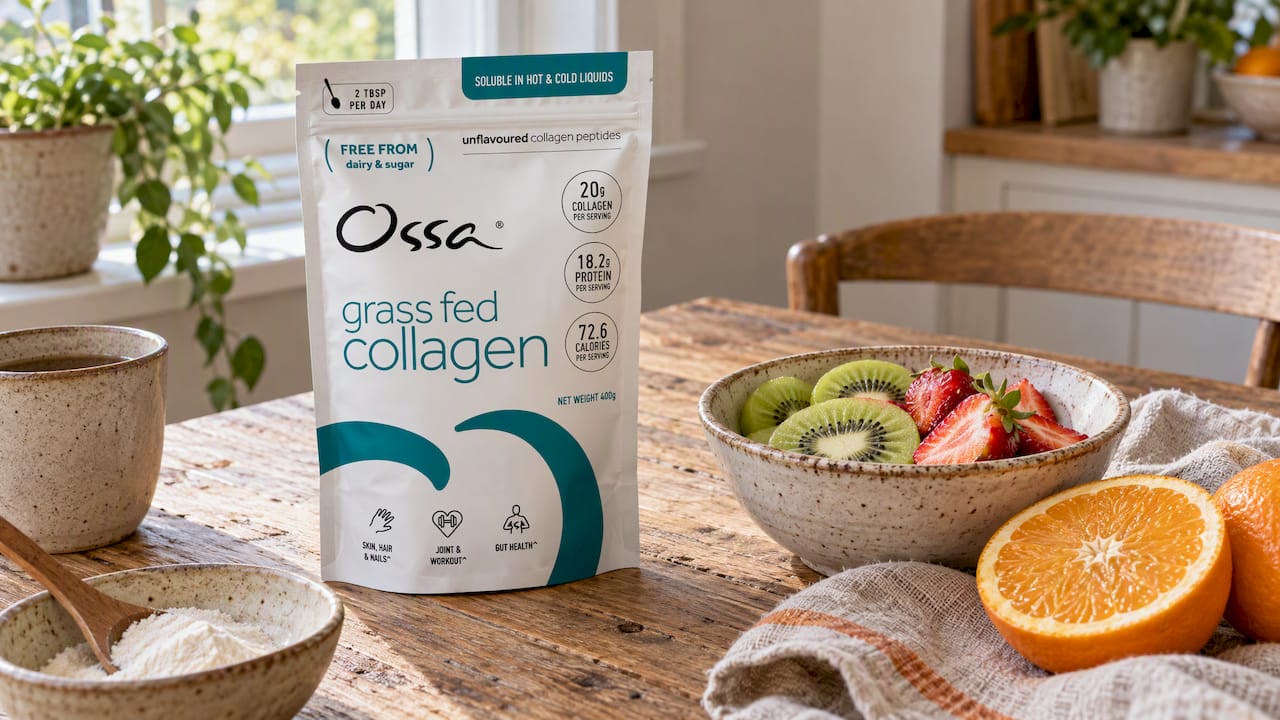
Vitamin C does not make your gut absorb collagen peptides better. What it does is help your body turn amino acids into stable collagen once they are in the bloodstream. Without enough vitamin C, collagen formation is impaired, however much collagen you eat. So the two work well together, but for a different reason than most labels suggest.
This guide separates absorption from formation, gives the UK intake figures, and explains how to combine collagen and vitamin C in an ordinary day.
Ossa Organic
Choose Food Made With Care
Explore Ossa Organic’s naturally made foods, rooted in organic ingredients and slow cooking, as you build nourishing habits.
TL;DR
- Vitamin C is not needed to absorb collagen peptides. It is needed by the enzymes that build collagen from amino acids.
- Adults aged 19 to 64 need 40 mg of vitamin C a day, according to the NHS, and most people can get that from food.
- Vitamin C itself is absorbed well at moderate intakes (about 70 to 90% between 30 and 180 mg a day) and much less well above 1,000 mg a day.
- Taking collagen with a vitamin C food, such as a glass of orange juice, berries or peppers, is a simple and sufficient approach for most people.
- Collagen formation also depends on protein, zinc and other nutrients, so vitamin C alone is not the whole picture.
Table of Contents
The phrase “collagen vitamin C absorption” mixes up two separate processes, and untangling them answers most of the questions people have.
Step one: digestion and absorption. Collagen peptides and gelatine are proteins that have been broken down into shorter chains. In the gut they are split further into amino acids and small peptides, which pass into the blood. Vitamin C does not drive this step. Your digestive enzymes and the lining of your small intestine do the work.
Step two: building new collagen. Cells called fibroblasts take amino acids, mainly glycine, proline and hydroxyproline, and assemble them into collagen fibres. Vitamin C is a required co-factor for the enzymes that modify proline and lysine in this process. Those modifications are what allow the collagen triple helix to hold its shape. The NIH Office of Dietary Supplements describes vitamin C as required for the biosynthesis of collagen.
So when a page says vitamin C “boosts collagen absorption”, the accurate reading is that vitamin C supports what happens after absorption. It is a partner in making collagen, not a gateway for taking it in.
Why the distinction matters
It changes what you buy and how you take it. If vitamin C were needed for absorption, you would have to take both at the same moment, in a set ratio, or the collagen would be wasted. Because it acts on formation, the practical rule is looser: you need an adequate supply of vitamin C in your body over the day, not a precise stack in one scoop.
It also changes what you should expect. Extra vitamin C taken on top of a diet that already meets your needs is unlikely to produce extra collagen. The body regulates vitamin C tightly, which brings us to the next point.
Vitamin C, also called ascorbic acid, takes part in several steps of building connective tissue.
-
Hydroxylation. Enzymes called prolyl and lysyl hydroxylases add hydroxyl groups to proline and lysine in the growing collagen chain. These enzymes need vitamin C to stay active.
-
Stability. Hydroxylated chains twist into a stable triple helix. Poorly hydroxylated chains do not, and the resulting collagen is weaker.
-
Tissues involved. Collagen is a major component of skin, tendons, ligaments, cartilage, bone and blood vessel walls. That is why long-term vitamin C deficiency, scurvy, shows up as poor wound healing, bleeding gums and bruising.
Scurvy is rare in the UK, but it is a useful reminder of how basic vitamin C is to connective tissue. For most readers the question is not deficiency but whether more is better. The evidence says that, beyond meeting your needs, the returns diminish quickly.
How much vitamin C do you need with collagen?
The official figure is lower than many supplement labels imply. According to the NHS, adults aged 19 to 64 need 40 mg of vitamin C a day, and you should be able to get all you need from your diet. Vitamin C cannot be stored in the body, so you need a supply regularly.
To put 40 mg in context, a single portion of many fruits and vegetables can meet it. Citrus fruit, strawberries, kiwi, blackcurrants, peppers, broccoli and potatoes all contribute. A glass of orange juice or a handful of strawberries beside your collagen drink is already a sensible pairing.

What the research doses look like
Studies on collagen and connective tissue often use more than the UK minimum, but not dramatically so. A common design gives 15 g of collagen or gelatine with about 50 to 80 mg of vitamin C an hour before exercise, as described in the Australian Institute of Sport’s summary of collagen support. That vitamin C dose is close to what a single orange and a few strawberries could provide.
Some consumer articles suggest a daily combination of 2.5 to 10 g of collagen peptides with 200 to 500 mg of vitamin C. That is a popular suggestion rather than an official recommendation, and it is not the amount required for collagen formation. If you already eat fruit and vegetables daily, you are unlikely to need a separate vitamin C supplement for this purpose.
Why very high doses do not help
The body does not absorb vitamin C in a straight line. Per the NIH fact sheet, absorption is roughly 70 to 90% at moderate intakes of 30 to 180 mg a day, and falls to below 50% once intake passes 1 g a day. The surplus is excreted in urine.
The NHS also notes that taking more than 1,000 mg a day can cause stomach pain, diarrhoea and flatulence. If you take a supplement, keeping well below that level is the sensible approach. The NHS advises that the body does not store extra vitamin C, so a megadose is largely wasted.
| Daily vitamin C intake |
What happens |
| 40 mg |
UK adult requirement (19 to 64 years), per the NHS |
| 30 to 180 mg |
High absorption, roughly 70 to 90% |
| Above 1,000 mg |
Absorption below 50%; stomach upset possible |
What the studies show
The evidence is encouraging but narrower than marketing suggests. Here is what individual studies tell us, and what they do not.
Vitamin C-enriched gelatine and collagen synthesis
A small crossover trial in eight healthy men, published in the American Journal of Clinical Nutrition, tested whether vitamin C-enriched gelatine taken before intermittent activity could raise markers of collagen synthesis. It is an often-cited study, but it is small and used a specific protocol. It tells us the combination is worth studying in people who exercise, not that every user will see a result.
A later study on different vitamin C-enriched collagen derivatives looked at how the form of collagen affects the synthesis response. It highlights a point that is easy to miss: the type of collagen product and the way it is taken may matter as much as the vitamin.
How much collagen
In a 2024 study of resistance-trained young men from Liverpool John Moores University, 30 g of hydrolysed collagen before exercise produced a higher PINP response, a marker of collagen synthesis, than 15 g or no collagen. This hints at a dose response, though the participants were a specific group and the marker is a proxy, not proof of stronger tendons.
Skin studies
A 2024 randomised, double-blind, placebo-controlled trial examined collagen and vitamin C, alone and combined with hyaluronic acid, on skin density and texture. Trials like this are the right kind of evidence for skin claims. Read each one for its sample size, duration and who funded it before treating it as settled.
Injury and healing
A systematic review of vitamin C after musculoskeletal injury screened 286 articles and included 10. Several animal studies of fracture healing reported benefits, but human evidence is thinner. If you are recovering from an injury, that is a conversation for your GP or physiotherapist, not a reason to start high-dose supplements.
The honest summary
The mechanism is well established: vitamin C is needed to make collagen. Whether adding more vitamin C to a collagen supplement improves outcomes for someone who already eats a varied diet is much less certain. Anyone promising guaranteed results is going beyond the evidence.
How to take collagen and vitamin C together
You do not need a complicated routine. These steps cover most situations.
-
Check your baseline. If you eat fruit and vegetables daily, you probably already meet the 40 mg requirement.
-
Pick a vitamin C food. Add berries, kiwi, citrus or raw pepper to the same meal or snack as your collagen. Pairing them is convenient and removes any doubt about timing.
-
Use your collagen as directed. Collagen peptides dissolve in hot or cold liquids, and can be stirred into coffee, soups, porridge or smoothies. Follow the serving size on the pack.
-
Be consistent. The studies measure changes over hours for synthesis markers and over weeks for skin or joint outcomes. A regular daily habit matters more than the exact minute you take each item.
-
Do not chase megadoses. Staying under 1,000 mg a day of vitamin C avoids the digestive side effects the NHS describes.
Does timing matter?
Research protocols often give collagen with vitamin C about an hour before exercise so that amino acids are circulating when the tissue is most active. That is a research design, not a rule for daily life. If you train regularly and want to follow that pattern, it is reasonable to try. If you do not, taking your collagen with breakfast alongside fruit works just as well in practical terms.
Heat and vitamin C in food
Vitamin C is sensitive to heat and to long storage. If you stir collagen into a hot drink, pair it with fresh fruit eaten alongside rather than relying on vitamin C that has been cooked for a long time. Collagen peptides themselves are comfortable in hot liquids, which is why they work in soups and broths.
Collagen needs more than vitamin C
Vitamin C is one part of a system. Sports nutrition guidance from the Australian Institute of Sport points out that collagen synthesis relies on amino acids such as glycine and proline, plus zinc and other micronutrients found in a varied diet. A diet low in protein overall will limit collagen formation whether or not vitamin C is high.
This is why relying on a vitamin C supplement alone is a weak strategy. A more reliable approach looks like this:
- Eat enough protein across the day, from meat, fish, eggs, dairy, pulses or other sources.
- Include foods with vitamin C at several meals.
- Get zinc from foods such as meat, shellfish, seeds and legumes.
- Treat collagen peptides, gelatine or bone broth as a useful addition to the diet, not a replacement for it.
What depletes collagen? Factors widely linked to faster breakdown include smoking, high sun exposure without protection and, over time, a diet high in sugar. Dealing with those habits often does more than adding any supplement.
Where food sources of collagen fit
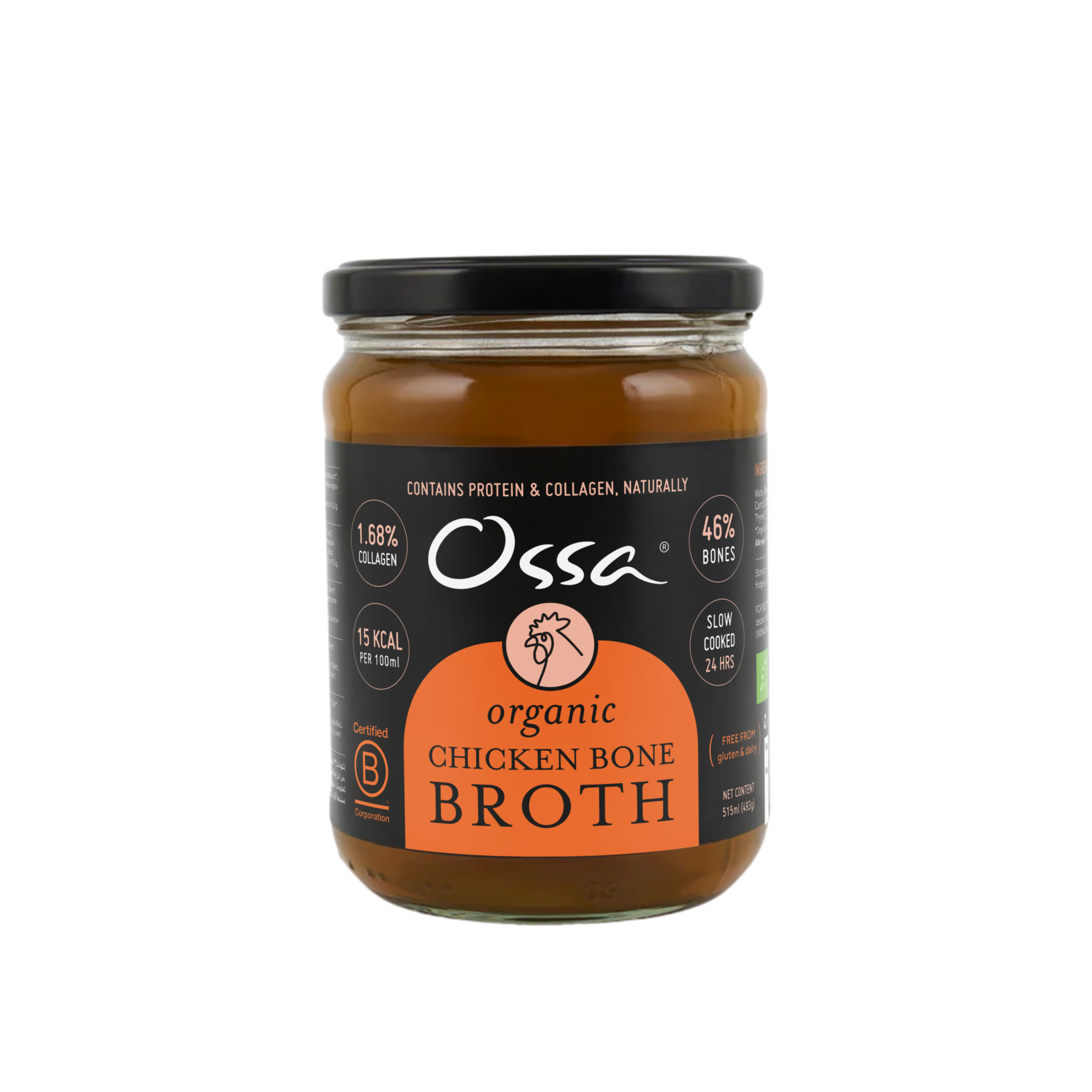
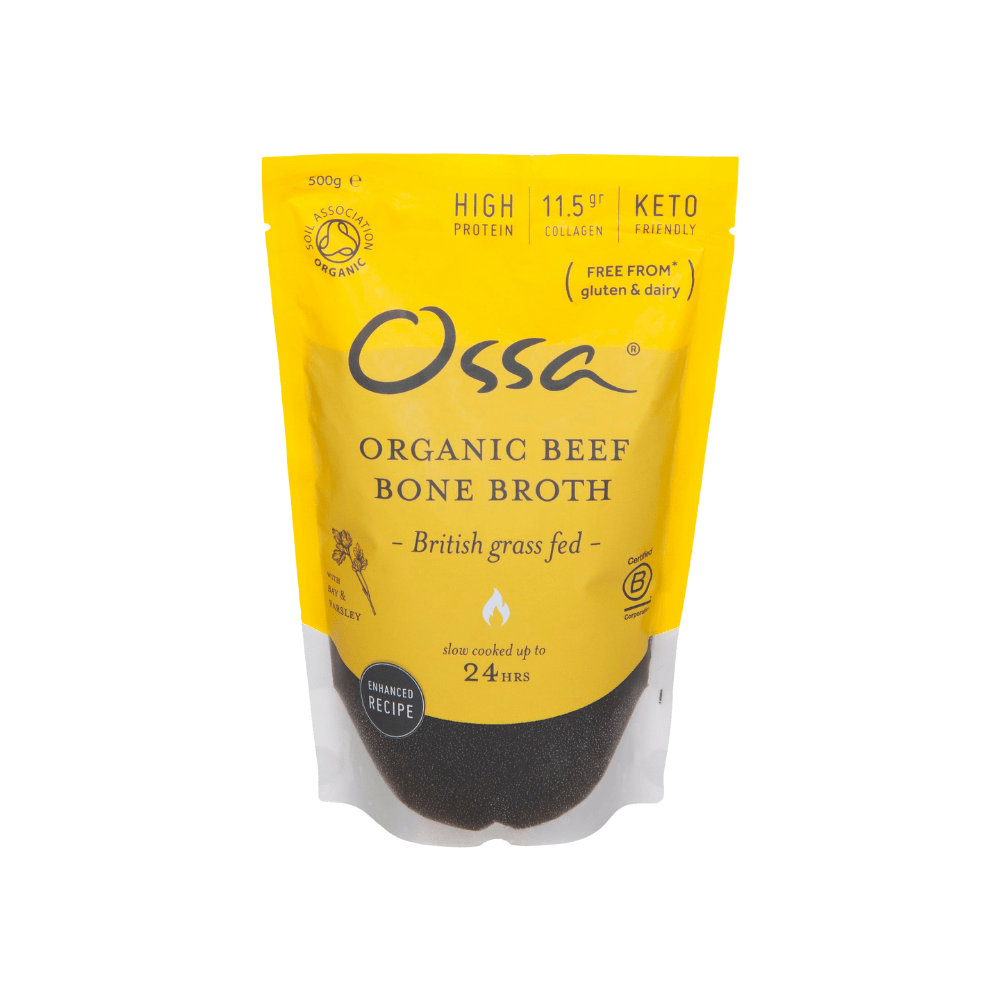
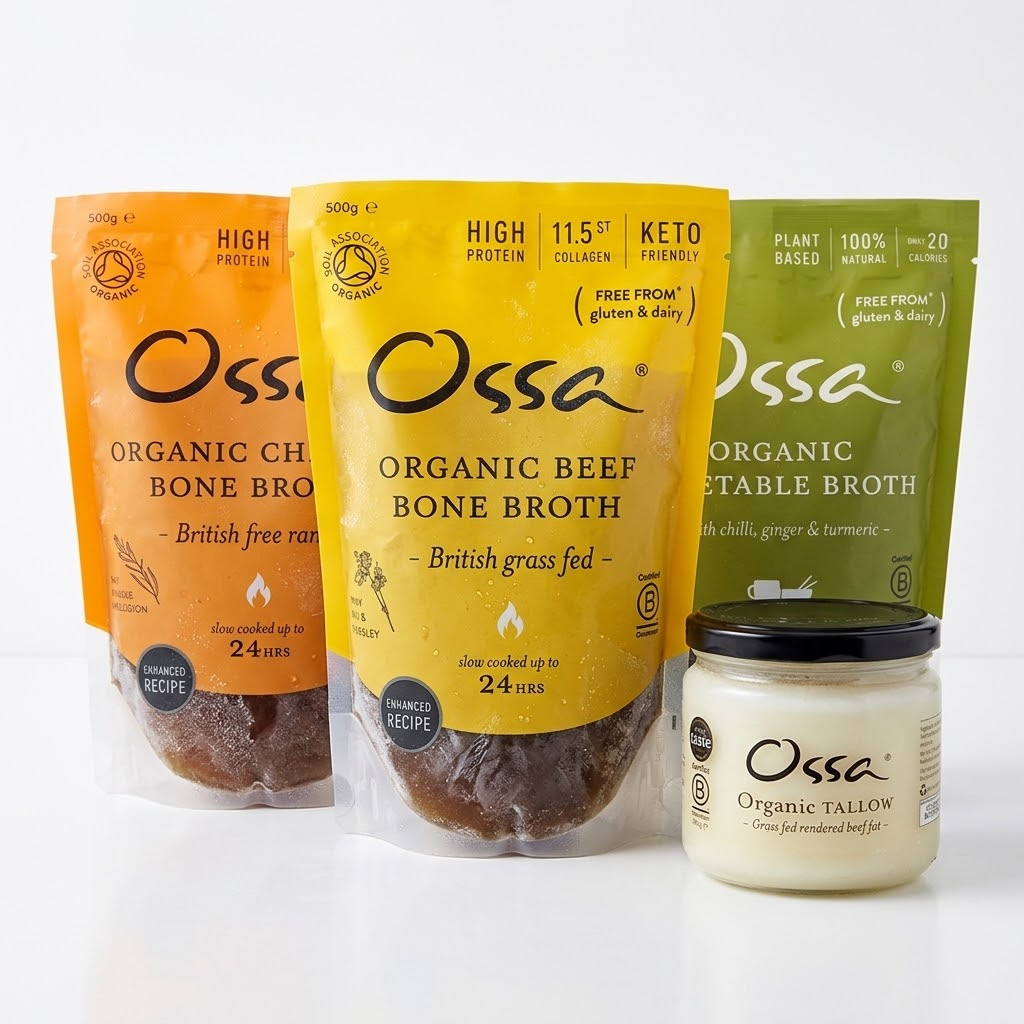
Collagen peptides are not the only way to bring collagen-derived protein into your diet. Gelatine is closely related and is made from the same source material. Bone broth made by slow cooking bones contains collagen-derived protein as well. The amounts vary with the bones used, the cooking time and the recipe, so labels and recipes are the best guide to what you are getting.
Because broths and gelatine-based dishes are naturally savoury or neutral, vitamin C is easy to add by serving them with vegetables, a squeeze of lemon, or a side of greens. Our collagen recipes show some ways to build collagen into everyday meals.
Our view at Ossa Organic
We started Ossa Organic because bone broth made a real difference to our family’s health, and we have eaten mostly paleo, avoiding inflammatory foods, ever since. That shapes how we think about collagen and vitamin C.
We see collagen as a food, not a magic ingredient. Our range is built on organic ingredients and slow cooking, and we favour products without preservatives or artificial additions. In the same spirit, we would rather you got your vitamin C from real food than from a high-dose pill.
In practice, that means stirring collagen into a morning drink and having fruit with it, or serving broth with a plate of vegetables. It is simple, it costs little, and it matches what the science supports: enough vitamin C, enough protein, eaten regularly.
We also think honesty matters here. Vitamin C is essential to collagen formation, but no scoop of powder replaces a varied diet, and we will not suggest that it does.
— Ossa Organic
Choosing a collagen product to pair with vitamin C
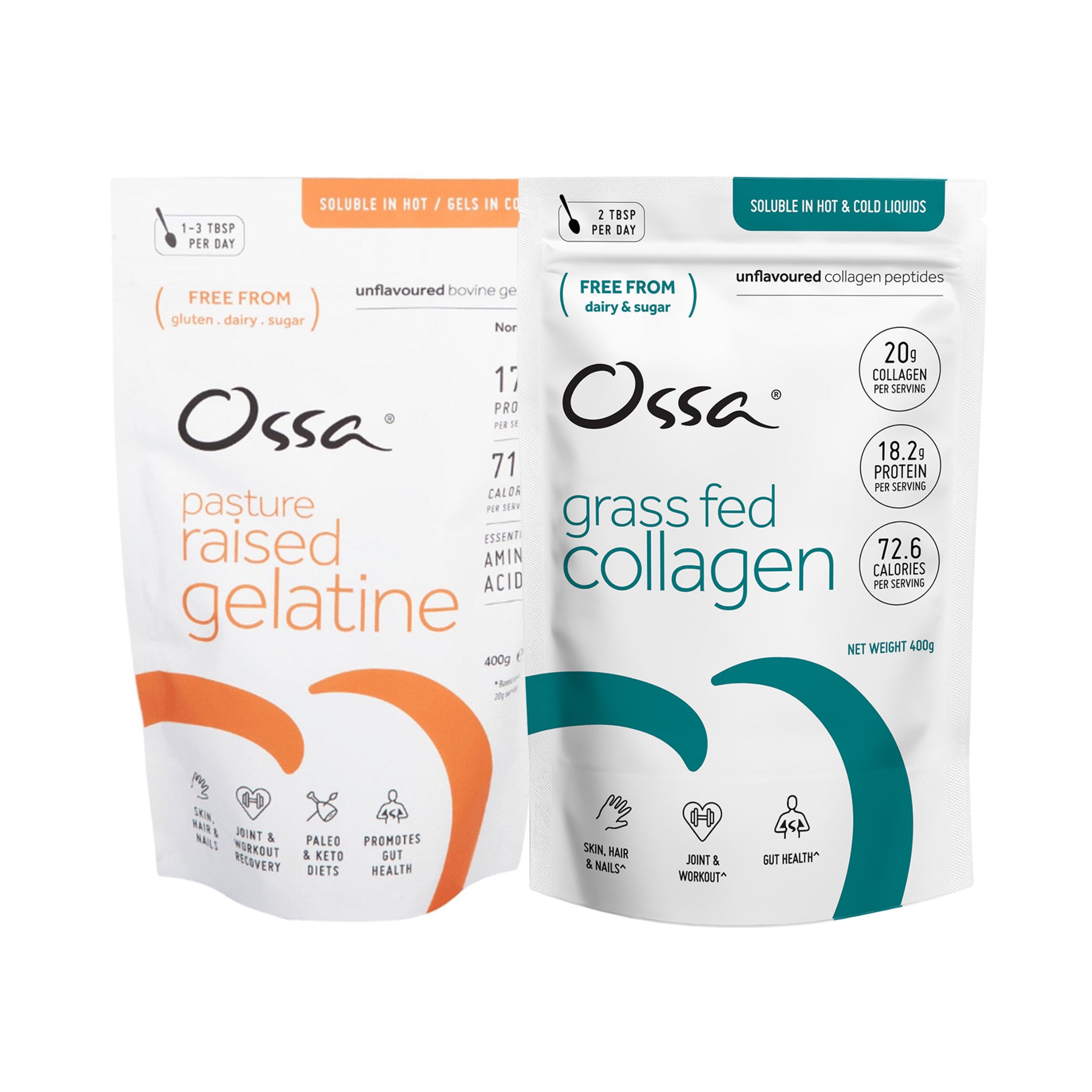
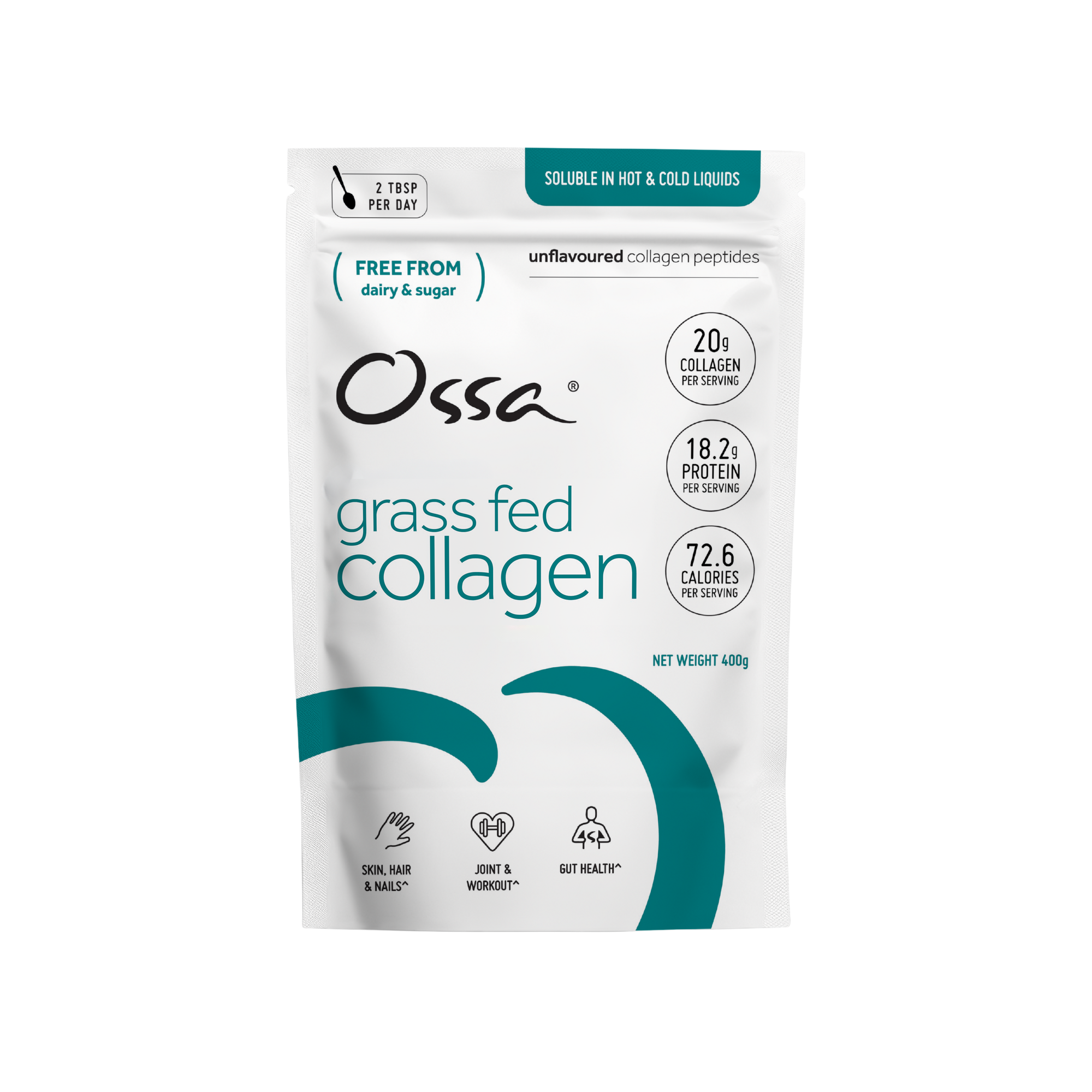
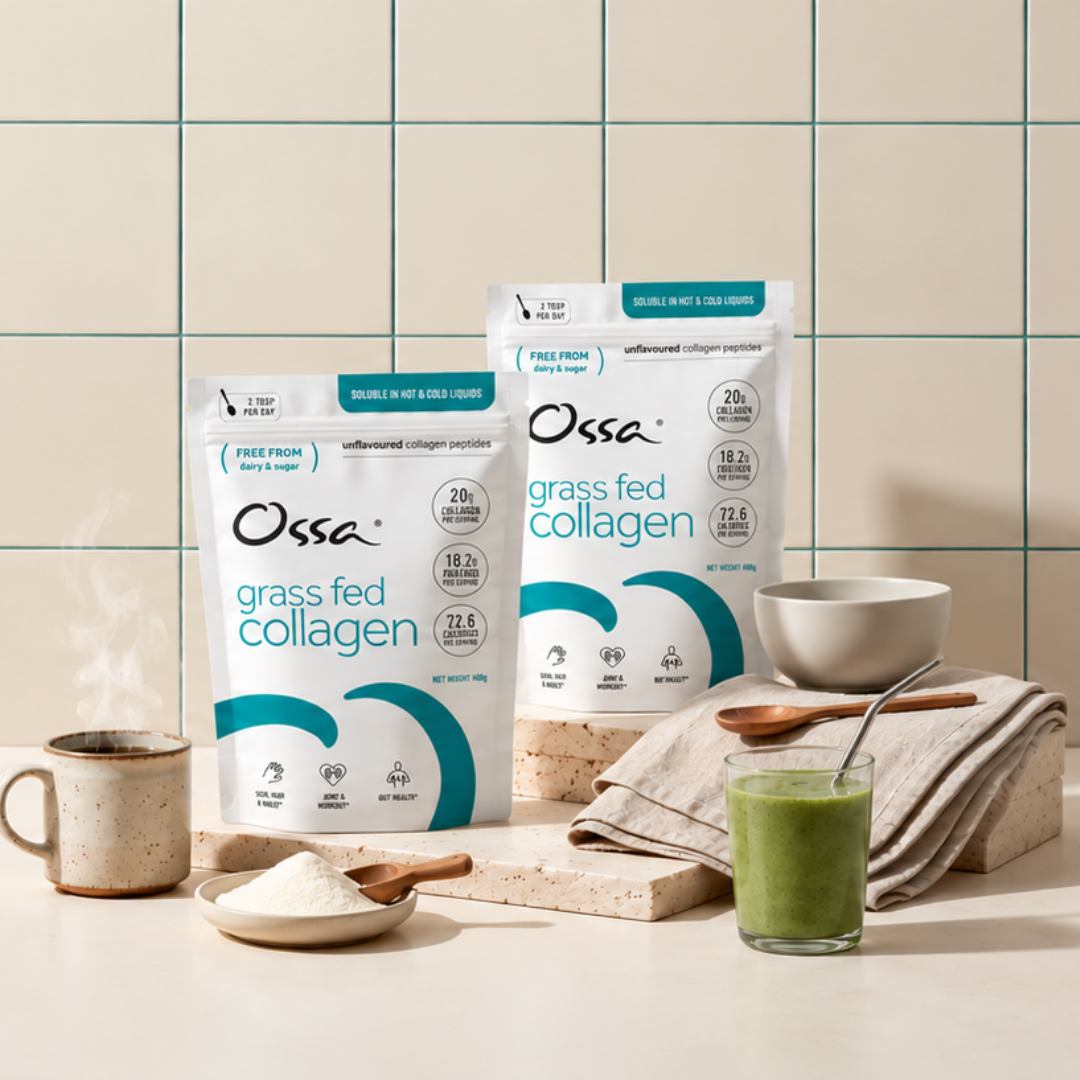
If you are ready to add collagen to your routine, our Ossa Grass Fed Collagen Peptides are a straightforward option to stir into drinks or food alongside your usual fruit and vegetables. If you also cook with gelatine, the collagen peptides and pasture raised gelatine bundle puts both in one order. You can also browse our organic bone broths, collagen and gelatine powders and grass fed fats on our main site.
When to speak to a professional
Collagen and vitamin C are food-level nutrients for most people, but a few situations call for advice first.
-
If you take a vitamin C supplement above 1,000 mg a day and have stomach pain or diarrhoea, reduce the dose and speak to a pharmacist or GP.
-
If you have a history of kidney stones, ask your GP before taking high-dose vitamin C supplements.
-
If you are pregnant, breastfeeding or taking regular medication, check with your GP, midwife or pharmacist before adding supplements.
-
If you have an allergy to fish, shellfish or eggs, check the source of any collagen product, since some are marine-based. Bovine collagen comes from cattle instead.
-
If you have slow-healing wounds, easy bruising or bleeding gums, see your GP rather than self-treating, as these can have several causes.
FAQ
Does vitamin C help your body absorb collagen?
No, not in the gut. Collagen peptides are digested into amino acids and small peptides without needing vitamin C. Vitamin C helps afterwards, because it is required by the enzymes that assemble those amino acids into stable collagen.
Should I take collagen with vitamin C at the same time?
It is convenient, and some studies use the combination about an hour before exercise, but it is not essential. What matters is having enough vitamin C in your diet across the day. Taking your collagen with fruit or a vitamin C-rich meal is an easy way to cover both.
How much vitamin C do I need with collagen?
The NHS says adults aged 19 to 64 need 40 mg a day, and most people get this from food. Research protocols often use roughly 50 to 80 mg alongside collagen. There is no benefit in going above 1,000 mg a day, and it can cause stomach pain and diarrhoea.
Does vitamin C actually help collagen production?
Yes, vitamin C is required for collagen biosynthesis, and a severe shortage causes scurvy. If you already get enough from your diet, extra vitamin C is unlikely to add more collagen. The body excretes the surplus, and absorption falls at high intakes.
Can I get enough vitamin C from food instead of a supplement?
For most healthy adults, yes. Citrus fruit, berries, kiwi, peppers, broccoli and potatoes all contain vitamin C. The NHS says you should be able to get all you need from a varied daily diet.
Recommended