Organic ingredients
•
Naturally nourishing
•
Made with care
We've sent you an email with a link to update your password.
Reset your password
We will send you an email to reset your password.
Ghee for Paleo Cooking: What to Use It For and How
Ralph Barrozo
0 comments
Ghee is paleo-friendly for most people who follow a paleo-style diet, but not for the strictest. Ghee is butter with the water and milk solids removed. That leaves almost pure fat, which handles high heat well and contains very little lactose or casein. Strict paleo excludes all dairy. Many modern paleo cooks make an exception for ghee, especially if it comes from grass-fed cows. This guide covers where that line sits, what ghee does well in a paleo kitchen, how to use it, and how much sense it makes to use it every day.
Ossa Organic
Choose Food Made with Care
Ossa Organic makes natural foods using organic ingredients and slow cooking, for those looking to move away from processed food.
Ghee is clarified butter. Removing the milk solids takes out most of the lactose and casein, which is why many paleo eaters accept it while avoiding milk, cheese and yoghurt.
Strict paleo has no dairy at all. If you follow it to the letter, use tallow, lard or coconut oil instead. If you follow a looser version, ghee is the usual dairy exception.
Ghee suits roasting, searing, frying eggs and sautéing because it tolerates high heat. It also adds a nutty, toasted flavour.
It is nearly all fat and high in saturated fat, so measure it. A teaspoon or tablespoon per pan is usually enough.
Choose ghee made from grass-fed, organic butter with nothing added. The label should list one ingredient.
The honest answer is: it depends on which paleo you follow.
The original idea behind paleo is to eat the way people did before farming. Dairy came with farming, so a strict version leaves out milk, cream, butter, cheese and yoghurt. By that rule, ghee is out too, because it is made from butter, which is made from milk.
Most people who eat paleo at home today are not that strict. Many follow a looser, sometimes called primal, approach. They allow high-quality dairy fats when they are well tolerated. Ghee is the standard example, for a practical reason. Dairy trouble usually comes from lactose (milk sugar) or casein (a milk protein). Both sit in the watery and solid parts of milk, and clarifying butter removes most of those parts. What remains is mainly fat.
Where people draw the line
In practice, paleo eaters fall into three groups:
No dairy at all. They cook in tallow, lard, duck fat, coconut oil or olive oil. Ghee is excluded.
Ghee only. They avoid milk, cheese and yoghurt but use ghee as a cooking fat. This is probably the most common household position.
Good dairy, tolerated. They also use grass-fed butter, and perhaps raw or fermented dairy.
No official body certifies paleo, so none of these is the single right answer. Decide by your own rules and your own body. If you are cutting out dairy because of a diagnosed allergy to milk protein, ghee is not a safe assumption, because traces of milk protein can remain. Ask your GP, dietitian or allergy specialist before using it.
A simple test
If you have just started paleo or an elimination plan, leave ghee out for the first few weeks. Then add it back on its own, in a modest amount, and see how you feel. Reintroducing one food at a time tells you far more than guessing does.
What ghee is, and why it behaves differently from butter
Butter is a mixture of fat, water and milk solids. When you heat it gently, the water evaporates and the milk solids separate. The solids sink and brown a little, and the clear golden fat above them is ghee. Strain it and you have clarified butter. Traditional ghee is cooked a little longer than simple clarified butter, so the milk solids toast. That is where the nutty, caramel-like smell comes from.
This matters in the kitchen for three reasons:
No water. Ghee does not spit and splatter the way butter does when it hits a hot pan.
No milk solids. Those are what burn first in ordinary butter and turn it bitter and dark. Without them, ghee can go to a much higher temperature.
Shelf life. With the water and solids gone, there is little left to spoil, so ghee keeps far better than butter. It still needs a clean, dry spoon and a lid.
The smoke point of ghee is generally given as roughly 250°C, against around 150 to 175°C for regular butter. Exact figures vary between products, and a pan on a domestic hob rarely gets that hot, but the gap is real. For everyday frying, it means you can sear a steak or crisp potatoes without the fat burning.
Why paleo cooks reach for ghee
There are four common reasons, and one of them is flavour.
It is a stable fat. Paleo cooking relies on animal fats and a few plant fats, and it avoids refined seed oils. Ghee is mostly saturated and monounsaturated fat, which makes it more resistant to damage from heat than oils high in polyunsaturated fat. That is why it sits comfortably alongside tallow and coconut oil in a paleo cupboard.
It fits dairy-light eating. For someone who misses butter, ghee gives the taste without most of the milk components.
It carries flavour. A teaspoon on vegetables, eggs or fish changes the dish. It is rich and slightly sweet, with a toasted edge.
It carries fat-soluble vitamins. Butterfat contains vitamins A, D, E and K in small amounts. Cows eating fresh pasture tend to produce butterfat with more of some of these nutrients than cows fed on grain. Treat this as a small bonus, not a reason to eat large amounts. You get your vitamins from vegetables, eggs, fish and meat first.
Ghee next to the other paleo cooking fats
Ghee is one choice among several. Here is how the main options compare for typical paleo cooking.
Deep and shallow frying, roast potatoes, roasting meat
Savoury, beefy
No
Solid at room temperature, very stable
Coconut oil
Baking, curries, medium-heat cooking
Mild to coconut
No
Refined versions are neutral in flavour
Extra virgin olive oil
Dressings, gentle sautéing, drizzling
Fruity, peppery
No
Better kept off very high heat
Lard or duck fat
Roasting, confit, pastry
Savoury
No
Quality depends on how the animal was raised
No single fat does everything. A well-stocked paleo kitchen usually has two or three: one for high heat, one for baking or gentle cooking, and one for dressing. For many households, ghee is the high-heat and general-purpose fat, with olive oil for the cold jobs.
How to cook with ghee: practical ways to use it
The amounts below are guides, not rules. Ghee is rich, so you need less than you think.
Searing meat and fish
Heat the pan first, then add about a teaspoon of ghee per steak or fillet. Pat the meat dry before it goes in, because moisture, not the fat, is what stops browning. Ghee will not burn at the temperature a good sear needs, so you can leave the meat alone and get a proper crust.
Eggs
Fried and scrambled eggs are where ghee shines at breakfast. Use half a teaspoon to a teaspoon for two eggs, over a medium heat. You get the taste of butter without brown flecks.
Roasting vegetables
Melt a tablespoon of ghee and toss it with about 500g of chopped sweet potato, carrots, parsnips or cauliflower, plus salt. Roast at 200°C (180°C fan) until the edges colour. Ghee clings well and browns the edges evenly. For a leaner dish, use half ghee and half olive oil.
Sautéing onions, garlic and spices
In curries, stews and soups, ghee is the traditional fat for starting a base. Warm it, add cumin or mustard seeds until they crackle, then add the onions. Spices release their flavour into fat, and ghee carries it well. If you start soups and stews with a broth base, our soup base recipes show how to combine the two.
Finishing a dish
A small spoonful melted over steamed greens, a bowl of soup or a baked sweet potato adds richness at the end. This is also the most economical use. You taste the ghee more when it goes on top than when it disappears into a pan.
Snacks
Ghee works well for popcorn, if corn is part of your diet. Paleo purists skip it, since corn is a grain, but plenty of looser eaters keep it as an occasional snack. Our ghee popcorn method gives the exact quantities for popping and finishing.
Baking
Ghee can replace butter in most paleo baking, such as almond flour cakes, banana bread and cookies, in equal weight. Because it contains no water, baked goods may come out a touch more crumbly. Add a spoonful of liquid, such as a splash of milk alternative or an extra egg, if your mixture looks dry.
A worked example: one day of paleo cooking with ghee
Here is how a family might use ghee through a day, with rough amounts.
Breakfast: 1 tsp for two scrambled eggs, served with sliced avocado and tomatoes.
Lunch: a bowl of chicken broth with leftover roast chicken and vegetables, with 1 tsp melted on top. Our preservative-free lunch ideas give more ways to build lunches around broth and ghee.
Dinner: 1 tbsp for roasted root vegetables shared by four people, plus 1 tsp to sear salmon.
That is about two tablespoons across the day for a household, not per person. Even a keen ghee user will rarely need more than a tablespoon or two a day in total, and many days far less.
How to choose a good ghee
Ghee is only as good as the butter it started from. Check these points before buying.
One ingredient. The label should say butter or clarified butter and nothing else. No flavourings, no oils, no preservatives.
Grass-fed cows. For paleo, the animal’s diet matters. Look for butter from cows fed on pasture.
Organic. Organic standards limit the routine use of antibiotics and require outdoor access, and they ban synthetic pesticides on feed. Check the certification mark on the pack.
Where it comes from. If you want British butter, check the label, since some ghee is imported.
Glass jar and a good seal. Ghee is stable, but a clean jar keeps it fresher.
Smell and colour. Fresh ghee is golden, smells toasty and sweet, and is soft or grainy at room temperature. A sharp or sour smell means it is past its best.
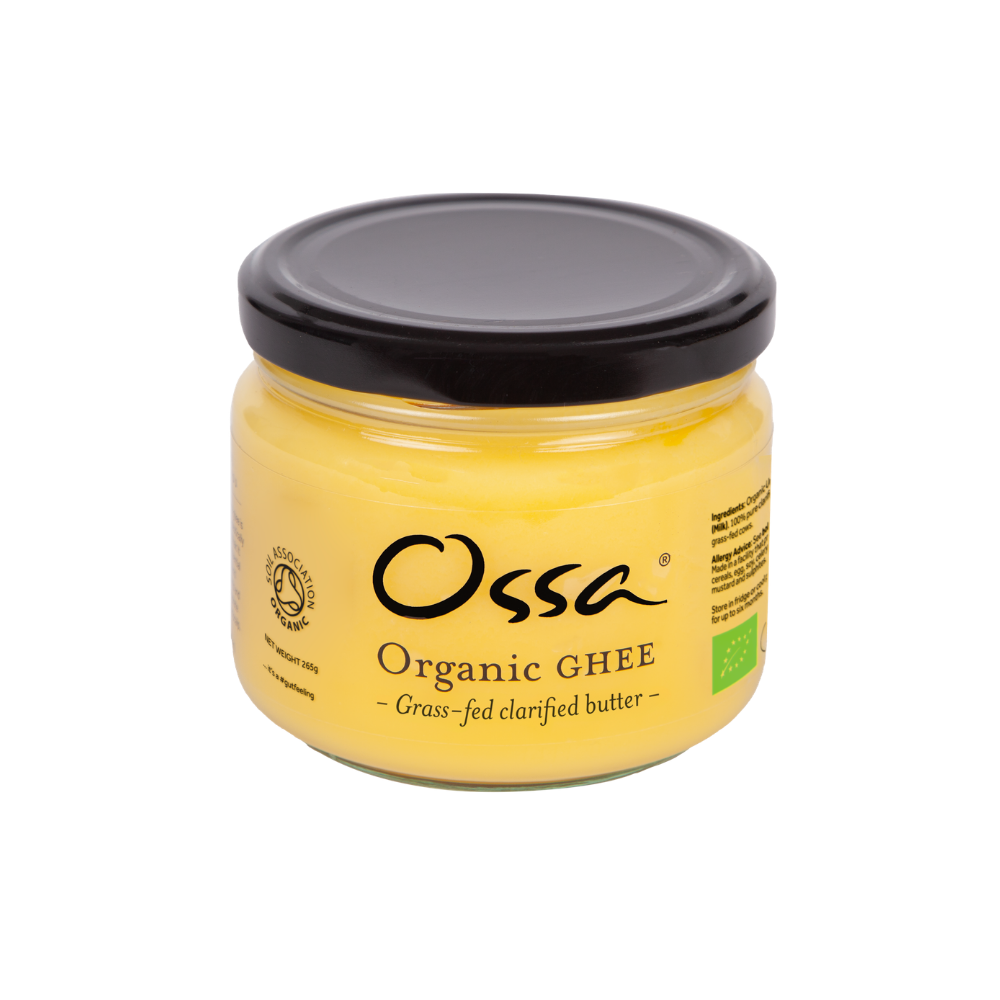
Our own organic grass-fed ghee is traditional clarified butter from British cows grass-fed to organic standards. It is made without preservatives or artificial ingredients.
Storing it
Keep ghee in a cool, dark cupboard with the lid on, and always use a dry, clean spoon. Water and crumbs are what shorten its life. Some people keep it in the fridge in summer. It will go solid when cold but softens quickly at room temperature.
An honest look at saturated fat
Ghee is a fat, and a saturated one. Roughly two thirds of its fat is saturated. That sits uneasily with general UK dietary advice, which asks people to limit saturated fat, and with the many nutrition experts who say that unsaturated fats such as olive and rapeseed oil are the better everyday choice.
The paleo community generally takes a different view of saturated fat from mainstream guidance, and the evidence on it is still debated. We do not think you need to settle that debate to use ghee sensibly. A few things are worth keeping in mind:
Ghee is not a health food in itself. It is a good cooking fat with a lovely flavour. Dietitians commonly describe the choice between ghee and butter as mostly one of taste and tolerance, not of large nutritional difference.
Quantity matters more than the label. A teaspoon to sear a fillet is a different thing from several spoonfuls a day.
Variety helps. Using ghee for high heat, olive oil for dressings and fish or nuts for other fats gives a more balanced mix than using one fat for everything.
Some people should check first. If you have high cholesterol, heart disease, diabetes, or liver problems including fatty liver, talk to your GP or a registered dietitian before making ghee or any other high-fat food a regular staple. They know your results and can advise on amounts.
Paleo cooking works best when it is built on vegetables, good-quality protein and a modest amount of fat. Ghee is the flavour, not the foundation.
Our view on ghee in a paleo kitchen
We started Ossa Organic because of bone broth, and we have eaten mostly paleo and avoided inflammatory foods in our own family for years. Ghee has a steady place in our kitchen, and this is how we think about it.
We use it for the jobs it does best: searing, roasting, eggs and finishing a bowl of soup. We do not treat it as a cure or a superfood. It is a traditional fat, and we think tradition is a better guide than trend.
We care about what the cow ate and how the butter was made. That is why we say so plainly what is in a jar and what is not. We prefer organic, grass-fed ingredients and slow, traditional methods, and we avoid preservatives and additives.
We also think each family should set its own paleo line. If you leave dairy out, use tallow instead. Our piece on why pasture diversity matters for tallow explains what to look for. If you include ghee, buy the best you can, use it in sensible amounts and enjoy it.
— Ossa Organic
Ghee, tallow and broth: building a simple paleo pantry
Ghee works best alongside a few other staples. A small, well-chosen set covers nearly everything.
Ghee for searing, eggs, roast vegetables and finishing.
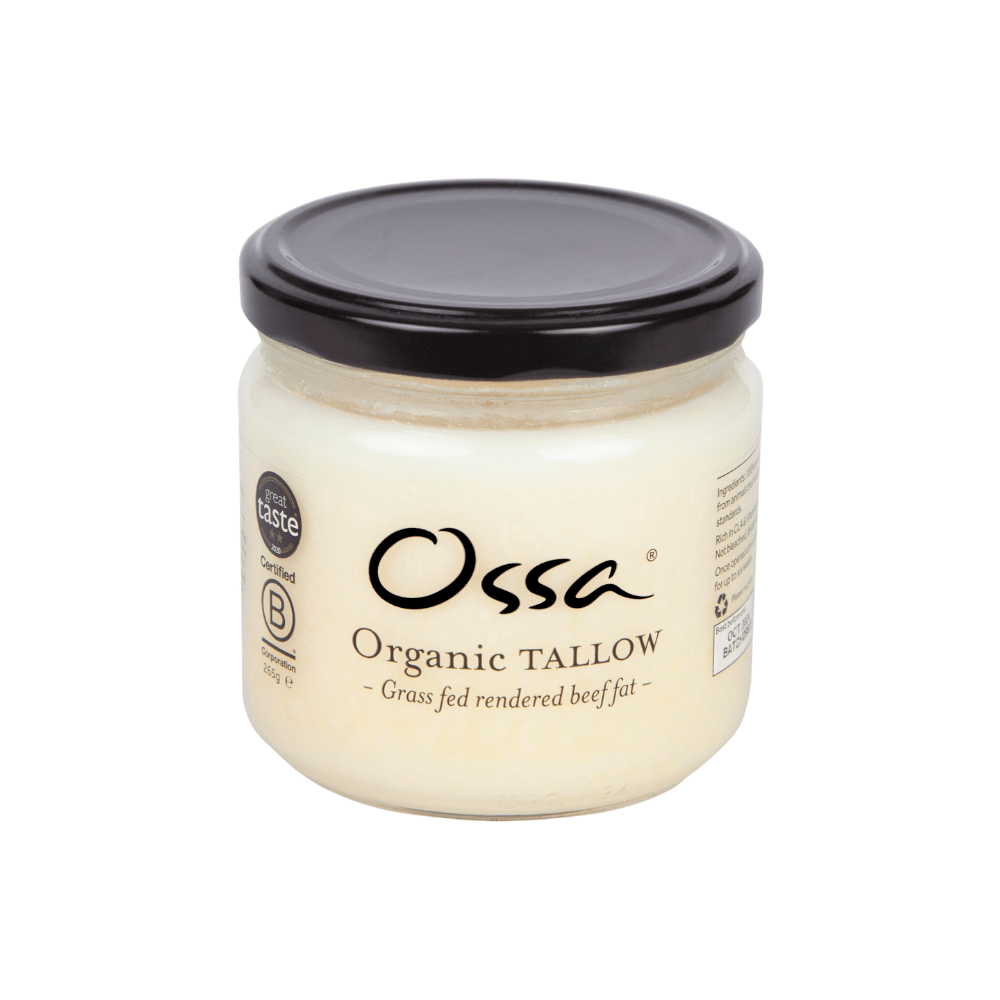
Tallow for the highest-heat jobs and for anyone avoiding dairy.
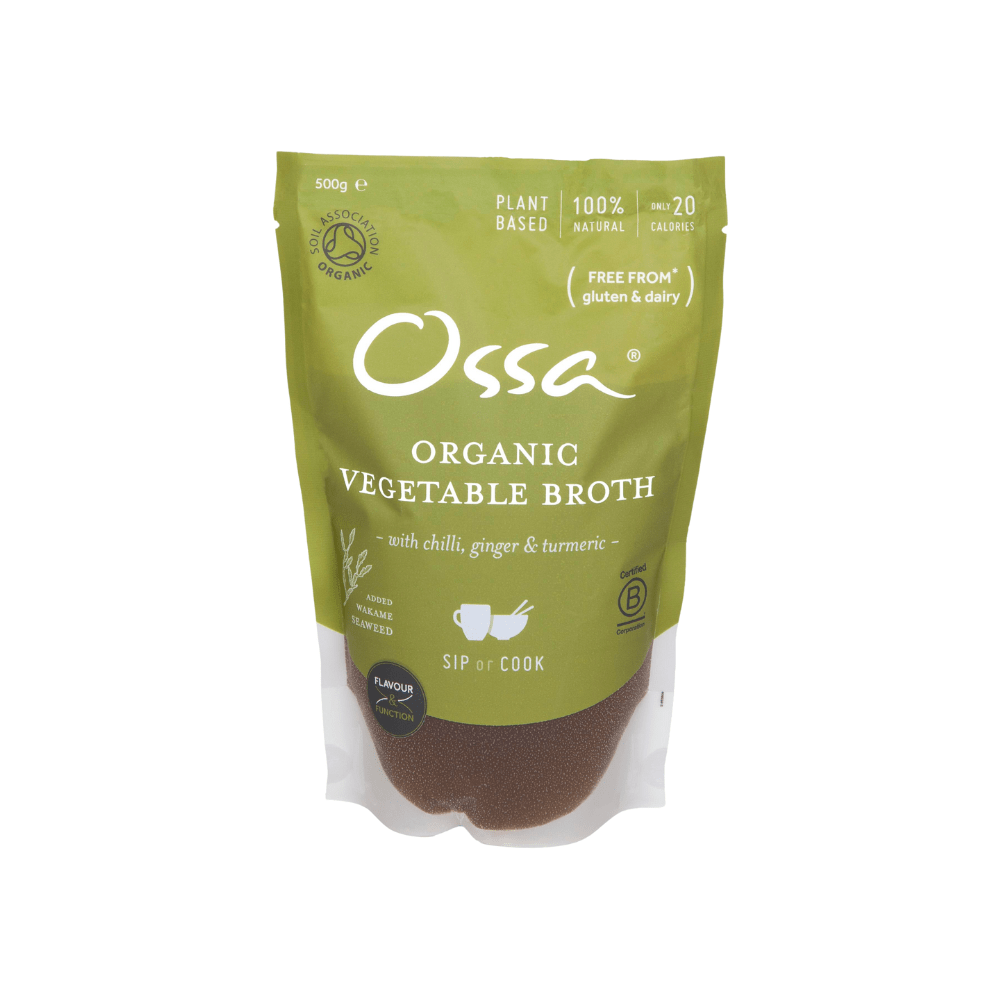
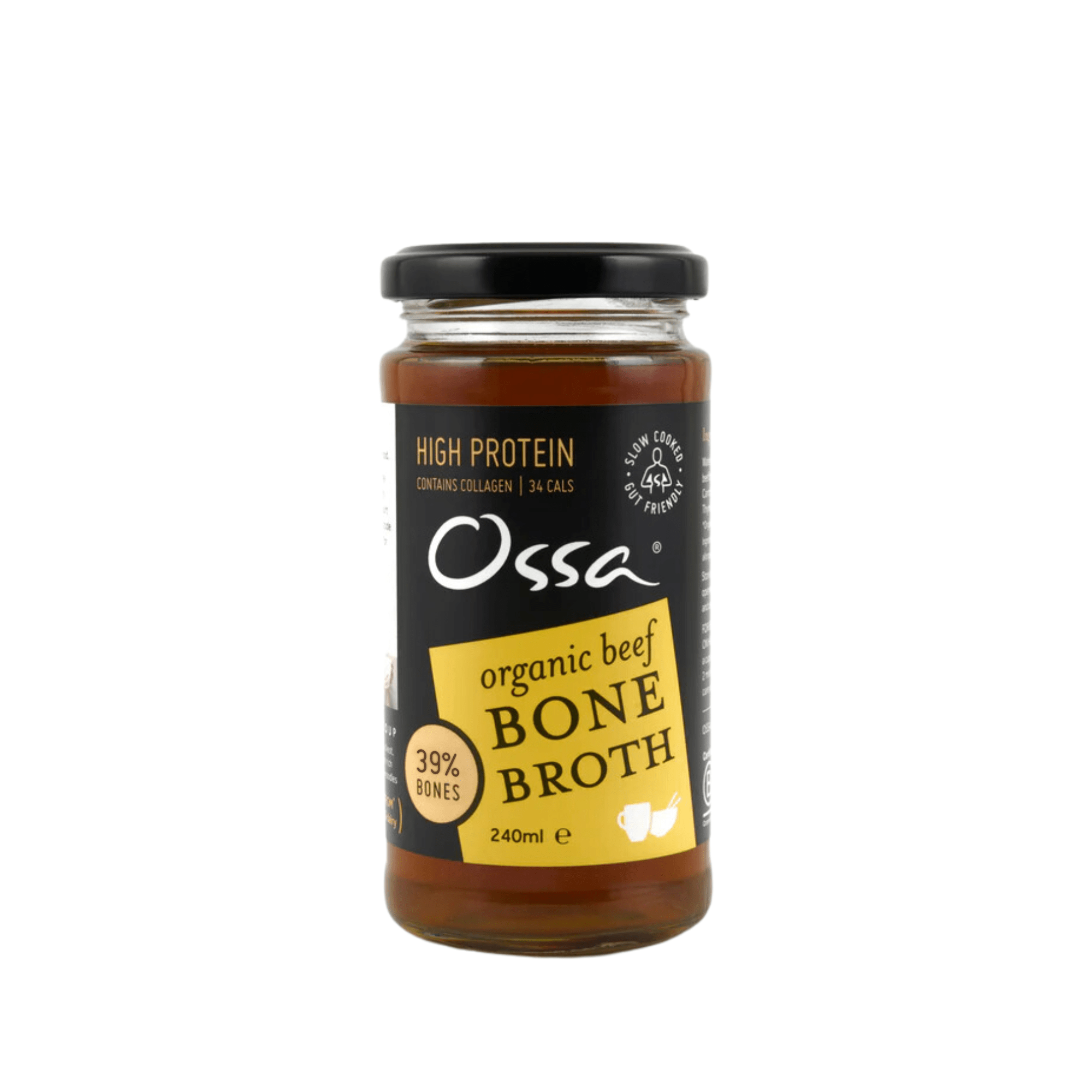
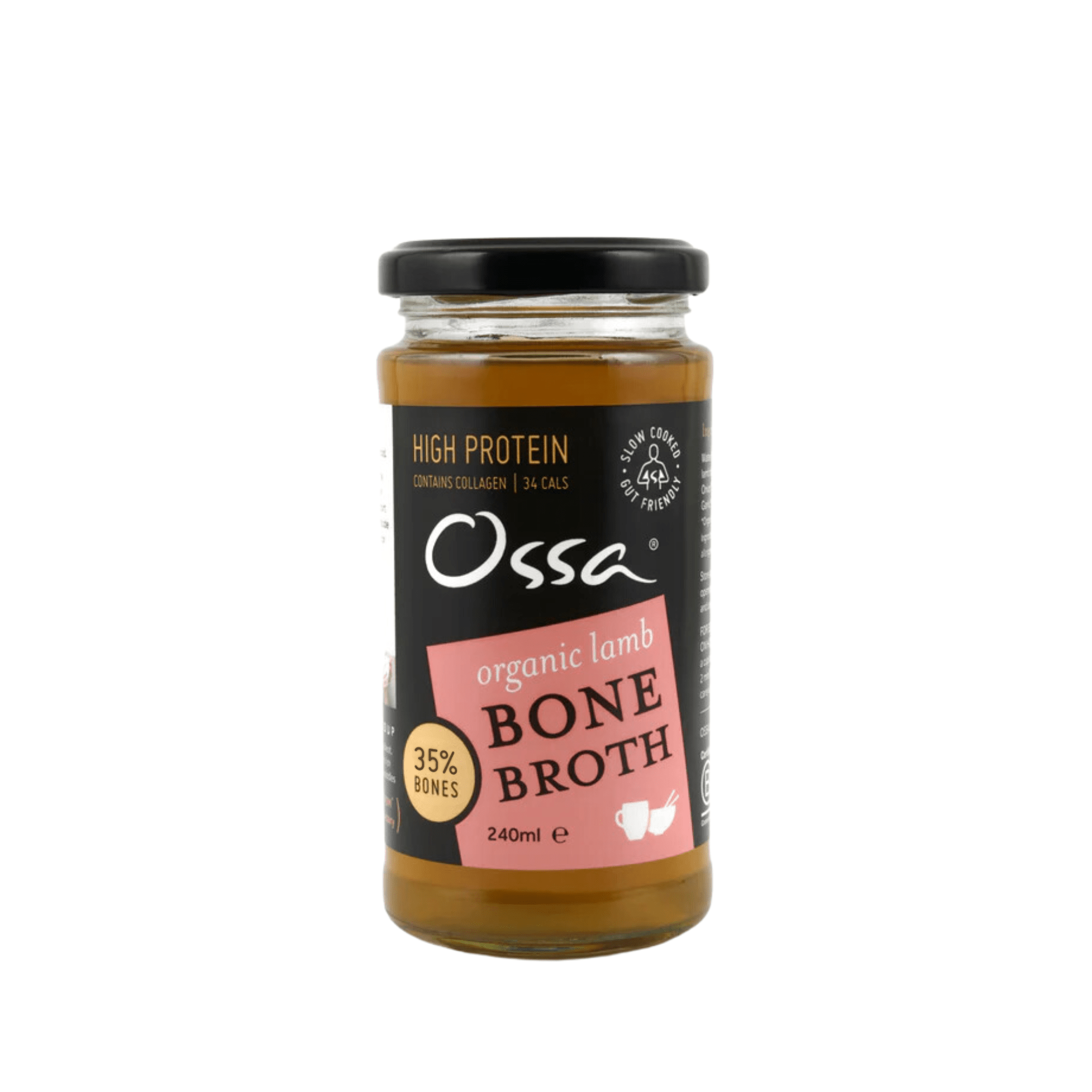
Bone broth for soups, sauces, braises and for cooking grains or vegetables with more flavour. It also makes a quick mug of something warm.
Extra virgin olive oil for dressings and cold dishes.
Sea salt, herbs and spices because good fat needs seasoning.
If you cook with broth often, our sauce recipes show how to reduce broth into a pan sauce after searing in ghee. That is one of the quickest ways to turn a plain piece of meat into dinner.
Ready to stock your cupboard
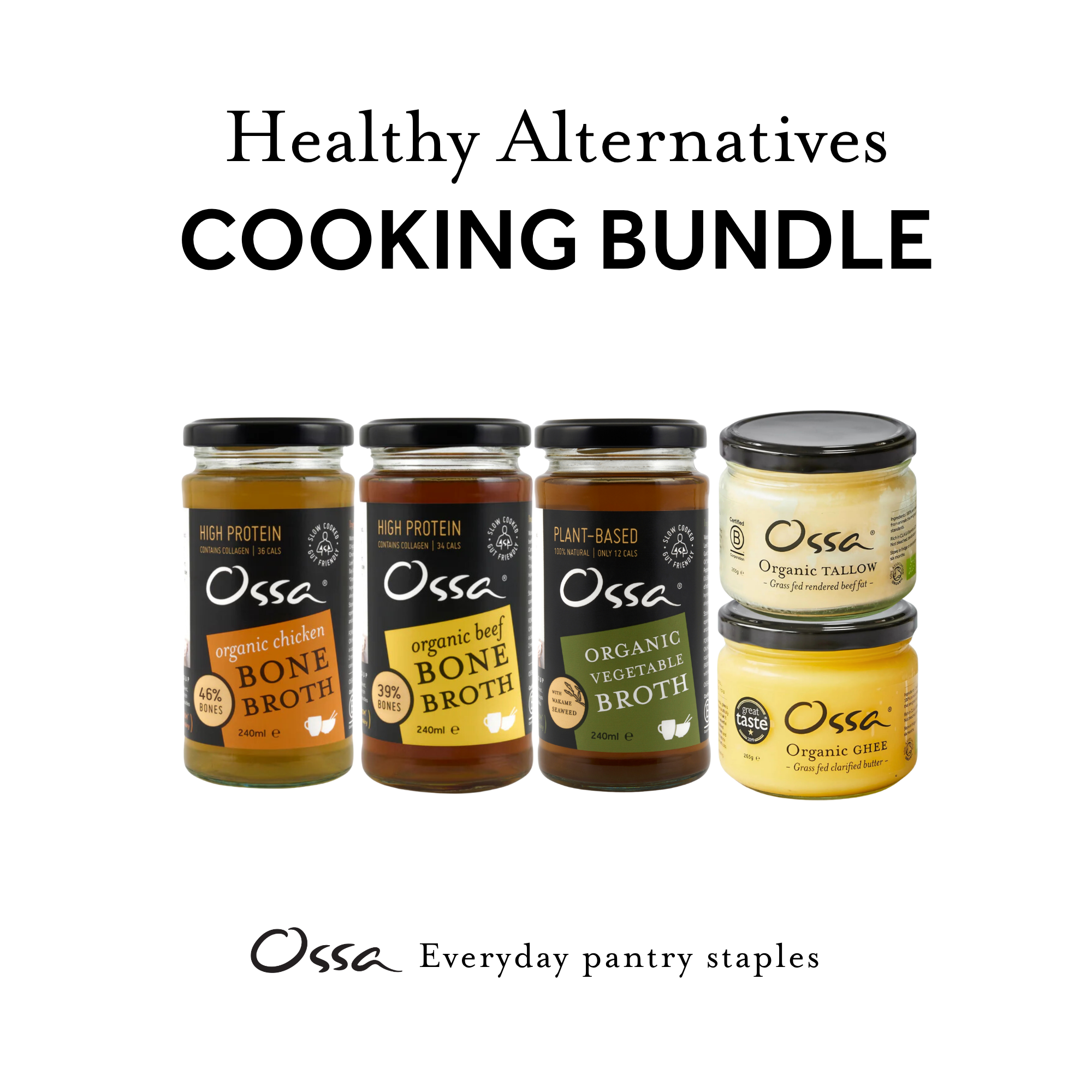
If you want to try ghee alongside the other fats and broths we make, our Cooking Bundle brings together items for everyday cooking. You can also order our grass-fed ghee on its own, or browse the full range on our shop page.
FAQ
Is ghee paleo?
It depends on how strict you are. Strict paleo excludes all dairy, and ghee is made from butter, so it is out. Many people who eat paleo at home make an exception for ghee because the milk solids, which hold most of the lactose and casein, are removed.
Can I use ghee if I am lactose intolerant or sensitive to dairy?
Many people with lactose intolerance tolerate ghee, since it contains very little lactose. It is not safe for a true milk allergy, because traces of milk protein can remain. If you have an allergy or a diagnosed intolerance, check with your GP or an allergy specialist first.
Is ghee better than butter for cooking?
For high heat, yes. Ghee has no water and no milk solids, so it does not splatter or burn as readily as butter. For taste and nutrition the two are close, and butter is better when you want the creamy flavour of the milk solids, such as in a sauce.
How much ghee should I use?
A teaspoon for a pan of eggs or a piece of fish, and a tablespoon for a tray of roast vegetables, is usually enough. Ghee is high in saturated fat, so treat it as a flavour and a cooking fat, not a main part of the meal. If you have heart, cholesterol, diabetes or liver concerns, ask your GP or a registered dietitian how much suits you.
Can I make paleo ghee at home?
Yes. Melt unsalted butter slowly over a low heat until the water has cooked off and the milk solids have settled and turned golden, then strain the clear fat through muslin into a clean, dry jar. Start with grass-fed butter for the best result. Homemade ghee takes time, so many people buy a jar made from organic, grass-fed butter instead.