

Cart
0
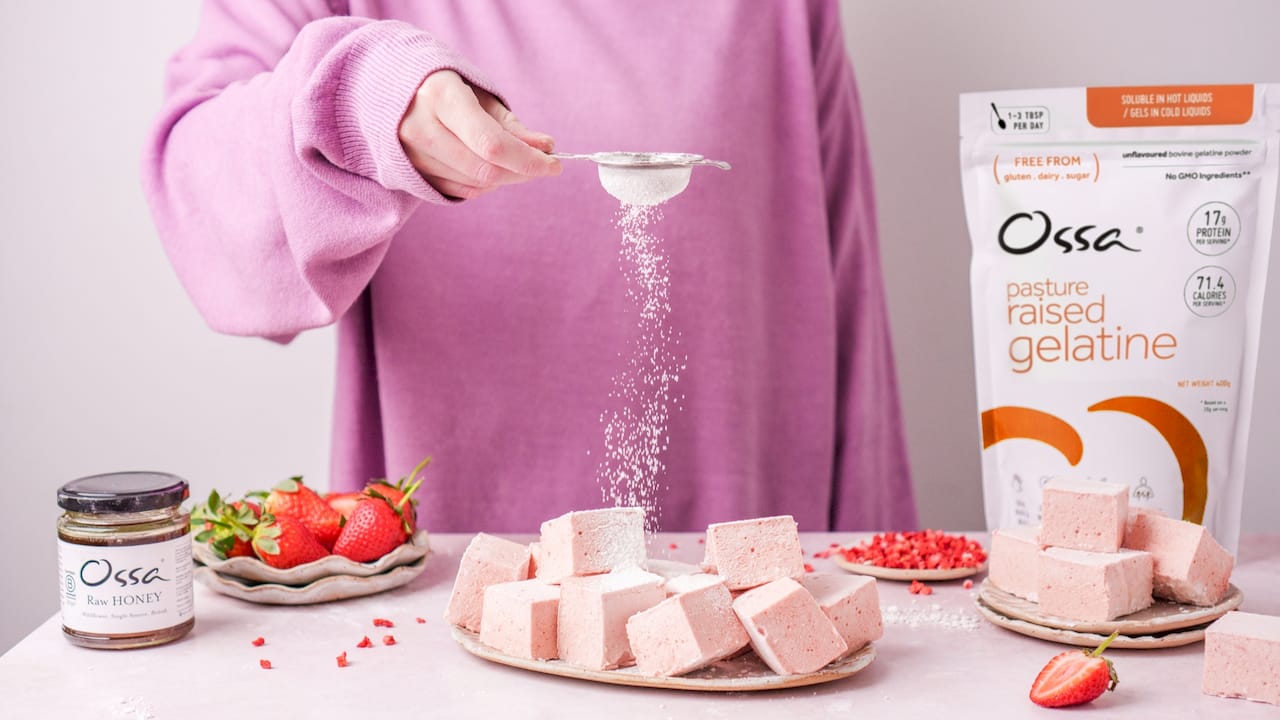
Several widely used food additives — certain preservatives, nitrates/nitrites, packaging chemicals such as bisphenols and PFAS, and some emulsifiers — have plausible links to health harms based on epidemiological signals and mechanistic studies. The evidence varies considerably in strength, and regulatory bodies including the UK Food Standards Agency (FSA), the European Food Safety Authority (EFSA) and the WHO’s Joint Expert Committee on Food Additives (JECFA) set acceptable daily intakes (ADIs) to manage real-world risk. That said, practical reduction is sensible, particularly for children, pregnant people and those with high processed-food diets.
Three first steps to take now:
-
Cut ultra-processed foods (UPFs) as a category: ready meals, packaged snacks and processed meats carry the highest additive loads.
-
Read ingredient labels and look for E-numbers, “flavourings,” “emulsifier,” and specific names such as sodium nitrite (E250), sodium benzoate (E211) and carboxymethylcellulose (E466).
-
Swap processed meats and canned convenience foods for fresh, frozen or preservative-free alternatives where practical.
Key regulatory and research sources:
-
FSA (UK Food Standards Agency): governs permitted additives and labelling in Great Britain post-Brexit.
-
EFSA: publishes scientific re-evaluations of E-numbers and sets ADIs for the EU (still referenced by UK regulators).
-
JECFA (WHO/FAO): the international body whose safety assessments underpin national authorisations.
-
NutriNet-Santé cohort: a large French prospective study providing some of the most detailed recent epidemiological data on preservatives and cancer incidence.
Key takeaways
The strongest practical step for reducing food additive exposure is cutting ultra-processed foods as a category, since they deliver the highest cumulative additive loads and the evidence linking UPF diets to chronic disease is more consistent than the evidence for any single additive.
| Point | Details |
|---|---|
| Reduce UPFs first | Cutting ultra-processed foods lowers cumulative additive exposure more effectively than targeting single E-numbers. |
| Priority additive classes | Nitrates/nitrites, sulphites, BPA/phthalates/PFAS and some emulsifiers carry the strongest evidence of concern at realistic exposures. |
| Vulnerable groups | Children, pregnant people and those with asthma or high UPF diets face the greatest risk and should prioritise practical swaps. |
| Label reading | Look for E250, E211, E220–E228, E466 and grouped terms like “flavourings” and “emulsifier” as proxies for additive complexity. |
| Ossa Organic | Preservative-free organic bone broths (beef and chicken) offer a direct swap for additive-containing stock and ready-meal bases. |
Table of Contents
-
Practical steps to reduce your exposure when shopping and cooking
-
Why preservative-free food sits at the centre of what Ossa Organic does
-
Ossa Organic bone broths: a straightforward preservative-free swap
How are food additives assessed and labelled in the UK?
The UK’s post-Brexit framework means the FSA now maintains its own permitted additives list for Great Britain, while Northern Ireland continues to follow EU rules. In practice, the FSA draws heavily on EFSA’s scientific assessments and JECFA evaluations when setting or reviewing permitted uses.
The ADI explained. JECFA defines an ADI as the amount of a substance a person can consume daily over a lifetime without appreciable health risk, expressed in milligrams per kilogram of body weight per day. Regulators derive it from animal toxicology studies, applying a safety factor (typically 100-fold) to the lowest observed adverse effect level. The ADI is a risk management tool, not a bright line between safe and dangerous. Consuming an additive below its ADI does not guarantee zero effect; consuming it above does not guarantee harm. What it does is give regulators a defensible, evidence-based threshold for permitted use levels in specific foods.
Hazard versus risk. A hazard is a property that can cause harm under some conditions. Risk is the probability of that harm at actual exposure levels. Sodium nitrite (E250) is a hazard because it can form carcinogenic nitrosamines; whether it poses a meaningful risk depends on how much processed meat you eat, how it is cooked, and what else is in your diet. This distinction matters because much of the alarm around food additives conflates the two.
E-numbers and labelling in the UK. Every approved additive in the UK must be declared in the ingredient list by its functional class (e.g. “preservative,” “emulsifier,” “colour”) followed by either its E-number or its specific name. Some categories, notably “flavourings,” are permitted as a single grouped term, which can mask dozens of individual chemical compounds. “Modified starch” similarly covers multiple variants.
Pro Tip: When scanning a label, look beyond the E-number column. If you see “flavourings,” “emulsifier (E471),” or “modified starch” without further detail, those terms may represent multiple chemical constituents. For a fuller picture of what organic labelling means for additives, the Ossa Organic guide on organic food additives explains the distinction clearly.
What are the common food additive dangers by class?
The table below summarises the main additive classes that generate the most concern, their E-numbers, primary health concerns and typical UK food sources.
Nitrates and nitrites
Sodium nitrite (E250) is added to cured meats primarily to prevent Clostridium botulinum growth and to maintain colour. Under high-heat cooking or acidic stomach conditions, nitrites can react with amines to form N-nitrosamines, several of which are classified as probable human carcinogens. The NutriNet-Santé cohort observed a hazard ratio for various preservatives including sodium nitrite and potassium nitrate versus lower-consumption groups, with modest absolute cancer risk differences for overall cancer incidence. These are modest associations in observational data and require replication, but they are consistent with prior epidemiology on processed meat.
Pro Tip: Choosing unsmoked, uncured cuts and cooking at lower temperatures reduces nitrosamine formation. Vitamin C (ascorbic acid) in the same meal can inhibit nitrosamine formation, which is why some manufacturers add sodium erythorbate (E316) alongside nitrites.
Bisphenols, phthalates and PFAS
These are not food additives in the traditional sense but packaging chemicals that migrate into food. BPA and its analogues act as endocrine disruptors by mimicking oestrogen. Phthalates, used to soften plastics, have been linked to developmental and reproductive concerns in animal studies. PFAS (per- and polyfluoroalkyl substances), found in grease-proof packaging and some non-stick coatings, are persistent in the body and have been associated with immune and hormonal effects. Harvard Health and the American Academy of Pediatrics have specifically flagged these three classes as substances of concern for children and pregnant people.
Practical reduction: choose glass or stainless steel containers for food storage, avoid microwaving food in plastic, and limit canned foods where fresh or frozen alternatives are available.
Sulphites
Sulphur dioxide and sulphites (E220–E228) are among the 14 major allergens requiring mandatory declaration in the UK when present above 10 mg/kg or 10 mg/litre. For people with asthma, sulphite sensitivity can trigger bronchoconstriction. The reaction is not IgE-mediated in most cases, which means standard allergy tests may not detect it. Dried fruit, wine and ready-made salads are the most common sources in UK diets.
Emulsifiers and gut health
Carboxymethylcellulose (CMC, E466) and carrageenan (E407) have attracted particular attention. A randomised controlled feeding study found that dietary CMC exposure altered gut microbiota composition and metabolome in human participants, supporting earlier preclinical findings. Carrageenan has shown gut permeability effects in animal and cell models, though human trial data remain limited. Reviews in Nature Reviews Gastroenterology & Hepatology note that the evidence base for additive-specific gut effects relies mainly on preclinical models, with only a few human trials completed to date.
Artificial colours and hyperactivity
The “Southampton Six” colours (E102, E110, E122, E124, E129, E211 combined with sodium benzoate) prompted EFSA to issue a precautionary warning following a 2007 UK study linking them to increased hyperactivity in children. The FSA subsequently recommended voluntary removal by manufacturers, and most UK retailers phased them out of own-brand products. They persist in some imported products and branded sweets.
Sodium benzoate
Cell culture and model-organism studies have identified potential chromosome and mitochondrial DNA effects for sodium benzoate (E211), and zebrafish embryo studies have shown neurotoxic signals. Human clinical evidence remains mixed and the real-world risk at typical dietary exposures is unclear. It is worth noting that sodium benzoate combined with ascorbic acid can form benzene, a known carcinogen, in some beverages under certain storage conditions.
Sweeteners: aspartame
In 2023, the International Agency for Research on Cancer (IARC) classified aspartame (E951) as “possibly carcinogenic to humans” (Group 2B), based on limited evidence from observational studies. JECFA simultaneously reviewed the evidence and concluded the existing ADI of 40 mg/kg body weight per day remains protective. The two assessments are not contradictory: IARC assesses hazard, JECFA assesses risk at real-world intake. For most people consuming diet drinks in normal quantities, intake stays well below the ADI.
Who is most at risk from food additives?
Vulnerability to food additives is not uniform. Several groups face higher exposure or greater biological sensitivity.
Children are the most consistently flagged group across regulatory and academic literature. Pound for pound, children eat more relative to their body weight than adults, meaning their additive intake per kilogram is proportionally higher. Developmental windows in the foetal period and early childhood make endocrine-disrupting chemicals particularly concerning, since hormonal signalling governs organ development, neurological maturation and immune programming. The American Academy of Pediatrics has called for regulatory reform specifically to address gaps in child-specific safety testing for bisphenols, phthalates, PFAS and nitrates/nitrites.
Pregnant people face the additional concern that packaging chemicals and some preservatives can cross the placental barrier. Reducing canned food consumption, avoiding processed meats and choosing glass or ceramic storage are practical steps with a reasonable precautionary basis.
People with asthma or known food sensitivities should be aware of sulphites, sodium benzoate and artificial colours as potential triggers. The mechanism for sulphite sensitivity in asthma is not fully understood but the clinical association is well established.
People with high UPF diets accumulate additive mixtures across multiple products daily. The cumulative cocktail effect is one of the least-studied areas in food safety, and current ADIs are set for individual substances, not combinations.
-
Pregnant people: reduce canned foods, processed meats and plastic-packaged ready meals.
-
Parents of young children: limit brightly coloured packaged snacks, processed meats and fizzy drinks.
-
People with asthma: check labels for E220–E228 (sulphites) and E211 (sodium benzoate).
-
High UPF consumers: the single most effective step is reducing overall UPF intake rather than targeting individual additives.
Practical steps to reduce your exposure when shopping and cooking
Step-by-step shopping checklist
-
Choose whole foods as your baseline: fresh or frozen vegetables and fruit, unprocessed meat and fish, pulses, whole grains and eggs carry minimal additive loads.
-
Reduce processed meats: bacon, ham, salami and hot dogs are the primary dietary source of nitrites for most UK adults. Swap for unsmoked, uncured cuts or plant-based alternatives without E250/E252.
-
Check labels for the specific additive names and E-numbers flagged in the table above, particularly E211, E250, E220–E228 and E466.
-
Choose frozen over canned where practical: frozen vegetables and pulses avoid the BPA migration risk associated with can liners.
-
Opt for products with short ingredient lists. If the list runs to 20+ ingredients, the additive load is likely high.
Practical swaps and meal ideas
-
Replace stock cubes (which typically contain yeast extract, flavour enhancers and sometimes E211) with a preservative-free bone broth. Wholesome family meal ideas using broth as a base are a straightforward swap.
-
Use glass jars for leftovers rather than plastic tubs, particularly for acidic foods such as tomato-based sauces.
-
Batch-cook soups and stews using fresh ingredients and freeze in glass containers. This removes the need for preservatives entirely.
-
For sweet treats, lower-additive options using collagen avoid the artificial colours and sweeteners common in commercial confectionery.
Storage and reheating to reduce packaging migration
-
Never microwave food in plastic containers, even those labelled “microwave-safe.” Heat accelerates the migration of plasticisers and BPA analogues into food.
-
Handwash plastic food containers rather than using a dishwasher: high temperatures and detergents degrade plastic and increase leaching.
-
Store fatty foods (cheese, meat, oily leftovers) in glass or stainless steel rather than cling film or plastic tubs, as fat is a particularly effective solvent for packaging chemicals.
Pro Tip: When reading multi-ingredient labels, count the number of entries under “flavourings” and “emulsifier” as a single proxy for additive complexity. A product listing “emulsifier (E471, E472e), stabiliser (E415), flavourings” contains at least five distinct chemical additives under three grouped terms. The Ossa Organic healing kitchen guide shows how batch-cooking with broth, ghee and gelatine sidesteps this complexity entirely.
When should you suspect an additive sensitivity?
Genuine additive hypersensitivity exists but is uncommon. Clinicians note that targeted diagnostic elimination under supervision is more effective than blanket avoidance for most people. The presentations most commonly associated with additive reactions include:
-
Chronic urticaria (hives): recurring episodes without an obvious allergenic trigger, particularly after meals containing processed foods, wine or dried fruit.
-
Unexplained asthma flare-ups: worsening symptoms after consuming sulphite-containing foods or drinks (wine, cider, dried fruit, ready-made salads).
-
Recurrent gastrointestinal symptoms: bloating, altered bowel habit or nausea that correlates with specific food categories rather than individual whole foods.
These presentations overlap with many other conditions, which is why self-diagnosis is unreliable. A GP can refer to an NHS allergy clinic or dietitian for supervised elimination and reintroduction protocols. Skin-prick and specific IgE tests are useful for true IgE-mediated food allergies but often negative for non-IgE additive reactions; oral provocation challenges under clinical supervision remain the diagnostic gold standard for suspected additive hypersensitivity.
Before your GP appointment, record:
-
A symptom diary covering at least two weeks, noting timing, severity and associated foods.
-
Photographs of product labels for any foods consumed within four hours of a reaction.
-
Any pattern linking symptoms to specific categories (e.g. wine, processed meats, packaged snacks).
Pro Tip: Free apps such as the NHS Food Diary function within some NHS trust patient portals, or a simple spreadsheet, work well for tracking. The more specific your records, the faster a clinician can identify a pattern.
What does the science actually show about additive risks?
The evidence base for common food additive dangers is uneven, and conflating strong findings with speculative ones does readers a disservice.
Mechanistic versus epidemiological evidence
In vitro (cell culture) and animal studies establish biological plausibility: they show that a substance can affect a cellular pathway at some dose. They do not prove that the same effect occurs in humans eating normal quantities. Human epidemiology, particularly large prospective cohorts, provides real-world associations but cannot fully control for confounding. The NutriNet-Santé cohort is one of the most methodologically careful studies to date, using detailed dietary records and product composition databases to estimate additive exposure. Its finding of hazard ratios in the range of 1.11–1.32 for certain preservatives and cancer incidence is a signal worth taking seriously, but the authors themselves call for replication and mechanistic studies before causal conclusions are drawn.
The mixture problem
Ultra-processed foods act as delivery systems for additive mixtures. Disentangling the effect of a single additive from the food matrix, the other additives present, and the overall dietary pattern is a major methodological challenge. Reviews in Nature Reviews Gastroenterology & Hepatology highlight this explicitly: observational epidemiology links UPF diets to gut disease, but additive-specific evidence relies mainly on preclinical models. EFSA re-evaluated 25 preservative groups between 2004 and 2025 and set reference ADIs for 16 preservatives or groups, with in vitro assays finding cytotoxicity signals for several in human cell models. The gap between cytotoxicity in a cell culture dish and harm in a living person eating realistic quantities remains significant.
Evidence summary
What is fairly well supported: Nitrite/nitrate associations with colorectal cancer risk in high processed-meat consumers; sulphite-triggered asthma in sensitive individuals; endocrine-disrupting effects of BPA and phthalates in animal and some human studies; CMC-induced microbiome shifts in a controlled human feeding trial.
Plausible but limited: Sodium benzoate neurochemical effects (cell and zebrafish models, mixed human data); carrageenan gut permeability effects (preclinical only); artificial colour hyperactivity sensitivity (one well-designed UK trial, FSA precautionary action taken).
Inconclusive or context-dependent: Aspartame carcinogenicity at real-world intakes (IARC Group 2B hazard classification; JECFA ADI unchanged); potassium sorbate cancer association (NutriNet-Santé signal, awaiting replication); PFAS long-term health effects in food-contact migration scenarios.
How regulators respond to evolving evidence
EFSA’s re-evaluation programme systematically revisits additives as new evidence emerges. When the evidence base strengthens, ADIs are revised downward or permitted uses are restricted. This is not a sign that the system has failed; it is the system working as intended. Consumers who want to stay ahead of regulatory updates can monitor the FSA’s website and EFSA’s food additives topic page directly.
Why preservative-free food sits at the centre of what Ossa Organic does
Ossa Organic was founded on a straightforward premise: that traditional, slow-cooked food made from organic ingredients does not need preservatives, artificial colours or synthetic emulsifiers to be safe, shelf-stable or nutritious. The brand’s bone broths are made using slow-cooking methods that have been used for centuries, with no additives beyond the ingredients themselves.
For readers who have worked through the evidence above, the appeal of that approach is practical rather than ideological. Choosing preservative-free whole foods is one of the most direct ways to reduce cumulative additive exposure without needing to decode every E-number on every label.
-
Family-run, founder-led: Ossa Organic’s founder story reflects genuine lived commitment to additive-free eating, not a marketing position.
-
B Corp certified: third-party verification of environmental and social standards, visible on the B Corp page.
-
Educational content: the brand publishes evidence-informed guides on gut health, ancestral nutrition and practical cooking to support readers in making informed choices.
Preservative-free options are not a niche luxury. For health-conscious shoppers reducing processed food intake, they are a practical, available choice.
Ossa Organic bone broths: a straightforward preservative-free swap
If you are looking to reduce your intake of harmful food additives without overhauling your entire diet, replacing additive-laden stock cubes and ready meals with a preservative-free bone broth is one of the simplest first moves.

Ossa Organic’s Organic Beef Bone Broth (515ml) is made from organic grass-fed beef bones, slow-cooked without preservatives, artificial flavours or emulsifiers. Drink it straight as a warming cup, use it as a base for soups and stews, or add it to sauces in place of stock cubes. The Organic Free Range Chicken Bone Broth (500ml) and the Organic Chicken Bone Broth Ambient (515ml) offer the same preservative-free profile in a lighter format, well suited to everyday cooking. All three are ambient-stable, making them a convenient cupboard staple that replaces multiple additive-containing products in one swap. For readers wanting to go further, the 14-day gut reset programme provides structured guidance on reducing UPF and additive intake using whole-food principles.
Useful sources
The following primary and high-authority sources underpin the evidence discussed in this article.
-
WHO Food Additives fact sheet: — explains the JECFA evaluation process, the ADI concept and the role of national authorities in authorising additives for specified foods and levels.
-
American Academy of Pediatrics technical report (Food Additives and Child Health, PMC): — summarises endocrine disruption concerns, developmental vulnerability and calls for regulatory reform on bisphenols, phthalates, PFAS and nitrates/nitrites.
This article is general information, not a substitute for advice from a qualified doctor. Consult a qualified healthcare professional about your own circumstances before acting on anything here.
FAQ
What are the most harmful food additives to avoid?
Nitrates/nitrites (E250, E252) in processed meats, sulphites (E220–E228) for people with asthma, and packaging chemicals such as BPA and PFAS carry the strongest evidence of concern at realistic dietary exposures. Artificial colours linked to childhood hyperactivity and the emulsifier carboxymethylcellulose (E466) also warrant attention.
What are the real dangers of food additives?
The dangers range from well-established (sulphite-triggered asthma, nitrosamine formation from nitrites) to plausible but unconfirmed (emulsifier effects on gut microbiota, sodium benzoate neurochemical signals in cell models). The NutriNet-Santé cohort found modest associations between several preservatives and cancer incidence, but observational data cannot prove causation.
Which food additives should you avoid on a UK label?
Prioritise checking for E250 (sodium nitrite), E211 (sodium benzoate), E220–E228 (sulphites), E466 (carboxymethylcellulose) and the grouped terms “flavourings” and “emulsifier” without further specification. Reducing overall ultra-processed food intake is more effective than targeting individual E-numbers.
Are there safe, preservative-free alternatives to processed food staples?
Yes. Frozen vegetables and pulses avoid BPA migration from cans; unsmoked, uncured meats avoid nitrites; and preservative-free bone broths such as those from Ossa Organic replace additive-containing stock cubes and ready-meal bases without sacrificing convenience.
When should you see a doctor about a suspected food additive reaction?
Consult your GP if you experience recurring urticaria, unexplained asthma flare-ups or persistent gastrointestinal symptoms that correlate with processed food consumption. Keep a two-week symptom diary and photograph product labels before your appointment to help clinicians identify a pattern efficiently.