TL;DR:
- Reading organic labels correctly helps consumers understand different certification tiers and recognize trusted seals. Certified products at 95% or higher must display the USDA Organic seal, which signifies strict federal standards. Unregulated terms like “natural” and marketing buzzwords offer no guaranteed insight into a product’s actual production practices.
Organic food labels are defined by the USDA National Organic Program as a tiered certification system that tells you how much of a product’s content meets federally enforced organic standards. Reading organic food labels correctly means understanding those tiers, not just spotting the word “organic” on the front of a packet. The label on the back tells a different story to the marketing on the front. Knowing the difference protects your health choices and your budget. This guide gives you the practical skills to decode every seal, tier, and claim you will encounter in the supermarket aisle.
What do the different organic certification tiers mean?
Organic food labelling is divided into four distinct tiers based on the percentage of organic ingredients a product contains. Each tier carries different labelling permissions and tells you something specific about what is inside the packet.
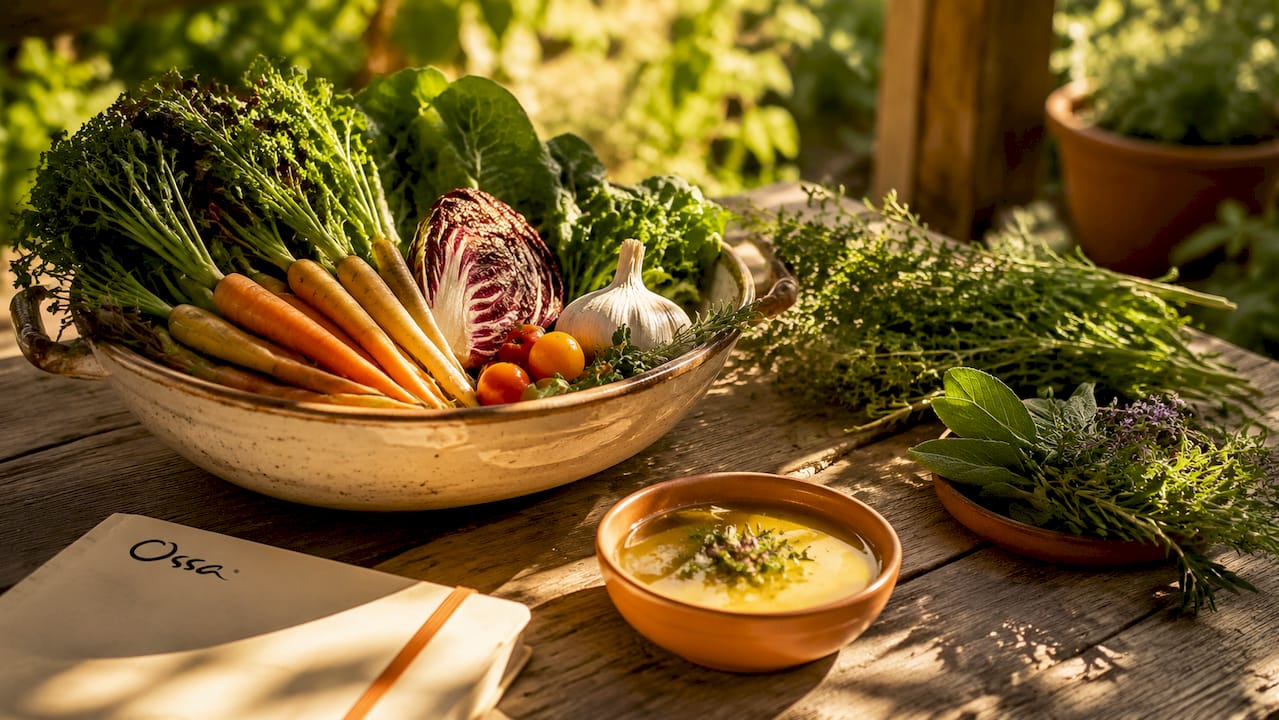
The four tiers work as follows. “100% Organic” requires every ingredient to be certified organic, with no exceptions. “Organic” requires at least 95% organic ingredients. “Made with organic ingredients” applies to products containing 70%–95% organic content. Products with less than 70% organic ingredients cannot use the word “organic” on the main display panel at all, though they may list individual organic ingredients in the ingredient list.
Only products at 95% or above are permitted to display the USDA Organic seal. That green and white circular seal is the single most reliable signal on any packet. If you see it, the product has passed federal inspection and meets strict production criteria.
| Tier |
Organic content required |
USDA seal permitted? |
| 100% Organic |
100% |
Yes |
| Organic |
95% or more |
Yes |
| Made with organic ingredients |
70%–95% |
No |
| Less than 70% organic |
Below 70% |
No |
Beyond the USDA baseline, third-party certifications set a higher bar. Real Organic Project and Regenerative Organic Certified address soil health, animal welfare, restrictions on hydroponics, and social fairness. These schemes demand more than the federal minimum. Seeing either seal on a product signals a deeper ecological and ethical commitment from the producer.
The “Bioengineered” label is a separate matter entirely. “Bioengineered” is now the mandated term replacing “GMO” on packaging under newer regulations. A product can carry the Bioengineered disclosure and still claim to be organic in some tiers, so check both labels independently. The Non-GMO Project Verified seal is a voluntary third-party mark that goes further than the Bioengineered disclosure alone.
Pro Tip: Look for the USDA Organic seal first, then check for Real Organic Project or Regenerative Organic Certified marks if you want to go beyond the federal baseline.
How do you spot the difference between certified labels and marketing buzzwords?
The word “natural” carries no legal definition in food labelling. “Natural” is entirely unregulated and does not guarantee the absence of synthetic pesticides, GMOs, or artificial additives. Manufacturers use it freely because there is no enforcement body checking the claim. Seeing “natural” on a packet tells you nothing about how the food was produced.
Marketing buzzwords on packaging frequently mislead shoppers into believing a product is organic or cleaner than it actually is. Terms like “farm-fresh,” “wholesome,” “artisan,” and “free-from” are all unregulated. They influence purchasing behaviour without carrying any enforceable standard. The only terms with legal weight are those tied to a recognised certification scheme.
Greenwashing is the practice of using environmental or health-sounding language to imply a product is better than it is. The clearest way to spot it is to look past the front of the packet entirely. Turn the product over and check the ingredient list and the Nutrition Facts panel. If the front says “made with real ingredients” but the ingredient list shows glucose syrup and modified starch near the top, the front-of-pack claim is doing the heavy lifting.
Here is a clear breakdown of what carries weight and what does not:
-
USDA Organic seal: federally enforced, requires third-party inspection
-
Regenerative Organic Certified: exceeds USDA standards on soil, welfare, and social fairness
-
Real Organic Project: restricts hydroponics and requires soil-grown produce
-
Non-GMO Project Verified: voluntary, independently verified, focused on genetic engineering
-
“Natural”: unregulated, no legal standard, no enforcement
-
“Farm-fresh”: unregulated marketing term
-
“Wholesome” / “Artisan” / “Free-from”: unregulated, no certification required
-
“Free-range” (on eggs and poultry): regulated but with minimal space requirements; not the same as organic
Knowing how to find certified organic produce means ignoring the front of the packet and reading the back. The ingredient list and any certification seals printed there are the only reliable sources of information.
Pro Tip: Always cross-check front-of-pack claims against the Nutrition Facts panel. A product labelled “organic” can still be high in sugar, saturated fat, or salt.
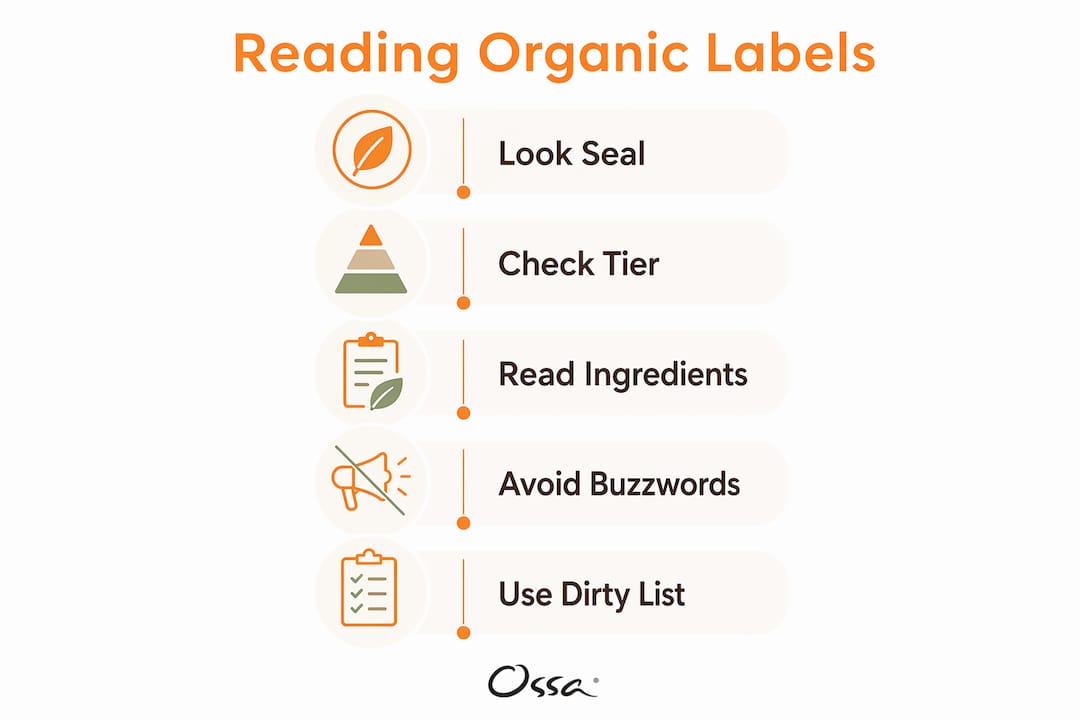
A structured approach to reading labels saves time and prevents costly mistakes at the checkout. The process below applies to any packaged food, from breakfast cereals to ready-made soups.
-
Look for the USDA Organic seal. This is your first filter. If the seal is present, the product is at least 95% organic. If it is absent, move to the next step before assuming anything.
-
Identify the tier category. Find the tier statement on the packaging. “100% Organic,” “Organic,” or “Made with organic ingredients” each tells you a different story about content.
-
Read the ingredient list. Ingredients are listed in descending order by weight. Organic ingredients are typically marked with an asterisk (*) and a footnote confirming certification. Count how many of the top five ingredients carry that asterisk.
-
Check for additional certifications. Look for Regenerative Organic Certified, Real Organic Project, or Non-GMO Project Verified seals. These signal the producer has gone beyond the federal minimum.
-
Consult the Dirty Dozen and Clean 15. The Environmental Working Group’s Dirty Dozen lists the produce most likely to carry pesticide residues. Prioritise organic for those items. The Clean 15 lists produce with the lowest residue risk, where conventional is a reasonable choice.
-
Review the Nutrition Facts panel. Organic certification covers production methods, not nutritional quality. Check sugar, sodium, and saturated fat content regardless of any organic claim on the front.
| Step |
What to look for |
Why it matters |
| USDA seal check |
Green and white circular seal |
Confirms 95%+ organic content |
| Tier identification |
Tier statement on main panel |
Sets expectations for organic percentage |
| Ingredient list |
Asterisked organic ingredients |
Shows which specific ingredients are certified |
| Additional seals |
Regenerative Organic Certified, Real Organic Project |
Signals higher ecological and ethical standards |
| Dirty Dozen check |
EWG annual list |
Guides budget allocation for organic produce |
| Nutrition Facts |
Sugar, sodium, saturated fat |
Organic does not mean nutritionally superior |
Organic certification prohibits synthetic pesticides, antibiotics, hormones, genetic engineering, and irradiation. That is a meaningful production standard. It does not, however, guarantee that a biscuit is low in calories or that a sauce is low in salt. The Nutrition Facts panel fills that gap.
For fresh produce, the benefits of seasonal organic produce are worth considering alongside the label. Seasonal items tend to carry lower pesticide residue risk and often cost less than out-of-season organic alternatives.
Pro Tip: When shopping on a budget, use the Dirty Dozen list to decide where organic spending matters most. Strawberries, spinach, and peppers consistently appear at the top of that list.
Common mistakes when reading organic labels and how to avoid them
The most widespread mistake is treating “organic” as a synonym for “healthy.” Organic processed foods can contain the same levels of sugar, fat, and salt as their conventional equivalents. The certification covers how the ingredients were grown, not what the manufacturer did with them afterwards. An organic chocolate biscuit is still a chocolate biscuit.
A second common error is confusing “Made with organic ingredients” with a fully organic product. A product in that tier contains between 70% and 95% organic content. The remaining 30% may include conventionally grown ingredients, synthetic additives permitted under USDA rules, or non-organic processing aids. That is a significant gap from “100% Organic.”
The following mistakes appear repeatedly among health-conscious shoppers:
-
Assuming organic means pesticide-free. Organic farming permits certain approved pesticides derived from natural sources. Residues can still be present, though typically at lower levels than in conventional produce.
-
Ignoring the Nutrition Facts panel. The panel is the only place where sugar, sodium, and fat content are disclosed accurately. Organic claims on the front do not override what the panel shows.
-
Overlooking third-party certifications. The USDA Organic seal is the baseline. Regenerative Organic Certified and Real Organic Project offer stronger guarantees on soil health and farming practices.
-
Trusting “made with organic” as equivalent to organic. The tier gap between 70% and 95% is meaningful. Check the ingredient list to see which specific ingredients are certified.
-
Spending organic budget on Clean 15 produce. Avocados, sweetcorn, and pineapples consistently appear on the Clean 15 list. Buying conventional versions of these frees up budget for Dirty Dozen items where organic matters more.
Health professionals recommend prioritising organic purchases on high-residue produce rather than spreading a limited budget across every item in the trolley. That targeted approach delivers the most benefit per pound spent.
Pro Tip: Print or screenshot the current Dirty Dozen and Clean 15 lists before your weekly shop. Reviewing them takes under two minutes and makes every organic pound count.
Key takeaways
Reading organic food labels correctly requires understanding certification tiers, recognising official seals, and checking the Nutrition Facts panel independently of any front-of-pack claim.
| Point |
Details |
| Four certification tiers exist |
Only products at 95% or above organic content may display the USDA Organic seal. |
| “Natural” carries no legal weight |
Unregulated marketing terms like “natural” and “farm-fresh” have no enforceable standard behind them. |
| Organic does not mean nutritionally superior |
Always check the Nutrition Facts panel; organic processed foods can still be high in sugar or fat. |
| Third-party seals go further |
Regenerative Organic Certified and Real Organic Project exceed USDA baseline standards on soil and welfare. |
| Prioritise using the Dirty Dozen list |
Focus organic spending on high-residue produce; save budget on Clean 15 items where conventional is lower risk. |
What I have learned from years of reading organic labels
The label debate tends to focus on what is certified and what is not. What gets less attention is the gap between the USDA baseline and what genuinely rigorous organic farming looks like in practice. Farms must keep land free from synthetic inputs for at least three years before crops qualify for organic certification. That transition period is invisible on the label, yet it represents a real commitment from the producer.
Most shoppers I observe spend time reading the front of the packet and almost none reading the back. The front is designed by a marketing team. The back is regulated by law. Flipping the packet over and spending thirty seconds on the ingredient list and Nutrition Facts panel is the single most effective habit a health-conscious shopper can build.
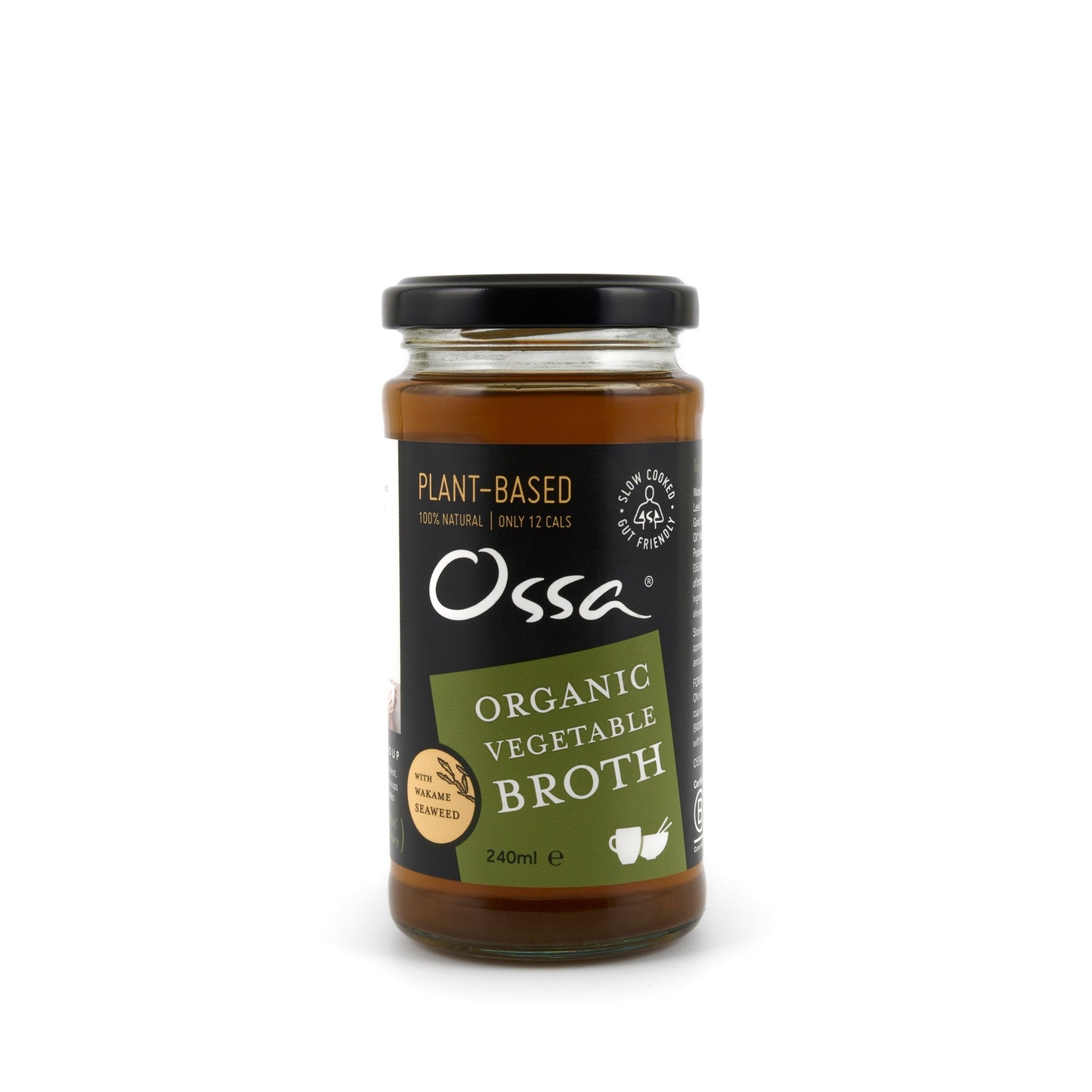
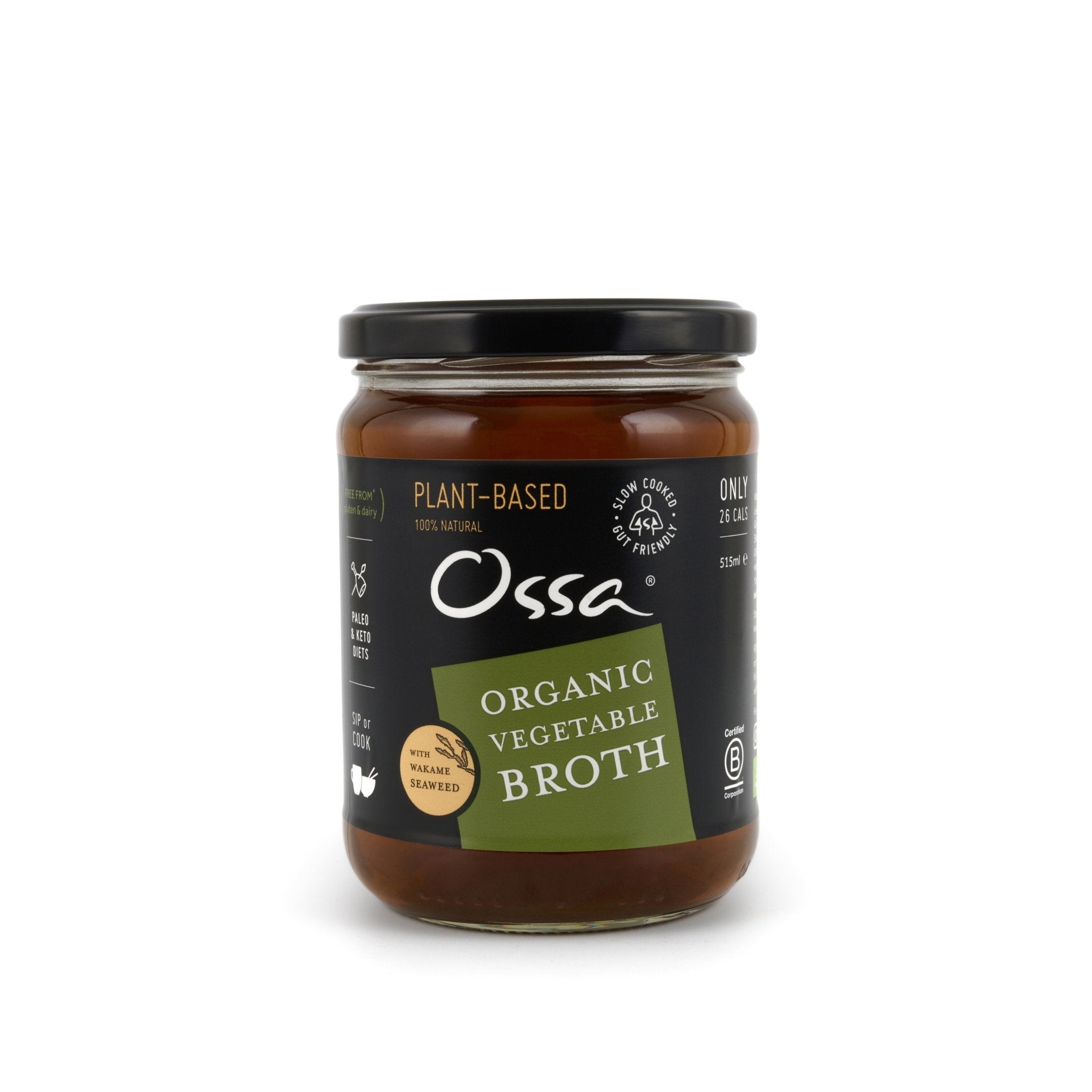
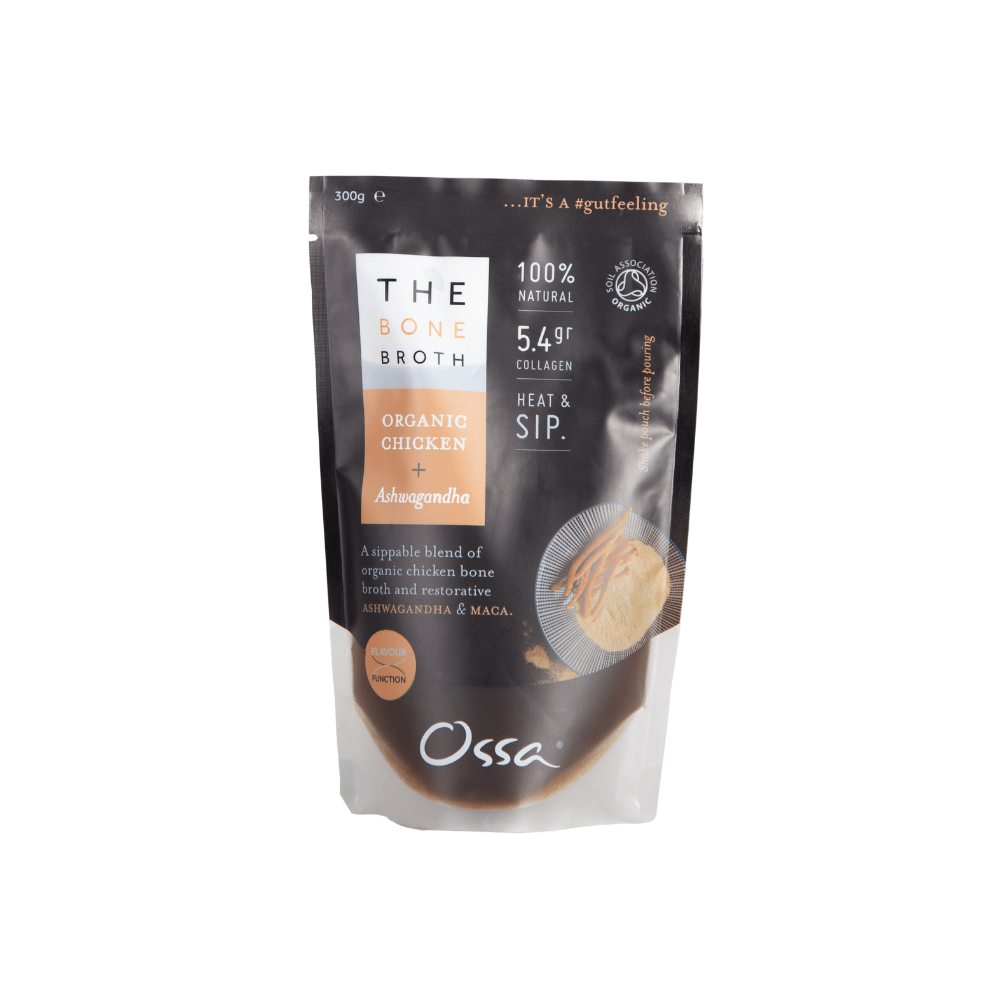
The benefits of organic food are real, but they are not automatic. Buying an organic ready meal does not deliver the same value as buying organic raw ingredients and cooking them yourself. The certification tells you about the farming. It says nothing about the processing, the additives, or the cooking method. At Ossa Organic, we see this distinction clearly in our own approach: slow-cooked, minimally processed, certified organic ingredients produce a fundamentally different result to a product that merely carries an organic claim on a heavily processed packet.
Budget is a genuine constraint for most people. The Dirty Dozen and Clean 15 lists exist precisely to help shoppers make targeted decisions rather than all-or-nothing ones. Spending organic budget on strawberries and spinach while buying conventional avocados is a rational, evidence-based choice. Certification schemes will continue to evolve, and consumer education will need to keep pace. For now, the most useful skill is learning to read what is actually on the label rather than what the front of the packet wants you to believe.
— Ossa Organic
Ossa Organic and certified organic quality
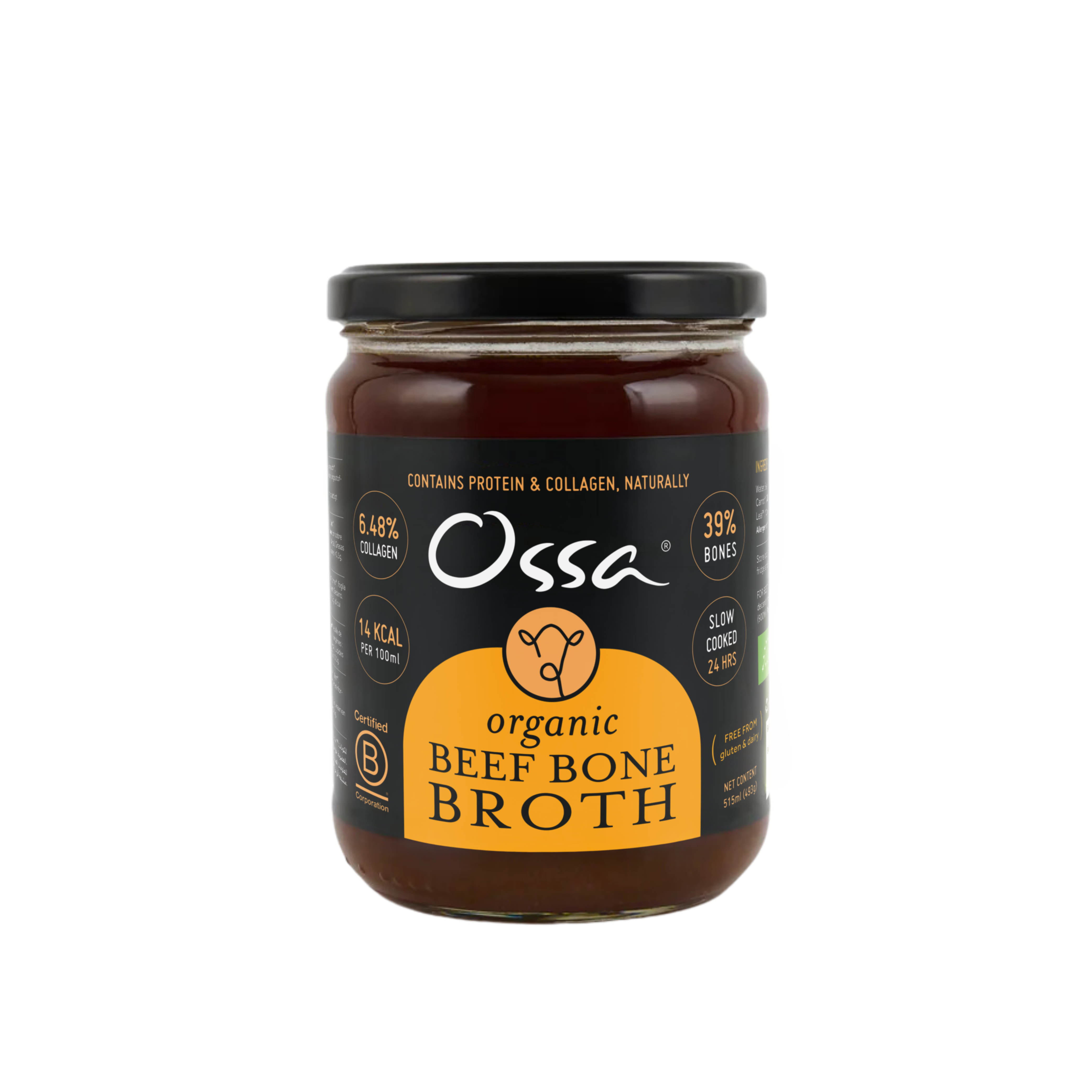
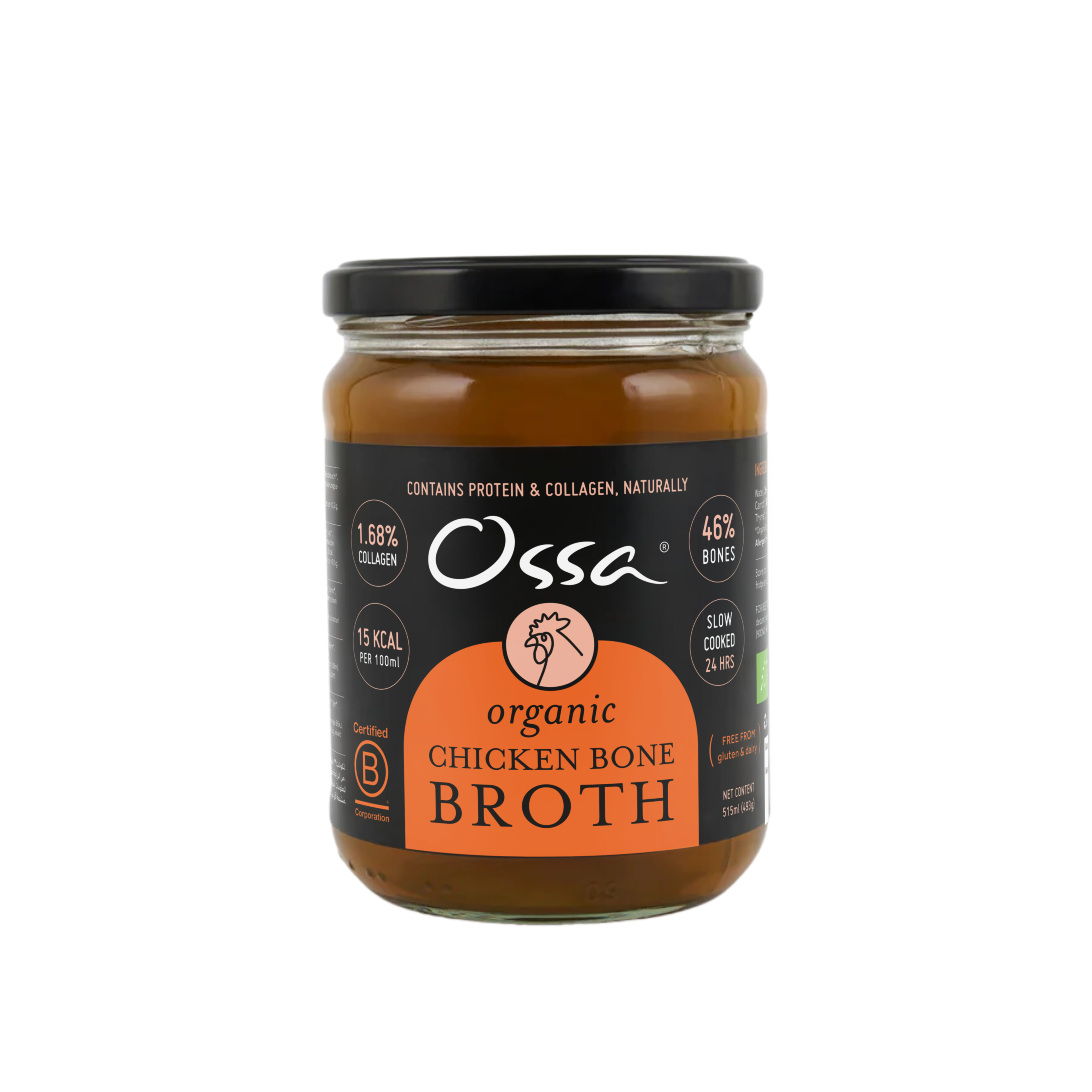
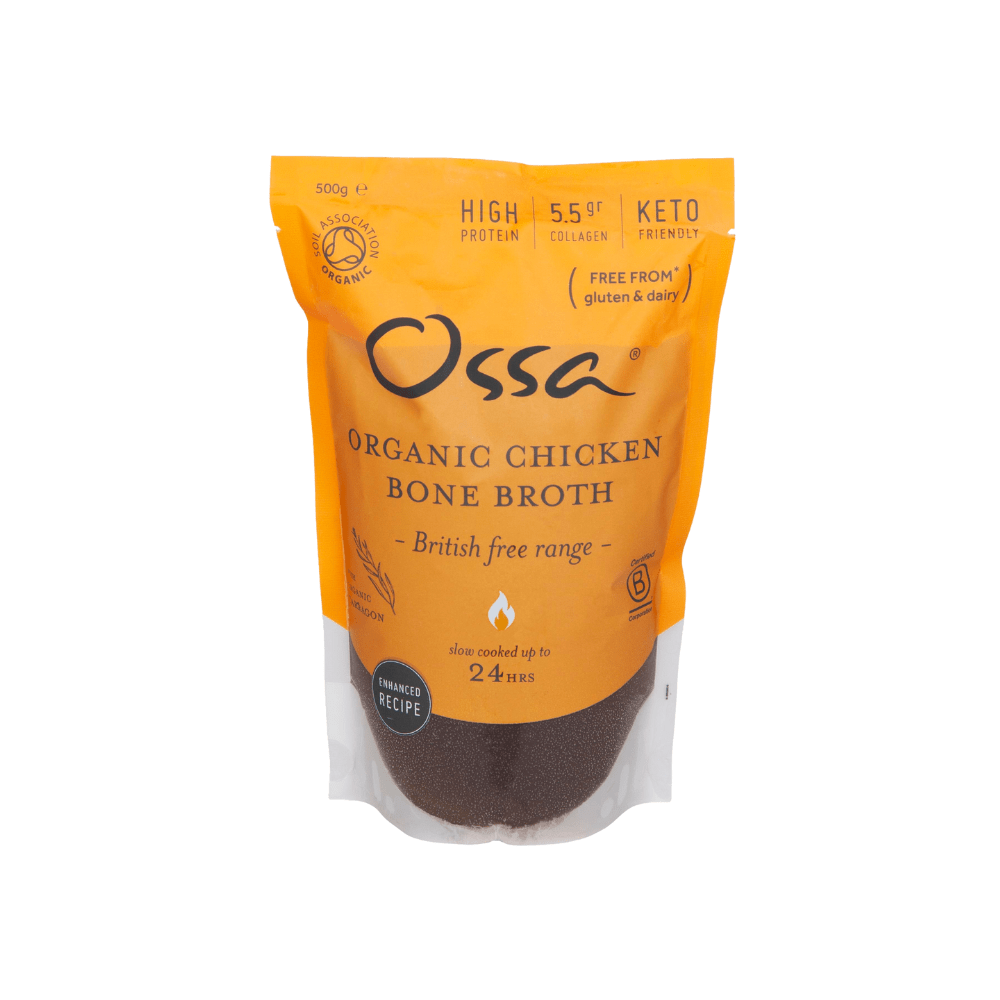
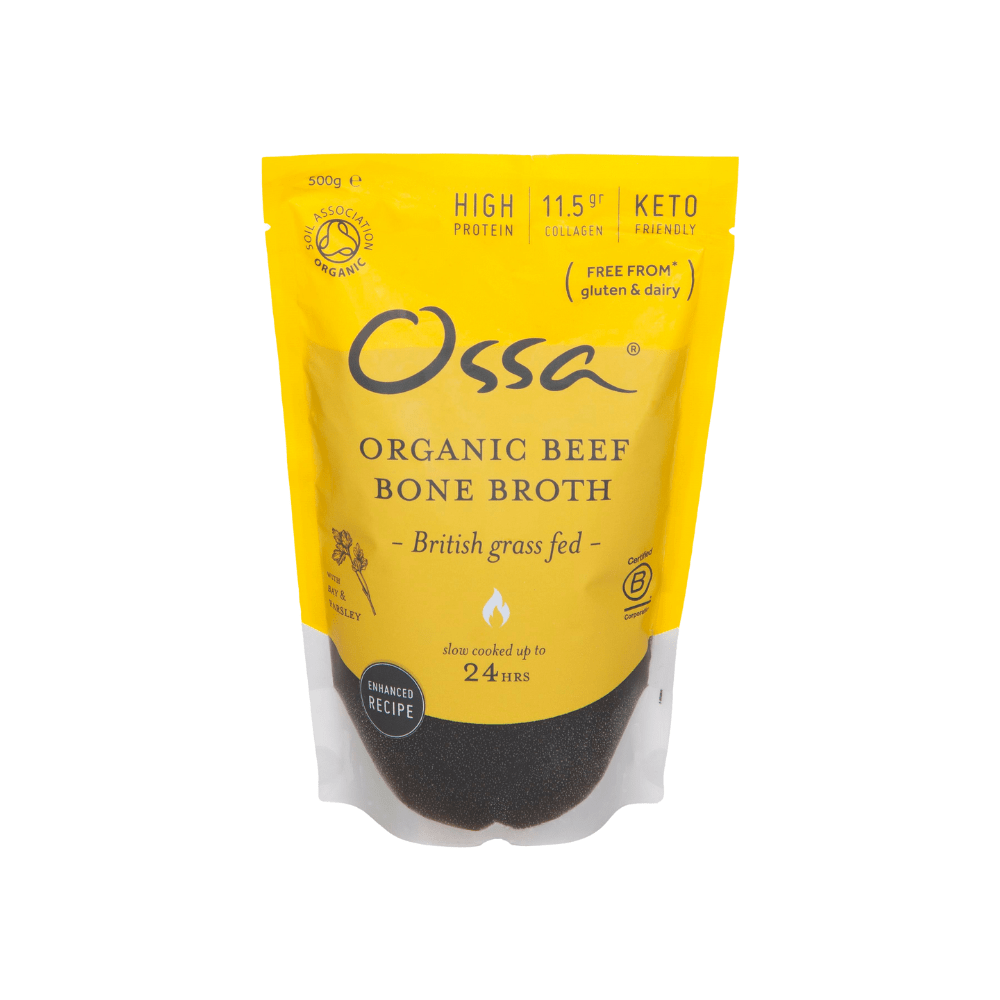
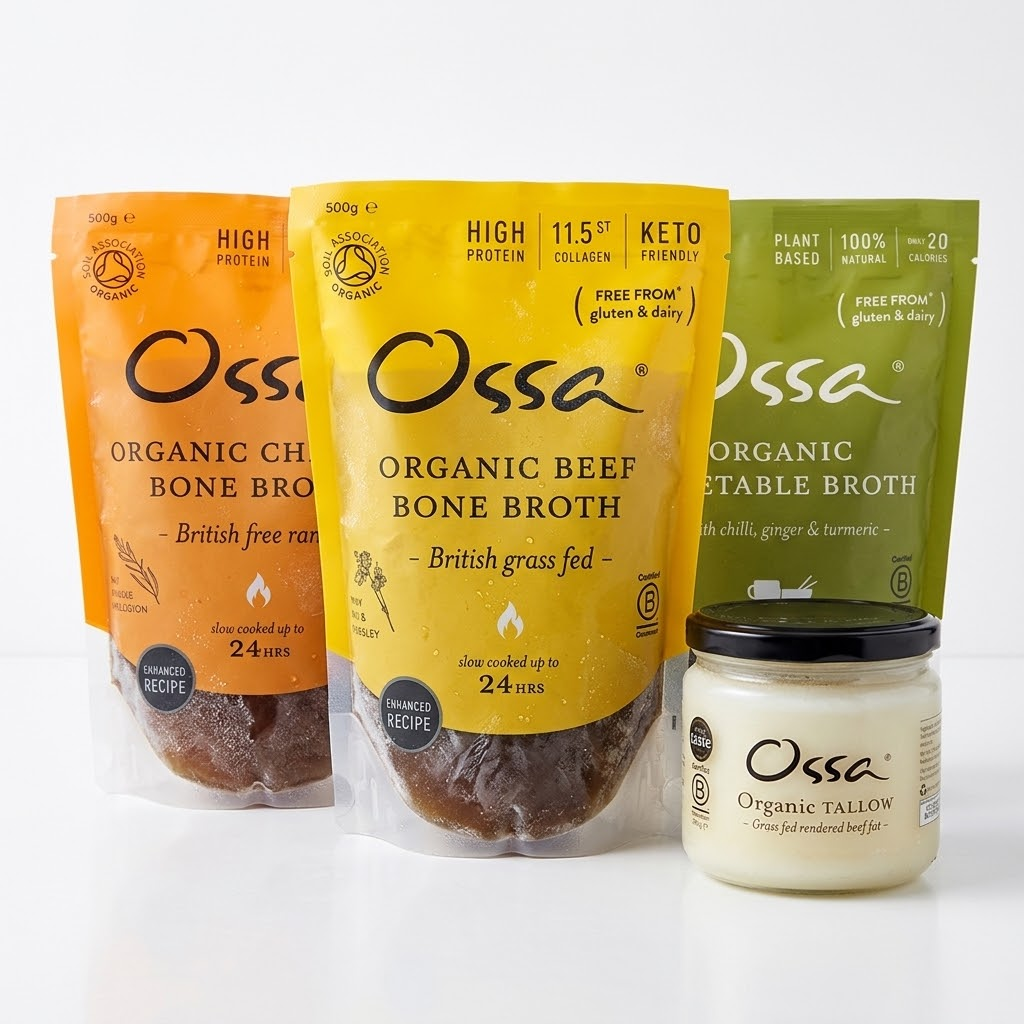
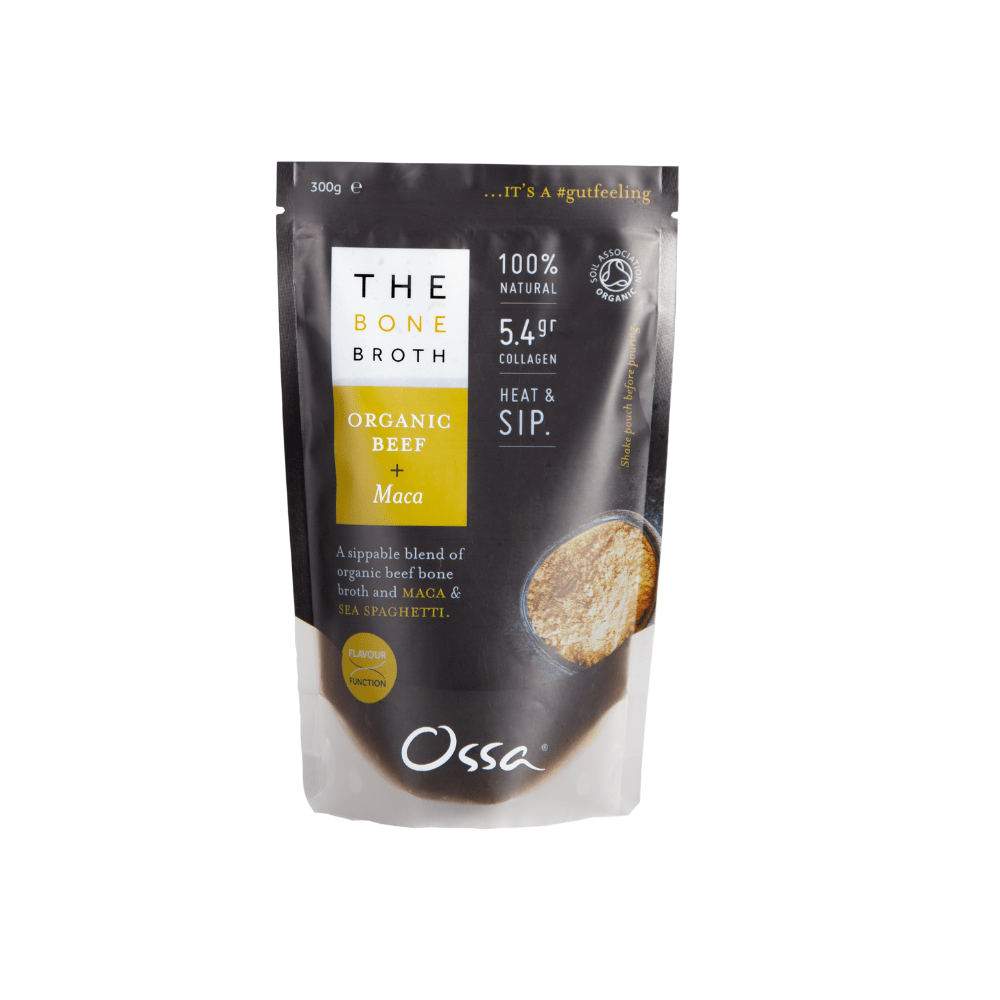
Ossa Organic was founded on the principle that food should be as close to its natural state as possible. Every product in the range is built around certified organic ingredients and slow cooking methods that preserve nutritional integrity. The organic beef bone broth is a clear example: certified organic grass-fed beef bones, slow-cooked without shortcuts, with no additives or preservatives. It carries the kind of transparency that the label-reading skills in this guide are designed to help you find and verify. For shoppers who want to put those skills to use immediately, the Ossa Organic product range is a practical starting point for clean, certified organic eating.
FAQ
What does the USDA Organic seal actually guarantee?
The USDA Organic seal guarantees that a product contains at least 95% certified organic ingredients and was produced without synthetic pesticides, antibiotics, hormones, genetic engineering, or irradiation.
Is “natural” the same as “organic” on a food label?
No. “Natural” is an unregulated marketing term with no legal standard behind it. “Organic” is a federally enforced certification with third-party inspection requirements.
Can an organic product still be unhealthy?
Yes. Organic certification covers production methods, not nutritional content. Organic processed foods can contain high levels of sugar, fat, or salt, so checking the Nutrition Facts panel remains necessary.
What is the Dirty Dozen list and how should I use it?
The Dirty Dozen is an annual list published by the Environmental Working Group identifying the produce most likely to carry pesticide residues. Use it to prioritise which fruit and vegetables to buy organic, particularly when shopping on a budget.
What is the difference between Regenerative Organic Certified and the USDA Organic seal?
The USDA Organic seal is the federal baseline standard. Regenerative Organic Certified exceeds that baseline by incorporating requirements for soil health, animal welfare, and social fairness, making it a stricter and more comprehensive certification.
Recommended