TL;DR:
- Certified organic is a product grown or processed according to strict government standards that prohibit synthetic inputs. It involves third-party certification, verification, and compliance with farming practices that protect soil health and biodiversity. The certification process includes inspections, recordkeeping, and a three-year land transition, ensuring genuine adherence to organic principles.
Certified organic is defined as a product grown, raised, or processed according to strict government-regulated standards that prohibit synthetic pesticides, fertilisers, genetically modified organisms (GMOs), and irradiation. In the United Kingdom and internationally, the term carries legal weight. It is not a marketing phrase. Regulatory bodies such as the USDA National Organic Program in the United States, and recognised equivalents in the UK and EU, oversee the standards. Understanding what certified organic means gives you a reliable framework for reading labels, comparing products, and making purchases that reflect your values. Ossa Organic builds its entire range on these principles.
What does certified organic mean in terms of product standards?
Certified organic means a product meets the National Organic Program standards, integrating cultural, biological, and mechanical farming practices that promote biodiversity and ecological balance. This is the formal definition. It is not simply about avoiding chemicals. It is about a whole farming system that works with natural ecosystems rather than against them.
The USDA organises certified organic products into three distinct label tiers:
-
“100% Organic” requires every ingredient to be certified organic, with no exceptions.
-
“Organic” requires at least 95% certified ingredients, with the remaining 5% drawn from a permitted substances list.
-
“Made with Organic Ingredients” applies when 70%–95% of ingredients are certified organic. The product cannot display the USDA organic seal, but specific organic ingredients may be named on the label.
-
Products with fewer than 70% organic ingredients cannot use the seal or make organic claims on the front of the pack.
These tiers matter because they tell you exactly how much of a product is genuinely organic. A label reading “made with organic oats” is not the same as a label reading “100% Organic.”
What organic farming standards prohibit
Organic farming standards prohibit a specific list of inputs and practices. Synthetic fertilisers, synthetic pesticides, GMOs, irradiation, and sewage sludge are all banned. For livestock products, the organic standards require animals to be fed 100% organic feed, to have outdoor access, and to receive no antibiotics or synthetic growth hormones. This is why certified organic meat and dairy carry a meaningfully different production story from conventional equivalents.
Pro Tip: When reading a label, look for the specific tier wording. “Organic” and “100% Organic” are not interchangeable, and the difference can be significant depending on the product category.
Organic certification also covers soil health and biodiversity as active goals, not just side effects. Farmers must demonstrate that their practices build rather than deplete the land. This is why the certification process involves far more than a simple checklist.
How does the organic certification process work?
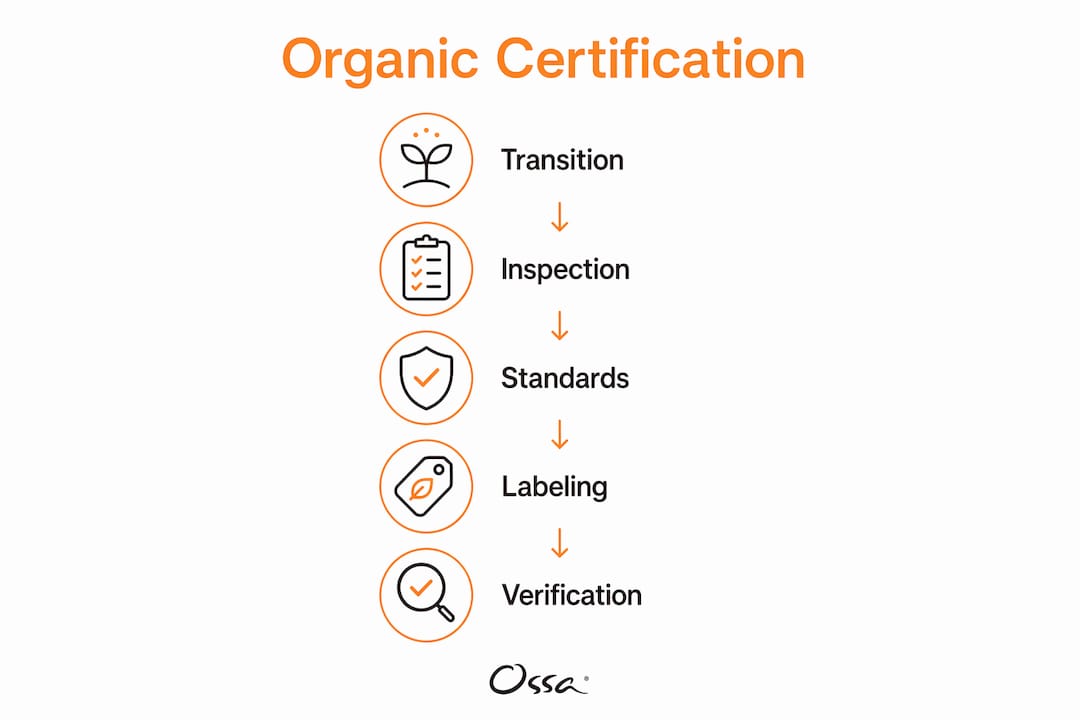
The organic certification process is a structured, third-party verification system. It exists because the term “certified organic” needs to mean the same thing whether a product comes from a small farm in Yorkshire or a large operation in California. The rise of third-party government certification arose specifically to assure quality, prevent fraud, and enable supermarket commerce, replacing the informal trust that once existed between farmers and local buyers.
The process follows a clear sequence:
-
Application. The producer submits an Organic System Plan to a USDA-accredited certifying agent. This plan details all inputs, practices, and recordkeeping methods used on the operation.
-
Review. The certifying agent reviews the plan against National Organic Program standards and identifies any areas that need clarification or adjustment.
-
Inspection. An annual inspection by a USDA-accredited certifier takes place on site. Inspectors verify that the Organic System Plan matches actual practice, check records, and assess the physical operation.
-
Decision. The certifying agent grants or denies certification based on the inspection findings. Producers must address any non-compliances before certification is issued.
-
Ongoing compliance. Certified producers maintain detailed records throughout the year and submit to annual re-inspection to keep their status.
The three-year transition rule
Land must be free from prohibited substances for at least three years before it can receive organic certification. This is one of the most significant barriers for new organic farmers. A producer who stops using synthetic pesticides today cannot sell certified organic produce for three years, even if every other standard is met. This transition period is a primary driver of the higher cost of organic food, and it is worth understanding when you compare prices at the shelf.
Pro Tip: Small producers with less than £5,000 in annual organic sales are exempt from mandatory certification but must still follow all organic regulations. If you buy from a small local farm, ask whether they follow organic practices even without the official seal.
Certification applies both domestically and internationally. Products imported into the UK or US must meet equivalent standards, and certifying agents operate globally to verify compliance across supply chains.
What misconceptions exist about certified organic products?
The most widespread misconception is that certified organic automatically means more nutritious. Organic certification confirms production method integrity, not nutritional enhancement. The label tells you how a product was grown and handled. It does not guarantee higher vitamin content or superior health outcomes compared with conventional equivalents.
A second common misunderstanding concerns pesticides. Certified organic does not mean pesticide-free. Organic farmers may use certain approved natural pesticides such as neem oil or copper sulphate, but only as a last resort after cultural and mechanical pest controls have failed. The key distinction is that synthetic pesticides are prohibited. Natural-source pesticides, used under strict conditions, are permitted.
The third misconception involves the word “natural.” Many shoppers treat “natural” and “certified organic” as equivalent. They are not:
-
“Certified organic” is a legally protected term. It requires third-party verification and compliance with regulated standards.
-
“Natural” is largely unregulated. Any producer can print it on a label without independent verification or defined criteria.
-
“Free range” and “grass-fed” carry their own definitions but do not imply organic certification.
-
“Eco-friendly” or “sustainable” are marketing claims with no legal standard behind them.
Understanding organic food integrity means recognising that the certification seal is the only reliable signal on a label. Everything else is unverified. This distinction protects you from paying a premium for a claim that carries no regulatory backing.
How can consumers confidently identify certified organic products?
Identifying a genuinely certified organic product requires looking beyond the front of the pack. The USDA organic seal is the most recognised mark in international trade, but UK and EU products carry their own equivalents, including the EU organic logo (a green leaf made of stars) and the Soil Association symbol, which is the most widely recognised organic certification mark in the United Kingdom.
The label tier system is the first tool to use. Refer to the comparison below:
| Label claim |
Organic content required |
Seal permitted? |
| 100% Organic |
100% certified organic ingredients |
Yes |
| Organic |
95%+ certified organic ingredients |
Yes |
| Made with Organic Ingredients |
70%–95% certified organic ingredients |
No |
| Contains organic [ingredient] |
Below 70% organic content |
No |
Beyond the seal, look for the name of the certifying agent on the packaging. Legitimate certified organic products list the accredited body that conducted the inspection. In the UK, this might be the Soil Association, OF&G (Organic Farmers and Growers), or an internationally recognised equivalent. If no certifying agent is named, the organic claim has not been independently verified.
Pro Tip: Check the Ossa Organic certification page to see exactly which certifying bodies verify the products you are buying. Transparency at this level is a reliable signal of genuine commitment.
Local sourcing complements organic certification by shortening supply chains and reducing the risk of contamination between certified and non-certified products during transport. When you buy certified organic from a local or regional producer, you add an extra layer of traceability to your purchase. The organic food integrity behind a product is easiest to verify when the supply chain is short and the certifying agent is named clearly on the label.
Key takeaways
Certified organic is a legally regulated production standard verified by accredited third parties, covering farming methods, prohibited inputs, livestock welfare, and labelling tiers.
| Point |
Details |
| Legal protection matters |
“Certified organic” is regulated; “natural” is not. Only the organic seal guarantees verified standards. |
| Label tiers differ significantly |
“100% Organic,” “Organic,” and “Made with Organic Ingredients” each carry different requirements. |
| Certification is not nutritional proof |
The label confirms how a product was produced, not that it is more nutritious than conventional alternatives. |
| The three-year rule drives cost |
Land must be free of prohibited substances for three years before certification, which raises production costs. |
| Look for the certifying agent |
A named accredited certifier on the packaging confirms genuine third-party verification. |
Why organic certification is more than a label
At Ossa Organic, the certification question comes up constantly. Consumers want to know whether the seal actually means something or whether it is just another marketing device. After years of working within certified organic supply chains, the answer is clear: the seal means something specific, and that specificity is exactly what makes it valuable.
The part that rarely gets discussed is how much the certification process demands of producers before a single product reaches the shelf. The three-year land transition, the annual inspections, the detailed recordkeeping, the restrictions on inputs. These are not trivial requirements. They represent a genuine commitment to a different way of farming. When a producer carries the seal, they have earned it through sustained effort, not a one-time application.
The consumer confusion around “natural” versus “certified organic” is the issue that concerns me most. The word “natural” costs nothing to print on a label. It requires no inspection, no third-party review, and no ongoing compliance. Shoppers who pay a premium for “natural” products without understanding this distinction are not getting what they think they are paying for. The certified organic standard exists precisely to close that gap.
Organic certification is also not a perfect system. Small producers who follow every organic principle but fall below the sales threshold cannot display the seal, even though their practices are identical to those of certified operations. This creates a gap between certified and genuinely organic that consumers cannot easily see. Buying from producers who are transparent about their practices, certified or not, remains the most reliable approach.
— Ossa Organic
Ossa Organic and certified organic quality
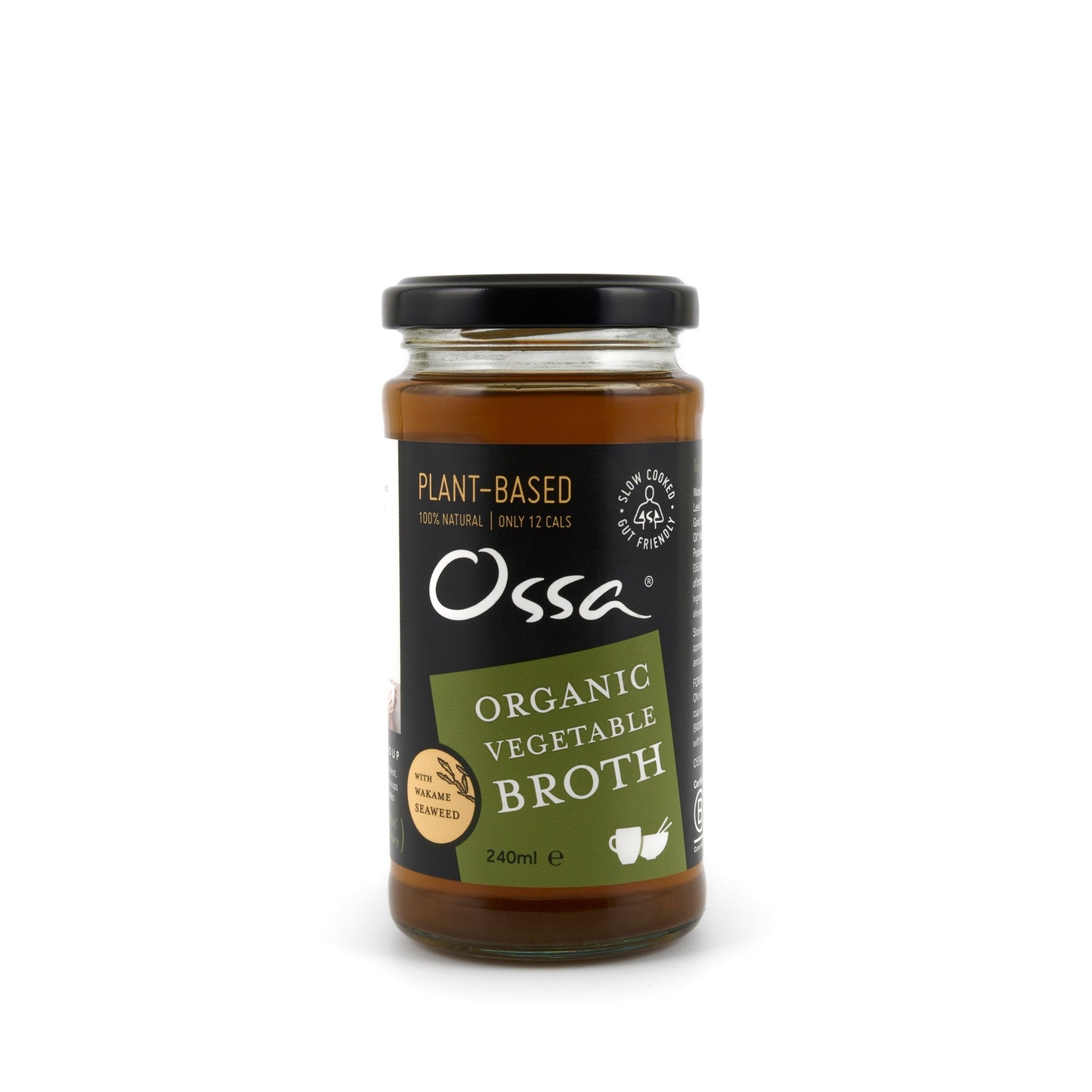
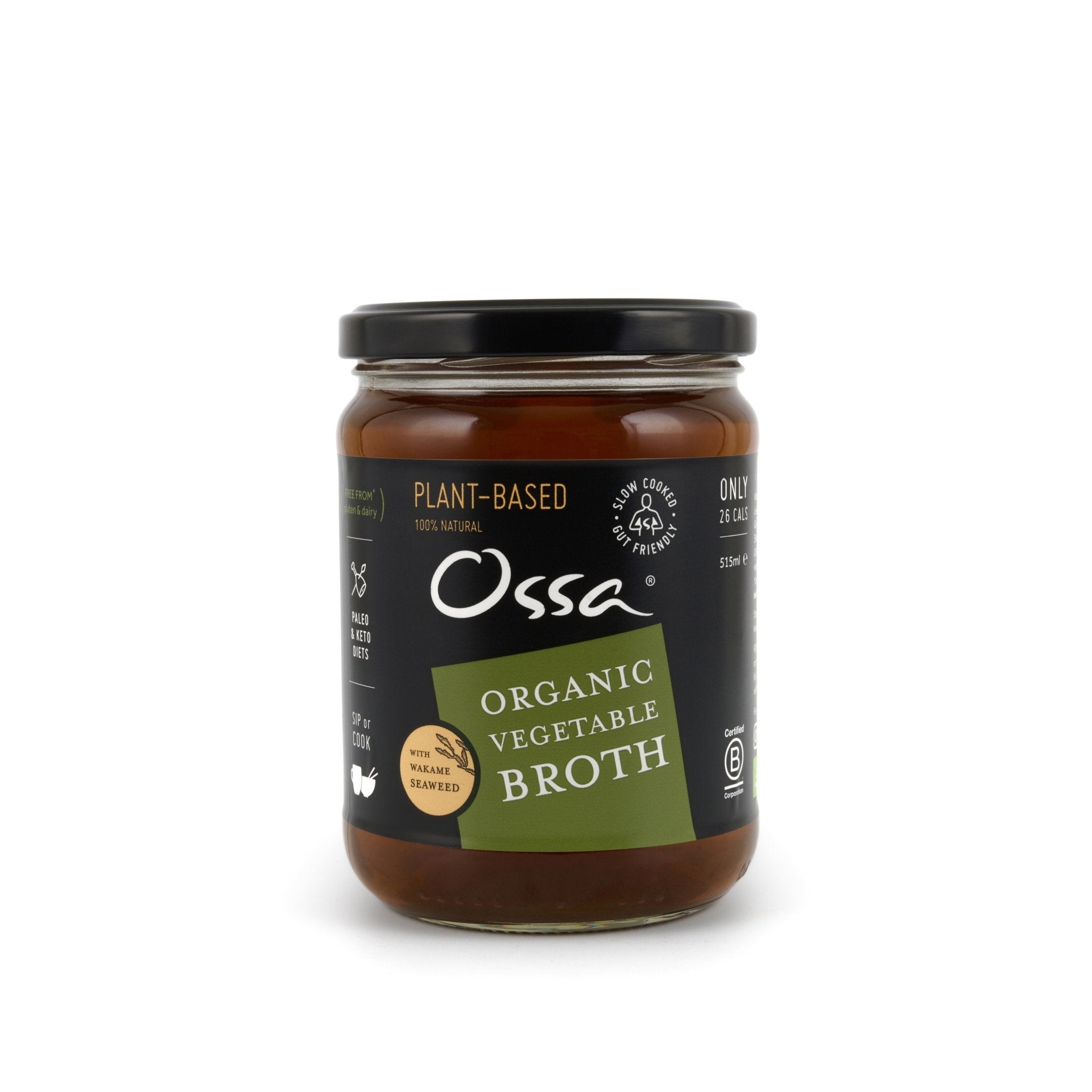
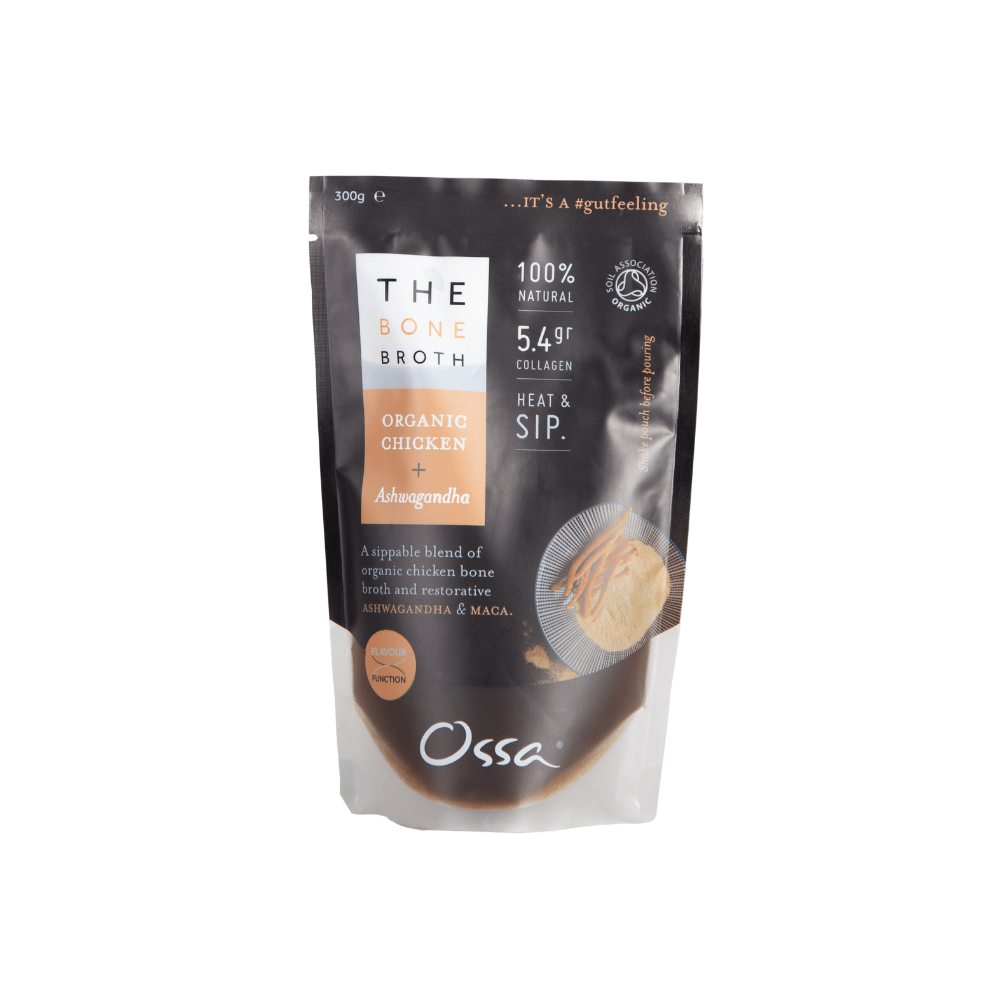
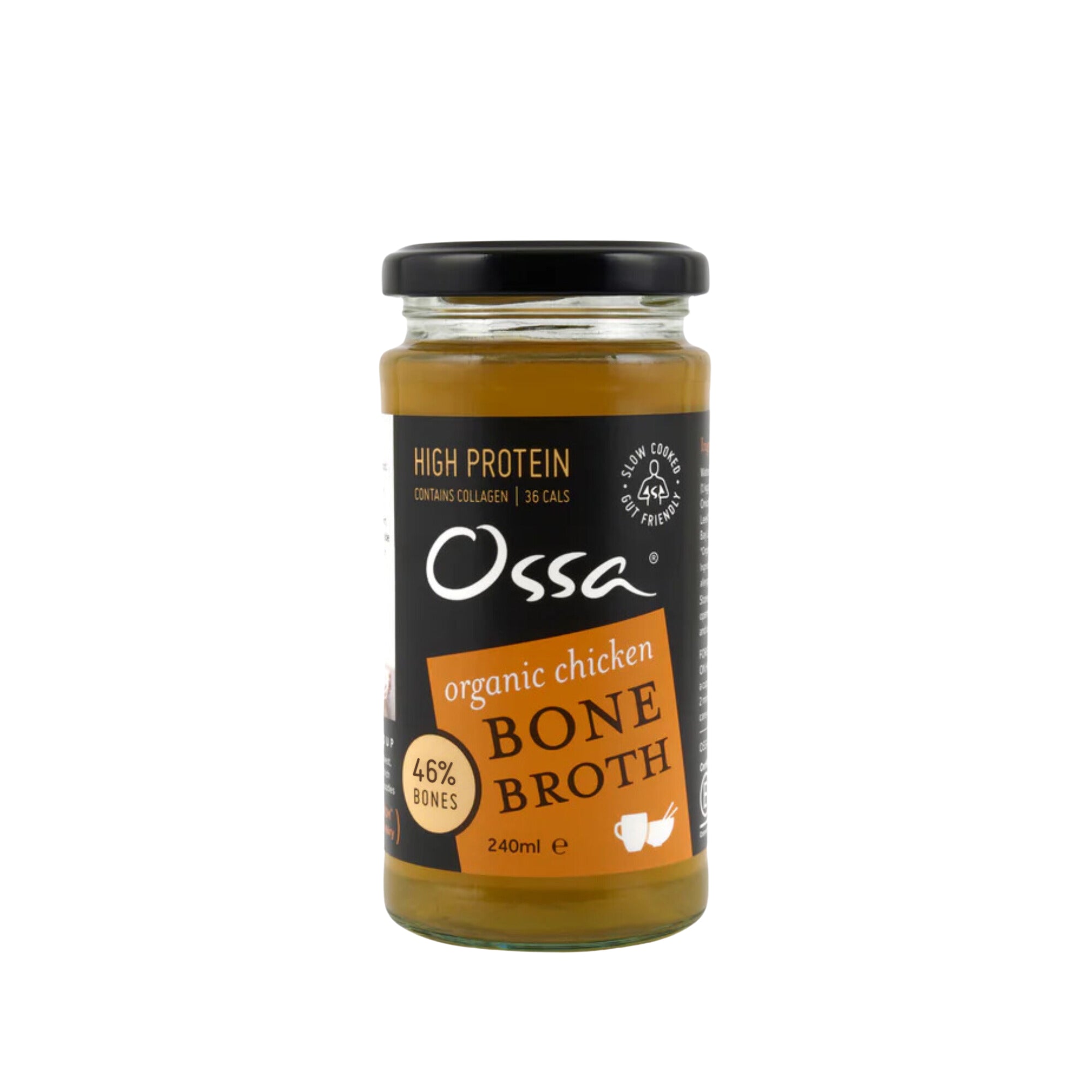
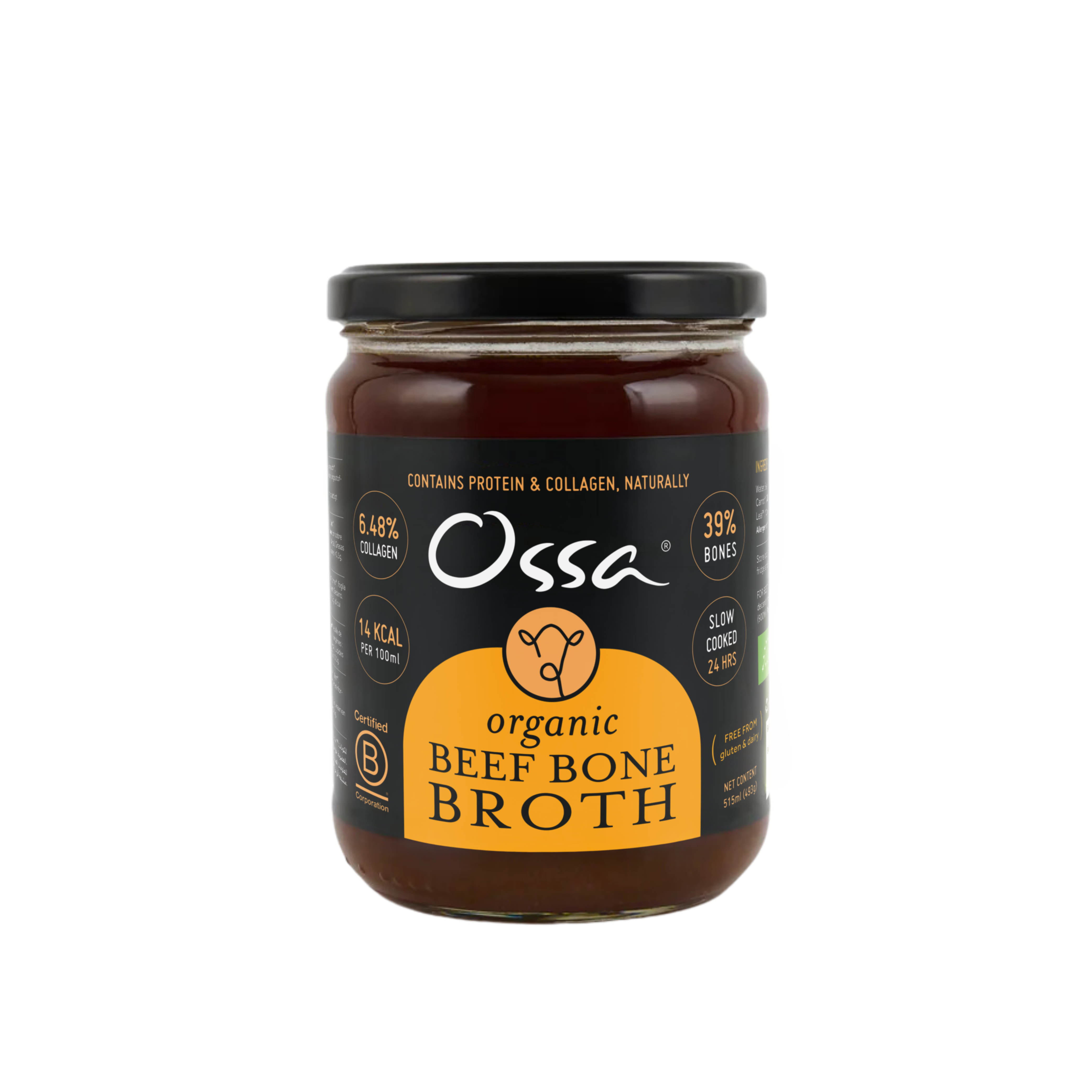
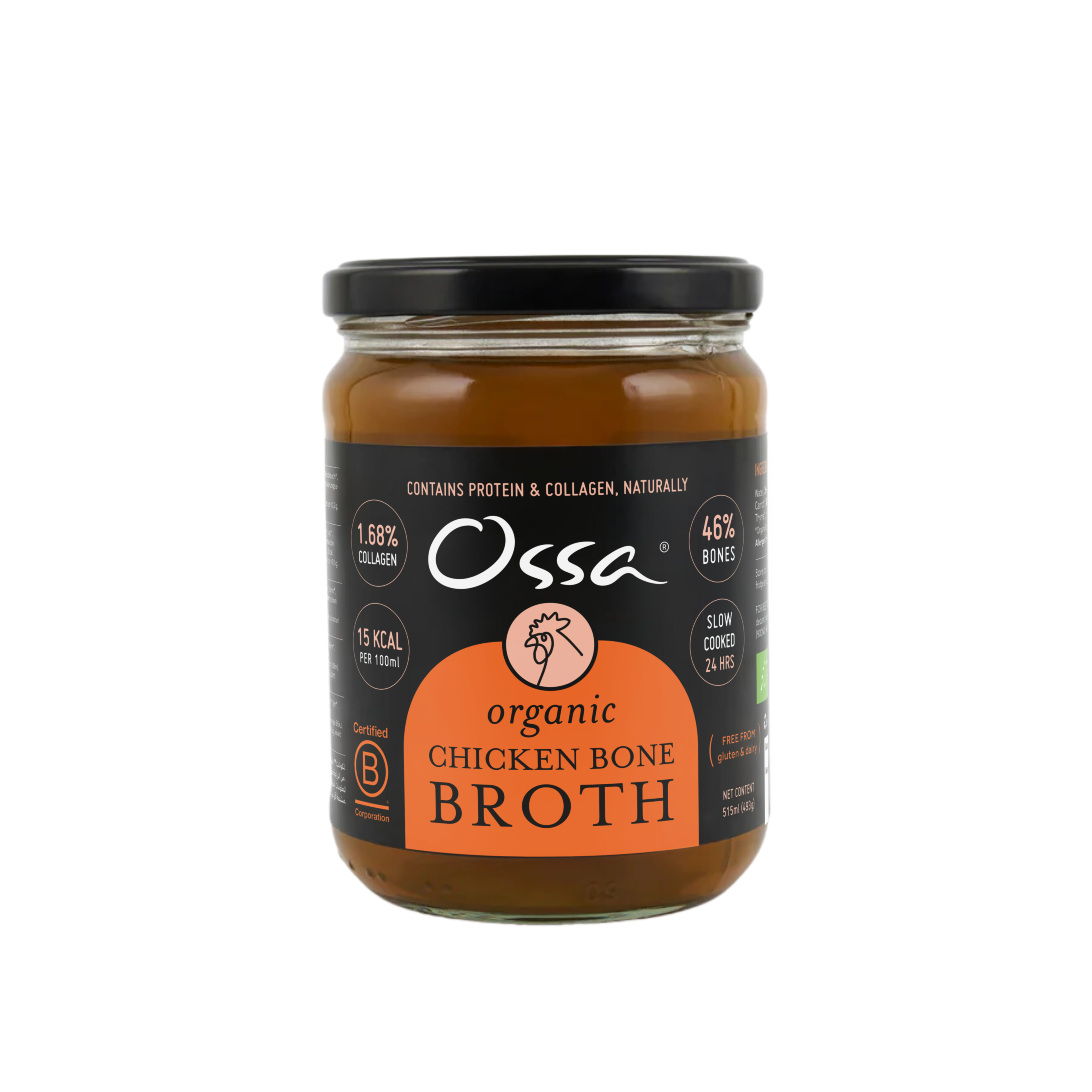
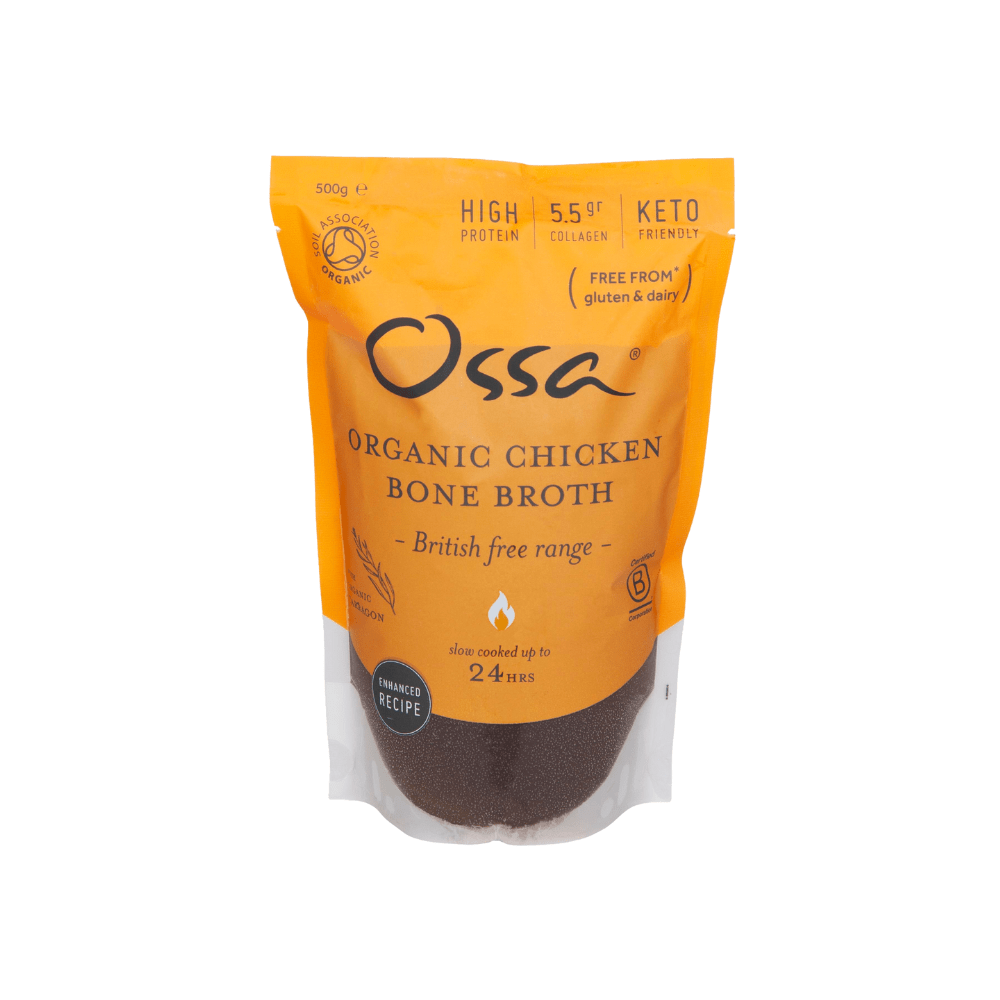
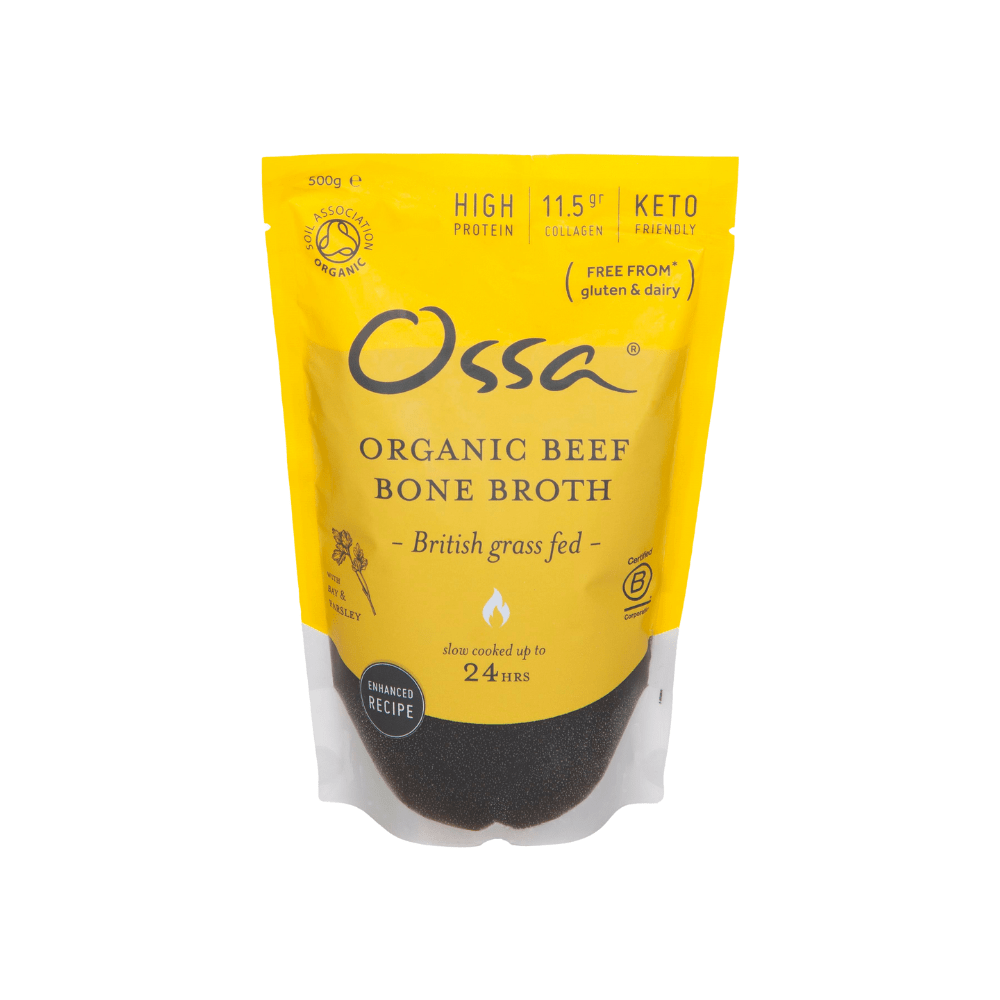
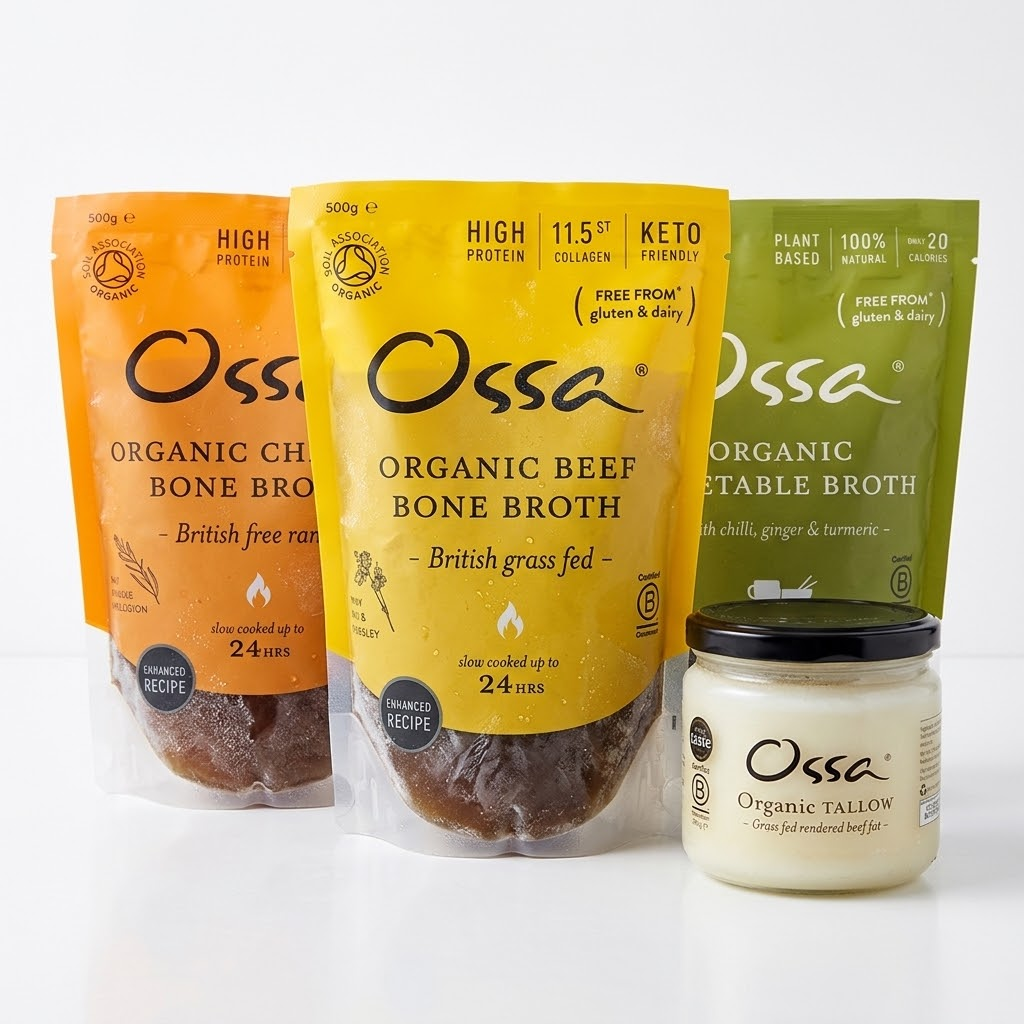
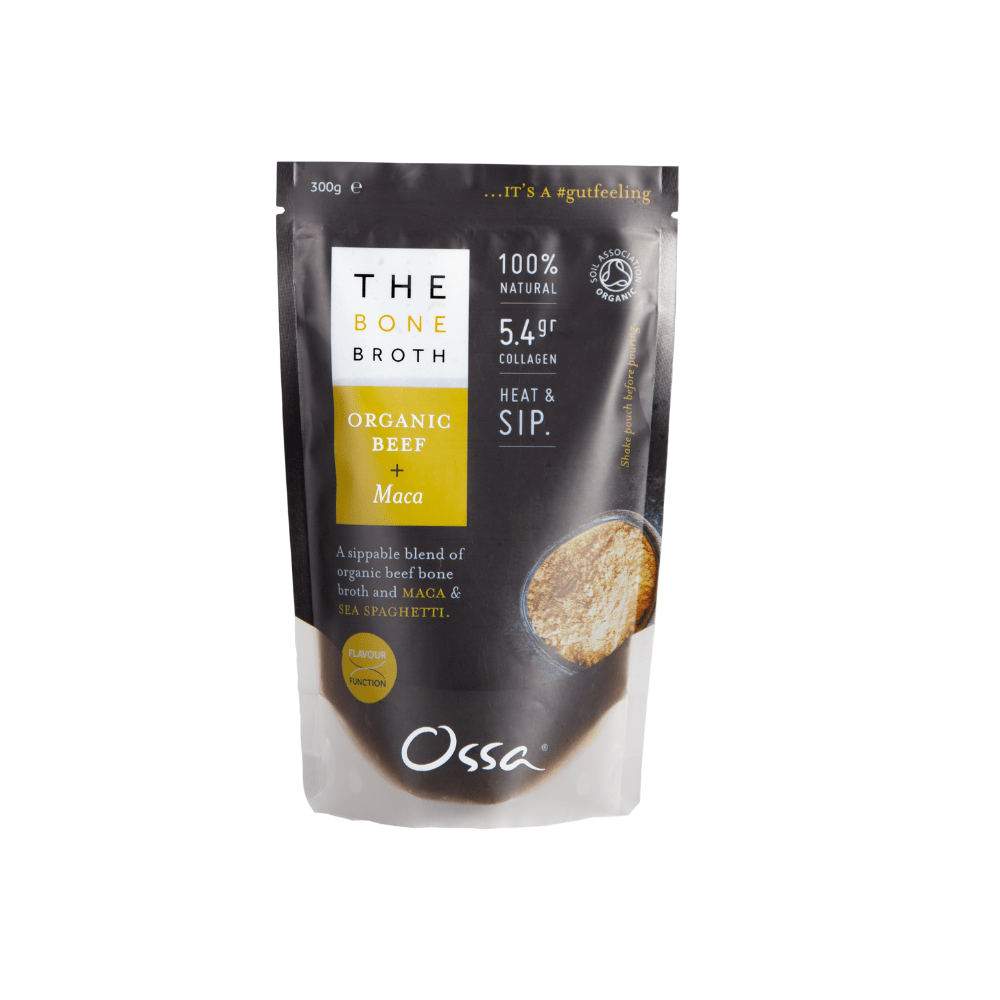
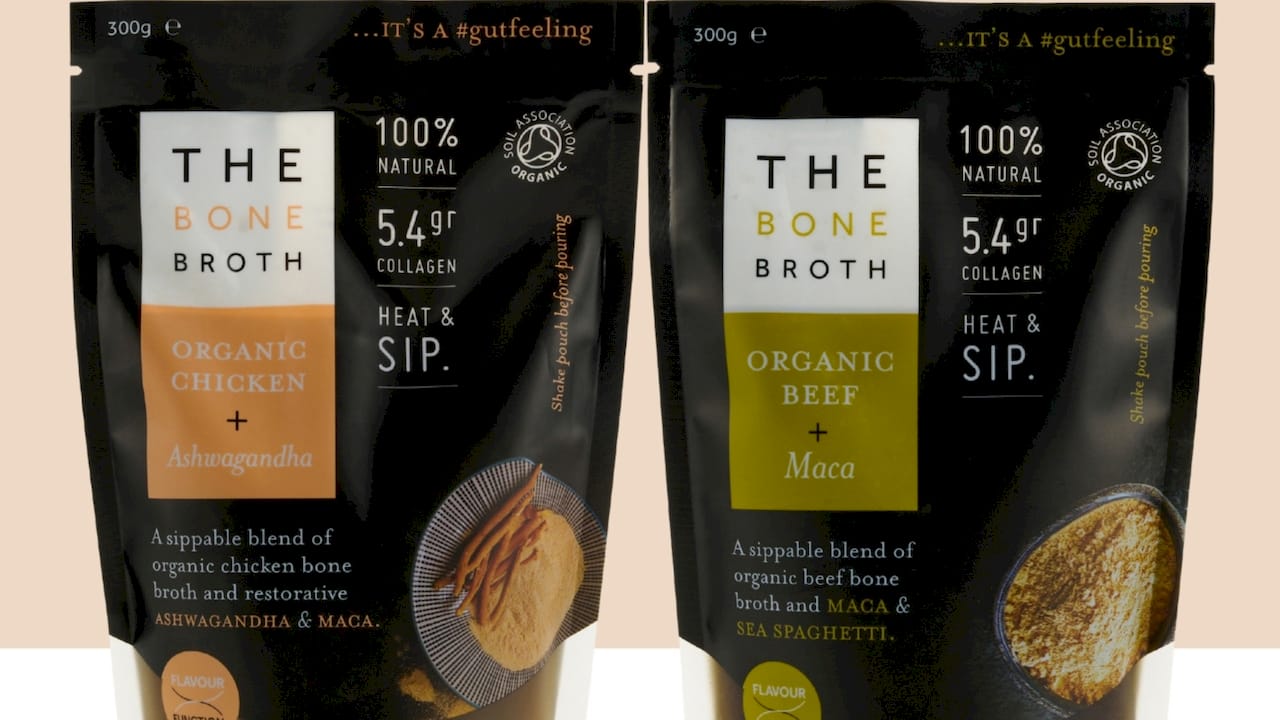
Ossa Organic sources ingredients that meet certified organic standards because the production method matters as much as the final product. The organic beef bone broth uses cattle raised on 100% organic feed with outdoor access and no antibiotics, exactly as the certified organic standard requires for livestock. The organic chicken bone broth follows the same principles. Every product in the Ossa Organic range is built on slow cooking techniques and certified organic ingredients, with full transparency about the certifying bodies involved. For consumers who want to understand the credentials behind what they buy, the Ossa Organic certification page sets out the verification details clearly.
FAQ
What does certified organic mean on a food label?
Certified organic means the product was produced according to regulated organic standards, verified by an accredited third-party certifying agent. It confirms production method compliance, not nutritional superiority.
Is certified organic the same as pesticide-free?
No. Certified organic prohibits synthetic pesticides but permits certain natural-source pesticides, such as neem oil, as a last resort after other pest management methods have failed.
What is the difference between “organic” and “100% organic”?
“100% Organic” requires every ingredient to be certified organic. “Organic” requires at least 95% certified organic ingredients, with the remaining 5% drawn from an approved list.
How do I know if a product is genuinely certified organic?
Look for an accredited certifying agent named on the packaging alongside the organic seal. In the UK, recognised certifiers include the Soil Association and OF&G.
Why does certified organic food cost more?
The three-year land transition period, annual inspections, and strict recordkeeping requirements all add cost to organic production. These factors are built into the price of certified organic products at retail.
Recommended