

Cart
0
TL;DR:
- Natural food recipes focus on whole, minimally processed ingredients that nourish the body and enhance well-being. Batch cooking and proper storage make healthy, flavorful meals achievable with a simple pantry of grains, legumes, produce, proteins, and flavorings. Using techniques like roasting, acid, and toasting produces restaurant-quality flavor without relying on additives or processed ingredients.
Natural food recipes are preparations made from whole, minimally processed ingredients that nourish the body and support long-term well-being. They exclude artificial additives, refined sugars, and preservatives in favour of real food: vegetables, legumes, whole grains, quality proteins, and natural fats. The standard industry term for this approach is “whole food cooking,” and it sits at the heart of what Ossa Organic has practised since the brand began. This guide covers ingredient selection, wholesome meal prep, three versatile recipes, and practical techniques to make natural cooking a reliable part of your family’s week.
What are natural food recipes and why do they matter?
Natural food recipes are built on ingredients that are as close to their original state as possible. A roasted sweet potato is a natural ingredient. A sweet potato crisp coated in maltodextrin and flavour enhancers is not. The distinction is straightforward, and it shapes every decision you make in the kitchen.
Whole food cooking delivers more fibre, more micronutrients, and fewer synthetic compounds than processed alternatives. Fibre supports gut health, which Ossa Organic identifies as central to overall wellness. Reducing additives also means reducing the low-level inflammation that processed foods can trigger over time.
Natural cooking does not require expensive equipment or rare ingredients. The most effective approach relies on a well-stocked pantry, a handful of reliable techniques, and a small collection of recipes your family actually enjoys eating. That last point matters more than most guides admit.
What pantry staples do you need for easy natural dishes?
A functional natural pantry removes the daily decision of what to cook. Stock these core categories and you can assemble a nutritious meal on any weeknight without planning ahead.
Whole grains and legumes
-
Brown rice, quinoa, oats, and a 7-grain rice blend
-
Dried or tinned chickpeas, black beans, kidney beans, and lentils
-
Wholegrain pasta and rolled oats
Fresh and seasonal produce
-
Sweet potatoes, courgettes, broccoli, spinach, and tomatoes
-
Seasonal fruit for snacking and breakfast bowls
-
Garlic, ginger, and fresh herbs such as basil, parsley, and coriander
Proteins and fats
-
Organic chicken thighs or breasts, eggs, and tinned oily fish
-
Extra virgin olive oil, cold-pressed coconut oil, and raw nuts and seeds
-
Organic bone broth for cooking grains, soups, and sauces
Flavour builders
-
Lemons and limes, apple cider vinegar, tamari, and Dijon mustard
-
Dried spices: cumin, smoked paprika, turmeric, and oregano
Choosing organic and seasonal produce increases nutrient density and flavour. Local and seasonal vegetables also cost less per serving than imported out-of-season alternatives. When selecting produce, prioritise variety in colour: each colour group delivers a different set of antioxidants and vitamins.
Replacing refined carbs with vegetable-based alternatives such as cauliflower rice or cabbage wraps reduces refined intake while keeping meals satisfying. This substitution approach works particularly well for families transitioning away from processed staples.
Pro Tip: Keep a batch of cooked lentils or chickpeas in the fridge at all times. They add protein and fibre to salads, soups, and grain bowls in under two minutes.
How to meal prep natural food recipes effectively
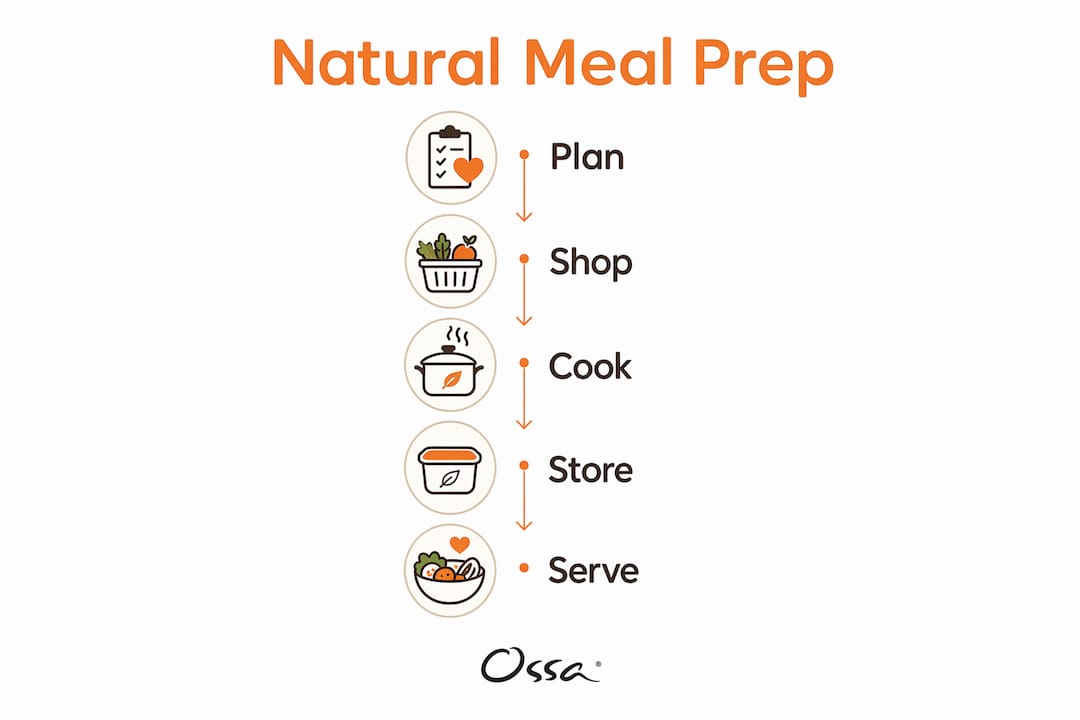
Batch cooking is the single most reliable method for maintaining natural eating habits across a busy week. Cook the components separately, store them correctly, and assemble meals fresh each day.
Step-by-step batch cooking method
-
Cook your grains first. Prepare a large pot of brown rice, quinoa, or a 7-grain blend. Grains take the longest and keep well for four days refrigerated.
-
Roast your vegetables. Spread sweet potatoes, courgettes, and broccoli on sheet pans. Roast at 200°C for 25–30 minutes. Batch roasting two or three trays at once saves significant time.
-
Cook your proteins. Bake or pan-fry organic chicken. Hard-boil a batch of eggs. Cook a pot of beans from dried or drain and rinse tinned beans.
-
Prepare sauces and dressings separately. Store them in small jars. Add them only at serving time.
-
Portion into containers. Use airtight glass or BPA-free containers. Label with the date.
Storage that preserves texture and freshness
Storing dressings, crunchy toppings, and fresh produce separately maintains texture and prevents sogginess across the week. This single habit is the difference between a meal prep system that works and one that produces limp, unappetising food by day three.
For best quality in weekly meal prep, assemble complete meals 1–2 days ahead and keep dressings and produce stored separately to maintain freshness. Cooked grains and proteins last up to four days refrigerated. Raw salad leaves and fresh herbs last longer when stored dry and unwashed.
| Component | Storage method | Fridge life |
|---|---|---|
| Cooked grains | Airtight container | Up to 4 days |
| Roasted vegetables | Airtight container | 3–4 days |
| Cooked proteins | Airtight container | 3–4 days |
| Dressings and sauces | Small sealed jar | 5–7 days |
| Fresh herbs and leaves | Dry, unwashed, in a bag | 4–5 days |
Air fryers simplify the reheating and initial cooking of vegetables and proteins. Air fryers produce quick, crispy textures that mimic restaurant quality, improving satisfaction and the likelihood of sustained healthy eating. A sheet pan and a slow cooker cover the remaining bases for batch cooking.
Pro Tip: Cook a double batch of grains and freeze half in portions. Cooling and reheating starchy foods like rice increases resistant starch, which supports better blood sugar balance.
For more ideas on building a meal prep routine with bone broth, Ossa Organic’s blog covers batch cooking techniques that work for busy families.
Three versatile natural recipes to cook this week
These three recipes form the backbone of a practical organic recipe collection. Each one preps well, stores correctly, and suits a range of dietary preferences.
Recipe 1: Roasted sweet potato and egg breakfast bowl
Ingredients (serves 4)
-
4 medium sweet potatoes, cubed
-
8 eggs
-
2 handfuls of spinach
-
1 avocado, sliced
-
Extra virgin olive oil, smoked paprika, salt
Method
-
Preheat the oven to 200°C. Toss sweet potato cubes in olive oil and smoked paprika. Roast for 25 minutes until golden.
-
Hard-boil or poach eggs to your preference.
-
Divide sweet potato between four containers. Add spinach and eggs. Store avocado separately.
-
Refrigerate for up to four days.
Roasted sweet potato and egg breakfast bowls provide 28.5g protein and 8g fibre per serving. That protein and fibre combination keeps hunger stable through the morning, reducing the likelihood of reaching for processed snacks before lunch.
For a detailed guide to getting the best from this ingredient, the Ossa Organic roast sweet potato recipe covers timing and seasoning variations.
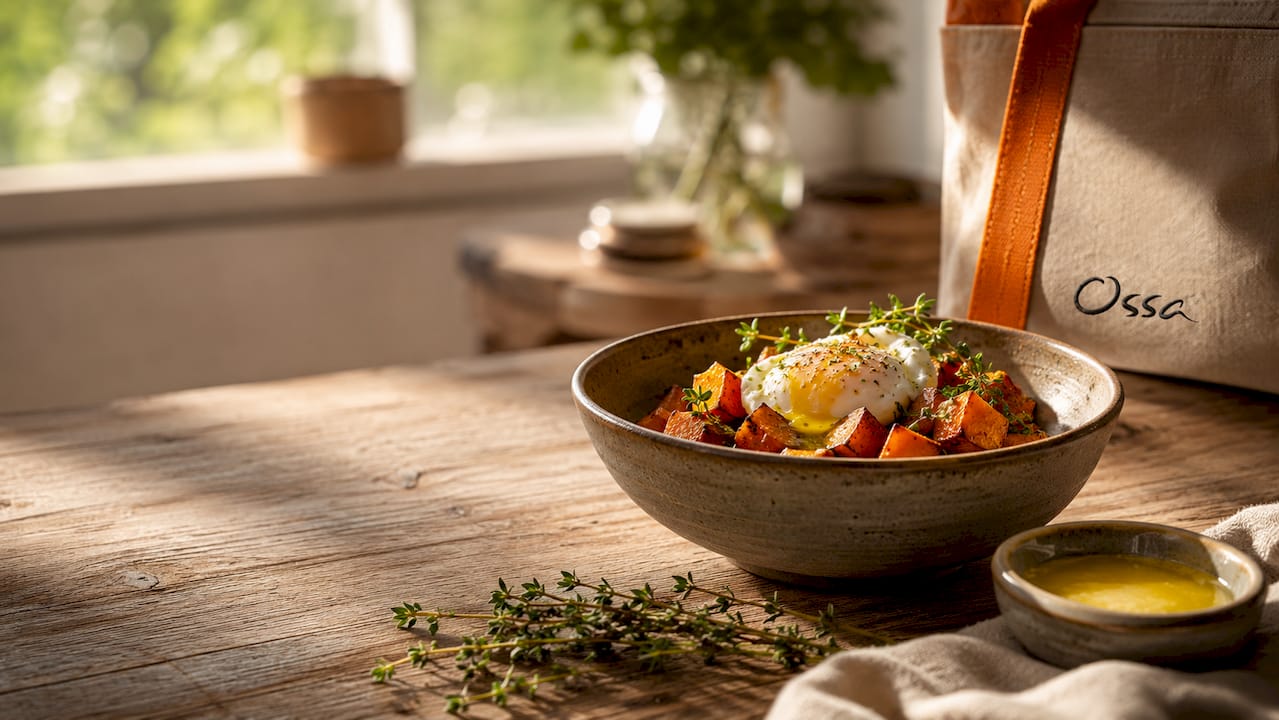
Variations: Replace eggs with white beans for a vegan version. Add a spoonful of tahini for additional healthy fat.
Recipe 2: 7-grain rice and four-bean bowl
Ingredients (serves 6)
-
300g 7-grain rice blend
-
400g tinned chickpeas, black beans, kidney beans, and lentils (one tin each, drained)
-
1 red onion, diced
-
2 cloves garlic, minced
-
Cumin, smoked paprika, olive oil, salt
Method
-
Cook the 7-grain rice blend according to packet instructions. This typically takes around 40–45 minutes.
-
Sauté onion and garlic in olive oil for five minutes. Add drained beans and spices. Cook for a further 15 minutes.
-
Combine rice and beans. Cool completely before portioning into containers.
A 7-grain rice and four-bean mix yields 14g protein and 9g fibre per cup serving, with a cook time of around 60 minutes. That nutritional profile makes it one of the most cost-effective wholesome meal prep bases available.
Bulk cooking and freezing portions of rice and beans increases resistant starch, aiding blood sugar balance and convenience. Freeze in individual portions and defrost overnight in the fridge.
Variations: Serve with roasted vegetables, a fried egg, or fresh salsa. For a seasonal vegan menu, pair with roasted squash and a tahini dressing. Wild Foodz offers seasonal vegan meal ideas that complement this base well.
Recipe 3: Greek chicken bowl with tzatziki
Ingredients (serves 4)
-
600g organic chicken thighs
-
1 cucumber, diced
-
200g cherry tomatoes, halved
-
150g natural yoghurt
-
1 clove garlic, grated
-
Lemon juice, dried oregano, olive oil, salt
Method
-
Marinate chicken in olive oil, lemon juice, and oregano for at least 30 minutes. Overnight is better.
-
Cook chicken in a hot pan or air fryer at 200°C for 18–20 minutes until cooked through. Rest for five minutes, then slice.
-
Make tzatziki by combining yoghurt, grated garlic, diced cucumber, and lemon juice.
-
Store chicken, salad vegetables, and tzatziki in separate containers.
| Component | Storage | Notes |
|---|---|---|
| Cooked chicken | Airtight container, 3–4 days | Slice after resting |
| Tzatziki | Sealed jar, 3–4 days | Stir before serving |
| Salad vegetables | Separate bag, 2–3 days | Add at serving time |
| Crunchy toppings | Dry container, 5 days | Add last to preserve crunch |
Pro Tip: Marinate the chicken the night before. Longer marination in lemon juice and olive oil produces noticeably more tender and flavourful results with no extra effort.
For family-friendly variations of this style of bowl, Ossa Organic’s guide to gut-friendly kids’ meals offers practical adaptations for younger eaters.
How do you enhance flavour in natural cooking without additives?
Natural cooking produces the most flavourful results when you use technique rather than processed flavour enhancers. The following methods work consistently across the recipes above.
Roasting and caramelisation
Dry heat concentrates natural sugars in vegetables and proteins. Roasting sweet potatoes, tomatoes, and onions at high heat produces depth of flavour that boiling or steaming cannot replicate. Use a hot oven (200°C or above) and avoid crowding the pan.
Acid as a flavour activator
Lemon juice, apple cider vinegar, and lime juice brighten every dish they touch. Add acid at the end of cooking to preserve its sharpness. Curing raw garlic with acid mellows its sharpness while keeping its flavour, making it more palatable in raw preparations like tzatziki and dressings.
Emulsification for sauces
Emulsifying pasta water with olive oil creates a silky, coating sauce without cream or butter. The same principle applies to whisking lemon juice into tahini or blending olive oil into a herb dressing. Emulsified sauces cling to food rather than pooling at the bottom of the bowl.
-
Fresh herbs added at the end of cooking preserve volatile oils and deliver maximum flavour.
-
Toasted whole spices release more aroma than pre-ground alternatives.
-
A pinch of good salt at each stage builds flavour from within rather than correcting at the table.
-
Marinating proteins for longer periods reduces the need for heavy sauces.
Prioritising flavour and satisfaction is the key to sustainable healthy eating. Families stick with natural cooking when the food tastes genuinely good, not when it tastes like a compromise.
Pro Tip: Toast cumin, coriander, and smoked paprika in a dry pan for 60 seconds before adding to a dish. The difference in aroma and depth is immediate and significant.
For practical holiday meal prep storage tips that apply these same flavour-preservation principles, Wild Foodz covers seasonal approaches worth bookmarking.
Key takeaways
Natural food recipes built on whole ingredients, correct storage, and simple techniques deliver consistent nutrition and flavour across the family week.
| Point | Details |
|---|---|
| Define your base ingredients | Stock whole grains, legumes, seasonal produce, and quality proteins to cook naturally without daily planning. |
| Batch cook and store correctly | Separate dressings, crunchy toppings, and fresh produce from cooked components to maintain texture up to four days. |
| Use three core recipes | Sweet potato egg bowls, 7-grain bean bowls, and Greek chicken bowls cover breakfast, lunch, and dinner with strong nutritional profiles. |
| Apply technique over additives | Roasting, acid, emulsification, and toasted spices deliver restaurant-quality flavour without processed ingredients. |
| Freeze for resistant starch | Cooling and reheating rice and beans increases resistant starch, supporting better blood sugar balance. |
What natural cooking has taught us at Ossa Organic
The most common mistake families make when switching to natural cooking is trying to overhaul everything at once. That approach fails. What works is building a small library of reliable recipes, perhaps five or six, that your family genuinely enjoys. Once those are automatic, adding new dishes feels easy rather than burdensome.
Flavour is not optional. A natural meal that tastes flat will not be repeated, regardless of its nutritional value. The techniques in this article, roasting at high heat, adding acid at the end, marinating overnight, exist precisely because they produce food worth eating again. Sustainable healthy eating depends on this.
Flexibility matters as much as planning. The three recipes above are frameworks, not fixed instructions. Swap the protein, change the grain, use whatever vegetables are in season. A natural paleo family meal approach works because it adapts to real life rather than demanding perfection.
The families who maintain natural cooking long-term are not the ones with the most discipline. They are the ones who have made it convenient. A stocked pantry, a Sunday batch cook, and five reliable recipes are all it takes to make whole food cooking the default rather than the exception.
— Ossa Organic
Ossa Organic and your natural cooking routine
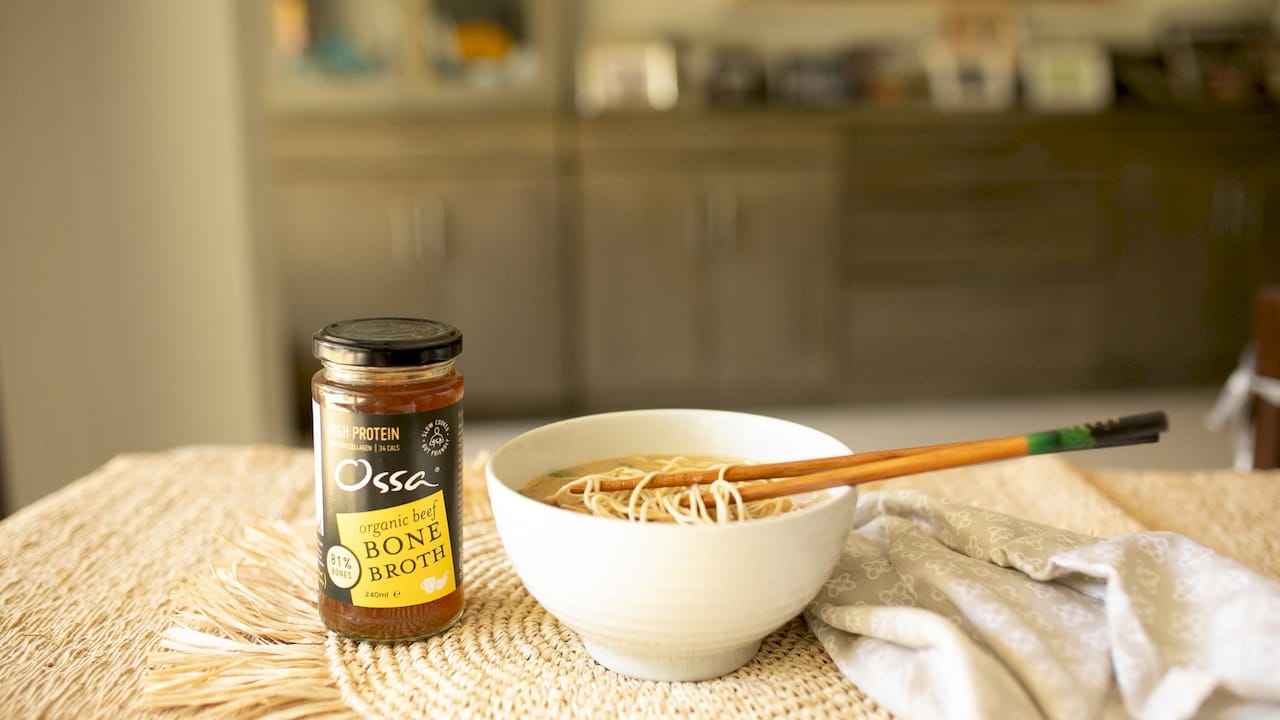
Ossa Organic produces organic bone broths that work directly within the recipes and techniques covered here. Using organic beef bone broth to cook grains instead of water adds depth, collagen, and minerals without any artificial additives. The organic chicken bone broth works equally well as a base for soups, sauces, and marinating liquids. Both products align with the whole food cooking principles in this article: single-origin, organic ingredients, slow-cooked, and free from preservatives. Ossa Organic’s how-to guide for bone broth covers practical ways to incorporate it into daily meal prep.
FAQ
What are natural recipes?
Natural recipes are meals made from whole, minimally processed ingredients with no artificial additives, preservatives, or refined sugars. They prioritise real food in its closest-to-original form.
How long do natural meal prep dishes keep in the fridge?
Most cooked components such as grains, roasted vegetables, and proteins keep for up to four days refrigerated in airtight containers. Store dressings and fresh produce separately to maintain freshness.
What is the best protein and fibre content in a natural breakfast bowl?
A roasted sweet potato and egg breakfast bowl provides 28.5g protein and 8g fibre per serving, making it one of the most nutritionally complete natural breakfast options for meal prep.
Can natural food recipes suit vegetarian or vegan diets?
Yes. Replacing animal proteins with legumes, eggs, or tofu maintains strong nutritional profiles. A 7-grain rice and four-bean mix delivers 14g protein and 9g fibre per cup without any animal products.
How do you add flavour to natural dishes without processed ingredients?
Roasting at high heat, adding acid such as lemon juice at the end of cooking, toasting whole spices, and marinating proteins overnight all produce deep flavour without additives or processed sauces.