

Cart
0
Natural living factors, including diet, environmental exposures, and lifestyle choices, can influence both the risk of developing autoimmune disease and the course of symptoms once diagnosed. The connection works primarily through gene–environment interactions: environmental triggers matter most for people who already carry genetic susceptibility. This is the natural living autoimmune connection explained in its clearest form. Lifestyle steps are supportive measures, not replacements for medical assessment or disease-modifying treatment. If you suspect an autoimmune condition or have a diagnosis, speak with your GP or NHS specialist before making significant changes.
Key points at a glance:
-
Autoimmune diseases result from immune system misfiring, driven by a combination of genes and environmental exposures, not a single cause.
-
Specific exposures, including smoking, crystalline silica, and certain solvents, have the most consistent evidence linking them to autoimmune risk, according to the National Institute of Environmental Health Sciences (NIEHS).
-
Diet, gut health, stress, and sleep all show supportive but not definitive evidence for influencing symptom burden.
-
NICE guidance for rheumatoid arthritis states there is no strong evidence that specific diets cure RA, though a Mediterranean-style pattern is a reasonable dietary choice.
-
Always discuss complementary approaches with your GP or rheumatologist, particularly if you take immunosuppressive medication.
Key takeaways
Natural living factors, including environmental exposures, diet, and lifestyle, influence autoimmune disease risk and symptom burden through gene–environment interactions, but they complement rather than replace medical treatment.
| Point | Details |
|---|---|
| Gene–environment interaction | Genetic susceptibility combined with environmental exposures drives autoimmune disease; no single cause acts alone. |
| Strongest modifiable risk factor | Smoking has the most consistent evidence linking it to autoimmune risk; NHS Stop Smoking services are free and effective. |
| Diet and gut health | Mediterranean-style eating and reduced ultra-processed food are low-risk, evidence-aligned steps; NICE supports this for RA. |
| Lifestyle factors | Stress reduction, consistent sleep, and moderate exercise all show supportive evidence for managing symptom burden. |
| Ossa Organic bone broths | Organic beef and chicken bone broths from Ossa Organic fit within a gut-supportive whole-food approach alongside clinician care. |
Table of Contents
-
How does the gene–environment model explain autoimmune disease?
-
Can diet affect autoimmune diseases? What the gut microbiome evidence shows
-
How do stress, sleep, and exercise affect autoimmune symptoms?
-
Which complementary therapies have evidence, and which carry risk?
-
A practical UK checklist: steps to try and questions to ask your GP
-
Ossa Organic’s perspective on natural food and autoimmune health
How does the gene–environment model explain autoimmune disease?
The immune system’s job is to distinguish the body’s own tissue from foreign invaders. In autoimmune disease, that distinction breaks down. The immune system targets the body’s own cells, producing inflammation, tissue damage, and a wide range of symptoms depending on which organs are affected. Type 1 diabetes, rheumatoid arthritis (RA), multiple sclerosis (MS), and systemic lupus erythematosus (SLE) are among the most studied examples, but there are more than 80 recognised autoimmune conditions.
No single gene or single exposure causes autoimmune disease on its own. MedlinePlus notes that viruses and certain chemicals may trigger autoimmune disease specifically in people who already carry risk genes. This is the gene–environment interaction model: susceptibility is inherited, but whether disease develops often depends on what the body encounters over a lifetime.
The exposome concept shifts thinking away from single-cause explanations. Rather than asking “what caused this?”, researchers ask which combination of exposures, across which time windows, tipped the immune system toward self-attack in a person with a given genetic background. That framing has practical implications: it means reducing your overall exposure burden may matter even if no single exposure is definitively proven as the cause.
Autoimmune diseases are not contagious. They also disproportionately affect women, a pattern observed across conditions including lupus, thyroid disease, and MS.
Common autoimmune conditions and their primary target tissues:
Diagnosis delays are common across all these conditions, often running to several years, because early symptoms overlap with many other illnesses.
Which environmental exposures carry the strongest evidence?
NIEHS research identifies several environmental exposures with the most consistent evidence of association with autoimmune disease. The strength of evidence varies: some links rest on observational epidemiology and mechanistic studies; very few have been confirmed through randomised controlled trials, which are difficult to design for long-term environmental exposures.
Exposures with the most consistent evidence:
-
Cigarette smoking: One of the most replicated associations, particularly for RA and SLE. Smoking is thought to trigger citrullination of proteins in the lungs, a process that may generate the antibodies characteristic of RA in susceptible individuals.
-
Crystalline silica dust: Occupational exposure, common in construction, quarrying, and ceramics, is associated with RA, SLE, and systemic sclerosis. UK workers in these trades carry elevated risk.
-
Solvent exposures: Organic solvents used in manufacturing, dry cleaning, and some agricultural settings appear in NIEHS-funded research as a risk factor for several autoimmune conditions.
-
Agricultural chemicals: Pesticide and herbicide exposure has been linked to RA in some observational studies, particularly among farmworkers.
-
UV radiation: High UV exposure is specifically associated with dermatomyositis, an inflammatory muscle disease, and may trigger flares in lupus.
-
Certain infections: Epstein-Barr virus, in particular, has a long-standing association with MS and lupus, likely through molecular mimicry, where viral proteins resemble self-proteins closely enough to confuse the immune response.
-
Air pollution: Emerging evidence links particulate matter exposure to higher autoimmune disease rates, though this research is less mature than the smoking or silica data.
In a UK context, silica exposure is most relevant for people working in construction, stone masonry, or potteries. Solvent exposure is relevant in manufacturing, printing, and some cleaning trades. Smoking remains the most modifiable single risk factor for the general population.
Pro Tip: Build a simple personal exposure inventory. List your current and past occupations, hobbies (e.g. woodworking, ceramics, gardening with pesticides), and household chemical use. Bring this list to your GP if you are seeking an autoimmune assessment. NIEHS researchers use exactly this kind of cumulative exposure thinking in their epidemiological work.
Can diet affect autoimmune diseases? What the gut microbiome evidence shows
Diet influences immune regulation through several pathways, none of which operate in isolation. The gut microbiome, the community of bacteria, fungi, and other microorganisms living in the digestive tract, plays a central role in training and modulating the immune system. Gut dysbiosis, an imbalance in that microbial community, has been observed in people with RA, MS, lupus, and inflammatory bowel disease, though whether dysbiosis precedes disease or results from it remains an active research question.
Dietary patterns shape the microbiome. Ultra-processed foods, low fibre intake, and high sugar consumption are associated with reduced microbial diversity. The Mediterranean dietary pattern, rich in vegetables, legumes, oily fish, olive oil, and whole grains, supports microbial diversity and provides polyphenols and omega-3 fatty acids with documented anti-inflammatory properties. NICE guidance for RA notes there is no strong evidence that specific diets cure the condition, but supports Mediterranean-style eating as a reasonable choice for people who wish to try dietary change.
Specific compounds worth noting:
-
Omega-3 fatty acids (from oily fish such as mackerel, sardines, and salmon) have the most consistent evidence for modest anti-inflammatory effects in RA.
-
Polyphenols (curcumin, EGCG from green tea, resveratrol) show mechanistic evidence for immunomodulatory effects, but bioavailability is variable and clinical trial evidence remains limited.
-
Probiotics and fermented foods show some benefit for gut barrier function in small studies, though no specific strain has been validated for autoimmune disease management.
The evidence base here is largely mechanistic and observational. Few high-quality randomised controlled trials have demonstrated that dietary change alone modifies the course of an autoimmune disease. That does not make dietary attention pointless; it means expectations should be calibrated. Reducing ultra-processed food and increasing dietary diversity are low-risk steps with broad health benefits regardless of autoimmune status.
Safety note: Dietary supplements, including high-dose fish oil, curcumin, and herbal preparations, can interact with immunosuppressive drugs such as methotrexate, azathioprine, and hydroxychloroquine. Discuss any supplement with your GP or rheumatologist before starting. For a structured starting point, Ossa Organic’s 14-day gut reset offers a practical framework for introducing gut-supportive foods gradually.
Practical low-risk dietary steps:
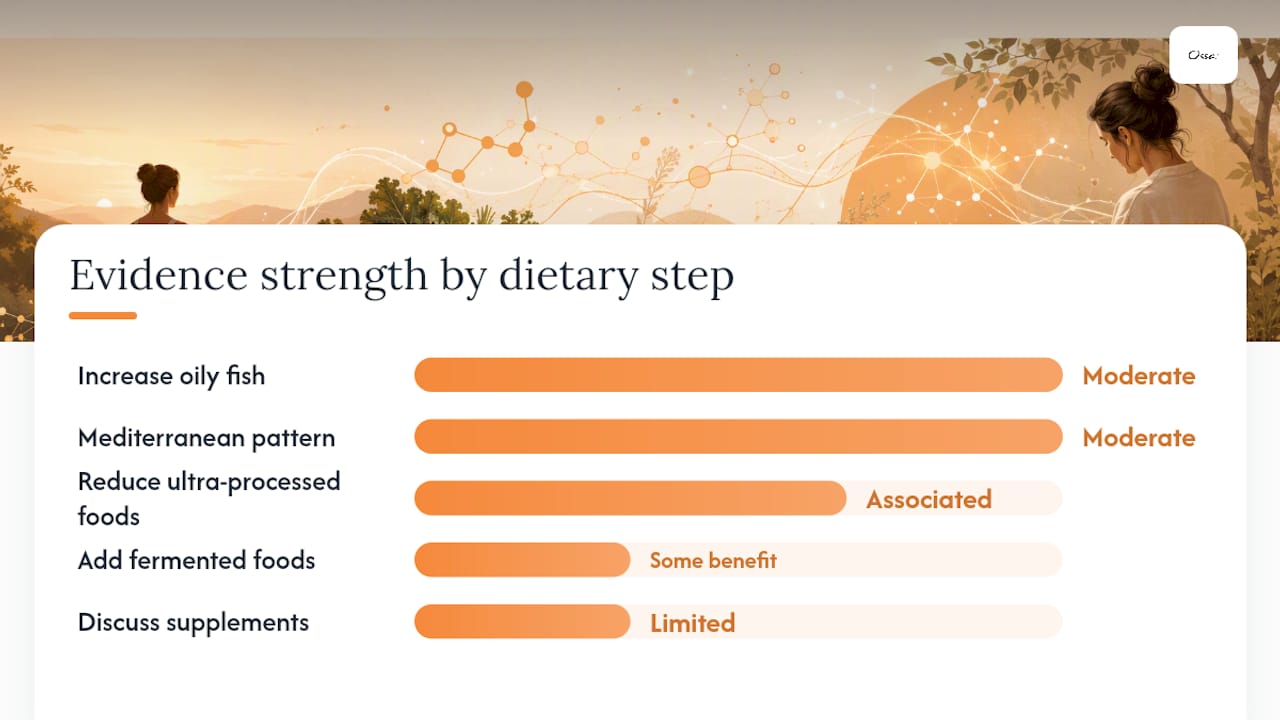
| Step | What to do | Evidence level |
|---|---|---|
| Increase oily fish | 2 portions per week (mackerel, sardines, salmon) | Moderate (observational + mechanistic) |
| Adopt Mediterranean pattern | More vegetables, legumes, olive oil, whole grains | Moderate (NICE-endorsed for RA) |
| Reduce ultra-processed foods | Replace with whole food alternatives | Mechanistic and observational |
| Add fermented foods | Kefir, live yoghurt, sauerkraut | Preliminary |
| Discuss supplements with GP | Omega-3s if diet is low in oily fish | Discuss before starting |
How do stress, sleep, and exercise affect autoimmune symptoms?
Psychosocial stress has a well-documented relationship with immune dysregulation. Adverse life events, chronic work stress, and psychological trauma have been associated with higher rates of autoimmune disease onset and flare in observational studies. The mechanism involves the hypothalamic-pituitary-adrenal (HPA) axis and sympathetic nervous system: prolonged stress alters cortisol signalling and can shift immune responses in ways that increase inflammatory activity.
Sleep disruption compounds this. Poor sleep raises circulating inflammatory markers, including interleukin-6 and C-reactive protein, and disrupts the circadian regulation of immune cell activity. For people living with autoimmune conditions, sleep problems are both a symptom and a potential driver of worsening inflammation, creating a cycle that is worth addressing directly.
Exercise presents a more nuanced picture. Regular moderate physical activity, such as walking, swimming, or cycling, has anti-inflammatory effects and supports mood, sleep quality, and joint function in conditions like RA and MS. Overexertion during an active flare, however, can worsen symptoms. The general principle is to stay active within your current capacity and reduce intensity during flares rather than stopping entirely.
Evidence-supported lifestyle adjustments:
-
Stress reduction practices, including mindfulness-based stress reduction (MBSR), have shown modest benefits for symptom burden in some autoimmune populations.
-
Sleep hygiene measures (consistent sleep and wake times, limiting screen exposure before bed, cool and dark sleeping environment) are low-risk and broadly supported.
-
Gentle yoga and tai chi have been studied in RA and MS populations with some positive findings for pain, fatigue, and quality of life.
-
Social support and psychological therapy (including CBT available through NHS Talking Therapies) address the mental health burden that frequently accompanies chronic autoimmune conditions.
Pro Tip: When you next see your GP or specialist, bring a brief log of your sleep hours, stress levels (rated 1–10), and exercise activity alongside your symptom notes. Clinicians can use this to identify patterns and adjust care plans. The body work and self-care guide from Ossa Organic covers practical self-care routines that complement this approach.
Which complementary therapies have evidence, and which carry risk?
Complementary and alternative medicine (CAM) is widely used by people with autoimmune conditions. A PMC literature review of CAM modalities for autoimmune disease found heterogeneous evidence: some approaches show symptomatic benefit in small or mixed studies, but higher-quality trials are still needed before firm clinical recommendations can be made.
Evidence summary by modality:
-
Acupuncture: Some evidence for short-term pain and fatigue relief in RA and fibromyalgia; NICE acknowledges it for certain pain conditions. Evidence for disease modification is absent.
-
Omega-3 supplementation: The most consistently supported nutraceutical for RA symptom reduction; discuss dose with a clinician.
-
Curcumin and polyphenols: Mechanistic evidence for anti-inflammatory effects; clinical evidence is limited by poor bioavailability and small trial sizes.
-
Probiotics: Preliminary evidence for gut barrier support; no validated protocol for autoimmune conditions.
-
Mind-body practices (yoga, MBSR, tai chi): Reasonable evidence for quality-of-life improvement; low risk when adapted to current capacity.
-
Herbal remedies: Highly variable; some carry hepatotoxic risk or interact with prescribed drugs.
The risk with unregulated products is real. Supplements sold online are not subject to the same regulatory scrutiny as licensed medicines. Some herbal preparations contain compounds that inhibit or induce cytochrome P450 enzymes, directly affecting how immunosuppressive drugs are metabolised. St John’s Wort is the most cited example, but interactions extend to many plant-based preparations.
How to integrate CAM safely:
-
Disclose all supplements and CAM therapies to your prescribing clinician before starting.
-
Choose practitioners registered with a recognised UK body (e.g. British Acupuncture Council, British Association for Counselling and Psychotherapy).
-
Prioritise modalities with the clearest evidence and lowest interaction risk first (omega-3s from food, mind-body practices).
-
Treat symptomatic benefit as the realistic goal; do not delay or reduce prescribed treatment based on CAM use alone.
A practical UK checklist: steps to try and questions to ask your GP
This checklist is designed for people in the UK who want to take a structured, evidence-aligned approach to natural living alongside their NHS care. None of these steps replace medical treatment.
Step-by-step actions:
-
Stop smoking if you currently smoke. This is the single most evidence-supported modifiable environmental risk factor for several autoimmune conditions. NHS Stop Smoking services are free and significantly improve quit rates.
-
Audit household and occupational chemical exposures. Identify solvents, pesticides, and dust exposures in your home and workplace. Improve ventilation, use protective equipment, and consider occupational health referral if relevant.
-
Shift towards a Mediterranean-style diet. Increase oily fish, vegetables, legumes, and olive oil; reduce ultra-processed foods. Make changes gradually to allow the gut microbiome time to adapt.
-
Establish a sleep routine. Aim for 7–9 hours, consistent timing, and a wind-down period free from screens. Track sleep quality alongside symptoms.
-
Introduce regular moderate exercise. Start with 20–30 minutes of low-impact activity (walking, swimming) three to five times per week. Reduce intensity during flares; do not stop entirely.
-
Add a stress reduction practice. MBSR courses are available through NHS Talking Therapies referrals and private providers. Even 10 minutes of daily breathwork has measurable effects on HPA axis activity.
Monitoring timeline:
-
Weeks 1–4: Establish baseline. Begin a symptom and exposure diary. Note fatigue, pain scores, sleep hours, and any new exposures.
-
Months 1–3: Assess dietary and lifestyle changes. Are symptoms stable, improving, or worsening? Bring the diary to your next appointment.
-
Months 3–6: Review with your GP or specialist. Discuss whether any changes warrant adjustment to your care plan.
Questions to ask your GP or rheumatology clinic:
-
“Are there any occupational or environmental exposures I should be aware of given my diagnosis?”
-
“Is a Mediterranean-style diet appropriate for me, given my current medications?”
-
“Can you refer me to a dietitian or occupational therapist as part of my care?”
-
“Are there any NHS-supported lifestyle programmes relevant to my condition?”
Pro Tip: The NHS offers occupational health referrals through some GP practices and hospital trusts. If your work involves silica dust, solvents, or agricultural chemicals, ask specifically about an occupational health assessment.
What does the science get right, and where are the gaps?
Most evidence linking natural living factors to autoimmune disease comes from observational studies, not randomised controlled trials. Observational studies identify associations; they cannot prove causation. A person who smokes, works in construction, eats a poor diet, and sleeps badly presents multiple simultaneous exposures, making it difficult to isolate which factor drove disease onset or progression.
Common methodological limitations in this field include:
-
Confounding by indication: People who change their diet after diagnosis may do so because symptoms prompted the change, not the other way around.
-
Exposure misclassification: Self-reported dietary and occupational data are imprecise; what people recall eating or doing years ago may not reflect actual exposure.
-
Small sample sizes: Many CAM and dietary intervention studies involve fewer than 100 participants, limiting statistical power and generalisability.
-
Heterogeneity across conditions: Findings in RA do not automatically apply to lupus or MS; the immune mechanisms differ substantially.
Active research is addressing some of these gaps. NIEHS-funded exposome studies are building larger cohorts with objective exposure measurement. ClinicalTrials.gov lists recruiting studies examining environmental exposures, dietary interventions, and lifestyle factors in autoimmune populations. Mechanistic work on the gut microbiome is advancing rapidly, with microbiome sequencing now enabling more precise characterisation of dysbiosis patterns.
Clearer answers on diet and microbiome interventions are likely within the next decade. For now, the honest position is: the mechanistic rationale is sound, the observational signals are consistent, and the risk of evidence-aligned lifestyle changes is low. That combination justifies trying them, with appropriate clinical oversight.
Ossa Organic’s perspective on natural food and autoimmune health
The evidence base for natural living and autoimmune health is genuinely encouraging, but it is also frequently misrepresented. The most common mistake is treating dietary or lifestyle changes as alternatives to medical treatment rather than as supportive additions to it. NICE is explicit on this point for RA, and the same principle extends across autoimmune conditions: no food, supplement, or lifestyle practice has been shown to replace disease-modifying therapy.
What the evidence does support is the value of reducing cumulative exposure burden, supporting gut microbiome diversity, and managing the lifestyle factors, stress, sleep, and physical activity, that influence immune regulation. These are not fringe ideas. They are the conclusions of NIEHS-funded research, NICE guidance, and systematic reviews published in peer-reviewed journals.
At Ossa Organic, the position is straightforward: natural, minimally processed food is one component of a broader approach to health. Bone broth, made from organic, slow-cooked bones, provides collagen, gelatine, and minerals in a form that is easy to incorporate into daily eating. It is not a treatment. It is a traditional food with a nutritional profile that fits well within the gut-supportive dietary patterns the evidence points toward. The founder’s approach, built around paleo eating and avoiding inflammatory foods, reflects lived experience rather than clinical claims. That distinction matters: lived experience informs product development; clinical evidence informs health decisions.
The most useful thing anyone with an autoimmune condition can do is build a relationship with their NHS care team, make evidence-aligned lifestyle changes, and track what happens. Natural food is part of that picture. It is not the whole picture.
Ossa Organic bone broths as part of a gut-supportive diet
Bone broth fits naturally into the gut-supportive dietary patterns that observational and mechanistic evidence supports for people managing autoimmune conditions. Made by slow-cooking organic bones, it provides collagen, gelatine, and amino acids including glycine and proline, which contribute to gut lining integrity. It contains no preservatives or artificial ingredients, making it a straightforward addition to a whole-food dietary approach.
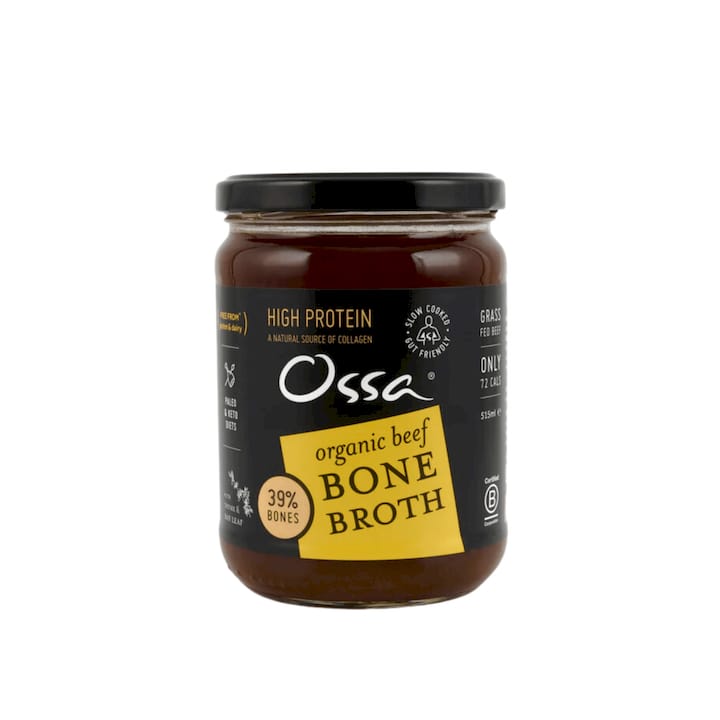
Three Ossa Organic products are particularly relevant here. The Organic Beef Bone Broth Ambient 515ml is a rich, deeply savoury option suitable as a warm drink or a base for soups and stews. The Organic Free Range Chicken Bone Broth 500ml is lighter and well-suited to those new to bone broth or with sensitive digestion. The Organic Chicken Bone Broth Ambient 515ml offers the same chicken broth in a shelf-stable ambient format, practical for keeping in the cupboard and using throughout the week.
Bone broth is a dietary option, not a medical treatment. If you are on immunosuppressive medication, check with your GP before making significant dietary changes. For practical ideas on how to use bone broth across meals and daily routines, the Ossa Organic how-to guide covers serving suggestions and recipe starting points.
Authoritative sources to read next
-
NIEHS: Autoimmune Diseases — the primary US federal research body on environmental health; covers gene–environment interaction, the exposome model, and specific exposure evidence (smoking, silica, solvents, UV).
-
NIEHS Fact Sheet: Autoimmune Diseases and Your Environment — a concise summary of research findings, exposure examples, and the exposome framing; accessible to non-specialist readers.
-
MedlinePlus: Autoimmune Diseases — a plain-language overview of what autoimmunity is, how it is diagnosed, and which conditions fall under the umbrella; produced by the US National Library of Medicine.
-
NIAID: Autoimmune Diseases — the National Institute of Allergy and Infectious Diseases provides research context, condition lists, and links to clinical trial resources.
-
ClinicalTrials.gov: Autoimmune Disease Studies — lists active and recruiting trials on environmental exposures, dietary interventions, and lifestyle factors; useful for readers interested in participating in research.
-
PMC Review: Complementary and Alternative Medicine in Autoimmune Disease — a peer-reviewed survey of evidence for acupuncture, nutraceuticals, and mind-body practices; covers evidence strength and limitations honestly.
This article is general information, not a substitute for advice from a qualified doctor. Consult a qualified healthcare professional about your own circumstances before acting on anything here.
FAQ
What is the hardest autoimmune condition to live with?
There is no single answer, as disease burden depends on severity, organ involvement, and individual response to treatment. Systemic lupus erythematosus and systemic sclerosis are frequently cited as among the most complex, given their multi-organ involvement and unpredictable flare patterns.
What are the biggest environmental triggers for autoimmune disease?
NIEHS research identifies smoking, crystalline silica dust, and organic solvent exposure as the most consistently evidenced triggers. Certain infections (notably Epstein-Barr virus), high UV exposure, and some agricultural chemicals also appear in the evidence base.
Can you manage autoimmune disease holistically?
Holistic approaches, including Mediterranean-style diet, stress reduction, sleep hygiene, and moderate exercise, can support symptom management alongside conventional treatment. NICE guidance is clear that complementary approaches should not replace prescribed disease-modifying therapy.
What are the latest breakthroughs in autoimmune disease research?
NIEHS-funded exposome studies are building larger cohorts with objective exposure measurement, and microbiome research is advancing rapidly. ClinicalTrials.gov lists active recruiting studies on dietary and environmental interventions. Biologic therapies targeting specific immune pathways continue to expand treatment options for conditions like RA and MS.
Does bone broth help with autoimmune conditions?
Bone broth provides collagen, gelatine, and amino acids that support gut lining integrity, fitting within the gut-supportive dietary patterns that observational evidence associates with better immune regulation. It is a nutritional food, not a medical treatment, and should be used alongside, not instead of, clinician-directed care.