

Cart
0
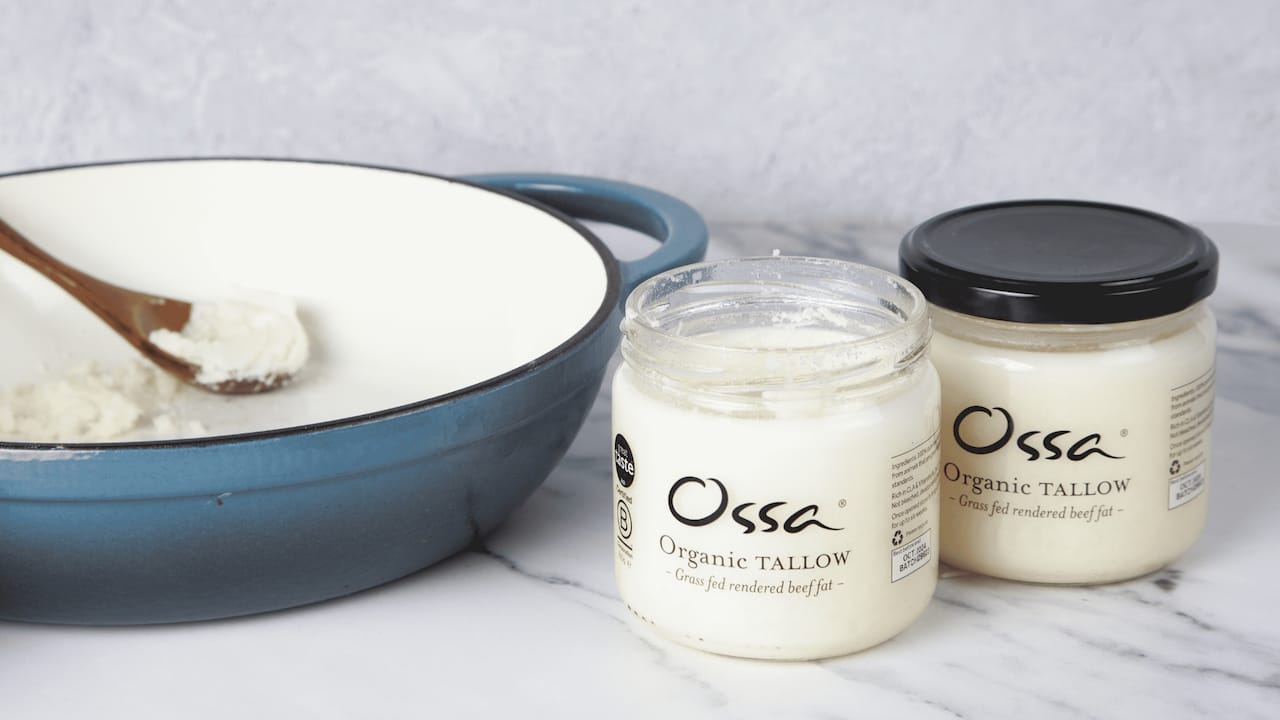
Reducing synthetic food preservatives and additives lowers your family’s exposure to compounds that preclinical and epidemiological research links to gut microbiota disruption and inflammation. SACN recommends that most people benefit from eating fewer ultra-processed foods, and the NHS classifies products containing preservatives, sweeteners and emulsifiers as ultra-processed. One immediate step: swap a stock cube or packet sauce for a preservative-free bone broth as your cooking base.
Three core reasons to reduce synthetic additives:
-
Gut microbiota. Antimicrobial preservatives such as sodium benzoate and potassium sorbate can shift microbial composition in vitro and in animal models, reducing beneficial bacteria including Lactobacillus.
-
Pesticide and antibiotic exposure. Organic animal products are produced without routine antibiotics or growth hormones, and diet intervention studies show switching to organic substantially reduces urinary pesticide metabolites.
-
Ultra-processed food intake. High UPF consumption is linked by NHS guidance to obesity and type 2 diabetes; cutting additive-heavy products reduces that overall load.
Key takeaways
Reducing synthetic food additives and preservatives is the most direct dietary step for protecting gut microbiota diversity and lowering cumulative chemical exposure in your family’s diet.
| Point | Details |
|---|---|
| Gut microbiota disruption | Antimicrobial preservatives reduce beneficial bacteria including Lactobacillus even at low concentrations. |
| Organic animal products first | Organic standards prohibit routine antibiotics and growth hormones; organic diets reduce urinary pesticide metabolites. |
| Read ingredient lists | E211, E250, E202 and E621 are the most common preservatives in UK supermarket products; short lists are more reliable than health claims. |
| Vulnerable groups need priority action | Children, pregnant women and older adults face proportionally higher additive exposure and benefit most from reduction. |
| Ossa Organic as a practical swap | Preservative-free ambient bone broths replace stock cubes and additive-heavy sauces with a single ingredient change. |
Table of Contents
-
How do you reduce preservatives and additives in your family’s diet?
-
How do Ossa Organic products fit into a preservative-free family diet?
-
Can preservative-free eating fit a typical household budget?
-
What are the long-term health risks of high additive intake?
-
How do additives affect children, pregnant women and older adults?
What does the science say about additives and gut health?
The evidence base is real but uneven. Preclinical and animal studies consistently show that emulsifiers, antimicrobial preservatives and artificial sweeteners can alter microbiota composition, reduce microbial diversity and impair intestinal barrier function. Human intervention data are growing but still limited, so causal proof in people remains incomplete.
Mechanistically, reviews published in journals including Nature Reviews Gastroenterology and Hepatology describe how certain additives may disrupt the gut’s mucus layer, shift populations towards Proteobacteria and reduce Clostridiales. Research on antimicrobial preservatives finds these effects can occur even at concentrations below acceptable daily intakes (ADIs), which means reducing portion size of an additive-containing food may not be enough. Removing the source is more effective.
| Additive class | Reported preclinical effect | Evidence tier |
|---|---|---|
| Antimicrobial preservatives (e.g. sodium benzoate, sodium nitrite) | Reduced Lactobacillus; shifts toward Proteobacteria | In vitro and animal models |
| Emulsifiers (e.g. carboxymethylcellulose) | Mucus layer disruption; increased inflammatory markers | Animal models |
| Artificial sweeteners | Altered microbial diversity | Animal models; limited human trials |
The honest caveat: most of this data comes from animal models or cell studies. Observational data in humans show associations, not confirmed causation. Gut microbiome support through diet is a reasonable, low-risk step given the precautionary signals.
What is the UK regulatory position on food additives?
SACN’s rapid evidence update concludes that most people would benefit from reducing consumption of processed foods high in energy, saturated fat, salt and free sugars. Critically, SACN also identifies monitoring gaps around specific additives, meaning regulators do not have complete data on cumulative exposure across the diet.
The NHS defines ultra-processed foods as those containing ingredients not commonly used in home cooking, including preservatives, sweeteners and emulsifiers. The British Medical Association has called for stronger regulation, industry accountability and improved access to whole foods, with a particular focus on children. WHO guidance on non-sugar sweeteners recommends against using them for long-term weight management, citing insufficient evidence of benefit and potential long-term risks.
Practical implications for shoppers:
-
Regulatory approval of an additive does not mean cumulative dietary exposure has been fully assessed.
-
ADIs are set for individual additives; combined effects of multiple additives in one meal are rarely studied.
-
Short, recognisable ingredient lists are a more reliable guide than front-of-pack health claims.
-
Organic certification provides a traceable standard for antibiotic and pesticide use in animal products.
How do you reduce preservatives and additives in your family’s diet?
Start with label reading. On UK packaging, preservatives appear as E-numbers or by name: E211 (sodium benzoate), E250 (sodium nitrite), E202 (potassium sorbate), E621 (monosodium glutamate). Emulsifiers include E471 and E472. If an ingredient list runs longer than five or six items and includes names you would not find in a kitchen cupboard, the product is likely ultra-processed.
Concrete swaps that work in practice:
-
Replace stock cubes (typically contain E621, E635, maltodextrin) with a preservative-free bone broth as a cooking base.
-
Swap shop-bought salad dressings for olive oil, lemon and a pinch of sea salt.
-
Use grass-fed ghee instead of vegetable spreads that contain emulsifiers and stabilisers.
-
Choose plain whole-milk yoghurt over flavoured varieties that list modified starch and sweeteners.
For animal products, prioritise organic. Organic meat and dairy also tend to show a more favourable fatty acid profile, including higher omega-3 levels, and organic standards prohibit routine antibiotics and growth hormones. Organic food benefits are most pronounced in this category.
Pro Tip: Batch-cook a large pot of bone broth on a Sunday and freeze in 200ml portions. It replaces stock cubes across the week at a fraction of the per-serving cost of convenience products, and you control every ingredient.
For sourcing without doubling your budget, check common hidden food chemicals to know exactly what you are avoiding, then prioritise organic for the highest-residue categories: meat, dairy and eggs.
What timeline and benefits can your family expect?
Some microbiome and symptomatic changes may appear within a few weeks of reducing ultra-processed food intake. Broader metabolic or chronic-disease signals take considerably longer and are less certain, particularly in adults.
Typical early changes families notice:
-
Improved stool regularity and reduced bloating within two to four weeks.
-
More stable energy levels as blood sugar swings from high-sugar UPFs reduce.
-
Children’s behaviour and concentration may improve, though evidence here is observational.
Less certain outcomes include long-term reductions in cardiovascular or metabolic disease risk. These are plausible given the epidemiological associations, but no short dietary trial can confirm them.
Track progress with a simple symptom log: note digestion, energy and sleep quality weekly. Gut symptom questionnaires such as the Bristol Stool Chart and the IBS Symptom Severity Score are free and clinically used. Involve a GP or registered dietitian if you are making changes for an infant, during pregnancy, or for anyone with a diagnosed gut condition.
How do Ossa Organic products fit into a preservative-free family diet?
Slow-cooked, preservative-free bone broths remove the emulsifiers, flavour enhancers and stabilisers found in most commercial stocks and sauces. They provide collagen, gelatine and minerals in a form that supports digestion naturally.
Three products that work as everyday cooking staples:
1x Organic Beef Bone Broth Ambient 515ml — use as a base for stews, gravies and braised vegetables. The ambient format means it stores in the cupboard until needed, making it a practical replacement for stock cubes.
Organic Free Range Chicken Bone Broth 500ml — lighter in flavour, suited to soups, risottos and cooking grains. Free-range sourcing means no routine antibiotics in the supply chain.
1 x Organic Chicken Bone Broth Ambient 515ml — a single-jar option for households starting out, with the same ingredient transparency as the larger range.
Pro Tip: Add 100ml of bone broth to the water when cooking rice or lentils. It adds minerals and depth of flavour with no extra effort, and replaces any need for a flavoured stock sachet.
Can preservative-free eating fit a typical household budget?
Yes, with planning. The key is substitution rather than addition: replacing processed convenience products with whole-food staples often costs less per meal once you account for the volume of food produced.
Budget tactics:
-
Buy organic for animal products first; conventional fruit and vegetables are a lower priority for additive reduction.
-
Use ambient bone broth jars as a cupboard staple rather than buying fresh stock weekly.
-
Batch-cook soups and stews using one jar of broth across four to six portions.
-
Buy seasonal produce and preserve it at home to reduce reliance on tinned goods with added salt and preservatives.
-
Week one: swap stock cubes. Week two: replace one flavoured yoghurt with plain. Week three: switch cooking fat to grass-fed ghee. Incremental changes limit cost shock and make habits stick.
Freshly prepared meals are another practical route. Resources on why fresh prepared food matters explain how moving away from packaged convenience food reduces additive exposure without requiring elaborate home cooking.
What are the long-term health risks of high additive intake?
Epidemiological studies associate high ultra-processed food consumption with elevated risks of obesity, type 2 diabetes, cardiovascular disease and certain cancers. These are population-level associations; individual risk depends on overall diet quality, genetics and lifestyle.
For gut health specifically, sustained high intake of antimicrobial preservatives may maintain a state of reduced microbial diversity over time. Reduced diversity is associated in observational research with conditions including irritable bowel syndrome, inflammatory bowel disease and metabolic dysfunction. The precautionary case for reducing intake is strong even where causation is not yet confirmed.
Which additives are most common in UK supermarket products?
Several preservatives and additives appear routinely across UK supermarket ranges:
-
E211 (sodium benzoate): soft drinks, pickles, sauces.
-
E250 (sodium nitrite): bacon, ham, cured meats.
-
E202 (potassium sorbate): bread, cheese, processed dairy.
-
E621 (monosodium glutamate): crisps, instant noodles, ready meals.
-
E471 (mono- and diglycerides of fatty acids): bread, margarine, ice cream.
-
E150d (sulphite ammonia caramel): cola drinks, sauces, gravies.
Typical UK dishes where these concentrate: supermarket sandwiches, ready-meal curries, flavoured crisps, processed breakfast cereals and shop-bought pasta sauces. Checking labels on these categories first gives the highest return for effort.
How do additives affect children, pregnant women and older adults?
Children are more vulnerable because their body weight is lower relative to adults, meaning the same additive dose represents a proportionally higher exposure. The BMA specifically highlights children as a priority group for reducing UPF intake. Some artificial colours (the “Southampton Six,” including E102, E110, E122, E124, E129 and E211) carry a UK mandatory warning label linking them to hyperactivity in children.
During pregnancy, the precautionary principle applies. Involve a midwife or dietitian before making significant dietary changes in pregnancy.
Older adults face a different risk profile: reduced kidney and liver function can slow the clearance of certain additives, and gut microbiota diversity naturally declines with age. Reducing additive load through whole-food choices supports microbiome resilience at a stage when it is already under pressure.
Why reducing additives matters to Ossa Organic
Ossa Organic was founded after the founder discovered the benefits of bone broth during pregnancy and built a family diet around preservative-free, slow-cooked food. That lived experience is the origin of every product in the range. The brand’s B Corp certification reflects a commitment to ingredient transparency and sustainable sourcing that goes beyond marketing copy. Slow cooking, organic sourcing and short ingredient lists are not a trend at Ossa Organic; they are the operating model. The evidence in this article on gut microbiota, pesticide exposure and ultra-processed food risk is exactly why the brand exists.
Preservative-free starter options from Ossa Organic
For families beginning the transition away from additive-heavy pantry staples, Ossa Organic’s bone broths are a practical first swap. The Organic Beef Bone Broth and Organic Chicken Bone Broth are ambient, shelf-stable and free from preservatives, flavour enhancers and artificial ingredients. Every ingredient is listed clearly. For a structured approach, the 14 Day Gut Reset programme guides you through two weeks of preservative-free eating using Ossa Organic products, with practical meal ideas included.
Useful sources and further reading
-
SACN Rapid Evidence Update on Processed Foods (GOV.UK) — the UK government’s advisory position on ultra-processed foods and monitoring gaps for additives.
-
NHS: Processed Foods — plain-language definition of ultra-processed foods and health associations relevant to UK consumers.
-
BMA: Improving the Nation’s Diet — professional medical body position on UPF regulation and children’s health.
-
Nature Reviews Gastroenterology and Hepatology: Ultra-processed foods and food additives in gut health and disease — primary review of preclinical and observational evidence on additive effects on the microbiome.
-
PubMed: Food Additives: Emerging Detrimental Roles on Gut Health — detailed review of antimicrobial preservatives and microbiota composition changes.
-
Organic food and impact on human health: systematic review — evidence on fatty acid profiles and antibiotic/hormone exposure differences between organic and conventional animal products.
This article is general information, not a substitute for advice from a qualified doctor. Consult a qualified healthcare professional about your own circumstances before acting on anything here.
FAQ
What are synthetic food preservatives and why do they matter?
Synthetic food preservatives are chemical additives used to extend shelf life, including sodium benzoate (E211), sodium nitrite (E250) and potassium sorbate (E202). They matter because preclinical research links them to changes in gut microbiota composition and reduced beneficial bacteria.
How quickly can gut health improve after reducing additives?
Some digestive symptoms such as bloating and irregular stools may improve within two to four weeks of reducing ultra-processed food intake, though broader metabolic changes take considerably longer and are less certain.
Which UK supermarket products contain the most preservatives?
Cured meats, soft drinks, ready meals, flavoured crisps and shop-bought sauces consistently contain the highest concentrations of preservatives and emulsifiers in UK supermarket ranges.
Are organic foods worth the extra cost for gut health?
How does Ossa Organic help reduce additive exposure?
Ossa Organic’s ambient bone broths contain no preservatives, flavour enhancers or artificial ingredients, making them a direct replacement for additive-heavy stock cubes and sauces in everyday cooking.