


Cart
0
The most effective natural stress reduction food list centres on omega-3 fatty acids, probiotics, magnesium, B vitamins, fibre, complex carbohydrates, and bone broth. These nutrients work through the gut-brain axis, blood-sugar regulation, and neurotransmitter support. Add three of the following to your next shop and you will have made a practical start.
Foods to prioritise:
-
Oily fish: salmon, mackerel, sardines
-
Fermented foods: live yoghurt, kefir, sauerkraut, kimchi
-
Leafy greens: spinach, Swiss chard, kale
-
Nuts and seeds: almonds, pumpkin seeds, walnuts, chia, flaxseed
-
Wholegrains: oats, barley, brown rice, wholemeal bread
-
Legumes: lentils, chickpeas, black beans
-
Eggs and lean poultry
-
Dark chocolate (70% cocoa or above)
-
Bone broth
-
Avocado and olive oil
-
Berries: blueberries, strawberries, raspberries
-
Bananas
-
Herbal teas: chamomile, peppermint
-
Turmeric with black pepper
Key takeaways
A consistent diet built around omega-3s, fermented foods, magnesium sources, complex carbohydrates, and bone broth is the most practical food-first strategy for reducing everyday stress and supporting the gut-brain axis.
| Point | Details |
|---|---|
| Prioritise gut-brain foods | Fermented foods and fibre reduce inflammatory markers linked to anxiety; include both daily. |
| Stabilise blood sugar first | Combine protein and complex carbs at every meal to prevent cortisol spikes from glucose drops. |
| Omega-3s need consistency | Small RCTs show anxiety reductions with regular omega-3 intake; aim for two portions of oily fish per week. |
| Limit the disruptors | Alcohol, refined sugar, and excess caffeine worsen sleep and inflammation; swap for whole-food alternatives. |
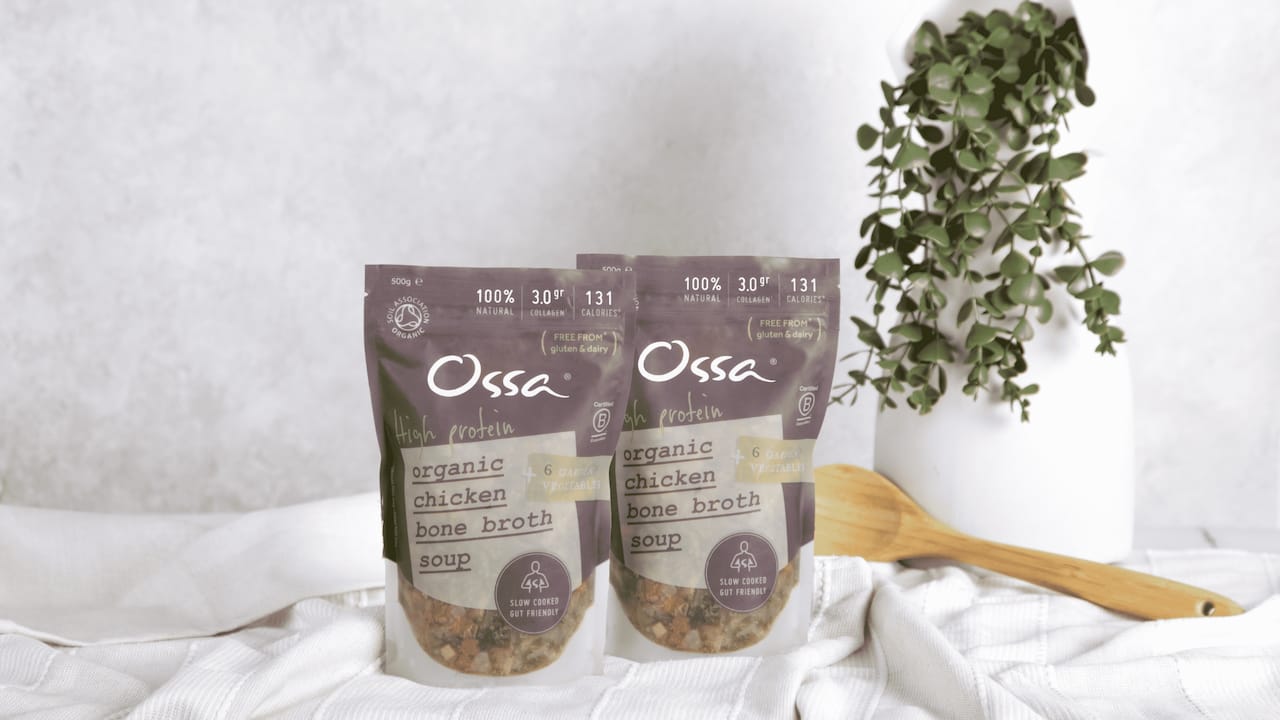
| Ossa Organic bone broth | A convenient, preservative-free gut-support option; sip daily or use as a cooking base. |
Table of Contents
-
4. Protein and B vitamins: eggs, poultry, legumes and why they matter
-
7. Hydration and calming drinks: water, herbal teas and caffeine limits
Can food actually ease anxiety?
Yes. Foods affect stress through several biological routes, and understanding the main ones helps you choose more deliberately.
The gut-brain axis is the most significant. The gut and brain communicate continuously via the vagus nerve and shared chemical signals. The gut-brain connection is not a fringe idea; it is now a mainstream area of nutritional science.
Inflammation is a second route. Chronic low-grade inflammation is associated with anxiety and low mood. Omega-3 fatty acids reduce inflammatory signalling, and antioxidants from colourful vegetables and berries help neutralise oxidative stress in brain tissue.
Neurotransmitter precursors matter too. Tryptophan from eggs and poultry feeds serotonin production. B vitamins support the enzymatic steps that convert these precursors into active neurotransmitters.
Blood-sugar stability is the most immediate lever. Cortisol rises when blood glucose drops sharply, which is why skipping meals or eating refined carbohydrates can worsen stress symptoms within hours. Protein and fibre at each meal slow glucose absorption and blunt that cortisol response.
Some benefits, particularly blood-sugar stabilisation, can be noticeable within days. Microbiome and anti-inflammatory effects typically take several weeks to months of consistent dietary change.
1. Omega-3 rich foods: why they help and how to eat them
Omega-3 fatty acids reduce inflammation and support mood regulation. Small randomised controlled trials have shown reduced anxiety symptoms with omega-3 supplementation, and dietary intake from oily fish or plant sources is a practical first step.
Best sources in the UK:
-
Wild or farmed salmon (fresh, frozen, or tinned)
-
Mackerel (smoked or fresh)
-
Sardines (tinned in spring water or olive oil)
-
Herring
-
Chia seeds and flaxseed (ground)
-
Walnuts
-
Algae-based omega-3 supplements (for vegans)
The NHS recommends eating fish regularly each week, including oily fish. Tinned sardines on wholemeal toast is one of the simplest and cheapest ways to hit that target. For plant-based readers, a tablespoon of ground flaxseed stirred into porridge or a smoothie provides a daily dose of ALA omega-3s. Chia pudding made with plant milk overnight is another low-effort option.
2. Fermented foods support gut health and calmer mood

Fermented foods can support the microbiome and reduce anxiety-linked signals. Preliminary human studies have reported links between probiotic foods and fewer social anxiety symptoms, with effects attributed to microbiome changes.
Accessible fermented foods:
-
Live natural yoghurt (check the label for “live cultures”)
-
Kefir (dairy or coconut-based)
-
Sauerkraut (unpasteurised, from the chilled aisle)
-
Kimchi
-
Tempeh
-
Miso paste
When choosing products, look for “live and active cultures” on the label and avoid varieties with high added sugar, which can counteract the benefit. A small serving daily, such as a spoonful of sauerkraut alongside lunch or a glass of kefir in the morning, is more useful than a large occasional dose.
Pro Tip: Pair fermented foods with prebiotic fibre sources such as garlic, onions, leeks, or oats at the same meal. Prebiotics feed the beneficial bacteria that probiotics introduce, making the combination more effective than either alone.
3. Magnesium-rich foods help regulate sleep and cortisol
Magnesium supports sleep quality and cortisol regulation. Animal studies and some human data suggest that low magnesium intake is associated with increased anxiety-like behaviour, and dietary sources are the most accessible way to address this.
Top magnesium sources:
-
Pumpkin seeds: 30 g provides roughly 150 mg of magnesium
-
Spinach and Swiss chard
-
Almonds and cashews
-
Dark chocolate (70%+)
-
Bananas
-
Lentils and black beans
-
Wholemeal bread
Many people in the UK consume less magnesium than recommended. Simple swaps help close that gap: swap crisps for a small handful of pumpkin seeds, add a large handful of spinach to a morning smoothie, or stir a tablespoon of almond butter into porridge. These are not dramatic changes, but they add up across a week.
4. Protein and B vitamins: eggs, poultry, legumes and why they matter
Protein and B vitamins support serotonin synthesis, sustained energy, and blood-glucose balance. Eggs supply both tryptophan (a serotonin precursor) and vitamin B12, making them one of the most nutrient-dense options for stress management. Lean poultry and beef in moderation provide similar benefits.
Good sources:
-
Eggs (boiled, scrambled, poached)
-
Chicken and turkey breast
-
Lean beef
-
Greek yoghurt
-
Lentils, chickpeas, and black beans
-
Fortified plant milks and cereals (for B12 on a vegan diet)
For a quick breakfast, two scrambled eggs on wholemeal toast with a handful of spinach covers protein, B vitamins, magnesium, and complex carbohydrates in one meal. Vegetarian and vegan readers can combine lentils with brown rice for a complete amino acid profile. For nutrient-rich food ideas that cover these categories in more detail, Ossa Organic’s blog is a useful reference.
Combine protein with complex carbohydrates at every meal to slow glucose absorption and prevent the cortisol spikes that follow blood-sugar crashes.
5. Complex carbohydrates and fibre keep blood sugar steady
Slow-digesting carbohydrates and fibre help maintain even blood sugar and feed beneficial gut bacteria. Cortisol spikes are closely tied to glucose drops, so choosing wholegrains over refined carbs is one of the most direct dietary levers for stress management.
Best choices:
-
Porridge oats
-
Barley
-
Brown rice
-
Wholemeal bread and pasta
-
Lentils and chickpeas
A stress-soothing breakfast: porridge made with oat milk, topped with a tablespoon of almond butter, a handful of blueberries, and a sprinkle of pumpkin seeds. This combination provides fibre, magnesium, antioxidants, and protein in under five minutes. For snacks, swap white crackers for oatcakes with hummus, or a banana with a small handful of walnuts.
Meal timing matters. Skipping meals, particularly breakfast, leads to blood-sugar dips that trigger cortisol release. Eating at regular intervals and including fibre and protein at each sitting keeps that response in check.
6. Antioxidant-rich foods may reduce brain inflammation
Antioxidants can lower inflammatory markers associated with anxiety. Berries, dark chocolate, colourful vegetables, turmeric, and ginger are the most practical sources for everyday meals.
Key antioxidant foods:
-
Blueberries, strawberries, raspberries
-
Dark chocolate (70% cocoa or above; a 20–30 g portion)
-
Red and yellow peppers, broccoli, beetroot
-
Turmeric
-
Ginger
-
Green tea
A 20–30 g square of dark chocolate provides antioxidants and a small amount of magnesium without excessive sugar. Turmeric is worth including regularly, but its active compound, curcumin, has poor bioavailability on its own. Adding a pinch of black pepper to any turmeric dish increases absorption significantly. A simple golden milk (warm plant milk, turmeric, black pepper, and a little honey) is an easy evening habit.
7. Hydration and calming drinks: water, herbal teas and caffeine limits
Dehydration and excess caffeine both worsen stress symptoms. Even mild dehydration can impair concentration and mood, and caffeine consumed too late in the day disrupts sleep, which amplifies the stress response the following day.
Practical guidance:
-
Aim for 6–8 glasses of water daily (NHS recommendation)
-
Chamomile tea: associated with mild calming effects; suitable before bed
-
Peppermint tea: supports digestion and can reduce tension headaches
-
Green tea: contains L-theanine, an amino acid that promotes calm alertness without sedation; one to two cups before mid-afternoon is a reasonable limit
-
Limit coffee and caffeinated drinks to before 2 PM to protect sleep quality
-
Avoid energy drinks, which combine high caffeine with sugar and additives
Set a caffeine cut-off time and replace afternoon coffee with chamomile or peppermint tea. This single habit can improve sleep quality within a week, which in turn reduces baseline stress the next day.
8. Bone broth and collagen: gut support in a cup
Bone broth provides amino acids, including glycine and proline, that support the gut lining and digestion. A well-functioning gut lining reduces the passage of inflammatory compounds into the bloodstream, which is one mechanism through which gut health connects to mood and stress resilience.
Practical uses:
-
Sip a warm mug as a morning or evening ritual
-
Use as a base for soups, stews, and risottos instead of stock cubes
-
Add to sauces and gravies for depth and nutrition
-
Stir into mashed vegetables or grains as a cooking liquid
Bone broth is also a source of collagen, which supports connective tissue and gut integrity. Pairing it with vegetable-rich stews adds the fibre that animal-based broths lack, covering both gut-lining support and prebiotic feeding of the microbiome. For practical recipe ideas, Ossa Organic’s gut-friendly recipes page covers a range of uses.
9. Foods and drinks to limit when you are stressed
Alcohol, excess caffeine, refined sugar, heavily processed foods, and trans fats worsen sleep quality, increase inflammation, and cause blood-sugar swings that amplify the stress response.
Limit or avoid:
-
Alcohol: disrupts sleep architecture and raises cortisol
-
Caffeinated drinks after mid-afternoon
-
Refined sugar: sweets, biscuits, sugary cereals, fizzy drinks
-
Highly processed snacks: crisps, pastries, fast food
-
Trans fats: found in some margarines and processed baked goods
Simple swaps:
-
Sparkling water with lemon instead of alcohol or fizzy drinks
-
Oatcakes with nut butter instead of biscuits
-
Whole fruit instead of sweets or fruit juice
-
Wholemeal bread instead of white
-
Herbal tea instead of a second or third coffee
If you are on medication for anxiety, depression, or blood pressure, some dietary changes, particularly large increases in fermented foods or significant shifts in caffeine intake, can interact with treatment. Consult your GP or pharmacist before making substantial changes.
10. How to build an anti-stress food plan step by step
Small, consistent changes produce more lasting benefit than dramatic short-term overhauls. A practical sequence: audit what you currently eat, plan two or three changes, shop for them, prepare in batches, and track how you feel over two to four weeks.
Meal-prep and planning checklist:
-
Batch-cook a pot of lentil soup or a grain salad on Sunday for weekday lunches
-
Keep a bag of frozen oily fish (salmon fillets, mackerel) in the freezer for quick dinners
-
Stock live yoghurt, kefir, or sauerkraut in the fridge at all times
-
Prep overnight oats or chia pudding the night before for a no-effort breakfast
-
Keep a bowl of mixed nuts and seeds on the counter as a default snack
-
Simmer bone broth or use a ready-made option as a weekly cooking staple
Sample day:
-
Breakfast: Porridge with ground flaxseed, blueberries, and almond butter
-
Mid-morning: A glass of kefir or live yoghurt with a banana
-
Lunch: Lentil soup with wholemeal bread and a side of sauerkraut
-
Afternoon snack: A small handful of walnuts and a square of dark chocolate
-
Dinner: Baked salmon with brown rice, steamed spinach, and a turmeric-spiced sauce
-
Evening: A mug of warm bone broth or chamomile tea
For readers who want structured guidance, Ossa Organic’s 14-day gut reset provides a step-by-step programme built around these principles. Maintaining consistent eating patterns while travelling is also achievable with a little planning; tips for eating healthily on holiday from Wild Foodz covers practical strategies for keeping these habits in place away from home.
11. What the evidence says and how long to expect results
Multiple mechanisms linking diet to stress and anxiety are supported by research, though the strength of evidence varies by nutrient and study design.
Observational studies consistently associate dietary patterns high in whole foods, fibre, omega-3s, and fermented foods with lower rates of depression and anxiety. These are population-level associations, not proof of direct causation, but the pattern is coherent across multiple populations.
Randomised controlled trials on omega-3 supplementation have shown reduced anxiety symptoms in small samples, including medical students under exam stress. The mechanism, reduced inflammatory signalling, is biologically plausible and consistent with the observational data.
The gut-brain axis evidence is growing. Reviews published on PubMed link dietary fibre and fermented food intake to reduced inflammatory markers and improved anxiety-related outcomes. The Harvard Nutrition Source recommends balanced diets with omega-3s, fibre, and mindful eating as practical strategies for stress resilience.
Realistic timelines:
-
Blood-sugar stabilisation: noticeable within days of consistent protein-and-fibre meals
-
Sleep quality improvements from reduced caffeine: within one to two weeks
-
Microbiome changes from fermented foods and fibre: several weeks to months
-
Anti-inflammatory effects from omega-3s: typically four to eight weeks of consistent intake
The NHS is clear that diet is one component of stress management alongside sleep, exercise, and talking therapies. For persistent or severe anxiety, dietary changes are a complement to clinical care, not a replacement. If symptoms are significant, speak to your GP.
Safety note: if you take anticoagulants, antidepressants, or blood-pressure medication, discuss significant dietary changes, particularly large increases in omega-3s, fermented foods, or herbal teas, with your GP or pharmacist before starting.
This article provides general information only and is not a substitute for professional medical advice. Always consult a qualified healthcare professional for personalised guidance.
Why a food-first, gut-centred approach makes sense
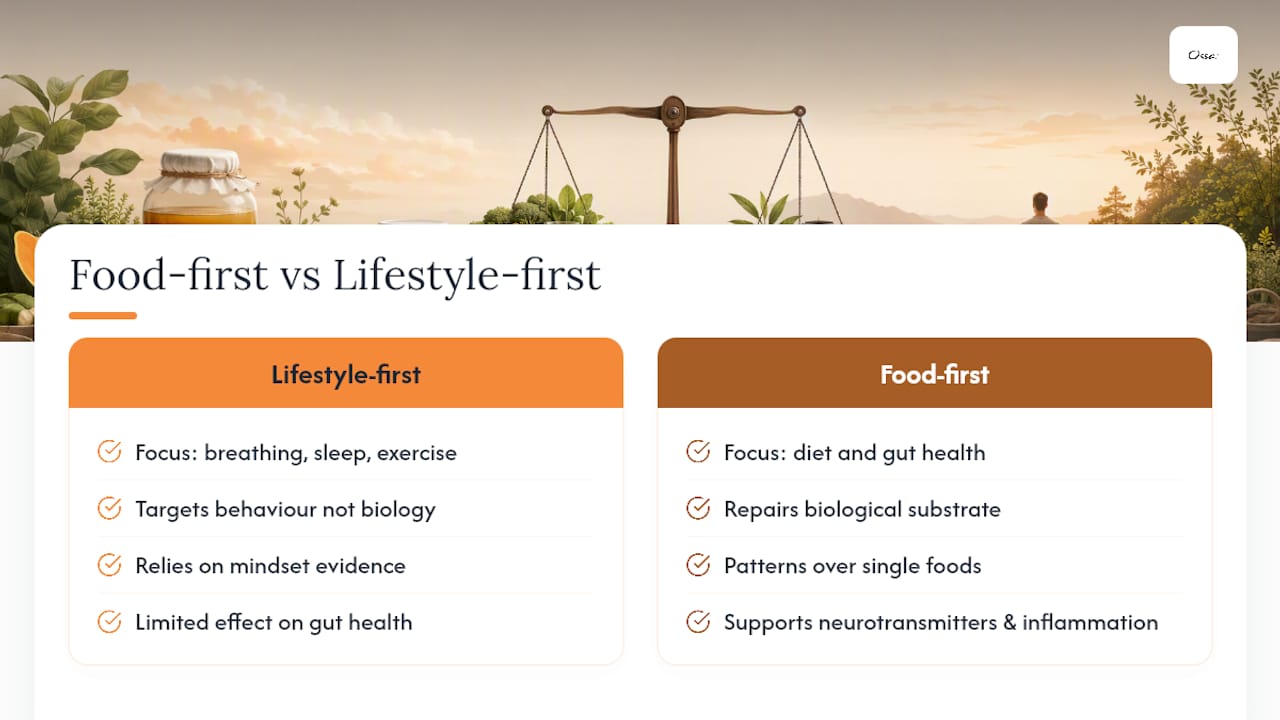
The conventional framing of stress management focuses almost entirely on mindset and lifestyle: breathe more, sleep more, exercise more. All of that is valid. What gets underweighted is the biological substrate those habits run on.
A gut lining compromised by processed food, alcohol, and low fibre cannot produce neurotransmitters efficiently or regulate inflammation reliably. No amount of meditation fixes a microbiome that is not being fed. The food-first approach that Ossa Organic advocates is not a rejection of other stress-management tools; it is the foundation that makes them work better.
The evidence for isolated “superfoods” is consistently weaker than the evidence for consistent dietary patterns. A single serving of blueberries does not move the needle. A month of daily fermented foods, regular oily fish, steady blood sugar, and adequate magnesium does. Consistency and variety across food groups, not any single ingredient, is what the research supports.
Bone broth sits in this framework as a traditional food with a practical modern use case: it supports gut-lining integrity, provides glycine for sleep quality, and fits into a daily routine as a warm, savoury alternative to snacking. Its value is not miraculous; it is cumulative and complementary to the broader dietary pattern.
Ossa Organic bone broths: ready to use for gut support
Ossa Organic slow-cooks its bone broths from organic, free-range ingredients with no preservatives or artificial additives. Each batch is made to support gut health as part of a consistent food-first routine, not as a supplement or shortcut.
Three options are available for everyday use:
-
Organic Beef Bone Broth Ambient 515ml: rich in collagen and glycine; sip warm or use as a base for soups and stews
-
Organic Free Range Chicken Bone Broth 500ml: lighter flavour; works well in risottos, sauces, and as a morning drink
-
Organic Chicken Bone Broth Ambient 515ml: ambient format for convenient storage; same slow-cooked quality
All three are shelf-stable until opened, making them straightforward to keep in the cupboard and reach for when you need a quick, nourishing option. For guidance on how to use them in meals and daily rituals, visit the how to use page.
Useful sources and further reading
-
NHS: Understanding stress, anxiety and depression — practical guidance on stress management and when to seek clinical help
-
WHO: Anxiety disorders fact sheet — global prevalence and public-health context for anxiety
-
PMC: Eat to beat stress — review of dietary fibre, fermented foods, and anxiety outcomes via the gut-brain axis
-
Harvard T.H. Chan School: Stress and health (Nutrition Source) — evidence-based dietary recommendations for stress resilience
These sources informed the content above. For personalised dietary advice, particularly if you have a medical condition or take medication, consult a registered dietitian or your GP.
FAQ
What food reduces stress the most?
No single food produces the largest effect in isolation. Consistent intake of oily fish (for omega-3s), fermented foods (for gut-brain support), and magnesium-rich leafy greens and seeds together provides the strongest combined dietary foundation for reducing stress.
What are natural remedies for anxiety?
Diet is one practical starting point: prioritise omega-3 fatty acids, fermented foods, magnesium sources, and complex carbohydrates while limiting caffeine, alcohol, and refined sugar. The NHS recommends combining dietary changes with regular exercise, adequate sleep, and talking therapies for persistent anxiety.
How quickly can diet reduce stress symptoms?
Blood-sugar stabilisation from protein-and-fibre meals can be noticeable within days. Microbiome changes from fermented foods and fibre, and anti-inflammatory effects from omega-3s, typically take several weeks to months of consistent dietary change.
What are simple ways to reduce stress every day?
Eat regular meals with protein and fibre to keep blood sugar steady, include a fermented food daily, limit caffeine after mid-afternoon, stay hydrated, and consider a warm mug of bone broth as an evening ritual. These small, repeatable habits compound over time.



Benzo Pharma —
Such a timely read. Stress management starts with small daily habits. More helpful content at https://bzpharmacy.com/